
Easy Spaghetti and Meatballs
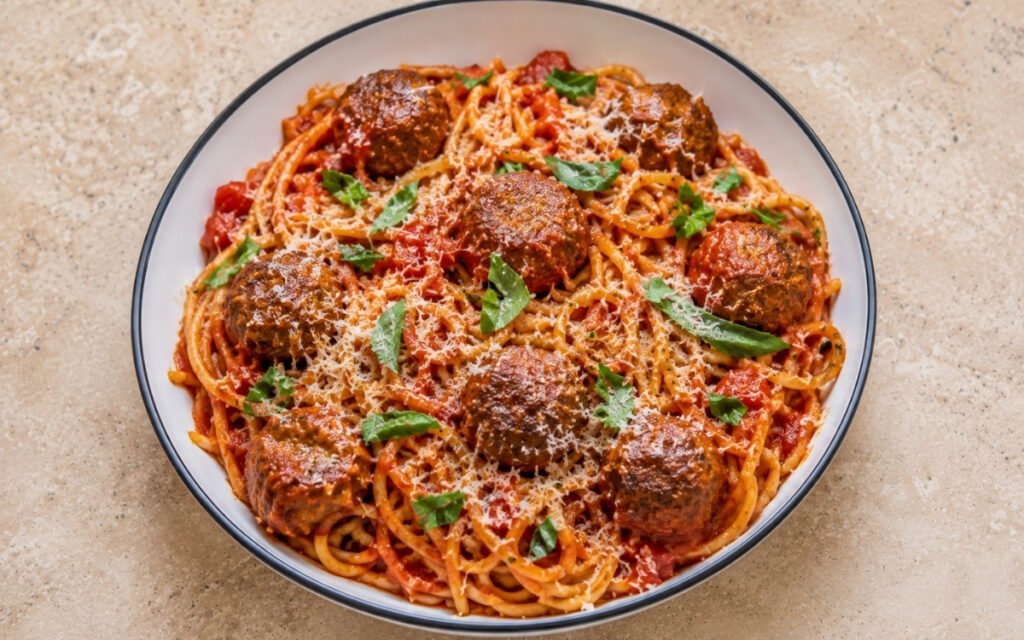
The Italian-American classic done properly — tender beef and pork meatballs built around a panade of milk-soaked breadcrumbs that keeps them juicy through the browning and the long simmer, seared deeply in a hot skillet to build a caramelised crust, then finished in a San Marzano tomato sauce that absorbs everything the searing produced. The same sauce coats the spaghetti when it goes in at the end, with a splash of starchy pasta water to pull the whole dish into a cohesive, glossy, deeply flavoured plate. Restaurant quality, genuinely not complicated, and on the table in sixty minutes.
Prep Time : 25 min
Cook Time : 35 min
Servings : 4
25 min
35 min
4
Ingredients
For the Meatballs
• 300g ground beef, 80/20 fat ratio
• 200g ground pork
• 50g Parmigiano-Reggiano, finely grated — this one on Amazon
• 40g fresh breadcrumbs
• 60ml whole milk
• 1 large egg (50g)
• 15g fresh flat-leaf parsley, finely chopped
• 8g garlic (2 cloves), minced
• 5g fine sea salt
• 2g freshly ground black pepper
• 1g freshly grated nutmeg
• 30ml olive oil for browning
For the Marinara Sauce
• 800g canned San Marzano tomatoes, crushed by hand — this one on Amazon
• 4 garlic cloves, thinly sliced
• 2 tbsp extra-virgin olive oil
• 1 tsp fine sea salt
• 1 tsp sugar
• ½ tsp dried oregano
• 2g red chili flakes
• Small handful fresh basil leaves, added at the end
• Freshly ground black pepper to taste
For the Pasta
• 320g dried spaghetti — this one on Amazon
• 20g fine sea salt for pasta water
• 30g Parmigiano-Reggiano for serving, grated
• 10g fresh basil leaves for garnish
This post may contain affiliate links. As an Amazon Associate I earn from qualifying purchases, at no additional cost to you.
Directions
- Make the Panade
In a small bowl, combine the 40g of fresh breadcrumbs with the 60ml of whole milk. Stir briefly to ensure every breadcrumb is saturated and allow to stand for 5 minutes. During this time the breadcrumbs absorb the milk completely and swell into a soft, wet paste — this is the panade. The panade is not an optional step and its function is specific and important. When mixed into the raw meat, the milk-saturated breadcrumbs distribute moisture throughout the meatball mixture and physically interrupt the continuous protein network that forms when meat is worked together. Without a panade, the meatball’s proteins link fully during mixing and contract aggressively during cooking — producing a dense, rubbery, dry meatball regardless of the fat content of the meat. With a panade, the moisture distributes through the meat and the breadcrumb particles interrupt the protein chains at regular intervals, producing a tender, yielding, juicy meatball that holds its shape. Fresh breadcrumbs are specified over dried — fresh breadcrumbs are softer, absorb milk more completely, and distribute more invisibly through the meat mixture. Dried breadcrumbs absorb liquid less thoroughly and can produce slightly dry, visible crumbs in the finished meatball. - Mix and Form the Meatballs
In a large mixing bowl, combine the ground beef, ground pork, finely grated Parmigiano-Reggiano, soaked panade, egg, chopped parsley, minced garlic, salt, black pepper, and freshly grated nutmeg. The combination of beef and pork is the standard Italian-American formula for meatballs — the beef provides the primary flavour and structural protein, while the pork provides additional fat and a slightly sweeter, more complex flavour. The 80/20 beef fat ratio is important: lean beef produces drier meatballs because less fat is available to keep the interior moist during cooking. The Parmigiano adds saltiness, savoury depth, and binding protein — it is a flavour and structural ingredient simultaneously. The nutmeg is a small but specific addition — at 1g it contributes a warm, slightly sweet aromatic background note that is characteristic of traditional Italian meatball preparations without being detectable as nutmeg. Mix with your hands using a folding and pressing motion rather than vigorous kneading. The mixing should take 30–45 seconds — just long enough to combine all ingredients evenly with no visible dry patches or unmixed areas. Overworking the mixture compresses the protein network even in the presence of a panade, producing tighter, less tender meatballs. With lightly moistened hands — wet hands prevent the meat from sticking — portion the mixture into 12 equal meatballs, each approximately 55g. Roll each portion between your palms in a circular motion, applying light, consistent pressure to produce a smooth, evenly rounded sphere. Uniform size ensures all meatballs cook at the same rate during browning and simmering. - Brown the Meatballs
Heat the 30ml of olive oil in a large, deep skillet over medium-high heat until shimmering. Place the meatballs in the hot oil in a single layer without crowding — work in two batches if the skillet cannot accommodate all 12 with space between them. Browning is the most flavour-generating step in the entire recipe and its quality directly determines the depth of the finished dish. The meatballs should sear undisturbed for 2–3 minutes per side until the contact surface develops a deep, dark, genuinely caramelised crust — not lightly coloured but properly browned with Maillard reaction compounds fully developed. Turn the meatballs to sear 3–4 sides, working around the circumference. The meatballs do not need to be cooked through at this stage — they will finish cooking in the sauce — but the sear should be deep and complete on every surface that contacts the pan. The browned crust is both a direct flavour contribution and a source of fond — the caramelised protein and fat residue that will remain in the pan and dissolve into the sauce, contributing a savory depth that no amount of seasoning can replicate. Transfer the browned meatballs to a plate and set aside. - Build the Marinara Sauce
Without cleaning the pan — every bit of fond from the meatball browning belongs in the sauce — reduce the heat to medium and add the extra-virgin olive oil. Add the thinly sliced garlic and red chili flakes. Cook for 45 seconds, stirring continuously, until the garlic is fragrant and very lightly golden — do not allow it to brown past pale gold, as garlic that browns deeply in this context adds bitterness to the entire sauce. The red chili flakes in this marinara are not present to make the sauce spicy — at 2g for this quantity of sauce, they add a subtle background warmth that lifts the tomato’s sweetness rather than introducing obvious heat. Add the crushed San Marzano tomatoes, salt, sugar, and dried oregano. Stir firmly, scraping the bottom of the pan to lift all the fond dissolved by the tomato’s liquid. Bring to a gentle simmer. The sugar calibrates the tomato’s acidity — San Marzano tomatoes are naturally less acidic than standard crushed tomatoes, so the sugar quantity may seem excessive but is calibrated for the specific sweetness balance of a well-made marinara. Taste the sauce at this point and adjust — it should taste balanced, slightly sweet, gently spiced, and deeply tomato-flavoured. - Simmer the Meatballs in the Sauce
Nestle all the browned meatballs into the tomato sauce, pressing them gently to ensure they are at least half-submerged. The partial submersion allows the sauce to braise the lower half of each meatball while the exposed upper surfaces continue developing flavour from the steam and gentle heat above. Reduce the heat to low, partially cover the skillet — leaving a gap for steam to escape and the sauce to reduce slightly — and simmer for 25 minutes. Turn each meatball gently halfway through the simmering time to ensure even cooking and sauce penetration on all sides. During the simmer, the meatballs complete their cooking — reaching a safe internal temperature while absorbing the tomato sauce’s flavour throughout. Simultaneously, the meatballs release their own rendered fat and juices into the sauce, enriching it with depth and body. Add the fresh basil leaves in the final minute of simmering — the residual heat wilts them slightly and releases their aromatic oils into the sauce without cooking off the volatile compounds that prolonged heat would destroy. - Cook the Spaghetti
While the meatballs simmer, bring a large pot of water to a full rolling boil and add the 20g of fine sea salt — the water should taste assertively like the sea. Add the spaghetti and cook for 1 minute less than the package directions — the pasta will finish absorbing flavour when it is added directly to the sauce. Before draining, reserve at least 240ml of the starchy pasta water. Drain without rinsing. - Combine and Serve
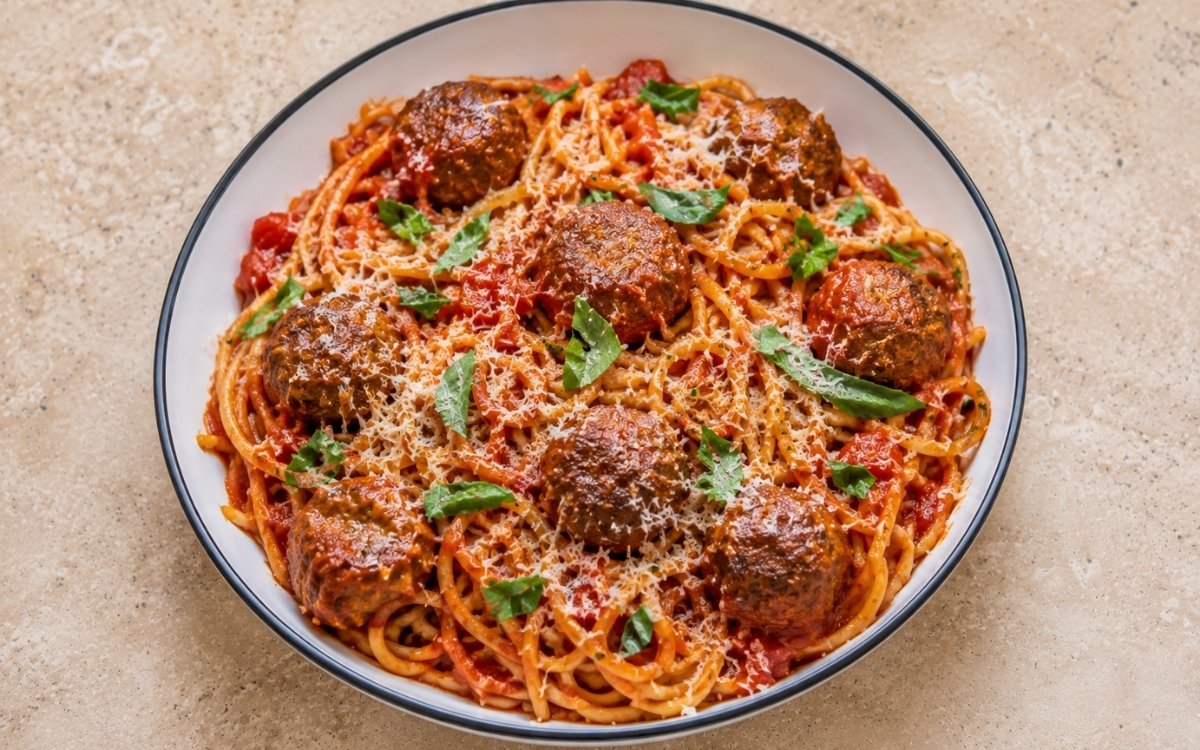
Add the drained spaghetti directly to the skillet with the meatballs and sauce. Toss gently using tongs, turning the spaghetti through the sauce and lifting from the bottom to coat every strand. Add reserved pasta water in small splashes as needed — the starch in the pasta water emulsifies with the sauce’s fat and tomato solids, producing the glossy, cohesive coating that makes the difference between pasta swimming in sauce and pasta married to it. Stir in the torn fresh basil leaves. Divide among four warm plates, twirling the spaghetti into a nest. Place 3 meatballs over each portion. Scatter the grated Parmigiano-Reggiano over the top and add the remaining fresh basil leaves. Serve immediately.
*Notes :
- The panade technique — milk-soaked breadcrumbs mixed into the raw meat — is the single most important meatball technique and the one most often omitted by recipes that do not explain why it matters. Its history in Italian cooking stretches back centuries: the same technique appears in polpette di carne across every regional Italian cuisine. In the American-Italian tradition of spaghetti and meatballs — a dish that does not exist in Italy as a combined plate in the way it does in New York and New Jersey, where Italian immigrants combined the two components for the first time in the early 20th century — the panade became even more important because the meatballs are larger and simmer longer in sauce, meaning they need more structural protection against drying than a small Italian polpetta cooked briefly.
- The 80/20 beef fat ratio is the minimum for a moist meatball that simmers for 25 minutes in sauce. Leaner ground beef produces a meatball that is noticeably drier at the centre by the time it is cooked through in the sauce. The combination with pork is the traditional formula — pork’s slightly higher fat content and its sweeter, more delicate flavour complement the beef’s savory depth without dominating.
- San Marzano DOP tomatoes produce a better marinara in less time than standard crushed tomatoes because of their inherent qualities: lower acidity, thicker flesh, smaller seed cavity, and more concentrated natural sugars. A 25-minute simmer with San Marzano tomatoes produces a sauce with the same balance and depth that might take 45 minutes to develop with standard crushed tomatoes. The DOP designation confirms the variety and growing region — grown in the volcanic soil of the Campania region near Naples — and is worth paying for in a sauce where the tomato is the entire flavour story.
Why This Recipe Works
This recipe works because every step builds on the previous one in service of the same goal: maximum flavour in a one-skillet preparation. The panade keeps the meatballs tender through the long simmer. The deep sear builds the flavour that would otherwise be missing from a directly simmered meatball.
The fond from the sear goes directly into the sauce rather than being discarded. The meatballs simmer in the sauce rather than separately, flavouring both simultaneously. The spaghetti finishes in the sauce with pasta water to coat every strand. Every decision compounds toward the same deeply flavoured, cohesive finished plate.
Ingredient Breakdown
Mixed Ground Meat (80/20 Beef and Pork)
The two-protein formula — beef for primary flavour and structure, pork for fat, sweetness, and tenderness. 80/20 beef provides the minimum fat for a moist meatball that survives 25 minutes of simmering.
Panade (Breadcrumb and Milk)
The tenderness mechanism — interrupts continuous protein bonding in the mixed meat, producing a yielding, juicy meatball rather than a dense, compressed one.
Parmigiano-Reggiano (in Meatballs)
Flavour and binding protein — adds savoury depth and structural contribution to the meatball mixture.
Nutmeg
The subtle aromatic addition — present as warm background depth rather than a detectable spice flavour, characteristic of traditional Italian preparations.
San Marzano Tomatoes
The sauce foundation — lower acidity, higher flesh content, and concentrated sweetness produce a balanced marinara in 25 minutes.
Meatball Simmering in Sauce
The simultaneous flavour exchange — meatballs absorb tomato flavour while releasing their rendered juices and fat into the sauce, enriching both.
Reserved Pasta Water
The sauce-to-pasta emulsifier — starchy water that creates the glossy, clingy coating when the drained spaghetti is added to the sauce.
Flavor Structure Explained
This pasta follows a layered balance model:
- Savory-rich core (meatballs)
- Sweet-acidic sauce (tomato, garlic, basil)
- Neutral wheaty base (spaghetti)
- Warm aromatic depth (nutmeg, parsley, chili)
- Emulsified cohesion (sauce + pasta water)
Meatballs define the core with caramelised, savory depth layered with pork sweetness, cheese, and aromatics. The tomato sauce surrounds and carries that richness, adding sweetness, acidity, and herbal brightness. Spaghetti provides the neutral base, distributing both sauce and meat evenly across each bite. Background aromatics — nutmeg, parsley, chili — add warmth and subtle complexity without dominating. The emulsified sauce binds everything together, ensuring the dish eats as a unified whole rather than separate components.
Common Mistakes to Avoid
- Skipping the Panade – Without the milk-soaked breadcrumbs, the meatball proteins bond fully and the meatball simmers for 25 minutes to a dry, dense texture. The panade is the single most impactful technique step.
- Overworking the Meat Mixture – Vigorous mixing compresses the protein network and produces tough, rubbery meatballs. Mix by hand for 30–45 seconds until just combined.
- Pale, Under-browned Meatballs – A light sear produces minimal Maillard reaction compounds and minimal fond — shallow flavour in the finished sauce. Brown deeply and allow each side 2–3 full minutes of undisturbed contact.
- Rinsing the Pasta – Rinsing removes the surface starch that allows the sauce to adhere. Drain without rinsing and add directly to the sauce.
- Not Reserving Pasta Water – The starchy water is the emulsifier that makes the difference between pasta coated in sauce and pasta swimming in sauce. Always reserve before draining.
- Adding Garlic to Too-Hot Oil – Garlic in very hot olive oil browns in under 30 seconds and adds bitterness to the sauce. Reduce heat to medium before adding garlic after the meatballs are removed.
Variations
All-Beef Meatballs
Use 500g of 80/20 ground beef and omit the pork. Increase the Parmigiano to 60g to compensate for the slightly reduced flavour complexity from removing the pork. The result is slightly denser and more directly beefy.
Baked Meatball Version
Instead of pan-browning, arrange the formed meatballs on a parchment-lined baking sheet and roast at 220°C for 15 minutes until browned. Transfer to the sauce and simmer as directed. Less flavourful than pan-browning due to less fond development, but convenient for large batches.
Spicy Arrabiata Version
Increase the red chili flakes to 5–6g and add one whole dried chili to the sauce during simmering, removed before serving, for a genuinely spicy arrabiata-style meatball sauce.
Ricotta Meatballs
Replace the panade entirely with 60g of full-fat ricotta cheese mixed into the meat. The result is an extremely tender, slightly richer, lighter-textured meatball with a mild dairy sweetness — a Neapolitan variation that produces a noticeably softer meatball than the breadcrumb version.
Storage & Make-Ahead
Meatballs in sauce are one of the best make-ahead options in this collection. They can be refrigerated for up to 4 days, and the flavor becomes even deeper over the first 24 to 48 hours as the meatballs and sauce continue to exchange flavor during storage. To reheat, warm them gently over low heat with a splash of water. Whenever you serve refrigerated meatballs and sauce, cook the spaghetti fresh.
Browned meatballs without sauce freeze very well for up to 3 months. Freeze them individually on a tray until solid, then transfer them to sealed bags. When ready to use, thaw them overnight in the refrigerator and simmer them in freshly made marinara.
Uncooked formed meatballs can be refrigerated on a tray for up to 24 hours before browning. They can also be frozen for up to 2 months before browning. In that case, cook them directly from frozen in a hot skillet, allowing about 4 to 5 minutes per side.
Frequently Asked Questions
Why beef and pork together?
The combination is the traditional Italian-American formula calibrated over generations of restaurant cooking — beef provides savory depth and primary structure; pork provides additional fat, sweetness, and a slightly more complex flavour. Either alone produces an acceptable meatball; together they produce the specific richness and flavour that defines the dish.
Can I use store-bought marinara?
Yes — a good quality jarred marinara is an entirely valid shortcut for the sauce component. The homemade version in this recipe takes 30 minutes and produces noticeably better results, but store-bought sauce saves significant time and still produces a satisfying finished dish, particularly when the meatballs are made from scratch.
Why does the pasta finish in the sauce rather than being served separately?
Finishing the pasta directly in the sauce allows the spaghetti to absorb some of the sauce’s flavour and the starchy pasta water to emulsify with the sauce’s fat and tomato solids, producing a cohesive coating that makes the pasta and sauce a unified preparation rather than two separate components plated together. The difference in the eating experience is immediately apparent.
How do I keep the meatballs from falling apart during browning?
The panade provides structural integrity but the most common cause of meatball collapse during browning is attempting to flip them before the sear has set. A properly seared meatball releases naturally from the pan when the crust has formed — if it sticks and resists, it needs 30–60 more seconds. Forcing an early flip tears the still-setting exterior.
Can I add mozzarella?
Yes — tear 100g of fresh mozzarella and tuck pieces between the meatballs in the sauce for the final 5 minutes of simmering for a mozzarella-enriched version. Alternatively, scatter the mozzarella over the plated pasta for a different presentation.
Nutrition Facts
( per serving )
Calories
~765 kcal
Protein
42 g
Fat
34 g
Carbs
68 g
Calories
~765 kcal
Protein
42 g
Fat
34 g
Carbs
68 g
Related Recipes
Related Recipes

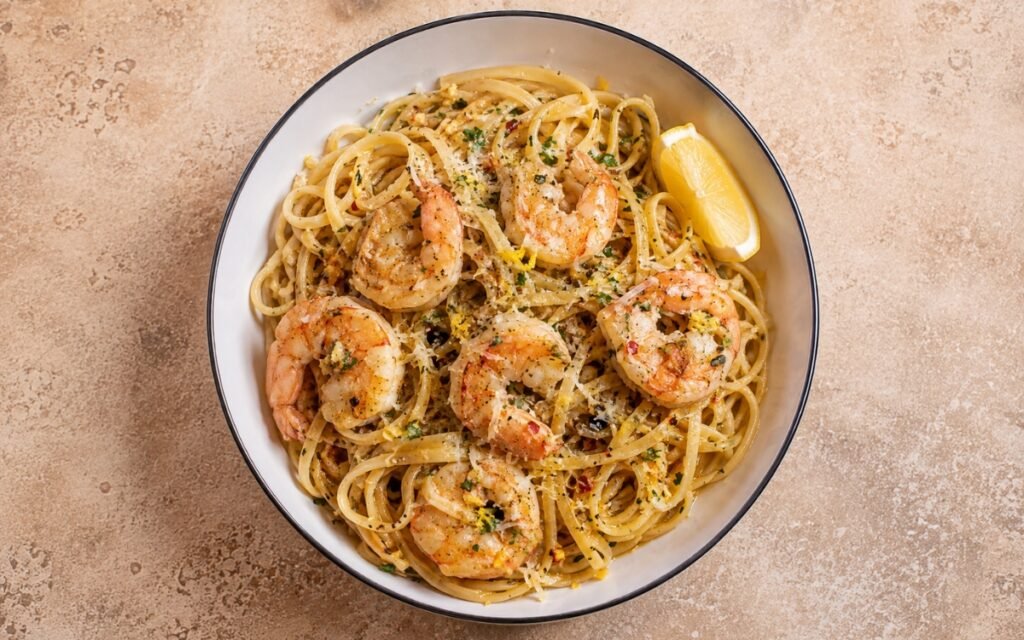
Shrimp Scampi Pasta
Linguine finished in a glossy garlic butter lemon sauce with tender shrimp, parsley, chili flakes, and Parmesan.
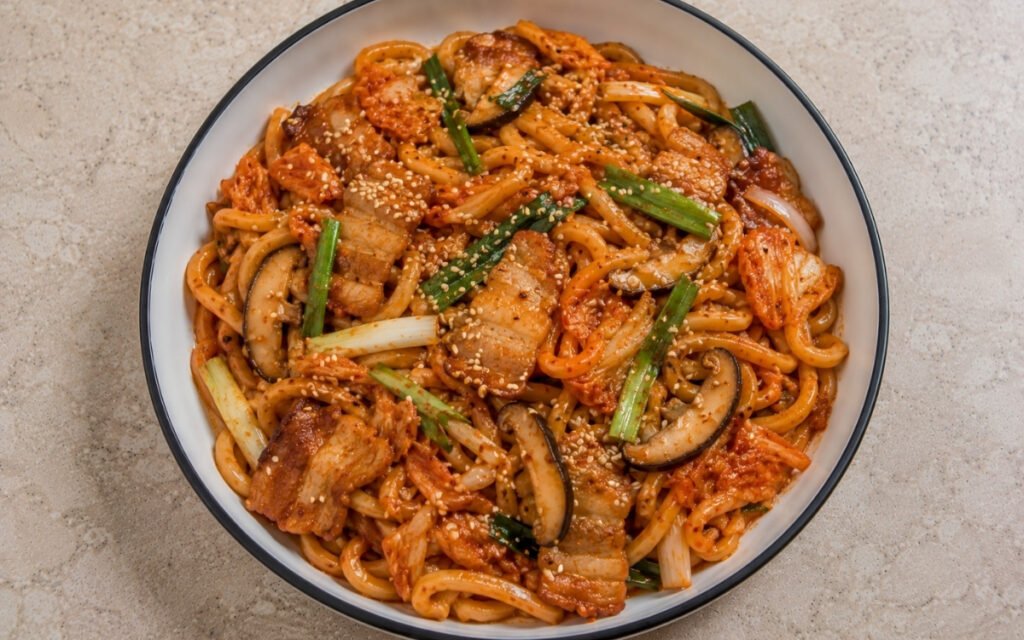
Kimchi Udon Stir-Fry Noodles
Pork belly and aged kimchi charred in a smoking-hot wok with shiitake and udon — kimchi juice sauce, butter finish, 27 minutes.
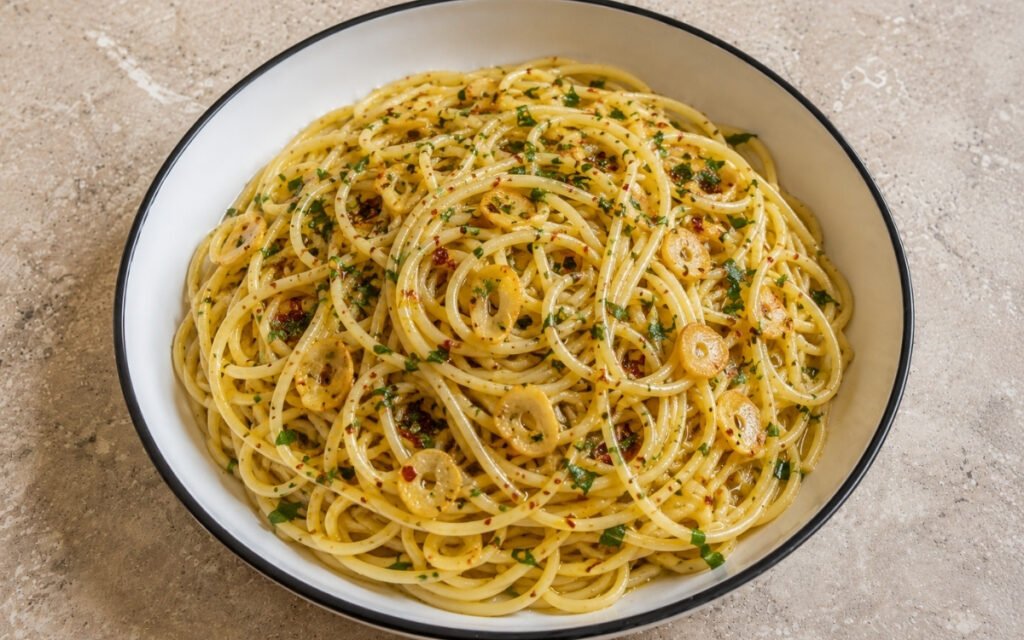
4-Ingredient Aglio e Olio Pasta
Paper-thin garlic toasted to pale gold, emulsified with pasta water — four ingredients, 20 minutes.
You might also like
You might also like
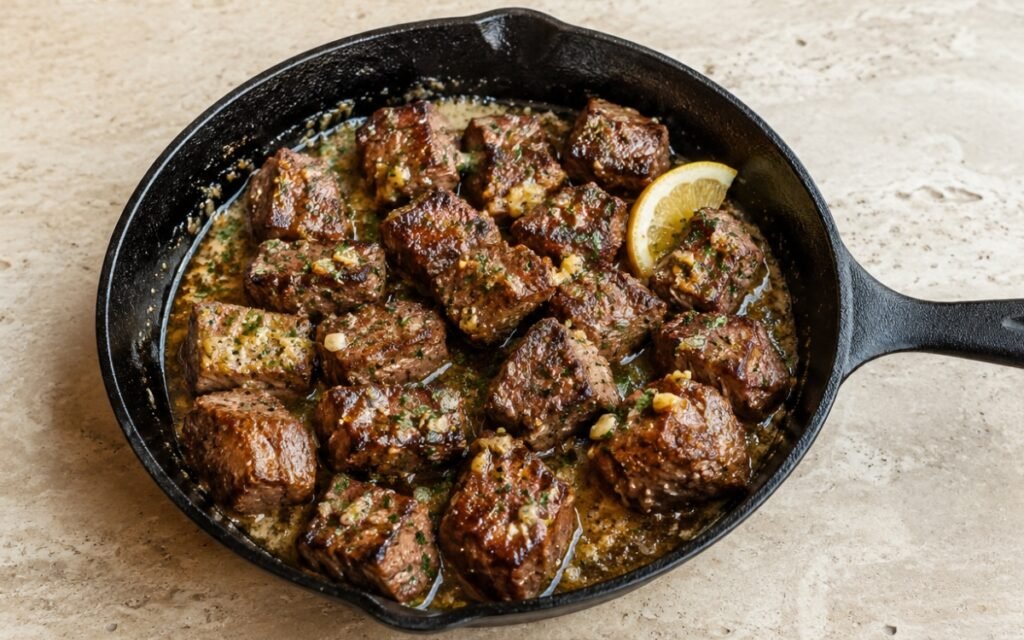
Garlic Butter Steak Bites
Large seared steak cubes with dark crust and juicy centers, tossed in glossy garlic butter with parsley, lemon, and black pepper.
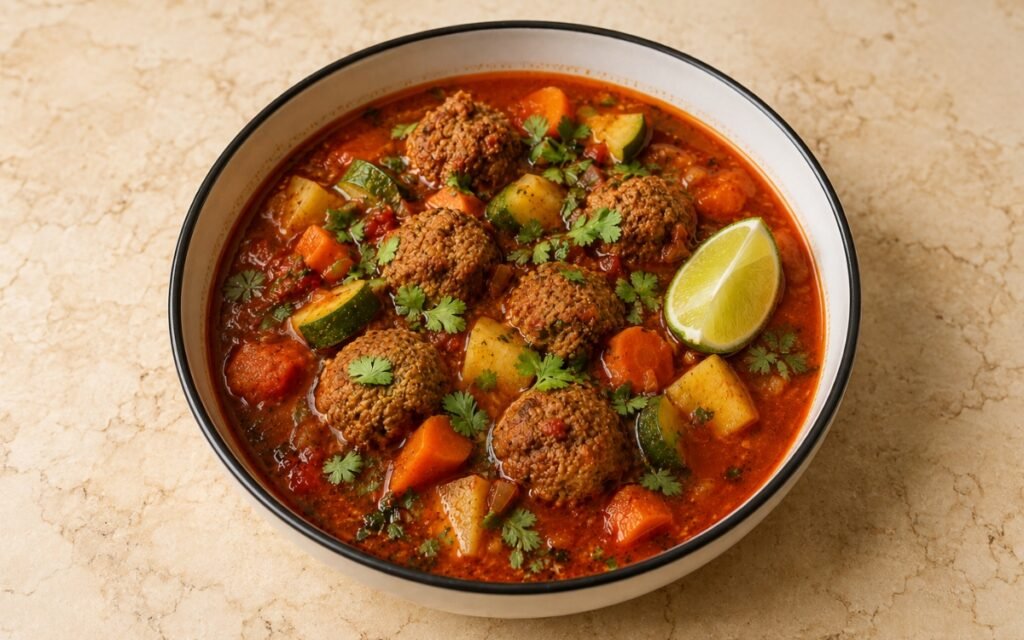
Sopa de Albóndigas
Tender beef-and-rice meatballs simmered gently in a savory red tomato broth with carrot, potato, and zucchini.
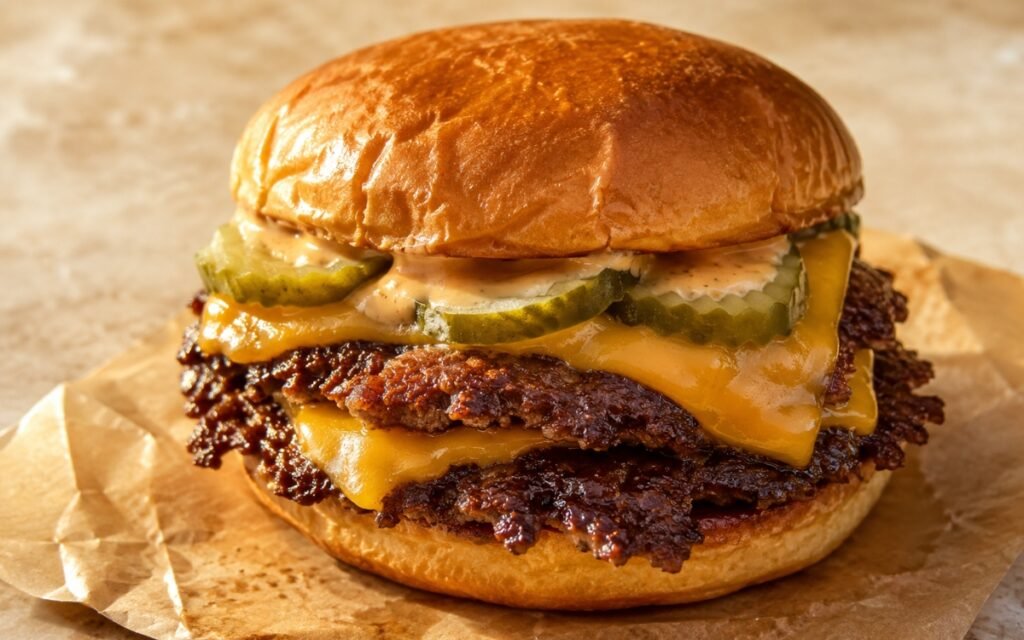
Double Smash Burger
Two thin smashed beef patties with melted American cheese, tangy burger sauce and dill pickle planks on a butter-toasted bun.
Spaghetti and Meatballs
Ingredients
Method
- In a small bowl, combine the 40g of fresh breadcrumbs with the 60ml of whole milk. Stir briefly to ensure every breadcrumb is saturated and allow to stand for 5 minutes. During this time the breadcrumbs absorb the milk completely and swell into a soft, wet paste — this is the panade. The panade is not an optional step and its function is specific and important. When mixed into the raw meat, the milk-saturated breadcrumbs distribute moisture throughout the meatball mixture and physically interrupt the continuous protein network that forms when meat is worked together. Without a panade, the meatball’s proteins link fully during mixing and contract aggressively during cooking — producing a dense, rubbery, dry meatball regardless of the fat content of the meat. With a panade, the moisture distributes through the meat and the breadcrumb particles interrupt the protein chains at regular intervals, producing a tender, yielding, juicy meatball that holds its shape. Fresh breadcrumbs are specified over dried — fresh breadcrumbs are softer, absorb milk more completely, and distribute more invisibly through the meat mixture. Dried breadcrumbs absorb liquid less thoroughly and can produce slightly dry, visible crumbs in the finished meatball.
- In a large mixing bowl, combine the ground beef, ground pork, finely grated Parmigiano-Reggiano, soaked panade, egg, chopped parsley, minced garlic, salt, black pepper, and freshly grated nutmeg. The combination of beef and pork is the standard Italian-American formula for meatballs — the beef provides the primary flavour and structural protein, while the pork provides additional fat and a slightly sweeter, more complex flavour. The 80/20 beef fat ratio is important: lean beef produces drier meatballs because less fat is available to keep the interior moist during cooking. The Parmigiano adds saltiness, savoury depth, and binding protein — it is a flavour and structural ingredient simultaneously. The nutmeg is a small but specific addition — at 1g it contributes a warm, slightly sweet aromatic background note that is characteristic of traditional Italian meatball preparations without being detectable as nutmeg. Mix with your hands using a folding and pressing motion rather than vigorous kneading. The mixing should take 30–45 seconds — just long enough to combine all ingredients evenly with no visible dry patches or unmixed areas. Overworking the mixture compresses the protein network even in the presence of a panade, producing tighter, less tender meatballs. With lightly moistened hands — wet hands prevent the meat from sticking — portion the mixture into 12 equal meatballs, each approximately 55g. Roll each portion between your palms in a circular motion, applying light, consistent pressure to produce a smooth, evenly rounded sphere. Uniform size ensures all meatballs cook at the same rate during browning and simmering.
- Heat the 30ml of olive oil in a large, deep skillet over medium-high heat until shimmering. Place the meatballs in the hot oil in a single layer without crowding — work in two batches if the skillet cannot accommodate all 12 with space between them. Browning is the most flavour-generating step in the entire recipe and its quality directly determines the depth of the finished dish. The meatballs should sear undisturbed for 2–3 minutes per side until the contact surface develops a deep, dark, genuinely caramelised crust — not lightly coloured but properly browned with Maillard reaction compounds fully developed. Turn the meatballs to sear 3–4 sides, working around the circumference. The meatballs do not need to be cooked through at this stage — they will finish cooking in the sauce — but the sear should be deep and complete on every surface that contacts the pan. The browned crust is both a direct flavour contribution and a source of fond — the caramelised protein and fat residue that will remain in the pan and dissolve into the sauce, contributing a savory depth that no amount of seasoning can replicate. Transfer the browned meatballs to a plate and set aside.
- Without cleaning the pan — every bit of fond from the meatball browning belongs in the sauce — reduce the heat to medium and add the extra-virgin olive oil. Add the thinly sliced garlic and red chili flakes. Cook for 45 seconds, stirring continuously, until the garlic is fragrant and very lightly golden — do not allow it to brown past pale gold, as garlic that browns deeply in this context adds bitterness to the entire sauce. The red chili flakes in this marinara are not present to make the sauce spicy — at 2g for this quantity of sauce, they add a subtle background warmth that lifts the tomato’s sweetness rather than introducing obvious heat. Add the crushed San Marzano tomatoes, salt, sugar, and dried oregano. Stir firmly, scraping the bottom of the pan to lift all the fond dissolved by the tomato’s liquid. Bring to a gentle simmer. The sugar calibrates the tomato’s acidity — San Marzano tomatoes are naturally less acidic than standard crushed tomatoes, so the sugar quantity may seem excessive but is calibrated for the specific sweetness balance of a well-made marinara. Taste the sauce at this point and adjust — it should taste balanced, slightly sweet, gently spiced, and deeply tomato-flavoured.
- Nestle all the browned meatballs into the tomato sauce, pressing them gently to ensure they are at least half-submerged. The partial submersion allows the sauce to braise the lower half of each meatball while the exposed upper surfaces continue developing flavour from the steam and gentle heat above. Reduce the heat to low, partially cover the skillet — leaving a gap for steam to escape and the sauce to reduce slightly — and simmer for 25 minutes. Turn each meatball gently halfway through the simmering time to ensure even cooking and sauce penetration on all sides. During the simmer, the meatballs complete their cooking — reaching a safe internal temperature while absorbing the tomato sauce’s flavour throughout. Simultaneously, the meatballs release their own rendered fat and juices into the sauce, enriching it with depth and body. Add the fresh basil leaves in the final minute of simmering — the residual heat wilts them slightly and releases their aromatic oils into the sauce without cooking off the volatile compounds that prolonged heat would destroy.
- While the meatballs simmer, bring a large pot of water to a full rolling boil and add the 20g of fine sea salt — the water should taste assertively like the sea. Add the spaghetti and cook for 1 minute less than the package directions — the pasta will finish absorbing flavour when it is added directly to the sauce. Before draining, reserve at least 240ml of the starchy pasta water. Drain without rinsing.
- Add the drained spaghetti directly to the skillet with the meatballs and sauce. Toss gently using tongs, turning the spaghetti through the sauce and lifting from the bottom to coat every strand. Add reserved pasta water in small splashes as needed — the starch in the pasta water emulsifies with the sauce’s fat and tomato solids, producing the glossy, cohesive coating that makes the difference between pasta swimming in sauce and pasta married to it. Stir in the torn fresh basil leaves. Divide among four warm plates, twirling the spaghetti into a nest. Place 3 meatballs over each portion. Scatter the grated Parmigiano-Reggiano over the top and add the remaining fresh basil leaves. Serve immediately.