
Italian Herb Olive Oil Drizzle
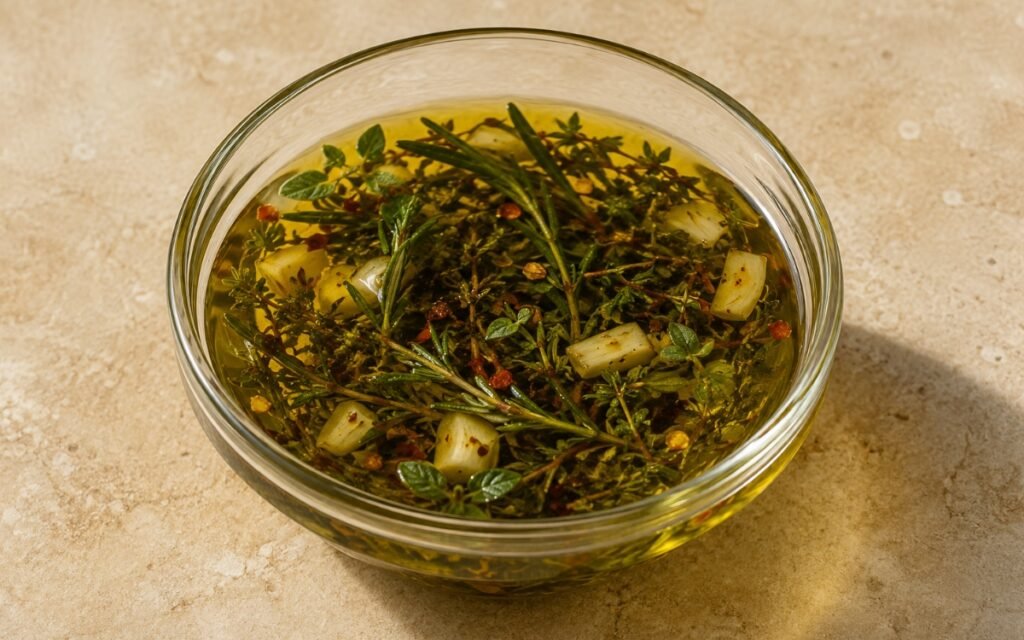
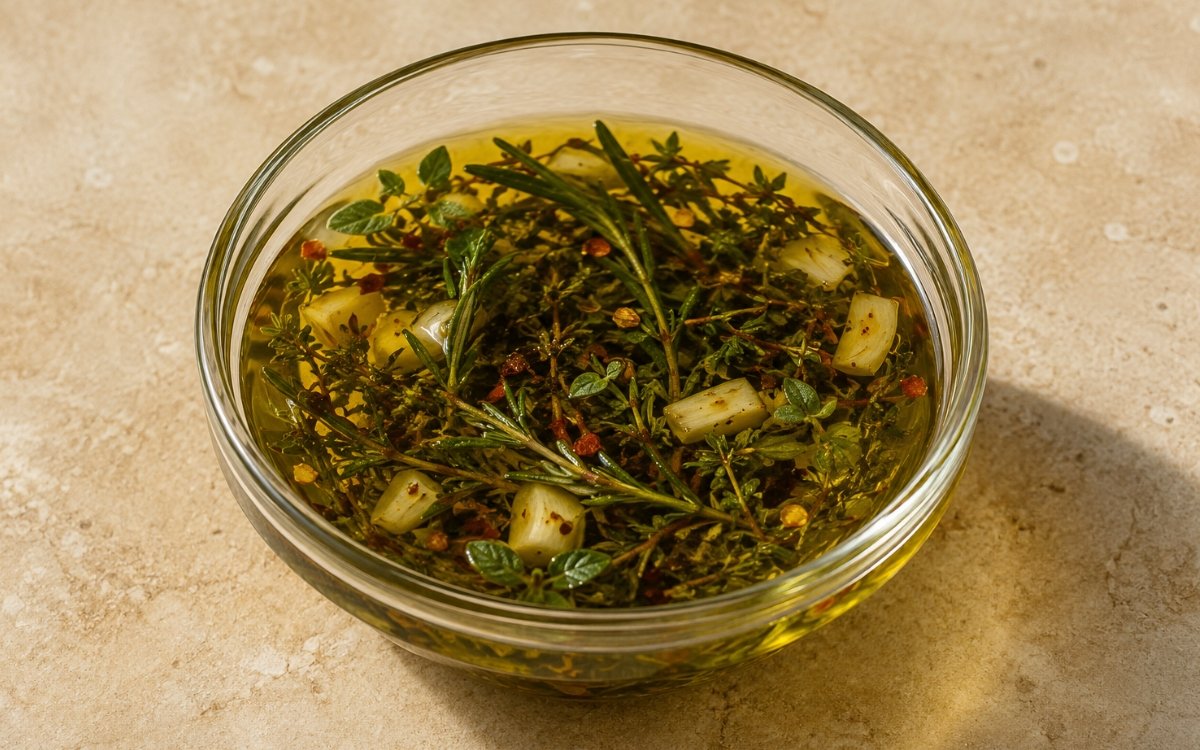
Fragrant Italian herbs bloom in warm, premium olive oil to create an elegant finishing drizzle that elevates everything it touches. Simple, beautiful, and intensely aromatic — this is the finishing touch that transforms bread, pasta, grilled fish, and vegetables from ordinary to memorable.
Prep Time : 5 min
Cook Time : 5 min
Servings : 4
5 min
5 min
4
Ingredients
Premium Oil Base
• 120ml extra-virgin olive oil, best quality available — this one on Amazon
Fresh Herbs
• 3 sprigs fresh rosemary
• 5 sprigs fresh thyme
• 3 sprigs fresh oregano, or 3g dried oregano
Aromatics
• 10g garlic, 2 cloves, lightly crushed
• 2g dried chili flakes, optional
Seasoning
• 3g flaky sea salt — this one on Amazon
• Freshly ground black pepper to taste
This post may contain affiliate links. As an Amazon Associate I earn from qualifying purchases, at no additional cost to you.
Directions
- Choose a High-Quality Olive Oil
Olive oil is the dominant flavor here, so quality matters more than in most sauces. Use fresh extra-virgin olive oil with grassy, fruity, slightly peppery notes. Oils sold in dark bottles with a visible harvest date are usually more reliable. Avoid old or flat-tasting oils — they will make the finished sauce dull regardless of technique. - Gently Warm the Oil
Pour the olive oil into a small heavy-bottomed saucepan and set it over the lowest heat. The goal is gentle warming, not frying. The oil should feel warm and aromatic but never smoke or bubble aggressively. - Infuse the Garlic
Add lightly crushed garlic cloves and let them infuse for about 2 minutes. Watch closely — they should turn pale golden at the edges but never brown or crisp, which would introduce bitterness. - Add Herbs and Chili
Drop in whole herb sprigs and infuse for another 2–3 minutes on low heat. Add chili flakes only during the final 30 seconds so their heat stays balanced. - Rest the Oil Off Heat
Remove the pan from heat and let the oil sit undisturbed for about 5 minutes. Residual warmth continues extracting herbal aroma while the temperature drops to a stable serving range. - Strain or Serve Rustic
Serve with the herbs and garlic for a rustic look, or strain through a fine sieve for a cleaner finish. Season with flaky salt and black pepper. If storing, cool fully before sealing.
*Notes :
- The crucial distinction in this recipe is the difference between infusing and frying. Frying requires high heat — typically 175°C or above — where foods cook rapidly, develop crust, and release Maillard reaction compounds. Infusing requires low heat — typically 60–80°C — where volatile aromatic compounds in herbs and spices dissolve slowly into the fat without the herbs cooking, browning, or releasing bitter compounds. The entire technique of this recipe depends on keeping the heat low enough for infusion while avoiding the heat level that would begin frying.
- Rosemary and thyme are specified as the primary herbs because their relatively robust structure holds up well to heat infusion, releasing their aromatic oils reliably without disintegrating. More delicate herbs — basil, parsley, chives — cannot withstand even low heat infusion and should always be added raw to a sauce rather than infused.
- The food safety consideration: fresh herbs infused in olive oil can potentially support the growth of Clostridium botulinum bacteria in certain conditions. For food safety, this oil should either be used within 2 hours of making if stored at room temperature, or refrigerated and used within 5 days. Never store fresh-herb-infused oil at room temperature for extended periods.
Why This Recipe Works
The recipe works through careful temperature control that achieves maximum aromatic infusion without any browning or bitterness. Low heat opens the volatile aromatic compounds in rosemary, thyme, and oregano and dissolves them into the fat. The residual infusion after removing from heat extracts additional compounds during the rest period. The result is an oil that tastes as though it has been infusing for hours.
Ingredient Breakdown
Premium Extra-Virgin Olive Oil
The entire point of the sauce — quality is paramount. Grassy, peppery, fruity character defines the base.
Rosemary
Provides piney, resinous, intensely aromatic infusion — the most dominant herb note.
Thyme
Contributes earthy, slightly floral, Mediterranean warmth that complements rosemary.
Oregano
Adds the quintessential Italian herb note — slightly bitter, earthy, and pungent.
Garlic
Provides savory backbone that grounds the herbal character.
Chili Flakes
Optional warming element that adds subtle heat and complexity to the oil.
Flavor Structure Explained
This infused oil drizzle follows a layered balance model:
- Fruity fat base (olive oil)
- Dominant herbal note (rosemary)
- Supporting herb complexity (thyme, oregano)
- Savory depth (garlic)
- Gentle heat (chili)
Olive oil establishes the foundation with a fruity, peppery richness that carries all aromatics. Rosemary defines the primary character with its intense, piney profile, while thyme and oregano build secondary layers of warmth and slight bitterness, adding depth rather than competition. Garlic anchors the blend with savory weight, keeping the herbs grounded. Chili, when used, introduces a subtle heat that enhances without dominating. Flaky salt finishes the structure, adding texture and amplifying the perception of all other flavors.
Common Mistakes to Avoid
- Using Low-Quality Olive Oil – A neutral, flavorless olive oil defeats the entire purpose. The recipe’s success depends on high-quality EVOO with genuine flavor.
- Overheating – If the oil sizzles aggressively when herbs are added, it is too hot. Reduce heat immediately — you should hear only a very gentle, quiet sizzle.
- Browning the Garlic – Golden-edged garlic is acceptable; fully brown garlic is bitter and will ruin the oil. Monitor carefully and remove garlic at the first sign of full browning.
- Storing at Room Temperature – Herb-infused oil can support bacterial growth if stored at room temperature for extended periods. Refrigerate and use within 5 days.
Variations
Lemon Herb Oil Drizzle
Add the peel of half a lemon (in strips, white pith removed) during infusion for a bright, citrusy variation.
Truffle-Style Oil Drizzle
Add 5ml of truffle oil to the finished herb oil for a luxurious, earthy upgrade without breaking the budget.
Spicy Italian Oil Drizzle
Double the chili flakes and add a few whole black peppercorns for a more assertive, heat-forward oil.
Fennel Herb Oil Drizzle
Add 5g lightly toasted fennel seeds during infusion for a sweet, anise-like undertone traditional in Southern Italian cooking.
Storage & Make-Ahead
For food safety, use within 2 hours if storing at room temperature or refrigerate immediately after cooling for up to 5 days. The oil will solidify in the refrigerator — bring to room temperature for 15–20 minutes and stir before using. The flavor intensifies over the first 24 hours of refrigeration as the herbs continue infusing. Strain out the solid herbs before extended refrigeration for the cleanest flavor.
Frequently Asked Questions
Can I use dried herbs instead of fresh?
Dried herbs can be used in smaller quantities (use about half the volume). The infusion will be less aromatic and more muted than fresh herbs, but still pleasant.
What are the best uses for this oil?
Drizzled over focaccia or ciabatta; tossed with hot pasta; spooned over grilled fish; drizzled over fresh mozzarella and tomatoes; over roasted vegetables; or as a dipping oil for bread.
Why does my infused oil solidify in the refrigerator?
Olive oil contains monounsaturated fats that solidify when cold. This is completely normal and does not indicate any problem with the oil. Let it come to room temperature before using.
Is it safe to leave infused oil on the counter?
For food safety, herb-infused oil should not be left at room temperature for more than 2 hours. The moisture in fresh herbs creates an environment where Clostridium botulinum can potentially grow. Always refrigerate promptly.
Nutrition Facts
( per serving )
Calories
~242 kcal
Protein
0 g
Fat
27 g
Carbs
1 g
Calories
~242 kcal
Protein
0 g
Fat
27 g
Carbs
1 g
Related Recipes
Related Recipes

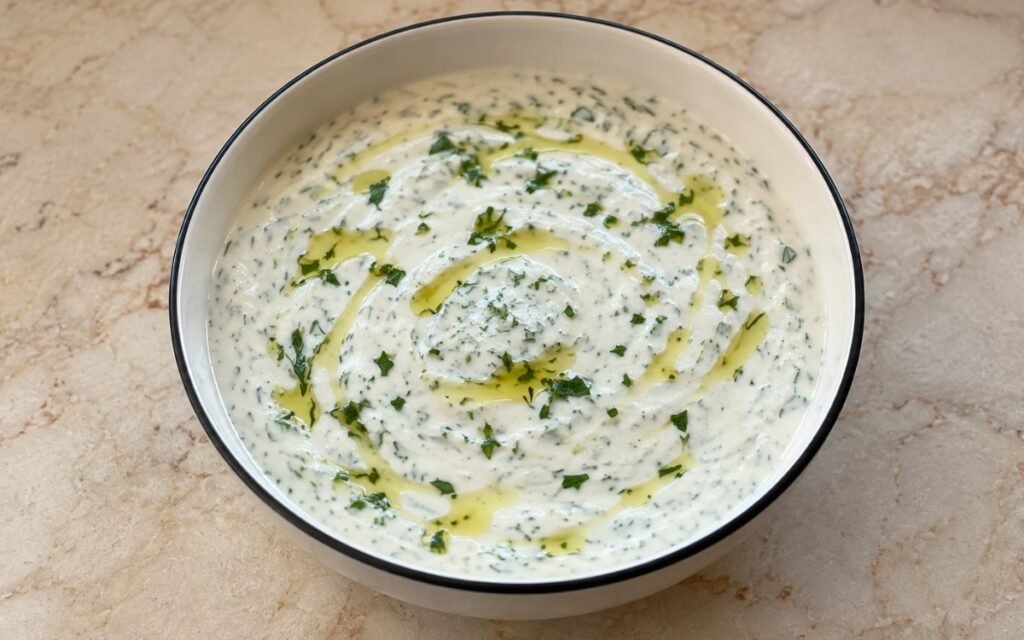
Creamy Lemon Herb Yogurt Sauce
Fresh Greek yogurt sauce with lemon, dill, parsley, and garlic ready in 10 minutes—no cooking!
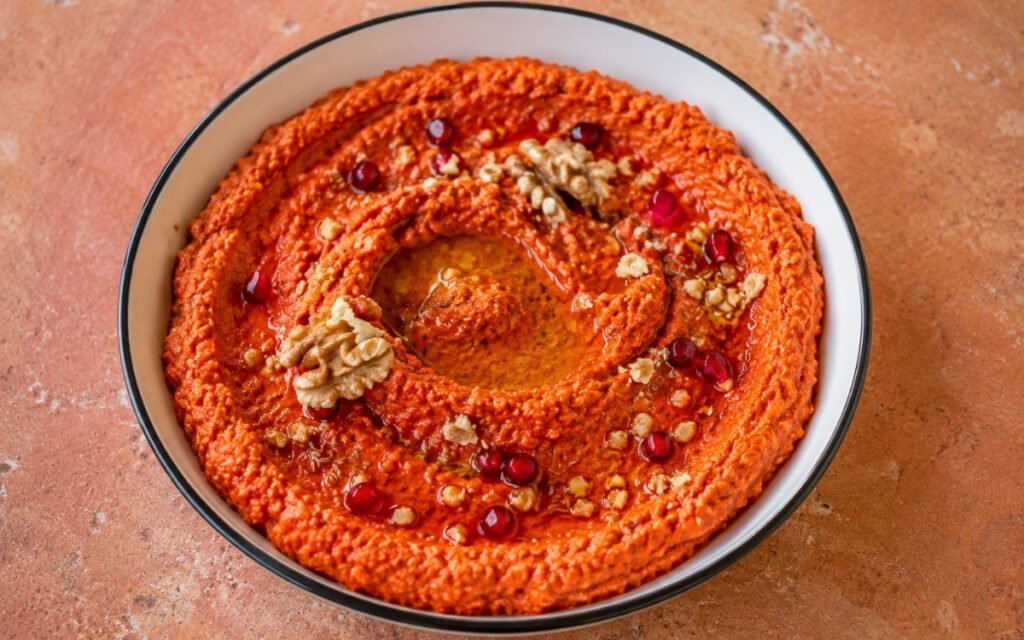
Muhammara
Charred red peppers, toasted walnuts, pomegranate molasses, and Aleppo pepper pulsed into a thick, deeply flavoured Syrian dip — smoky, sweet, sour, nutty, and warmly spiced in 35 minutes.
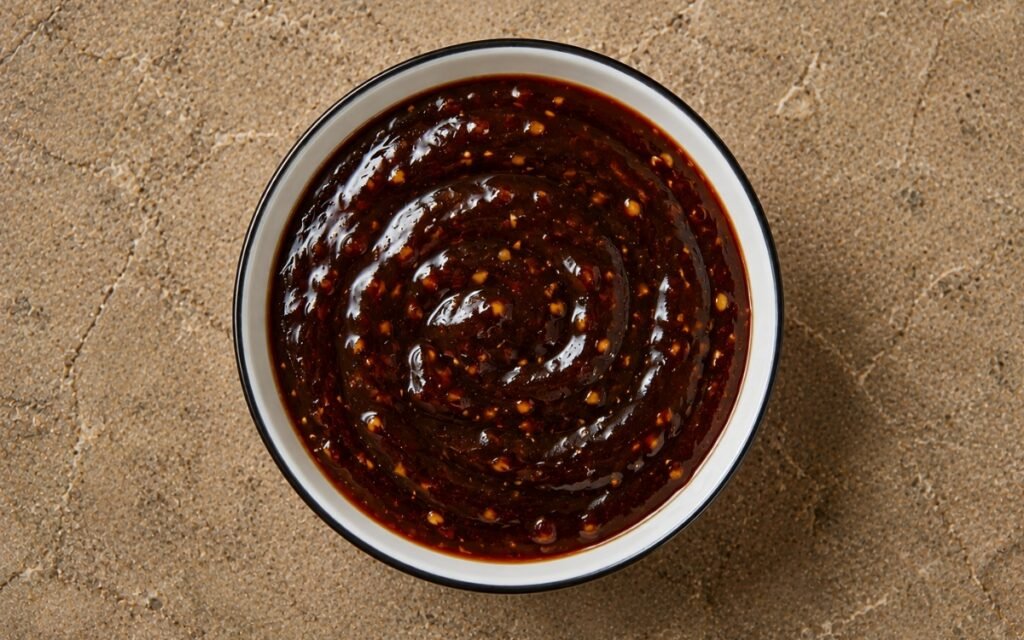
Soy Ginger Glaze
Glossy soy sauce, mirin, honey and fresh ginger reduce into a sticky 8-minute glaze for salmon, chicken and tofu.
You might also like
You might also like
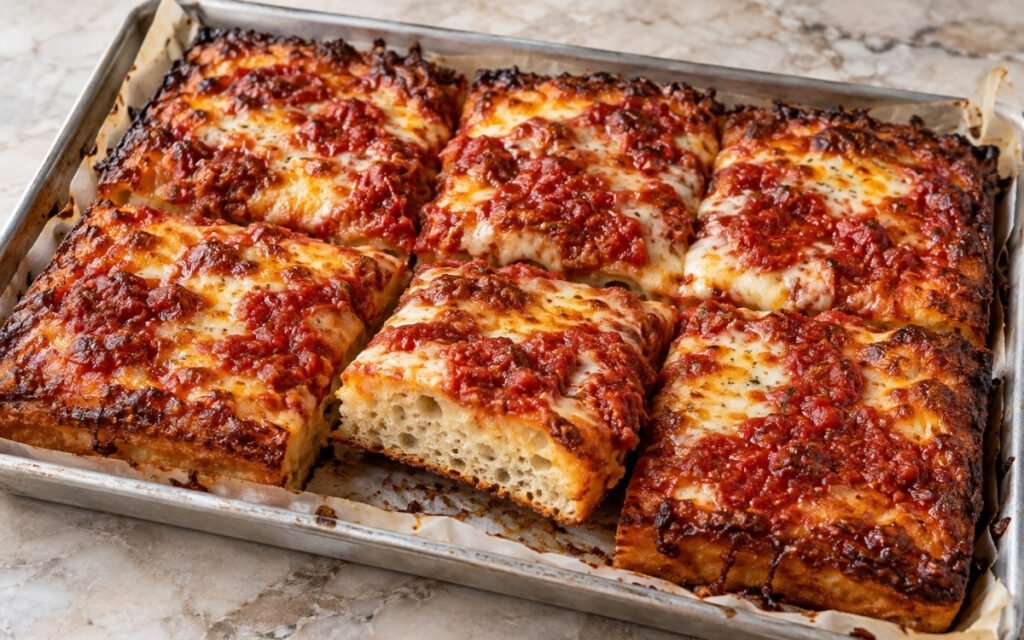
Sicilian-Style Sheet Pan Pizza
Thick, airy, focaccia-like crust baked in a well-oiled pan, topped with mozzarella and rich tomato sauce, finished with crisp caramelized edges.
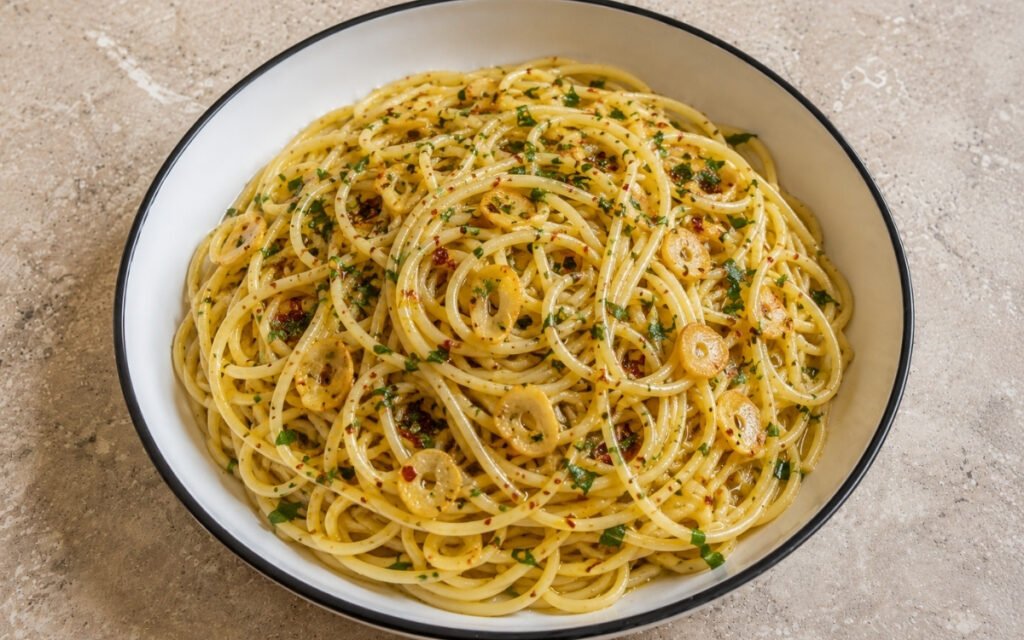
4-Ingredient Aglio e Olio Pasta
Paper-thin garlic toasted to pale gold, emulsified with pasta water — four ingredients, 20 minutes.
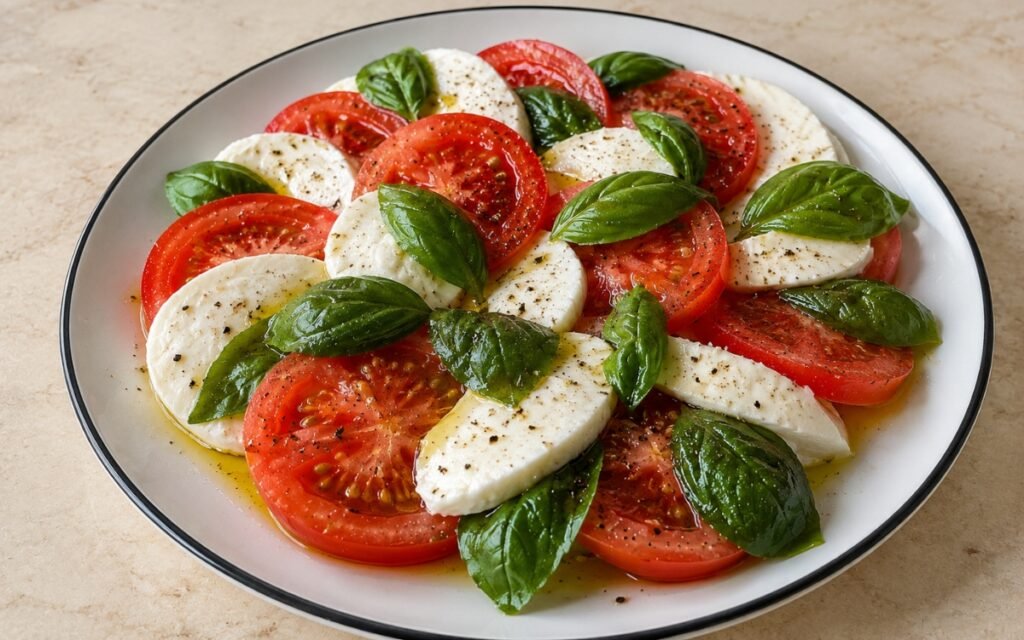
Classic Italian Tomato Basil Salad
Classic Italian salad with ripe tomatoes, fresh mozzarella, basil, and balsamic dressing.
Italian Herb Olive Oil Drizzle
Ingredients
Method
- Olive oil is the dominant flavor here, so quality matters more than in most sauces. Use fresh extra-virgin olive oil with grassy, fruity, slightly peppery notes. Oils sold in dark bottles with a visible harvest date are usually more reliable. Avoid old or flat-tasting oils — they will make the finished sauce dull regardless of technique.
- Pour the olive oil into a small heavy-bottomed saucepan and set it over the lowest heat. The goal is gentle warming, not frying. The oil should feel warm and aromatic but never smoke or bubble aggressively.
- Add lightly crushed garlic cloves and let them infuse for about 2 minutes. Watch closely — they should turn pale golden at the edges but never brown or crisp, which would introduce bitterness.
- Drop in whole herb sprigs and infuse for another 2–3 minutes on low heat. Add chili flakes only during the final 30 seconds so their heat stays balanced.
- Remove the pan from heat and let the oil sit undisturbed for about 5 minutes. Residual warmth continues extracting herbal aroma while the temperature drops to a stable serving range.
- Serve with the herbs and garlic for a rustic look, or strain through a fine sieve for a cleaner finish. Season with flaky salt and black pepper. If storing, cool fully before sealing.