
Classic Red Wine Vinaigrette
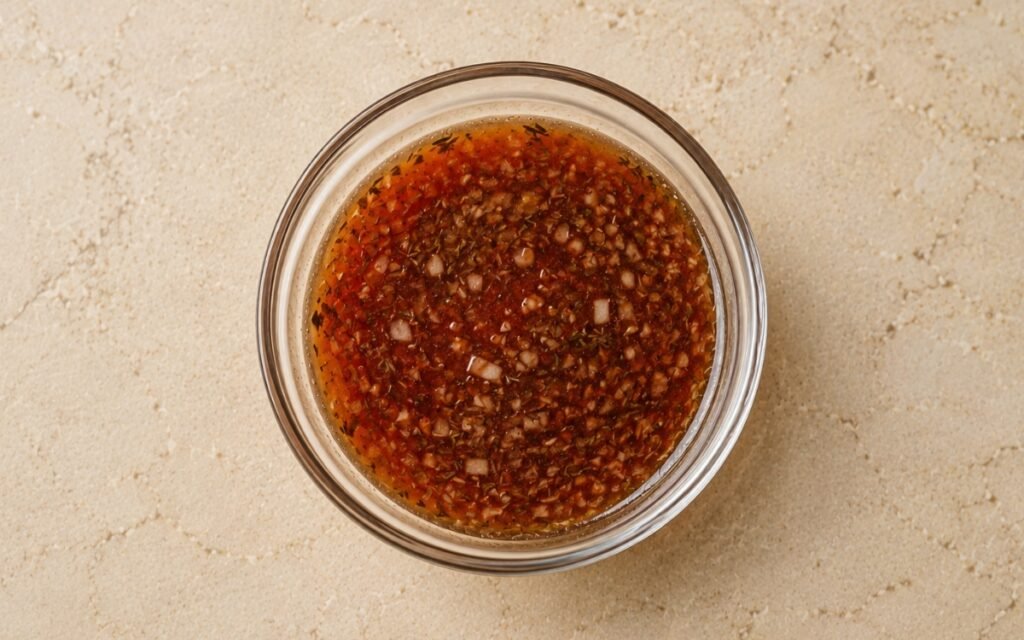
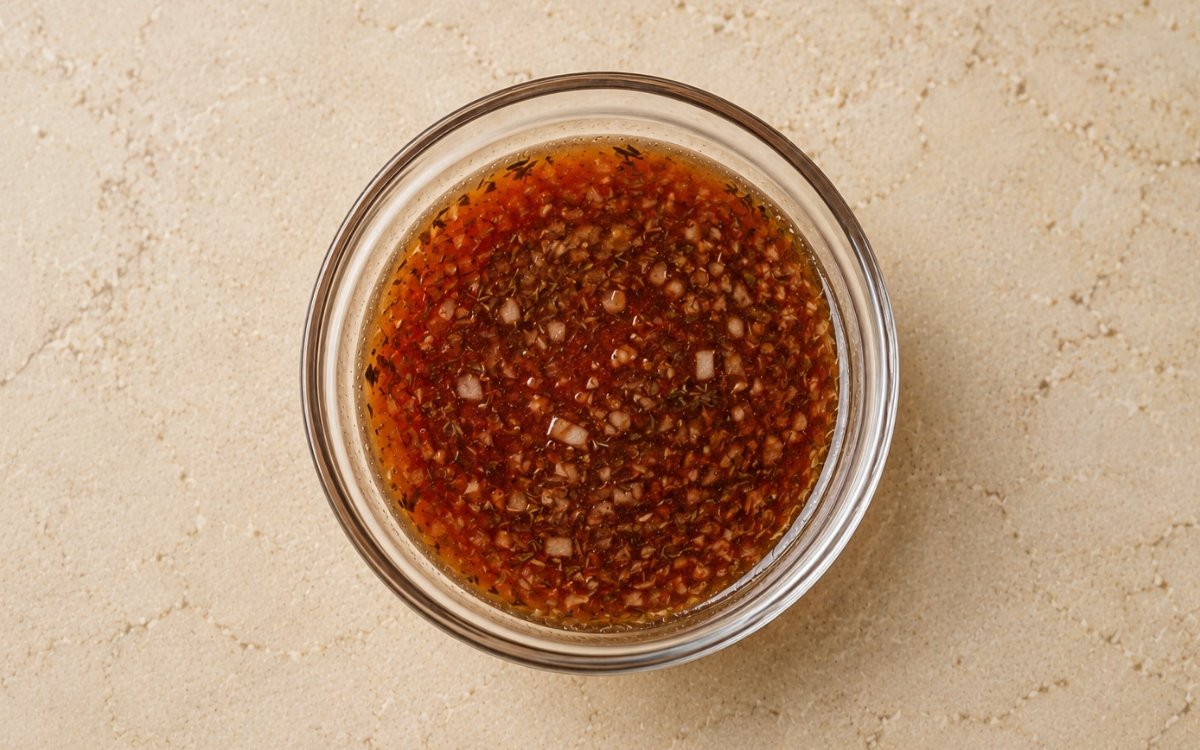
A robust French-style vinaigrette of good red wine vinegar, smooth Dijon mustard, a little honey and very finely minced shallot, with grated garlic, thyme and parsley, whisked with extra-virgin olive oil at a 2:1 oil-to-vinegar ratio into a glossy, lightly creamy dressing, the key being a firm vinegar backbone softened by mellow, sweet shallot. Macerating the minced shallot in the vinegar with a pinch of salt for 5–10 minutes, rather than stirring it in raw, is the technique this whole dressing depends on for its balance — the rest softens the shallot’s raw bite, draws out its natural sweetness and gives the vinegar a rounded, lightly pickled character instead of a harsh allium sting, the same soften-first principle that applies whenever a raw allium goes into a cold dressing. Adding the oil gradually while whisking, or shaking it hard in a sealed jar, is what lets the Dijon bind everything into a stable emulsion instead of a separated slick. Tasting and adjusting at the end is what lets the honey, salt and pepper be set against the acidity rather than guessed in advance. The payoff is a vinaigrette with real, layered balance — tannic vinegar, sharp Dijon, gentle sweetness, fresh herbs and fruity olive oil in one smooth, spoonable dressing.
Prep Time : 5 min
Resting Time : 5–10 min
Servings : 4
5 min
5–10 min
4
Ingredients
For the Acid Base
• 45ml red wine vinegar, good quality — this one on Amazon
For the Aromatics and Herbs
• 20g shallot, 1 small, very finely minced
• 5g garlic, 1 small clove, grated
• 5g fresh thyme leaves, or 2g dried
• 5g fresh flat-leaf parsley, finely chopped
For the Oil
• 90ml extra-virgin olive oil — this one on Amazon
For the Seasoning
• 3g salt, a pinch used for the shallot and the rest to season
• Freshly ground black pepper, to taste
This post may contain affiliate links. As an Amazon Associate I earn from qualifying purchases, at no additional cost to you.
Directions
- Macerate the Shallot
Place the 20g very finely minced shallot in a small bowl with the 45ml red wine vinegar and a pinch taken from the 3g of salt. Stir once, then leave it to rest for 5–10 minutes, using the time to grate the garlic, strip the thyme leaves and chop the parsley. The shallot should lose its raw, sharp smell and turn slightly softened and glossy in the vinegar. A longer rest within that window gives a milder, rounder shallot note. That rest is what softens the raw bite, draws out the shallot’s sweetness and gives the vinegar its lightly pickled character. - Add the Flavor Components
Stir in the 15g Dijon mustard, the 5g honey, the 5g grated garlic, the 5g fresh thyme leaves (or 2g dried) and the 5g chopped parsley. Mix thoroughly for about 30 seconds until the base looks uniform, with the mustard and honey fully dissolved into the vinegar and no streaks or clumps remaining. If the honey is stiff, press it against the side of the bowl with the whisk until it loosens. Dijon works as both flavour builder and emulsifier, while the honey smooths the acidity. That thorough mixing before any oil goes in is what gives the mustard an even surface to bind the oil to. - Build the Emulsion
If using a bowl, begin whisking the base steadily in one direction, then drizzle in the 90ml extra-virgin olive oil in a thin, slow stream, whisking constantly and pausing if the oil starts to pool on the surface. Alternatively, add the base and the oil to a clean jar, seal it tightly and shake vigorously for 20–30 seconds. The dressing should turn slightly creamy and opaque, with no visible slick of separated oil on top. If it still looks thin or streaky, whisk or shake for another 10 seconds. That gradual addition, or the hard shaking, is what breaks the oil into tiny droplets that the Dijon can hold in suspension. - Season and Taste for Balance
Add the rest of the 3g salt gradually, then a few grinds of freshly ground black pepper. Dip a leaf or a spoon into the dressing and taste, aiming for bright acidity, gentle sweetness, herbal depth and smooth richness working together without any one element dominating. If it tastes too sharp, whisk in a tiny drop more honey or oil; if it tastes flat, add a small pinch more salt. Adjust in small steps and taste again each time. That final tasting is what turns a good formula into a dressing balanced for the exact vinegar and oil in your kitchen. - Serve
Re-whisk or shake the dressing briefly just before using, because it loosens slightly as it sits. Drizzle it over salad greens, roasted vegetables or any dish that suits a bright, assertive French-style dressing, tossing lightly so the herbs and shallot flecks spread evenly. Start with a modest amount and add more to taste, since the 2:1 ratio is deliberately sharper than a classic dressing. That quick re-emulsifying is what ensures every serving gets oil, vinegar and flavourings together rather than the vinegar alone.
*Notes :
- Red wine vinegar quality deserves genuine recognition as the ingredient most directly responsible for whether this dressing tastes complex or merely sharp. A cheaply made vinegar from bulk wine has a harsh, thin acidity, while one made from proper wine has rounded, wine-like depth — look for labels that name the grape, such as Cabernet Sauvignon, or mention barrel ageing.
- Shallot deserves the same attention this allium receives in other classic French dressings, because it brings the sweetness of onion with a subtle garlic-like complexity. That makes it more refined and less aggressive than raw onion or extra garlic, which is why a single small shallot, macerated first, is specified here.
- The 2:1 oil-to-vinegar ratio deserves genuine respect as the detail most directly responsible for this dressing’s brighter, more assertive character. The classical French ratio is 3 parts oil to 1 part vinegar, which is softer and richer — this recipe keeps 2:1 deliberately, and the proportion can be adjusted to personal preference.
- Gradual oil addition deserves attention as a genuine, checkable readiness cue rather than a loose approximation. Pouring the oil in a slow stream while whisking, or shaking hard in a sealed jar, should leave the dressing slightly creamy and opaque — if it stays thin and streaky, the oil has not been broken into small enough droplets.
Why This Recipe Works
This recipe works because every stage builds complexity before the oil goes in. Macerating the shallot in the vinegar softens its raw bite and brings out its sweetness, while the Dijon and honey add depth and take the edge off the acidity. Fresh thyme and parsley supply aromatic lift, and the garlic adds a clean savoury note.
Whisking or shaking the olive oil in gradually lets the mustard hold it in a stable, lightly creamy emulsion, and tasting at the end allows the salt, pepper and honey to be balanced precisely, giving a dressing that tastes like more than the sum of its parts.
Ingredient Breakdown
Shallot Maceration (5–10 Minutes)
The critical technique — resting the minced shallot in vinegar and salt softens its harshness and draws out natural sweetness.
Good-Quality Red Wine Vinegar
The defining flavour ingredient — vinegar made from proper wine gives bold, tannic acidity with subtle wine-like depth.
Dijon Mustard
The structural choice — its fermented sharpness adds depth, and it acts as the emulsifier that holds the oil and vinegar together.
Honey (Just 5g)
The balancing touch — a small amount rounds the vinegar’s edge without making the dressing taste sweet.
Fresh Thyme and Parsley
The aromatic layer — they add herbal brightness and complexity, and dried thyme can replace fresh in a smaller amount.
Extra-Virgin Olive Oil
The flavour foundation — the rich, fruity fat carries every other flavour and gives the dressing its body.
Flavor Structure Explained
This red wine vinaigrette follows a layered balance model:
- Bold acidic core (red wine vinegar)
- Fermented depth (Dijon mustard)
- Sweet-savoury middle (macerated shallot, honey, grated garlic)
- Aromatic lift (fresh thyme and flat-leaf parsley)
- Fat-driven base (extra-virgin olive oil)
Red wine vinegar defines the structure with strong, tannic acidity that leads the profile and gives it backbone. Dijon adds a secondary layer of fermented complexity, reinforcing the sharpness without overpowering it. Macerated shallot, a touch of honey and a little garlic introduce a balanced sweet-savoury note that softens and rounds the acidity. Fresh herbs lift the dressing with clean aromatics, preventing heaviness, and olive oil binds everything together into a smooth, cohesive finish that ties this vinaigrette together.
Common Mistakes to Avoid
- Skipping the Shallot Maceration – This leaves raw shallot in the dressing, producing a harsh, sharp bite. Always rest the minced shallot in the vinegar and salt for at least 5 minutes first.
- Using Low-Quality Vinegar – This gives a thin, one-dimensional, aggressively acidic dressing, because vinegar is the primary flavour. Always choose a good-quality red wine vinegar made from proper wine.
- Adding the Oil Too Fast – This prevents emulsification, so the dressing separates into a greasy slick over sharp vinegar. Always add the oil slowly while whisking, or shake vigorously in a sealed jar.
- Seasoning Before Tasting – This risks an over-salted dressing, because the mustard and vinegar already carry sharpness and salt. Always add the remaining salt and pepper gradually, tasting after each addition.
- Under-Shaking the Jar – This leaves the oil only loosely dispersed, so the dressing looks thin and splits quickly. Always shake hard for the full 20–30 seconds until slightly creamy and opaque.
Variations
Herbes de Provence Version
Replace the fresh thyme with 3g dried herbes de Provence for a warmer, Southern French character that still keeps the shallot, vinegar and Dijon backbone intact.
Anchovy Version
Add 2 mashed anchovies to the vinegar base before the oil goes in, for deep umami richness that gives a dressing similar to a deconstructed Caesar.
Walnut Oil Version
Replace half the olive oil with walnut oil for a nutty, more complex dressing that is particularly good with endive and other bitter greens.
Lighter Version
Replace half the olive oil with a neutral oil such as grapeseed for a lighter-bodied dressing with less olive flavour while keeping the same 2:1 balance.
Storage & Make-Ahead
Choose a vinegar made from proper wine and a fruity extra-virgin olive oil, since these two ingredients carry most of the flavour of the finished dressing.
Store the vinaigrette in an airtight jar in the refrigerator for up to 2 weeks, and keep it chilled rather than leaving it at room temperature, because it contains fresh garlic and herbs in oil.
The shallot keeps mellowing and infusing the dressing as it sits, and the flavour is often at its best on day 2 or 3 after making.
Take the jar out of the refrigerator about 10 minutes before serving, because the olive oil thickens and clouds when cold and needs a short time to loosen.
Shake or whisk the dressing vigorously after resting to re-emulsify it, then taste and add a tiny pinch of salt if the chilled flavours seem muted.
Frequently Asked Questions
Why is the shallot macerated in the vinegar before anything else is added?
Salt and acid soften the raw shallot, drawing out its sweetness and removing its sharp bite. Adding it raw leaves a harsh allium note that the oil cannot cover.
Why does this vinaigrette need Dijon mustard?
Dijon is the emulsifier that holds the oil and vinegar together, which is why the dressing turns slightly creamy and opaque. Without it, the oil quickly separates from the vinegar, even after vigorous shaking.
Why does this recipe use a 2:1 oil-to-vinegar ratio instead of the classic 3:1?
The 2:1 ratio produces a brighter, more assertive dressing that suits bold greens and robust salads. The classical 3:1 is softer and richer, so adjust the oil to personal preference.
Why does the quality of the red wine vinegar matter so much?
Vinegar is the primary flavour in this dressing, so a harsh, thin vinegar made from bulk wine dominates it. A good vinegar from proper wine gives rounded, complex acidity with subtle depth.
Are there other classic vinaigrette, dressing, or salad dishes worth trying?
Balsamic Dijon Dressing offers another classic vinaigrette direction worth exploring. Champagne Vinegar Dressing and Simple Lemon Vinaigrette are also worth trying for other bright, acid-led dressings, and Honey Shallot Vinaigrette and Tuna Niçoise Salad offer other shallot-sweet dressing and classic salad dishes worth exploring.
Nutrition Facts
( Per Serving — about 40ml )
Calories
~200 kcal
Protein
1 g
Fat
21 g
Carbs
3 g
Calories
~200 kcal
Protein
1 g
Fat
21 g
Carbs
3 g
Related Recipes
Related Recipes

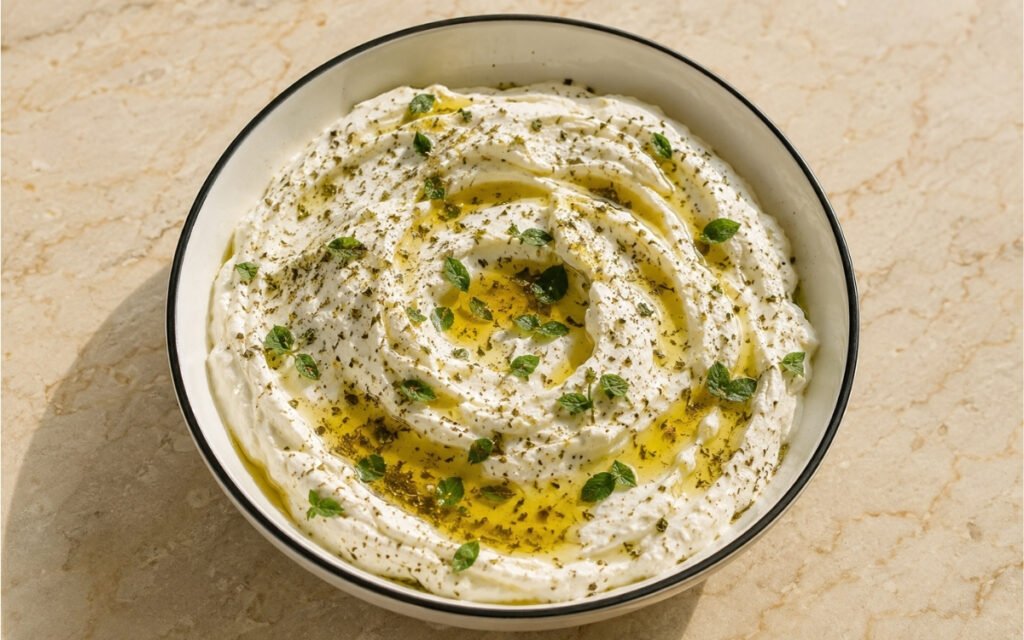
Authentic Labneh
Whole milk yogurt and salt strained through cheesecloth for 24–48 hours — the most effort-to-reward preparation in the collection, finished with olive oil and za’atar or sumac.
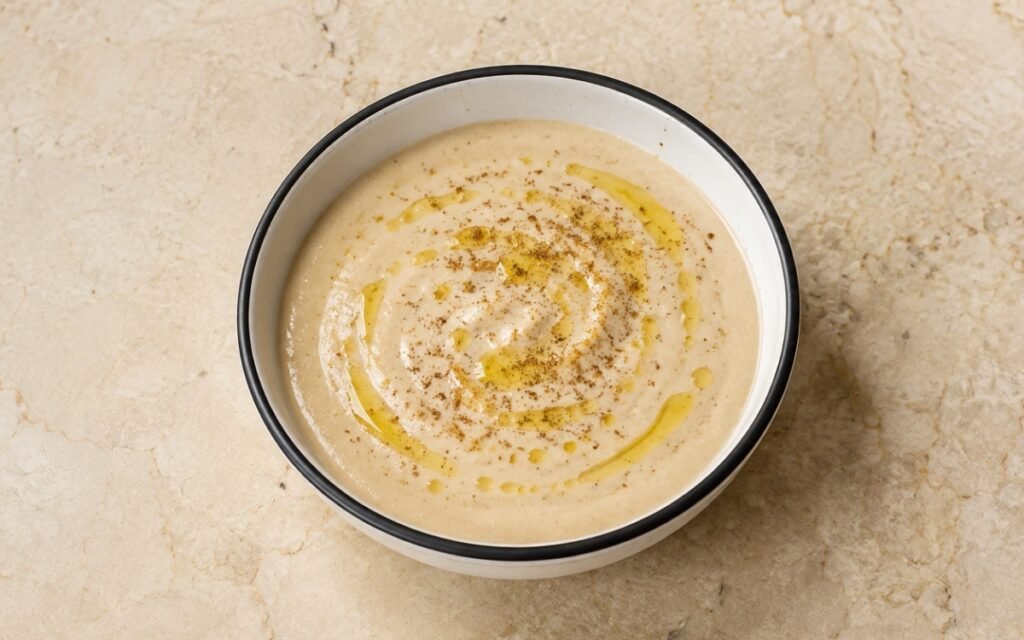
Creamy Tahini Lemon Sauce
Nutty tahini transforms into silky lemon-garlic sauce in 10 minutes — perfect for everything.
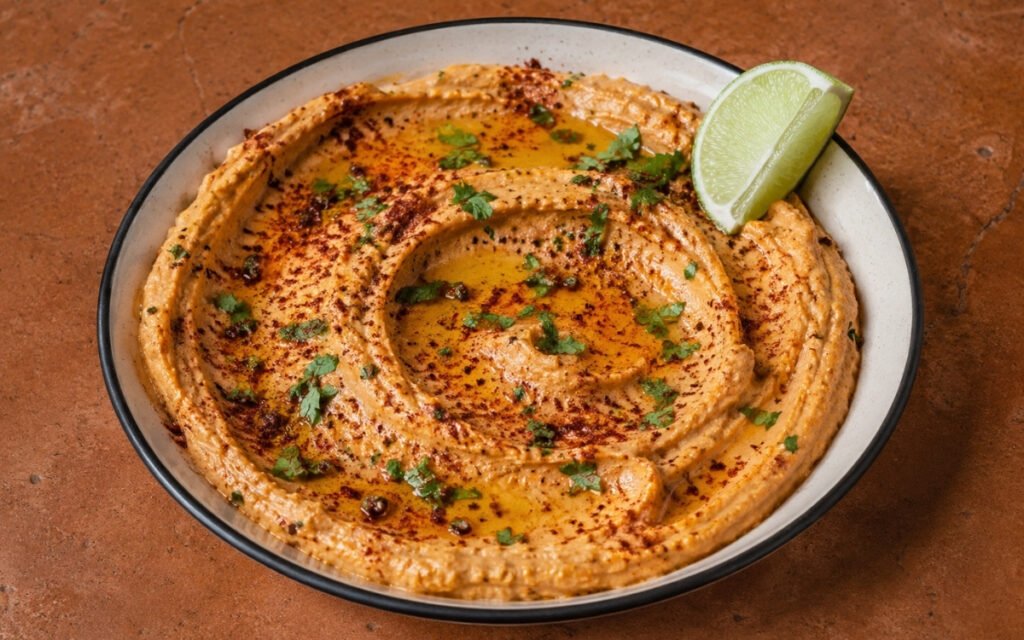
Chipotle and Lime Hummus
Chipotle pepper in adobo and fresh lime blended into the classic hummus base — smoky, warm, and bold, finished with cilantro and sumac.
You might also like
You might also like
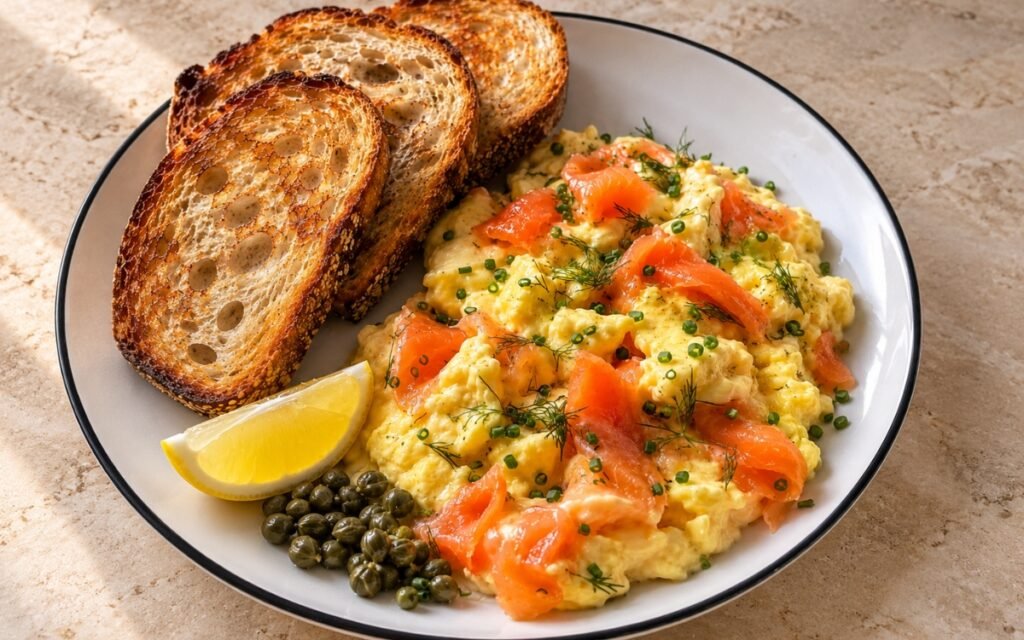
Smoked Salmon Scrambled Eggs Plate
Soft, creamy scrambled eggs finished with ribbons of smoked salmon, fresh dill, and chives, served with toasted sourdough, capers, and lemon.
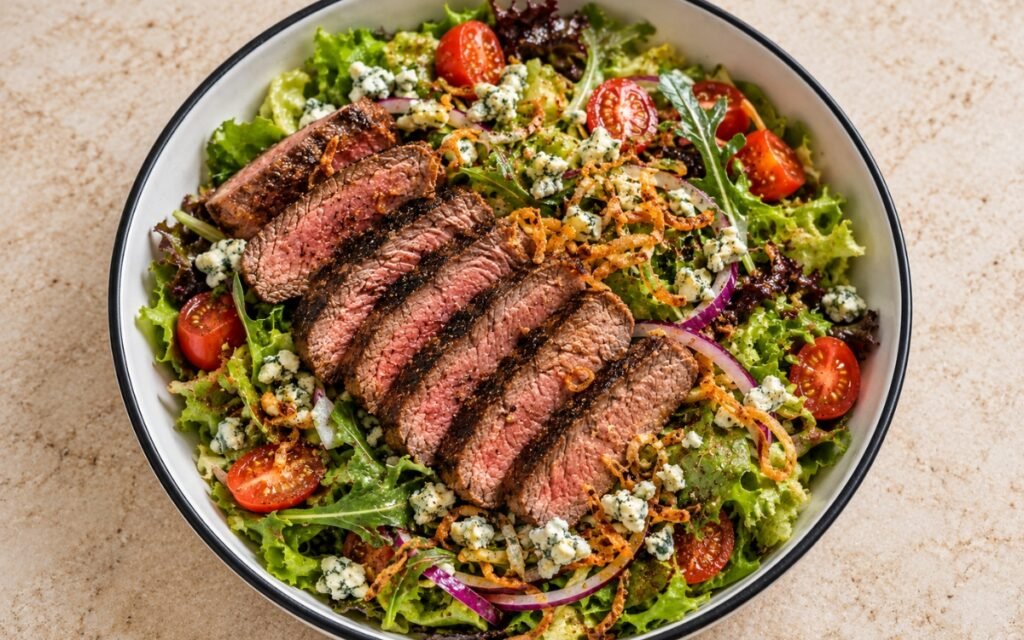
Steakhouse Steak Salad with Blue Cheese
Sliced medium-rare seared steak over crisp greens with cherry tomatoes, red onion, blue cheese crumbles, and crispy fried shallots.
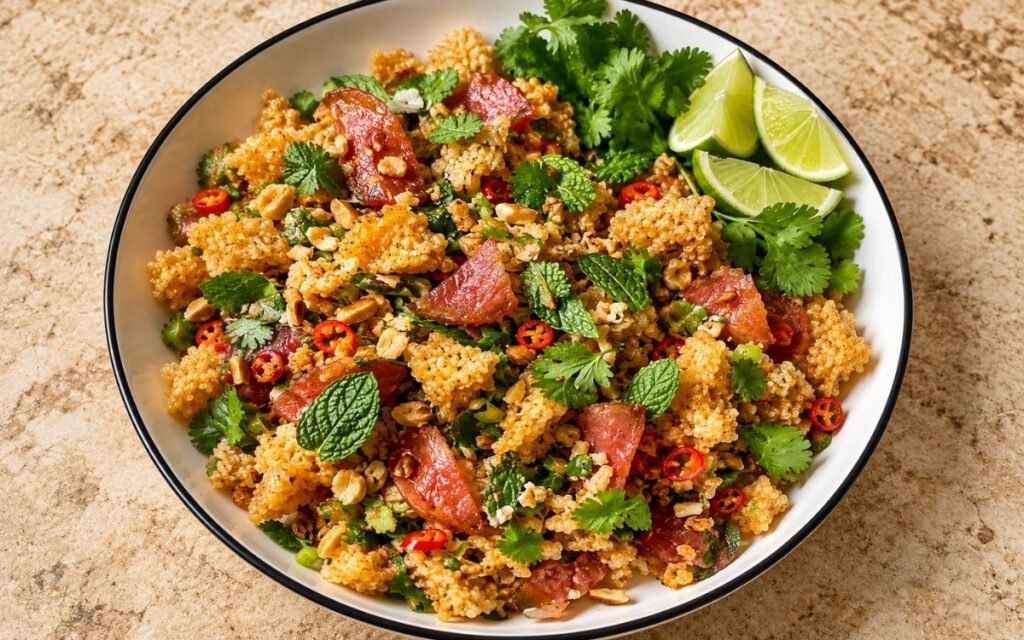
Crispy Rice Salad (Nam Khao Tod)
Deeply fried red-curry-scented rice croquettes broken into crunchy clusters, tossed with cured sausage, herbs, peanuts, and a sharp lime-fish sauce dressing.
Classic Red Wine Vinaigrette
Ingredients
Method
- Place the 20g very finely minced shallot in a small bowl with the 45ml red wine vinegar and a pinch taken from the 3g of salt. Stir once, then leave it to rest for 5–10 minutes, using the time to grate the garlic, strip the thyme leaves and chop the parsley. The shallot should lose its raw, sharp smell and turn slightly softened and glossy in the vinegar. A longer rest within that window gives a milder, rounder shallot note. That rest is what softens the raw bite, draws out the shallot’s sweetness and gives the vinegar its lightly pickled character.
- Stir in the 15g Dijon mustard, the 5g honey, the 5g grated garlic, the 5g fresh thyme leaves (or 2g dried) and the 5g chopped parsley. Mix thoroughly for about 30 seconds until the base looks uniform, with the mustard and honey fully dissolved into the vinegar and no streaks or clumps remaining. If the honey is stiff, press it against the side of the bowl with the whisk until it loosens. Dijon works as both flavour builder and emulsifier, while the honey smooths the acidity. That thorough mixing before any oil goes in is what gives the mustard an even surface to bind the oil to.
- If using a bowl, begin whisking the base steadily in one direction, then drizzle in the 90ml extra-virgin olive oil in a thin, slow stream, whisking constantly and pausing if the oil starts to pool on the surface. Alternatively, add the base and the oil to a clean jar, seal it tightly and shake vigorously for 20–30 seconds. The dressing should turn slightly creamy and opaque, with no visible slick of separated oil on top. If it still looks thin or streaky, whisk or shake for another 10 seconds. That gradual addition, or the hard shaking, is what breaks the oil into tiny droplets that the Dijon can hold in suspension.
- Add the rest of the 3g salt gradually, then a few grinds of freshly ground black pepper. Dip a leaf or a spoon into the dressing and taste, aiming for bright acidity, gentle sweetness, herbal depth and smooth richness working together without any one element dominating. If it tastes too sharp, whisk in a tiny drop more honey or oil; if it tastes flat, add a small pinch more salt. Adjust in small steps and taste again each time. That final tasting is what turns a good formula into a dressing balanced for the exact vinegar and oil in your kitchen.
- Re-whisk or shake the dressing briefly just before using, because it loosens slightly as it sits. Drizzle it over salad greens, roasted vegetables or any dish that suits a bright, assertive French-style dressing, tossing lightly so the herbs and shallot flecks spread evenly. Start with a modest amount and add more to taste, since the 2:1 ratio is deliberately sharper than a classic dressing. That quick re-emulsifying is what ensures every serving gets oil, vinegar and flavourings together rather than the vinegar alone.