
Miso Butter Sauce
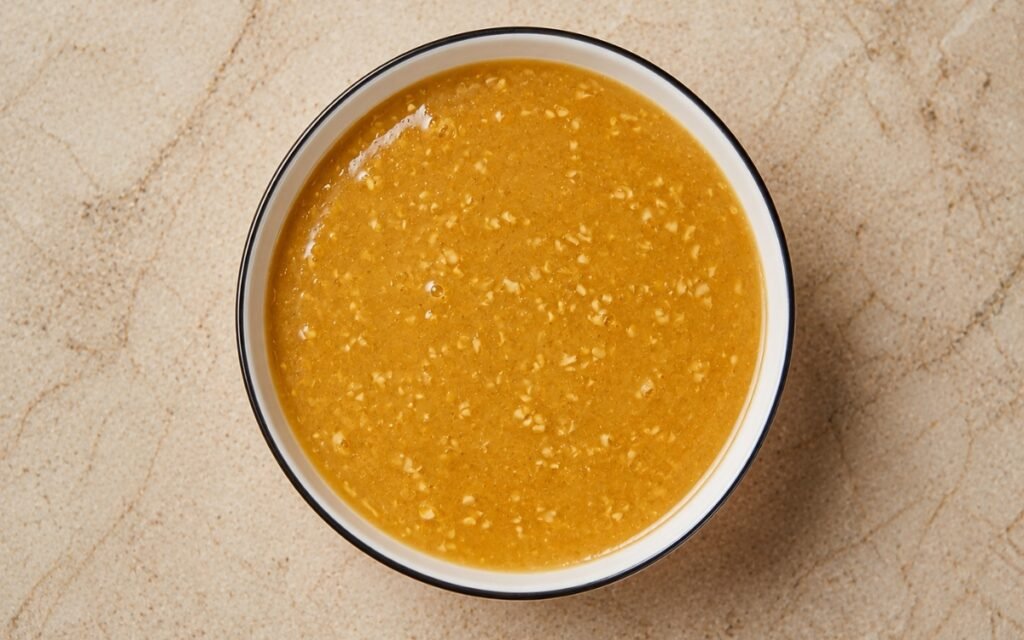
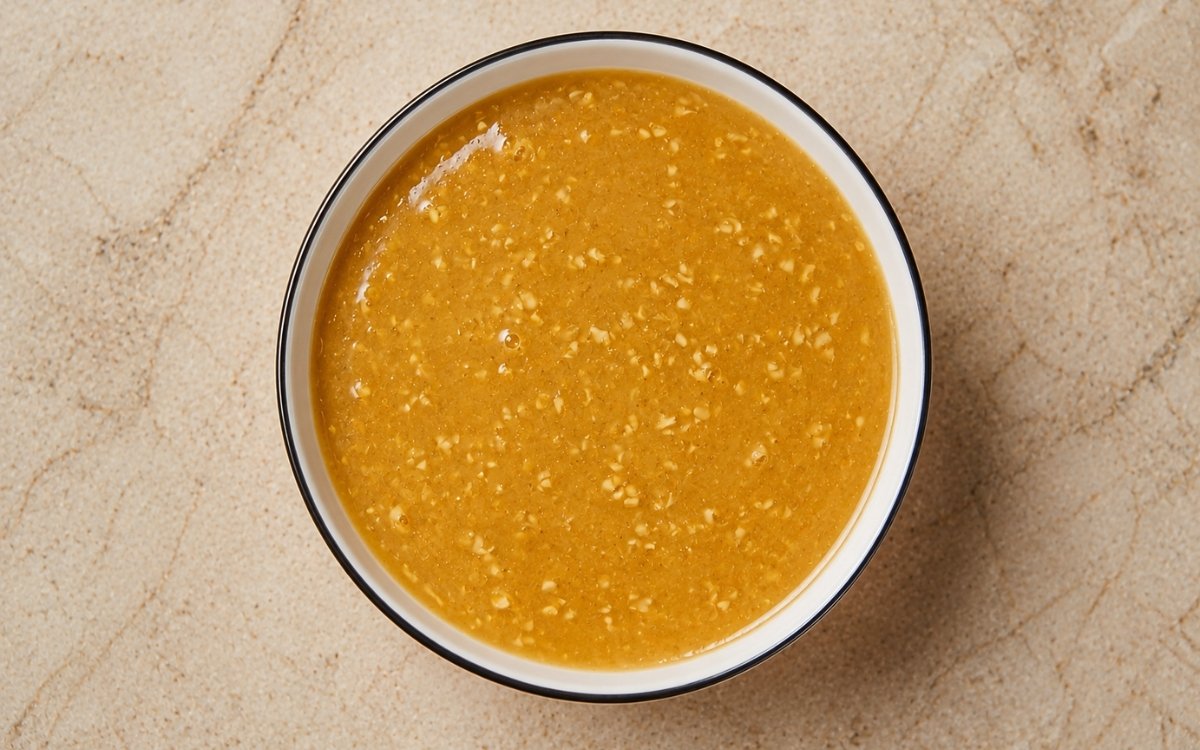
This luxurious miso butter sauce marries the deep fermented umami of white miso with the rich silkiness of browned butter and the brightness of lemon. Ready in 10 minutes, it elevates pan-seared fish, steamed vegetables, pasta, and grain bowls into something genuinely memorable.
Prep Time : 5 min
Cook Time : 5 min
Servings : 4
5 min
5 min
4
Ingredients
Base
• 60g unsalted butter — this one on Amazon
• 30g white miso paste, shiro miso — this one on Amazon
Aromatics
• 10g garlic, 2 cloves, finely grated
• 5g fresh ginger, finely grated, optional
Brightness
• 20ml fresh lemon juice
• 5g lemon zest
Finishing
• 5ml toasted sesame oil
• 5g chives or spring onion, finely sliced
This post may contain affiliate links. As an Amazon Associate I earn from qualifying purchases, at no additional cost to you.
Directions
- Brown the Butter Properly
Place the unsalted butter in a light-colored skillet over medium heat so you can clearly monitor color changes. Let it melt, then cook past the foaming stage while swirling occasionally. As the water evaporates, golden specks of toasted milk solids will appear. Continue until they reach a deep golden brown and the butter smells nutty and caramelized. The liquid should be rich amber — classic beurre noisette. Remove from heat immediately to prevent burning. - Deglaze for Balance and Depth
If using white wine or sake, pour it into the hot brown butter right away — it will sputter vigorously. Stir and scrape lightly to dissolve any toasted bits. Let the liquid reduce briefly, concentrating its acidity and fruitiness to balance the butter’s richness. - Bloom the Aromatics
Add grated garlic and ginger to the hot butter mixture and stir constantly for about 30 seconds. The residual heat softens their raw bite without browning. Pour in the water or broth and swirl to combine — the sauce will look thin at this stage, which is expected. - Incorporate Miso Off the Heat
Remove the pan fully from the heat before adding white miso paste. Whisk vigorously until completely smooth with no streaks. Avoid boiling miso — high heat dulls its fermented complexity and can make it taste harsh rather than mellow. - Brighten and Finish the Sauce
Whisk in lemon juice, lemon zest, and toasted sesame oil. Taste and adjust: the finished sauce should feel savory, gently sweet from miso, bright with citrus, and rounded by brown butter richness. Fold in chopped chives or spring onion just before serving for freshness and color.
*Notes :
- White miso (shiro miso) is specified rather than red or dark miso for important reasons. White miso is fermented for a shorter period — weeks rather than months or years — producing a milder, sweeter, less salty flavor with delicate fermented complexity. Red and dark misos have more intense, saltier, more assertive flavors that tend to overwhelm a delicate butter sauce. White miso integrates smoothly into butter without dominating it, allowing the butter’s own flavor to contribute to the sauce.
- Brown butter is a transformative technique that every home cook benefits from mastering. The browning process — called the Maillard reaction — converts the butter’s milk proteins into hundreds of new flavor compounds, including pyrazines, furanones, and lactones, which produce the characteristic nutty, caramelized, slightly toffee-like aroma. This process takes regular butter from a pleasant but neutral fat into a genuinely complex, aromatic ingredient.
- The prohibition against boiling miso is a principle from Japanese culinary tradition with a sound technical basis. Miso contains a complex ecosystem of enzymes and compounds that contribute to its layered flavor. High heat denatures these compounds and reduces miso’s flavor to a simple salty-fermented note without the depth of well-treated miso.
Why This Recipe Works
This recipe succeeds because it layers two sources of deep, complex umami — brown butter’s Maillard-reaction compounds and white miso’s fermented depth — to create a sauce with extraordinary savory complexity despite its short preparation time. Lemon prevents the richness from becoming heavy. Sesame oil provides the aromatic bridge that harmonizes the Japanese miso with the French brown butter technique.
Ingredient Breakdown
Brown Butter
Provides rich, nutty, caramelized depth that is significantly more complex than plain melted butter.
White Miso
Contributes deep fermented umami, subtle sweetness, and mellow savory complexity.
Lemon Juice and Zest
Essential brightening element that prevents the richness from feeling heavy.
Garlic and Ginger
Savory and warm aromatic notes that give the sauce its savory backbone.
Toasted Sesame Oil
Aromatic bridge that unifies the Japanese and Western elements of the sauce.
White Wine or Sake (optional)
Deglazes the pan and adds a light acidity and complexity to the liquid base.
Flavor Structure Explained
This sauce follows a layered balance model:
- Caramelized fat base (brown butter)
- Fermented umami depth (white miso)
- Bright acidity (lemon)
- Savory backbone (garlic)
- Nutty aromatic bridge (sesame oil)
Brown butter establishes the foundation with deep, caramelized nuttiness that defines the richness. White miso layers in mellow, fermented umami, expanding the depth without adding heaviness. Lemon cuts through the fat with sharp acidity, lifting and clarifying the profile. Garlic anchors the sauce with subtle savory weight. Sesame oil finishes with a distinct nutty aroma, bridging the flavors into a cohesive, multi-layered whole that feels rich but controlled rather than overwhelming.
Common Mistakes to Avoid
- Burning the Butter – There is a very narrow window between perfect brown butter and burnt butter. Once the specks are golden brown and the aroma is nutty, remove from heat immediately — carry-over heat will continue the browning process.
- Boiling the Miso – Always add miso off heat. Boiling destroys the delicate compounds that give miso its complexity.
- Using Red Miso – Red and dark misos have too intense a flavor for this delicate sauce. White miso is the correct choice.
Variations
Miso Butter Pasta
Toss directly with hot pasta, adding pasta cooking water to create a silky emulsion. Finish with toasted breadcrumbs.
Vegan Version
Replace butter with a high-quality vegan butter and use the same technique. The browning will be less dramatic but the miso will provide sufficient depth.
Truffle Miso Butter
Add 5ml white truffle oil off heat for an extraordinary luxury version for special occasions.
Miso Brown Butter with Dashi
Replace water with dashi (Japanese stock made from kombu and bonito) for an intensely Japanese-flavored sauce excellent with any fish.
Storage & Make-Ahead
This sauce is best made fresh and served immediately, as brown butter-based sauces can separate when stored. If making ahead, allow to cool completely and refrigerate for up to 3 days. The butter will solidify when cold. To reheat, warm very gently over the lowest possible heat, whisking constantly as the butter melts. Do not boil. Alternatively, make the brown butter and aromatics ahead and add the miso, lemon, and sesame oil fresh when needed.
Frequently Asked Questions
What dishes pair best with miso butter sauce?
Pan-seared fish of any kind, particularly halibut, sea bass or grilled salmon fillet; steamed or roasted asparagus; corn on the cob; pasta; rice and grain bowls; roasted mushrooms; and pan-seared chicken breast.
Can I use red miso instead of white?
Red miso produces a saltier, more assertive sauce with less of the subtle sweetness of white miso. Use half the quantity if substituting and taste carefully before adding more.
Is this sauce gluten-free?
White miso may contain barley or wheat — check the specific brand. Certified gluten-free miso products are available. Tamari can replace soy sauce if needed.
What is the difference between miso butter sauce and compound butter?
Compound butter is cold miso stirred into room-temperature butter and formed into a log for slicing. This sauce is a warm, liquid preparation that uses browned butter and includes wine, lemon, and aromatics — it is more complex and more versatile.
Nutrition Facts
( per serving )
Calories
~105 kcal
Protein
2 g
Fat
9 g
Carbs
5 g
Calories
~105 kcal
Protein
2 g
Fat
9 g
Carbs
5 g
Related Recipes
Related Recipes

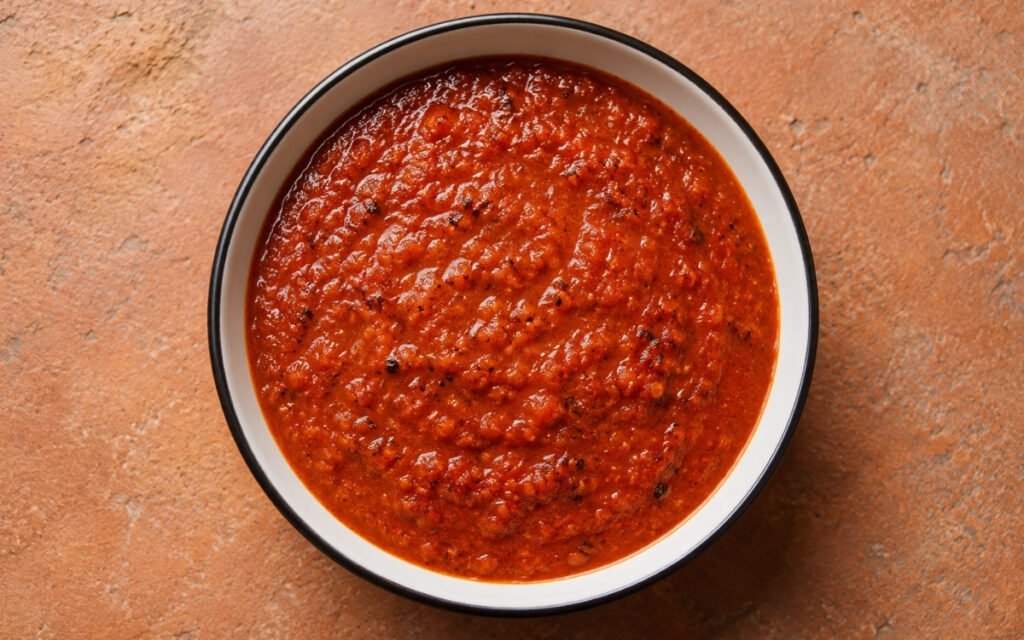
Salsa Roja
Broiled Roma tomatoes and caramelised onion blended with raw jalapeño and fresh cilantro — the classic Mexican red salsa, rich and bright, ready in 20 minutes.
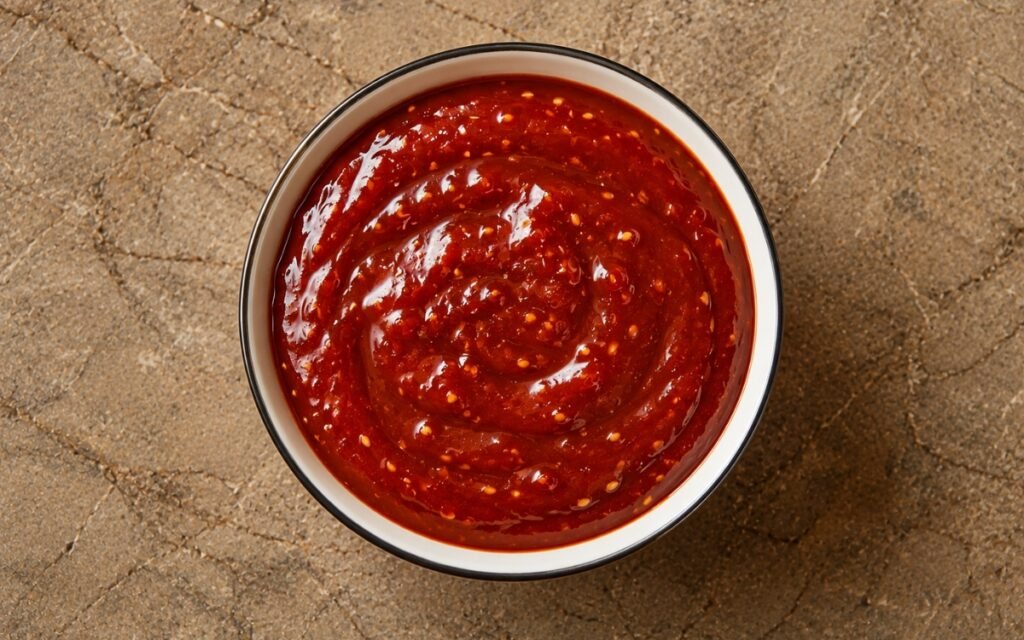
Gochujang Honey Sauce
Korean fermented chili paste and honey create an addictive sweet-spicy glaze — ready in 10 minutes.
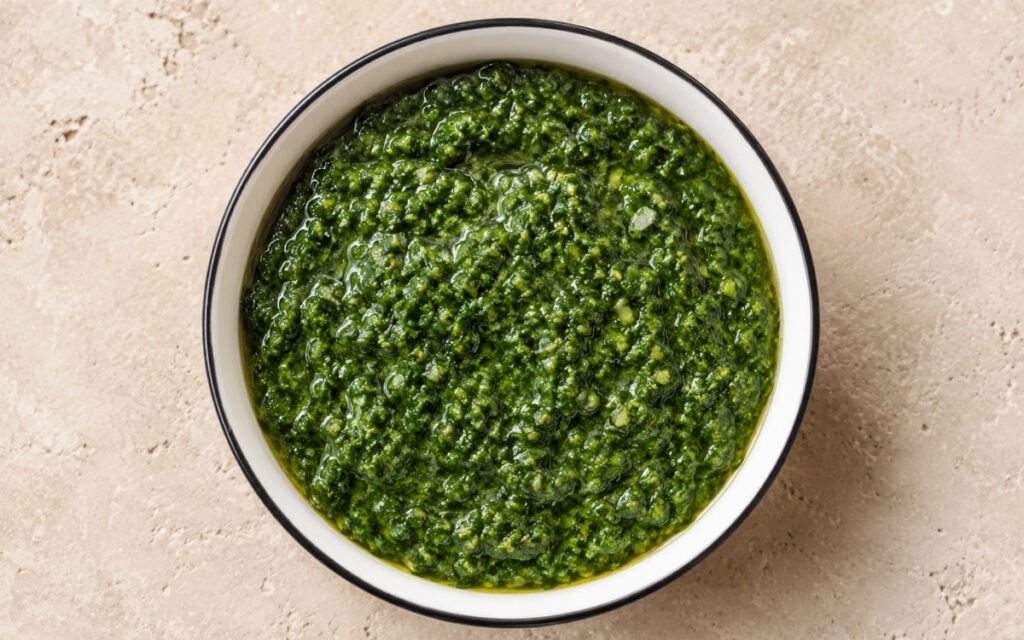
Green Zhoug
Fresh jalapeños, a whole bunch of cilantro, mint, garlic, and lime pulsed into a thick, coarse Yemeni herb sauce — ten minutes, no cooking, and the condiment that improves everything it touches.
You might also like
You might also like
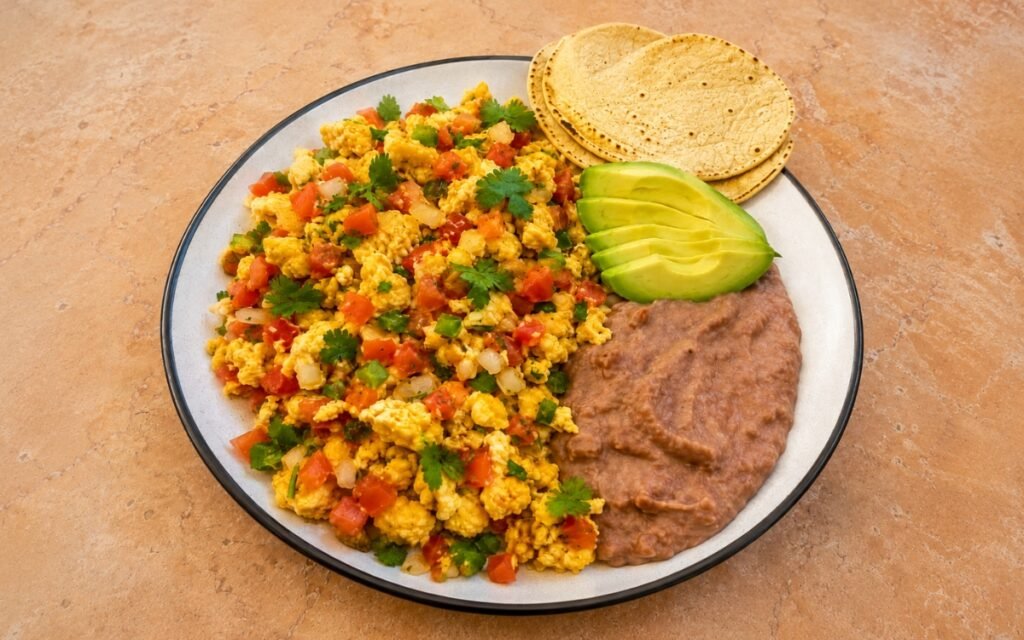
Huevos a la Mexicana
Softly scrambled eggs cooked with diced tomato, onion, and jalapeño, served with warm refried beans, sliced avocado, and tortillas.
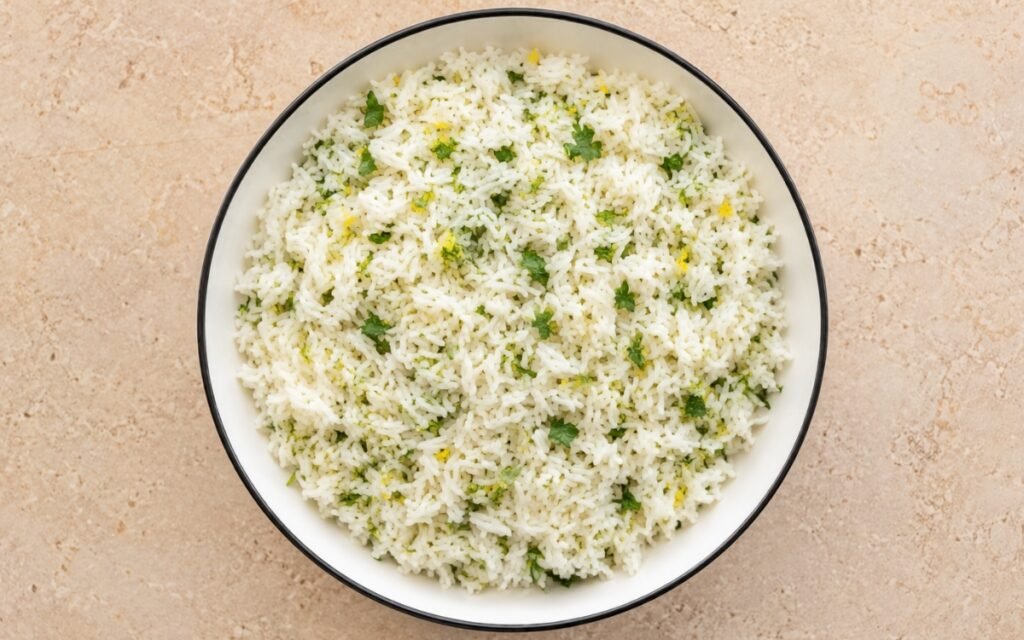
Greek Lemon Rice
Rice rinsed clear, cooked with garlic, broth, and lemon juice undisturbed until fluffy, finished with fresh herbs and zest. Bright and tangy.
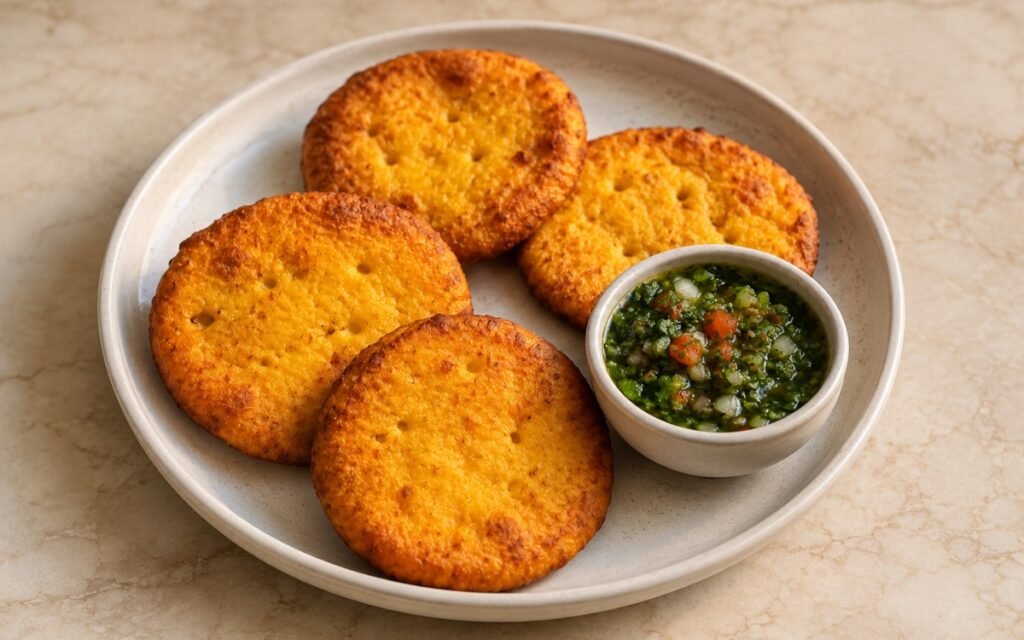
Chilean Sopaipillas with Pebre
Pumpkin-based dough rolled, pricked, and fried until golden-brown and crisp-edged, served with a fresh, chopped pebre of tomato, onion, and cilantro.
Miso Butter Sauce
Ingredients
Method
- Place the unsalted butter in a light-colored skillet over medium heat so you can clearly monitor color changes. Let it melt, then cook past the foaming stage while swirling occasionally. As the water evaporates, golden specks of toasted milk solids will appear. Continue until they reach a deep golden brown and the butter smells nutty and caramelized. The liquid should be rich amber — classic beurre noisette. Remove from heat immediately to prevent burning.
- If using white wine or sake, pour it into the hot brown butter right away — it will sputter vigorously. Stir and scrape lightly to dissolve any toasted bits. Let the liquid reduce briefly, concentrating its acidity and fruitiness to balance the butter’s richness.
- Add grated garlic and ginger to the hot butter mixture and stir constantly for about 30 seconds. The residual heat softens their raw bite without browning. Pour in the water or broth and swirl to combine — the sauce will look thin at this stage, which is expected.
- Remove the pan fully from the heat before adding white miso paste. Whisk vigorously until completely smooth with no streaks. Avoid boiling miso — high heat dulls its fermented complexity and can make it taste harsh rather than mellow.
- Whisk in lemon juice, lemon zest, and toasted sesame oil. Taste and adjust: the finished sauce should feel savory, gently sweet from miso, bright with citrus, and rounded by brown butter richness. Fold in chopped chives or spring onion just before serving for freshness and color.