
Pan-Seared Chicken Breast
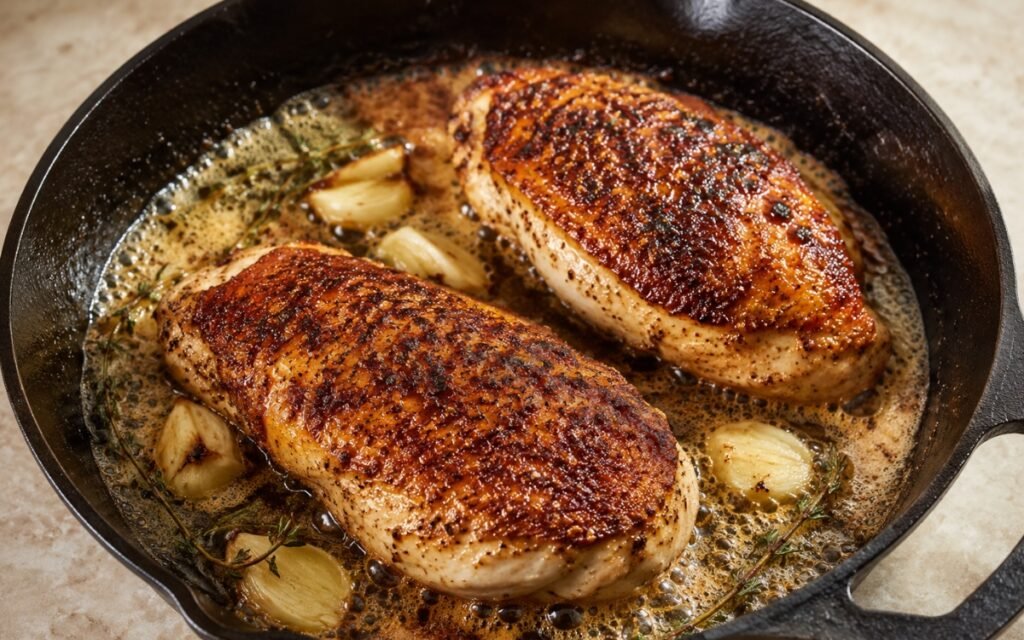
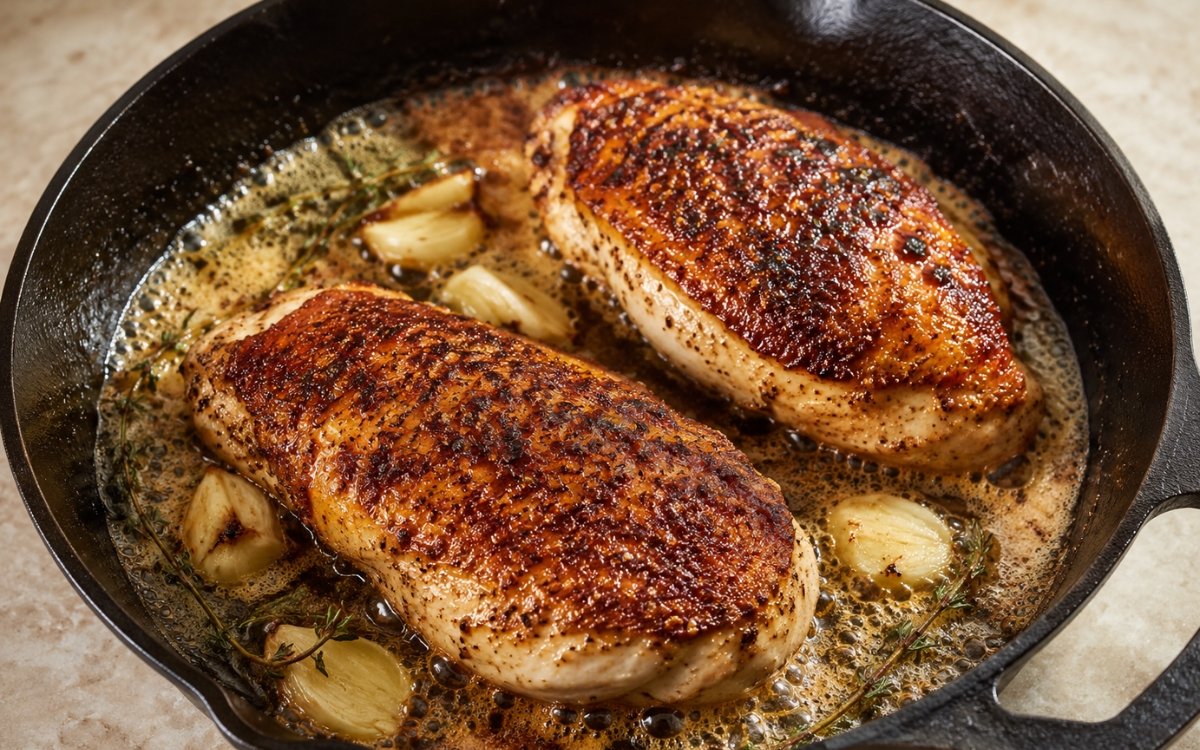
Pan-Seared Chicken Breast is about mastering the art of perfectly cooked chicken breast with deeply golden, crispy skin and juicy, tender meat every time. This method uses controlled heat and butter basting to build real flavor instead of relying on sauces. Once you understand how to manage moisture, temperature, and fat rendering, chicken breast stops being dry and becomes one of the most reliable, repeatable proteins you can cook. Pounding uneven thickness to a consistent level isn’t optional here, since any variation guarantees uneven cooking — one section dries out while another is still working its way up to safe temperature. Thoroughly drying the skin, especially given chicken’s naturally higher surface moisture than beef or pork, is what determines whether the skin actually crisps or simply steams against the hot pan. Pressing the chicken gently during the first 20–30 seconds skin-side down maximizes surface contact and prevents the natural curling that would otherwise create uneven rendering across the fat layer. The transition to butter basting after the flip is where chicken breast specifically earns its reputation for dryness or avoids it — controlled, fat-mediated finishing cooks the meat through gently rather than continuing aggressive direct heat that would dry out this genuinely lean cut.
Prep Time : 10 min
Cook Time : 20 min
Servings : 4
10 min
20 min
4
Ingredients
For the Chicken
• 800g boneless, skin-on chicken breasts (4 pieces)
• 10g fine sea salt — this one on Amazon
• 4g freshly ground black pepper
• 4g garlic powder
• 3g smoked paprika
For Cooking
• 30ml olive oil — this one on Amazon
• 40g unsalted butter — this one on Amazon
• 4 garlic cloves, smashed
• 4 sprigs fresh thyme
This post may contain affiliate links. As an Amazon Associate I earn from qualifying purchases, at no additional cost to you.
Directions
- Prepare the Chicken
If the chicken breasts are uneven in thickness, place them between two sheets of plastic wrap and gently pound the thicker end until uniform. This step is not optional — uneven thickness guarantees uneven cooking, meaning one part dries out while the other is still coming up to temperature. Once shaped, pat the chicken completely dry on all sides, especially the skin. Any moisture left on the surface will prevent proper browning and cause the skin to steam instead of crisp. - Season Generously
Combine salt, black pepper, garlic powder, and smoked paprika, then season both sides of the chicken evenly. Press the seasoning into the surface so it adheres properly. The skin should look fully coated, not lightly dusted. Proper seasoning is what allows the chicken to stand on its own without needing a sauce to compensate for blandness. - Heat the Pan
Heat olive oil in a heavy skillet over medium-high heat until it shimmers and moves fluidly across the surface. The pan should be hot enough to initiate browning immediately, but not smoking aggressively. Chicken requires slightly more controlled heat than steak — too hot and the skin burns before the interior cooks, too low and the skin never crisps. - Start Skin-Side Down
Place the chicken breasts skin-side down in the pan, ensuring they do not touch. Immediately press each piece gently with a spatula for the first 20–30 seconds to maximize contact between the skin and the pan. This step prevents curling and ensures even rendering of the fat layer beneath the skin, which is what creates a uniformly crisp surface. - Achieve Golden Crust
Cook the chicken undisturbed for 7–8 minutes. Do not move it, do not check it early. The skin will naturally release from the pan when it is properly browned. If it sticks, it is not ready. During this phase, fat renders slowly from beneath the skin while the surface undergoes browning, building both texture and flavor at the same time. - Flip and Add Aromatics
Flip the chicken to the flesh side and immediately add butter, smashed garlic, and thyme to the pan. Reduce heat slightly to maintain control over the butter — it should foam, not burn. The goal is to transition from aggressive searing to controlled finishing. - Baste with Butter
As the butter melts, tilt the pan and continuously spoon the hot fat over the chicken. Maintain a steady basting rhythm for 6–8 minutes. This step accelerates even cooking while layering flavor onto the surface. The chicken is done when the thickest part reaches 74°C (165°F), the safe internal temperature where harmful bacteria are eliminated. - Rest Before Serving
Transfer the chicken to a cutting board and let it rest for 5 minutes. This stabilizes the internal structure after cooking and prevents moisture loss when sliced. Cutting immediately after cooking causes juices to escape instead of staying within the meat.
*Notes :
- Pounding to even thickness matters more for chicken breast than for almost any other protein in this collection, given how genuinely lean this cut is and how little margin it has between properly cooked and dried out. A breast with a thick end and a thin end will always overcook the thin section before the thick section reaches safe temperature, regardless of how carefully everything else is executed.
- Pressing the chicken during the initial 20–30 seconds addresses a specific physical problem — chicken skin naturally curls and contracts when it first hits a hot pan, and that curling reduces the surface area making contact with the heat. Firm, brief pressure at the start counters that curl before it can compromise even rendering.
- The transition to butter basting after the flip is specifically what protects this lean cut from drying out. Continued aggressive direct heat on both sides would push chicken breast toward dryness quickly; fat-mediated basting finishes the cook more gently while simultaneously layering garlic and thyme flavor onto the surface.
Why This Recipe Works
This recipe works because pounding to even thickness eliminates the single biggest cause of dry, unevenly cooked chicken breast.
Thorough drying makes genuine skin crisping possible. Pressing during the initial searing seconds counters natural curling and ensures even fat rendering.
The undisturbed sear builds real crust. And the switch to butter basting after the flip finishes this lean cut gently, protecting it from the dryness that continued direct heat would cause.
Ingredient Breakdown
Boneless, Skin-On Chicken Breast, Pounded Even
The foundation — consistent thickness is what makes even cooking possible on this genuinely lean cut.
Fine Sea Salt
Penetrates the surface and enhances moisture retention while seasoning the meat internally.
Thoroughly Dried Skin
The crisping requirement — chicken’s naturally higher surface moisture makes this step especially important.
Undisturbed Sear, Then Butter Basting
The two-stage technique — aggressive dry heat for crust, gentle fat-mediated heat for finishing without drying out.
Garlic and Thyme
The aromatic finish — infused into the chicken through the basting butter.
Flavor Structure Explained
This Pan-Seared Chicken Breast follows a technique-driven balance model:
- Crisp savory exterior (golden chicken skin)
- Lean tender core (chicken breast)
- Aromatic basting layer (garlic, thyme, butter)
- Juicy interior structure (gentle finishing stage)
- Clean balanced finish (crisp skin and moist meat contrast)
The crispy skin defines the main flavor and texture register, bringing deep golden browning, savory richness, and a satisfying contrast against the lean breast meat. Careful drying, pressing, and an undisturbed sear are essential because they allow the skin to render properly and develop a crisp surface rather than steaming. Garlic and thyme infused through butter basting add a warm herbaceous layer that enriches the chicken without requiring a separate sauce. The gentler finishing stage protects the breast’s interior, preserving tenderness and preventing the dryness this cut can easily develop. The result is a chicken breast built around precision, where crisp skin, aromatic butter, and juicy lean meat create a restrained but complete flavor structure.
Common Mistakes to Avoid
- Skipping the Pounding Step for Uneven Breasts – Guarantees uneven cooking. Always pound to a consistent thickness first.
- Not Drying the Skin Thoroughly – Prevents proper crisping. Always pat completely dry, especially the skin.
- Skipping the Initial Press – Allows the skin to curl, reducing even contact with the pan. Always press gently for the first 20–30 seconds.
- Moving the Chicken During the First Sear – Interrupts crust formation. Always leave undisturbed until it releases naturally.
- Continuing Aggressive Heat Instead of Switching to Butter Basting – Dries out this lean cut. Always transition to gentler, fat-mediated finishing after the flip.
Variations
With Duck Breast
For a related skin-crisping technique applied to a much fattier cut, see the Pan-Seared Duck Breast.
With Rosemary Instead of Thyme
Substitute rosemary sprigs for a more assertive herbal note during basting.
With Lemon
Add a squeeze of fresh lemon juice to the pan during the final minute of basting for brightness.
With a Pan Sauce
Deglaze the pan after removing the chicken and build a quick sauce from the fond for additional richness.
Storage & Make-Ahead
Cooked chicken breast can be refrigerated for up to 3 days. Reheat it gently to avoid drying it out further.
Raw chicken can be seasoned up to 24 hours in advance and refrigerated uncovered, allowing the seasoning to penetrate more deeply.
Frequently Asked Questions
Why is pounding to even thickness described as non-negotiable for chicken breast specifically?
Chicken breast is a genuinely lean cut with very little margin between properly cooked and dried out. A breast with uneven thickness will always finish cooking unevenly — the thinner section reaches safe temperature and continues cooking while the thicker section catches up, meaning by the time the whole piece is safely cooked through, part of it has already overcooked.
Why press the chicken down during the first 20–30 seconds of searing?
Chicken skin naturally curls and contracts the moment it hits a hot pan, and that curling reduces the amount of surface area actually touching the heat. A brief, firm press at the very start counters that curl before it can compromise even contact and, by extension, even fat rendering across the skin.
Why switch to butter basting instead of just continuing to sear both sides directly?
Chicken breast’s low fat content makes it specifically prone to drying out under continued aggressive direct heat. Butter basting finishes the cook more gently through fat-mediated heat transfer, protecting the meat’s moisture while simultaneously infusing garlic and thyme flavor into the surface.
What should I serve alongside this chicken?
Classic Mashed Potatoes or Mashed Sweet Potatoes both pair naturally with the rich, buttery pan flavors, and a Dijon mustard Pan Sauce built from the same pan adds an extra layer of tang and depth. For a related crispy-skin technique on a fattier protein, see the Pan-Seared Duck Breast.
Nutrition Facts
( per serving )
Calories
~380 kcal
Protein
38 g
Fat
24 g
Carbs
1 g
Calories
~380 kcal
Protein
38 g
Fat
24 g
Carbs
1 g
Related Recipes
Related Recipes

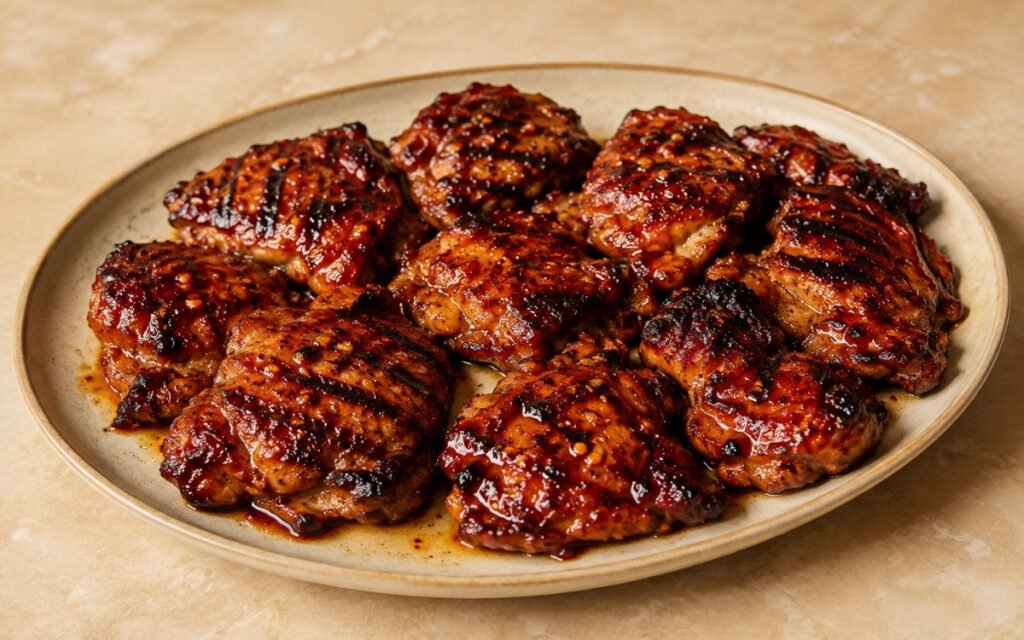
Grilled Hot Honey Chicken Thighs
Grilled yogurt-marinated chicken thighs with charred edges and a sticky, glossy chili-infused hot honey glaze.
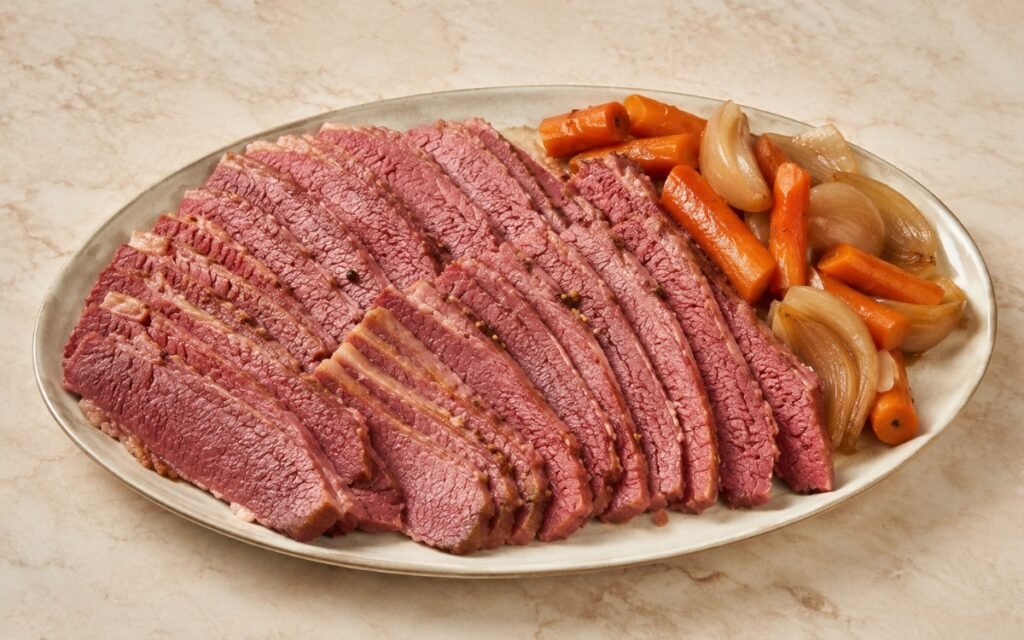
Homemade Corned Beef
Beef brisket cured in a spiced brine for a full week, then simmered gently until fork-tender, sliced thick against the grain.
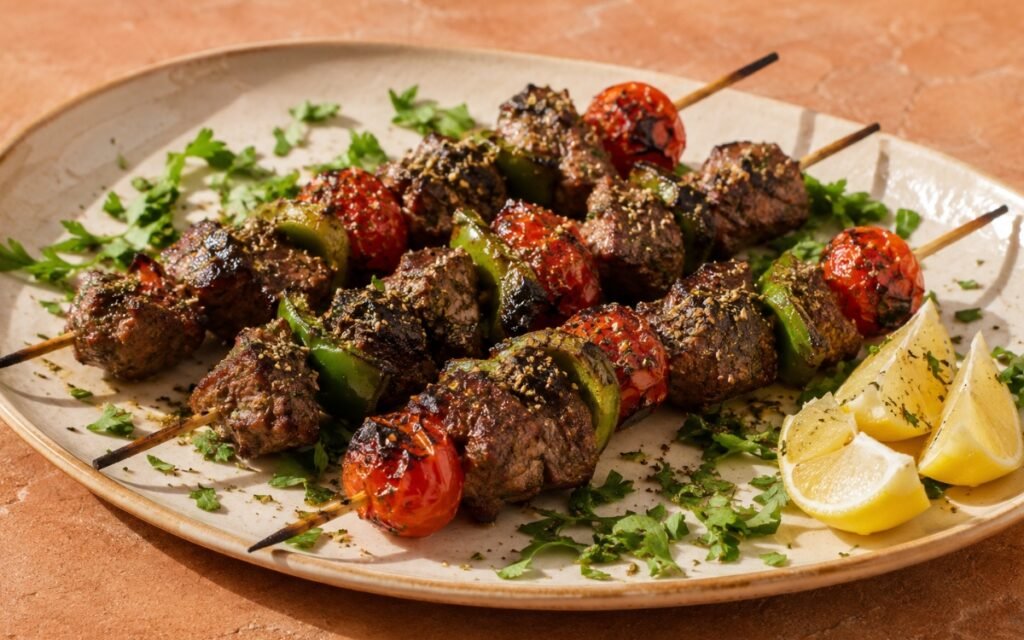
Grilled Lamb Kebabs with Charred Veggies
Charred lamb shoulder kebabs in a lemon, onion and za’atar marinade, grilled with green peppers and cherry tomatoes.
You might also like
You might also like
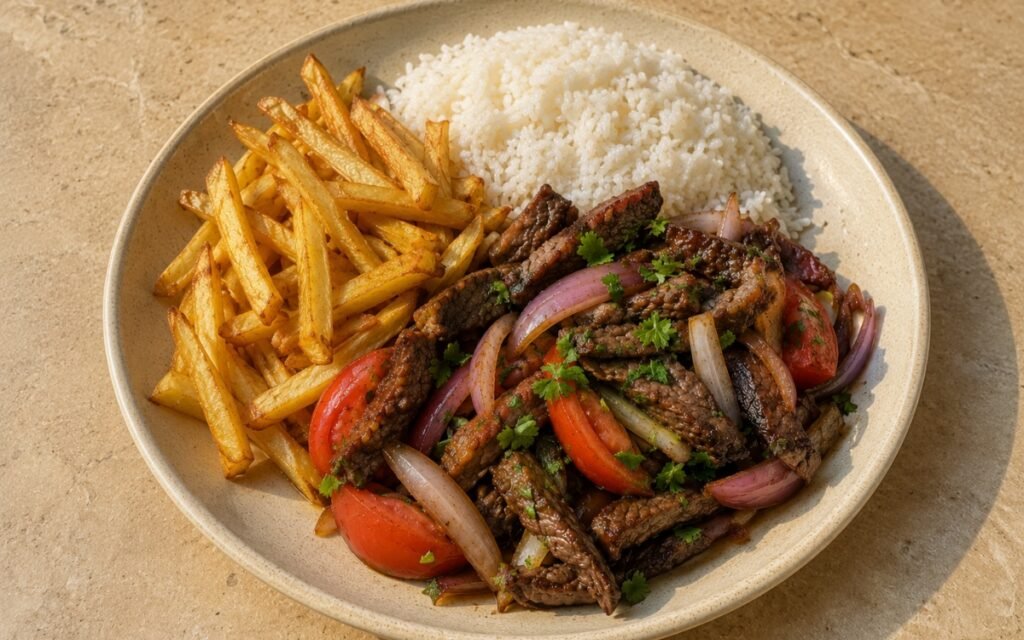
Peruvian Lomo Saltado
Deeply seared beef strips tossed fast with feathered shallots, tomato wedges, and a glossy soy-vinegar sauce, served with double-fried fries and rice.
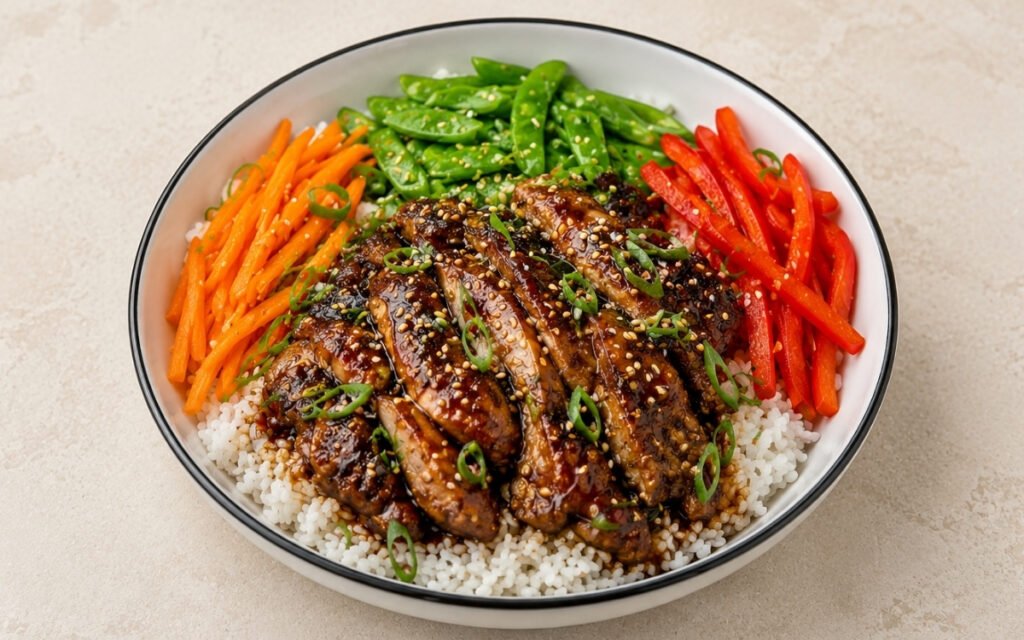
Teriyaki Chicken Rice Bowl
Chicken thighs seared and glazed in homemade soy-mirin-sake-ginger teriyaki — reduced until sticky and glossy over jasmine rice with crisp stir-fried vegetables. 40 minutes.
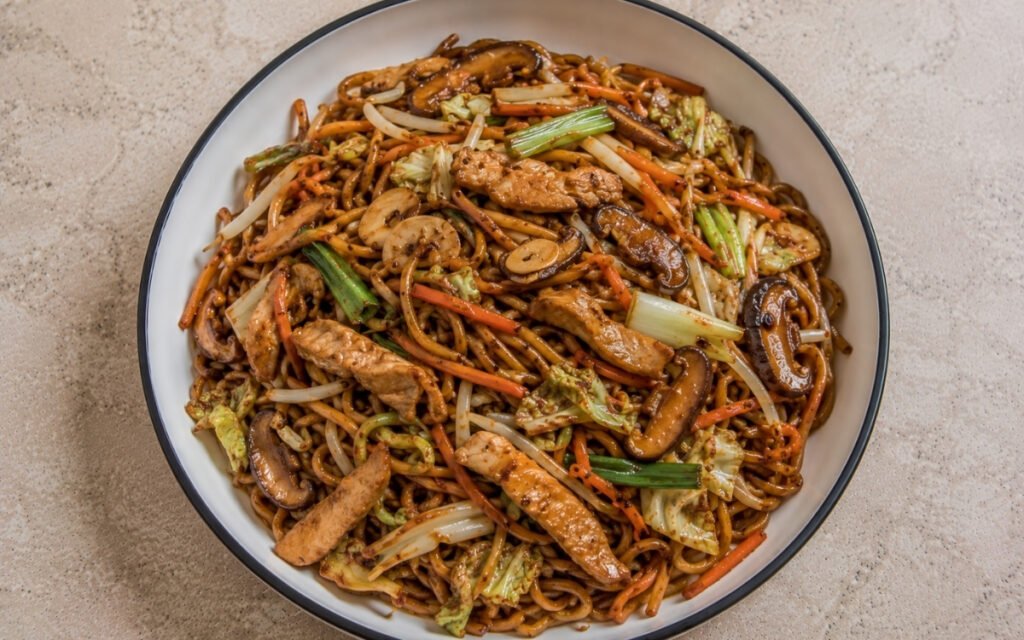
Easy Chicken Chow Mein Noodles
Hong Kong egg noodles crisped in a smoking-hot wok with seared chicken and vegetables — four-component soy sauce, cornstarch glaze, 35 minutes.
Pan-Seared Chicken Breast (Skin on)
Ingredients
Method
- If the chicken breasts are uneven in thickness, place them between two sheets of plastic wrap and gently pound the thicker end until uniform. This step is not optional — uneven thickness guarantees uneven cooking, meaning one part dries out while the other is still coming up to temperature. Once shaped, pat the chicken completely dry on all sides, especially the skin. Any moisture left on the surface will prevent proper browning and cause the skin to steam instead of crisp.
- Combine salt, black pepper, garlic powder, and smoked paprika, then season both sides of the chicken evenly. Press the seasoning into the surface so it adheres properly. The skin should look fully coated, not lightly dusted. Proper seasoning is what allows the chicken to stand on its own without needing a sauce to compensate for blandness.
- Heat olive oil in a heavy skillet over medium-high heat until it shimmers and moves fluidly across the surface. The pan should be hot enough to initiate browning immediately, but not smoking aggressively. Chicken requires slightly more controlled heat than steak — too hot and the skin burns before the interior cooks, too low and the skin never crisps.
- Place the chicken breasts skin-side down in the pan, ensuring they do not touch. Immediately press each piece gently with a spatula for the first 20–30 seconds to maximize contact between the skin and the pan. This step prevents curling and ensures even rendering of the fat layer beneath the skin, which is what creates a uniformly crisp surface.
- Cook the chicken undisturbed for 7–8 minutes. Do not move it, do not check it early. The skin will naturally release from the pan when it is properly browned. If it sticks, it is not ready. During this phase, fat renders slowly from beneath the skin while the surface undergoes browning, building both texture and flavor at the same time.
- Flip the chicken to the flesh side and immediately add butter, smashed garlic, and thyme to the pan. Reduce heat slightly to maintain control over the butter — it should foam, not burn. The goal is to transition from aggressive searing to controlled finishing.
- As the butter melts, tilt the pan and continuously spoon the hot fat over the chicken. Maintain a steady basting rhythm for 6–8 minutes. This step accelerates even cooking while layering flavor onto the surface. The chicken is done when the thickest part reaches 74°C (165°F), the safe internal temperature where harmful bacteria are eliminated.
- Transfer the chicken to a cutting board and let it rest for 5 minutes. This stabilizes the internal structure after cooking and prevents moisture loss when sliced. Cutting immediately after cooking causes juices to escape instead of staying within the meat.