
Simple Lemon Vinaigrette
Bright lemon, smooth Dijon, and a touch of honey balance perfectly in this classic vinaigrette. Endlessly versatile, it works on every green salad, grain bowl, roasted vegetable, and grilled protein — and makes a superb quick marinade for chicken and fish.
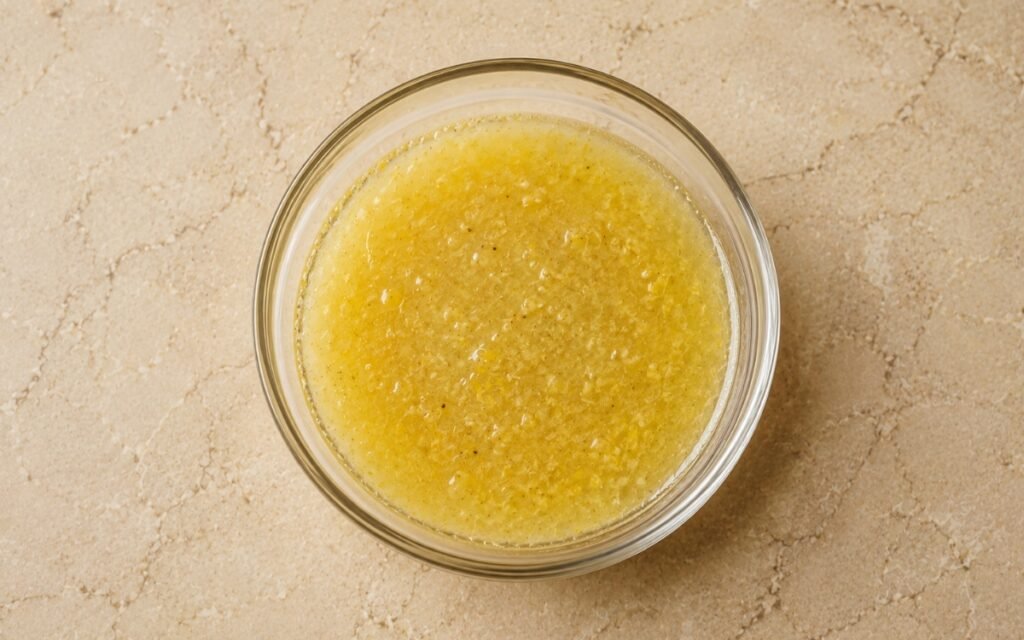
Prep Time : 5 min
Cook Time : 0 min
Servings : 4
5 min
0 min
4
Ingredients
Acid Base
• 45ml fresh lemon juice, from about 2 lemons
• 5g lemon zest
Aromatics
• 5g garlic, 1 small clove, finely grated
Oil
• 90ml extra-virgin olive oil — this one on Amazon
Seasoning
• 3g salt
• Freshly ground black pepper to taste
This post may contain affiliate links. As an Amazon Associate I earn from qualifying purchases, at no additional cost to you.
Directions
- Know the Oil-to-Acid Balance
Classic vinaigrettes use a 3:1 oil-to-acid ratio, which softens acidity and creates a rounder taste. This version uses a brighter 2:1 balance, better suited to lemon and bold greens like arugula. Adjust toward 3:1 if you prefer a milder dressing. - Combine the Flavor Base
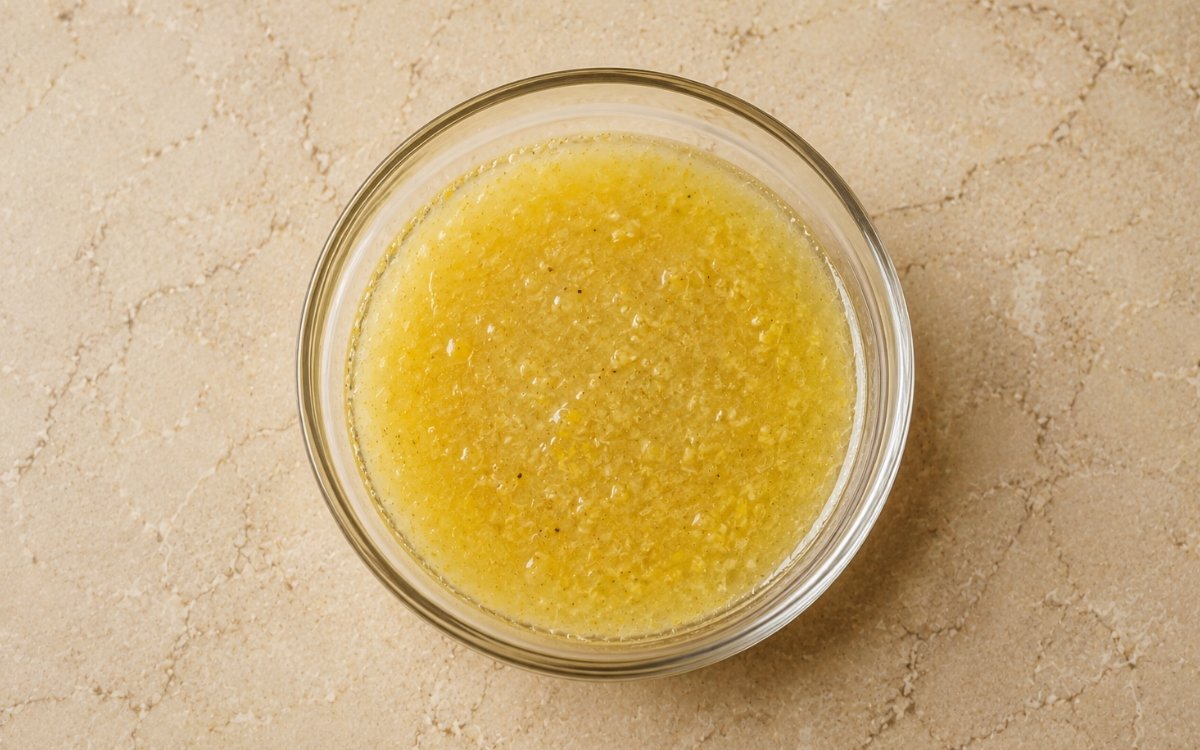
In a small bowl or jar, mix lemon juice, lemon zest, Dijon mustard, honey, and grated garlic. Dijon acts as the emulsifier, helping oil and acid bind instead of separating. Whisk or shake until the mixture looks smooth and pale. - Start the Emulsion
If using a bowl, begin whisking steadily while preparing to add the oil. Continuous movement is essential to break the oil into fine droplets and create a cohesive texture. - Add Oil Gradually
Drizzle the olive oil in a thin stream while whisking rapidly. As the emulsion forms, you can pour more steadily. If using a jar, simply add the oil, seal tightly, and shake for 20–30 seconds. - Season and Adjust
Finish with salt and freshly ground black pepper. Taste and refine — more lemon for brightness, honey for balance, or salt for depth. Use immediately or shake again before serving if separation occurs.
*Notes :
- The emulsion in a vinaigrette is temporary — it will separate within 30–60 minutes unless stabilized by additional emulsifiers like egg yolk or significant quantities of mustard. This is completely normal and not a sign of failure. Always shake or whisk immediately before using. The jar method is particularly convenient because it allows quick re-emulsification directly in the storage vessel.
- Fresh lemon juice and bottled lemon juice are not interchangeable in this recipe. Bottled lemon juice is pasteurized and often contains preservatives that give it a flat, slightly metallic flavor compared to the bright, complex flavor of fresh-squeezed juice. In a dressing where lemon is the primary flavor, this difference is very noticeable.
- Lemon zest doubles the lemon character without adding more acidity. The aromatic oils in the zest provide floral, complex lemon fragrance that juice alone cannot replicate. Including both ensures a vinaigrette with genuine lemon character rather than simple sourness.
Why This Recipe Works
The recipe succeeds by addressing all three components of vinaigrette construction: balanced ratio (2:1 oil to lemon for appropriate brightness), proper emulsification (Dijon as emulsifier for temporary cohesion), and layered flavor (both juice and zest for full lemon character, honey for sweetness to balance acidity, garlic for savory depth). Each decision is deliberate and contributes to the final result.
Ingredient Breakdown
Fresh Lemon Juice
Primary acid and flavor — provides the brightness that defines the dressing’s character.
Lemon Zest
Concentrated aromatic lemon oils that add fragrant complexity beyond what juice provides.
Dijon Mustard
Emulsifier and flavor contributor — its mucilage compounds bind oil and water while its sharpness adds complexity.
Honey
Provides natural sweetness that balances lemon’s acidity and adds subtle floral depth.
Garlic
Contributes savory, pungent backbone that grounds the bright, acidic profile.
Extra-Virgin Olive Oil
The fat base that carries all flavors and provides richness and body.
Flavor Structure Explained
This vinaigrette follows a layered balance model:
- Bright citrus core (lemon juice, zest)
- Fat base (olive oil)
- Subtle sharpness (Dijon mustard)
- Controlled sweetness (honey)
- Savory depth (garlic)
Lemon defines the primary character, delivering sharp acidity and aromatic lift that leads both nose and palate. Olive oil forms the structural base, carrying and softening that brightness into a cohesive medium. Dijon adds a quiet fermented edge, sharpening the profile without dominating. Honey rounds the acidity with controlled sweetness, preventing harshness. Garlic anchors the finish with subtle savory depth, giving the dressing weight and balance.
Common Mistakes to Avoid
- Using Bottled Lemon Juice – The flat, processed flavor of bottled juice significantly dulls the dressing. Always use freshly squeezed.
- Adding Oil Too Quickly – Pouring all the oil at once prevents emulsification and produces a broken, oily-watery dressing. Add slowly while whisking.
- Not Tasting Before Dressing a Salad – The balance of a vinaigrette must be adjusted to taste. Always season and taste before using.
- Over-dressing the Salad – Use only enough vinaigrette to lightly coat the leaves. A heavily over-dressed salad drowns the ingredients and tastes unpleasantly oily.
Variations
Herb Lemon Vinaigrette
Whisk in 10g finely chopped fresh herbs — tarragon, chives, or basil — for a more complex, aromatic dressing.
Shallot Lemon Vinaigrette
Add 15g finely minced shallot to the base for a more savory, slightly sweet variation.
Tahini Lemon Dressing
Whisk in 20g tahini for a nutty, creamier dressing excellent on grain bowls and roasted vegetables.
Preserved Lemon Version
Replace fresh lemon juice with 15ml preserved lemon liquid and add finely minced preserved lemon rind for a more complex, funky lemon character.
Storage & Make-Ahead
Store in an airtight jar in the refrigerator for up to 1 week. The vinaigrette will separate and the olive oil may partially solidify when cold. Remove from the refrigerator 10 minutes before using and shake vigorously to re-emulsify. This dressing is ideal for batch preparation — make a double or triple quantity and use throughout the week.
Frequently Asked Questions
What greens pair best with lemon vinaigrette?
Arugula, butter lettuce, spinach, watercress, radicchio, and mixed baby greens all pair beautifully. It also works wonderfully on grain bowls, pasta salads, and roasted vegetable platters.
Can I use lime juice instead of lemon?
Yes — lime juice produces a slightly different, more tropical flavor profile. Reduce the quantity slightly as lime juice is more acidic than lemon juice.
How do I fix a dressing that is too acidic?
Add more olive oil in small amounts, increase the honey, or add a small pinch of salt, which paradoxically reduces the perception of sourness.
Can I use this as a marinade?
Absolutely — it works excellently as a quick marinade for chicken breast, fish fillets, and shrimp. Marinate for 20–30 minutes maximum, as the lemon acid will begin to denature proteins with longer exposure.
Nutrition Facts
( per serving )
Calories
~215 kcal
Protein
0 g
Fat
23 g
Carbs
4 g
Calories
~215 kcal
Protein
0 g
Fat
23 g
Carbs
4 g
Related Recipes
Related Recipes

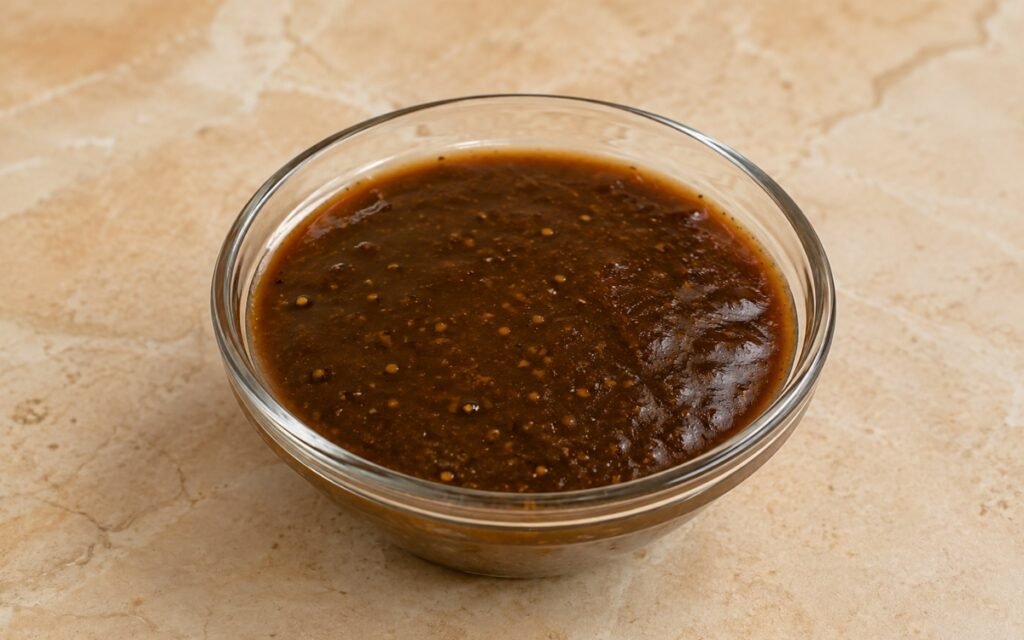
Balsamic Dijon Dressing
Rich aged balsamic and sharp Dijon emulsify into a bold, timeless 5-minute dressing.
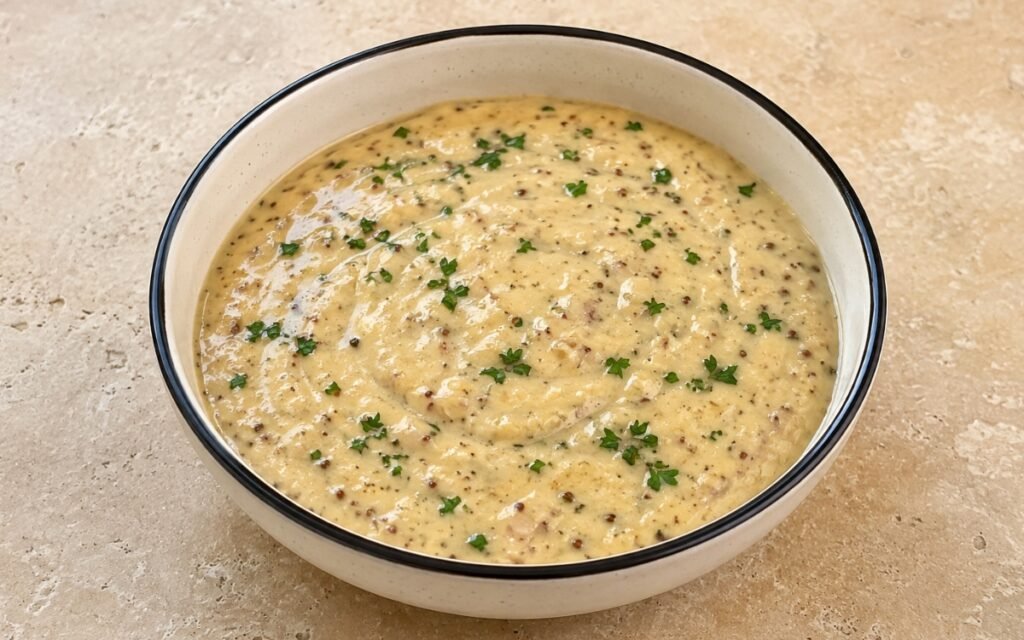
Creamy Dijon Mustard Pan Sauce
Elegant French pan sauce with Dijon, cream, and shallots ready in 10 minutes for any protein!
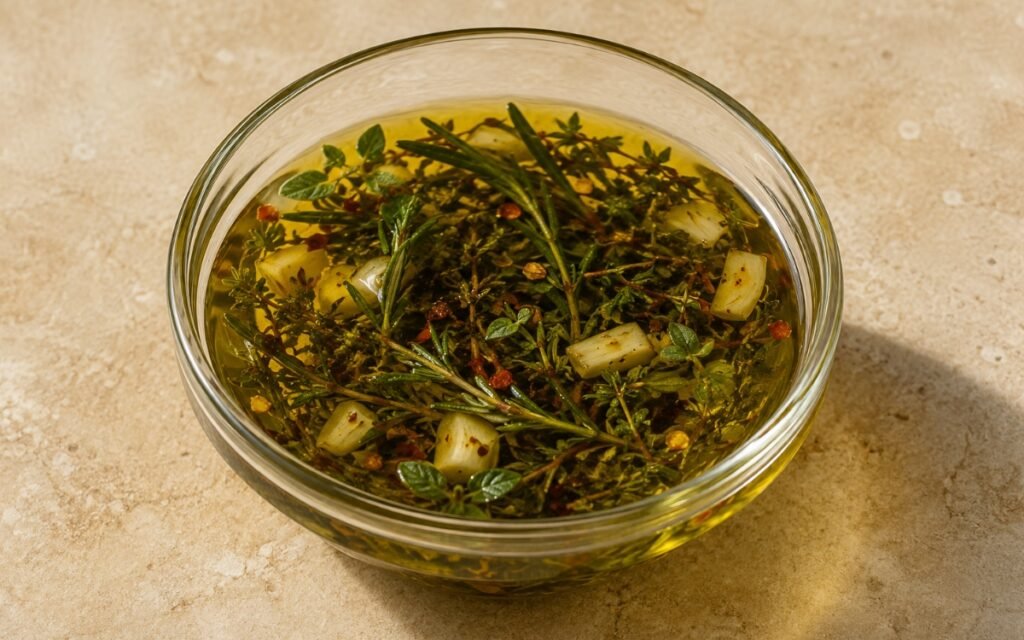
Italian Herb Olive Oil Drizzle
Rosemary, thyme, and garlic infused in warm olive oil — an elegant 10-minute Italian finishing drizzle.
You might also like
You might also like
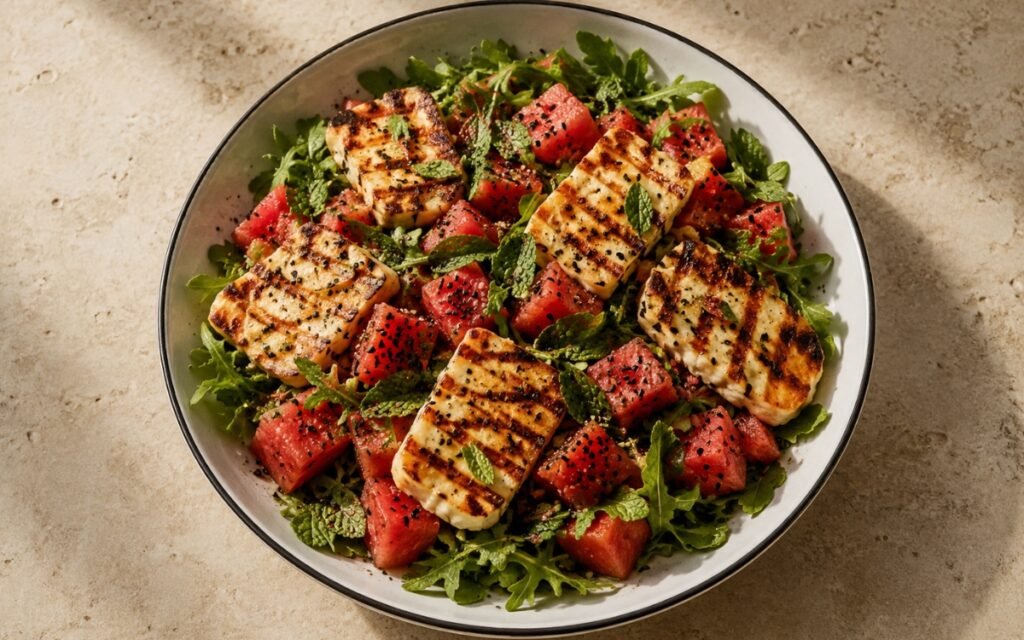
Grilled Halloumi & Watermelon Salad
Halloumi seared undisturbed one to two minutes per side, watermelon drained first, sesame-lime-honey dressing. Warm, cold, sweet, salty.
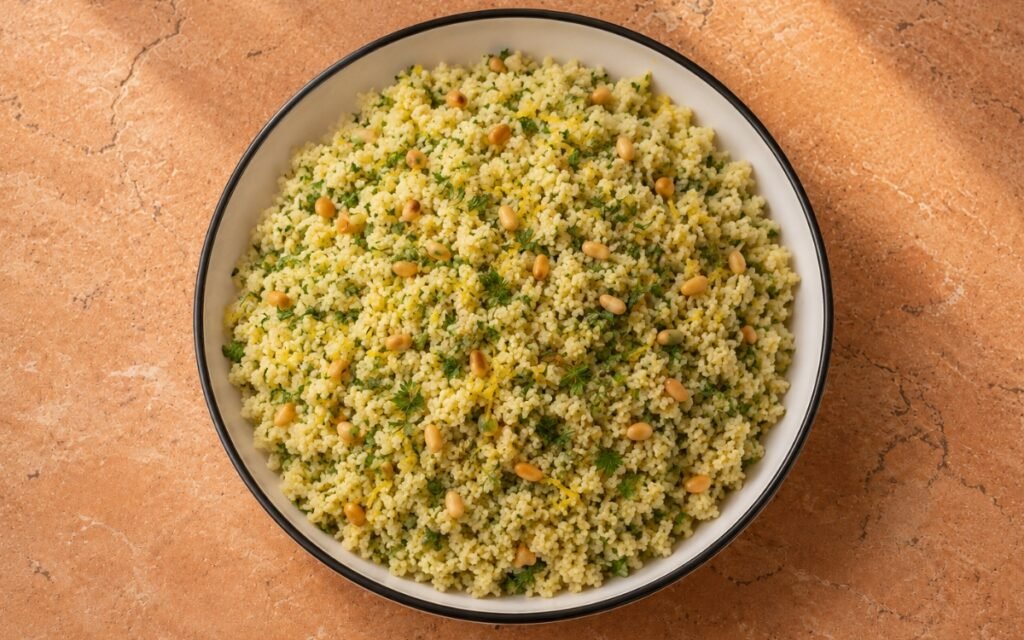
Lemon Herb Couscous
Couscous hydrated in genuinely boiling stock, stirred once, fluffed thoroughly, tossed with fresh lemon, parsley, mint, and dill. Light and bright.
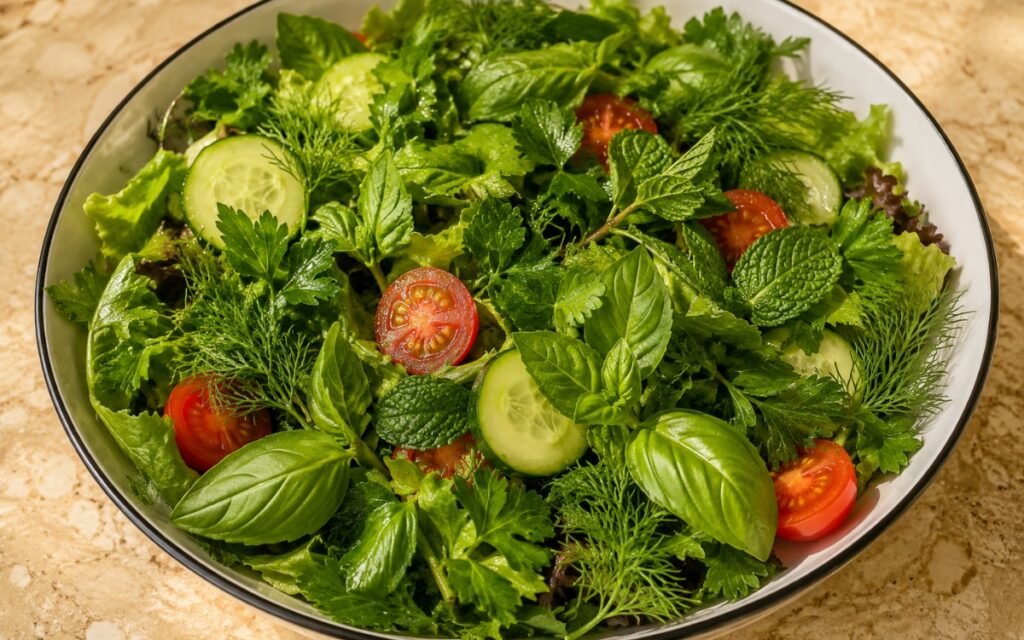
Fresh Herb Green Salad
Mixed greens loaded with fresh parsley, dill, basil, and mint, dressed with bright lemon vinaigrette.
Simple Lemon Vinaigrette
Ingredients
Method
- Classic vinaigrettes use a 3:1 oil-to-acid ratio, which softens acidity and creates a rounder taste. This version uses a brighter 2:1 balance, better suited to lemon and bold greens like arugula. Adjust toward 3:1 if you prefer a milder dressing.
- In a small bowl or jar, mix lemon juice, lemon zest, Dijon mustard, honey, and grated garlic. Dijon acts as the emulsifier, helping oil and acid bind instead of separating. Whisk or shake until the mixture looks smooth and pale.
- If using a bowl, begin whisking steadily while preparing to add the oil. Continuous movement is essential to break the oil into fine droplets and create a cohesive texture.
- Drizzle the olive oil in a thin stream while whisking rapidly. As the emulsion forms, you can pour more steadily. If using a jar, simply add the oil, seal tightly, and shake for 20–30 seconds.
- Finish with salt and freshly ground black pepper. Taste and refine — more lemon for brightness, honey for balance, or salt for depth. Use immediately or shake again before serving if separation occurs.