
Fresh Dill Yogurt Sauce
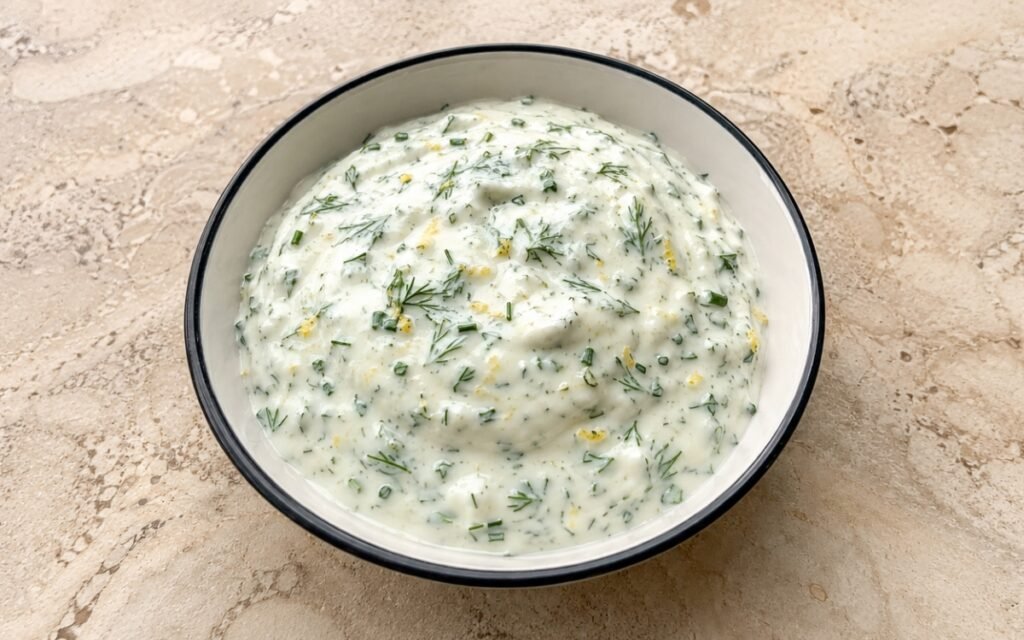
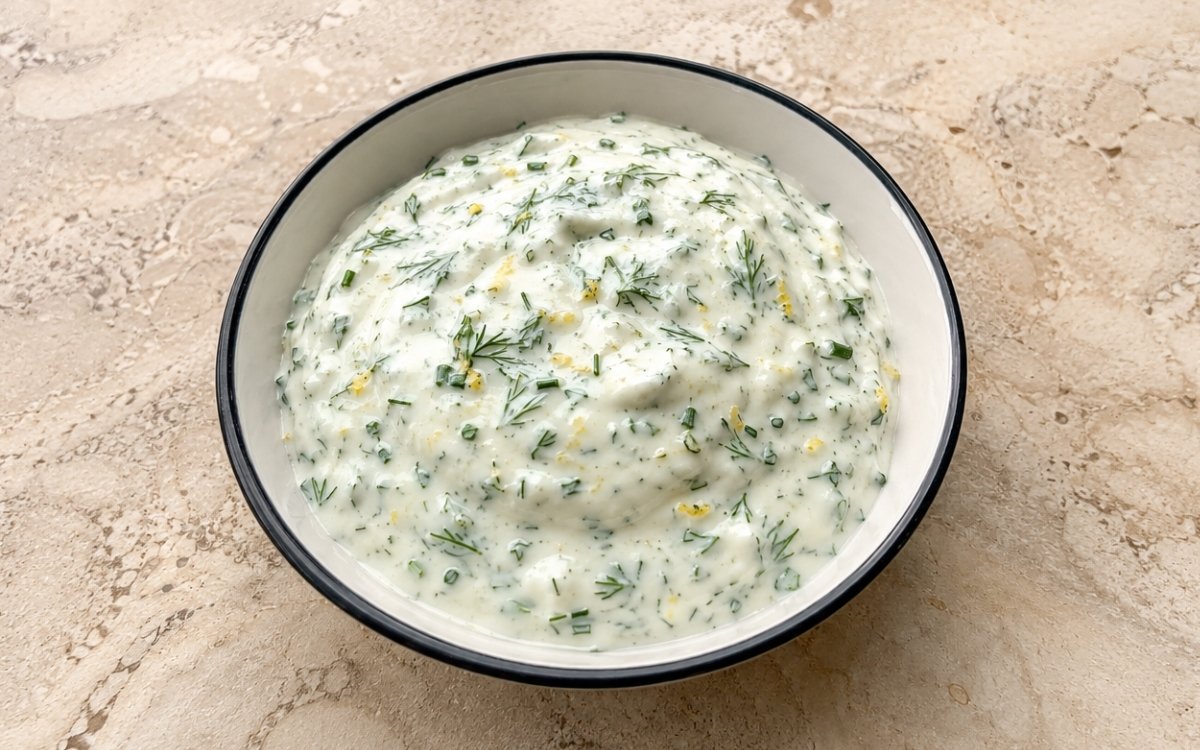
Creamy Greek yogurt meets bright fresh dill in this light, refreshing sauce with clean lemon acidity and gentle garlic warmth. Quick to make and incredibly versatile, it works as a sauce, dip, or dressing with everything from grilled salmon to roasted lamb to simple crudites.
Prep Time : 10 min
Cook Time : 0 min
Servings : 4
10 min
0 min
4
Ingredients
Creamy Base
• 200g plain Greek yogurt, full-fat
• 60g cucumber, finely grated and squeezed dry, optional
Fresh Herbs
• 20g fresh dill, fronds only, finely chopped
• 10g fresh chives, finely sliced
Aromatics & Acid
• 8g garlic, 1–2 cloves, minced or grated
• 20ml fresh lemon juice
• 5g lemon zest
Seasoning
• 3g fine sea salt — this one on Amazon
• Freshly ground white or black pepper to taste
This post may contain affiliate links. As an Amazon Associate I earn from qualifying purchases, at no additional cost to you.
Directions
- Grate and Drain the Cucumber (Optional)
If using cucumber, grate it on the large holes of a box grater directly over a strainer or into a clean cloth. Lightly salt and let sit for 5 minutes, then squeeze firmly to remove as much liquid as possible. Proper draining prevents the sauce from turning thin and watery later. - Prepare the Dill Properly
Strip the delicate dill fronds from thick stems and chop lightly with a sharp knife. Aim for a fine, lively green mince rather than a bruised paste. Gentle handling preserves the herb’s clean aroma. - Slice Chives and Grate Garlic
Finely slice the chives for even distribution. Grate the garlic on a Microplane so it disperses smoothly through the yogurt without leaving harsh pockets of flavor. - Combine the Yogurt Base
In a medium bowl, stir the Greek yogurt with the squeezed cucumber until uniform. Add dill, chives, garlic, lemon juice, and lemon zest. - Fold Gently and Season
Fold everything together with light strokes. Avoid over-stirring, which can loosen the yogurt’s texture. Season with salt and freshly ground pepper to taste. - Rest Before Serving
Refrigerate the sauce for at least 20 minutes. This short rest allows the herbs and garlic to infuse fully and the flavors to become more cohesive before serving.
*Notes :
- Full-fat Greek yogurt is specified because it is significantly creamier, more stable, and more flavorful than lower-fat versions. Fat-free Greek yogurt produces a thin, slightly sour sauce that lacks the rich, satisfying texture this sauce requires. The fat also carries the fat-soluble aromatic compounds in the dill, amplifying its flavor.
- Fresh dill is irreplaceable in this recipe. Dried dill has a hay-like, flat flavor that bears little resemblance to fresh dill’s bright, feathery, slightly anise-like aroma. If fresh dill is unavailable, fresh tarragon makes a reasonable substitute with a different but similarly anise-like character.
- The lemon zest is a critical element that many home cooks overlook when adapting similar recipes. Zest provides concentrated citrus aromatic oils that give the sauce a multi-layered lemon character far beyond what juice alone provides. Both components are needed: juice for acidity, zest for fragrance.
Why This Recipe Works
This yogurt sauce works because each component plays a specific and necessary role. Full-fat Greek yogurt provides the rich, stable creamy base. Fresh dill contributes its distinctive aromatic freshness that is perfectly suited to the yogurt’s mild tang. Lemon juice brightens and sharpens the whole. Garlic provides savory depth without competing with the delicate herb. The optional cucumber adds a cooling freshness that makes the sauce genuinely refreshing rather than simply creamy.
Ingredient Breakdown
Full-Fat Greek Yogurt
Rich, thick, and creamy base with mild natural tang that complements rather than competes with the herbs.
Fresh Dill
Provides the defining aromatic character — feathery, slightly anise-like freshness that is the sauce’s entire flavor identity.
Cucumber
Adds refreshing coolness and a hydrating freshness that makes the sauce particularly good with grilled and smoked foods.
Lemon Juice and Zest
Together provide multi-dimensional citrus brightness — juice for acidity, zest for aromatic intensity.
Garlic
Provides subtle savory depth without overwhelming the delicate herb character.
Flavor Structure Explained
This yogurt sauce follows a layered balance model:
- Creamy tangy base (Greek yogurt)
- Dominant herbal identity (dill)
- Bright acidity (lemon)
- Savory warmth (garlic)
- Balanced lightness (overall composition)
Greek yogurt establishes the structure with a mild, creamy tang that carries all other elements. Dill defines the aromatic identity, delivering a distinctive, fresh herbal note that leads the profile. Lemon sharpens and lifts the sauce, keeping it from feeling heavy. Garlic adds subtle savory warmth in the background, grounding the freshness. The overall balance keeps the sauce light and controlled — delicate enough for subtle proteins, but with enough depth to support richer ones.
Common Mistakes to Avoid
- Not Squeezing the Cucumber – Skipping this step results in a watery sauce within 30 minutes of preparation. Always squeeze firmly.
- Using Dried Dill – Dried dill is a completely different ingredient for this purpose and produces an inferior sauce. Fresh is non-negotiable.
- Over-stirring the Yogurt – Aggressive stirring breaks down Greek yogurt’s protein structure, making it thin. Fold gently.
- Serving Without Resting – The resting period is essential for flavor development and cohesion. Do not skip it.
Variations
Herbed Version
Add 10g each of fresh mint and flat-leaf parsley alongside the dill for a more complex multi-herb sauce.
Avocado Dill Sauce
Blend in half a ripe avocado for a richer, creamier variation excellent with smoked salmon.
Dill Sour Cream Sauce
Replace Greek yogurt with sour cream for a richer, more neutral-tangy base.
Storage & Make-Ahead
Store in an airtight container in the refrigerator for up to 3 days. If cucumber was added, some liquid may collect at the surface — stir briefly before serving. The dill flavor intensifies slightly over time. The sauce is actually best after 30–60 minutes of refrigeration and reaches its flavor peak on day two. Not suitable for freezing.
Frequently Asked Questions
What dishes pair best with dill yogurt sauce?
Pan-seared or grilled salmon fillets, gravlax, smoked salmon, grilled lamb chops, roasted lamb, grilled chicken, beef koftas, cucumber salads, falafel, grain bowls, and as a vegetable dip.
Can I use regular yogurt instead of Greek?
Regular yogurt is too thin and will produce a watery, pourable consistency rather than a thick, spoonable sauce. If only regular yogurt is available, strain it through cheesecloth for 2 hours to thicken.
Is this the same as tzatziki?
Not quite. While it is closely related to tzatziki, traditional tzatziki always includes cucumber. In this version, cucumber is optional, and dill takes the lead as the defining flavor. If you want the classic version, check out our [Authentic Tzatziki recipe].
Can I make this vegan?
Use a thick plant-based yogurt (full-fat coconut yogurt works well) as a direct substitute. The flavor will be slightly different but still excellent.
Nutrition Facts
( per serving )
Calories
~76 kcal
Protein
6 g
Fat
3 g
Carbs
6 g
Calories
~76 kcal
Protein
6 g
Fat
3 g
Carbs
6 g
Related Recipes
Related Recipes

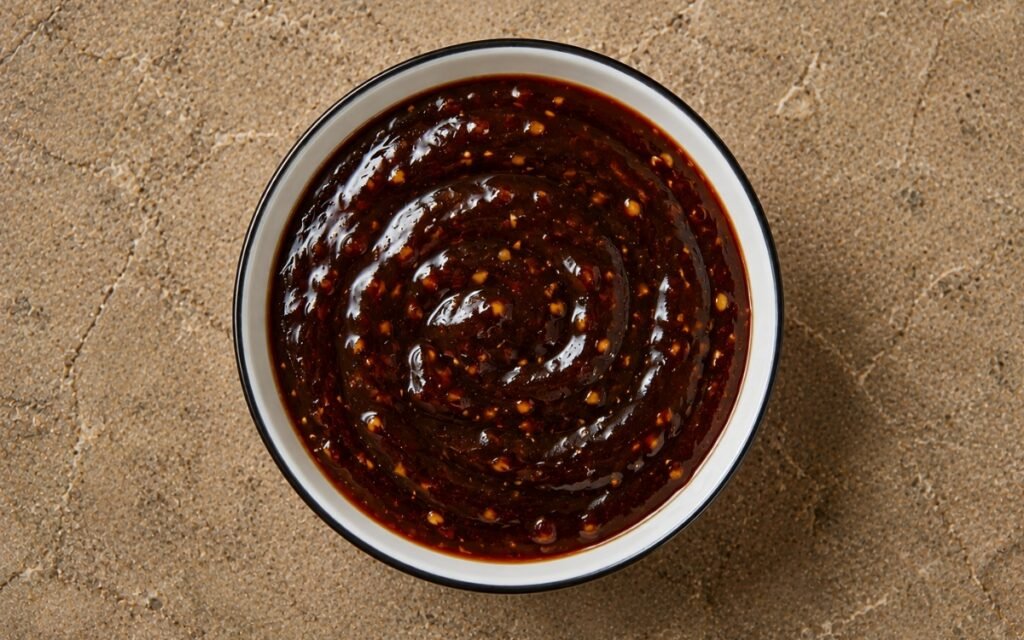
Soy Ginger Glaze
Glossy soy sauce, mirin, honey and fresh ginger reduce into a sticky 8-minute glaze for salmon, chicken and tofu.
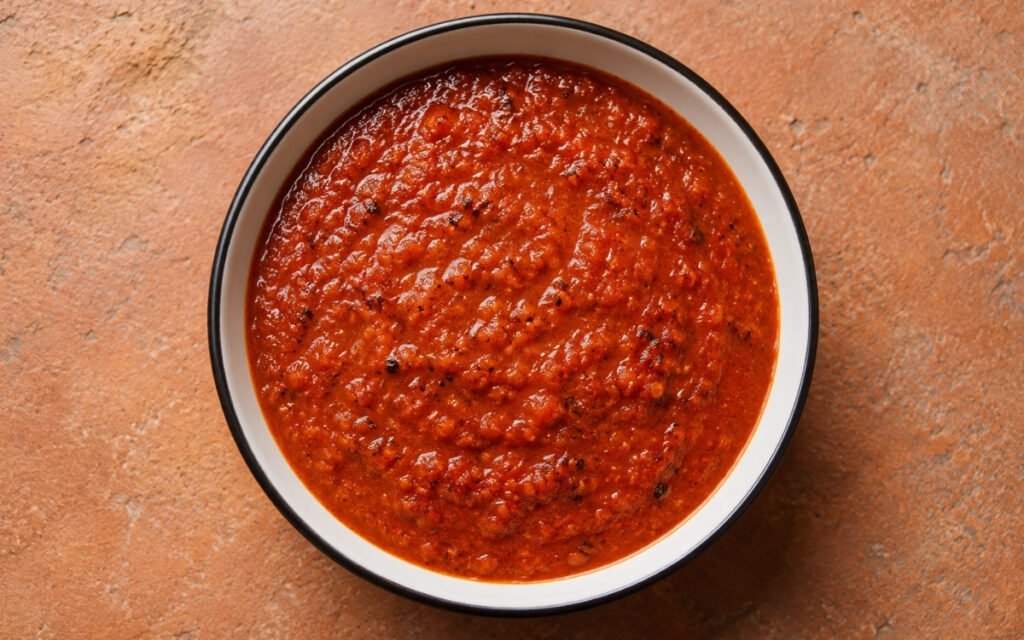
Salsa Roja
Broiled Roma tomatoes and caramelised onion blended with raw jalapeño and fresh cilantro — the classic Mexican red salsa, rich and bright, ready in 20 minutes.
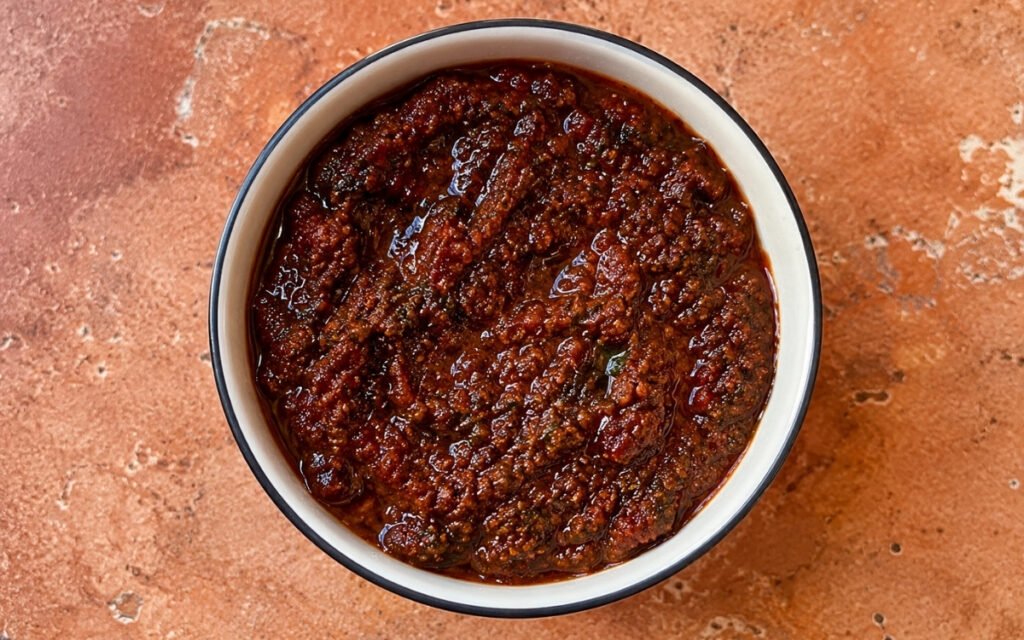
Red Zhoug
Dried red chilies, cilantro, garlic, and cumin pulsed into a deep, earthy Yemeni sauce — ten minutes to make, 30 minutes for the heat to fully develop, and the boldest condiment on any mezze table.
You might also like
You might also like
Roasted Cauliflower Rice
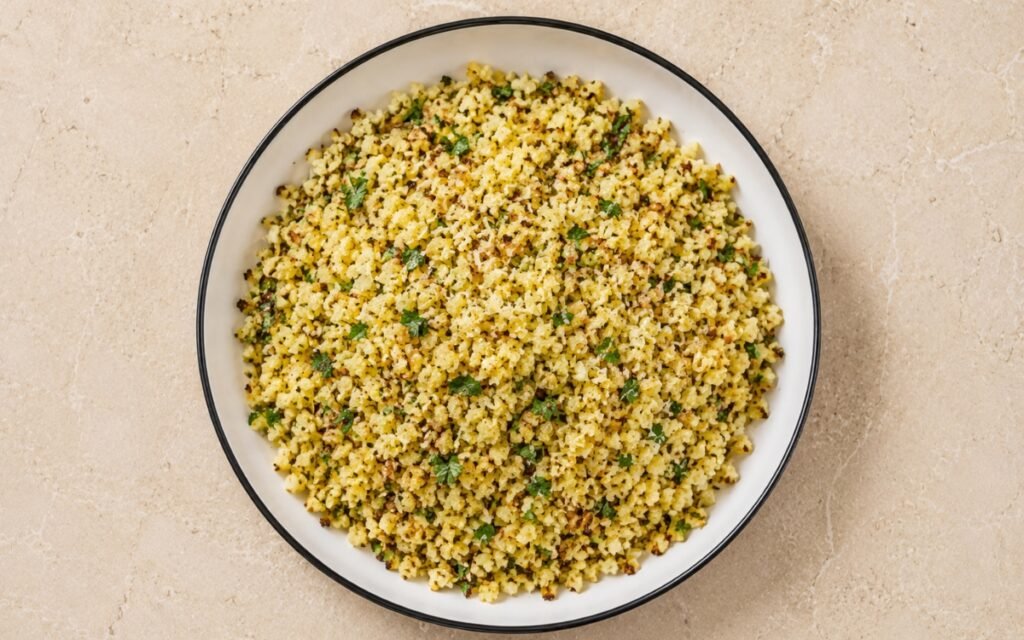
Cauliflower pulsed in batches, spread thin, roasted until golden and caramelized, finished with butter, parsley, and lemon. Nutty and low-carb.
Salmon Cobb Salad
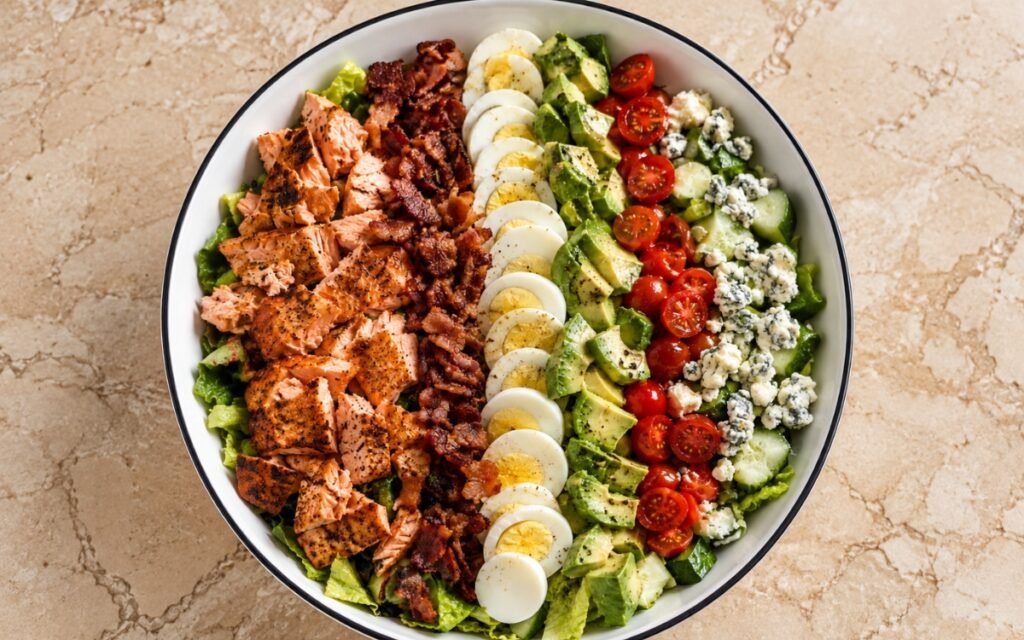
Chickpeas, cherry tomatoes, cucumber, red onion, parsley, and mint dressed with lemony olive oil, topped with warm grilled halloumi.
Crispy Cucumber Radish Salad
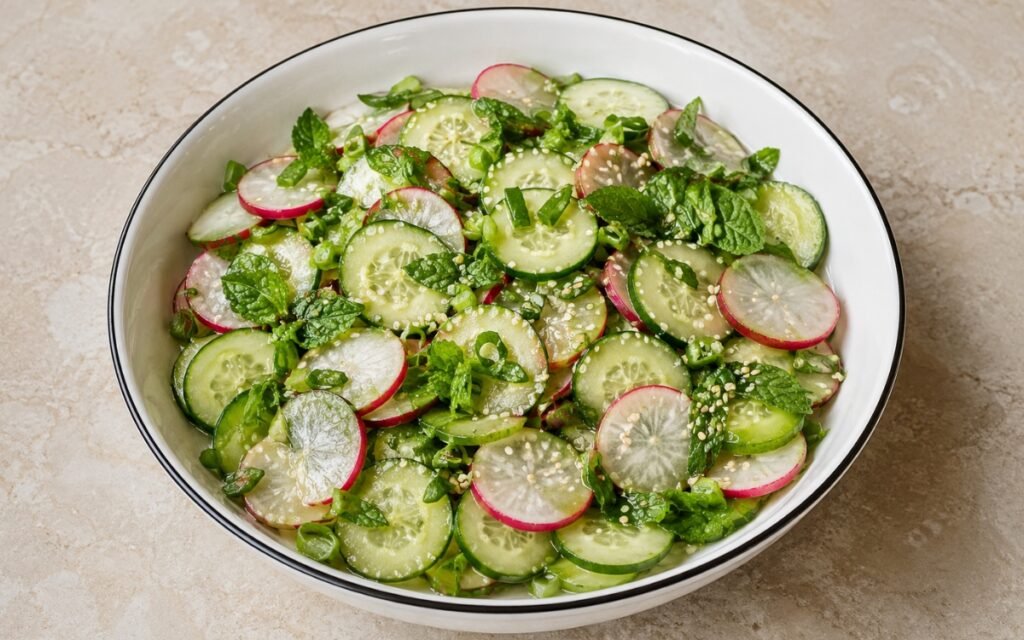
Crisp cucumbers and peppery radishes in light sesame rice vinegar dressing with fresh herbs.
Fresh Dill Yogurt Sauce
Ingredients
Method
- If using cucumber, grate it on the large holes of a box grater directly over a strainer or into a clean cloth. Lightly salt and let sit for 5 minutes, then squeeze firmly to remove as much liquid as possible. Proper draining prevents the sauce from turning thin and watery later.
- Strip the delicate dill fronds from thick stems and chop lightly with a sharp knife. Aim for a fine, lively green mince rather than a bruised paste. Gentle handling preserves the herb’s clean aroma.
- Finely slice the chives for even distribution. Grate the garlic on a Microplane so it disperses smoothly through the yogurt without leaving harsh pockets of flavor.
- In a medium bowl, stir the Greek yogurt with the squeezed cucumber until uniform. Add dill, chives, garlic, lemon juice, and lemon zest.
- Fold everything together with light strokes. Avoid over-stirring, which can loosen the yogurt’s texture. Season with salt and freshly ground pepper to taste.
- Refrigerate the sauce for at least 20 minutes. This short rest allows the herbs and garlic to infuse fully and the flavors to become more cohesive before serving.