
Champagne Vinegar Dressing
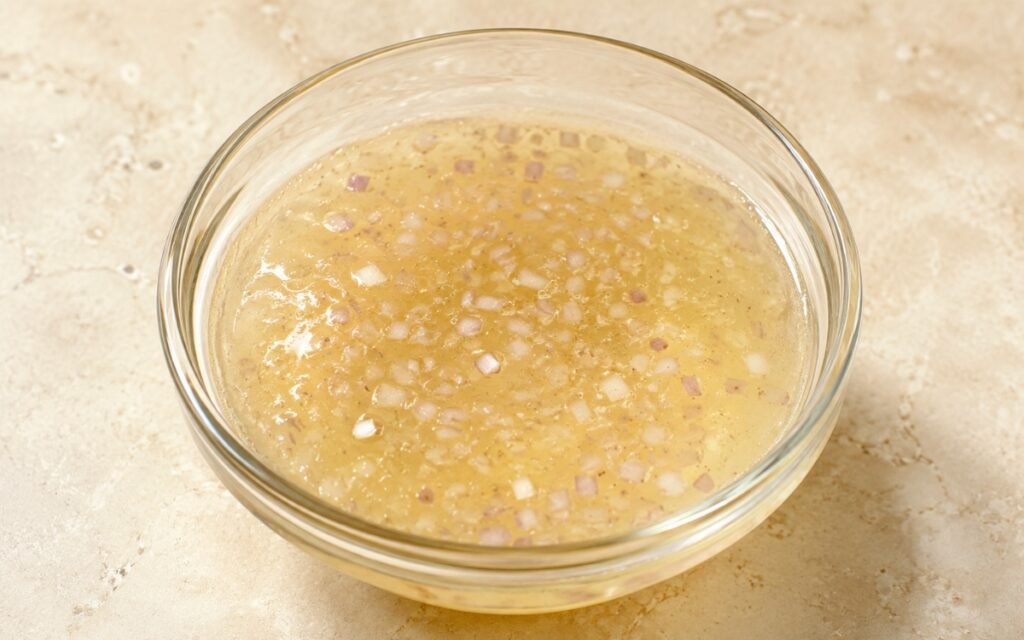
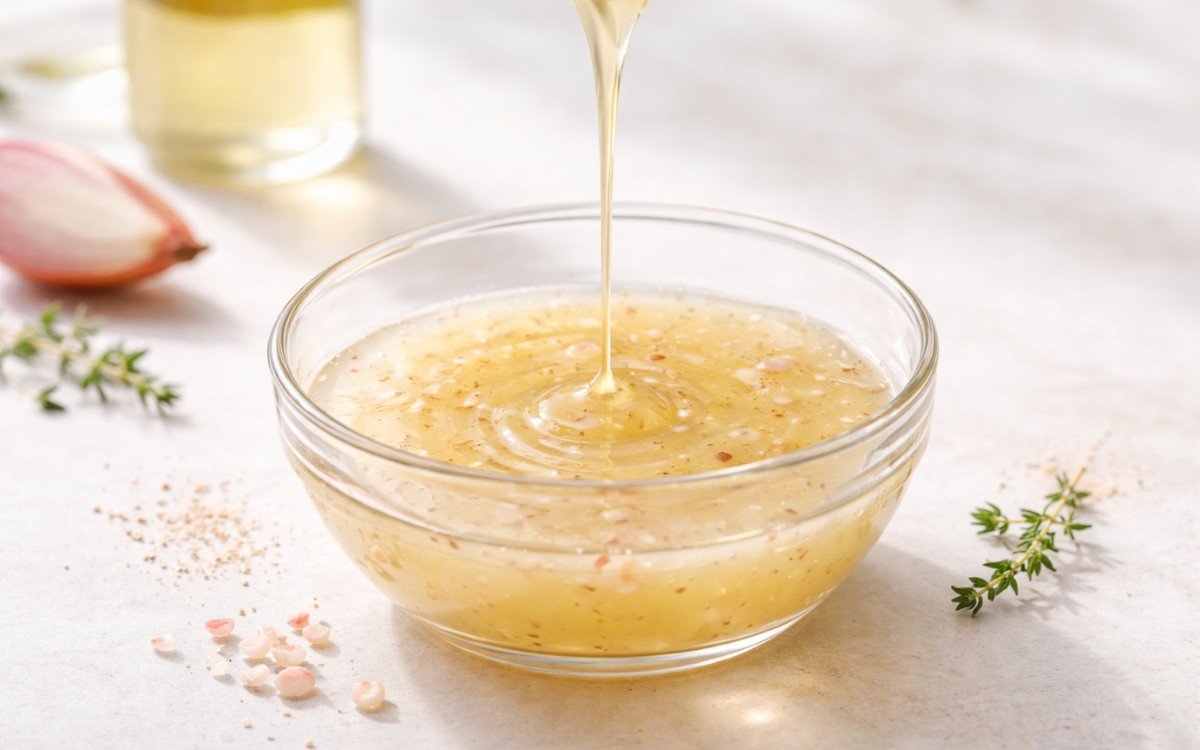
Champagne vinegar’s delicate, refined acidity produces the lightest, most elegant vinaigrette in this collection. With a gentle shallot base and subtle Dijon emulsification, this dressing complements tender greens, delicate seafood, and spring salads without overwhelming their natural flavors.
Prep Time : 5 min
Cook Time : 0 min
Servings : 4
5 min
0 min
4
Ingredients
Acid Base
• 40ml champagne vinegar — this one on Amazon
Aromatics
• 20g shallot, 1 small, very finely minced
• 5g garlic, 1 small clove, grated, optional
Oil
• 90ml light extra-virgin olive oil, or half olive oil and half grapeseed — this one on Amazon
Seasoning
• 3g fine sea salt
• Freshly ground white pepper, preferred, or black pepper
This post may contain affiliate links. As an Amazon Associate I earn from qualifying purchases, at no additional cost to you.
Directions
- Choose a Light, Supportive Oil
Champagne vinegar is extremely delicate, so the oil must not overpower it. Avoid strongly peppery or grassy olive oils that would dominate the dressing. Use a lighter extra-virgin olive oil, or blend olive oil with grapeseed oil for a more neutral base that lets the vinegar remain the leading note. - Macerate the Shallot
Combine the very finely minced shallot with champagne vinegar, salt, and a small pinch of sugar or honey. Let it sit for about 5 minutes. This softens the shallot’s raw edge and creates a gentler, sweeter flavor that better suits the vinegar’s subtle profile. - Add Dijon Sparingly
Whisk in the Dijon mustard after maceration. Use only a small amount — enough to help emulsify the dressing and add a little savory depth without covering the vinegar’s light character. - Emulsify Slowly and Gently
Add the oil in a thin, steady stream while whisking patiently. The goal is a lightly emulsified dressing with a soft, fluid texture — just opaque enough to coat leaves evenly without becoming thick or creamy. - Season with Restraint
Finish with fine sea salt and white pepper. White pepper is gentler and visually cleaner than black pepper, making it a better fit for a pale, refined vinaigrette. - Taste for Delicacy and Balance
Taste carefully before serving. The finished dressing should feel subtle, clean, and elegant. If it seems too harsh, the vinegar may be too sharp or the oil balance may need softening.
*Notes :
- Champagne vinegar is made from the base wines used in Champagne production — primarily Chardonnay and Pinot Noir — and then subjected to a second fermentation that converts the wine’s alcohol into acetic acid. The result retains the delicate, slightly floral character of Champagne-region grapes while delivering genuine vinegar acidity. This production origin is what gives it its unique delicacy that sets it apart from all other vinegars.
- White pepper is a deliberate and considered choice for this dressing, not simply an alternative to black. White pepper is made from fully ripened peppercorns from which the outer skin has been removed. The result is a pepper with less complexity than black pepper but a cleaner, more even heat that integrates invisibly into pale-colored preparations. For a pale, delicate champagne vinaigrette, black pepper’s visible flecks and stronger flavor are genuinely disruptive.
- This dressing has the narrowest application range of all the vinaigrettes in this collection — it is specifically designed for delicate, tender ingredients. Using it on hearty greens like kale, robust grains, or boldly flavored components would make it disappear entirely. Pair it with butter lettuce, microgreens, baby spinach, steamed asparagus, poached fish, and delicate cheese.
Why This Recipe Works
This recipe works by letting the champagne vinegar’s natural delicacy define the dressing’s entire character rather than overpowering it with additional strong flavors. Every ingredient choice is calibrated toward restraint: a lighter oil, minimal mustard, a small amount of honey, white rather than black pepper. The result is a dressing of genuine elegance that reveals rather than masks the natural flavors of the salad it dresses.
Ingredient Breakdown
Champagne Vinegar
The defining ingredient — delicate, floral, clean acidity with no harsh edges or aggressive character.
Light Olive Oil or Grapeseed Oil
Carries the vinegar’s delicate character without competing — heavier oils would overwhelm it.
Shallot
Macerated to complete mildness — provides the faintest sweet allium note without any sharpness.
Minimal Dijon
Just enough to aid emulsification and contribute a whisper of complexity.
Honey
A small amount softens the dressing’s edge and creates a more rounded, pleasant character.
White Pepper
Even, clean heat that integrates invisibly — the correct pepper for a pale, delicate dressing.
Flavor Structure Explained
This dressing follows a layered balance model:
- Delicate acidic core (champagne vinegar)
- Subtle savory warmth (shallot)
- Controlled sweetness (honey)
- Neutral body (light oil)
- Gentle heat (white pepper)
Champagne vinegar defines the identity with clean, bright, slightly floral acidity that leads without aggression. Shallot adds a faint savory warmth that supports rather than competes. Honey introduces minimal sweetness, just enough to soften the edges. Light oil provides body and texture while staying neutral, allowing the acidity to remain the focus. White pepper finishes with a gentle heat that adds dimension without disrupting the restrained, refined profile.
Common Mistakes to Avoid
- Using a Strong, Peppery Olive Oil – A bold, assertive olive oil completely overwhelms champagne vinegar’s delicacy. Choose the lightest, most neutral olive oil available or blend with grapeseed.
- Using Too Much Dijon – More than 10g of Dijon makes the dressing taste like a Dijon vinaigrette rather than a champagne vinegar dressing.
- Applying to Bold Salad Components – This dressing disappears on kale, arugula, or heavily flavored ingredients. Reserve it for delicate, tender preparations.
Variations
Herb Champagne Dressing
Add 10g very finely chopped fresh tarragon and 5g chives for a classic French fines herbes variation.
Citrus Version
Add 5g Meyer lemon zest for a slightly more assertive but still delicate citrus-champagne character.
Creamy Version
Whisk in 20ml crème fraiche for a richer, creamier dressing particularly beautiful on asparagus salads.
Elderflower Version
Replace the honey with 10ml elderflower cordial for an extraordinarily delicate, floral variation.
Storage & Make-Ahead
Store in an airtight jar in the refrigerator for up to 1 week. The dressing’s delicate character means it is at its very best within the first 2–3 days. Remove from the refrigerator 15 minutes before using — champagne dressing needs to be at room temperature to properly coat salad leaves. Shake gently to re-emulsify. Do not freeze.
Frequently Asked Questions
Can I substitute white wine vinegar for champagne vinegar?
Good quality white wine vinegar is the closest substitute — it has a similar delicacy compared to red wine vinegar. Reduce the quantity by 10–15% as white wine vinegar is typically sharper than champagne vinegar.
What salads are best with champagne vinegar dressing?
Butter lettuce with herbs; microgreen salads; asparagus and shaved Parmesan; poached salmon over greens; baby spinach with mandarin oranges; any delicate spring salad.
Is champagne vinegar actually made from Champagne?
It is made from the same base wines used in Champagne production, though not from the finished Champagne itself. The Chardonnay and Pinot Noir base wines give it its delicate character.
Can I use this on grain bowls?
This dressing is too delicate for most grain bowls — its subtlety will be lost against grains and bold toppings. A lemon vinaigrette or honey shallot vinaigrette would serve a grain bowl better.
Nutrition Facts
( per serving )
Calories
~180 kcal
Protein
0 g
Fat
20 g
Carbs
3 g
Calories
~180 kcal
Protein
0 g
Fat
20 g
Carbs
3 g
Related Recipes
Related Recipes

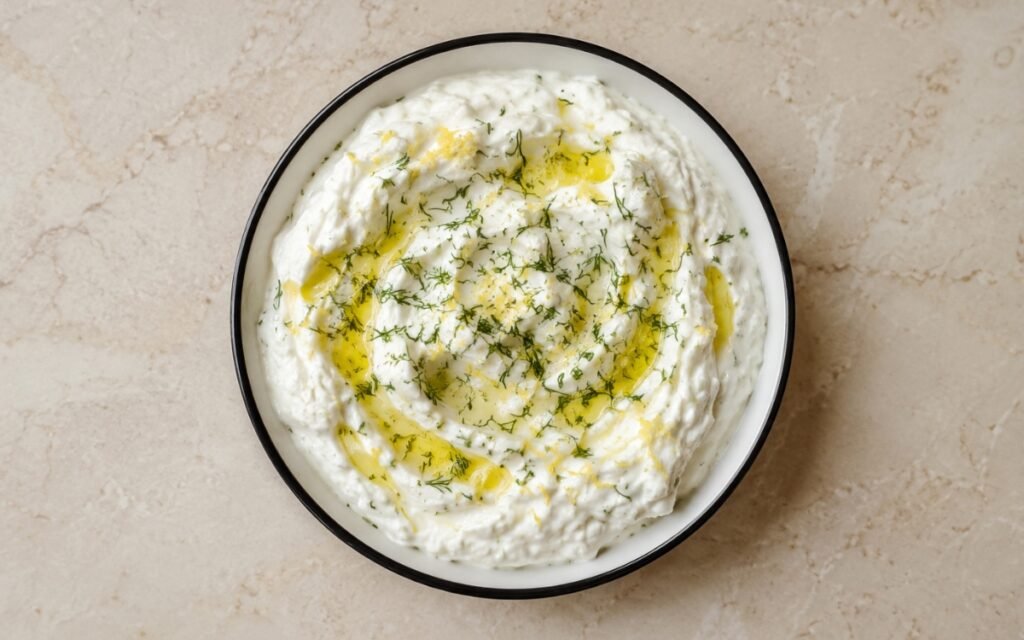
Whipped Feta Yogurt Sauce with Lemon
Creamy whipped feta blended with yogurt, lemon, and dill—the ultimate Mediterranean sauce!
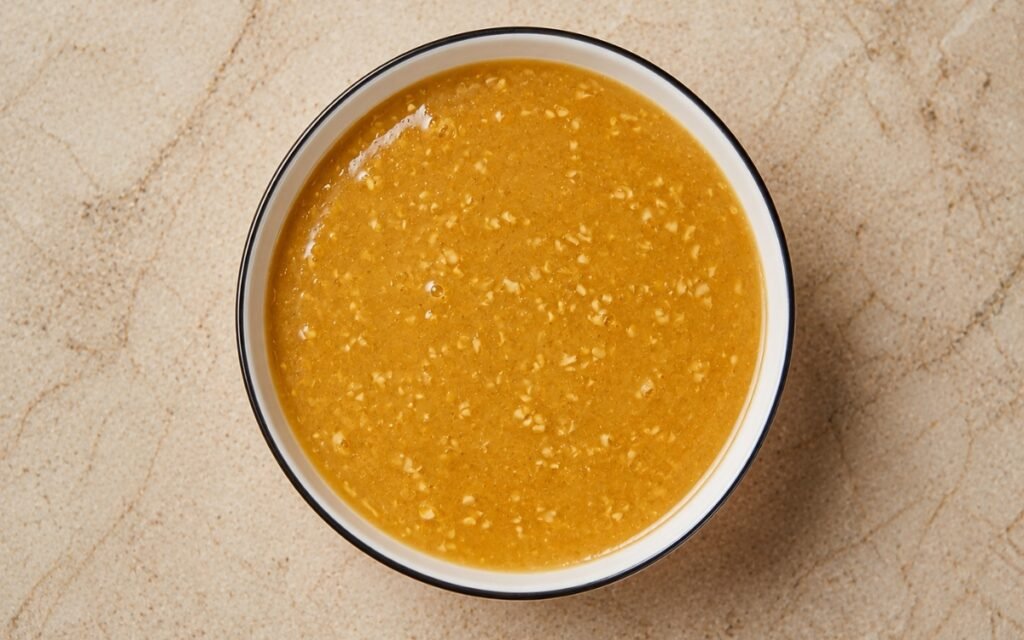
Miso Butter Sauce
Silky white miso and butter with lemon — a 10-minute umami-rich finishing sauce for everything.
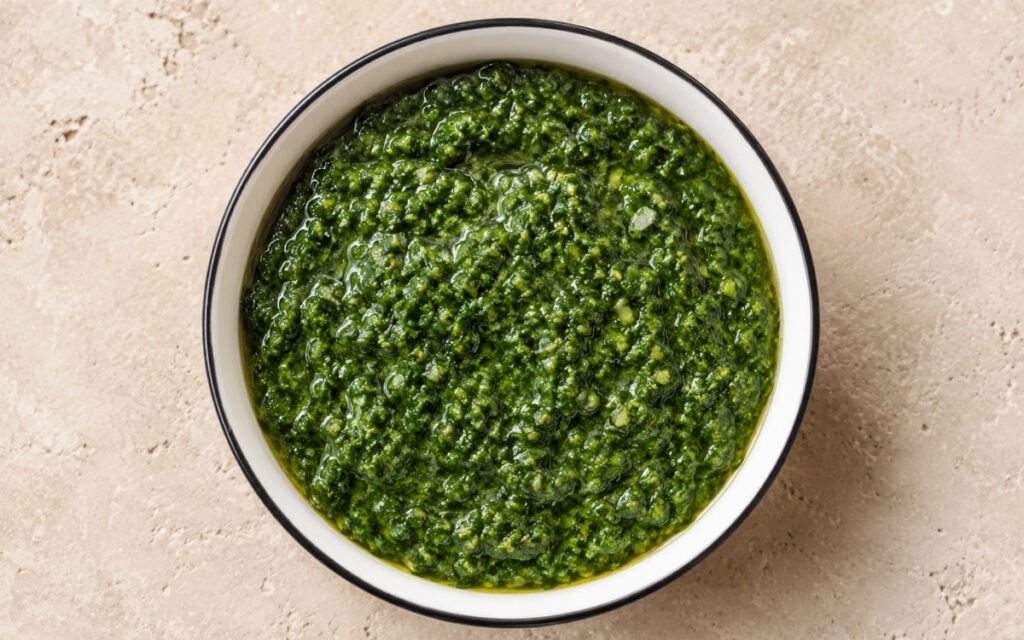
Green Zhoug
Fresh jalapeños, a whole bunch of cilantro, mint, garlic, and lime pulsed into a thick, coarse Yemeni herb sauce — ten minutes, no cooking, and the condiment that improves everything it touches.
You might also like
You might also like
Passion Fruit Lime Lemonade
Fresh lemon and lime juice combined with entirely uncooked passion fruit pulp for a bright, tart, vivid tropical lemonade.
Strawberry Basil Smash Mocktail
Fresh mashed strawberries with honey, lime, and folded basil over club soda — bright and sweet.
Croque Monsieur
Griddled bread layered with ham and Gruyère, topped with thick béchamel and more cheese, then broiled until bubbling and golden.

Champagne Vinegar Dressing
Ingredients
Method
- Champagne vinegar is extremely delicate, so the oil must not overpower it. Avoid strongly peppery or grassy olive oils that would dominate the dressing. Use a lighter extra-virgin olive oil, or blend olive oil with grapeseed oil for a more neutral base that lets the vinegar remain the leading note.
- Combine the very finely minced shallot with champagne vinegar, salt, and a small pinch of sugar or honey. Let it sit for about 5 minutes. This softens the shallot’s raw edge and creates a gentler, sweeter flavor that better suits the vinegar’s subtle profile.
- Whisk in the Dijon mustard after maceration. Use only a small amount — enough to help emulsify the dressing and add a little savory depth without covering the vinegar’s light character.
- Add the oil in a thin, steady stream while whisking patiently. The goal is a lightly emulsified dressing with a soft, fluid texture — just opaque enough to coat leaves evenly without becoming thick or creamy.
- Finish with fine sea salt and white pepper. White pepper is gentler and visually cleaner than black pepper, making it a better fit for a pale, refined vinaigrette.
- Taste carefully before serving. The finished dressing should feel subtle, clean, and elegant. If it seems too harsh, the vinegar may be too sharp or the oil balance may need softening.