
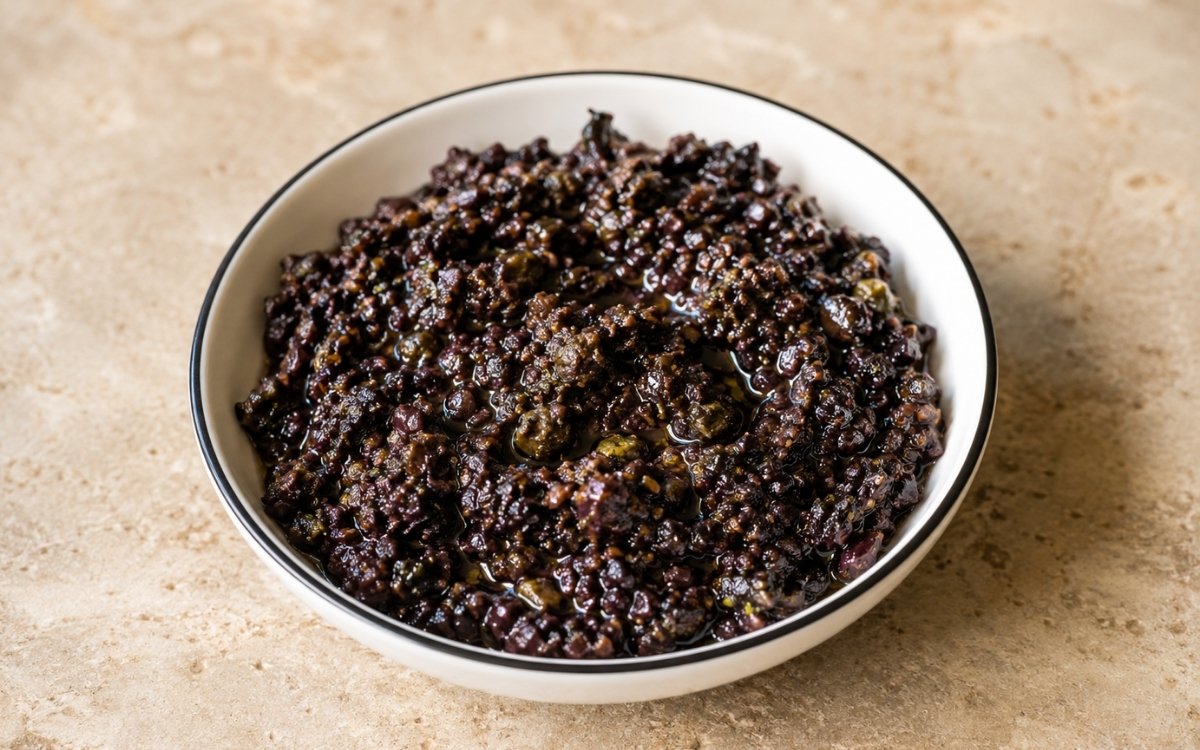
Black Olive Tapenade
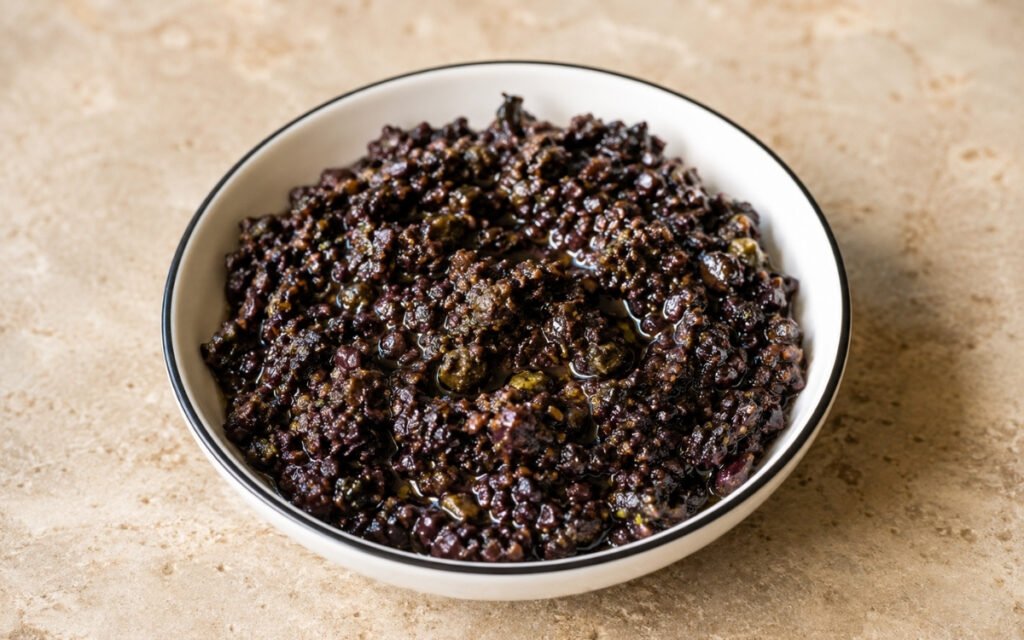
The Provençal spread built on a single principle: salt-cured, oil-rich olives pulsed with capers, anchovies, garlic, herbs, lemon, and olive oil into the coarse, concentrated paste that is the correct texture — not smooth, not chunky, but somewhere between them where every spoonful has character. The anchovies are not detectable as fish in the finished tapenade; they dissolve into the garlic during the initial pulse and function as the deeply savoury background that makes tapenade taste specifically more complete than olive-only preparations. The capers providing the sharp, briny punctuation. The lemon zest present as fragrant aromatic brightness alongside the juice’s clean acid. No salt added until tasting — the olives, capers, and anchovies together already provide significant sodium, and salt-added-before-tasting produces the aggressively salty result that makes people think they dislike tapenade. Rested 15–20 minutes before serving so the flavours integrate from distinct components into a unified spread.
Prep Time : 15 min
Rest Time : 15–20 min
Servings : 16
15 min
15–20 min
16
Ingredients
For The Black Olive Tapenade
• 450g pitted black olives — Niçoise, Kalamata, Gaeta, or oil-cured black olives preferred — this one on Amazon
• 40g capers, well-drained — this one on Amazon
• 3–5 anchovy fillets — start with 3, add more after tasting — this one on Amazon
• 1–2 garlic cloves
• 60–90ml extra-virgin olive oil — start with 60ml, add more for a softer texture — this one on Amazon
• 1–2 tbsp fresh lemon juice
• 1 tsp lemon zest
• 1 tsp fresh thyme leaves
• 1 tsp dried oregano
• ½ tsp freshly ground black pepper
Optional
• Small pinch of chili flakes, for gentle heat
• Extra olive oil, for finishing
This post may contain affiliate links. As an Amazon Associate I earn from qualifying purchases, at no additional cost to you.
Directions
- Drain the Olives and Capers Thoroughly
Drain the 450g of olives through a colander and allow them to sit and continue draining for at least 5 minutes — pressing lightly with the back of a spoon to encourage the remaining brine to run out. Drain the 40g of capers through a fine-mesh sieve and shake firmly. Excess liquid from either source is the specific cause of the muddy, thin, loose tapenade that is the preparation’s most common failure mode. A properly drained tapenade has a rich, concentrated, slightly glossy consistency — excess liquid dilutes both the flavour and the texture simultaneously, producing a spread that tastes flat and runs off the bread rather than adhering. The choice of olive variety is the single most impactful flavour decision in this recipe. Niçoise olives — small, firm, very fruity and aromatic — are the traditional Provençal choice and produce the most authentically flavoured tapenade. Kalamata olives produce a more pungent, more assertively briny result with a firmer flesh. Gaeta olives, salt-cured and slightly wrinkled, produce a meatier, earthier depth. Oil-cured black olives produce the most intensely flavoured, least briny result. Avoid canned black olives that have been processed in lye — their flavour is mild and lacking in the complex, slightly bitter, fruity depth that makes tapenade worth making. - Pulse the Garlic and Anchovies First
Add the 1–2 garlic cloves and 3 anchovy fillets to the food processor bowl. Pulse 8–10 times until both are broken down into a rough, combined paste — the anchovies dissolving almost completely into the garlic and coating the processor bowl. Processing the anchovies and garlic before the olives is the sequence that ensures these two foundational flavour elements are uniformly distributed through every portion of the finished tapenade. Anchovies added at the same time as the olives can remain as identifiable pieces rather than fully integrating — producing the specific textural unpleasantness of biting into a visible piece of anchovy rather than experiencing the fish’s flavour as a background umami depth. At 3 fillets, the anchovy is imperceptible as fish in the finished tapenade — its glutamate-rich savoury depth amplifies the olive and caper flavours without announcing itself. Taste after incorporating the olives and add the additional 1–2 fillets if deeper savoury character is preferred. - Add the Remaining Ingredients and Pulse to Correct Texture
Add the drained olives, drained capers, 1 tsp of fresh thyme leaves, 1 tsp of dried oregano, ½ tsp of black pepper, 1 tsp of lemon zest, and 1 tbsp of lemon juice to the garlic-anchovy paste in the processor bowl. Pulse in short, controlled bursts of 1–2 seconds each — 10–15 pulses total, pausing between each to assess the texture. The target texture is finely chopped and cohesive: every piece reduced to approximately 3–5mm, the mixture holding together when pressed but with visible texture and individual ingredient identity remaining. This is the specific texture that makes tapenade satisfying rather than simply a paste. Stop pulsing as soon as this texture is achieved — continued processing converts the correctly textured tapenade into a smooth, uniform paste in very few additional pulses, removing all textural interest. Scrape down the sides of the processor bowl between pulses to ensure the pieces at the edges receive the same processing as those near the blades. - Drizzle in the Olive Oil
With the processor running at low speed, drizzle in the 60ml of extra-virgin olive oil in a thin, steady stream. Stop the processor and assess the texture — the tapenade should be glossy, slightly loosened, and spreadable. The oil both carries the fat-soluble aromatic compounds from the herbs and lemon zest through the entire mixture and provides the emollience that makes the tapenade spreadable without being runny. If the tapenade appears too dense — stiff, dry, or difficult to spread — add additional olive oil in 1 tbsp increments, pulsing briefly after each addition. The maximum 90ml total produces a noticeably softer, looser result; the minimum 60ml produces a firmer, more concentrated spread. - Taste and Adjust Without Adding Salt Prematurely
Transfer the tapenade to a bowl and taste carefully before any salt is added. The olives, capers, and anchovies together provide significant sodium — a properly made tapenade from these three ingredients rarely requires additional salt, and salt added before tasting produces the aggressively salty result that is the most common reason people dislike tapenade. Adjust each dimension specifically: if the savoury depth is insufficient, add 1–2 additional anchovy fillets (pulse briefly to incorporate). If the brightness is insufficient, add additional lemon juice in 5ml increments. If the texture needs softening, add additional olive oil. If gentle background heat is desired, add a small pinch of chili flakes and fold through. Only if the finished tapenade tastes genuinely flat despite these adjustments should a very small amount of salt be added — and only after all other adjustments have been made. - Rest and Finish
Allow the tapenade to rest at room temperature for 15–20 minutes before serving. During this rest the thyme’s and oregano’s aromatic essential oils distribute more evenly through the oil-rich mixture, the lemon zest’s volatile aromatics bloom into the surrounding fat, and the distinct garlic-anchovy-caper-olive flavour notes integrate into the unified, specifically Provençal flavour profile that makes tapenade distinctive. A drizzle of good extra-virgin olive oil over the surface of the finished tapenade at serving amplifies the olive’s character and provides the glossy, visually appealing finish.
*Notes :
- The tapenade takes its name from tapèno — the Provençal word for caper — reflecting that capers are not simply a supporting ingredient but one of the three foundational flavour pillars alongside the olives and anchovies. The classic ratio of olive-to-caper is approximately 10:1 by weight — enough caper to provide its specific sharp, briny punctuation in every spoonful without overwhelming the olive’s primary character.
- The anchovy’s role in tapenade is specifically savoury amplification rather than fish flavour. Anchovies, like MSG and Parmesan, are exceptionally high in free glutamates — the amino acids that produce the umami taste. At the 3–5 fillet quantity used here, the anchovies contribute their glutamates to the surrounding olive and caper environment, amplifying every other savoury compound present without producing a detectable fish flavour in the finished spread. This is why tapenade made without anchovies — however good the olives — tastes flatter and less compelling than properly anchovy-seasoned versions, even to people who dislike fish.
- The texture distinction between correctly made tapenade and over-processed tapenade is worth understanding as the specific quality indicator to aim for. Correctly textured tapenade — finely chopped but not smooth, cohesive but with identifiable pieces — provides textural interest in each spoonful and adheres to bread without running. Over-processed smooth tapenade lacks textural interest and its paste-like consistency makes it difficult to spread attractively. The difference in the food processor is a matter of 5–10 additional pulses — always stop earlier than feels intuitively complete and assess before continuing.
Why This Recipe Works
This recipe works because it processes the garlic and anchovies first — distributing them completely before the bulk olives enter — and pulses the olive mixture in controlled short bursts to the specific coarse-but-cohesive texture that defines tapenade.
The lemon zest and fresh thyme are fat-soluble aromatic additions that bloom through the olive oil during the rest period. And the no-salt-before-tasting discipline prevents the over-salting that comes from not accounting for the combined sodium of olives, capers, and anchovies simultaneously.
Ingredient Breakdown
Black Olives (Quality-Dependent)
The primary flavour — Niçoise for fruity-aromatic, Kalamata for pungent-briny, Gaeta for earthy-meaty, oil-cured for intense-dry; the olive variety is the single most impactful flavour decision.
Anchovies (Pulsed with Garlic First)
The invisible savoury amplifier — free glutamates deepening every surrounding flavour without producing detectable fish character; dissolved into garlic before olives enter.
Capers (Well-Drained)
The sharp briny punctuation — the ingredient that gives tapenade its name and its specific briny contrast to the olive’s rich depth.
Lemon Zest and Fresh Thyme
The fat-soluble aromatics — bloom through the olive oil during the rest period; present as fragrant brightness throughout.
No Salt Before Tasting
The seasoning discipline — olives, capers, and anchovies provide significant combined sodium; premature salt addition produces the over-salted result.
Coarse Pulse Texture (Not Smooth)
The technique target — short controlled bursts producing the finely chopped but textured result; over-processing converts it to a paste in 5–10 additional pulses.
Flavor Structure Explained
This Black olive tapenade follows a layered balance model:
- Rich olive core (black olives)
- Savory umami depth (anchovy, olive-caper brine)
- Sharp briny contrast (capers, curing salt)
- Bright citrus lift (lemon juice, zest)
- Herbal aromatic finish (thyme, oregano)
Olives define the foundation with deep fruity richness, slight bitterness, and oil-heavy intensity that dominate the spread. Anchovy and brine build a concentrated savory layer that amplifies the olive flavor into something more complex and addictive. Capers and curing salt cut through the richness with sharp salinity and pickled brightness. Lemon juice and zest lift the dense base with acidity and fresh aromatic citrus oils. Thyme and oregano complete the structure with herbal bitterness and freshness that give the tapenade its distinctly Provençal identity.
Common Mistakes to Avoid
- Not Draining the Olives and Capers Thoroughly: Excess brine produces a loose, diluted, muddy-tasting tapenade. Always drain well and allow time for residual liquid to run out.
- Using Lye-Processed Canned Black Olives: These have minimal flavour complexity compared to brine-cured varieties. Always Niçoise, Kalamata, Gaeta, or oil-cured black olives.
- Adding All Ingredients to the Processor Simultaneously: Garlic and anchovy must be processed first to ensure complete distribution before the bulk olives enter.
- Over-Processing to a Smooth Paste: The target texture is coarse and finely chopped — stop pulsing earlier than intuitively feels complete.
- Adding Salt Before Tasting: The combined sodium of olives, capers, and anchovies is significant. Always taste fully before considering salt addition.
- Not Resting Before Serving: The 15–20 minute rest integrates the aromatic components through the oil and produces the unified flavour profile. Freshly made tapenade tastes of its individual components; rested tapenade tastes cohesive.
Variations
Green Olive Tapenade
For a brighter, more herbaceous, more fresh-forward counterpart — built on green olives with toasted pine nuts, sun-dried tomatoes, and basil added last to preserve its vivid colour — see the Green Olive Tapenade. The two tapenades served side by side on the same board provide the full spectrum of olive spread character: one deeply savoury and earthy, one bright and aromatic. They are the natural pairing for any mezze or antipasto platter.
With Roasted Garlic
Replace the raw garlic with 3–4 cloves of slow-roasted garlic mashed to a paste before adding the olives — the caramelised sweetness and mellow depth of roasted garlic produces a significantly more rounded, less pungent result.
With Sun-Dried Tomatoes
Add 30g of oil-packed sun-dried tomatoes to the processor with the olives — their concentrated sweet-acidic-savoury depth adds a specifically more complex dimension and shifts the tapenade slightly toward a Sicilian character.
With Fresh Basil
Replace the thyme with 10–12 fresh basil leaves added in the final pulse — the basil’s sweet anise-like freshness produces a more summery, more immediately aromatic version.
Storage & Make-Ahead
When refrigerated in a sealed container, it will keep for 2 to 3 weeks. To slow oxidation and prevent the surface from drying out, cover the top with a thin layer of olive oil. Before serving, stir it well and let it sit at room temperature for about 15 minutes so the olive oil can liquify again and the flavors can fully open up.
Freezing is possible, but it is not recommended. The texture becomes slightly less cohesive after thawing because the olive flesh breaks down during freezing. If you do freeze it, store it in small portions and thaw it overnight in the refrigerator before using.
Frequently Asked Questions
What is the best olive variety for tapenade?
Niçoise olives are the traditional Provençal choice and produce the most authentically flavoured tapenade — small, very aromatic, and fruity. Kalamata is the most widely available quality alternative — pungent, briny, and assertive. Gaeta olives produce an earthy, meaty result. Oil-cured black olives produce the most intensely flavoured, dryest result. Any of these four varieties produces a significantly better tapenade than lye-processed canned black olives, which lack the flavour complexity that makes the effort of making tapenade worthwhile.
Why do anchovies not make the tapenade taste fishy?
Anchovies are extremely high in free glutamates — the same amino acids that produce umami in Parmesan cheese, soy sauce, and tomatoes. At 3–5 fillets dissolved into garlic and then dispersed through 450g of olives, the anchovy is present as a concentrated savoury background depth rather than a detectable fish flavour. The olive’s richness and the caper’s brininess further mask the fish character while the glutamate contribution amplifies every other savoury note.
Why pulse in short bursts rather than running the processor continuously?
Short controlled bursts allow assessment of texture between each pulse — the difference between correctly textured tapenade and over-processed paste can be as few as 5 additional pulses. Continuous processing makes it impossible to stop at the correct moment.
Can I make tapenade without anchovies?
Yes — replace with an additional 10g of capers and 1 additional garlic clove to compensate for the lost savoury depth. The result is a vegan tapenade that is good but noticeably less complex and less compelling than the anchovy version. Consider adding ½ tsp of umami-rich ingredient — miso paste or Worcestershire sauce — to partially compensate.
What to serve tapenade with?
Tapenade is specifically excellent alongside the tang and creaminess of Authentic Labneh on a mezze platter — the pairing of rich-briny-savoury tapenade against cold, creamy, tangy labneh is one of the best simple combinations in this collection. For bread, Focaccia with its olive oil-rich, slightly chewy crumb is the natural pairing; Sourdough Bread toasted provides the crust-and-crumb contrast that carries tapenade without becoming saturated; and the crust of Classic French Baguette sliced thinly into toasts provides the traditional Provençal crostini base.
Nutrition Facts
( per serving )
Calories
~90 kcal
Protein
1 g
Fat
9 g
Carbs
2 g
Calories
~90 kcal
Protein
1 g
Fat
9 g
Carbs
2 g
Related Recipes
Related Recipes

Soy Ginger Glaze
Glossy soy sauce, mirin, honey and fresh ginger reduce into a sticky 8-minute glaze for salmon, chicken and tofu.
Creamy Lemon Herb Yogurt Sauce
Fresh Greek yogurt sauce with lemon, dill, parsley, and garlic ready in 10 minutes—no cooking!
Champagne Vinegar Dressing
Delicate champagne vinegar creates an elegant, light dressing for refined salads — ready in 5 minutes.
You might also like
You might also like
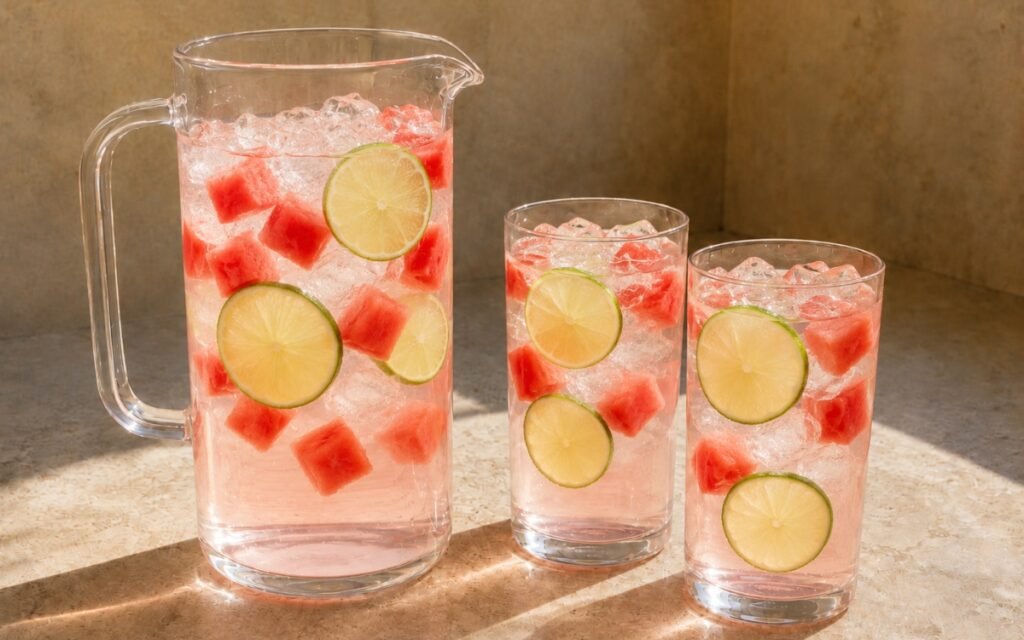
Watermelon Lime Infused Water
Watermelon lightly pressed and cold-infused with lime slices in 3L water — removed after 4 hours before lime peel turns bitter. Cool, fresh, and summer-aromatic.
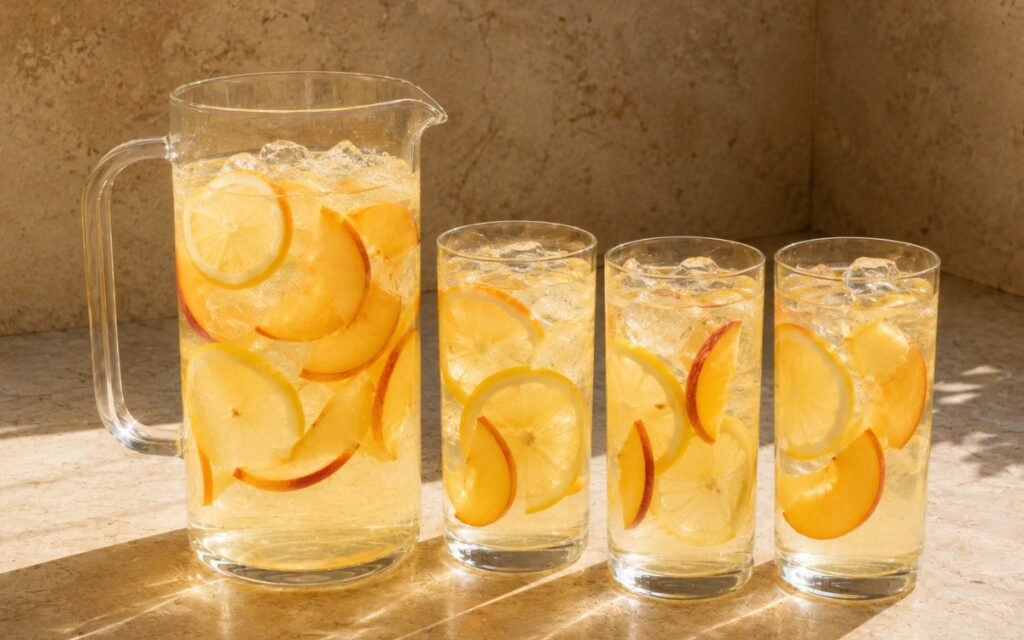
Peach Lemon Infused Water
Ripe peaches skin-on and lightly muddled, sliced peaches and lemon rounds cold-infused in 3L water — removed after 4 hours. Warm, fragrant, and peachy.
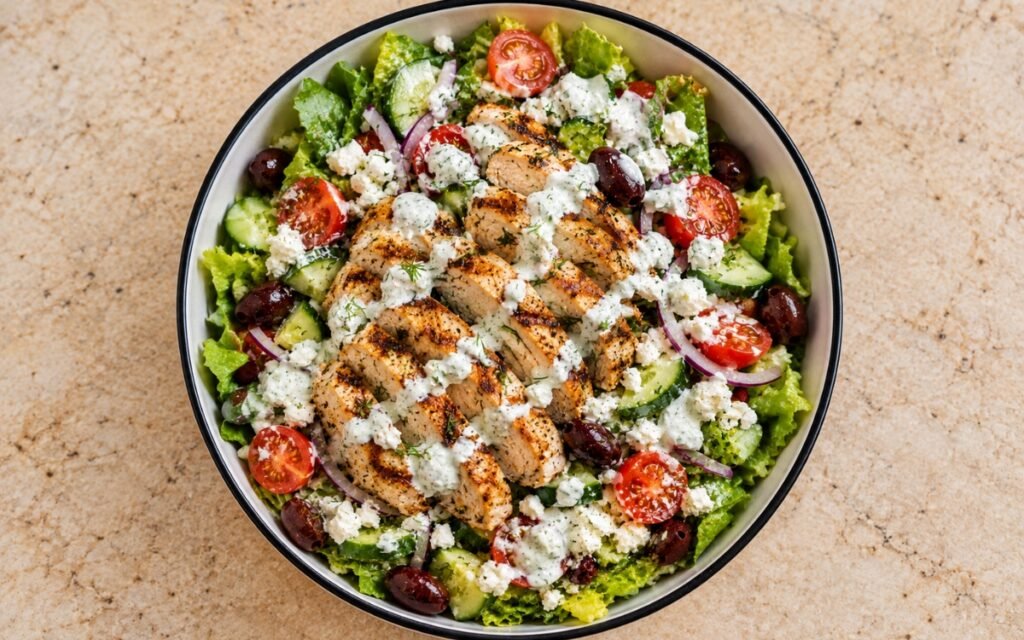
Greek Chicken Salad with Tzatziki Dressing
Grilled Greek-marinated chicken breast over crisp greens with cucumber, cherry tomatoes, Kalamata olives, feta, and creamy tzatziki dressing.
Black Olive Tapenade
Ingredients
Method
- Drain the 450g of olives through a colander and allow them to sit and continue draining for at least 5 minutes — pressing lightly with the back of a spoon to encourage the remaining brine to run out. Drain the 40g of capers through a fine-mesh sieve and shake firmly. Excess liquid from either source is the specific cause of the muddy, thin, loose tapenade that is the preparation’s most common failure mode. A properly drained tapenade has a rich, concentrated, slightly glossy consistency — excess liquid dilutes both the flavour and the texture simultaneously, producing a spread that tastes flat and runs off the bread rather than adhering. The choice of olive variety is the single most impactful flavour decision in this recipe. Niçoise olives — small, firm, very fruity and aromatic — are the traditional Provençal choice and produce the most authentically flavoured tapenade. Kalamata olives produce a more pungent, more assertively briny result with a firmer flesh. Gaeta olives, salt-cured and slightly wrinkled, produce a meatier, earthier depth. Oil-cured black olives produce the most intensely flavoured, least briny result. Avoid canned black olives that have been processed in lye — their flavour is mild and lacking in the complex, slightly bitter, fruity depth that makes tapenade worth making.
- Add the 1–2 garlic cloves and 3 anchovy fillets to the food processor bowl. Pulse 8–10 times until both are broken down into a rough, combined paste — the anchovies dissolving almost completely into the garlic and coating the processor bowl. Processing the anchovies and garlic before the olives is the sequence that ensures these two foundational flavour elements are uniformly distributed through every portion of the finished tapenade. Anchovies added at the same time as the olives can remain as identifiable pieces rather than fully integrating — producing the specific textural unpleasantness of biting into a visible piece of anchovy rather than experiencing the fish’s flavour as a background umami depth. At 3 fillets, the anchovy is imperceptible as fish in the finished tapenade — its glutamate-rich savoury depth amplifies the olive and caper flavours without announcing itself. Taste after incorporating the olives and add the additional 1–2 fillets if deeper savoury character is preferred.
- Add the drained olives, drained capers, 1 tsp of fresh thyme leaves, 1 tsp of dried oregano, ½ tsp of black pepper, 1 tsp of lemon zest, and 1 tbsp of lemon juice to the garlic-anchovy paste in the processor bowl. Pulse in short, controlled bursts of 1–2 seconds each — 10–15 pulses total, pausing between each to assess the texture. The target texture is finely chopped and cohesive: every piece reduced to approximately 3–5mm, the mixture holding together when pressed but with visible texture and individual ingredient identity remaining. This is the specific texture that makes tapenade satisfying rather than simply a paste. Stop pulsing as soon as this texture is achieved — continued processing converts the correctly textured tapenade into a smooth, uniform paste in very few additional pulses, removing all textural interest. Scrape down the sides of the processor bowl between pulses to ensure the pieces at the edges receive the same processing as those near the blades.
- With the processor running at low speed, drizzle in the 60ml of extra-virgin olive oil in a thin, steady stream. Stop the processor and assess the texture — the tapenade should be glossy, slightly loosened, and spreadable. The oil both carries the fat-soluble aromatic compounds from the herbs and lemon zest through the entire mixture and provides the emollience that makes the tapenade spreadable without being runny. If the tapenade appears too dense — stiff, dry, or difficult to spread — add additional olive oil in 1 tbsp increments, pulsing briefly after each addition. The maximum 90ml total produces a noticeably softer, looser result; the minimum 60ml produces a firmer, more concentrated spread.
- Transfer the tapenade to a bowl and taste carefully before any salt is added. The olives, capers, and anchovies together provide significant sodium — a properly made tapenade from these three ingredients rarely requires additional salt, and salt added before tasting produces the aggressively salty result that is the most common reason people dislike tapenade. Adjust each dimension specifically: if the savoury depth is insufficient, add 1–2 additional anchovy fillets (pulse briefly to incorporate). If the brightness is insufficient, add additional lemon juice in 5ml increments. If the texture needs softening, add additional olive oil. If gentle background heat is desired, add a small pinch of chili flakes and fold through. Only if the finished tapenade tastes genuinely flat despite these adjustments should a very small amount of salt be added — and only after all other adjustments have been made.
- Allow the tapenade to rest at room temperature for 15–20 minutes before serving. During this rest the thyme’s and oregano’s aromatic essential oils distribute more evenly through the oil-rich mixture, the lemon zest’s volatile aromatics bloom into the surrounding fat, and the distinct garlic-anchovy-caper-olive flavour notes integrate into the unified, specifically Provençal flavour profile that makes tapenade distinctive. A drizzle of good extra-virgin olive oil over the surface of the finished tapenade at serving amplifies the olive’s character and provides the glossy, visually appealing finish.