
Authentic Labneh
Labneh is the simplest and most honest preparation in this entire collection — whole milk yogurt, salt, a colander lined with cheesecloth, and time. Twenty-four to forty-eight hours of slow draining in the refrigerator transforms plain yogurt into a thick, creamy, tangy strained cheese with a concentrated flavour and a soft, spreadable texture that sits between Greek yogurt and cream cheese. Finished with extra-virgin olive oil and a generous scatter of za’atar or sumac, it is one of the most effortless things you can put on a table and one of the most universally appealing. Serve with warm Homemade Lavash or Fresh Pita Flatbread, spread on Everything Bagels, or use as the creamy base beneath Beef Kofta Skewers and Greek Chicken Souvlaki.
Prep Time : 5 min
Cook Time : 0 min
Servings : 8
5 min
0 min
8
Ingredients
For The Labneh
• 900g (32oz) plain whole milk yogurt
• ½ tsp fine sea salt
• 3 tbsp extra-virgin olive oil, for serving — this one on Amazon
• Za’atar seasoning or sumac to taste, for serving — this one on Amazon
This post may contain affiliate links. As an Amazon Associate I earn from qualifying purchases, at no additional cost to you.
Directions
- Mix the Yogurt and Salt
In a large bowl, combine the plain whole milk yogurt and the fine sea salt. Stir thoroughly until the salt is completely dissolved and evenly distributed throughout the yogurt. The salt performs two functions here: it seasons the labneh throughout rather than only on the surface, and it draws moisture out of the yogurt during the straining process through osmosis — salted yogurt drains more efficiently and more completely than unsalted, producing a firmer, better-seasoned result in the same straining time. Do not skimp on the mixing — uneven salt distribution produces labneh that is salty in some bites and bland in others. Taste the salted yogurt mixture before straining: it should taste mildly but clearly seasoned. Whole milk yogurt is specified for two reasons that directly affect the quality of the finished labneh. First, its higher fat content produces a richer, creamier, more luxurious finished texture than low-fat or fat-free yogurt, which drain to a grainy, slightly dry result. Second, the milk fat carries the yogurt’s aromatic compounds — the lactic acid bacteria’s fermentation byproducts — that give labneh its characteristic tangy, complex, slightly funky depth. Skim or low-fat yogurt produces labneh with flat, one-dimensional flavour regardless of straining time. - Set Up the Straining
Line a colander or fine-mesh sieve with two layers of clean cheesecloth. If cheesecloth is unavailable, a clean, thin cotton kitchen towel or a large coffee filter works as an effective substitute — any fabric or material that allows liquid to pass through while retaining the thickened yogurt solids. Place the lined colander over a deep bowl that will catch the draining liquid — the bowl must be deep enough to hold the collected whey without touching the bottom of the colander, as contact between the collected whey and the draining yogurt would slow and eventually stop the straining process. Pour the salted yogurt mixture into the cheesecloth-lined colander, distributing it evenly. For firmer labneh — the kind that can be shaped into balls or sliced — gather the four corners of the cheesecloth and tie them together above the yogurt to form a bundle, then suspend the bundle from a wooden spoon laid across the top of a deep pot, allowing the whey to drip freely from the bottom of the bundle. This hanging method increases the rate of draining by allowing gravity to act on the yogurt from all sides simultaneously rather than only from the bottom. For the standard spreadable version, simply leaving the yogurt in the cheesecloth-lined colander over the bowl is sufficient — the weight of the yogurt presses down on itself and drives the whey out gradually through the cloth. - Strain in the Refrigerator
Cover the colander or bundle with plastic wrap or a clean cloth to prevent the yogurt from absorbing refrigerator odours and from developing a dry skin on the exposed surface. Place in the refrigerator and allow to strain undisturbed. The straining time determines the final texture and concentration of the labneh. At 24 hours the labneh is thick, creamy, and spreadable — similar to a very thick Greek yogurt or a soft cream cheese, easily scooped with a spoon and spread on bread. This is the texture for serving as a dip, spreading on flatbread, and using as a sauce base. At 48 hours the labneh has lost considerably more moisture and is noticeably firmer — closer to a fresh chèvre or cream cheese in density, holding its shape when scooped. This is the texture for rolling into balls, for using as a spread on bagels, and for placing under grilled meats where it needs to support the weight of the protein without spreading immediately. Do not drain beyond 48–60 hours as the labneh becomes very firm and increasingly acidic as additional whey is removed. The whey that drains into the bowl is clear to pale yellow and slightly tart — it can be retained and used in bread doughs, soups, and smoothies as a source of protein and lactic acid, or simply discarded. - Transfer and Serve
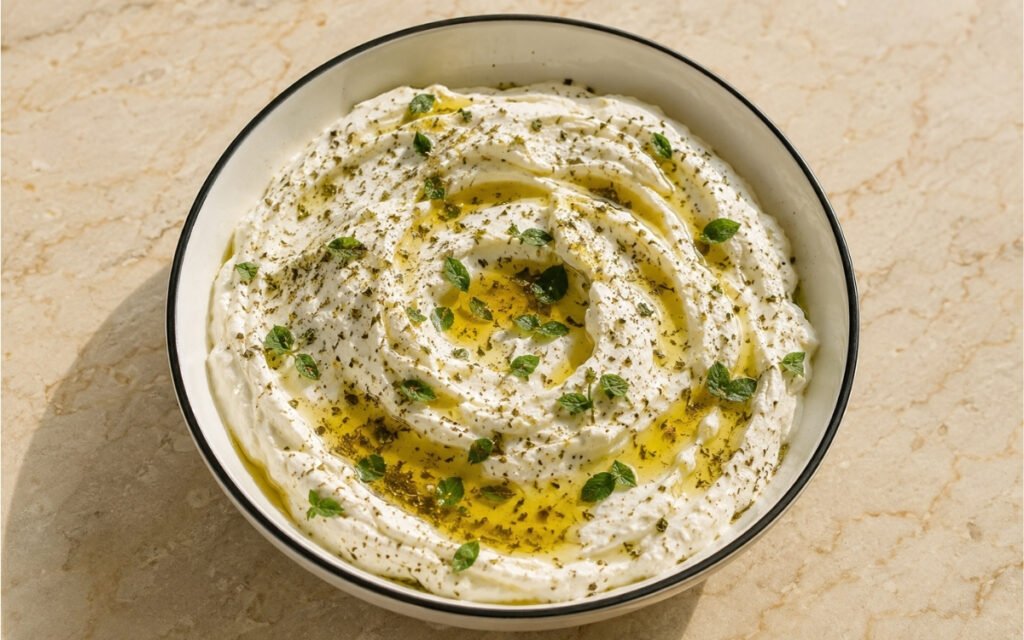
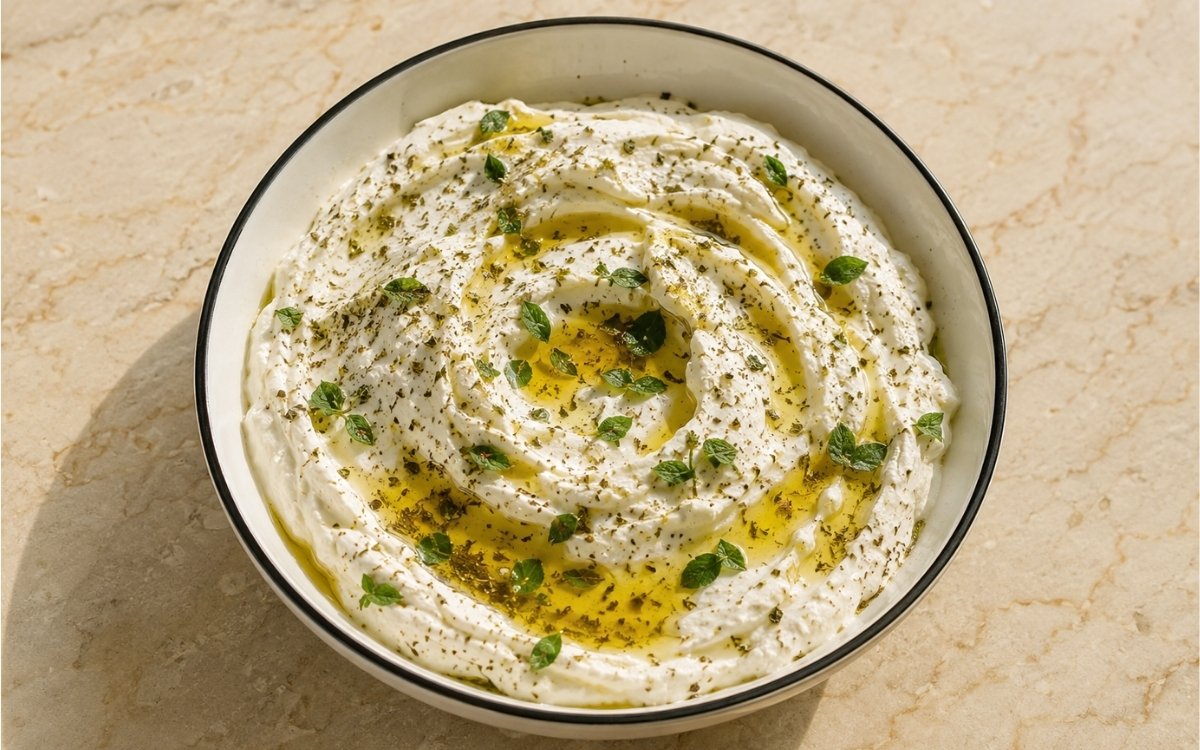
Unwrap the cheesecloth and invert the labneh into a wide, shallow serving bowl. Use the back of a spoon to create a shallow, swirling well in the centre — press the spoon into the labneh and sweep outward in a slow circular motion, building a low ridge around the outside and a depression in the centre. This well collects the olive oil and provides the visual presentation style of labneh as it is served throughout the Levant. Drizzle the 3 tablespoons of extra-virgin olive oil generously into the well and over the surface — the oil pools in the depression and creates the glossy, inviting finish that is the visual signature of labneh presented correctly. Scatter za’atar or sumac across the entire surface to your preferred quantity — the garnish should be clearly visible and generously applied rather than a dusting. Serve immediately with warm bread alongside for dipping and spreading.
*Notes :
- Labneh — also spelled labne, labneh, or labna depending on regional transliteration — is a foundational component of Levantine cooking found throughout Lebanon, Syria, Jordan, Palestine, Israel, and the broader Eastern Mediterranean. It occupies a versatile position in the cuisine: it is simultaneously a breakfast spread, a mezze dip, a sauce base, a cooking ingredient, and — when rolled into balls and preserved in olive oil with herbs — a long-keeping pantry staple that keeps for weeks or months. Its simplicity is deceptive: the quality of the finished labneh is entirely determined by the quality of the yogurt used as its starting point, making this one of the few recipes where ingredient selection is the only meaningful craft decision.
- Both garnishes are traditional with labneh and each produces a distinctly different result. Za’atar — the blend of dried thyme, oregano, sumac, sesame seeds, and salt — provides an earthy, herby, slightly nutty warmth that makes labneh taste more complex and specifically Levantine in character. Sumac alone provides a fruity, bright, intensely tart note that amplifies the labneh’s own tanginess and creates a sharper, more acidic finish. Za’atar is the more complete, more complex garnish; sumac is the more dramatic, more vivid one. Neither is incorrect — choose based on what you are serving alongside it and personal preference.
- The whey that drains during straining is a genuinely useful byproduct. It is rich in whey protein, lactic acid, and water-soluble vitamins. In bread baking it can replace some or all of the water in recipes for enriched doughs and flatbreads, adding a subtle tanginess and slight protein enrichment. In soups and grain cooking it adds mild acidity and depth. In smoothies it contributes protein without the thickness of the labneh itself. It keeps refrigerated for up to 1 week.
- The texture difference between 24-hour and 48-hour labneh is significant and application-specific. For dipping and spreading — the most common use — 24 hours produces the most pleasant, most scoopable result. For rolling into balls for preservation in olive oil, 48 hours is required — the firmer texture holds the ball shape. For using as a sauce under grilled proteins, either works but 24-hour labneh creates a more fluid, sauce-like base while 48-hour labneh provides more structural presence beneath the protein.
Why This Recipe Works
This recipe works because it applies the single correct technique — straining salted whole milk yogurt over time in the refrigerator — with the two variables (straining time and salt) calibrated for the most useful and flavourful result. The salt draws moisture efficiently and seasons the product throughout. The cold straining environment slows bacterial activity and prevents the yogurt from becoming too sour during the long drain.
The whole milk yogurt provides the fat content needed for a rich, creamy texture. The olive oil and za’atar or sumac at serving provide the flavour completion that transforms a simple strained dairy product into a genuinely compelling Middle Eastern dish.
Ingredient Breakdown
Whole Milk Yogurt
The sole structural ingredient — its fat content determines the richness of the finished labneh, its bacterial culture determines the tanginess, and its quality determines the ceiling of the finished product’s flavour. Always use full-fat, plain, live-culture yogurt.
Fine Sea Salt
The moisture-drawing and seasoning agent — osmotically draws whey out of the yogurt during straining and seasons the labneh throughout rather than only on the surface.
Extra-Virgin Olive Oil
The finishing element and the flavour bridge between the labneh and its garnish — pools in the serving well and coats the surface, carrying the za’atar or sumac’s aromatic compounds across every bite.
Za’atar or Sumac
The finishing garnish — za’atar for earthy, herby, complex Levantine character; sumac for bright, fruity, tart acidity. Each transforms the character of the dish at the surface in a completely different direction.
Flavor Structure Explained
This yogurt cheese follows a layered balance model:
- Concentrated tangy base (strained yogurt)
- Creamy richness (milk fat)
- Flavor amplification (salt)
- Fruity surface layer (olive oil)
- Aromatic top note (za’atar or sumac)
Strained yogurt defines the core, with intensified lactic tang from water removal concentrating the acids. The remaining fat provides smooth, creamy richness that balances that acidity. Salt sharpens and elevates both elements, increasing clarity and impact. Olive oil adds a soft, fruity layer at the surface, rounding the texture. Za’atar or sumac finishes the profile with either herbal aromatics or additional acidity, completing the structure and adding variation to each bite.
Common Mistakes to Avoid
- Using Low-Fat or Fat-Free Yogurt – The resulting labneh will be grainy, dry, and flat in flavour. Whole milk yogurt only.
- Not Mixing the Salt Thoroughly Before Straining – Uneven salt distribution produces inconsistently seasoned labneh. Stir completely until the salt is dissolved.
- Letting the Collected Whey Touch the Bottom of the Colander – Contact with the collected whey stops the straining. Ensure the bowl beneath the colander is deep enough to prevent this throughout the full straining period.
- Not Covering During Straining – Uncovered yogurt in the refrigerator develops a dry skin and absorbs refrigerator odours. Always cover with plastic wrap or a cloth.
- Straining Too Long – Beyond 48–60 hours the labneh becomes very firm and increasingly sour. Remove from straining when the correct texture for your intended use is reached.
- Under-garnishing – Labneh without sufficient olive oil and za’atar or sumac is a pleasant but flat preparation. The garnish is not decorative — it is a functional flavour completion. Be generous.
Variations
Labneh Balls in Olive Oil
After 48 hours of straining, roll the firm labneh into balls approximately 3cm in diameter using lightly oiled hands. Roll each ball in a coating of dried herbs — za’atar, dried mint, dried thyme, or chili flakes — and pack them gently into a clean jar. Cover completely with good-quality extra-virgin olive oil. Store in the refrigerator for up to 4 weeks. The labneh absorbs the olive oil’s flavour and the herbs’ aromatic compounds over time, improving progressively. Serve directly from the jar as a mezze component or with bread.
Herbed Labneh
Fold 10g of finely chopped fresh mint, 10g of fresh dill, and 5g of fresh chives into the strained labneh before transferring to the serving bowl. The fresh herbs distribute through the creamy labneh and add a vivid, aromatic character suited to serving alongside grilled fish and roasted vegetables.
Spiced Labneh
Fold ½ tsp of smoked paprika, ¼ tsp of ground cumin, and a pinch of cayenne into the strained labneh before serving. Finish with olive oil and a dusting of additional smoked paprika for a warm, spiced version suited to pairing with grilled meats and fajita bowls.
Labneh as a Sauce Base
Thin the 24-hour labneh with 2–3 tbsp of the reserved whey or cold water, whisking until it reaches a drizzleable sauce consistency. Season with additional salt, lemon juice, and za’atar. Use as a sauce spooned beneath grilled chicken, lamb, or kofta — the creamy, tangy base provides the same function as a tzatziki or tahini sauce but with a milder, more neutral creaminess that allows the protein’s own flavour to come forward.
Storage & Make-Ahead
Strained labneh can be stored in an airtight container in the refrigerator for up to 1 week. Its flavor deepens and the texture becomes slightly firmer over the first 24 to 48 hours after straining is complete, so labneh made a day before serving is actually better than labneh served immediately. To prevent the surface from drying out or oxidizing, press plastic wrap directly onto the surface before sealing the container. The olive oil and za’atar or sumac garnish should be added only at the moment of serving, since they look and taste best when applied fresh.
Labneh balls stored in olive oil, as described in the variations section, can be kept refrigerated for up to 4 weeks. When made properly, they also improve over time.
Frequently Asked Questions
What is the difference between labneh and Greek yogurt?
Greek yogurt is strained for a relatively short time — typically 4–8 hours — producing a thick but still pourable yogurt with moderate tanginess. Labneh is strained for 24–48 hours, producing a significantly drier, firmer, more concentrated product that is closer to cream cheese in texture and much more tangy and complex in flavour. Greek yogurt is a breakfast ingredient; labneh is a spread, dip, and sauce.
Can I use Greek yogurt as a shortcut?
Yes — straining pre-strained Greek yogurt for 12–24 hours produces a passable labneh more quickly than starting from regular yogurt. The result is slightly less complex in flavour than labneh made from regular whole milk yogurt because the Greek yogurt has already lost some of the whey-soluble flavour compounds during its initial straining. Still a good shortcut for a weeknight result.
What is the whey I can collect?
The liquid that drains from the yogurt is whey — the water-soluble portion of the milk containing lactose, water-soluble proteins, and lactic acid. It is pale yellow, slightly tart, and nutritious. Use it in bread doughs as a water replacement, in grain cooking, in soups, or in smoothies. It keeps refrigerated for up to 1 week.
What should I serve labneh with?
Warm Homemade Lavash or Fresh Pita Flatbread for the primary dipping and spreading application. As a spread on Everything Bagels in place of cream cheese — the tanginess of the labneh and the sesame-garlic-onion seasoning of the everything bagel are a specific and excellent combination. As a creamy base beneath Beef Kofta Skewers or Greek Chicken Souvlaki — the labneh’s cool creaminess provides the contrasting base that makes the hot grilled protein more complete.
Can I make labneh without cheesecloth?
Yes — a clean, thin cotton kitchen towel is the most practical substitute. A large coffee filter works for smaller quantities. A piece of fine muslin fabric works well. The key requirement is that the material allows liquid to pass through while retaining the thickening yogurt solids.
Nutrition Facts
( per serving )
Calories
~95 kcal
Protein
5 g
Fat
7 g
Carbs
4 g
Calories
~95 kcal
Protein
05 g
Fat
7 g
Carbs
4 g
Related Recipes
Related Recipes

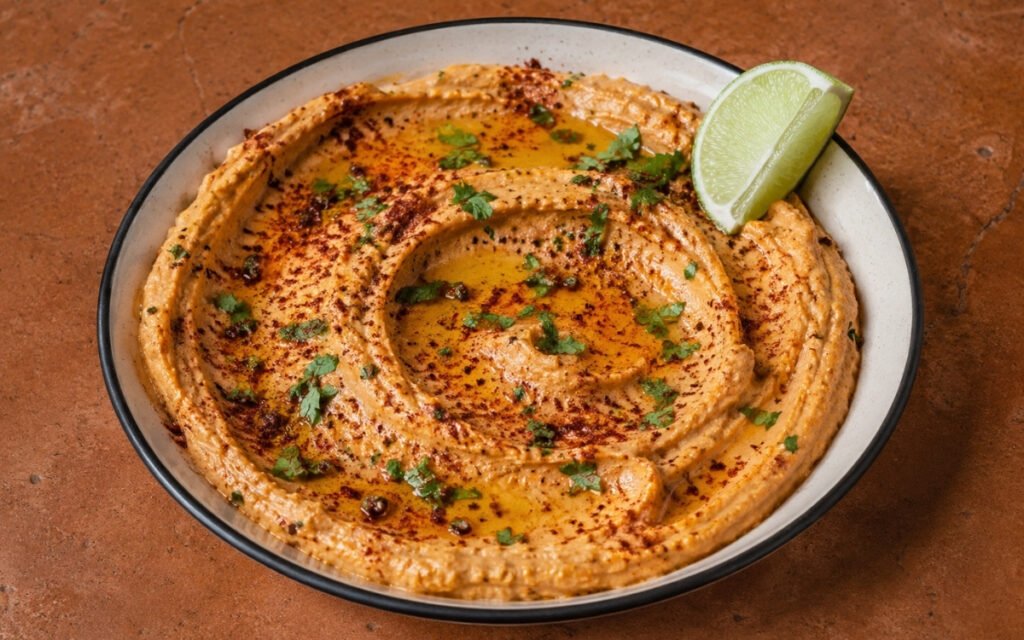
Chipotle and Lime Hummus
Chipotle pepper in adobo and fresh lime blended into the classic hummus base — smoky, warm, and bold, finished with cilantro and sumac.
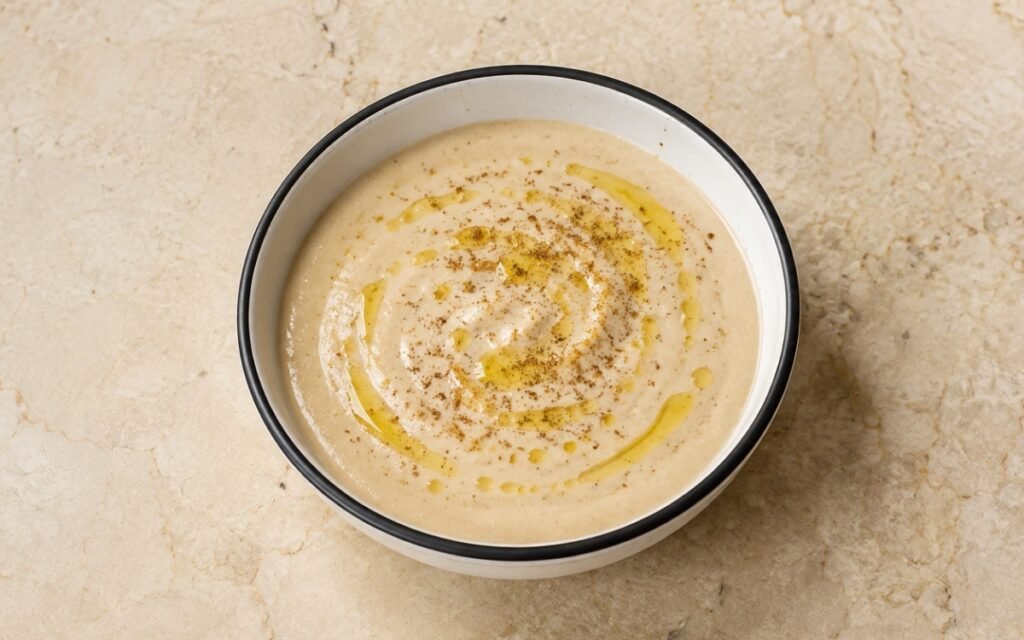
Creamy Tahini Lemon Sauce
Nutty tahini transforms into silky lemon-garlic sauce in 10 minutes — perfect for everything.
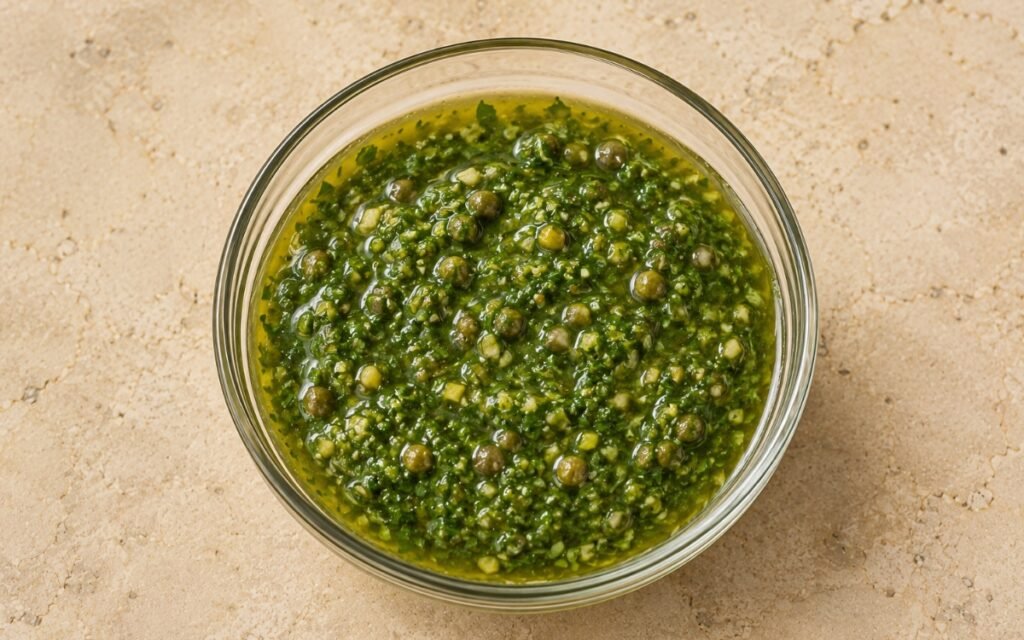
Salsa Verde with Capers and Herbs
Punchy Italian green sauce with capers, anchovies, and herbs — ready in 15 minutes.
You might also like
You might also like
Watermelon Tajín Salad
Watermelon drained 5 minutes, tossed with Tajín, lime, and olive oil — cotija crumbled over the top with fresno chili, fresh mint, and an extra Tajín dusting. The summer salad in 25 minutes.
Greek-Style Potato Salad
Potatoes dressed warm for absorption, vegetables added once cooled, feta folded in gently, chilled to integrate. Bright and briny.
Watermelon Feta Salad
Sweet watermelon, salty feta, fresh mint, and honey-lime-balsamic dressing — the freshest summer salad built entirely on contrast, ready in 10 minutes.
Authentic Labneh
Ingredients
Method
- In a large bowl, combine the plain whole milk yogurt and the fine sea salt. Stir thoroughly until the salt is completely dissolved and evenly distributed throughout the yogurt. The salt performs two functions here: it seasons the labneh throughout rather than only on the surface, and it draws moisture out of the yogurt during the straining process through osmosis — salted yogurt drains more efficiently and more completely than unsalted, producing a firmer, better-seasoned result in the same straining time. Do not skimp on the mixing — uneven salt distribution produces labneh that is salty in some bites and bland in others. Taste the salted yogurt mixture before straining: it should taste mildly but clearly seasoned. Whole milk yogurt is specified for two reasons that directly affect the quality of the finished labneh. First, its higher fat content produces a richer, creamier, more luxurious finished texture than low-fat or fat-free yogurt, which drain to a grainy, slightly dry result. Second, the milk fat carries the yogurt’s aromatic compounds — the lactic acid bacteria’s fermentation byproducts — that give labneh its characteristic tangy, complex, slightly funky depth. Skim or low-fat yogurt produces labneh with flat, one-dimensional flavour regardless of straining time.
- Line a colander or fine-mesh sieve with two layers of clean cheesecloth. If cheesecloth is unavailable, a clean, thin cotton kitchen towel or a large coffee filter works as an effective substitute — any fabric or material that allows liquid to pass through while retaining the thickened yogurt solids. Place the lined colander over a deep bowl that will catch the draining liquid — the bowl must be deep enough to hold the collected whey without touching the bottom of the colander, as contact between the collected whey and the draining yogurt would slow and eventually stop the straining process. Pour the salted yogurt mixture into the cheesecloth-lined colander, distributing it evenly. For firmer labneh — the kind that can be shaped into balls or sliced — gather the four corners of the cheesecloth and tie them together above the yogurt to form a bundle, then suspend the bundle from a wooden spoon laid across the top of a deep pot, allowing the whey to drip freely from the bottom of the bundle. This hanging method increases the rate of draining by allowing gravity to act on the yogurt from all sides simultaneously rather than only from the bottom. For the standard spreadable version, simply leaving the yogurt in the cheesecloth-lined colander over the bowl is sufficient — the weight of the yogurt presses down on itself and drives the whey out gradually through the cloth.
- Cover the colander or bundle with plastic wrap or a clean cloth to prevent the yogurt from absorbing refrigerator odours and from developing a dry skin on the exposed surface. Place in the refrigerator and allow to strain undisturbed. The straining time determines the final texture and concentration of the labneh. At 24 hours the labneh is thick, creamy, and spreadable — similar to a very thick Greek yogurt or a soft cream cheese, easily scooped with a spoon and spread on bread. This is the texture for serving as a dip, spreading on flatbread, and using as a sauce base. At 48 hours the labneh has lost considerably more moisture and is noticeably firmer — closer to a fresh chèvre or cream cheese in density, holding its shape when scooped. This is the texture for rolling into balls, for using as a spread on bagels, and for placing under grilled meats where it needs to support the weight of the protein without spreading immediately. Do not drain beyond 48–60 hours as the labneh becomes very firm and increasingly acidic as additional whey is removed. The whey that drains into the bowl is clear to pale yellow and slightly tart — it can be retained and used in bread doughs, soups, and smoothies as a source of protein and lactic acid, or simply discarded.
- Unwrap the cheesecloth and invert the labneh into a wide, shallow serving bowl. Use the back of a spoon to create a shallow, swirling well in the centre — press the spoon into the labneh and sweep outward in a slow circular motion, building a low ridge around the outside and a depression in the centre. This well collects the olive oil and provides the visual presentation style of labneh as it is served throughout the Levant. Drizzle the 3 tablespoons of extra-virgin olive oil generously into the well and over the surface — the oil pools in the depression and creates the glossy, inviting finish that is the visual signature of labneh presented correctly. Scatter za’atar or sumac across the entire surface to your preferred quantity — the garnish should be clearly visible and generously applied rather than a dusting. Serve immediately with warm bread alongside for dipping and spreading.