
Coconut Rice
Coconut Rice brings fragrant jasmine rice cooked in creamy coconut milk into a tropical side dish with subtle sweetness and luxurious texture. Each grain is infused with coconut flavor while remaining light and fluffy. This versatile rice pairs beautifully with Caribbean, Asian, or Latin American dishes. The rinse here is treated with the same seriousness as any jasmine or basmati preparation elsewhere in this collection, and for good reason specific to this recipe: coconut milk’s naturally higher fat content and thicker consistency, compared to plain water or broth, means any residual surface starch left on unrinsed grains has an even stronger tendency to make the finished rice heavy and gluey rather than light. Whisking the coconut milk, water, salt, and sugar together fully before the rice ever goes in ensures the sugar dissolves completely and the liquid is uniform, so every grain cooks in an evenly seasoned environment rather than some parts of the pot being sweeter or saltier than others. Keeping the heat genuinely low throughout the covered simmer matters more here than with a plain water-based rice, since coconut milk’s fat and natural sugars scorch and stick to the bottom of the pot far more readily than water would under the same aggressive heat. The result is genuinely luxurious, fragrant rice with real tropical character in every grain.
Prep Time : 5 min
Cook Time : 20 min
Servings : 4
5 min
20 min
4
Ingredients
For the Coconut Rice
• 300g jasmine rice — this one on Amazon
• 400ml coconut milk (1 can) — this one on Amazon
• 200ml water
• 6g salt
• 15g granulated sugar
• 1g lime zest (optional)
• 15g shredded coconut, toasted (for garnish)
• 15g fresh cilantro, chopped (for garnish)
This post may contain affiliate links. As an Amazon Associate I earn from qualifying purchases, at no additional cost to you.
Directions
- Rinse Rice Thoroughly
Rinse the 300g jasmine rice under cold water until completely clear (about 2 minutes), agitating the grains gently with your fingers as the water runs through so every part of the batch gets rinsed evenly rather than just the surface layer. Drain well in a fine-mesh strainer, giving it a good shake to remove excess water before setting it aside. Coconut rice can turn heavy and sticky if you keep the surface starch, so don’t shortcut the rinse — this step matters even more here than in a plain water-based rice recipe, since coconut milk’s own thick, fatty consistency compounds with any leftover starch to produce a noticeably gummier result than the same amount of starch would cause in a lighter liquid. - Combine Liquids and Seasonings
In a medium saucepan (2L), whisk together the 400ml coconut milk, 200ml water, 6g salt, and 15g sugar until the sugar dissolves completely and the mixture looks uniform rather than streaky. Take a moment to really whisk this thoroughly, since coconut milk can separate slightly in the can and needs proper mixing to become smooth and consistent again. If using the 1g lime zest, add it now for aroma, stirring it briefly into the liquid so its oils have a chance to begin infusing even before the rice goes in. - Cook Rice
Add the rinsed rice and stir once to level it evenly across the bottom of the pan. Bring to a boil over high heat, watching closely since coconut milk-based liquids can rise and threaten to boil over more readily than plain water. The moment it reaches a boil, immediately reduce the heat to low, cover tightly with a well-fitting lid, and simmer for 15 minutes without lifting the lid at any point. Keep the heat genuinely low throughout this stage — coconut milk can scorch and stick to the bottom of the pot if the liquid is allowed to boil hard even under a closed lid, and that scorching would introduce a burnt, bitter note that no amount of garnish afterward could fully mask. - Rest Rice
Remove the pot from heat and let it rest, still covered, for 5 minutes. This resting period allows the trapped steam to finish cooking the rice gently and lets the grains firm up slightly as they settle, which gives you genuinely fluffy, distinct grains rather than loose, overly wet rice that hasn’t had a chance to fully set. - Fluff and Garnish
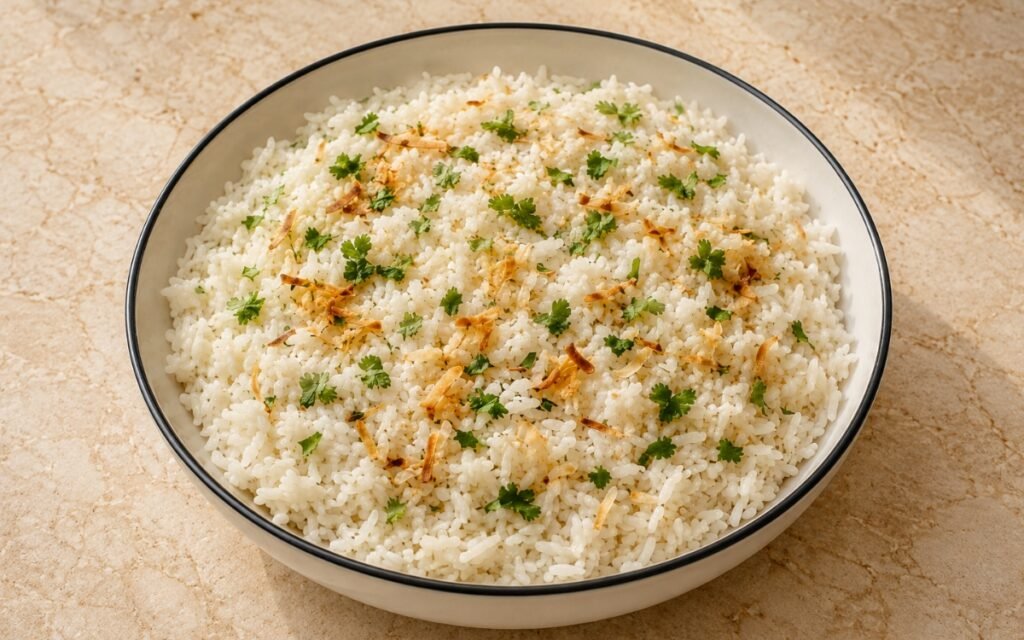
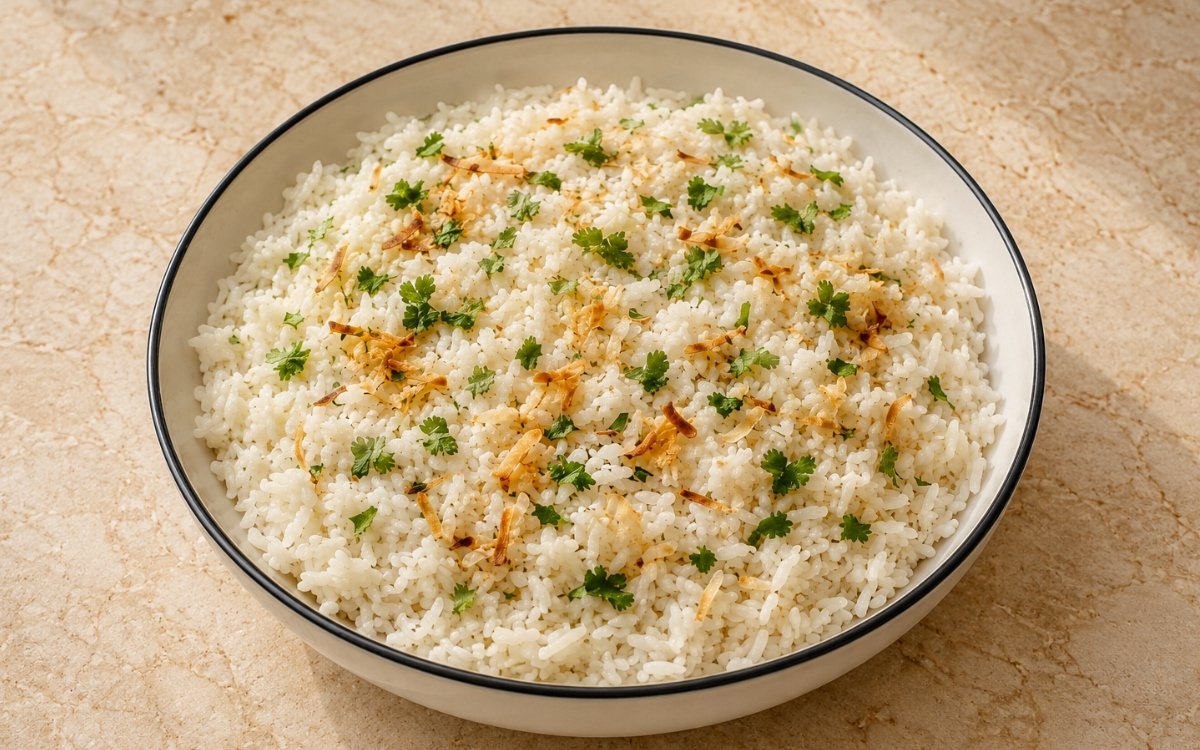
Fluff the rice gently with a fork, working from the edges of the pot inward, and transfer it to a serving bowl. Top with the 15g toasted coconut and 15g chopped cilantro. Serve warm; if holding before serving, keep the bowl covered so the surface doesn’t dry out and form a crust while it waits.
*Notes :
- The thorough rinse matters proportionally more for coconut rice than for a plain water-based preparation, since coconut milk’s own naturally thick, fatty character amplifies the gumminess that leftover surface starch would otherwise cause. A rinse that might be adequate for a simpler rice recipe can leave coconut rice noticeably heavier and stickier than intended if rushed.
- Whisking the coconut milk, water, salt, and sugar together fully before adding the rice ensures an evenly seasoned cooking liquid throughout the pot. Coconut milk can separate somewhat within the can, with fattier solids settling differently than the more liquid portion, and skipping a thorough whisk risks some parts of the finished rice tasting noticeably richer or sweeter than others.
- Maintaining genuinely low heat throughout the covered simmer is specifically more important here than with plain water rice. Coconut milk’s fat and natural sugar content make it considerably more prone to scorching against the bottom of the pot under sustained higher heat, even with the lid on, and any scorching introduces a bitter, burnt note that would be difficult to fully disguise in the finished dish.
Why This Recipe Works
This recipe works because thorough rinsing prevents the gumminess that coconut milk’s fatty richness would otherwise amplify. Fully whisking the cooking liquid before adding the rice ensures even seasoning and flavor throughout every grain.
Keeping the heat genuinely low during the covered simmer protects the coconut milk from scorching, which plain water wouldn’t be as prone to under the same conditions. And the final rest allows the grains to firm up into genuinely fluffy, distinct rice rather than a loose, wet result.
Ingredient Breakdown
Jasmine Rice, Thoroughly Rinsed
The foundation — starch removal that matters even more given coconut milk’s own thick, rich consistency.
Coconut Milk and Water, Fully Whisked
The cooking liquid — evenly combined to ensure consistent seasoning and flavor throughout.
Sugar and Salt
The balanced seasoning — subtle sweetness against savory salt, dissolved fully into the liquid before cooking.
Genuinely Low Heat During Simmering
The scorch-prevention technique — specifically important given coconut milk’s higher fat and sugar content.
Flavor Structure Explained
This Coconut Rice follows a creamy tropical balance model:
- Fragrant rice core (jasmine rice))
- Rich coconut base (coconut milk)
- Subtle natural sweetness (coconut-infused grains)
- Toasted textural finish (toasted coconut)
- Fresh herbal lift (cilantro)
Jasmine rice defines the foundation with its naturally floral aroma, giving the dish a fragrant base beneath the coconut richness. Coconut milk provides the main flavor register, infusing every grain during absorption cooking with creamy body, subtle sweetness, and a distinctly tropical character. The richness stays integrated because it is cooked directly into the rice rather than added as a finishing sauce. Toasted coconut adds a contrasting layer of texture and deeper nuttiness, reinforcing the coconut profile without making it feel one-dimensional. Fresh cilantro provides a clean herbal counterpoint, cutting through the creaminess and keeping the dish lively. The result is a rice preparation built around fragrance, richness, and balance, where coconut sweetness, floral jasmine rice, and fresh finishing elements remain clearly defined.
Common Mistakes to Avoid
- Rushing the Rinse – Leaves excess starch that combines with coconut milk’s richness to produce a heavy, sticky result. Always rinse until the water runs completely clear.
- Not Whisking the Coconut Milk Mixture Thoroughly – Risks uneven seasoning and flavor throughout the finished rice. Always whisk until fully combined and smooth.
- Cooking Over Heat That’s Too High – Coconut milk scorches far more readily than plain water. Always keep the heat genuinely low during the covered simmer.
- Lifting the Lid During Simmering – Disrupts even absorption cooking. Always keep covered and undisturbed for the full 15 minutes.
- Skipping the Rest Period – Leaves the rice loose and overly wet rather than properly fluffy. Always let it stand covered for the full 5 minutes.
Variations
With Cilantro Lime
For a related citrus-and-herb rice preparation using a different base, see the Cilantro Lime Jasmine Rice.
With Butter Finish
For a comparable technique using butter as the enriching fat instead of coconut milk, see the Fluffy Butter Rice.
With Pandan
Add a bruised pandan leaf to the cooking liquid for a more traditional Southeast Asian aromatic direction.
With Extra Lime
Increase the lime zest and add a squeeze of fresh lime juice at the end for a brighter, more citrus-forward finish.
Storage & Make-Ahead
Cooked coconut rice can be refrigerated for up to 3 days. Reheat it gently with a splash of coconut milk or water to restore creaminess.
The toasted coconut garnish can be prepared several days in advance and stored in an airtight container at room temperature.
Frequently Asked Questions
Why does the rinse matter even more for coconut rice than for a plain white rice recipe?
Coconut milk is naturally thicker and richer in fat than plain water, and that richness amplifies the gumminess that leftover surface starch would otherwise cause. A rinse that might be sufficient for a simpler rice preparation can leave coconut rice noticeably heavier and stickier if it’s rushed or shortened.
Why does the coconut milk mixture need to be whisked so thoroughly before adding the rice?
Coconut milk can separate somewhat within the can, with the fattier, richer portion settling differently than the more liquid part. Whisking it fully with the water, salt, and sugar ensures a genuinely uniform cooking liquid, so every part of the pot — and therefore every grain of rice — cooks in an evenly seasoned, evenly rich environment.
Why is low heat specifically emphasized for this rice more than for other rice preparations in this collection?
Coconut milk’s higher fat and natural sugar content make it considerably more prone to scorching against the bottom of the pot than plain water, even under a closed lid. Genuinely low heat throughout the simmer protects against that scorching, which would introduce a bitter, burnt note into the entire finished dish.
What should I serve alongside this rice?
This rice pairs naturally with the Teriyaki Glazed Salmon or Lemon Butter Baked Cod, and for other tropical or citrus-forward rice directions, try the Cilantro Lime Jasmine Rice or Fluffy Butter Rice.
Nutrition Facts
( per serving )
Calories
~340 kcal
Protein
5 g
Fat
13 g
Carbs
50 g
Calories
~340 kcal
Protein
5 g
Fat
13 g
Carbs
50 g
Related Recipes
Related Recipes

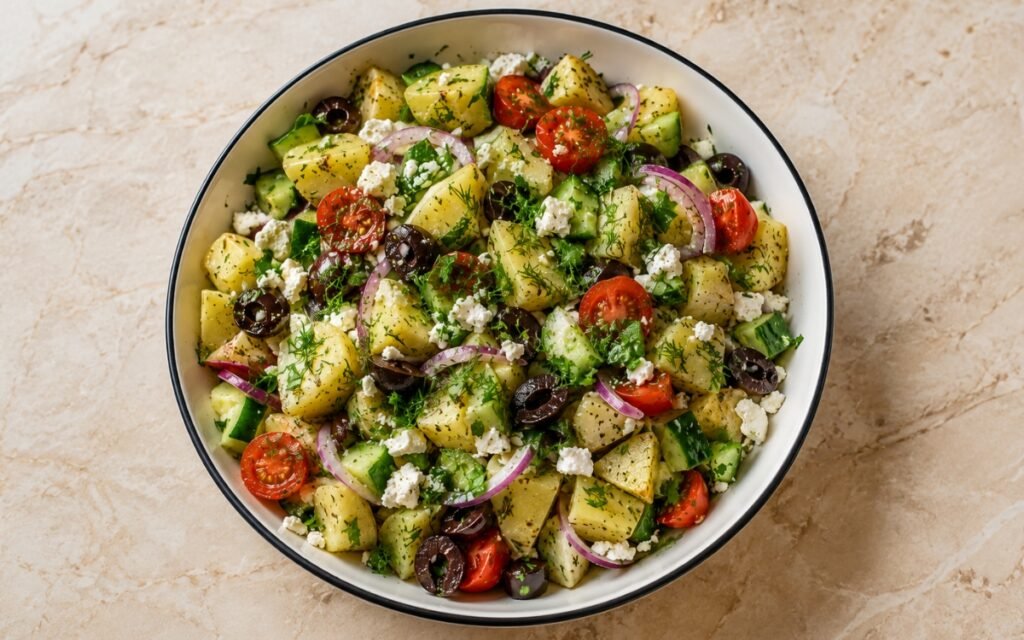
Greek-Style Potato Salad
Potatoes dressed warm for absorption, vegetables added once cooled, feta folded in gently, chilled to integrate. Bright and briny.
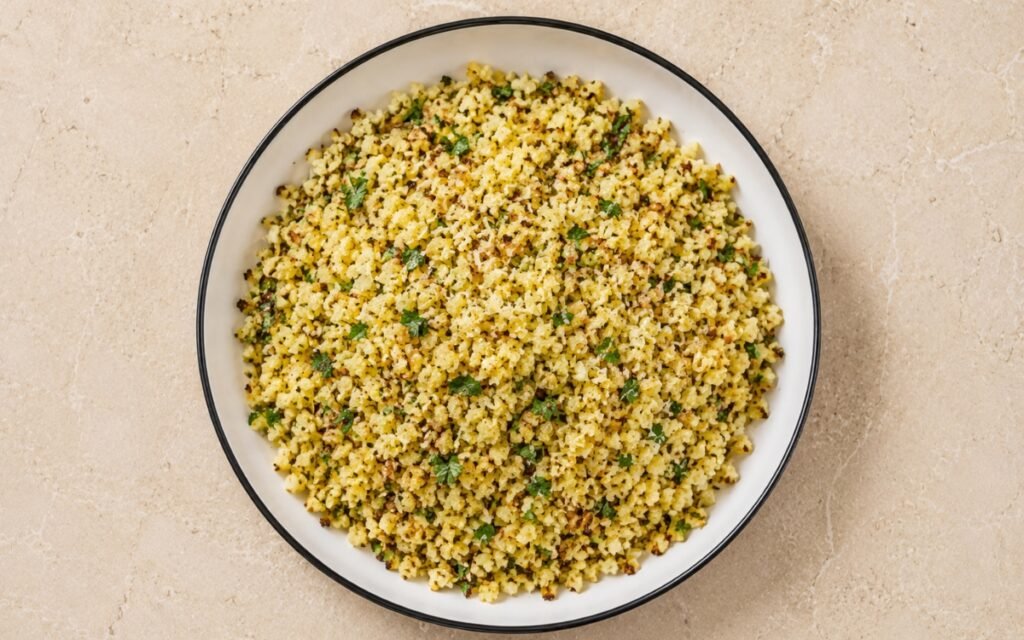
Roasted Cauliflower Rice
Cauliflower pulsed in batches, spread thin, roasted until golden and caramelized, finished with butter, parsley, and lemon. Nutty and low-carb.
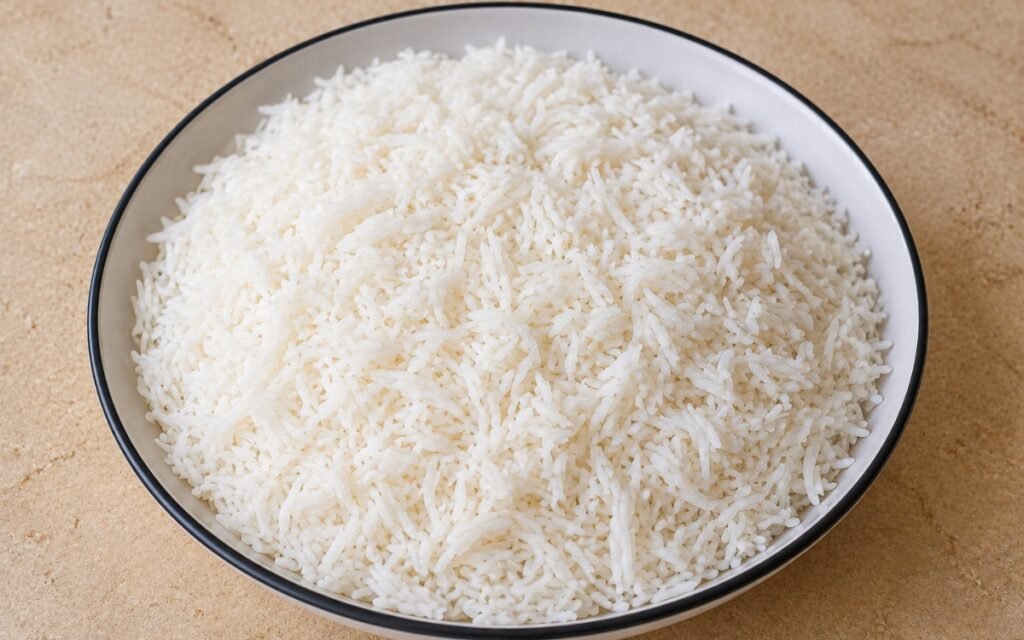
Plain Steamed Basmati Rice
Basmati rinsed thoroughly, boiled uncovered then simmered covered undisturbed for 15 minutes, rested and fluffed. Long, separate grains every time.
You might also like
You might also like
Black Tea Orange Pitcher
Ceylon tea at 90–95°C for 3 minutes, dual citrus zest off heat — 750ml orange juice for warm rounded body, cold water, chilled. Tea-forward with orange lift.
Cornbread
Classic skillet cornbread with a deeply golden, crisp-edged crust and a moist, tender interior, baked in a preheated cast iron skillet.
Hibiscus Raspberry Ginger Cooler
Off-heat steeped hibiscus and ginger combined with cold-macerated raspberries and fresh lime juice for a vivid ruby-red, tart cooler.


Coconut Rice
Ingredients
Method
- Rinse the 300g jasmine rice under cold water until completely clear (about 2 minutes), agitating the grains gently with your fingers as the water runs through so every part of the batch gets rinsed evenly rather than just the surface layer. Drain well in a fine-mesh strainer, giving it a good shake to remove excess water before setting it aside. Coconut rice can turn heavy and sticky if you keep the surface starch, so don’t shortcut the rinse — this step matters even more here than in a plain water-based rice recipe, since coconut milk’s own thick, fatty consistency compounds with any leftover starch to produce a noticeably gummier result than the same amount of starch would cause in a lighter liquid.
- In a medium saucepan (2L), whisk together the 400ml coconut milk, 200ml water, 6g salt, and 15g sugar until the sugar dissolves completely and the mixture looks uniform rather than streaky. Take a moment to really whisk this thoroughly, since coconut milk can separate slightly in the can and needs proper mixing to become smooth and consistent again. If using the 1g lime zest, add it now for aroma, stirring it briefly into the liquid so its oils have a chance to begin infusing even before the rice goes in.
- Add the rinsed rice and stir once to level it evenly across the bottom of the pan. Bring to a boil over high heat, watching closely since coconut milk-based liquids can rise and threaten to boil over more readily than plain water. The moment it reaches a boil, immediately reduce the heat to low, cover tightly with a well-fitting lid, and simmer for 15 minutes without lifting the lid at any point. Keep the heat genuinely low throughout this stage — coconut milk can scorch and stick to the bottom of the pot if the liquid is allowed to boil hard even under a closed lid, and that scorching would introduce a burnt, bitter note that no amount of garnish afterward could fully mask.
- Remove the pot from heat and let it rest, still covered, for 5 minutes. This resting period allows the trapped steam to finish cooking the rice gently and lets the grains firm up slightly as they settle, which gives you genuinely fluffy, distinct grains rather than loose, overly wet rice that hasn’t had a chance to fully set.
- Fluff the rice gently with a fork, working from the edges of the pot inward, and transfer it to a serving bowl. Top with the 15g toasted coconut and 15g chopped cilantro. Serve warm; if holding before serving, keep the bowl covered so the surface doesn’t dry out and form a crust while it waits.