
Honey Shallot Vinaigrette
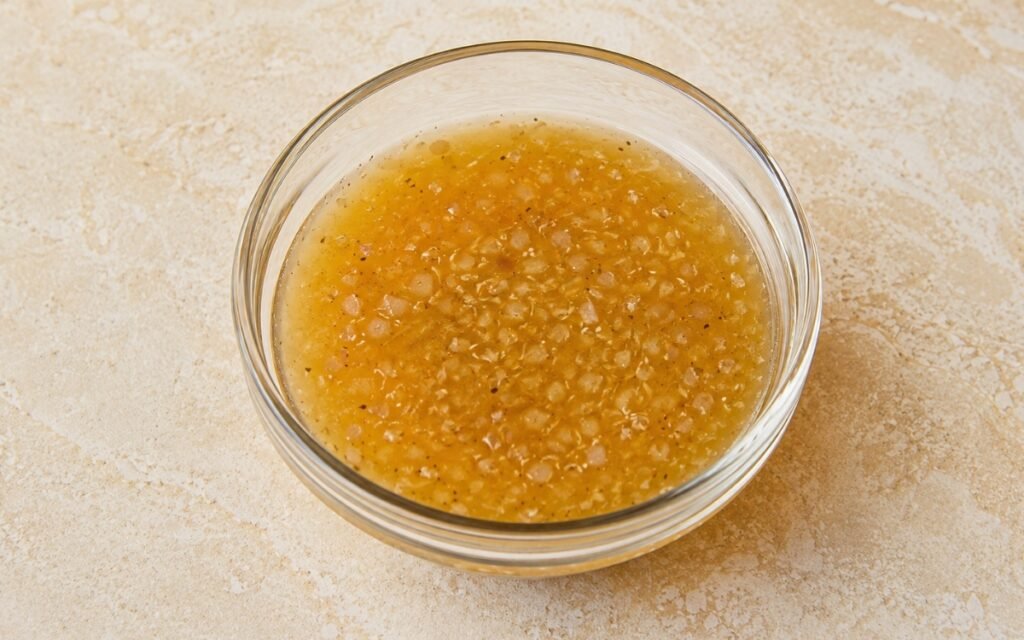
This elegant sweet-tangy vinaigrette balances the delicate allium sweetness of macerated shallot with floral honey and clean apple cider vinegar. Versatile and beautifully balanced, it elevates arugula salads, grain bowls, roasted vegetables, and grilled chicken with equal grace.
Prep Time : 10 min
Cook Time : 0 min
Servings : 4
10 min
0 min
4
Ingredients
Aromatics
• 30g shallot, 1 medium, very finely minced
Oil
• 90ml extra-virgin olive oil — this one on Amazon
Seasoning
• 3g salt
• Freshly ground black pepper to taste
• Small pinch dried thyme, optional
This post may contain affiliate links. As an Amazon Associate I earn from qualifying purchases, at no additional cost to you.
Directions
- Macerate the Shallot in Dual Vinegar
Place the finely minced shallot in a small bowl with apple cider vinegar, white wine vinegar, and salt. Let rest for 5–7 minutes. This step softens the shallot’s raw bite while allowing its natural sweetness to infuse into the balanced, fruity-sharp acid blend. - Understand the Acid Balance
Apple cider vinegar provides body, gentle fruitiness, and mild sweetness, while white wine vinegar adds a cleaner, brighter edge. Together they prevent the dressing from tasting flat or overly sweet. - Whisk in Honey and Mustard
Add raw honey and Dijon mustard to the macerated mixture. Whisk until fully smooth. Honey contributes layered sweetness, while Dijon stabilizes the dressing and adds savory fermented depth. - Emulsify with Olive Oil
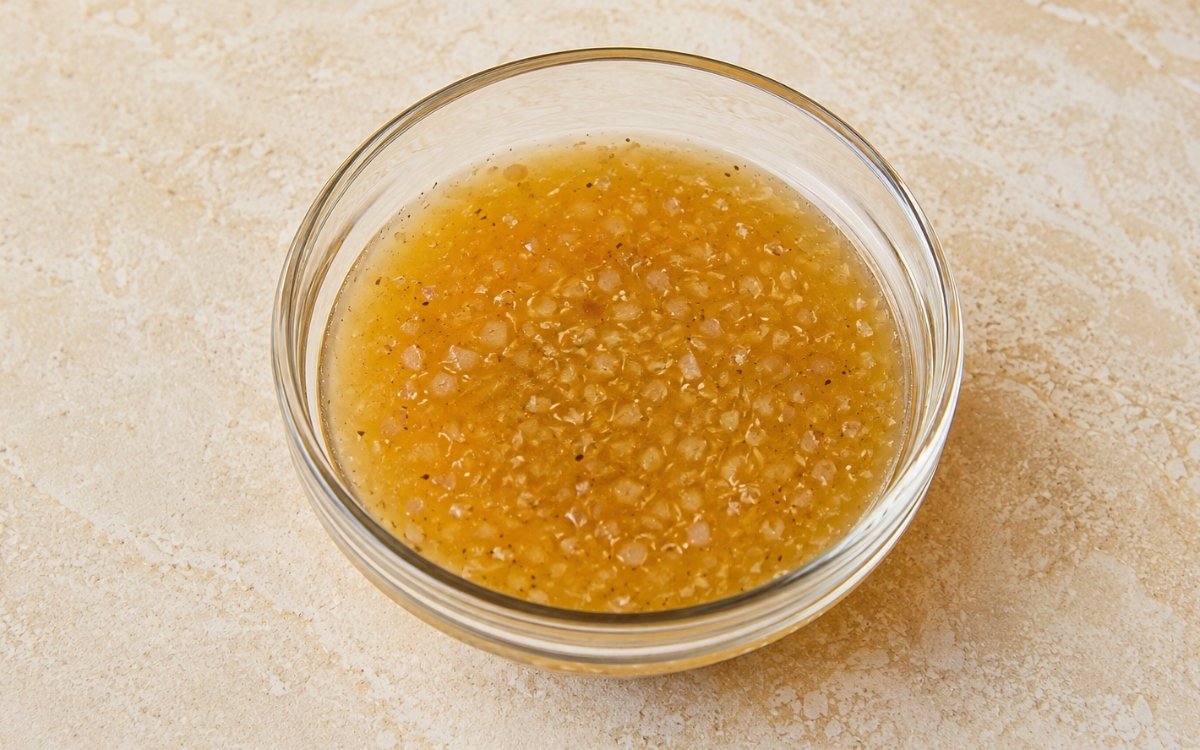
Slowly drizzle in the olive oil while whisking continuously, or seal everything in a jar and shake for about 30 seconds. The vinaigrette should become slightly creamy and cohesive. - Finish and Adjust the Flavor
Stir in optional dried thyme for subtle warmth. Taste carefully — add a splash more white wine vinegar if too sweet, or a touch more honey if too sharp. Season with salt and freshly ground black pepper before serving.
*Notes :
- Apple cider vinegar has experienced significant popularity as a health food, but its culinary application is the primary focus here. High-quality, unfiltered apple cider vinegar with the ‘mother’ — the colony of beneficial bacteria that forms during fermentation, visible as cloudiness or sediment — has a more complex, less sharp acidity than filtered versions. For cooking, the difference in flavor between unfiltered and filtered is subtle but present.
- The sweetness calibration in this recipe requires attention. Different honey varieties vary significantly in sweetness and flavor intensity — light, mild clover honey produces a more neutral sweetness, while darker honeys like buckwheat or manuka contribute distinctive, assertive flavors that significantly alter the dressing’s character. Choose honey appropriate to the flavor profile you want.
- Finely minced shallot is critical — large pieces create unpleasant bites in a dressing that should be smooth-flowing. Mince as finely as possible, ideally so fine that individual pieces are barely visible. After maceration, the shallot pieces will soften further and integrate into the dressing more naturally.
Why This Recipe Works
This recipe succeeds by placing honey at the center of the flavor structure rather than treating it as a background sweetener. Raw honey is a genuinely complex ingredient with floral aromatics, and when paired with the complementary sweetness of macerated shallot and the fruity acidity of apple cider vinegar, it creates a dressing with warmth and elegance that simple vinaigrettes lack. The dual vinegar approach prevents the sweetness from becoming cloying.
Ingredient Breakdown
Apple Cider Vinegar
Primary acid — fruity, complex, moderately sweet, with characteristic apple depth.
White Wine Vinegar
Secondary brightening acid that prevents the dressing from tasting flat or too sweet.
Raw Honey
Primary sweetness and flavor driver — floral, complex, far more interesting than processed honey.
Shallot
Macerated to sweet mellowness — provides savory depth without sharpness.
Dijon Mustard
Emulsifier and counterbalance to the sweetness — prevents the dressing from being one-dimensionally sweet.
Extra-Virgin Olive Oil
Rich fat base that carries and unifies all flavors.
Flavor Structure Explained
This vinaigrette follows a layered balance model:
- Sweet leading note (honey)
- Sweet-savory depth (macerated shallot)
- Bright acidity (apple cider vinegar)
- Sharp counterpoint (Dijon mustard)
- Smooth fat base (olive oil)
Honey defines the primary character with floral sweetness that leads the profile. Macerated shallot adds a gentle savory warmth, preventing the sweetness from feeling flat. Apple cider vinegar introduces fruity acidity that lifts and sharpens the composition without competing. Dijon provides a subtle sharp edge that balances the sweetness. Olive oil forms the body, integrating all elements into a smooth, cohesive finish.
Common Mistakes to Avoid
- Using Processed Honey – Processed honey lacks the aromatic complexity of raw honey and produces a simpler, flatter sweetness. Raw honey is worth the slight extra cost here.
- Not Macerating the Shallot – Raw shallot produces harsh, pungent bites that interrupt the dressing’s elegant sweetness. The maceration is essential.
- Over-sweetening – More than 25g of honey shifts the dressing toward a glaze rather than a vinaigrette. Calibrate carefully.
Variations
Herb Version
Add 10g finely chopped fresh tarragon, which has a natural affinity with both honey and apple cider vinegar.
Walnut Version
Replace half the olive oil with walnut oil for a nutty, more complex dressing excellent on bitter greens.
Citrus-Honey Version
Add 5g orange zest and replace the white wine vinegar with fresh orange juice for a sweeter, more citrus-forward dressing.
Spiced Honey Version
Add a pinch of ground cinnamon and a pinch of ground ginger for a warm, spiced dressing excellent on autumnal salads with roasted squash.
Storage & Make-Ahead
Store in an airtight jar in the refrigerator for up to 10 days. The honey may cause the dressing to thicken when cold — allow to come to room temperature for 10–15 minutes and shake vigorously before using. The shallot flavor mellows and sweetens further over time, and the dressing is actually at its best 24 hours after making.
Frequently Asked Questions
What salads pair best with honey shallot vinaigrette?
Arugula with shaved Parmesan and walnuts; roasted beet salad with goat cheese; spinach with strawberries; mixed greens with pears and Gorgonzola; grain bowls with roasted sweet potato and pecans.
Can I use maple syrup instead of honey?
Yes — maple syrup is an excellent vegan substitute. It has less floral complexity than honey but its own distinctive smoky-sweet character that pairs particularly well with autumn salads.
How do I fix a dressing that is too sweet?
Add white wine vinegar in small amounts, tasting after each addition, until the sweetness is balanced.
What proteins pair well with this dressing?
It works beautifully as a marinade and dressing for chicken breast, grilled salmon fillets, shrimp, and bone-in pork chops.
Nutrition Facts
( per serving )
Calories
~195 kcal
Protein
0 g
Fat
22 g
Carbs
8 g
Calories
~195 kcal
Protein
0 g
Fat
22 g
Carbs
8 g
Related Recipes
Related Recipes

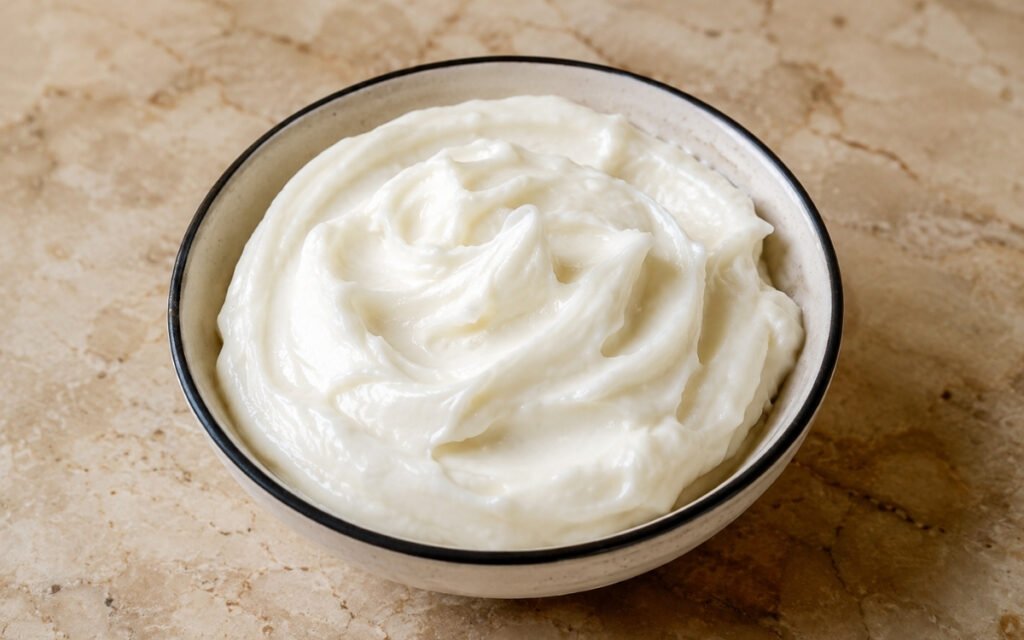
Toum (Lebanese Garlic Sauce)
Garlic, salt, lemon juice, and neutral oil emulsified drop by drop into a thick, white, airy Lebanese garlic sauce — refrigerated before serving so the flavour mellows from sharp to balanced.
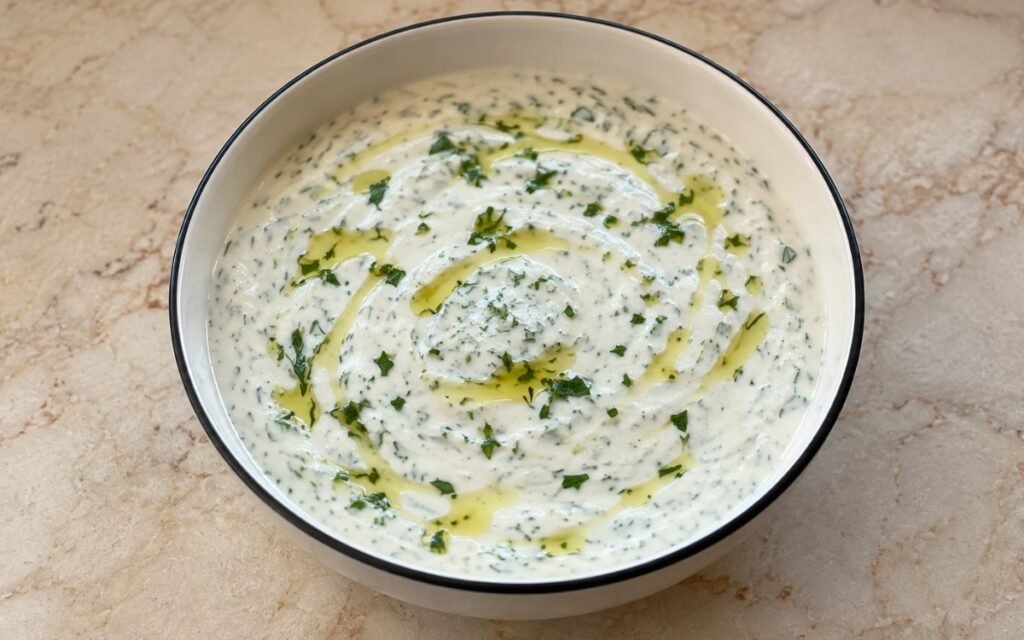
Creamy Lemon Herb Yogurt Sauce
Fresh Greek yogurt sauce with lemon, dill, parsley, and garlic ready in 10 minutes—no cooking!
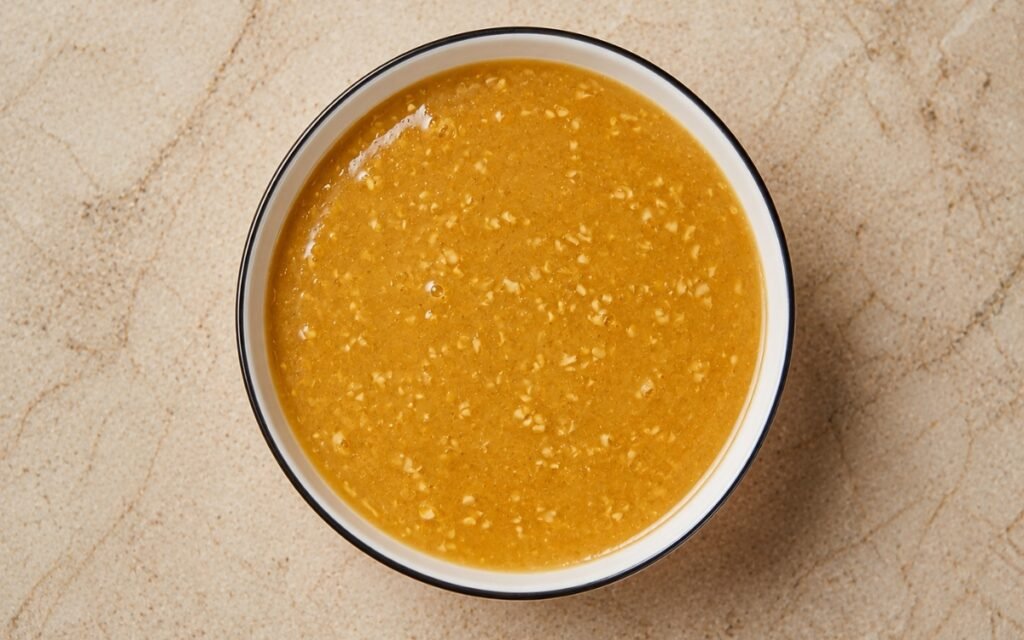
Miso Butter Sauce
Silky white miso and butter with lemon — a 10-minute umami-rich finishing sauce for everything.
You might also like
You might also like
Cantaloupe Lemonade
Cold-extracted lemon zest and juice combined with blended ripe cantaloupe for a soft orange, smooth, melon-forward lemonade.
Pico de Gallo
Fresh Roma tomatoes, dual onion, jalapeño, and three limes — the classic Mexican condiment that makes every dish from the region taste complete.
Pear Ginger Pitcher Drink
Cold-infused ripe pears and thinly sliced fresh ginger, both skin-on, with a touch of lemon juice for a pale golden, gently spiced pitcher drink.


Honey Shallot Vinaigrette
Ingredients
Method
- Place the finely minced shallot in a small bowl with apple cider vinegar, white wine vinegar, and salt. Let rest for 5–7 minutes. This step softens the shallot’s raw bite while allowing its natural sweetness to infuse into the balanced, fruity-sharp acid blend.
- Apple cider vinegar provides body, gentle fruitiness, and mild sweetness, while white wine vinegar adds a cleaner, brighter edge. Together they prevent the dressing from tasting flat or overly sweet.
- Add raw honey and Dijon mustard to the macerated mixture. Whisk until fully smooth. Honey contributes layered sweetness, while Dijon stabilizes the dressing and adds savory fermented depth.
- Slowly drizzle in the olive oil while whisking continuously, or seal everything in a jar and shake for about 30 seconds. The vinaigrette should become slightly creamy and cohesive.
- Stir in optional dried thyme for subtle warmth. Taste carefully — add a splash more white wine vinegar if too sweet, or a touch more honey if too sharp. Season with salt and freshly ground black pepper before serving.