
Pan-Seared Pork Medallions
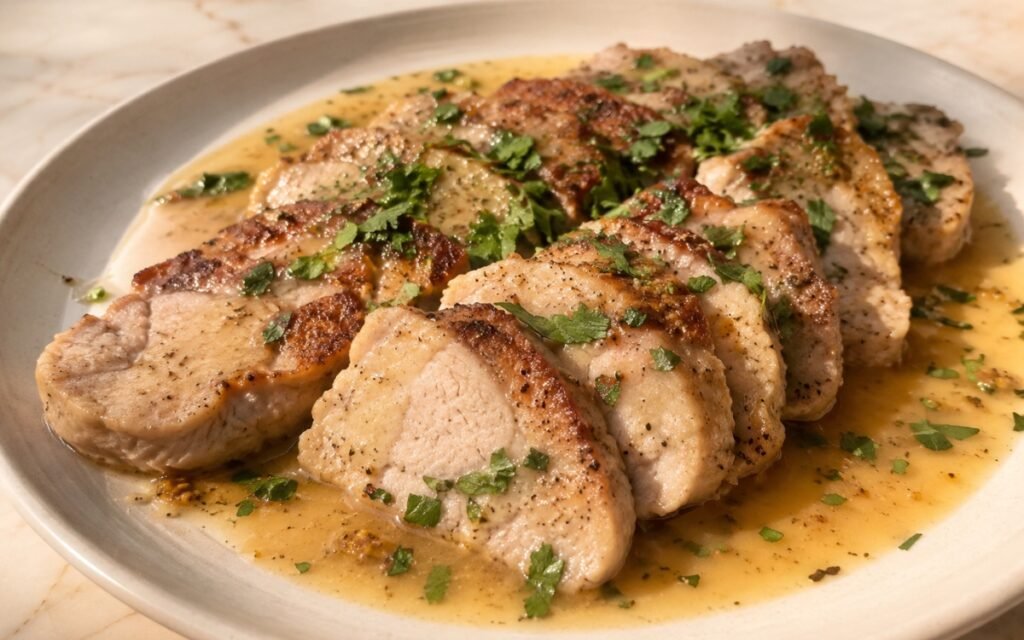
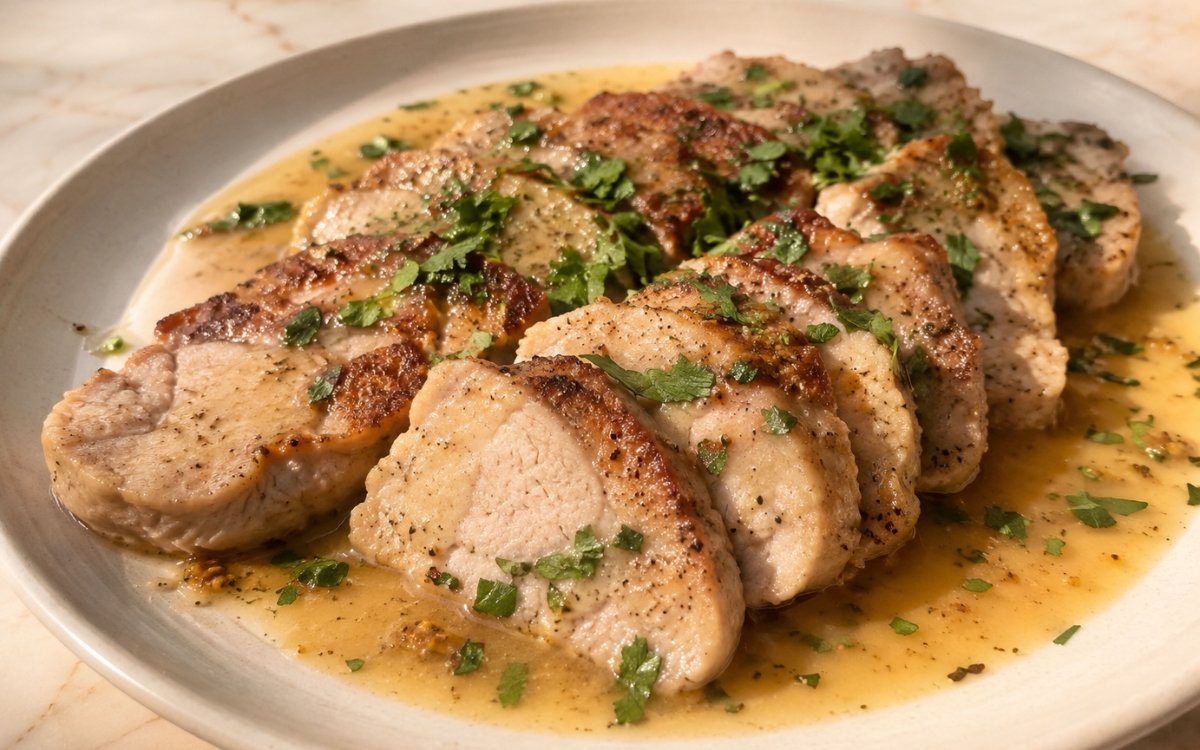
Pan-Seared Pork Medallions delivers tender pork tenderloin medallions that develop a beautiful golden crust in minutes, then get finished with a rich Dijon pan sauce. This restaurant-quality dish delivers impressive flavor with simple technique, making it perfect for busy weeknights or special dinners. Cutting the tenderloin into medallions and then pounding each one to an even 2cm thickness accomplishes two things at once: it produces individually portioned pieces that cook quickly and consistently, and it ensures every medallion reaches doneness at the same moment rather than some finishing before others due to uneven thickness. The light flour dusting is deliberately thin — enough to encourage browning and give the pan sauce something to cling to and slightly thicken against, without building a heavy, bready coating. The pan sauce itself is built directly from the fond left behind by searing, meaning none of that concentrated flavor goes to waste; deglazing with stock and wine, then finishing with Dijon mustard, produces a sauce with real depth built in just minutes. The result is a dish that delivers genuine restaurant-quality flavor for a remarkably fast total time.
Prep Time : 15 min
Cook Time : 12 min
Servings : 4
15 min
12 min
4
Ingredients
For the Pork
• 700g pork tenderloin
• 8g fine sea salt
• 4g freshly ground black pepper
• 30g all-purpose flour
• 30ml olive oil — this one on Amazon
For the Pan Sauce
• 40g unsalted butter — this one on Amazon
• 125ml chicken stock
• 60ml white wine
• 15ml Dijon mustard — this one on Amazon
• 20g fresh parsley, chopped
This post may contain affiliate links. As an Amazon Associate I earn from qualifying purchases, at no additional cost to you.
Directions
- Prepare the Medallions
Trim any silver skin from the pork tenderloin. Cut crosswise into 3cm thick medallions. Place each medallion between plastic wrap and gently pound to 2cm thickness for even cooking. - Season and Coat
Season the medallions generously with the 8g salt and 4g black pepper. Dust lightly with the 30g flour, shaking off any excess to ensure a light coating. - Sear the Pork
Heat the 30ml olive oil in a large skillet over high heat until shimmering. Add medallions in a single layer without overcrowding. Sear for 3 minutes until golden brown. - Cook Through
Flip the medallions and cook another 3 minutes until just cooked through to 63°C internal temperature. Transfer to a plate and tent with foil. - Build the Pan Sauce
Reduce heat to medium. Add the 40g butter to the pan. Once melted, pour in the 125ml chicken stock and 60ml white wine, scraping up all the browned bits from the bottom of the pan. - Reduce and Finish
Simmer the sauce for 3 minutes until reduced by half and slightly thickened. Whisk in the 15ml Dijon mustard until smooth. - Serve
Return medallions to the pan briefly to coat with sauce. Transfer to serving plates, spoon remaining sauce over top, and garnish with the 20g chopped fresh parsley. Serve immediately.
*Notes :
- Pounding each medallion to an even 2cm thickness after slicing is what makes this dish cook so predictably and quickly. Without that step, medallions cut from different parts of the tenderloin — which naturally tapers — would vary in thickness and finish cooking at different times, leaving some overdone while others lag behind.
- The light flour dusting serves a specific dual purpose: it promotes more even, consistent browning during the sear, and the small amount of residual flour left on the meat’s surface helps very slightly thicken the pan sauce once the medallions are returned to coat in it.
- Scraping up the fond during deglazing is not a cosmetic step — that browned residue left in the pan from searing is concentrated flavor, and incorporating it into the sauce is specifically what gives a quick pan sauce like this one genuine depth in just a few minutes, rather than tasting thin or one-dimensional.
Why This Recipe Works
This recipe works because pounding the medallions to even thickness ensures consistent, predictable cooking across all four pieces. The light flour dusting supports browning without weighing down the crust.
The pan sauce is built directly from the fond, capturing flavor that would otherwise be wasted. And finishing with Dijon mustard adds a sharp, rounding note that balances the richness of the butter and stock reduction.
Ingredient Breakdown
Pork Tenderloin, Sliced and Pounded to Even Thickness
The foundation — individually portioned medallions that cook quickly and consistently.
Light Flour Dusting
The browning aid — thin enough to avoid a heavy coating while still supporting color and later sauce thickening.
Chicken Stock and White Wine, Deglazed From the Fond
The pan sauce base — capturing concentrated flavor left behind by searing.
Dijon Mustard, Whisked In at the End
The finishing sharpness — balancing the sauce’s richness with a clean, tangy edge.
Flavor Structure Explained
This Pan-Seared Pork Medallions follows a quick pan-sauce balance model:
- Tender pork core (pork medallions)
- Light seared crust (golden pan contact)
- Rich savory sauce (butter, stock, wine)
- Tangy depth (Dijon mustard)
- Fresh herbal lift (parsley)
The pork medallions define the foundation with tender, evenly cooked meat and a light golden crust developed through quick searing. Because the pieces are small and lean, the dish depends on controlled cooking to preserve tenderness while still building enough fond for the sauce. Butter, stock, and wine form a fast pan sauce that captures the browned bits from the pan and turns them into savory depth. Dijon mustard adds the key tangy register, sharpening the richness and giving the sauce structure without making it heavy. Fresh parsley finishes the dish with clean herbal brightness, lifting the butter and wine so the final profile stays balanced. The result is a pork medallion preparation built around speed, tenderness, and pan-sauce depth, where seared pork and a rich-tangy finish come together in a polished but simple structure.
Common Mistakes to Avoid
- Skipping the Pounding Step – Produces medallions of uneven thickness that cook inconsistently. Always pound to an even 2cm.
- Overcrowding the Pan During Searing – Drops the pan’s temperature and prevents proper browning. Always sear in a single layer, working in batches if needed.
- Not Scraping Up the Fond – Wastes concentrated flavor that would otherwise deepen the sauce. Always scrape the pan thoroughly while deglazing.
- Boiling the Sauce Too Aggressively – Risks the sauce reducing unevenly or breaking. Always simmer gently.
- Overcooking Past 63°C – Produces drier medallions than necessary given tenderloin’s lean structure. Always pull at the correct temperature.
Variations
With Cream
Whisk in a splash of heavy cream at the end for a richer, creamier pan sauce.
With Honey Mustard Glaze
For a sweeter, stickier approach to pork chops using a related mustard-based technique, see the Honey Mustard Pork Chops.
With Herb Crust
For a related tenderloin preparation using a fresh herb and Dijon crust instead of a pan sauce, see the Garlic Herb Pork Tenderloin.
With Mushrooms
Sauté sliced mushrooms in the pan before deglazing for an earthier, more substantial sauce.
Storage & Make-Ahead
Cooked medallions with sauce can be refrigerated for up to 3 days. Reheat them gently to avoid cooking them further and losing their ideal texture.
The pan sauce can be made ahead and reheated gently, whisking to re-emulsify it before serving.
Frequently Asked Questions
Why pound the medallions after slicing instead of just cutting them to size?
Pork tenderloin naturally tapers along its length, meaning slices cut to the same thickness from different points on the tenderloin can still vary in actual thickness depending on the cut’s width. Pounding each medallion to a consistent 2cm ensures they all cook at the same rate, finishing together rather than some overcooking while others lag behind.
Why deglaze the pan instead of using a separately prepared sauce?
The browned bits left in the pan after searing — the fond — are concentrated flavor developed specifically from the pork itself. Deglazing with stock and wine dissolves that fond directly into the sauce, giving it genuine depth in just a few minutes that a separately made sauce wouldn’t capture in the same way.
Why finish with Dijon mustard rather than adding it earlier in the sauce-building process?
Dijon mustard’s sharp, tangy character is best preserved by whisking it in near the end, after the stock and wine have already reduced. Adding it earlier and letting it simmer for longer would mute some of its brightness, whereas whisking it in at the finish keeps that sharp, balancing note intact.
What should I serve alongside these medallions?
Garlic Butter Roasted Potatoes or Classic Mashed Potatoes both pair naturally with the rich Dijon pan sauce. For related pork preparations, try the Honey Mustard Pork Chops or Garlic Herb Pork Tenderloin.
Nutrition Facts
( per serving )
Calories
~340 kcal
Protein
34 g
Fat
18 g
Carbs
6 g
Calories
~340 kcal
Protein
34 g
Fat
18 g
Carbs
6 g
Related Recipes
Related Recipes

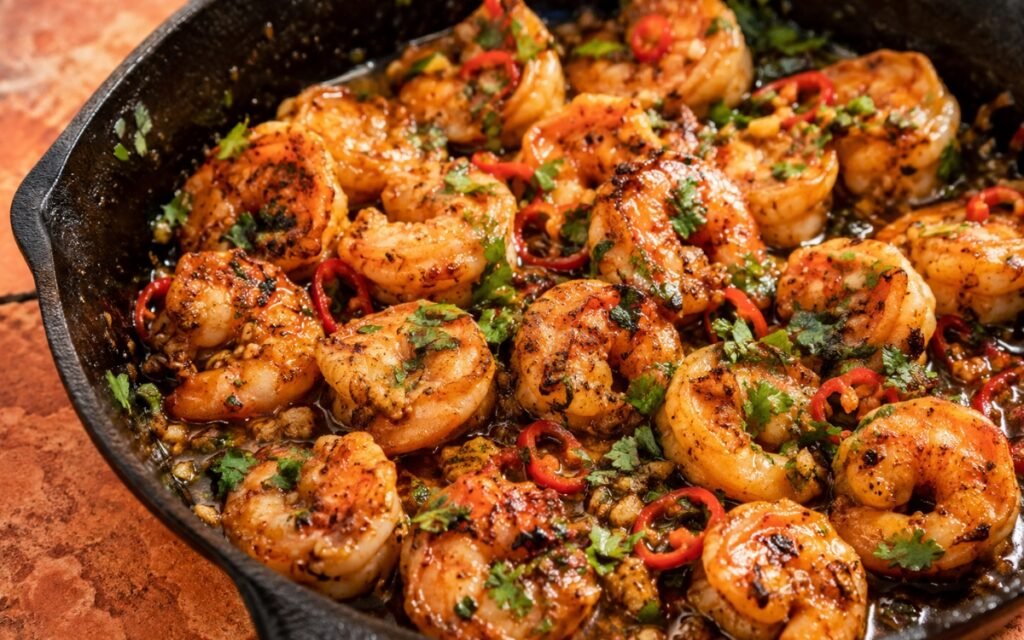
Chili Lime Shrimp
Shrimp dried and seared, garlic and chilies added after the flip, glazed in lime honey butter sauce built in the pan. Bright and spicy.
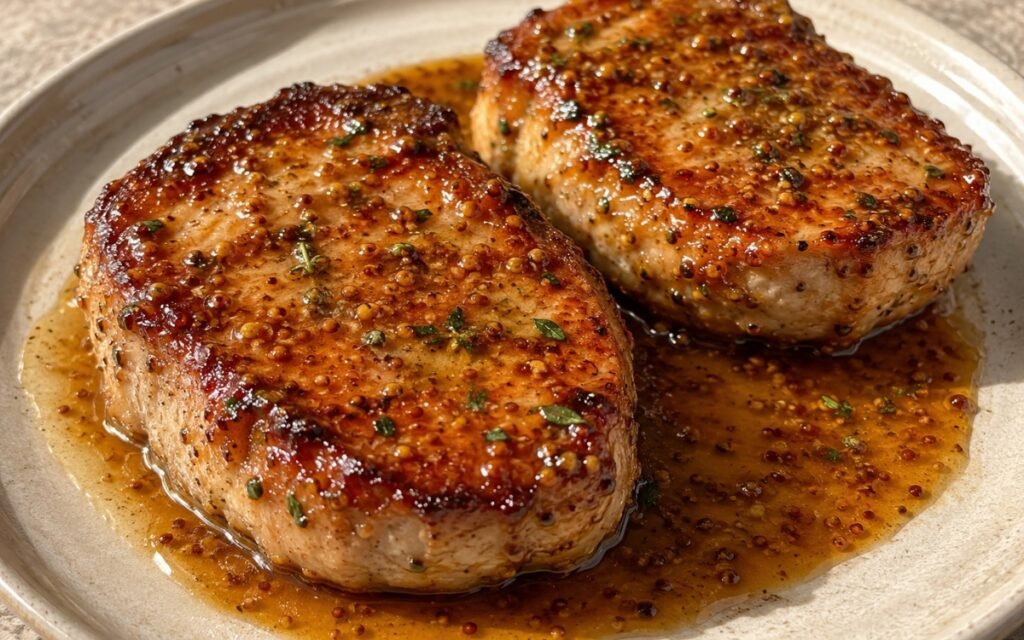
Honey Mustard Pork Chops
Pork chops seared golden, glazed with honey and dual mustard after the flip, basted until sticky and caramelized, rested. Sweet and tangy.
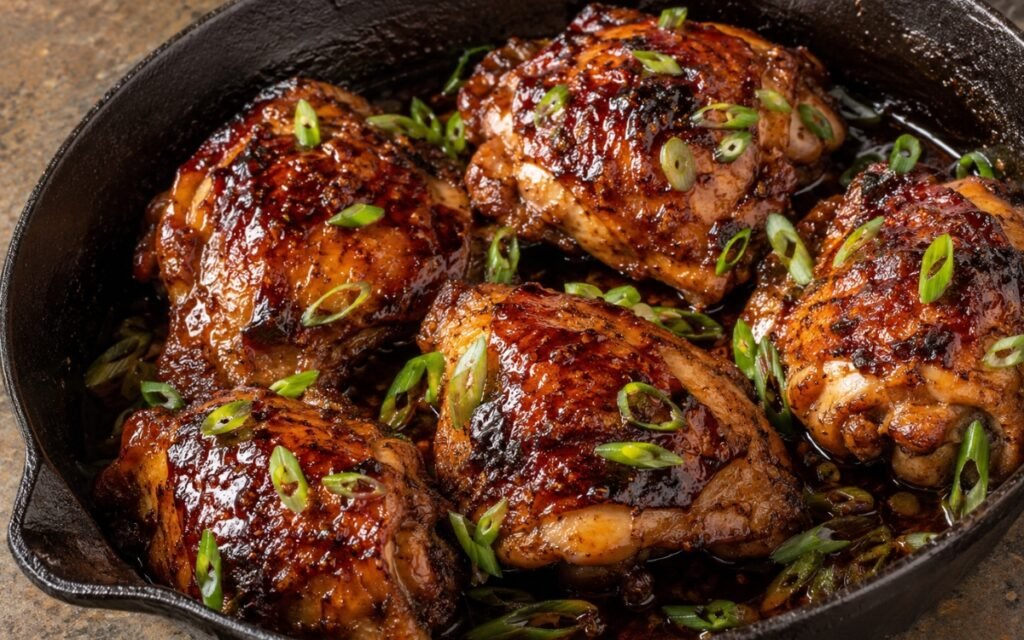
Chinese Five-Spice Chicken Thighs
Chicken thighs scored and marinated in five-spice, soy, ginger, and garlic — seared undisturbed, roasted until crispy, rested. Warm, aromatic, crispy-skinned.
You might also like
You might also like
Classic Breakfast Biscuit Sandwich
A tender buttermilk biscuit filled with a browned breakfast sausage patty, soft folded scrambled egg, and melted American cheese.
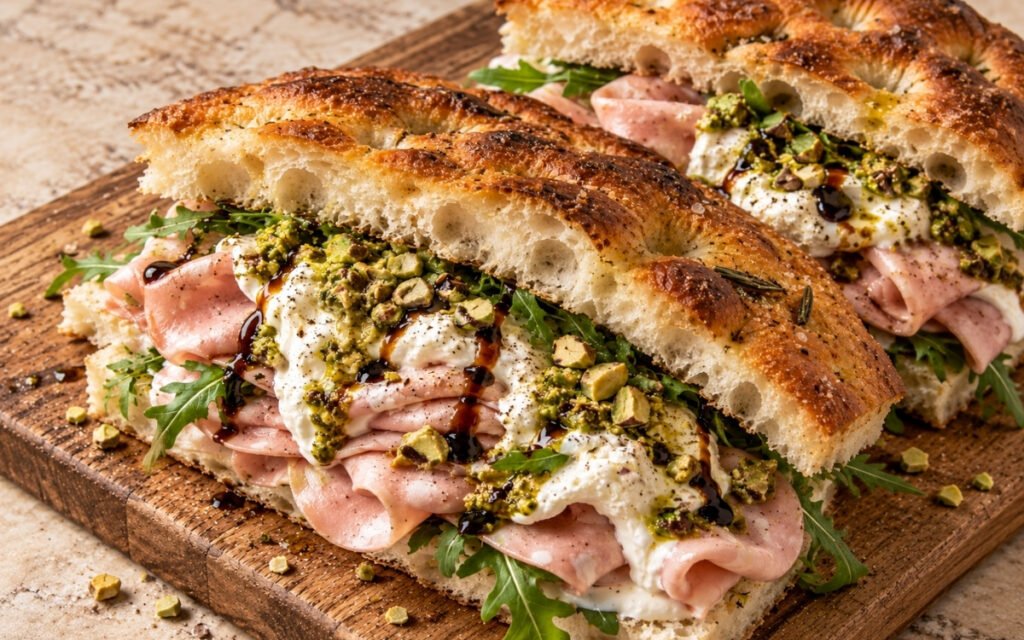
Mortadella Focaccia Sandwich with Stracciatella
Thick, airy focaccia layered with delicate mortadella and rich, creamy stracciatella for a soft, savory Italian sandwich.
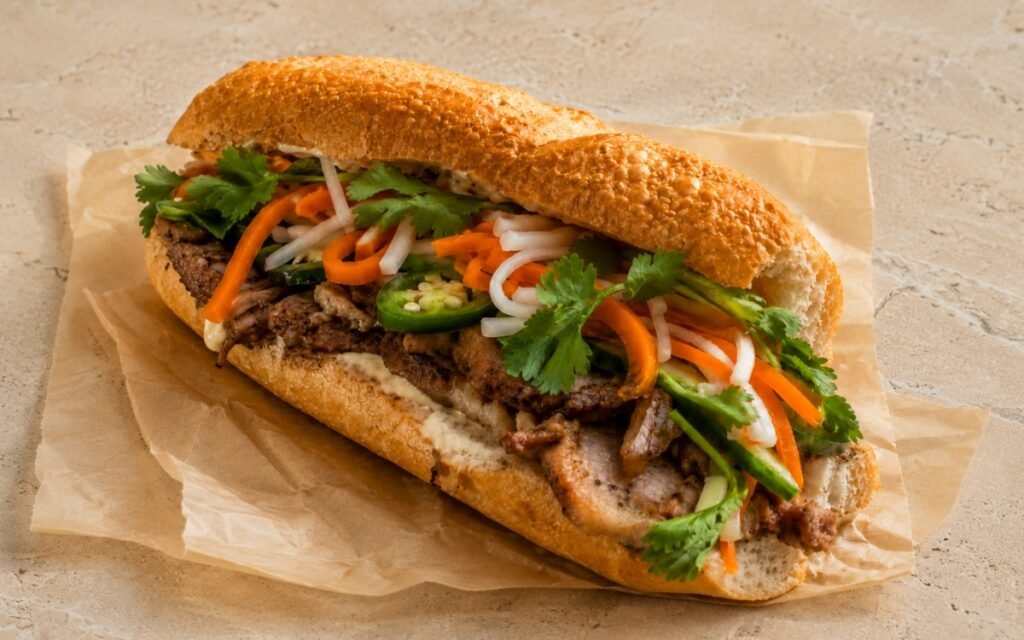
Crispy Pork Bánh Mì Sandwich
Roasted skin-on pork belly with crackling crisp skin, piled into a crusty baguette with pickled carrot and daikon, cucumber, and fresh herbs.

Pan-Seared Pork Medallions
Ingredients
Method
- Trim any silver skin from the pork tenderloin. Cut crosswise into 3cm thick medallions. Place each medallion between plastic wrap and gently pound to 2cm thickness for even cooking.
- Season the medallions generously with 8g salt and 4g black pepper. Dust lightly with 30g flour, shaking off any excess to ensure a light coating.
- Heat 30ml olive oil in a large skillet over high heat until shimmering. Add medallions in a single layer without overcrowding. Sear for 3 minutes until golden brown.
- Flip the medallions and cook another 3 minutes until just cooked through to 63°C internal temperature. Transfer to a plate and tent with foil.
- Reduce heat to medium. Add 40g butter to the pan. Once melted, pour in 125ml chicken stock and 60ml white wine, scraping up all the browned bits from the bottom of the pan.
- Simmer the sauce for 3 minutes until reduced by half and slightly thickened. Whisk in 15ml Dijon mustard until smooth.
- Return medallions to the pan briefly to coat with sauce. Transfer to serving plates, spoon remaining sauce over top, and garnish with 20g chopped fresh parsley. Serve immediately.