
Honey Mustard Pork Chops
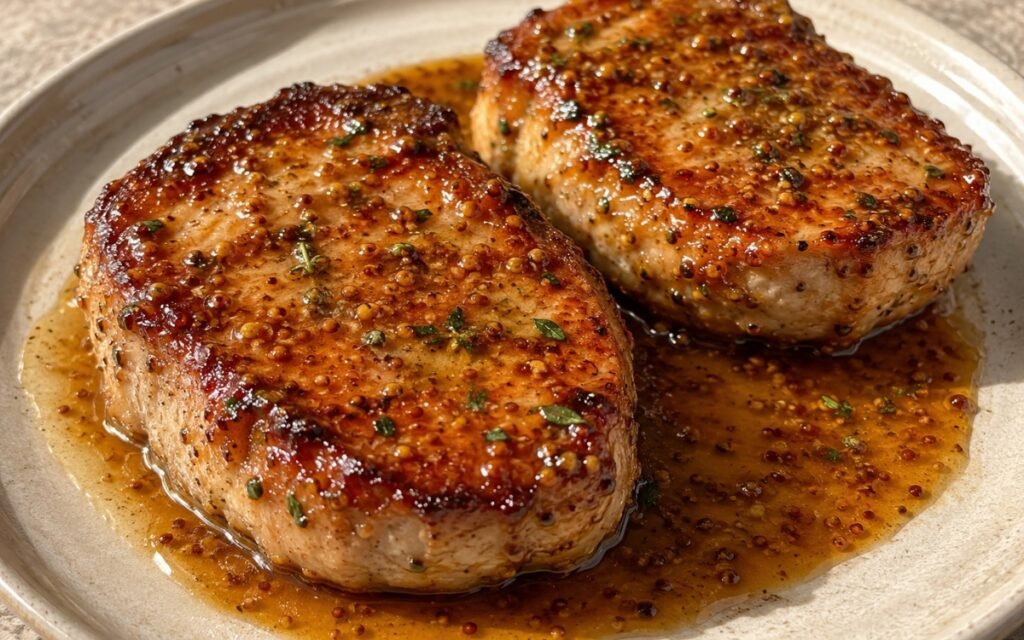
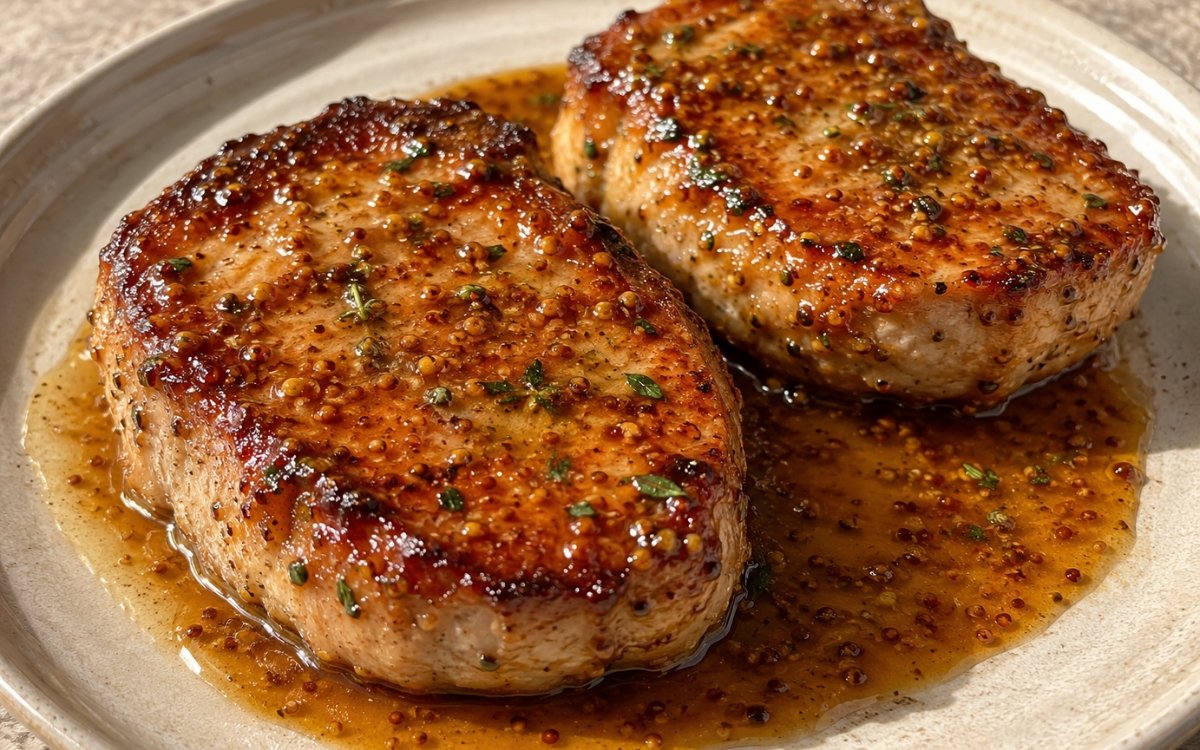
Honey Mustard Pork Chops deliver the perfect balance of sweet and tangy flavors with a gorgeous caramelized glaze. Seared to golden perfection and basted in a sticky honey-mustard sauce, they’re ready in under 30 minutes. The combination of whole grain and Dijon mustard creates incredible depth while the honey caramelizes into a restaurant-quality finish. The glaze is deliberately introduced only after the first sear rather than before, since honey’s high sugar content would burn almost immediately if it touched the pan during the initial high-heat searing stage — waiting until the flip lets the chops develop their crust first, then transitions into a gentler, glaze-basting phase that caramelizes gradually rather than scorching. Whole grain and Dijon mustard together provide two distinct textures and intensities of tang, the whole grain contributing bite and visual texture, the Dijon contributing smooth, concentrated sharpness that balances the honey’s sweetness. Continuous basting every two minutes builds layer upon layer of glaze onto the surface, thickening progressively as moisture evaporates and sugars concentrate. The result is a dish that’s genuinely restaurant-quality for a remarkably fast, weeknight-friendly total time.
Prep Time : 10 min
Cook Time : 18 min
Servings : 4
10 min
18 min
4
Ingredients
For the Pork
• 900g boneless pork chops (4 chops, about 2cm thick)
• 8g fine sea salt
• 4g freshly ground black pepper
• 25ml vegetable oil
For the Honey Mustard Glaze
• 80g honey — this one on Amazon
• 60g whole grain mustard — this one on Amazon
• 30g Dijon mustard — this one on Amazon
• 30ml apple cider vinegar
• 3 garlic cloves, minced
• 3g fresh thyme leaves
This post may contain affiliate links. As an Amazon Associate I earn from qualifying purchases, at no additional cost to you.
Directions
- Prepare the Pork Chops
Remove the 900g pork chops from refrigerator and let stand at room temperature for 20 minutes. Pat dry with paper towels and season both sides generously with 8g salt and 4g black pepper. - Make the Honey Mustard Glaze
In a medium bowl, whisk together the 80g honey, 60g whole grain mustard, 30g Dijon mustard, 30ml apple cider vinegar, minced garlic, and 3g fresh thyme leaves until well combined. Set aside. - Sear the Pork Chops
Heat the 25ml vegetable oil in a large skillet over medium-high heat until shimmering. Add pork chops and sear for 3 minutes without moving them until a deep golden-brown crust forms on the bottom. - Add the Glaze
Flip the chops to the second side. Immediately pour the honey mustard glaze over and around the pork chops, ensuring they’re well coated. - Cook and Baste
Reduce heat to medium. Continue cooking for 6 to 8 minutes, spooning the glaze over the chops every 2 minutes, until the internal temperature reaches 63°C (145°F) and the glaze becomes sticky and caramelized. - Thicken the Glaze
Transfer the cooked pork chops to a serving plate. If the remaining glaze in the skillet appears thin, simmer over medium heat for 2 minutes until it thickens to a syrupy consistency. - Rest and Serve
Let the pork chops rest for 5 minutes to allow juices to redistribute. Spoon the thickened glaze over the chops and serve immediately.
*Notes :
- Use fresh citrus whenever possible. Older fruit loses aromatic oils and Adding the glaze only after the first sear, rather than at the start, is a deliberate sequencing decision. Honey’s sugar content burns quickly at the higher heat needed for an initial sear, so introducing the glaze at the flip — once the heat has been reduced to medium — allows it to caramelize gradually into the sticky, glossy finish this dish is known for, rather than scorching on contact.
- The dual mustard approach provides two genuinely different textural and flavor contributions. Whole grain mustard’s intact seeds add visible texture and a milder, more rounded tang, while Dijon mustard’s smooth, concentrated sharpness fills in the flavor gap whole grain alone would leave. Together they produce more depth than either mustard could provide on its own.
- Basting every 2 minutes during the second cooking stage is what builds the glaze’s characteristic thickness and shine. Each pass adds another thin layer that reduces slightly before the next spoonful, gradually concentrating the sauce’s sugars and building toward the syrupy consistency the finished dish depends on.
Why This Recipe Works
This recipe works because the glaze is introduced only after the initial sear, avoiding the burnt honey that direct high-heat contact would cause. The dual mustard blend provides layered tang and texture.
Continuous basting builds the glaze’s thickness and shine progressively rather than relying on a single application. And a final quick reduction, plus a proper rest, ensures both the sauce and the pork chops themselves reach their best possible texture before serving.
Ingredient Breakdown
Boneless Pork Chops
The foundation — quick-cooking and well suited to this fast, glaze-forward technique.
Honey
The caramelizing sweetness — deliberately introduced only after the sear to avoid burning.
Whole Grain and Dijon Mustard
The dual-texture tang — bite and visible seeds from the whole grain, smooth sharpness from the Dijon.
Continuous Basting
The glaze-building technique — layering and concentrating the sauce progressively through the second cooking stage.
Flavor Structure Explained
This Honey Mustard Pork Chops follows a layered balance model:
- Savory pork core (seared pork chops)
- Sweet tangy glaze (honey mustard)
- Sharp mustard complexity (dual mustards)
- Bright acidic lift (apple cider vinegar)
- Aromatic depth (garlic and thyme)
The pork chop defines the foundation with a savory, deeply seared surface that gives the glaze something substantial to cling to and caramelize against. Honey mustard provides the main flavor identity, combining sweetness, sharpness, and tang in a glossy coating. The dual mustards add texture and complexity, preventing the honey from making the glaze feel flat or overly sweet. Apple cider vinegar brightens the mixture, cutting through the richness of the pork and keeping the finish lively. Garlic and fresh thyme add quiet aromatic depth, grounding the glaze with savory and herbal notes. The result is a pork chop preparation built around contrast, where caramelized sweetness, mustard sharpness, and seared pork remain balanced and clearly defined.
Common Mistakes to Avoid
- Adding the Glaze Before Searing – Burns the honey almost immediately at high heat. Always sear first, then add the glaze after flipping.
- Skipping the Basting Step – Produces a thinner, less developed glaze. Always spoon the sauce over the chops every 2 minutes.
- Overcooking Past 63°C – Produces drier pork than necessary. Always pull at the correct temperature and rest.
- Skipping the Final Reduction – Leaves the glaze too thin to properly coat the chops. Always simmer briefly if the sauce appears watery.
- Skipping the Rest – Releases juices immediately rather than allowing redistribution. Always rest for the full 5 minutes.
Variations
With Rosemary Instead of Thyme
Substitute finely chopped rosemary for a more assertive herbal note.
With Bone-In Chops
Substitute bone-in chops, extending the cook time slightly and watching internal temperature closely.
With Herb-Crusted Tenderloin
For a different pork preparation using a similarly aromatic approach, see the Garlic Herb Pork Tenderloin.
As Medallions
For a related pan-seared pork preparation in smaller portions, see the Pan-Seared Pork Medallions.
Storage & Make-Ahead
Honey mustard glaze can be made up to 3 days in advance and refrigerated in a sealed container.
Cooked pork chops can be refrigerated for up to 3 days. Reheat them gently with a splash of water to loosen the glaze.
Frequently Asked Questions
Why is the glaze added after searing instead of at the start?
Honey has a high sugar content that burns quickly at the high heat needed to properly sear pork chops. Adding the glaze after the flip, once the heat has been reduced to medium, allows the honey and mustard mixture to caramelize gradually into a sticky, glossy finish instead of scorching on contact with a hot, high-temperature pan.
Why use two types of mustard instead of just one?
Whole grain and Dijon mustard contribute genuinely different things. Whole grain adds visible texture from its intact seeds along with a milder, rounder tang; Dijon adds smooth, concentrated sharpness. Using both together produces more layered depth than either mustard alone would achieve.
What if my glaze doesn’t thicken enough in the skillet?
If the glaze still appears thin after the chops are cooked through, simply continue simmering it in the skillet over medium heat for a couple of additional minutes. The sugars will continue to concentrate as moisture evaporates, producing the syrupy consistency needed to properly coat the chops.
What should I serve alongside these pork chops?
Classic Mashed Potatoes or Garlic Butter Roasted Potatoes both pair naturally with the sweet, tangy glaze. For related pork preparations, try the Garlic Herb Pork Tenderloin or Pan-Seared Pork Medallions.
Nutrition Facts
( per serving )
Calories
~380 kcal
Protein
36 g
Fat
17 g
Carbs
20 g
Calories
~380 kcal
Protein
36 g
Fat
17 g
Carbs
20 g
Related Recipes
Related Recipes

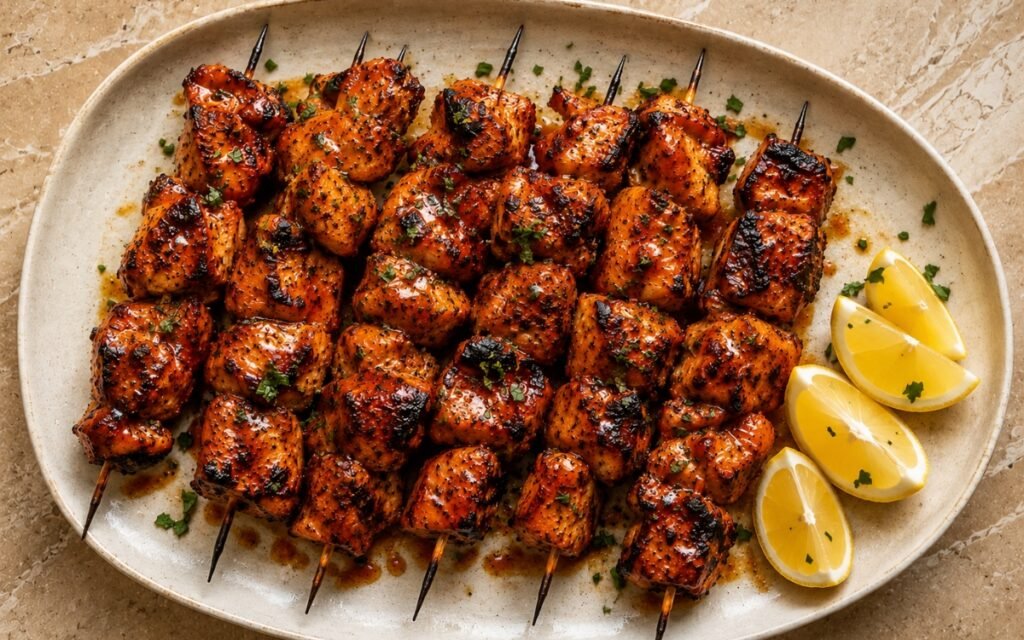
Grilled Chicken Skewers
Juicy grilled chicken skewers lacquered with caramelized honey–sriracha glaze for smoky, sticky heat.
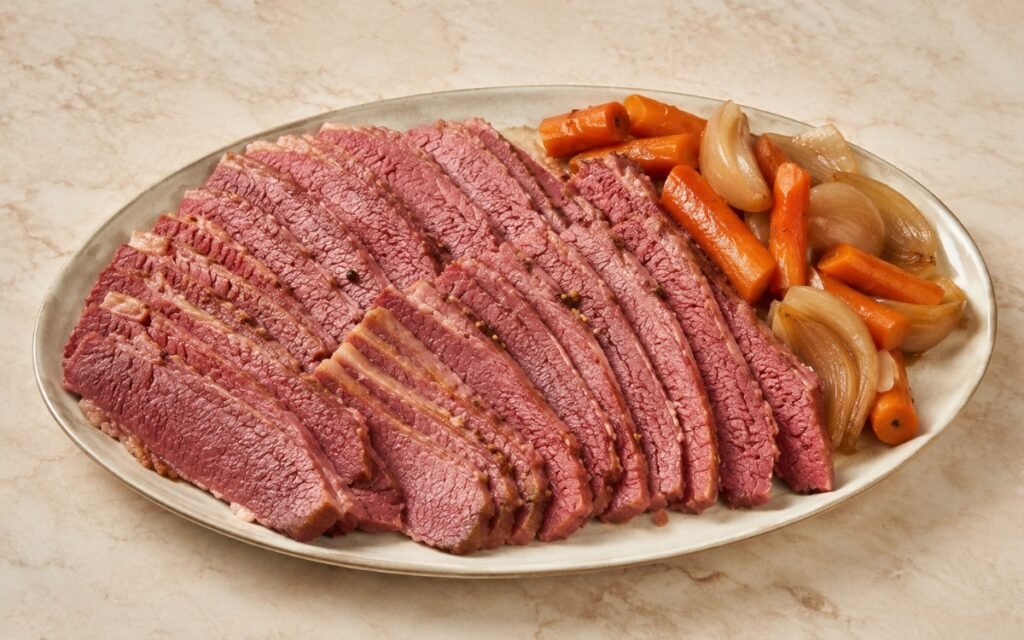
Homemade Corned Beef
Beef brisket cured in a spiced brine for a full week, then simmered gently until fork-tender, sliced thick against the grain.
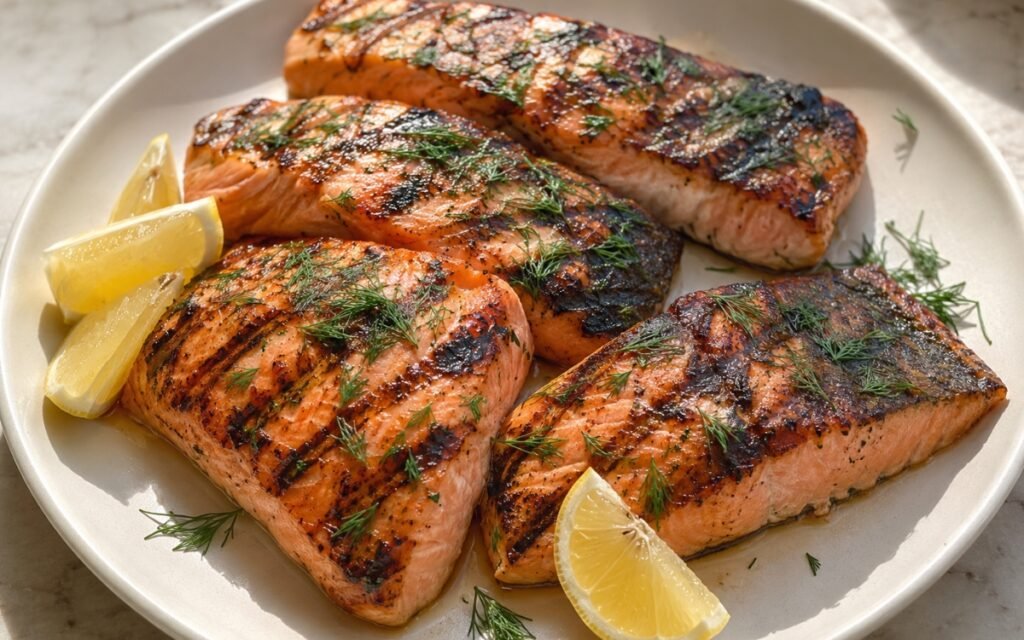
Grilled Salmon Fillets
Salmon skin dried thoroughly, flesh seasoned, grilled skin-side down undisturbed until crisp. Finished with dill and lemon. Clean and moist.
You might also like
You might also like
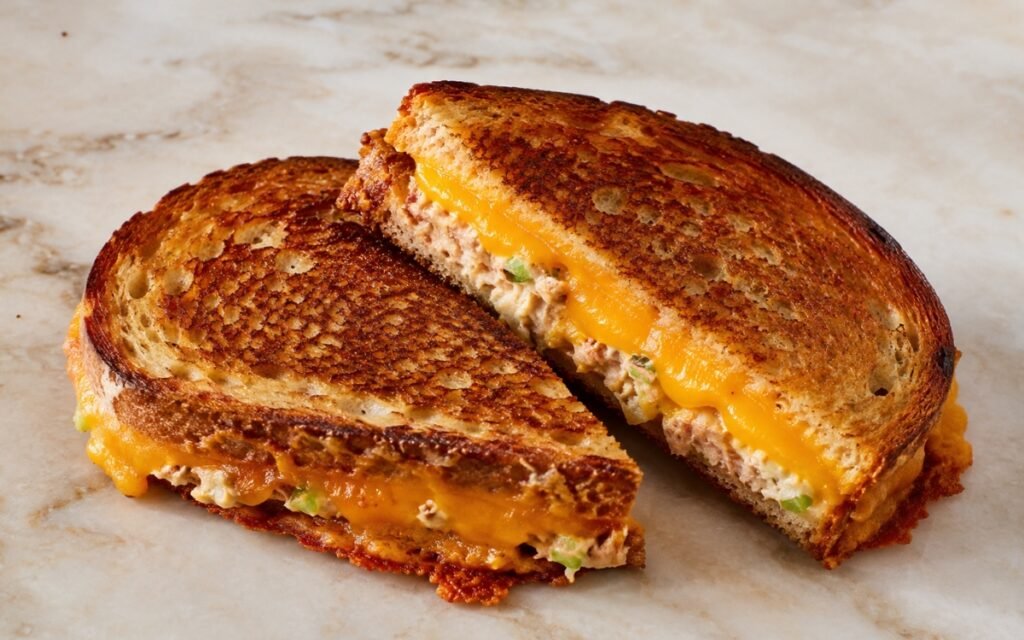
Tuna Melt
Creamy tuna salad and sharp melted cheddar griddled between buttery sourdough until deeply golden and crisp.
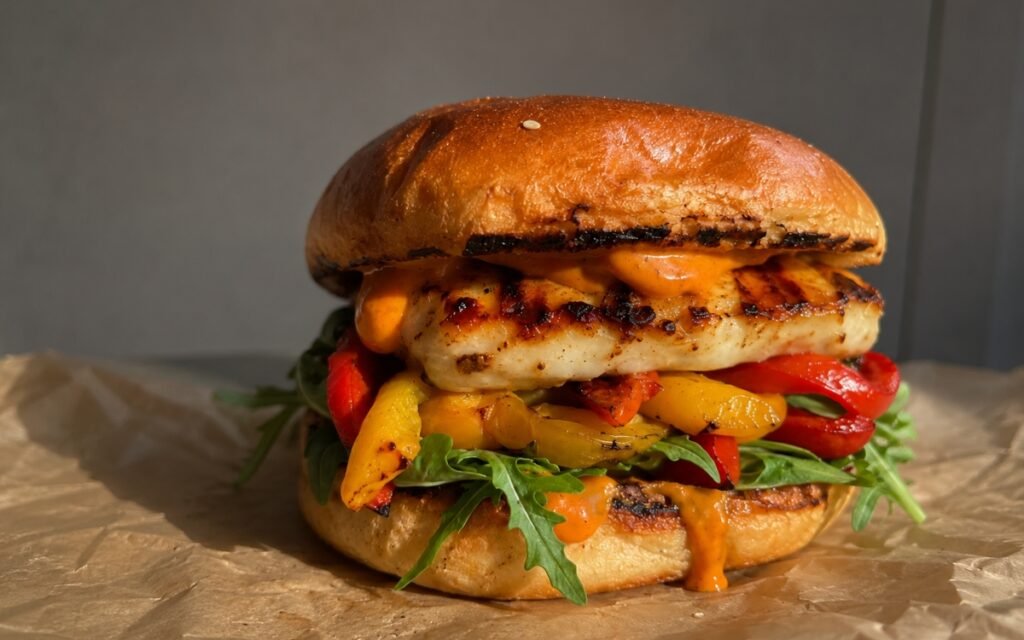
Grilled Halloumi Burger with Roasted Peppers
Golden grilled halloumi in a toasted brioche bun with caramelized peppers, peppery rocket, and creamy harissa-lime mayo.
Breakfast Burritos
Soft scrambled eggs, crispy breakfast potatoes, melted cheese, bacon, salsa, and avocado rolled in warm flour tortillas and toasted golden.

Honey Mustard Pork Chops
Ingredients
Method
- Remove the 900g pork chops from refrigerator and let stand at room temperature for 20 minutes. Pat dry with paper towels and season both sides generously with 8g salt and 4g black pepper.
- In a medium bowl, whisk together 80g honey, 60g whole grain mustard, 30g Dijon mustard, 30ml apple cider vinegar, minced garlic, and 3g fresh thyme leaves until well combined. Set aside.
- Heat 25ml vegetable oil in a large skillet over medium-high heat until shimmering. Add pork chops and sear for 3 minutes without moving them until a deep golden-brown crust forms on the bottom.
- Flip the chops to the second side. Immediately pour the honey mustard glaze over and around the pork chops, ensuring they're well coated.
- Reduce heat to medium. Continue cooking for 6 to 8 minutes, spooning the glaze over the chops every 2 minutes, until the internal temperature reaches 63°C (145°F) and the glaze becomes sticky and caramelized.
- Transfer the cooked pork chops to a serving plate. If the remaining glaze in the skillet appears thin, simmer over medium heat for 2 minutes until it thickens to a syrupy consistency.
- Let the pork chops rest for 5 minutes to allow juices to redistribute. Spoon the thickened glaze over the chops and serve immediately.