
Homemade Corned Beef
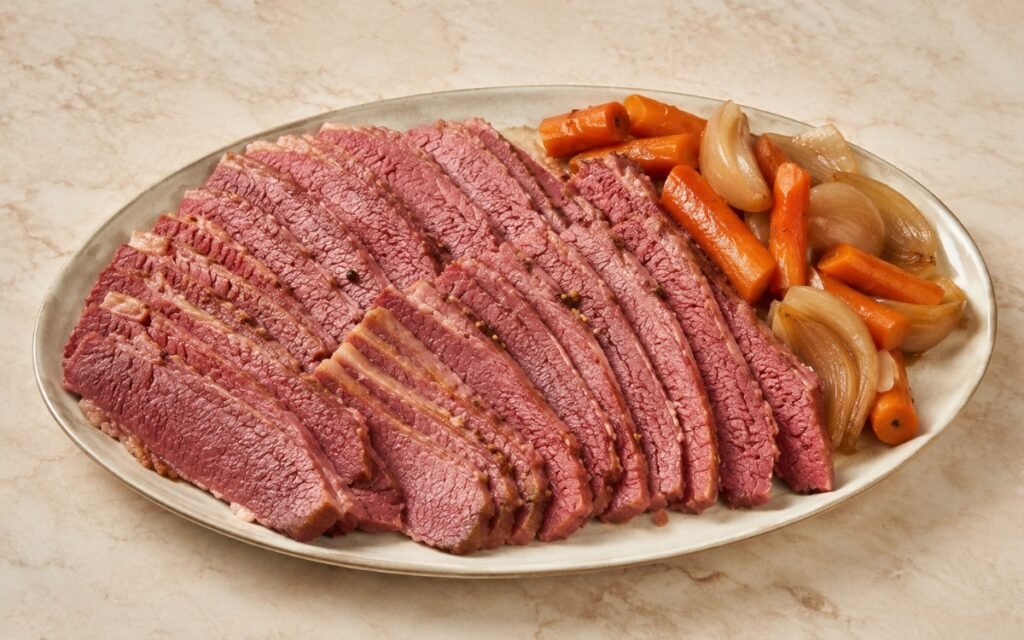
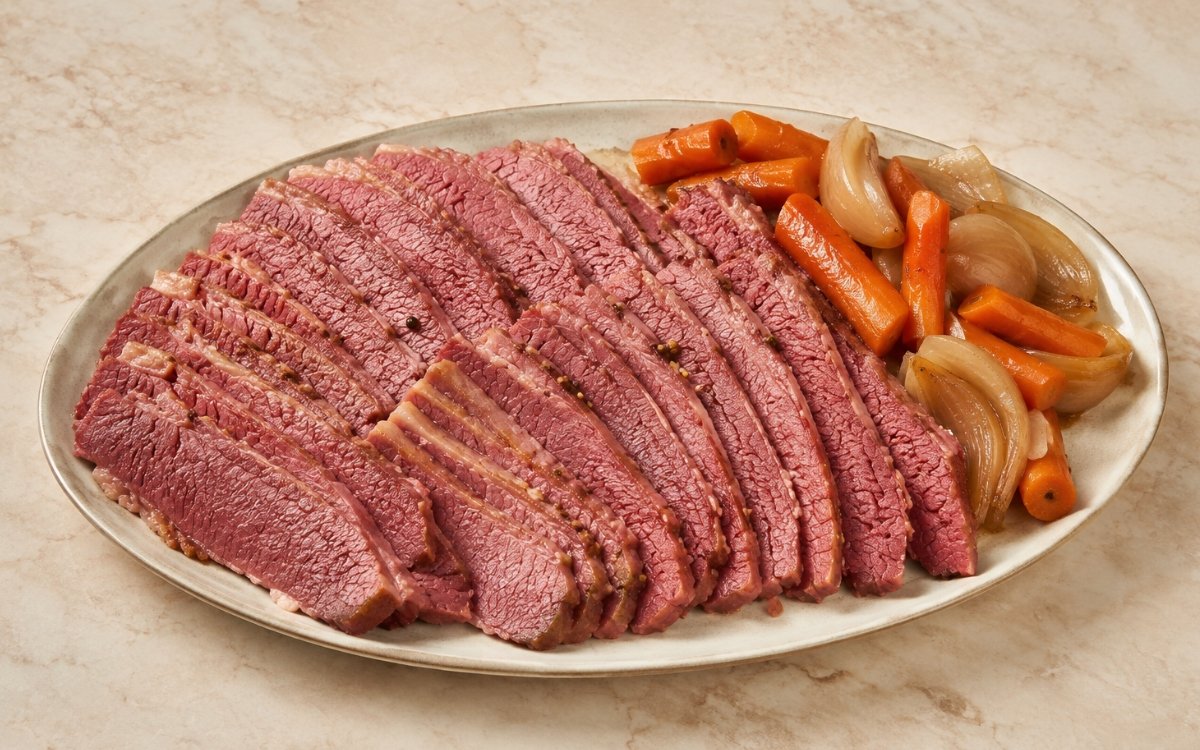
A whole beef brisket cured in a spiced brine for several days, then simmered low and slow with onion, carrot, and warm pickling spices until fork-tender, sliced thick against the grain to reveal the classic deep pink interior. Curing the brisket in a properly balanced brine for a full 5–7 days is the technique this whole recipe depends on — that extended soak is what allows the salt, sugar, and curing salt to fully penetrate the meat’s thickest sections, the same slow-penetration principle used elsewhere in this collection whenever a cure needs real time to work all the way through a substantial cut rather than just seasoning its surface. Keeping the brine’s simmer gentle rather than a hard boil, both during the initial cook and the brisket’s final tenderising simmer, is what protects the meat from turning tough and stringy. Slicing only against the grain, once the brisket is fully rested, is what makes even this naturally fibrous cut genuinely tender to bite through. The payoff is a brisket with the classic pink-cured colour throughout, tender enough to pull apart with a fork, ready to be sliced thick for a plate or thin for a sandwich.
Prep Time : 30 min
Cook Time : 3 hr, 30 min
Servings : 8
30 min
3 hr, 30 min
8
Ingredients
For the Curing Brine
• 3 litres water
• 220g kosher salt
• 100g brown sugar
• 25g pink curing salt (Prague Powder No. 1), optional but traditional for the classic pink colour and flavour — this one on Amazon
• 8 garlic cloves, smashed
• 3 bay leaves
• 2 tbsp black peppercorns
• 1 tbsp yellow mustard seeds — this one on Amazon
• 1 tbsp coriander seeds — this one on Amazon
• 1 tsp whole cloves — this one on Amazon
• 1 tsp allspice berries — this one on Amazon
• 4–5 pieces dried ginger, or a 5cm piece fresh ginger, sliced
• 2 cinnamon sticks
For the Brisket
• 2–2.2kg beef brisket, flat cut, trimmed of very thick fat cap but not fully
For the Pickling Spice (Cooking Day)
• 1 tbsp black peppercorns
• 1 tbsp mustard seeds
• 1 tbsp coriander seeds
• 1 tsp whole cloves
• 1 tsp allspice berries
• 2 bay leaves
• 1 cinnamon stick
For the Aromatics
• 1 large yellow onion, quartered
• 3 carrots, cut into large chunks
• 4 garlic cloves, smashed
• Water or beef stock, enough to cover the brisket
This post may contain affiliate links. As an Amazon Associate I earn from qualifying purchases, at no additional cost to you.
Directions
- Make the Curing Brine
Combine the water, kosher salt, brown sugar, and pink curing salt if using in a large pot. Bring to a simmer, stirring until the salt and sugar fully dissolve. Add the garlic, bay leaves, peppercorns, mustard seeds, coriander seeds, cloves, allspice, ginger, and cinnamon sticks. Simmer for 3–4 minutes to release the spices’ aromatics into the liquid, then remove from the heat and cool completely to room temperature, then refrigerate until fully cold. Do not add the brisket to warm brine. Warm brine begins cooking the meat’s surface unevenly and can encourage bacterial growth before the salt has a chance to properly penetrate. Bringing the spices to a brief simmer before cooling blooms their aromatic oils directly into the liquid, producing a considerably more fragrant brine than simply steeping the same spices cold would achieve. - Cure the Brisket
Place the trimmed brisket in a large non-reactive container or a heavy-duty brining bag. Pour the fully cooled brine over the brisket, making sure it’s completely submerged. If needed, weigh it down with a plate. Cover and refrigerate for 5–7 days, turning the brisket once a day so it cures evenly on all sides. The longer end of this range produces a more deeply and evenly cured result, particularly for a thicker brisket. This is the main turning point in the entire recipe. A brisket cured for only a day or two will taste more like a seasoned pot roast than genuine corned beef, with the cure not having had time to reach the centre of the meat. Turning the brisket daily matters because even fully submerged meat can settle unevenly against a container’s sides — that daily turn ensures every surface spends roughly equal time in the most concentrated part of the brine. - Rinse and Prepare for Cooking
Remove the brisket from the brine and discard the used brine. Rinse the brisket thoroughly under cold running water to remove excess surface salt and spice residue. Pat dry. If desired, soak the brisket in a bowl of fresh cold water for 30–60 minutes, changing the water once, to draw out some of the surface salt before cooking — this step is optional but helps if the final dish tastes too salty. Rinsing thoroughly at this stage matters more than it might seem, since a week of curing leaves a considerable amount of surface salt and spice clinging to the meat that would otherwise oversalt the cooking liquid before it’s even added. - Simmer the Corned Beef
Place the rinsed brisket in a large, heavy pot. Add the fresh pickling spices — peppercorns, mustard seeds, coriander seeds, cloves, allspice, bay leaves, and cinnamon stick — along with the quartered onion and smashed garlic. Add water or beef stock until the brisket is fully covered by at least 2–3cm. Bring to a boil, then immediately reduce to a low, gentle simmer. Skim off any grey foam that rises to the surface in the first 15–20 minutes. Cover and simmer gently for 3 to 3½ hours, until the brisket is fork-tender. Add the carrot chunks during the final 45 minutes of cooking if serving them alongside. Do not let this boil hard at any point. A hard boil toughens the muscle fibres faster than the connective tissue can break down, producing dry, stringy meat instead of tender corned beef. Skimming the grey foam in the first phase removes coagulated proteins that would otherwise cloud the finished cooking liquid and settle as a scummy layer on the meat’s surface — this early attentiveness pays off directly in how clean the finished broth looks and tastes. - Rest the Brisket
Remove the brisket from the pot and transfer it to a cutting board. Tent loosely with foil and let it rest for 15–20 minutes before slicing. Reserve some of the cooking liquid if you want to moisten the sliced meat or use it as a base for other dishes. This rest allows the juices, which contracted toward the centre of the meat during the long simmer, to redistribute evenly back through the whole brisket — slicing immediately would release much of that moisture onto the board rather than keeping it in the meat. - Slice Against the Grain
Identify the direction the muscle fibres run across the brisket. Slice against that grain into slices about 6–8mm thick for serving on a plate, or thinner if the corned beef will go into sandwiches. Slicing against the grain shortens each individual muscle fibre in every piece, which is specifically what makes a naturally fibrous cut like brisket genuinely tender to bite through — cut the wrong direction, even perfectly cooked corned beef will taste noticeably chewier than it should. - Serve
Serve the sliced corned beef warm, with the cooked carrots and onion alongside if desired, and a little of the reserved cooking liquid spooned over for moisture. Corned beef holds its temperature and texture reasonably well for a short window after slicing, but it’s at its most tender and juicy served promptly rather than left sitting on the board.
*Notes :
- The extended curing time — a full 5 to 7 days rather than an overnight soak — is worth understanding as the single most consequential decision in this entire recipe. Salt, sugar, and the curing agents in the brine need genuine time to travel from the brisket’s surface all the way to its centre, and that penetration happens slowly through a piece of meat this thick. A brisket pulled from the brine after only a day or two will still taste noticeably different at its centre compared to its edges — properly cured, edge-to-edge, deep pink colour and fully developed corned beef flavour depend on giving the cure the full week it needs.
- Keeping every simmer in this recipe gentle rather than at a rolling boil is a thread worth tracking across the whole process, both when the brine itself is prepared and during the brisket’s long final cook. Aggressive boiling agitates muscle fibres more forcefully than a gentle simmer does, tightening them and driving out moisture faster than the connective tissue has time to convert into gelatin — the result is the classic failure mode of dry, stringy corned beef, entirely avoidable by keeping the heat patient throughout.
- Rinsing the brisket thoroughly after its week in the brine is a step that’s easy to underestimate the importance of. A full week of curing leaves the meat’s surface genuinely saturated with salt and spice, far more than what’s needed once the brisket moves into its final cooking liquid — skipping a proper rinse carries all of that surface concentration directly into the pot, risking an oversalted final dish even before any additional seasoning is considered.
- Slicing against the grain is worth treating as a non-negotiable final step rather than a minor technique note, since brisket’s fibre structure is genuinely coarse and directional. Even a perfectly cured, perfectly simmered brisket will taste tough and stringy if sliced the wrong way — identifying the grain’s direction before the first cut, and adjusting the angle as needed across the piece, is what actually delivers the tender bite properly cooked corned beef is known for.
Why This Recipe Works
This recipe works because the brisket is given real time — a full 5 to 7 days — for the curing brine to penetrate all the way through rather than just seasoning the surface, and every simmer throughout the process, from preparing the brine to the final tenderising cook, stays gentle rather than aggressive to protect the meat’s texture.
Thorough rinsing after curing prevents an oversalted final dish, resting before slicing keeps the meat juicy, and slicing strictly against the grain is what makes this naturally fibrous cut genuinely tender to eat.
Ingredient Breakdown
Beef Brisket (Flat Cut)
The specified cut — its structure and fat content are well suited to a long cure followed by a long, gentle simmer.
Pink Curing Salt (Prague Powder No. 1)
The traditional curing agent — responsible for corned beef’s classic deep pink colour and part of its distinctive cured flavour.
Full 5–7 Day Curing Time
The critical timing — gives the brine’s salt and spices genuine time to penetrate all the way through the brisket’s thickness.
Fresh Pickling Spices (Cooking Day)
The simmering aromatics — a new batch added during the final cook, distinct from the spices used in the original curing brine.
Gentle, Patient Simmer
The cooking technique — kept well below a boil throughout, protecting the meat’s connective tissue from toughening prematurely.
Flavor Structure Explained
This corned beef follows a layered balance model:
- Deep cured savoury foundation (brined, spiced beef)
- Warm aromatic spice (mustard seed, coriander, allspice, clove)
- Sweet rounding undertone (brown sugar in the brine)
- Fresh vegetal accompaniment (simmered onion, carrot)
The cured brisket defines the dish with deep, salty, distinctly savoury flavour built up over its extended time in the brine. Mustard seed, coriander, allspice, and clove — present in both the curing brine and the cooking liquid — layer in warm, complex spice throughout the meat. A modest amount of brown sugar in the brine rounds out that saltiness without ever reading as sweet. Simmered onion and carrot, cooked directly in the same liquid, provide a mild, fresh vegetal counterpoint that traditionally accompanies the sliced beef on the plate.
Common Mistakes to Avoid
- Curing for Too Short a Time – A brisket cured for only a day or two tastes like a seasoned pot roast rather than genuine corned beef, with the cure not reaching the meat’s centre. Always give it the full 5–7 days.
- Adding the Brisket to Warm Brine – This begins cooking the surface unevenly and can encourage bacterial growth before proper curing takes place. Always cool the brine fully before submerging the meat.
- Boiling Instead of Simmering – A hard boil toughens the meat’s fibres faster than the connective tissue can break down. Always keep the heat gentle throughout the cook.
- Skipping the Rinse After Curing – This carries a full week’s worth of surface salt directly into the cooking liquid. Always rinse thoroughly before the final simmer.
- Slicing With the Grain Instead of Against It – Even perfectly cooked corned beef tastes tough and stringy sliced the wrong direction. Always identify the grain and slice across it.
Variations
Spicier Version
Add a whole dried chile or a generous pinch of red pepper flakes to the curing brine for a subtle background heat throughout the finished beef.
Guinness-Braised Version
Substitute a portion of the final cooking liquid with stout beer for a deeper, slightly bitter, malty background note.
Cabbage Addition
Add wedges of green cabbage to the pot during the final 20–25 minutes of simmering for a traditional full boiled dinner presentation.
Shorter Cure (Modified Result)
If time is limited, a minimum of 3 days will still produce a reasonably flavoured result, though the colour and flavour will be noticeably less developed throughout the centre compared to the full week.
Storage & Make-Ahead
The curing brine can be made a day ahead and refrigerated until fully cold before adding the brisket.
The brisket must cure for its full 5–7 days in the refrigerator, submerged in brine, before cooking.
Cooked corned beef can be refrigerated in an airtight container, ideally with a little of its cooking liquid, for up to 5 days.
Corned beef freezes well once cooked — wrap tightly and freeze for up to 3 months; thaw in the refrigerator before reheating gently in a covered pan with a splash of liquid.
Frequently Asked Questions
Why does the brisket need to cure for a full 5 to 7 days rather than overnight?
Salt and the curing agents need genuine time to travel from the meat’s surface all the way to its centre, and that penetration happens slowly through a cut this thick. A shorter cure leaves the centre tasting noticeably different from the edges, closer to a seasoned pot roast than properly cured corned beef.
Why must the brine be fully cooled before the brisket is added?
Warm brine begins cooking the meat’s surface unevenly right away, before the salt has had any real chance to penetrate, and it can also create conditions favourable to bacterial growth during the several days the meat needs to sit submerged.
Why is it important to rinse the brisket thoroughly before the final cook?
A full week of curing leaves the meat’s surface saturated with far more salt and spice than the finished dish needs. Skipping a proper rinse carries that concentrated surface seasoning directly into the cooking liquid, risking an oversalted result.
Why does the final simmer need to stay so gentle rather than a rolling boil?
A hard boil agitates the muscle fibres more forcefully than a gentle simmer, tightening them and pushing out moisture faster than the connective tissue can convert into gelatin. The result is dry, stringy meat instead of the tender texture proper corned beef should have.
What are some classic ways to use this corned beef?
Reuben Sandwich is the essential, classic pairing — griddled rye, melted Swiss, sauerkraut, and Russian dressing built directly around this beef. French Dip Sandwich and Italian Beef Sandwich both offer related directions worth trying as well, using a similarly rich, thinly sliced beef in a sandwich format, though built around different braising and seasoning techniques than a true cure.
Nutrition Facts
( per serving )
Calories
~420 kcal
Protein
38 g
Fat
26 g
Carbs
4 g
Calories
~420 kcal
Protein
38 g
Fat
26 g
Carbs
4 g
Related Recipes
Related Recipes

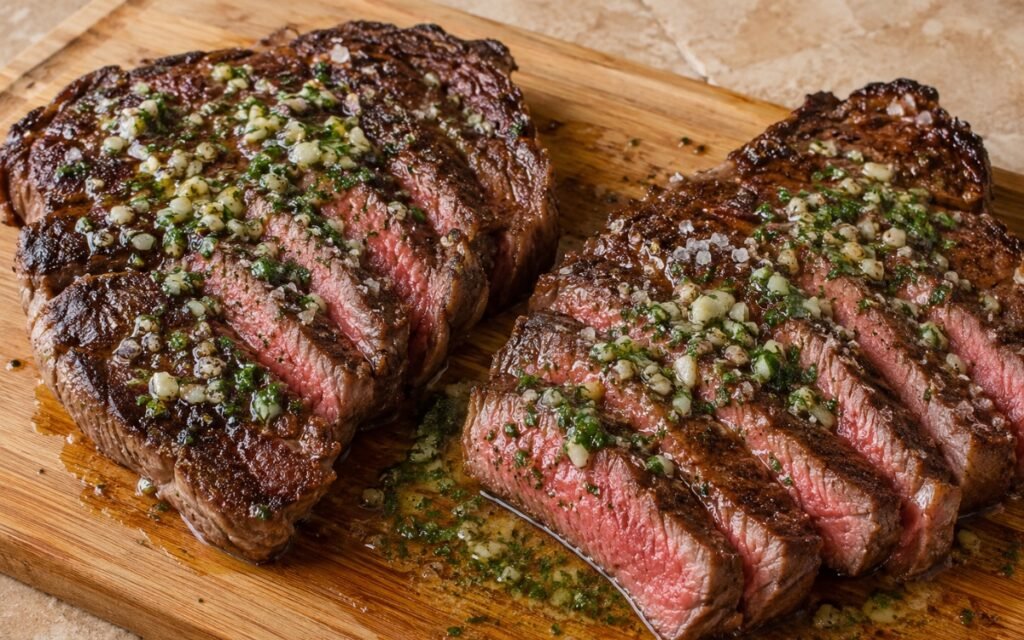
Garlic Butter Sirloin Steak
Sirloin steak tempered and seared 3 minutes per side, garlic parsley butter melted on off the heat — rested and sliced. Tender and restaurant-quality.
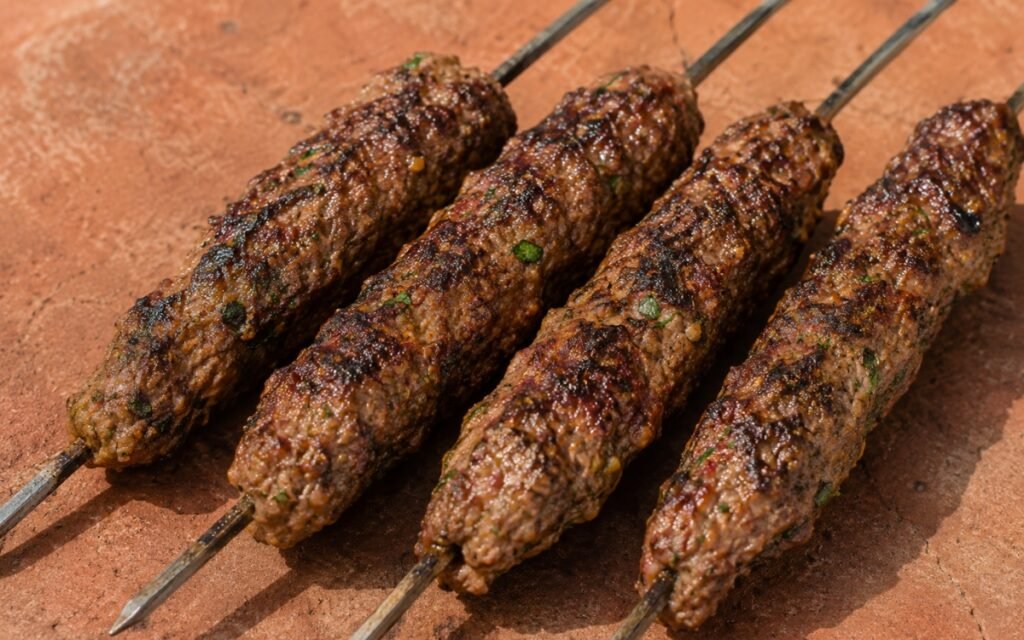
Simple Beef Kofta Skewers
Ground beef mixed thoroughly, shaped firmly around skewers, chilled, grilled with controlled rotation until charred. Structured and juicy.
Chicken Parmigiana
Crispy fried cutlets topped with homemade marinara, fresh mozzarella, and Parmesan, baked until bubbling and golden — the complete American-Italian classic from scratch in 55 minutes.

You might also like
You might also like
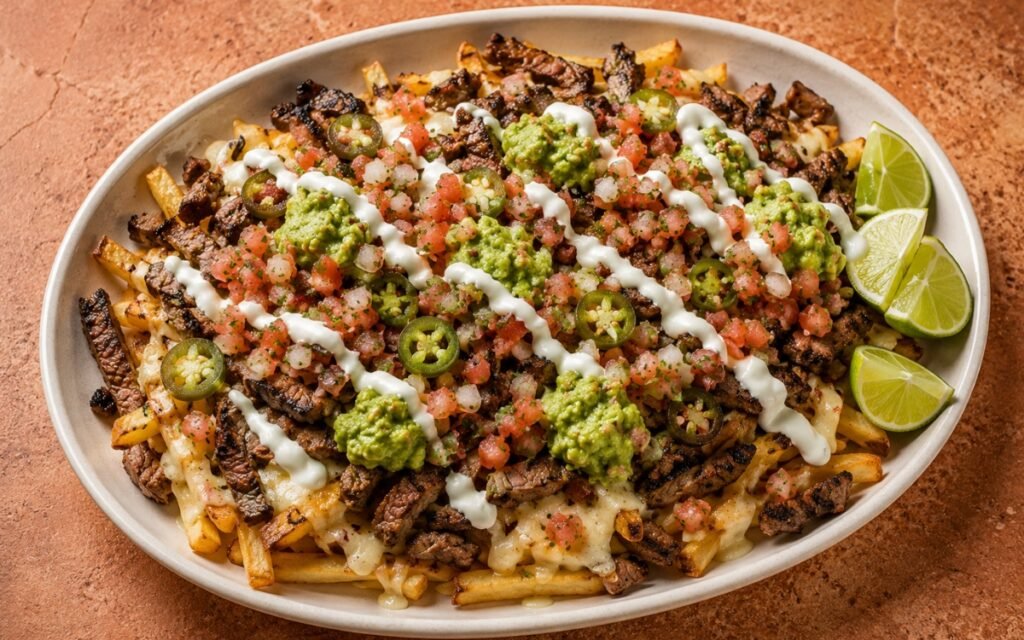
Carne Asada Fries
Double-fried thick-cut fries layered with charred citrus-marinated carne asada, melted mozzarella and cotija, guacamole, and pico de gallo.
Easy Spaghetti and Meatballs
Beef and pork meatballs on a panade, deeply browned, simmered in San Marzano marinara — 60 minutes.
Chiles en Nogada
Roasted poblano peppers stuffed with a savoury-sweet pork and beef picadillo, covered in creamy white walnut sauce, and finished with pomegranate seeds.
Homemade Corned Beef
Ingredients
Method
- Combine the water, kosher salt, brown sugar, and pink curing salt if using in a large pot. Bring to a simmer, stirring until the salt and sugar fully dissolve. Add the garlic, bay leaves, peppercorns, mustard seeds, coriander seeds, cloves, allspice, ginger, and cinnamon sticks. Simmer for 3–4 minutes to release the spices’ aromatics into the liquid, then remove from the heat and cool completely to room temperature, then refrigerate until fully cold. Do not add the brisket to warm brine. Warm brine begins cooking the meat’s surface unevenly and can encourage bacterial growth before the salt has a chance to properly penetrate. Bringing the spices to a brief simmer before cooling blooms their aromatic oils directly into the liquid, producing a considerably more fragrant brine than simply steeping the same spices cold would achieve.
- Place the trimmed brisket in a large non-reactive container or a heavy-duty brining bag. Pour the fully cooled brine over the brisket, making sure it’s completely submerged. If needed, weigh it down with a plate. Cover and refrigerate for 5–7 days, turning the brisket once a day so it cures evenly on all sides. The longer end of this range produces a more deeply and evenly cured result, particularly for a thicker brisket. This is the main turning point in the entire recipe. A brisket cured for only a day or two will taste more like a seasoned pot roast than genuine corned beef, with the cure not having had time to reach the centre of the meat. Turning the brisket daily matters because even fully submerged meat can settle unevenly against a container’s sides — that daily turn ensures every surface spends roughly equal time in the most concentrated part of the brine.
- Remove the brisket from the brine and discard the used brine. Rinse the brisket thoroughly under cold running water to remove excess surface salt and spice residue. Pat dry. If desired, soak the brisket in a bowl of fresh cold water for 30–60 minutes, changing the water once, to draw out some of the surface salt before cooking — this step is optional but helps if the final dish tastes too salty. Rinsing thoroughly at this stage matters more than it might seem, since a week of curing leaves a considerable amount of surface salt and spice clinging to the meat that would otherwise oversalt the cooking liquid before it’s even added.
- Place the rinsed brisket in a large, heavy pot. Add the fresh pickling spices — peppercorns, mustard seeds, coriander seeds, cloves, allspice, bay leaves, and cinnamon stick — along with the quartered onion and smashed garlic. Add water or beef stock until the brisket is fully covered by at least 2–3cm. Bring to a boil, then immediately reduce to a low, gentle simmer. Skim off any grey foam that rises to the surface in the first 15–20 minutes. Cover and simmer gently for 3 to 3½ hours, until the brisket is fork-tender. Add the carrot chunks during the final 45 minutes of cooking if serving them alongside. Do not let this boil hard at any point. A hard boil toughens the muscle fibres faster than the connective tissue can break down, producing dry, stringy meat instead of tender corned beef. Skimming the grey foam in the first phase removes coagulated proteins that would otherwise cloud the finished cooking liquid and settle as a scummy layer on the meat’s surface — this early attentiveness pays off directly in how clean the finished broth looks and tastes.
- Remove the brisket from the pot and transfer it to a cutting board. Tent loosely with foil and let it rest for 15–20 minutes before slicing. Reserve some of the cooking liquid if you want to moisten the sliced meat or use it as a base for other dishes. This rest allows the juices, which contracted toward the centre of the meat during the long simmer, to redistribute evenly back through the whole brisket — slicing immediately would release much of that moisture onto the board rather than keeping it in the meat.
- Identify the direction the muscle fibres run across the brisket. Slice against that grain into slices about 6–8mm thick for serving on a plate, or thinner if the corned beef will go into sandwiches. Slicing against the grain shortens each individual muscle fibre in every piece, which is specifically what makes a naturally fibrous cut like brisket genuinely tender to bite through — cut the wrong direction, even perfectly cooked corned beef will taste noticeably chewier than it should.
- Serve the sliced corned beef warm, with the cooked carrots and onion alongside if desired, and a little of the reserved cooking liquid spooned over for moisture. Corned beef holds its temperature and texture reasonably well for a short window after slicing, but it’s at its most tender and juicy served promptly rather than left sitting on the board.