
Italian Beef Sandwich
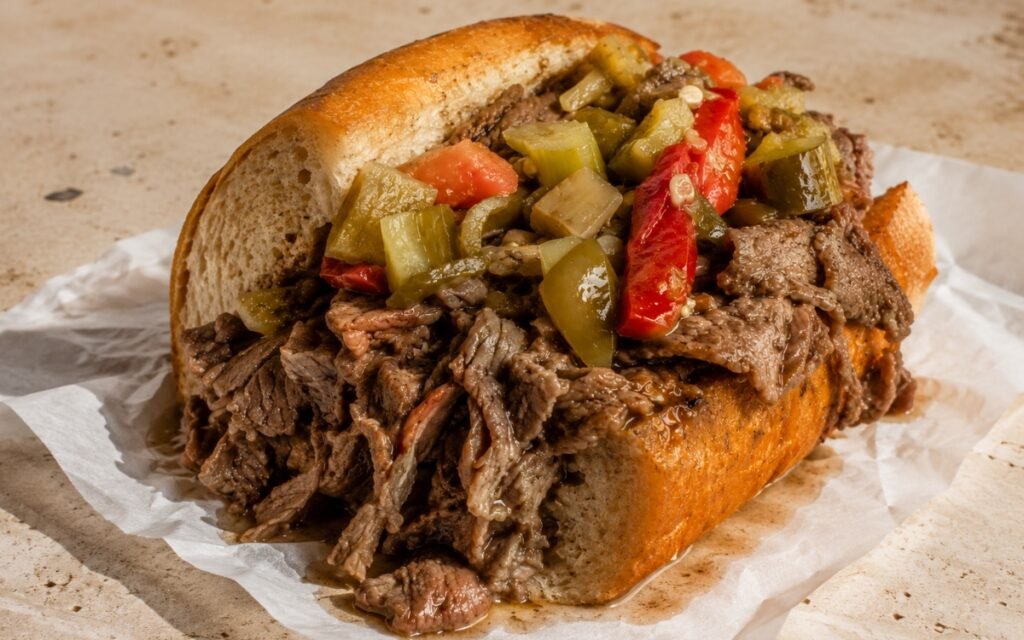
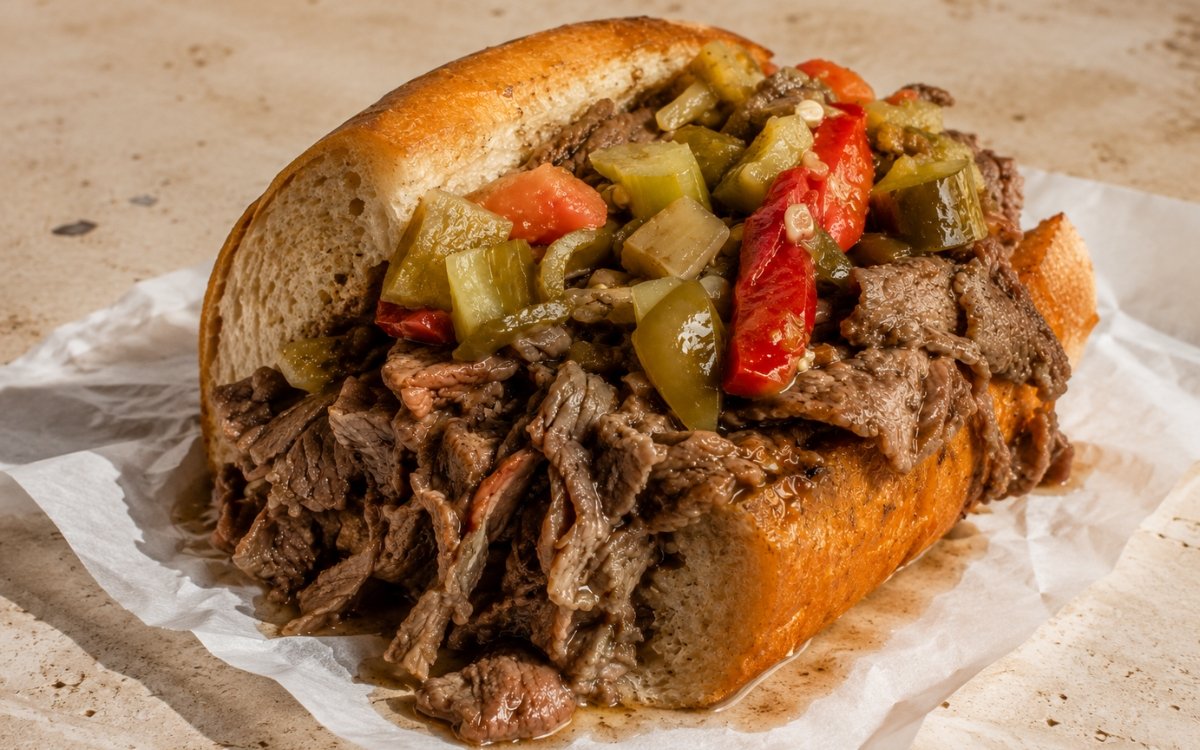
A Chicago-style Italian beef sandwich made with thinly sliced roast beef warmed in a heavily seasoned beef au jus, piled into crusty homemade French rolls, and topped with homemade green giardiniera and roasted sweet peppers. Slicing the beef as thin as possible, after chilling it firm, is the technique this whole sandwich depends on — thick slices simply don’t behave the same way once warmed in jus, staying chewy rather than becoming the loose, dripping, tender beef this style is known for, the same thin-slice-after-chill principle used elsewhere in this collection whenever a roast needs to be sliced deli-thin. Building a genuinely heavily seasoned au jus, rather than a mild broth, matters just as much, since that jus has to do double duty seasoning the beef and soaking into the bread — a weak jus produces a weak sandwich regardless of how well the beef itself was roasted. Resting the giardiniera for a full 24 hours rather than serving it same-day is what lets its sharp, oily, spicy character fully develop. The payoff is a sandwich with real structural drama — juicy, dripping beef piled high in a crusty but yielding roll, topped with sharp, crunchy giardiniera and sweet roasted peppers.
Prep Time : 45 min
Cook Time : 1 hr, 20 min
Servings : 4
45 min
1 hr, 20 min
4
Ingredients
For the Chicago-Style French Rolls
• 450g bread flour or strong all-purpose flour — this one on Amazon
• 290–300ml water, about 30°C
• 6g active dry yeast
• 8g sugar
• 9g fine sea salt
• 12g neutral oil or olive oil
For the Beef
• 1kg beef roast, preferably top round, bottom round, sirloin roast, or eye of round
• 2 tsp fine sea salt
• 1 tsp black pepper
• 1 tsp garlic powder — this one on Amazon
• 1 tsp onion powder — this one on Amazon
• 1 tsp dried oregano — this one on Amazon
• 1 tbsp neutral oil, for searing
For the Chicago-Style Au Jus
• 1.2 litres beef stock
• Beef roasting juices from the pan
• 4 garlic cloves, minced
• 1 tbsp dried oregano
• 1 tsp dried basil — this one on Amazon
• 1 tsp onion powder
• 1 tsp garlic powder
• 1 tsp crushed red pepper flakes, or to taste — this one on Amazon
• ½ tsp black pepper
• ½ tsp celery salt, optional
• 1 tbsp Worcestershire sauce
• 1 tbsp beef bouillon paste or powder, optional but useful for stronger flavour
• Fine sea salt, to taste
For the Homemade Green Giardiniera
• 120g cauliflower florets, cut small
• 100g celery, diced
• 100g carrot, diced small
• 80g green bell pepper, diced
• 60g serrano peppers or jalapeños, sliced
• 60g green olives, sliced, optional but good
• 2 garlic cloves, thinly sliced
• 18g fine sea salt
• 300ml white vinegar
• 150ml water
• 1 tsp dried oregano
• ½ tsp red pepper flakes
• ½ tsp black pepper
• 180ml neutral oil or light olive oil
For the Roasted Sweet Peppers
• 2 green bell peppers
• 2 red bell peppers
• 1 tbsp olive oil
• Fine sea salt, to taste
For Assembly
• 4 homemade Chicago-style French rolls
• Warm sliced beef in au jus
• Homemade green giardiniera
• Roasted sweet peppers
• Extra hot au jus, for dipping or wetting the sandwich
This post may contain affiliate links. As an Amazon Associate I earn from qualifying purchases, at no additional cost to you.
Directions
- Make the Giardiniera
Combine the cauliflower, celery, carrot, green bell pepper, serrano or jalapeño, olives if using, and sliced garlic in a bowl. Toss with the salt, cover, and refrigerate for 8–12 hours. Drain the vegetables and rinse briefly under cold water. Drain very well. In a clean jar or container, combine the vinegar, water, oregano, red pepper flakes, black pepper, and oil. Add the drained vegetables and mix well. Refrigerate for at least 12 hours, ideally 24 hours. The giardiniera should be crunchy, sharp, oily, spicy, and green-heavy. If it tastes flat, it needs more salt or vinegar. If it tastes like raw vegetables floating in oil, it was not rested long enough. The initial dry salting draws excess moisture out of the vegetables before they ever meet the vinegar brine — skipping that step would leave the vegetables holding onto extra water that dilutes the final pickle’s sharpness. - Make the French Roll Dough
In a large bowl, combine the warm water, yeast, and sugar. Let stand for 5–10 minutes until slightly foamy. Add the flour, salt, and oil. Mix until a rough dough forms, then knead by hand for 8–10 minutes, or in a stand mixer for 6–8 minutes, until smooth and elastic. The dough should be tacky but not wet. Use the lower amount of water first, then add the remaining water only if the dough feels dry and tight. Kneading to a smooth, elastic consistency develops the gluten structure needed for a roll sturdy enough to hold juicy, jus-soaked beef without falling apart. - First Rise
Shape the dough into a ball, place in a lightly oiled bowl, cover, and let rise for 1–1½ hours, until doubled. The dough should look clearly expanded and feel airy. Under-risen dough gives dense rolls that will not open properly for beef. Letting the dough reach a genuine doubling gives the yeast time to produce the gas volume needed for a roll with enough interior structure to hold a generous pile of beef without collapsing. - Shape the Rolls
Turn the dough out and divide into 4 equal pieces, about 190g each. Shape each piece into a long roll, about 18–20cm long. Place on a parchment-lined tray with space between them. Cover and proof for 45–60 minutes, until puffy. Preheat the oven to 220°C during the final 20 minutes. Preheating during the final stretch of proofing ensures the oven is fully up to temperature the moment the rolls are ready, rather than letting them overproof while waiting for a cold oven to heat. - Bake the Rolls
Slash each roll once lengthwise with a sharp blade. Spray lightly with water or add steam to the oven. Bake for 18–22 minutes, until golden, set, and lightly crusty. Cool on a rack before slicing. The roll should be crusty enough to hold juicy beef, but not so hard it fights the sandwich. If you bake it into a baguette, you missed the target. This roll occupies a deliberate middle ground between soft and hard — sturdy enough to withstand dipping in hot jus, but yielding enough to bite through cleanly rather than fighting back like a true baguette crust would. - Season and Roast the Beef
Preheat the oven to 150°C. Pat the beef very dry. Season all over with salt, black pepper, garlic powder, onion powder, and oregano. Heat oil in a heavy skillet over medium-high heat. Sear the beef on all sides until browned. Transfer to a roasting pan and roast until the center reaches 52–55°C for medium-rare, about 35–50 minutes, depending on shape and thickness. Rest for 20 minutes, then chill until firm enough to slice very thinly. The beef needs to be sliced thin. Thick slices are trash for Italian beef. If you cannot slice it thin while warm, chill it first and slice it cold. That thorough searing before roasting builds a fond on the pan that becomes the foundation of the au jus later — pale, unseared beef would leave the jus noticeably weaker regardless of how it’s seasoned afterward. - Make the Au Jus
Place the roasting pan or skillet with the beef drippings over medium heat. Add the minced garlic and cook for 30 seconds. Add the beef stock, oregano, basil, onion powder, garlic powder, red pepper flakes, black pepper, celery salt if using, Worcestershire sauce, and beef bouillon if using. Scrape up any browned bits from the pan. Simmer for 20–25 minutes until deeply seasoned and aromatic. Taste and adjust salt. The jus should taste stronger than normal soup because it has to season the beef and soak into bread. Weak jus gives weak Italian beef. Do not serve weak jus. Deglazing directly with the beef stock, scraping up every bit of fond from searing and roasting, is what carries that concentrated pan flavour straight into the jus rather than leaving it stuck to the pan. - Slice and Warm the Beef
Slice the chilled beef as thinly as possible across the grain. A deli slicer is ideal, but a very sharp knife works if the beef is cold and firm. Lower the jus to a gentle heat. Add the sliced beef and warm for 1–2 minutes only. Do not boil the sliced beef. Boiling tightens it and turns it dry. The beef should be hot, loose, and dripping with jus. Chilling the roast firm before slicing is what makes genuinely thin, even slices achievable — beef still warm and soft from resting is too pliable to slice consistently thin, while a firm, cold roast holds its shape cleanly under the knife. - Roast the Sweet Peppers
Slice the red and green bell peppers into strips. Toss with olive oil and salt. Roast at 220°C for 15–20 minutes, or cook in a skillet until softened, lightly blistered, and sweet. The peppers should be tender and glossy, not raw-crunchy. Roasting fully rather than just warming the peppers develops real sweetness and a soft, glossy texture that contrasts against the giardiniera’s sharp crunch — a quickly seared version would stay closer to raw and miss that intended sweetness. - Assemble the Sandwiches
Split the rolls lengthwise without cutting all the way through. Toast lightly if desired. Pile each roll with about 200g hot sliced beef, letting the meat spill over the edges. Spoon extra jus over the beef or quickly dip the cut side of the roll into the jus if you want it wet. Top with roasted sweet peppers and a generous spoonful of green giardiniera. Serve immediately with extra hot au jus on the side if desired. Dipping the roll only right at serving, rather than earlier, is what keeps it from turning to mush before the sandwich even reaches the table — that “wet” preparation has a genuinely short window once it happens.
*Notes :
- The giardiniera’s extended pickling time is worth respecting rather than rushing, since it’s directly responsible for the condiment’s defining character. Same-day giardiniera is technically edible but tastes closer to raw vegetables sitting in oil and vinegar rather than something genuinely pickled — the full 12–24 hour rest is what allows the salt, vinegar, and oil to properly penetrate the vegetables and develop the sharp, rounded flavour this sandwich depends on for contrast against the rich beef.
- Slicing the beef thin, after chilling it fully firm, deserves to be understood as the single most consequential technical decision in the whole recipe. Chicago-style Italian beef’s entire textural identity depends on paper-thin slices that warm through and soften almost instantly in hot jus — thick-cut beef, even from the same well-roasted piece, simply doesn’t behave the same way, staying chewier and less integrated with the jus regardless of how long it’s warmed.
- The au jus needs to taste noticeably more concentrated and seasoned than a jus meant to be sipped on its own, and that’s a genuine, deliberate calibration rather than an accident of the recipe. This jus has two separate jobs — seasoning the thin-sliced beef as it warms through, and soaking into the bread once the sandwich is dipped — and a jus built to taste balanced on a spoon will read as under-seasoned once it’s spread across those two additional roles.
- The French roll’s specific texture, deliberately positioned between a soft burger bun and a hard baguette crust, matters more than it might seem for a sandwich built around dipping bread into hot liquid. A soft bun would collapse almost immediately under that treatment, while a true baguette crust would resist biting through cleanly. This roll’s middle-ground crust is calibrated specifically to survive a dip while still yielding easily to the bite.
Why This Recipe Works
This recipe works because every component is built with real technique behind it: the beef is seared thoroughly before roasting to build the fond that becomes the au jus’s foundation, then chilled firm so it can be sliced genuinely thin, which is what lets it soften and integrate with the hot jus rather than staying chewy.
The jus itself is deliberately over-seasoned relative to a standalone soup, since it has to season both the beef and the bread. The giardiniera is given its full pickling time to develop real sharpness, and the French rolls are baked to a specific middle-ground crust that can survive dipping without collapsing or fighting the bite.
Ingredient Breakdown
Thoroughly Seared Beef Roast
The protein’s foundation — browning builds the fond that becomes the au jus’s flavour base once deglazed.
Chilled, Deli-Thin Sliced Beef
The critical texture technique — sliced only after chilling firm, thin enough to soften and integrate fully with hot jus.
Heavily Seasoned Au Jus
The dual-purpose liquid — built stronger than a standalone soup since it must season both the beef and the bread.
24-Hour Rested Giardiniera
The sharp, crunchy topping — given full pickling time to develop genuine acidity and depth rather than tasting like raw vegetables in oil.
Middle-Ground French Rolls
The specified bread — crusty enough to survive dipping in jus, soft enough to bite through without fighting back.
Flavor Structure Explained
This Italian beef sandwich follows a layered balance model:
- Rich savoury foundation (jus-soaked beef)
- Deep herbal-savoury depth (oregano, basil, garlic in the jus)
- Sweet roasted contrast (bell peppers)
- Sharp spicy crunch (giardiniera)
- Crusty structural base (French roll)
The thin-sliced, jus-soaked beef defines the sandwich with rich, deeply savoury flavour carried by the concentrated au jus. Oregano, basil, and garlic in that jus contribute a herbal, distinctly Italian-American depth running through every bite. Roasted sweet peppers add glossy, tender sweetness that balances the beef’s richness. The green giardiniera cuts sharply through all of that with crunchy, spicy, vinegar-forward acidity. The crusty but yielding French roll holds everything together, surviving the jus without collapsing.
Common Mistakes to Avoid
- Slicing the Beef Too Thick – Thick slices stay chewy rather than softening properly in the hot jus. Always chill the roast firm and slice as thin as possible.
- Building a Weak, Under-Seasoned Au Jus – This produces a flat-tasting sandwich, since the jus has to season both the beef and the bread. Always season it more assertively than a standalone soup.
- Rushing the Giardiniera’s Pickling Time – Same-day giardiniera tastes like raw vegetables in oil rather than something properly pickled. Always give it the full 12–24 hours.
- Boiling the Sliced Beef in the Jus – This tightens and dries out the meat. Always warm it gently for only 1–2 minutes.
- Dipping the Roll Too Far Ahead of Serving – A “wet” roll has a short window before it turns to mush. Always dip right before serving, not earlier.
Variations
Extra-Spicy Version
Increase the serrano or jalapeño in the giardiniera and add more red pepper flakes to the jus for a sharper heat throughout.
Cheese-Topped Version
Add a few slices of provolone to the hot beef before closing the sandwich for a richer, Chicago-adjacent variation some shops offer.
Dry Version
Skip the final dip and serve the beef simply piled and juicy, without wetting the bread, for those who prefer a less messy sandwich.
Smaller Portions
Divide the dough into 6 smaller rolls instead of 4 for smaller, more appetizer-sized sandwiches.
Storage & Make-Ahead
The giardiniera can be refrigerated in its brine for up to 3 weeks, continuing to develop flavour over time.
Roasted, chilled beef can be refrigerated whole for up to 4 days before slicing; slice thin only when ready to use.
The au jus can be refrigerated in a sealed container for up to 5 days, or frozen for up to 3 months.
Baked French rolls can be stored at room temperature, wrapped, for up to 2 days, or frozen for up to 1 month.
Fully assembled, wetted sandwiches are not suitable for storage — assemble and dip only what will be eaten immediately.
Frequently Asked Questions
Why does the beef need to be chilled before slicing rather than sliced while still warm?
Warm, freshly rested beef is too soft and pliable to slice consistently thin. Chilling it fully firm gives it enough structure to hold its shape under the knife, which is what allows genuinely thin, even slices — the specific texture this style of sandwich depends on.
Why does the au jus need to taste more heavily seasoned than a normal soup?
This jus has two jobs: seasoning the thin-sliced beef as it warms and soaking into the bread when the sandwich is dipped. A jus that tastes balanced as a standalone soup will read as noticeably under-seasoned once it’s asked to do both of those things at once.
Why does the giardiniera need such a long pickling time?
Same-day giardiniera tastes close to raw vegetables sitting in oil and vinegar rather than something genuinely pickled. The full 12–24 hour rest lets the salt, vinegar, and oil properly penetrate and develop the sharp, rounded flavour this condiment is meant to have.
Why does the French roll need a crust between soft and hard rather than either extreme?
This sandwich is meant to survive being dipped in hot jus. A soft bun would collapse almost immediately, while a true hard baguette crust would resist biting through cleanly. The specified middle-ground crust is calibrated to handle both.
Are there other hearty beef sandwiches worth trying?
Chopped Cheese, French Dip Sandwich, and Reuben Sandwich all offer different takes on a substantial beef sandwich worth exploring, each with its own distinct flavour direction and technique. For another approach to a sturdy roll built for a juicy filling, Philly Cheesesteak Hoagie Rolls is also worth a look.
Nutrition Facts
( per serving )
Calories
~880 kcal
Protein
54 g
Fat
42 g
Carbs
68 g
Calories
~880 kcal
Protein
54 g
Fat
42 g
Carbs
68 g
Related Recipes
Related Recipes

Chicken Parm Hero
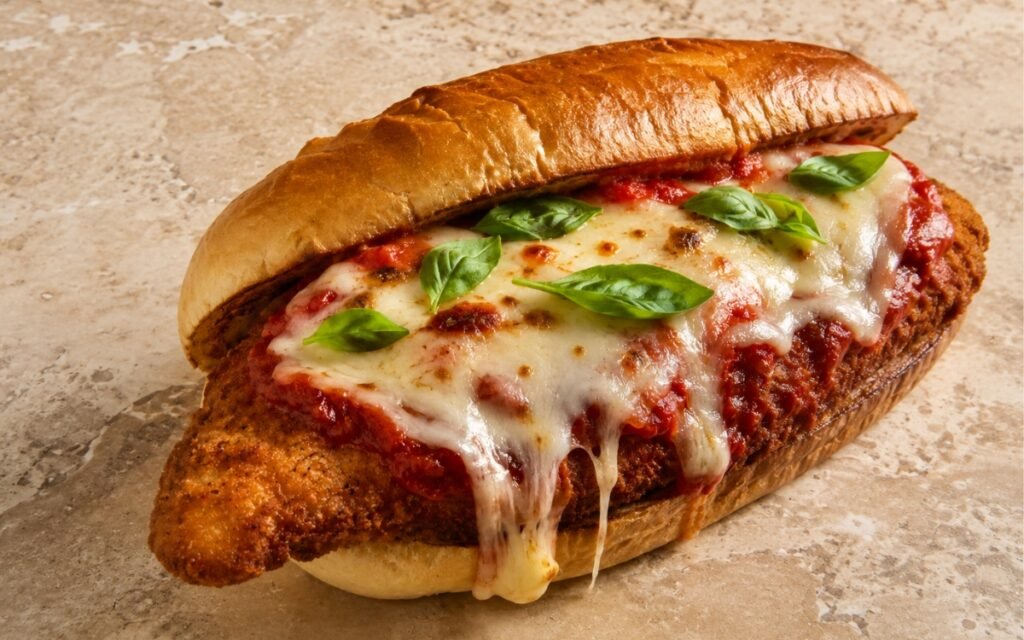
A golden fried chicken cutlet in a toasted hoagie roll, topped with thick marinara, melted mozzarella, Parmesan, and fresh basil.
Mole de Olla
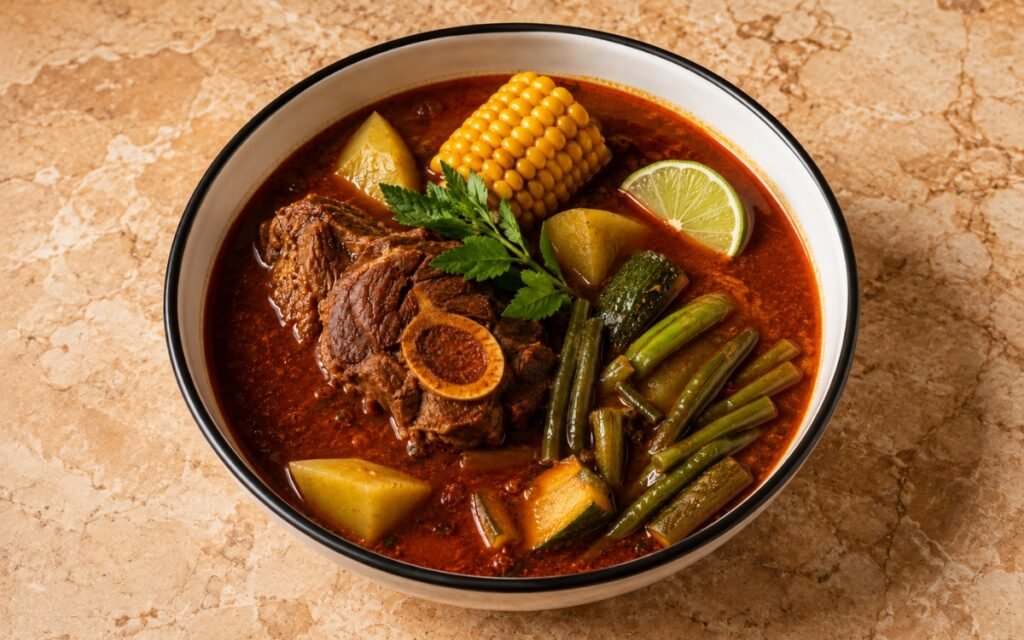
A vivid, brothy Mexican beef stew built on gently simmered beef shank, a blended guajillo-ancho chile base, and staged vegetables.
Pollo Sopes with Refried Beans
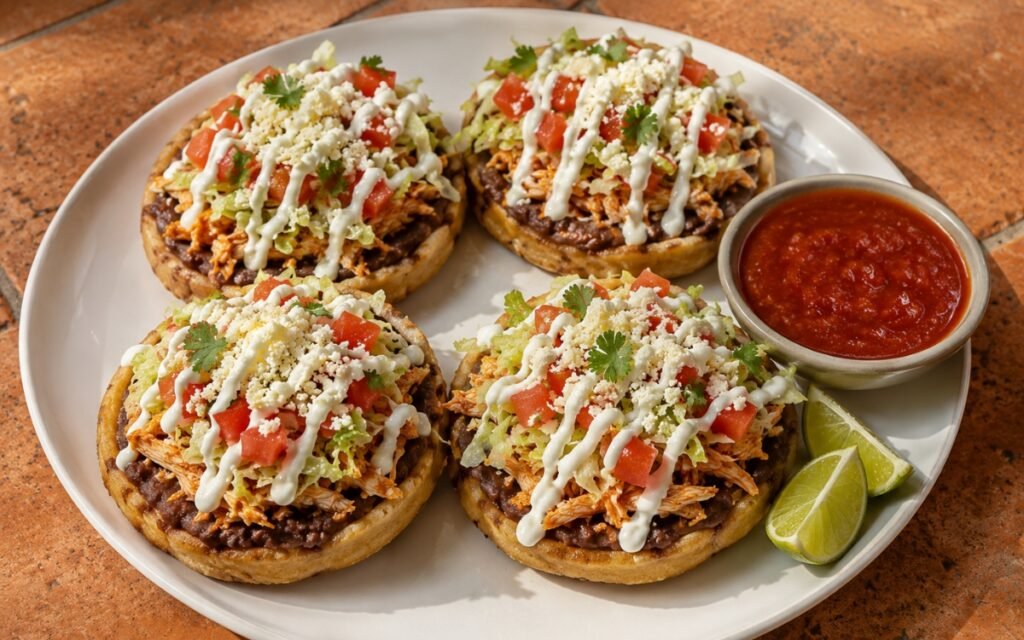
Thick masa sopes shaped with a raised rim, fried golden, and layered with refried black beans, adobo-simmered shredded chicken, lettuce, tomato, and crema.
You might also like
You might also like
Cuban Picadillo
Seasoned ground beef simmered in a savory tomato sauce with green olives, raisins, and tender diced potatoes.
Arepas Reina Pepiada
Crisp, golden masarepa arepas split open and generously stuffed with a creamy shredded chicken and avocado filling.
Meatball Sub Sandwich
Tender panade-enriched beef meatballs in thick marinara, melted mozzarella and provolone, and fresh basil, in toasted long French rolls.
Italian Beef Sandwich
Ingredients
Method
- Combine the cauliflower, celery, carrot, green bell pepper, serrano or jalapeño, olives if using, and sliced garlic in a bowl. Toss with the salt, cover, and refrigerate for 8–12 hours. Drain the vegetables and rinse briefly under cold water. Drain very well. In a clean jar or container, combine the vinegar, water, oregano, red pepper flakes, black pepper, and oil. Add the drained vegetables and mix well. Refrigerate for at least 12 hours, ideally 24 hours. The giardiniera should be crunchy, sharp, oily, spicy, and green-heavy. If it tastes flat, it needs more salt or vinegar. If it tastes like raw vegetables floating in oil, it was not rested long enough. The initial dry salting draws excess moisture out of the vegetables before they ever meet the vinegar brine — skipping that step would leave the vegetables holding onto extra water that dilutes the final pickle’s sharpness.
- In a large bowl, combine the warm water, yeast, and sugar. Let stand for 5–10 minutes until slightly foamy. Add the flour, salt, and oil. Mix until a rough dough forms, then knead by hand for 8–10 minutes, or in a stand mixer for 6–8 minutes, until smooth and elastic. The dough should be tacky but not wet. Use the lower amount of water first, then add the remaining water only if the dough feels dry and tight. Kneading to a smooth, elastic consistency develops the gluten structure needed for a roll sturdy enough to hold juicy, jus-soaked beef without falling apart.
- Shape the dough into a ball, place in a lightly oiled bowl, cover, and let rise for 1–1½ hours, until doubled. The dough should look clearly expanded and feel airy. Under-risen dough gives dense rolls that will not open properly for beef. Letting the dough reach a genuine doubling gives the yeast time to produce the gas volume needed for a roll with enough interior structure to hold a generous pile of beef without collapsing.
- Turn the dough out and divide into 4 equal pieces, about 190g each. Shape each piece into a long roll, about 18–20cm long. Place on a parchment-lined tray with space between them. Cover and proof for 45–60 minutes, until puffy. Preheat the oven to 220°C during the final 20 minutes. Preheating during the final stretch of proofing ensures the oven is fully up to temperature the moment the rolls are ready, rather than letting them overproof while waiting for a cold oven to heat.
- Slash each roll once lengthwise with a sharp blade. Spray lightly with water or add steam to the oven. Bake for 18–22 minutes, until golden, set, and lightly crusty. Cool on a rack before slicing. The roll should be crusty enough to hold juicy beef, but not so hard it fights the sandwich. If you bake it into a baguette, you missed the target. This roll occupies a deliberate middle ground between soft and hard — sturdy enough to withstand dipping in hot jus, but yielding enough to bite through cleanly rather than fighting back like a true baguette crust would.
- Preheat the oven to 150°C. Pat the beef very dry. Season all over with salt, black pepper, garlic powder, onion powder, and oregano. Heat oil in a heavy skillet over medium-high heat. Sear the beef on all sides until browned. Transfer to a roasting pan and roast until the center reaches 52–55°C for medium-rare, about 35–50 minutes, depending on shape and thickness. Rest for 20 minutes, then chill until firm enough to slice very thinly. The beef needs to be sliced thin. Thick slices are trash for Italian beef. If you cannot slice it thin while warm, chill it first and slice it cold. That thorough searing before roasting builds a fond on the pan that becomes the foundation of the au jus later — pale, unseared beef would leave the jus noticeably weaker regardless of how it’s seasoned afterward.
- Place the roasting pan or skillet with the beef drippings over medium heat. Add the minced garlic and cook for 30 seconds. Add the beef stock, oregano, basil, onion powder, garlic powder, red pepper flakes, black pepper, celery salt if using, Worcestershire sauce, and beef bouillon if using. Scrape up any browned bits from the pan. Simmer for 20–25 minutes until deeply seasoned and aromatic. Taste and adjust salt. The jus should taste stronger than normal soup because it has to season the beef and soak into bread. Weak jus gives weak Italian beef. Do not serve weak jus. Deglazing directly with the beef stock, scraping up every bit of fond from searing and roasting, is what carries that concentrated pan flavour straight into the jus rather than leaving it stuck to the pan.
- Slice the chilled beef as thinly as possible across the grain. A deli slicer is ideal, but a very sharp knife works if the beef is cold and firm. Lower the jus to a gentle heat. Add the sliced beef and warm for 1–2 minutes only. Do not boil the sliced beef. Boiling tightens it and turns it dry. The beef should be hot, loose, and dripping with jus. Chilling the roast firm before slicing is what makes genuinely thin, even slices achievable — beef still warm and soft from resting is too pliable to slice consistently thin, while a firm, cold roast holds its shape cleanly under the knife.
- Slice the red and green bell peppers into strips. Toss with olive oil and salt. Roast at 220°C for 15–20 minutes, or cook in a skillet until softened, lightly blistered, and sweet. The peppers should be tender and glossy, not raw-crunchy. Roasting fully rather than just warming the peppers develops real sweetness and a soft, glossy texture that contrasts against the giardiniera’s sharp crunch — a quickly seared version would stay closer to raw and miss that intended sweetness.
- Split the rolls lengthwise without cutting all the way through. Toast lightly if desired. Pile each roll with about 200g hot sliced beef, letting the meat spill over the edges. Spoon extra jus over the beef or quickly dip the cut side of the roll into the jus if you want it wet. Top with roasted sweet peppers and a generous spoonful of green giardiniera. Serve immediately with extra hot au jus on the side if desired. Dipping the roll only right at serving, rather than earlier, is what keeps it from turning to mush before the sandwich even reaches the table — that “wet” preparation has a genuinely short window once it happens.