
Mole de Olla
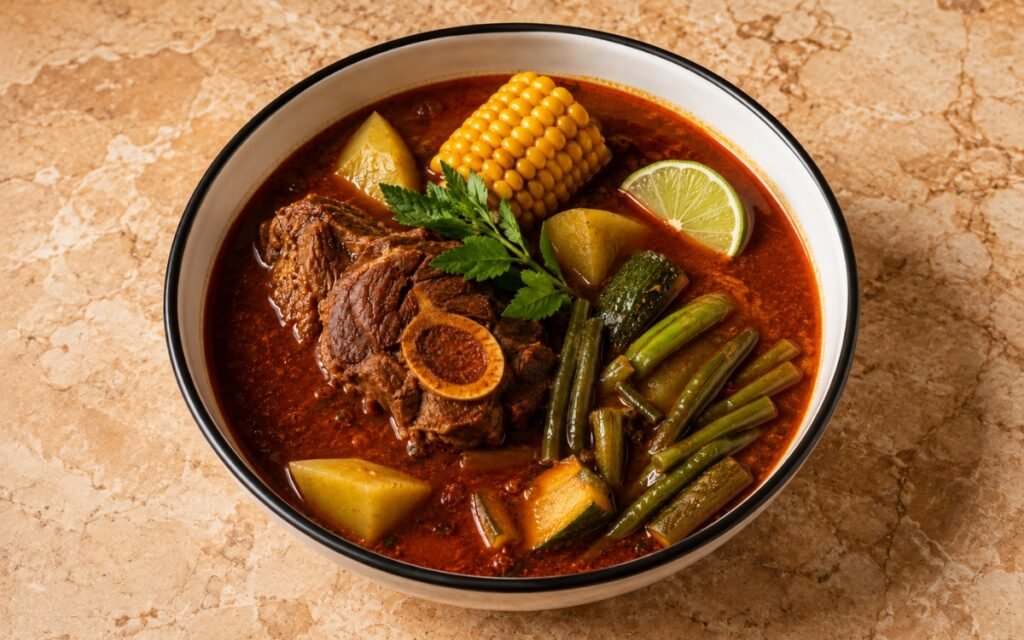
Mole de olla is a traditional Mexican brothy beef stew built around a clear but richly flavored red chile broth, usually made with beef shank and a combination of vegetables that cook in stages so each one keeps its own texture. Despite the word mole, this is not a thick sauce like mole poblano — it is a deep, aromatic, brick-red broth sharpened by dried chiles and finished with herbs like epazote. Keeping the beef broth at a genuine gentle simmer, never a hard boil, is the technique this whole dish depends on for real clarity — a hard boil emulsifies fat and impurities directly into the liquid, muddying exactly the clear, deeply beefy broth this stew is built around, the same gentle-simmer-protects-clarity principle used elsewhere in this collection whenever a long-cooked stock needs to stay genuinely clear rather than cloudy. Adding the vegetables in carefully staged batches, dense ones first and quick-cooking ones only near the end, is what lets corn, potato, chayote, zucchini, and green beans all finish tender at the same moment rather than some collapsing while others are still raw. Blending and straining the chile base separately before adding it back to the pot is what gives the broth real body without turning it into a rough, cloudy stew puree. The payoff is a bowl that’s genuinely hearty yet still brothy — succulent, marrow-rich beef shank in a vivid, lightly spiced, deeply comforting red broth, every vegetable holding its own distinct texture.
Prep Time : 30 min
Cook Time : 2 hr, 30 min
Servings : 4
30 min
2 hr, 30 min
4
Ingredients
For the Beef and Broth
• 1.2 to 1.4kg beef shank, bone-in, cut into 4 large pieces
• 12g fine sea salt, plus more to taste
• Freshly ground black pepper, to taste
• 1 tbsp neutral oil, only if you want to lightly brown the beef first
• 1 medium white onion, about 180g, halved
• 5 garlic cloves, peeled
• 2 bay leaves
• 10 black peppercorns
• 3 litres water
• 1 small bunch fresh cilantro stems, optional but helpful for broth depth
For the Chile Base
• 6 dried guajillo chiles — this one on Amazon
• 2 dried ancho chiles — this one on Amazon
• 2 medium tomatoes, about 250g total
• 2 garlic cloves
• 60g white onion
• 1 tsp cumin seeds or ¾ tsp ground cumin — this one on Amazon
• 1 tsp dried Mexican oregano — this one on Amazon
• 500ml hot broth from the pot, as needed for blending
For the Vegetables
• 2 ears corn, each cut into 2 or 3 pieces
• 2 medium waxy potatoes, about 350g total, peeled and cut into large wedges
• 1 medium chayote, peeled and cut into large chunks
• 2 medium zucchini, cut into thick half-moons or large chunks
• 200g green beans, trimmed and cut in half
• 1 small bunch epazote — this one on Amazon
• 1–2 xoconostles, peeled and seeded, optional but very classical if available
For Serving
• Lime wedges
• Warm corn tortillas
• Extra chopped cilantro, optional
• Fine sea salt, to adjust at the table if needed
This post may contain affiliate links. As an Amazon Associate I earn from qualifying purchases, at no additional cost to you.
Directions
- Build the Beef Broth
Pat the beef shank dry and season lightly with the salt and a few grinds of black pepper. Mole de olla is usually more about the broth than heavy browning, but if you want a slightly deeper beef note, lightly brown the shank first. Heat the tablespoon of oil in a heavy pot or Dutch oven over medium-high heat and sear the beef for 2–3 minutes per side until lightly colored, not deeply crusted. Add the halved onion, garlic, bay leaves, peppercorns, and cilantro stems if using. Pour in the 3 litres of water. Bring to a gentle boil, then immediately reduce to a low simmer. Skim any foam and impurities from the surface several times during the first 20–30 minutes. Simmer partially covered for about 1 hour 30 minutes, or until the beef is well on its way to becoming tender. The broth should look clear and smell deeply beefy, not cloudy and harsh. A gentle simmer matters — a hard boil emulsifies fat and impurities into the broth and muddies the final result. Skimming repeatedly during this early window matters directly, since the most concentrated release of foam and impurities happens in those first minutes of simmering — staying attentive through that period is what sets the broth’s clarity for the many hours of cooking still ahead. - Prepare the Chile Base
While the broth simmers, wipe the dried chiles clean. Remove stems and seeds from the guajillos and anchos. Toast the chiles briefly in a dry skillet over medium-low heat for about 10–15 seconds per side, just until fragrant and slightly flexible. Do not let them blacken or they will turn bitter. Transfer them to a bowl and cover with hot water. Soak for 15–20 minutes until softened. In the same skillet, roast the tomatoes, the 60g onion, and the 2 garlic cloves until softened and lightly charred in spots. Drain the softened chiles and place them in a blender with the roasted tomatoes, roasted onion, roasted garlic, cumin, and Mexican oregano. Add about 300–500ml of hot broth from the pot and blend until extremely smooth. For the most refined broth, strain this blended chile base through a fine sieve. The puree should be smooth, brick-red, and fragrant, with no tough chile skin pieces left. Straining is worth it here because mole de olla should have body from the chile base, but still feel like a broth rather than a rough stew puree. Using hot broth from the simmering pot itself to help the blender move, rather than plain water, means the chile base carries genuine beefy depth built directly into it from this very first blending stage. - Add the Chile Base to the Pot
Once the beef has simmered for about 1 hour 30 minutes and the broth is flavorful, remove and discard the onion halves, garlic, bay leaves, peppercorns, and cilantro stems if you can easily retrieve them. Pour the strained chile base into the pot and stir well. Simmer for another 20 minutes so the broth and chile mixture fully integrate. Taste the broth and add more salt as needed. After this simmer, the broth should taste rounded and cohesive — beef first, then the gentle fruitiness of guajillo and the darker depth of ancho. It should not taste like raw blended chile dropped into stock. This further simmer after combining is what actually integrates the chile base into the broth rather than leaving the two tasting like separate components sharing the same pot — that cohesion takes real, if brief, cooking time to develop. - Cook the Dense Vegetables First
Add the corn pieces and potato wedges to the pot. Simmer for 10 minutes. Then add the chayote and the xoconostle if using. Continue simmering for another 10–12 minutes. This staged addition matters because corn and potatoes need more time than zucchini and green beans. At this stage the beef should be nearly tender and the broth should be a clear deep red. The potatoes should be starting to soften at the edges, but not yet fragile. Working through the vegetables in genuine stages, rather than adding everything together at once, respects each ingredient’s own real cooking time — corn and potato need meaningfully longer in the broth than the more delicate vegetables still to come, and staggering the additions is the only way to bring every vegetable to properly tender at roughly the same final moment. - Finish with the Quick-Cooking Vegetables and Epazote
Add the zucchini, green beans, and the epazote. Simmer for another 8–10 minutes, just until the zucchini is tender, the green beans are cooked but still green, and the beef shank is fully tender. Taste again and adjust salt if needed. If too much liquid has reduced, add a little hot water. Mole de olla should be brothy and generous, not tight and stew-like. If there is excess fat on the surface, skim lightly — but leave enough to keep the broth rich and glossy. The final broth should be vivid red and aromatic, with the herbal note of epazote present but not dominant. The vegetables should all be distinct: potatoes soft, corn sweet and juicy, chayote tender, zucchini intact, and green beans cooked but not drab. Adding the epazote only at this final stage, alongside the quickest-cooking vegetables, protects its distinctive herbal character from being cooked out over hours of simmering the way it would if added earlier alongside the beef. - Serve Properly
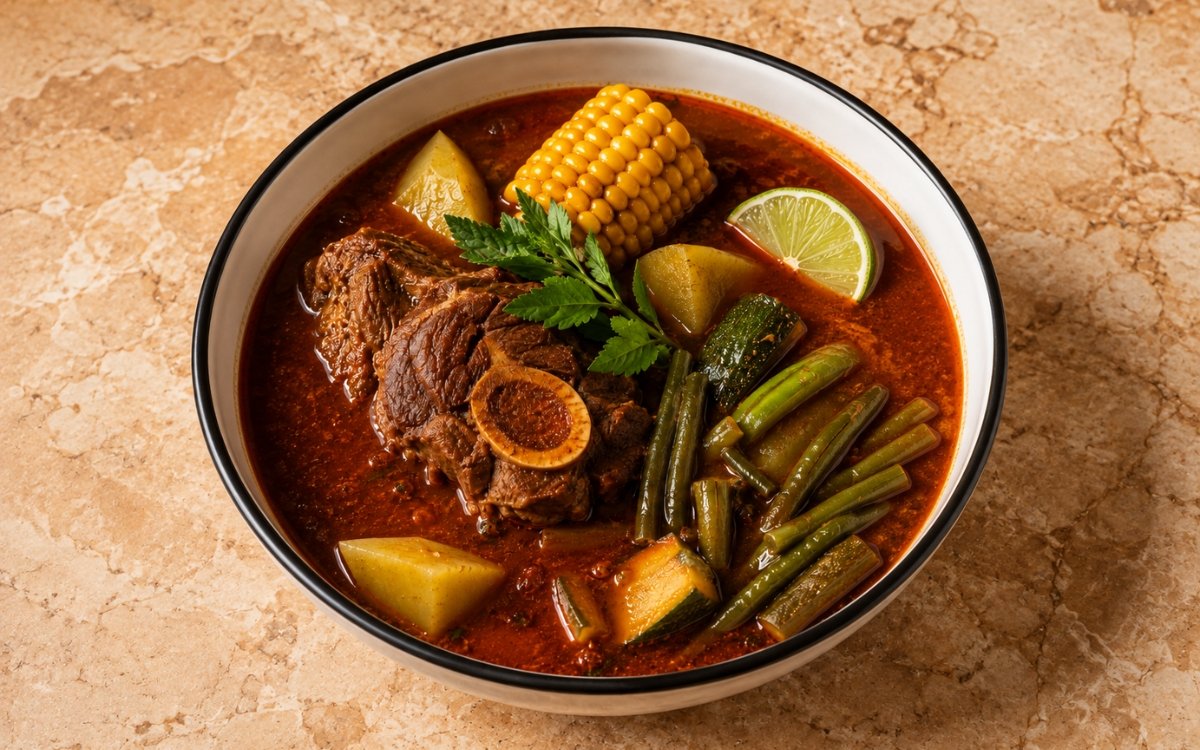
Place one large piece of beef shank in each bowl. Ladle over plenty of broth and distribute the vegetables evenly so each serving gets corn, potato, chayote, zucchini, and green beans. Top each bowl with a small piece of epazote if you like the visual, and serve with lime wedges on the side. Warm corn tortillas are the most classical accompaniment. The bowl should look abundant but not crowded. The broth is just as important as the solids, so serve generously with plenty of red broth. Ladling generous broth into every bowl, rather than favouring the solids, respects this dish’s genuine identity as a brothy stew rather than a thick, sauce-heavy one — the broth itself carries much of what makes mole de olla distinctive.
*Notes :
- Keeping the beef broth at a genuine gentle simmer through its full 1½-hour cook, rather than letting it boil hard at any point, deserves real respect as the technique this whole dish’s clarity depends on. A hard boil physically agitates the liquid enough to emulsify fat and impurities directly into it — once that happens, no amount of subsequent careful skimming fully restores the clean, clear broth this stew is meant to have. The gentle simmer specified throughout is the only way to protect that clarity for the entire cooking time.
- Staging the vegetable additions — dense corn and potato first, chayote following, then the quicker-cooking zucchini and green beans only near the very end — reflects genuine attention to how differently these vegetables actually behave under heat. Adding everything at once would force an impossible compromise: either the corn and potato stay undercooked, or the zucchini and green beans collapse into mush by the time the denser vegetables finally catch up.
- Blending and straining the chile base separately, rather than simply adding torn dried chiles directly to the simmering pot, is what allows this broth to carry real body and colour while still reading as a genuine broth rather than a thick stew. That straining step specifically removes the tough, fibrous chile skin fragments that a blender alone can’t fully break down — skipping it would leave a rougher, less refined texture running through every spoonful.
- Adding the epazote only in the final stage, alongside the quickest-cooking vegetables, protects this dish’s most recognisable finishing note from disappearing during the many hours the beef and broth spend simmering. Epazote’s distinctive herbal character is genuinely delicate relative to how long the rest of this stew cooks — added too early, its specific flavour would be largely cooked away well before the dish is ever served.
Why This Recipe Works
This recipe works because the beef broth is built and maintained at a genuine gentle simmer throughout its long cook, protecting the clarity this dish depends on from the fat and impurity emulsification a hard boil would cause. The chile base is blended with the broth’s own hot liquid and strained separately, giving the finished stew real body without losing its identity as a broth.
Vegetables are added in carefully staged batches specifically calibrated to their individual cooking times, letting corn, potato, chayote, zucchini, and green beans all finish properly tender together rather than some overcooking while others lag behind. Epazote, added only at the very end, preserves its distinctive character right through to serving.
Ingredient Breakdown
Bone-In Beef Shank
The protein foundation — its bone and connective tissue give the broth genuine body and flavour beyond what boneless cuts would provide.
Gently Simmered Beef Broth
The base — kept at a genuine simmer throughout, protecting the broth’s clarity from fat and impurity emulsification.
Blended, Strained Guajillo-Ancho Chile Base
The critical flavour and colour component — built separately with the broth’s own liquid, straining removes fibrous skin for a genuine broth texture.
Staged Vegetable Additions
The technique — dense vegetables first, delicate ones only near the end, letting every component finish properly tender together.
Late-Added Epazote
The signature herb — added only in the final stage to preserve its distinctive character through to serving.
Flavor Structure Explained
This mole de olla follows a layered balance model:
- Deep beefy foundation (gently simmered shank and broth)
- Bright chile depth (blended guajillo and ancho)
- Warm background spice (cumin, oregano)
- Distinct vegetable freshness (corn, potato, chayote, zucchini, green beans)
- Signature herbal finish (epazote)
Gently simmered beef shank and its own broth provide this stew’s deep, genuinely beefy foundation, built over hours of careful cooking. The blended guajillo and ancho chile base contributes bright, brick-red depth with gentle fruitiness and a darker, rounder undertone. Cumin and oregano add warm background spice throughout. Staged vegetables — corn, potato, chayote, zucchini, and green beans — each retain their own distinct texture and flavour rather than blending into an undifferentiated mush. A late addition of epazote finishes the broth with its unmistakable, traditional herbal signature.
Common Mistakes to Avoid
- Boiling the Broth Hard Instead of Keeping It at a Gentle Simmer – This emulsifies fat and impurities into the liquid, muddying the broth. Always keep it at a genuine, gentle simmer throughout.
- Adding All the Vegetables at Once – This forces a compromise between undercooked dense vegetables and overcooked delicate ones. Always stage the additions according to each vegetable’s own cooking time.
- Skipping the Straining Step for the Chile Base – This leaves rough, fibrous chile skin fragments throughout the broth. Always strain the blended base for a genuine broth texture.
- Adding the Epazote Too Early – This cooks away its distinctive flavour well before serving. Always add it only in the final stage, alongside the quick-cooking vegetables.
- Cutting the Vegetables Too Small – Small pieces break down too quickly and make the stew look crowded and muddy. Always cut them into fairly large pieces.
Variations
Beef Chuck or Short Rib Supplement
Add beef chuck or short rib alongside the shank for extra meat, while keeping shank as the main character for its bone and connective tissue.
Extra-Tart Version
Include the optional xoconostle for its classical, gently tart lift to the broth.Include the optional xoconostle for its classical, gently tart lift to the broth.
Milder Version
Reduce the ancho proportion slightly relative to guajillo for a lighter, less deeply rounded chile flavour.
Make-Ahead Version
Cook the broth and beef fully ahead, then add the vegetables fresh during reheating to avoid overcooking them.
Storage & Make-Ahead
If making ahead, cool the stew and refrigerate it overnight. Reheat gently the next day. The flavor improves, though the vegetables are best when not overcooked, so for a make-ahead version you can cook the broth and beef first, then add the vegetables during reheating.
The beef and broth alone can be refrigerated for up to 3 days or frozen for longer storage before the vegetable stage is added.
Fully finished mole de olla with vegetables is best eaten within a couple of days, since the vegetables continue softening the longer they sit in the broth.
Frequently Asked Questions
Why does the beef broth need to stay at a gentle simmer rather than being boiled to save time?
A hard boil physically agitates the liquid enough to emulsify fat and impurities directly into it, and once that happens, no amount of later skimming fully restores a clean, clear broth. The gentle simmer specified throughout protects that clarity for the entire long cook.
Why are the vegetables added in stages instead of all at once?
Corn and potato need meaningfully longer in the broth than more delicate vegetables like zucchini and green beans. Adding everything together would force a compromise — either the dense vegetables stay undercooked, or the delicate ones collapse into mush waiting for the others to catch up.
Why does the chile base need to be strained after blending?
Straining removes tough, fibrous chile skin fragments that the blender alone can’t fully break down. Skipping this step leaves a rougher texture running through the broth, working against this dish’s identity as a genuine broth rather than a thick stew.
Why is the epazote added only at the very end rather than with the beef from the start?
Epazote’s distinctive flavour is genuinely delicate relative to how long the rest of this stew simmers. Added too early, that specific character would largely cook away well before the dish is ready to serve.
Are there other classic Mexican beef or brothy stew dishes worth trying?
Caldo de Res offers a related brothy Mexican beef soup worth comparing directly. Pozole Rojo and Pozole Verde both build on a similarly hearty, red or green chile-based broth tradition. Sopa de Tortilla is also worth trying for a different classic Mexican soup direction, and Homemade Corn Tortillas pair beautifully alongside this stew.
Nutrition Facts
( per serving )
Calories
~560 kcal
Protein
46 g
Fat
22 g
Carbs
42 g
Calories
~560 kcal
Protein
46 g
Fat
22 g
Carbs
42 g
Related Recipes
Related Recipes

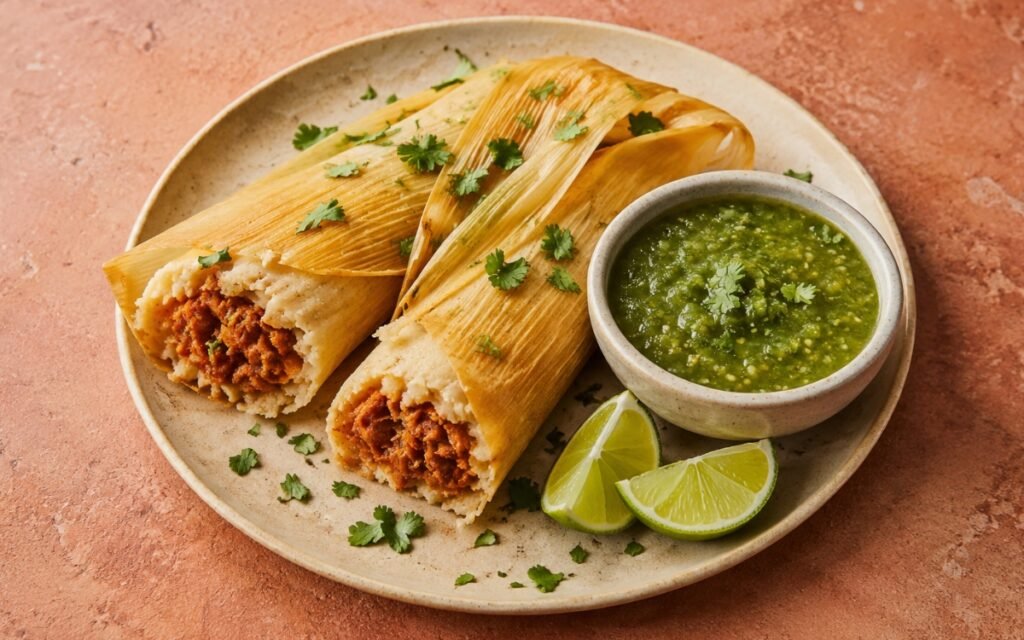
Pork Tamales with Salsa Verde
Braised, shredded pork in a glossy red chile sauce, wrapped in tender, broth-hydrated masa, and steamed in corn husks. Served with bright salsa verde.
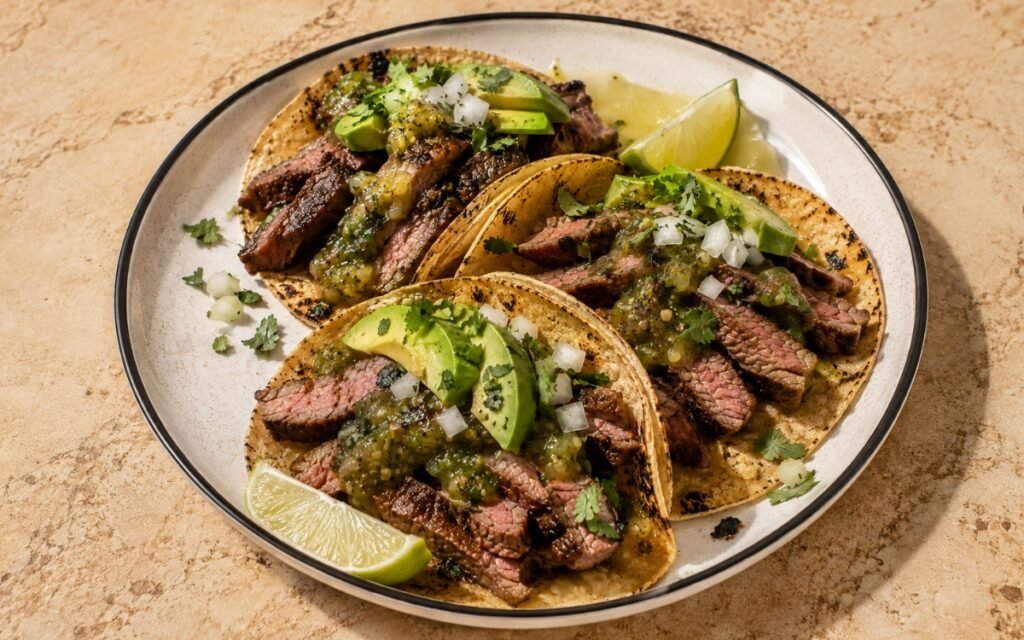
Steak Tacos with Salsa Verde
Dry-brined, hard-seared steak, rested and sliced thin against the grain, in warm homemade corn tortillas with salsa verde, onion, and avocado.
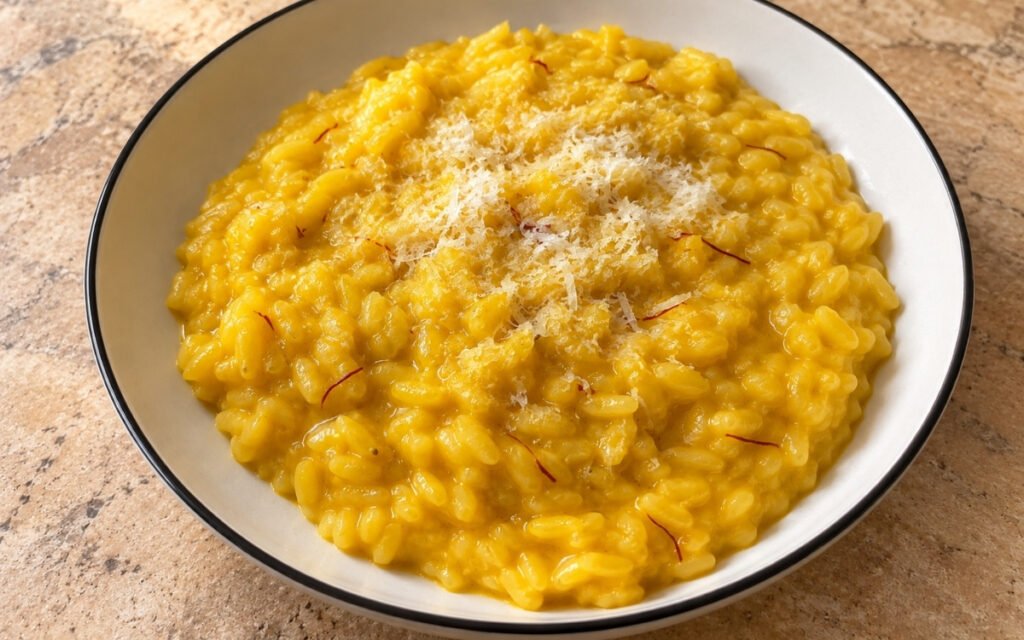
Risotto alla Milanese
Deep golden Carnaroli rice with saffron, white wine, and a Parmigiano-Reggiano mantecatura, finished to a loose, glossy all’onda texture.
You might also like
You might also like
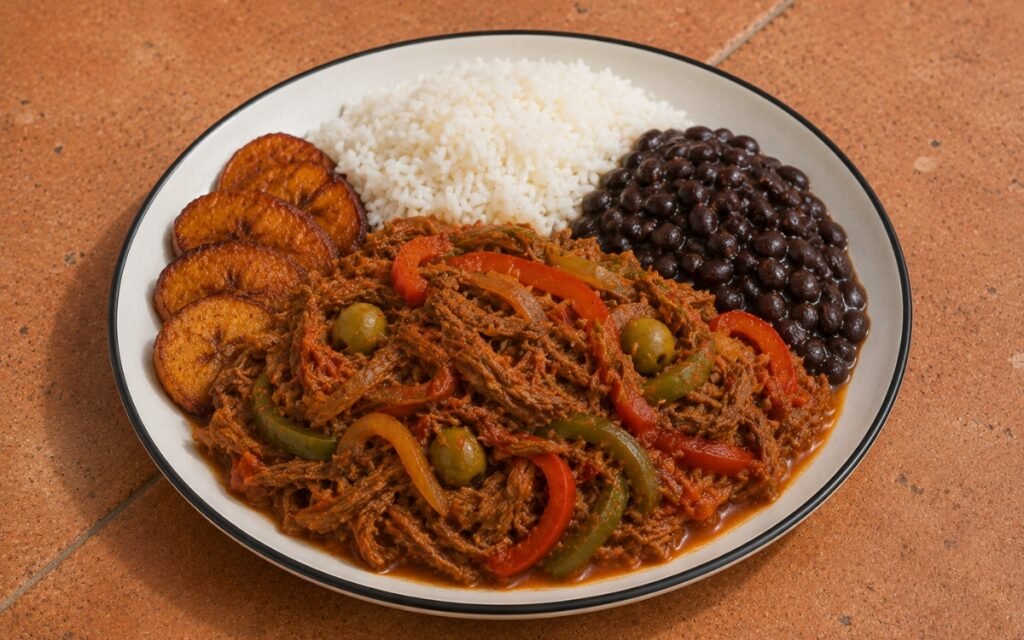
Ropa Vieja Cubana
Slow-braised, shredded beef simmered in a rich tomato sauce with peppers, onion, and green olives, served with white rice, black beans, and fried plantains.
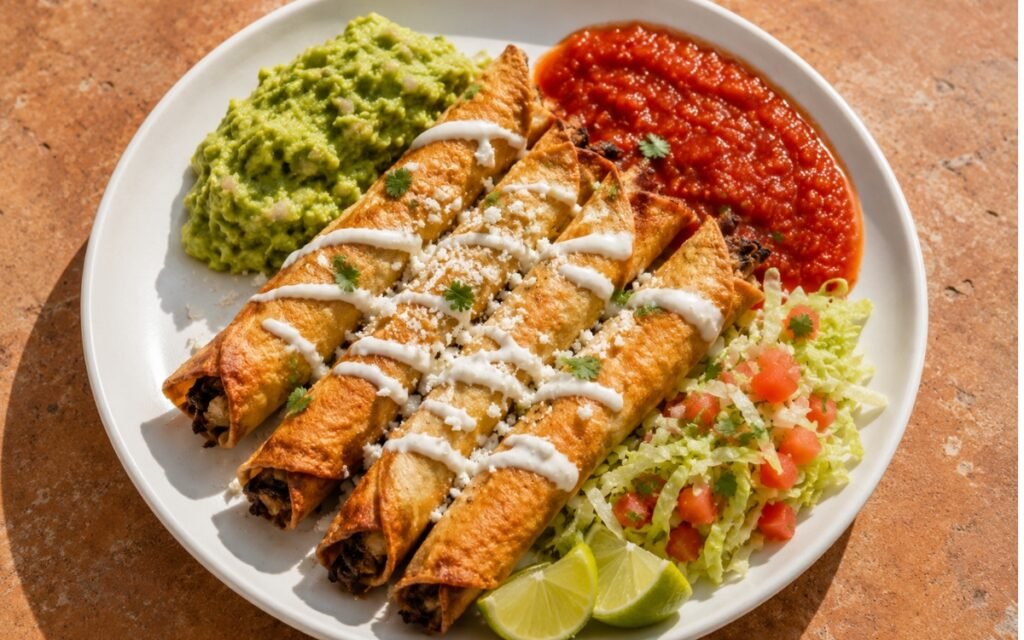
Flautas de Pollo
Spiced shredded chicken thighs rolled tightly in corn tortillas and fried until golden and crisp, served with chunky guacamole and bright salsa roja.
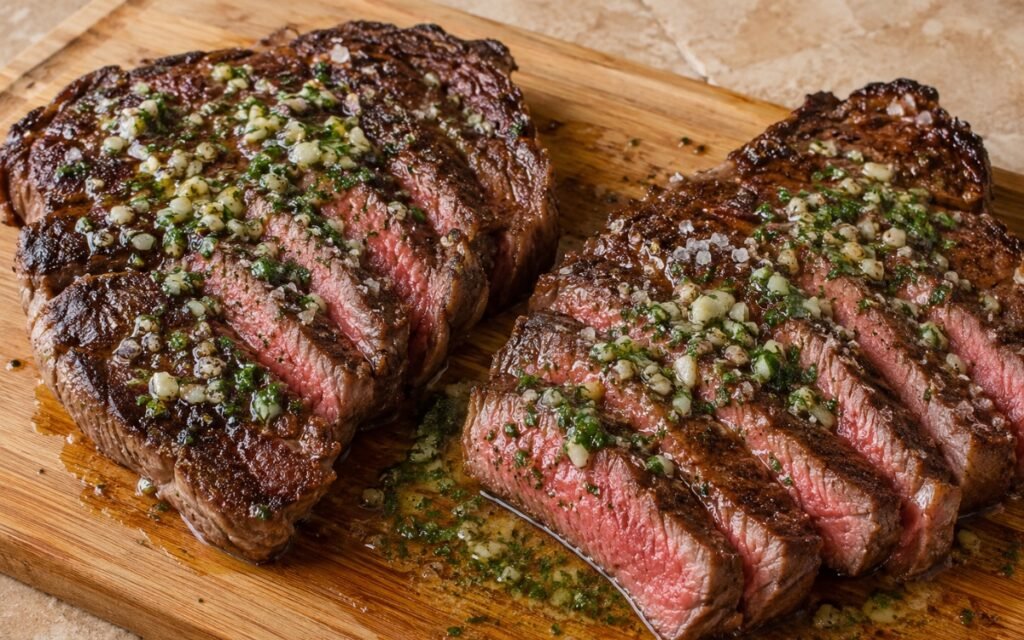
Garlic Butter Sirloin Steak
Sirloin steak tempered and seared 3 minutes per side, garlic parsley butter melted on off the heat — rested and sliced. Tender and restaurant-quality.
Mole de Olla
Ingredients
Method
- Pat the beef shank dry and season lightly with the salt and a few grinds of black pepper. Mole de olla is usually more about the broth than heavy browning, but if you want a slightly deeper beef note, lightly brown the shank first. Heat the tablespoon of oil in a heavy pot or Dutch oven over medium-high heat and sear the beef for 2–3 minutes per side until lightly colored, not deeply crusted. Add the halved onion, garlic, bay leaves, peppercorns, and cilantro stems if using. Pour in the 3 litres of water. Bring to a gentle boil, then immediately reduce to a low simmer. Skim any foam and impurities from the surface several times during the first 20–30 minutes. Simmer partially covered for about 1 hour 30 minutes, or until the beef is well on its way to becoming tender. The broth should look clear and smell deeply beefy, not cloudy and harsh. A gentle simmer matters — a hard boil emulsifies fat and impurities into the broth and muddies the final result. Skimming repeatedly during this early window matters directly, since the most concentrated release of foam and impurities happens in those first minutes of simmering — staying attentive through that period is what sets the broth’s clarity for the many hours of cooking still ahead.
- While the broth simmers, wipe the dried chiles clean. Remove stems and seeds from the guajillos and anchos. Toast the chiles briefly in a dry skillet over medium-low heat for about 10–15 seconds per side, just until fragrant and slightly flexible. Do not let them blacken or they will turn bitter. Transfer them to a bowl and cover with hot water. Soak for 15–20 minutes until softened. In the same skillet, roast the tomatoes, the 60g onion, and the 2 garlic cloves until softened and lightly charred in spots. Drain the softened chiles and place them in a blender with the roasted tomatoes, roasted onion, roasted garlic, cumin, and Mexican oregano. Add about 300–500ml of hot broth from the pot and blend until extremely smooth. For the most refined broth, strain this blended chile base through a fine sieve. The puree should be smooth, brick-red, and fragrant, with no tough chile skin pieces left. Straining is worth it here because mole de olla should have body from the chile base, but still feel like a broth rather than a rough stew puree. Using hot broth from the simmering pot itself to help the blender move, rather than plain water, means the chile base carries genuine beefy depth built directly into it from this very first blending stage.
- Once the beef has simmered for about 1 hour 30 minutes and the broth is flavorful, remove and discard the onion halves, garlic, bay leaves, peppercorns, and cilantro stems if you can easily retrieve them. Pour the strained chile base into the pot and stir well. Simmer for another 20 minutes so the broth and chile mixture fully integrate. Taste the broth and add more salt as needed. After this simmer, the broth should taste rounded and cohesive — beef first, then the gentle fruitiness of guajillo and the darker depth of ancho. It should not taste like raw blended chile dropped into stock. This further simmer after combining is what actually integrates the chile base into the broth rather than leaving the two tasting like separate components sharing the same pot — that cohesion takes real, if brief, cooking time to develop.
- Add the corn pieces and potato wedges to the pot. Simmer for 10 minutes. Then add the chayote and the xoconostle if using. Continue simmering for another 10–12 minutes. This staged addition matters because corn and potatoes need more time than zucchini and green beans. At this stage the beef should be nearly tender and the broth should be a clear deep red. The potatoes should be starting to soften at the edges, but not yet fragile. Working through the vegetables in genuine stages, rather than adding everything together at once, respects each ingredient’s own real cooking time — corn and potato need meaningfully longer in the broth than the more delicate vegetables still to come, and staggering the additions is the only way to bring every vegetable to properly tender at roughly the same final moment.
- Add the zucchini, green beans, and the epazote. Simmer for another 8–10 minutes, just until the zucchini is tender, the green beans are cooked but still green, and the beef shank is fully tender. Taste again and adjust salt if needed. If too much liquid has reduced, add a little hot water. Mole de olla should be brothy and generous, not tight and stew-like. If there is excess fat on the surface, skim lightly — but leave enough to keep the broth rich and glossy. The final broth should be vivid red and aromatic, with the herbal note of epazote present but not dominant. The vegetables should all be distinct: potatoes soft, corn sweet and juicy, chayote tender, zucchini intact, and green beans cooked but not drab. Adding the epazote only at this final stage, alongside the quickest-cooking vegetables, protects its distinctive herbal character from being cooked out over hours of simmering the way it would if added earlier alongside the beef.
- Place one large piece of beef shank in each bowl. Ladle over plenty of broth and distribute the vegetables evenly so each serving gets corn, potato, chayote, zucchini, and green beans. Top each bowl with a small piece of epazote if you like the visual, and serve with lime wedges on the side. Warm corn tortillas are the most classical accompaniment. The bowl should look abundant but not crowded. The broth is just as important as the solids, so serve generously with plenty of red broth. Ladling generous broth into every bowl, rather than favouring the solids, respects this dish’s genuine identity as a brothy stew rather than a thick, sauce-heavy one — the broth itself carries much of what makes mole de olla distinctive.