
Homemade Corn Tortillas
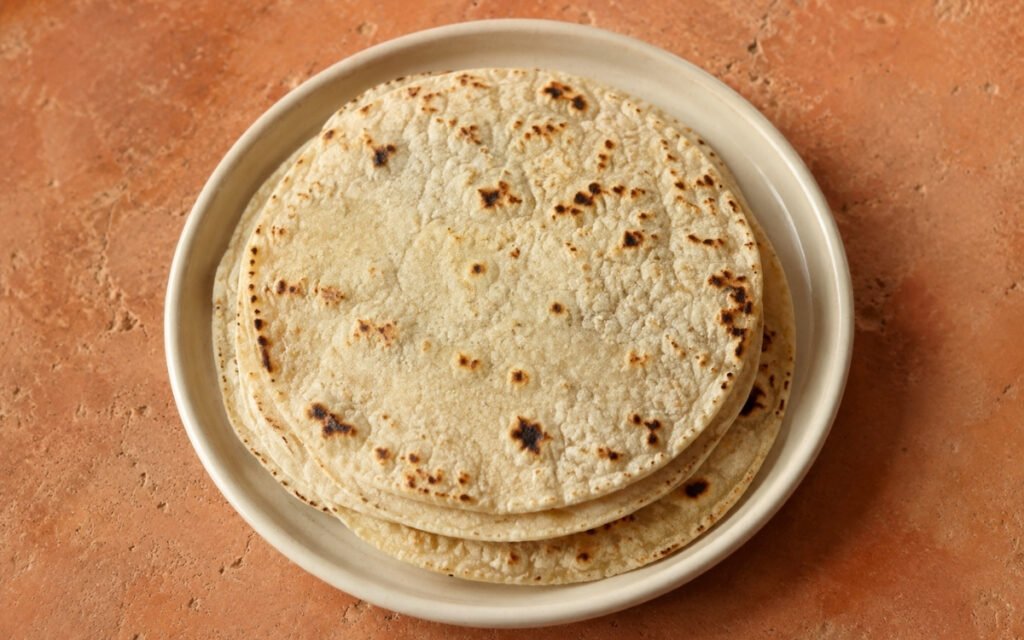
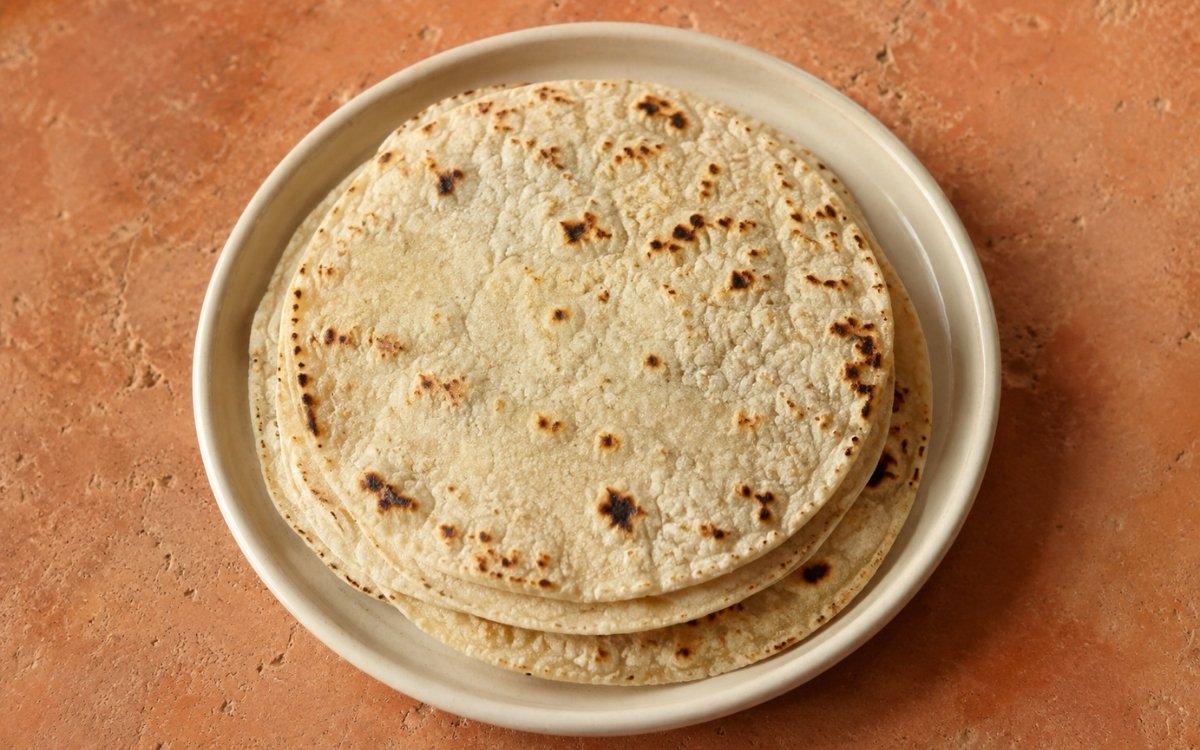
Real corn tortillas made from masa harina in fifteen minutes of active work — soft, pliable, lightly charred, and tasting genuinely of corn in a way that nothing packaged ever does. The dough is three ingredients. The technique is pressing and cooking. The result is the foundation of an enormous range of Mexican cooking: tacos, enchiladas, birria, quesadillas, tostadas, chilaquiles, and nachos. Once you make your own, the packaged alternative becomes difficult to justify.
Prep Time : 15 min
Cook Time : 10 min
Servings : 8 tortillas
15 min
10 min
8 tortillas
Ingredients
For The Homemade Corn Tortillas
• 240g masa harina — this one on Amazon
• 3g fine sea salt
• 300g warm water, approximately 40°C
This post may contain affiliate links. As an Amazon Associate I earn from qualifying purchases, at no additional cost to you.
Directions
- Mix the Masa Dough
In a medium bowl, combine the masa harina and fine sea salt and stir briefly to distribute the salt evenly through the dry masa before any liquid is added. Gradually pour in the warm water while mixing with your hand, working from the edges of the bowl inward. Mix continuously as you add the water, pressing the masa harina into the liquid with your palm rather than stirring — the pressing motion hydrates the masa more efficiently than stirring and produces a more uniform dough more quickly. Continue until the dough comes together into a cohesive, soft mass with no dry masa remaining at the bottom of the bowl. Masa harina is made from nixtamalised corn — dried corn that has been treated with an alkali solution (typically limewater), dried, and ground to a fine powder. The nixtamalisation process transforms the corn’s chemical structure in multiple ways: it releases niacin for nutritional availability, it produces the characteristic slightly earthy, slightly alkaline flavour that makes corn tortillas taste like corn tortillas rather than plain corn, and it creates a starch structure that hydrates into the pliable, cohesive masa that is impossible to achieve with regular corn flour or cornmeal. Masa harina and cornmeal are not interchangeable — only masa harina produces corn tortillas. - Knead and Assess Consistency
Knead the dough briefly for 1–2 minutes — fold it over itself, press, rotate, and repeat — until it is completely smooth with no rough patches or dry spots. The texture assessment at this stage determines everything about the tortillas that follow. The correctly hydrated masa dough should feel soft, smooth, and slightly tacky — the consistency of warm modelling clay or a firm playdough, slightly moist to the touch but not wet. Perform the crack test: take a small ball of dough and press it firmly between your palms. If the edge of the flattened disc shows cracks, the dough is too dry and needs more water — add 5ml at a time, kneading it in and testing again after each addition. If the dough sticks heavily to your hands and leaves significant residue, it is too wet — dust lightly with masa harina, knead it in, and test again. Getting this consistency right is the only real technique in this recipe. An under-hydrated dough cracks during pressing, tears when peeled from the plastic, and produces brittle, stiff tortillas. A correctly hydrated dough presses cleanly, peels easily, and cooks into the soft, pliable tortillas the recipe is designed to produce. - Rest the Dough
Cover the bowl tightly with plastic wrap or a damp kitchen towel and allow the masa dough to rest at room temperature for 20 minutes. This rest period is not a fermentation rest — masa harina contains no active yeast and nothing is leavening. It is a hydration rest during which the masa harina’s starch granules absorb the water more completely and evenly than they could during the brief mixing period. After the 20-minute rest, the dough feels noticeably smoother and more uniform — it has a more cohesive structure and is less likely to crack at the edges when pressed. Skipping this rest is the second most common cause of cracking tortillas after under-hydration. Do not rush it. - Divide and Ball
Divide the rested dough into 8 equal portions, each approximately 65–70g — weigh them for consistency, as unequal portions produce tortillas of different thickness when pressed to the same target diameter. Roll each piece into a smooth, tight ball by rolling in the cupped palm of your hand in a circular motion, applying light pressure. Surface smoothness in the ball directly translates to a clean edge and even surface in the pressed tortilla — a rough or cracked ball surface will produce corresponding cracks and rough edges in the finished disc. Cover all the balls immediately with a damp cloth or plastic wrap as you work — masa dough at this hydration dries out quickly when left exposed to air, and dried surface areas crack during pressing. - Press the Tortillas
Place a sheet of plastic — cut from a zip-top bag is the most common and practical material — on the bottom plate of a tortilla press, or on your pressing surface if using an alternative flat weight. Place a dough ball in the centre of the plastic sheet and cover with a second plastic sheet. If using a tortilla press: close the press firmly and apply even, steady pressure on the handle, pressing to approximately 2mm thickness. Open, rotate the tortilla 180 degrees between the plastic sheets, close, and press again — the double-press with a rotation produces more even thickness than a single press which typically produces a slightly thicker centre and thinner edges. If no tortilla press is available: use a flat-bottomed heavy skillet, a cutting board with firm hand pressure, or a large book pressed down evenly. The tortilla should be approximately 2mm thick and 20cm in diameter. Peel the top plastic sheet away carefully from the tortilla rather than peeling the tortilla from the plastic — the tortilla is fragile at this stage and is less likely to tear if the plastic is removed from it rather than it from the plastic. Transfer to your free hand by inverting the bottom plastic over your palm and peeling that sheet away too. - Cook on a Dry, Hot Surface
Heat a cast iron skillet, flat griddle, or heavy-bottomed pan over medium-high heat until genuinely hot — a drop of water flicked onto the surface should evaporate immediately on contact. No oil. The dry surface is essential: oil produces fried tortillas rather than the characteristic dry, slightly charred surface of a proper corn tortilla. Lay the tortilla carefully flat on the hot, dry surface — the tortilla is still fragile when raw and should be placed rather than dropped. Cook the first side for 30–45 seconds without moving. The underside should develop irregular, pale golden to light brown char spots where the masa’s starch is caramelising in direct contact with the hot surface — these spots are the visual marker of correct heat. Flip with a thin spatula and cook the second side for 30 seconds. Flip once more — back to the first side — for a final 15–20 seconds. On this third side, the tortilla should puff slightly as steam trapped between the cooked outer layers expands and separates them. This puffing is a sign of correct dough hydration and cooking technique — it indicates that the layers have cooked separately enough to trap steam. The total cook time is approximately 1.5 minutes per tortilla, which produces a soft, pliable tortilla that can be folded without cracking. A tortilla cooked for significantly longer than this — past 2 minutes at the same heat — will become progressively drier, stiffer, and more likely to crack when folded. Corn tortillas cook quickly and the cooking time should not be extended in the hope of developing more colour. - Stack and Steam Under a Cloth
Transfer each cooked tortilla directly from the pan to a towel-lined plate or a tortilla warmer. Cover immediately with the towel or close the warmer. The stack of cooling tortillas generates its own steam environment — the heat and moisture from each tortilla above creates a humid microclimate within the covered stack that keeps every tortilla below soft and pliable. This stacking and covering step is not optional comfort — it is the technique that makes the difference between corn tortillas that fold cleanly and ones that crack and split when bent. Allow the stack to steam for at least 5 minutes before serving.
*Notes :
- Masa harina is the only ingredient that produces corn tortillas and there is no substitute. It is made from dried nixtamal — corn treated with calcium hydroxide (cal) in a process called nixtamalisation — that is then dried and ground to a fine powder. The nixtamalisation is what produces masa harina’s distinctive flavour and its unique starch structure that hydrates into the pliable, cohesive masa impossible to achieve with regular corn flour or polenta. Masa harina is widely available in supermarkets in the Mexican foods section and online. Maseca is the most commonly available brand globally and produces consistent, reliable results. Do not attempt to substitute cornmeal, polenta, corn flour, or any other corn-based product — the result is an entirely different, unusable material.
- The 125% hydration is the standard for masa tortilla dough and is significantly higher than the hydration of flour-based doughs because masa harina absorbs water differently from wheat flour. The nixtamalised corn’s starch structure is more absorbent and requires more water to achieve the soft, workable consistency necessary for pressing and cooking. First-time masa dough makers often under-hydrate because the initial dough consistency looks correct before the 20-minute rest allows full starch hydration — always check the consistency after the rest period rather than immediately after mixing.
- The four most common causes of cracking tortillas, in order of frequency: dough is too dry; dough was not rested long enough; dough balls were not kept covered while waiting to be pressed; and pressing was too aggressive and produced tortillas thinner than 2mm at the edges. Address any one of these and the problem usually resolves.
Why This Recipe Works
This recipe works because it provides the specific hydration level, rest time, and cooking technique that masa harina requires to produce genuinely soft, pliable tortillas rather than the dry, cracking results that under-hydrated or insufficiently rested masa produces. The 300g of water to 240g of masa harina — 125% hydration — is the calibrated amount for standard Maseca-style masa harina.
The 20-minute rest is the minimum for full starch hydration. The three-flip cooking method produces even char development on both sides while allowing the tortilla to steam internally enough to remain pliable. Each decision is in service of the same outcome: a soft, flexible corn tortilla that bends without cracking and tastes genuinely of nixtamalised corn.
Ingredient Breakdown
Masa Harina
The only ingredient that can produce a corn tortilla — nixtamalised corn dried and ground to a powder that hydrates into the cohesive, pliable masa that cannot be achieved with any other corn-based product.
Water (125% Hydration)
The hydration medium that activates the masa harina’s starch structure — more water than flour-based doughs require because masa harina’s starch absorbs water differently and requires higher hydration for a workable, non-cracking consistency.
Fine Sea Salt
Flavour — at this small quantity it seasons the tortilla throughout and slightly strengthens the masa’s structure without affecting the texture.
Flavor Structure Explained
This corn tortillas follow a layered balance model:
- Earthy core (nixtamalized corn masa)
- Charred surface notes (hot pan contact)
- Starchy interior (corn structure)
- Subtle mineral depth (alkaline treatment)
- Softened finish (steam-rested tortillas)
Masa defines the entire profile with its distinctive earthy, slightly mineral flavor created by nixtamalization. The starchy interior remains neutral and soft, acting as a clean base. Direct heat creates char spots that add a smoky, slightly bitter contrast to the otherwise mild surface. The alkaline process contributes a unique depth that separates it from standard corn products. Steaming after cooking softens the texture, adding a gentle, almost creamy mouthfeel. The result is a minimal but precise structure — simple, but unmistakably characteristic.
Common Mistakes to Avoid
- Under-hydrating the Dough – The crack test is the essential check — if the edge of a pressed ball cracks, add more water. Under-hydrated dough cannot produce soft tortillas regardless of any other technique.
- Not Resting the Dough – A 20-minute rest is the minimum for complete starch hydration. Tortillas from unrested dough crack at the edges during pressing and tear when peeled from the plastic.
- Leaving Dough Balls Uncovered – Exposed masa dough dries quickly at the surface. A dry surface on the ball becomes a crack in the tortilla. Always cover immediately.
- Pressing Too Thin – Tortillas thinner than 2mm at the edges are fragile before and after cooking. Aim for consistent 2mm throughout.
- Over-cooking – More than approximately 1.5–2 minutes total cook time at correct heat produces dry, stiff tortillas. The goal is soft and pliable — not cracker-dry and charred throughout.
- Not Covering the Stack Immediately – Uncovered cooked tortillas dry out within minutes. Always cover immediately with a cloth or in a tortilla warmer.
Variations
Blue Corn Tortillas
Replace the standard masa harina with blue corn masa harina — made from blue (purple) varieties of nixtamalised corn. The method is identical; the result is a slightly earthier, nuttier-tasting tortilla with a dramatic dark purple-blue colour that fades slightly to grey-purple during cooking. Excellent for tacos where visual presentation matters.
Taco Shells (Hard Shell)
Press and cook the tortillas as directed. While still warm and pliable, drape each tortilla over two bars of an oven rack, letting the sides hang down to form a U-shape. Bake at 190°C for 8–10 minutes until rigid and lightly golden. The hanging shape sets during baking, producing a hard taco shell that holds without filling.
Tostadas
Lay cooked tortillas flat on a baking sheet and bake at 190°C for 12–15 minutes, flipping once, until completely rigid and golden. Alternatively, fry in 1cm of neutral oil at 175°C for 60–90 seconds per side until crisp. Cool on a rack — they crisp further as they cool.
Tortilla Chips / Homemade Nachos
Stack and cut cooked tortillas into 6 triangles each. Brush with a light coat of neutral oil and season with fine salt. Bake at 190°C for 12–14 minutes, flipping once, until golden and rigid throughout. Cool completely on a rack — they continue to crisp as they cool. Use immediately for nachos or store in an airtight container for up to 5 days.
Chilaquiles Base
Fry cut tortilla pieces in 1cm of neutral oil at 175°C until lightly golden but not fully crisp — about 60 seconds. Drain and immediately toss in either red salsa (salsa roja) or green salsa (salsa verde) while still warm and slightly soft. The partially-fried chips absorb the sauce and soften slightly — this half-crisp, sauce-soaked texture is the characteristic consistency of chilaquiles and is specifically not achievable with fully crisp chips.
Storage & Make-Ahead
Cooked tortillas can be stored stacked in a sealed zip-top bag at room temperature for up to 2 days or in the refrigerator for up to 5 days. To reheat them, warm each tortilla in a dry skillet for 20 to 30 seconds per side, or wrap the stack in foil and heat it in a 160°C oven for about 10 minutes.
They can also be frozen for up to 2 months. Place parchment paper between each cooked tortilla before freezing so they do not stick together, then store them in a sealed bag. When ready to use, thaw them at room temperature for about 15 minutes or reheat them directly from frozen in a dry skillet for 45 to 60 seconds per side.
The uncooked dough can be wrapped tightly in plastic wrap and refrigerated for up to 24 hours. As it rests in the refrigerator, it will continue to hydrate and may feel slightly softer the next day. If needed, knead it briefly and adjust with a small amount of masa harina before pressing.
Pressed uncooked tortillas can be stacked between sheets of plastic and refrigerated for up to 2 hours before cooking. They should not be frozen, because ice crystals damage the masa structure and cause the tortillas to crack during cooking.
Frequently Asked Questions
What is masa harina and where can I find it?
Masa harina is dried, ground nixtamalised corn — corn that has been treated with calcium hydroxide to transform its starch and flavour before drying and grinding. It is sold as a fine, off-white powder with a distinctive earthy, slightly alkaline corn aroma. Available in supermarkets in the Mexican foods section (Maseca is the most widely available brand), Latin grocery stores, and online. It is not interchangeable with cornmeal, polenta, or regular corn flour.
Can I use a regular kitchen weight instead of a tortilla press?
Yes — a heavy flat-bottomed skillet, a large book, or a cutting board pressed down firmly all produce acceptable results. Place the dough ball between two pieces of plastic and apply firm, even pressure. The tortilla press produces more consistent thickness with less effort, but it is not required for good results.
Why do my tortillas crack when I fold them?
Almost certainly one of four causes: dough too dry (add more water and knead in), dough not rested long enough (allow the full 20 minutes), tortillas not covered immediately after cooking (always stack under a cloth), or tortillas over-cooked (reduce cooking time). Address whichever applies.
What is the difference between corn and flour tortillas?
Corn tortillas are made from masa harina without fat, producing a stiffer, more fragile tortilla with a pronounced corn flavour suited to tacos, enchiladas, tostadas, and any application where the tortilla’s corn character is part of the dish. Flour tortillas are made from wheat flour with fat, producing a more pliable, neutral, sturdier wrap suited to burritos, large wraps, and quesadillas. They are different products with different applications — not substitutes for each other.
Can I make these without a tortilla press?
Yes — see the note above about alternatives. A zip-top bag cut open and used as two plastic sheets works as the pressing surface regardless of the pressing tool. The pressing tool can be anything flat, heavy, and large enough to cover the full diameter of the tortilla.
Nutrition Facts
( per serving )
Calories
~100 kcal
Protein
2 g
Fat
1 g
Carbs
21 g
Calories
~100 kcal
Protein
2 g
Fat
1 g
Carbs
21 g
Related Recipes
Related Recipes

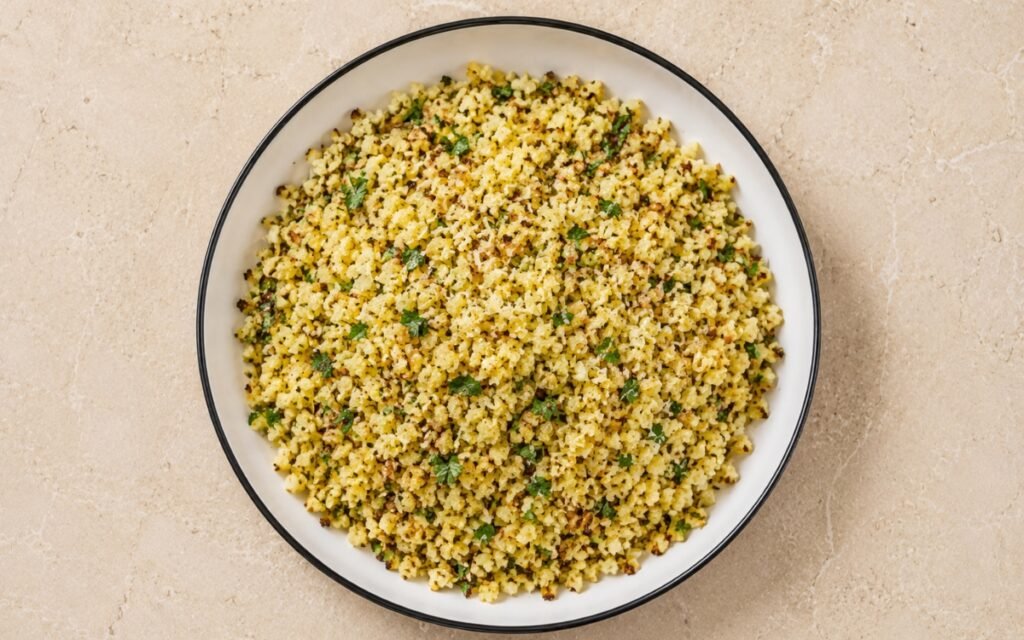
Roasted Cauliflower Rice
Cauliflower pulsed in batches, spread thin, roasted until golden and caramelized, finished with butter, parsley, and lemon. Nutty and low-carb.
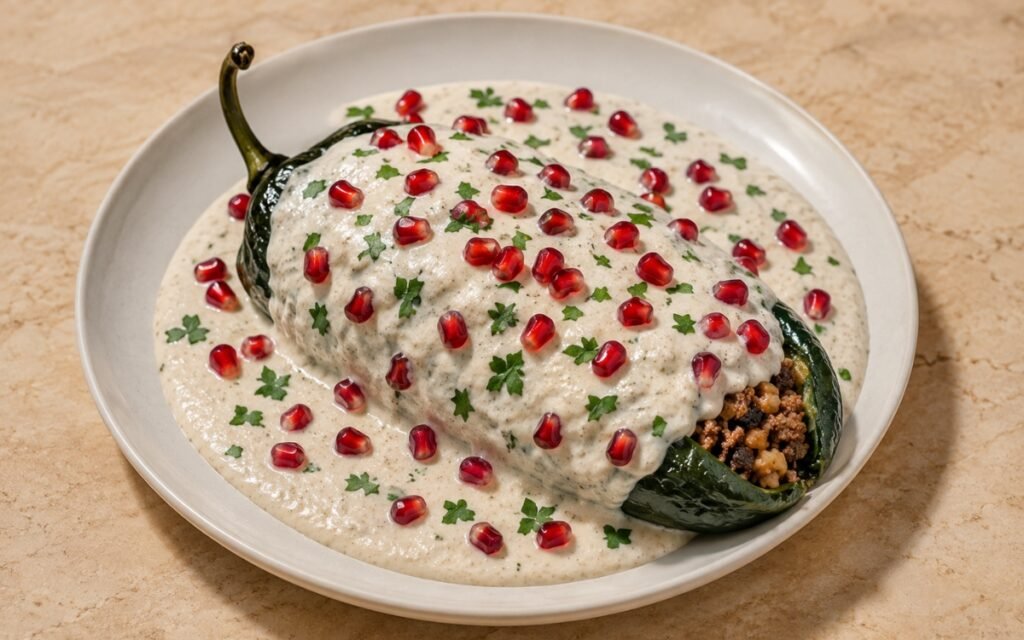
Chiles en Nogada
Roasted poblano peppers stuffed with a savoury-sweet pork and beef picadillo, covered in creamy white walnut sauce, and finished with pomegranate seeds.
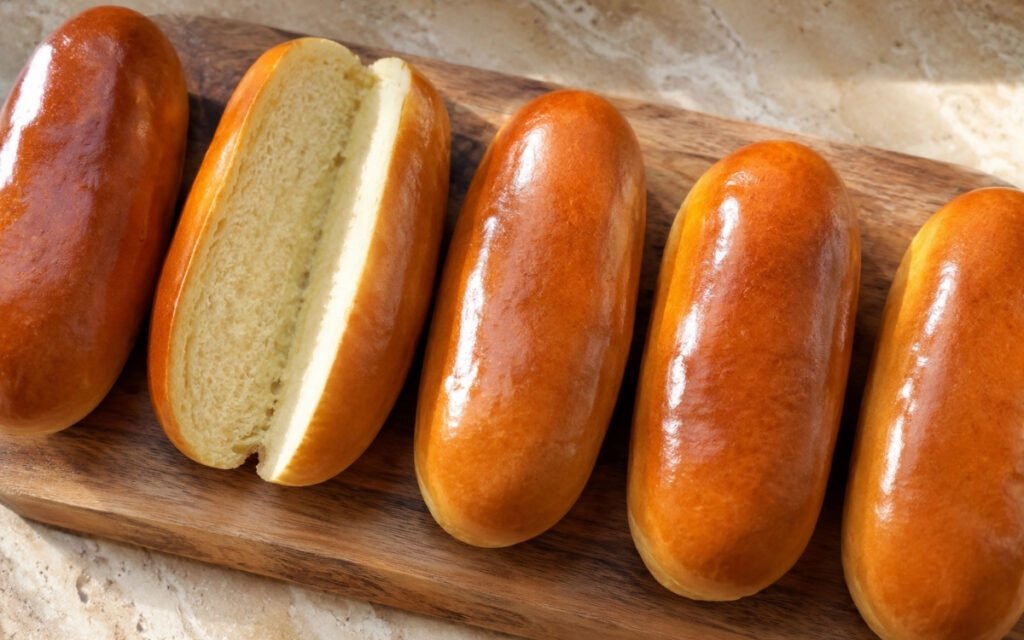
Brioche Hot Dog Buns
Butter, egg, and milk enriched brioche dough rolled into elongated logs — soft, golden, and the bun that makes hot dogs, bratwursts, and lobster rolls worth making from scratch.
You might also like
You might also like
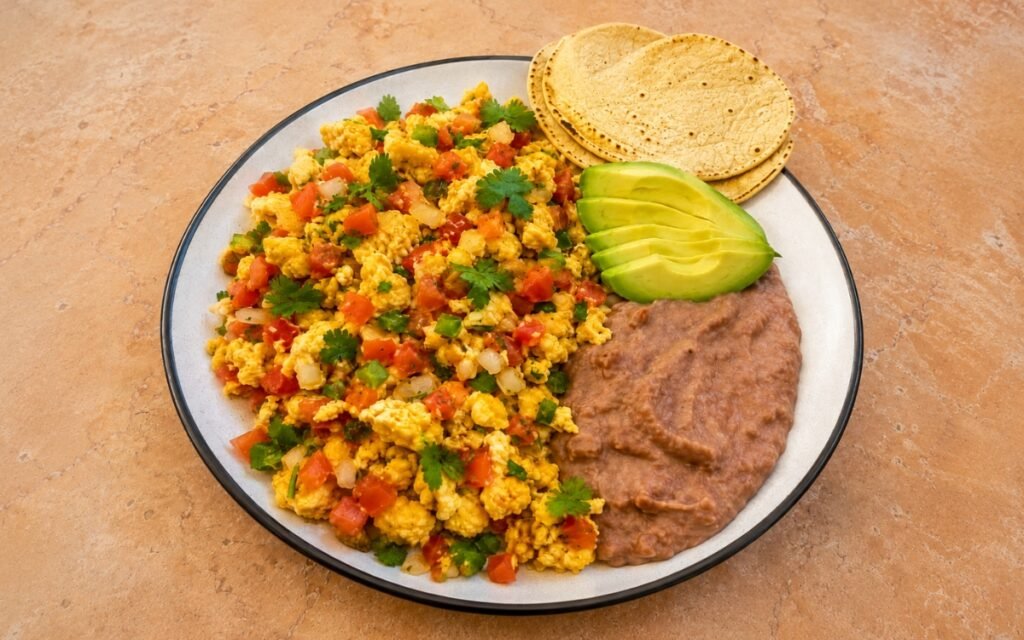
Huevos a la Mexicana
Softly scrambled eggs cooked with diced tomato, onion, and jalapeño, served with warm refried beans, sliced avocado, and tortillas.
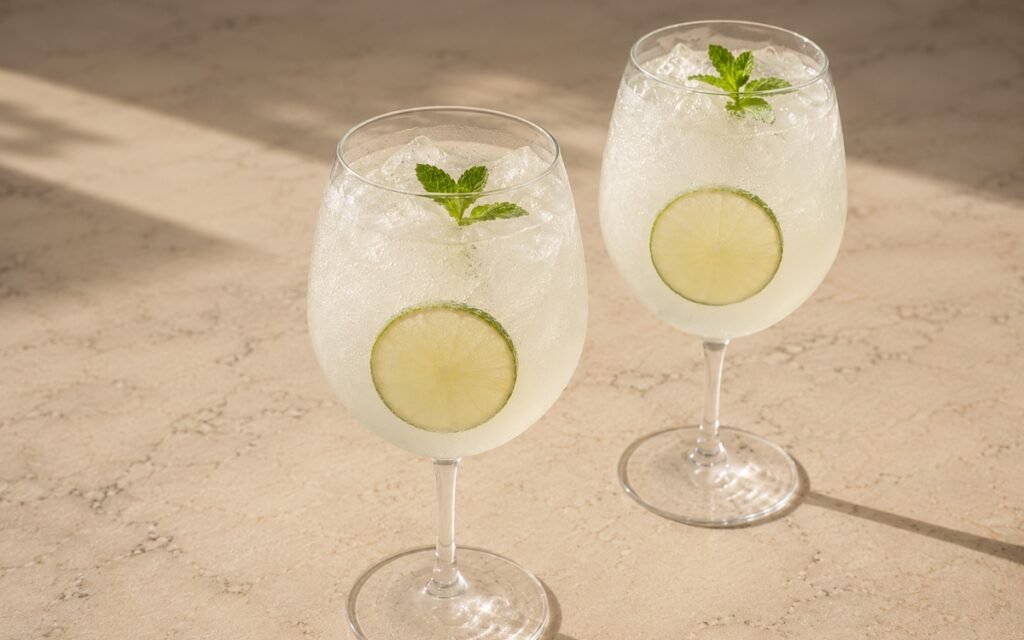
Coconut Lime Sparkling Mocktail
Honey dissolved in fresh lime juice, lime zest and mint cold-infused — coconut water added, topped with club soda. Light, tropical, and refreshing.
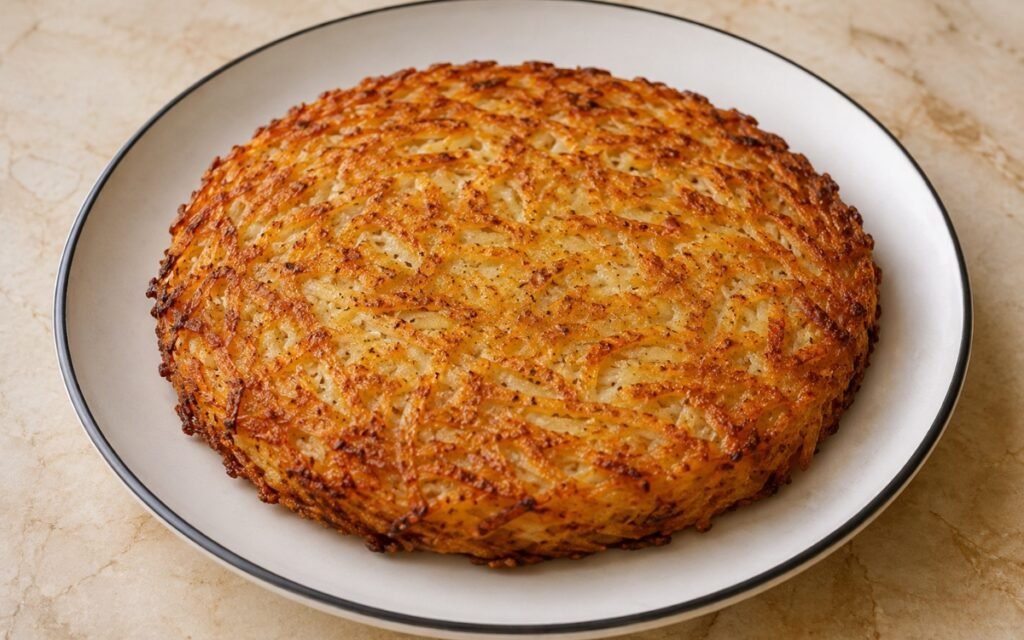
Crispy Hash Brown Potatoes
Shredded potatoes rinsed, wrung completely dry, seasoned, pressed into a cake, fried undisturbed until golden on both sides. Crisp and tender.
Homemade Corn Tortillas
Ingredients
Method
- In a medium bowl, combine the masa harina and fine sea salt and stir briefly to distribute the salt evenly through the dry masa before any liquid is added. Gradually pour in the warm water while mixing with your hand, working from the edges of the bowl inward. Mix continuously as you add the water, pressing the masa harina into the liquid with your palm rather than stirring — the pressing motion hydrates the masa more efficiently than stirring and produces a more uniform dough more quickly. Continue until the dough comes together into a cohesive, soft mass with no dry masa remaining at the bottom of the bowl. Masa harina is made from nixtamalised corn — dried corn that has been treated with an alkali solution (typically limewater), dried, and ground to a fine powder. The nixtamalisation process transforms the corn’s chemical structure in multiple ways: it releases niacin for nutritional availability, it produces the characteristic slightly earthy, slightly alkaline flavour that makes corn tortillas taste like corn tortillas rather than plain corn, and it creates a starch structure that hydrates into the pliable, cohesive masa that is impossible to achieve with regular corn flour or cornmeal. Masa harina and cornmeal are not interchangeable — only masa harina produces corn tortillas.
- Knead the dough briefly for 1–2 minutes — fold it over itself, press, rotate, and repeat — until it is completely smooth with no rough patches or dry spots. The texture assessment at this stage determines everything about the tortillas that follow. The correctly hydrated masa dough should feel soft, smooth, and slightly tacky — the consistency of warm modelling clay or a firm playdough, slightly moist to the touch but not wet. Perform the crack test: take a small ball of dough and press it firmly between your palms. If the edge of the flattened disc shows cracks, the dough is too dry and needs more water — add 5ml at a time, kneading it in and testing again after each addition. If the dough sticks heavily to your hands and leaves significant residue, it is too wet — dust lightly with masa harina, knead it in, and test again. Getting this consistency right is the only real technique in this recipe. An under-hydrated dough cracks during pressing, tears when peeled from the plastic, and produces brittle, stiff tortillas. A correctly hydrated dough presses cleanly, peels easily, and cooks into the soft, pliable tortillas the recipe is designed to produce.
- Cover the bowl tightly with plastic wrap or a damp kitchen towel and allow the masa dough to rest at room temperature for 20 minutes. This rest period is not a fermentation rest — masa harina contains no active yeast and nothing is leavening. It is a hydration rest during which the masa harina’s starch granules absorb the water more completely and evenly than they could during the brief mixing period. After the 20-minute rest, the dough feels noticeably smoother and more uniform — it has a more cohesive structure and is less likely to crack at the edges when pressed. Skipping this rest is the second most common cause of cracking tortillas after under-hydration. Do not rush it.
- Divide the rested dough into 8 equal portions, each approximately 65–70g — weigh them for consistency, as unequal portions produce tortillas of different thickness when pressed to the same target diameter. Roll each piece into a smooth, tight ball by rolling in the cupped palm of your hand in a circular motion, applying light pressure. Surface smoothness in the ball directly translates to a clean edge and even surface in the pressed tortilla — a rough or cracked ball surface will produce corresponding cracks and rough edges in the finished disc. Cover all the balls immediately with a damp cloth or plastic wrap as you work — masa dough at this hydration dries out quickly when left exposed to air, and dried surface areas crack during pressing.
- Place a sheet of plastic — cut from a zip-top bag is the most common and practical material — on the bottom plate of a tortilla press, or on your pressing surface if using an alternative flat weight. Place a dough ball in the centre of the plastic sheet and cover with a second plastic sheet. If using a tortilla press: close the press firmly and apply even, steady pressure on the handle, pressing to approximately 2mm thickness. Open, rotate the tortilla 180 degrees between the plastic sheets, close, and press again — the double-press with a rotation produces more even thickness than a single press which typically produces a slightly thicker centre and thinner edges. If no tortilla press is available: use a flat-bottomed heavy skillet, a cutting board with firm hand pressure, or a large book pressed down evenly. The tortilla should be approximately 2mm thick and 20cm in diameter. Peel the top plastic sheet away carefully from the tortilla rather than peeling the tortilla from the plastic — the tortilla is fragile at this stage and is less likely to tear if the plastic is removed from it rather than it from the plastic. Transfer to your free hand by inverting the bottom plastic over your palm and peeling that sheet away too.
- Heat a cast iron skillet, flat griddle, or heavy-bottomed pan over medium-high heat until genuinely hot — a drop of water flicked onto the surface should evaporate immediately on contact. No oil. The dry surface is essential: oil produces fried tortillas rather than the characteristic dry, slightly charred surface of a proper corn tortilla. Lay the tortilla carefully flat on the hot, dry surface — the tortilla is still fragile when raw and should be placed rather than dropped. Cook the first side for 30–45 seconds without moving. The underside should develop irregular, pale golden to light brown char spots where the masa’s starch is caramelising in direct contact with the hot surface — these spots are the visual marker of correct heat. Flip with a thin spatula and cook the second side for 30 seconds. Flip once more — back to the first side — for a final 15–20 seconds. On this third side, the tortilla should puff slightly as steam trapped between the cooked outer layers expands and separates them. This puffing is a sign of correct dough hydration and cooking technique — it indicates that the layers have cooked separately enough to trap steam. The total cook time is approximately 1.5 minutes per tortilla, which produces a soft, pliable tortilla that can be folded without cracking. A tortilla cooked for significantly longer than this — past 2 minutes at the same heat — will become progressively drier, stiffer, and more likely to crack when folded. Corn tortillas cook quickly and the cooking time should not be extended in the hope of developing more colour.
- Transfer each cooked tortilla directly from the pan to a towel-lined plate or a tortilla warmer. Cover immediately with the towel or close the warmer. The stack of cooling tortillas generates its own steam environment — the heat and moisture from each tortilla above creates a humid microclimate within the covered stack that keeps every tortilla below soft and pliable. This stacking and covering step is not optional comfort — it is the technique that makes the difference between corn tortillas that fold cleanly and ones that crack and split when bent. Allow the stack to steam for at least 5 minutes before serving.