
Virgin Spanish Sangria
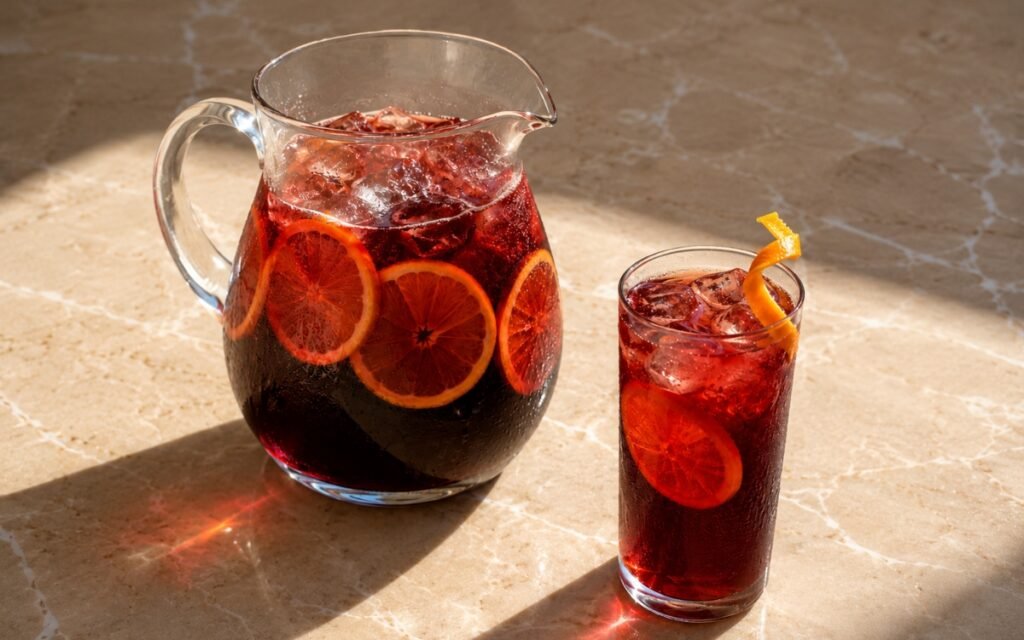
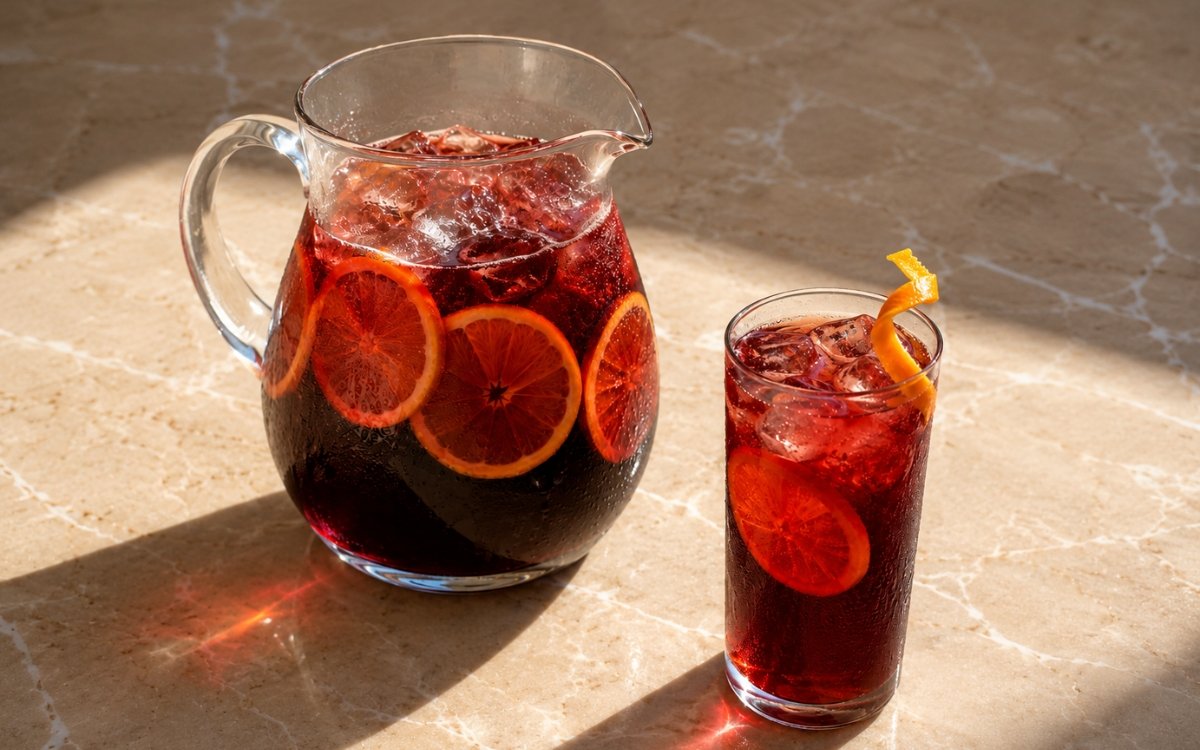
A structured, alcohol-free Spanish-style sangria built with citrus-macerated fruit, honey, fresh orange juice, and red verjus for real wine-like depth. Bright, lightly tannic, and refreshingly grown-up — festive without the sugar crash.
Prep Time : 10 min
Chill Time : 2–3 hr
Servings : 8
10 min
2–3 hr
8
Ingredients
Sangria Base
• 2 oranges, thinly sliced
• 1 lemon, thinly sliced
• 3 Tbsp mild honey
• Pinch of fine sea salt
Liquid Components
• 500 ml fresh orange juice
• 350 ml red verjus (for tannic, wine-like bite) — this one on Amazon
Fizz Finish
• 700–800 ml chilled club soda — this one on Amazon
To Serve
• Ice
• Orange peel twists
This post may contain affiliate links. As an Amazon Associate I earn from qualifying purchases, at no additional cost to you.
Directions
- Slice the Citrus
Thinly slice the oranges and lemon into even rounds about 3–4 mm thick using a sharp knife. Uniform slices ensure balanced extraction and prevent excessive bitterness from uneven maceration. - Macerate the Fruit
Add the citrus slices to a large glass pitcher along with the honey and a pinch of fine sea salt. Gently muddle using a wooden spoon or muddler just until some juice is released and the honey begins dissolving. Do not crush or shred the fruit. - Mix the Liquid Base
Pour in the fresh orange juice and red verjus. Stir slowly until fully combined and taste the base. It should already feel bright, lightly tannic, and controlled rather than sweet or heavy. - Chill to Infuse
Cover the pitcher and refrigerate for at least 1 hour, ideally 2–3 hours. Stir once halfway through chilling to redistribute the citrus and allow even infusion of oils and tannins. - Finish with Fizz
Just before serving, slowly pour in the chilled club soda along the inside wall of the pitcher. Stir gently once or twice only, enough to integrate without collapsing carbonation. - Serve Cold
Fill glasses about two-thirds full with ice, pour over the sangria, and garnish with orange peel twists. Serve immediately while the drink is crisp and lively.
*Notes :
- Use ripe, fragrant citrus whenever possible. The drink has very few ingredients, so fruit quality directly determines the final depth and balance.
- Red verjus provides essential tannic structure and dryness. Substituting grape juice or cranberry juice will make the drink noticeably sweeter and less refined.
- Make sure the honey is fully dissolved during maceration. Undissolved honey sinks and creates uneven sweetness between servings.
- Allowing proper chill time significantly improves flavor integration. Even an additional 30 minutes of resting will make the sangria feel more cohesive and layered.
- Add carbonation only at the last moment. Early addition causes the drink to go flat and dull before it even reaches the glass.
- Manage dilution carefully by avoiding excessive ice in the pitcher. Ice should primarily be added to serving glasses to maintain clarity of flavor.
Why This Mocktail Works
This sangria works because it builds real structure before sweetness. The combination of fresh citrus slices and red verjus creates a layered acidity that feels closer to wine than juice. Verjus contributes gentle tannins and dryness, preventing the drink from becoming flat or overly fruity.
Controlled maceration is another key factor. Lightly muddling the citrus releases aromatic oils and a small amount of juice without extracting bitter pith compounds. This technique allows the drink to gain depth and fragrance while maintaining a clean, elegant finish.
Finally, carbonation is treated as a finishing element rather than a base ingredient. Adding chilled club soda at the last moment preserves texture, lift, and perceived freshness. This timing keeps the drink sharp and refreshing instead of diluted and lifeless.
Ingredient Breakdown
Oranges (thinly sliced)
Provide natural sweetness, aromatic oils, and juicy body. The peel contributes subtle bitterness that balances honey and enhances the drink’s wine-like complexity when macerated gently.
Lemon (thinly sliced)
Adds sharp acidity and brightness that tightens the flavor profile. Lemon peel oils also introduce aromatic lift, preventing the sangria from feeling flat or overly round.
Mild honey
Acts as a textural sweetener rather than a dominant flavor. Honey rounds harsh edges from citrus and verjus while helping bind volatile aromas into a cohesive drink.
Fine sea salt
A micro-seasoning that enhances perceived sweetness and acidity simultaneously. Salt improves flavor integration and gives the sangria a more complete, structured finish.
Fresh orange juice
Forms the liquid body of the drink. Provides natural sugars, viscosity, and fruit depth that anchors the lighter citrus infusion and balances verjus dryness.
Red verjus
Supplies tannic grip and wine-like acidity without alcohol. Its subtle grape character adds sophistication and prevents the drink from tasting like standard fruit punch.
Club soda
Introduces effervescence and dilution control. The bubbles lift aromas toward the nose and make each sip feel lighter, crisper, and more refreshing.
Flavor Structure Explained
This sangria follows a restrained balance model:
- Juicy body (orange juice + macerated citrus)
- Tannic dryness (red verjus)
- Soft rounding sweetness (honey)
- Aromatic lift (citrus oils)
- Mineral brightness (salt + carbonation)
The result is a drink that feels festive and layered rather than sugary or one-dimensional.
Common Mistakes to Avoid
- Over-muddling citrus — releases pith bitterness and ruins clarity.
- Skipping chill time — results in disconnected flavors and harsh acidity.
- Adding soda too early — flattens the drink before serving.
- Using overly sweet juice — destroys balance and masks verjus complexity.
- Ignoring salt — leads to a thin, incomplete flavor profile.
Variations
Berry-infused version
Add a handful of sliced strawberries or raspberries during maceration. They contribute subtle floral sweetness and a deeper color without overpowering the citrus backbone.
Herbal sangria twist
Infuse the base with a few thyme sprigs or fresh rosemary during chilling. Remove before serving to avoid excessive bitterness while gaining aromatic complexity.
Grapefruit-forward profile
Replace one orange with pink grapefruit for sharper acidity and a more adult, bittersweet finish. This variation works especially well in hot weather.
Sparkling tonic finish
Swap half the club soda for light tonic water to introduce gentle quinine bitterness. This creates a more aperitif-style sangria suited for evening service.
Storage & Make-Ahead
The citrus-verjus base can be prepared ahead and stored covered in the refrigerator for up to 24 hours. During this time the flavors deepen and integrate, but the drink will also become slightly more citrus-forward as the slices continue to infuse.
For best texture and balance, strain out the citrus slices if storing longer than 12–18 hours. This prevents excess bitterness from the peel and keeps the sangria tasting clean and structured rather than heavy or pithy.
Always add club soda only at the moment of serving. Carbonation fades quickly in storage, so pre-mixing the fizz will result in a flat, diluted drink that loses the crisp, refreshing lift that defines proper sangria.
Frequently Asked Questions
Can I make virgin sangria ahead of time?
Yes, prepare the citrus and liquid base up to 8 hours in advance. Store chilled and add carbonation only right before serving.
What can replace red verjus?
A mix of white grape juice and a splash of red wine vinegar can approximate the acidity, but the result will be less refined.
How long will leftovers last?
Without carbonation, the base keeps well for up to 2 days refrigerated. Once soda is added, it’s best consumed within a few hours.
Can I prepare virgin sangria a day in advance?
You can prepare the citrus and liquid base up to 24 hours ahead and keep it refrigerated, but always add the club soda right before serving to maintain proper fizz and freshness.
Nutrition Facts
( per ~200 ml serving )
Calories
~55 kcal
Protein
0 g
Fat
0 g
Carbs
~14 g
Calories
~55 kcal
Protein
0 g
Fat
0 g
Carbs
~14 g
Related Recipes
Related Recipes

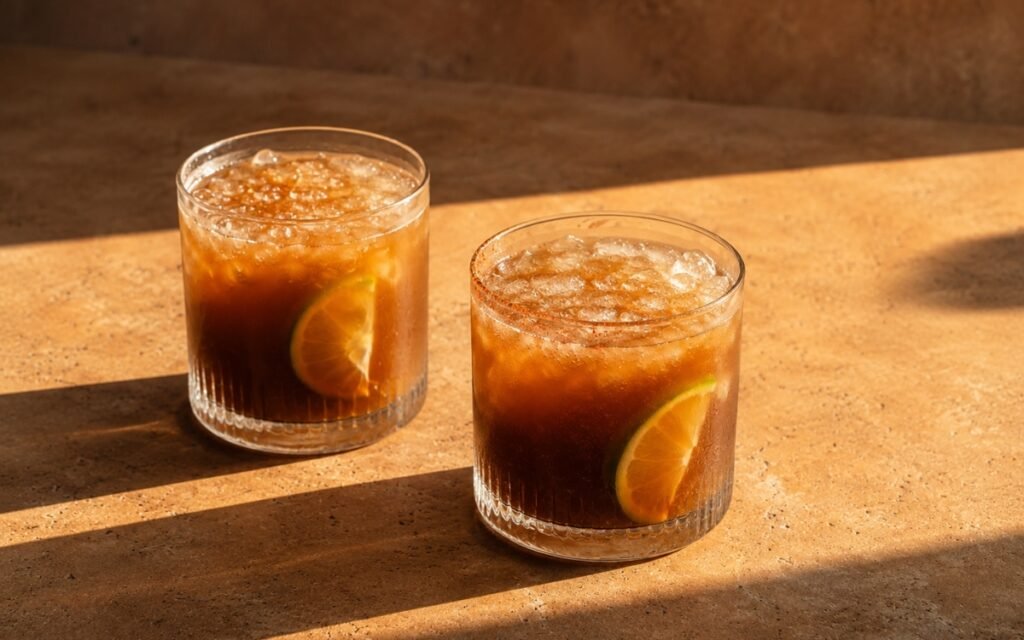
Tamarind Chili Agua Fresca Mocktail
Tamarind and chili with lime over crushed ice, partial chili-salt rim — bold and Mexican.
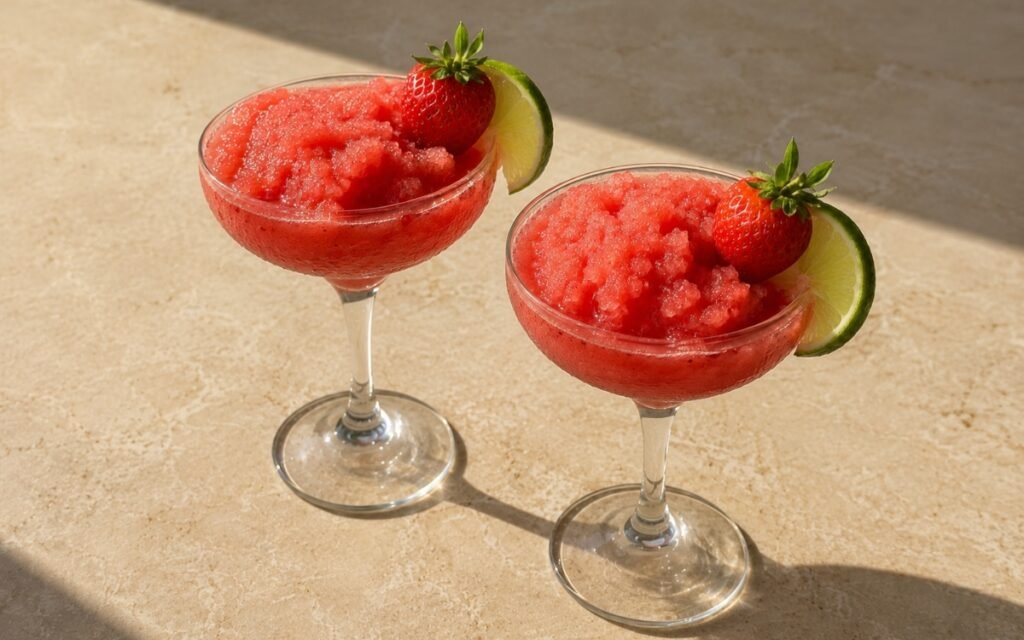
Virgin Strawberry Daiquiri
Deep red slushy strawberry mocktail in a chilled glass, brightened with lime and garnished with a lime slice.
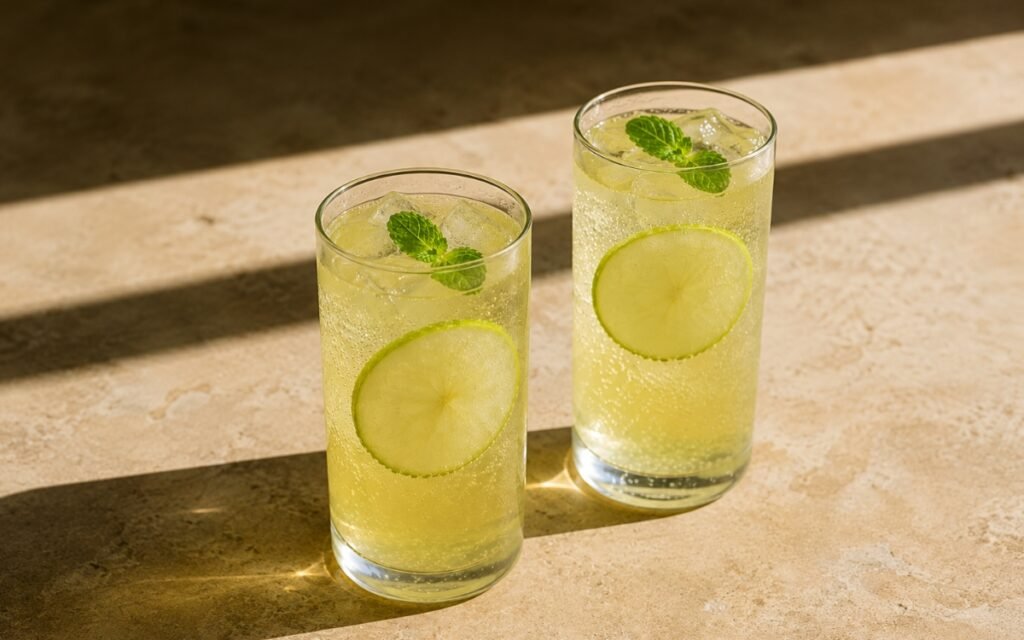
Green Apple Ginger Mint Fizz Mocktail
Skin-on green apples pressed with lime, raw ginger cold-infused in honey — topped with club soda. Sharp, pale green, and crisp.
You might also like
You might also like
Patatas Bravas with Mayonnaise-Style Aioli
Potatoes parboiled, shaken rough, roasted on a preheated tray — smoky bravas sauce with sherry vinegar, creamy garlic aioli.
Verbena Peach Iced Black Tea
Light black tea at 90–95°C for 2½–3 minutes, peach syrup made separately, verbena clapped and infused cold 8–12 minutes — lemon peel, chilled. Floral, aromatic, softly fruity.
Mango Lime Pitcher Drink
Ripe mango in light brown sugar syrup with lime zest and chili off heat — pressed firmly, combined with fresh lime juice, salt, cold water, chilled. Tropical and lightly warm.
Virgin Spanish Sangria
Ingredients
Method
- Thinly slice the oranges and lemon into even rounds about 3–4 mm thick using a sharp knife. Uniform slices ensure balanced extraction and prevent excessive bitterness from uneven maceration.
- Add the citrus slices to a large glass pitcher along with the honey and a pinch of fine sea salt. Gently muddle using a wooden spoon or muddler just until some juice is released and the honey begins dissolving. Do not crush or shred the fruit.
- Pour in the fresh orange juice and red verjus. Stir slowly until fully combined and taste the base. It should already feel bright, lightly tannic, and controlled rather than sweet or heavy.
- Cover the pitcher and refrigerate for at least 1 hour, ideally 2–3 hours. Stir once halfway through chilling to redistribute the citrus and allow even infusion of oils and tannins.
- Just before serving, slowly pour in the chilled club soda along the inside wall of the pitcher. Stir gently once or twice only, enough to integrate without collapsing carbonation.
- Fill glasses about two-thirds full with ice, pour over the sangria, and garnish with orange peel twists. Serve immediately while the drink is crisp and lively.