
Crispy Hash Brown Potatoes
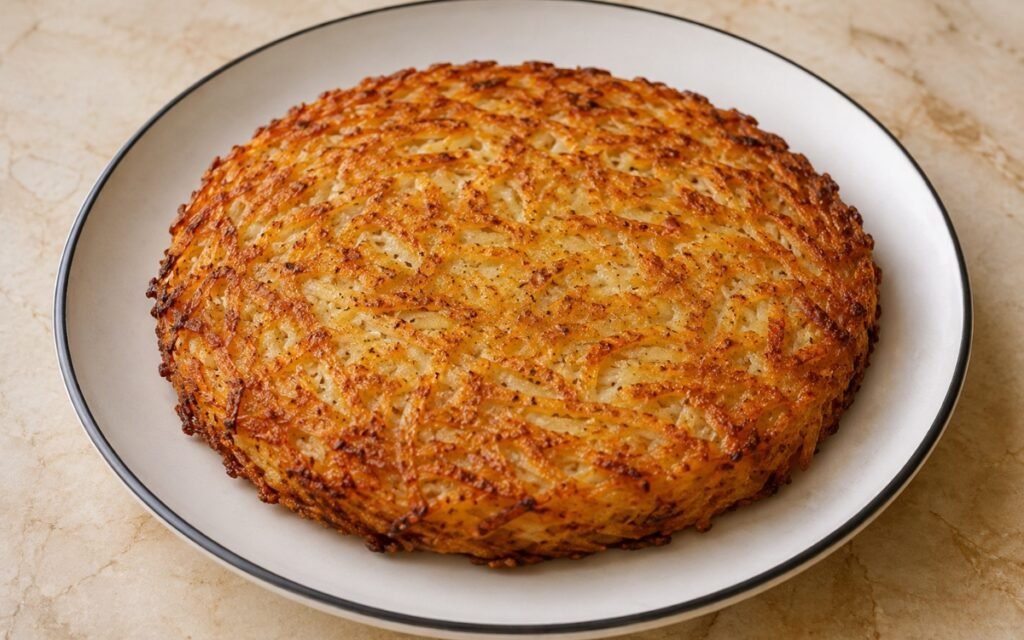
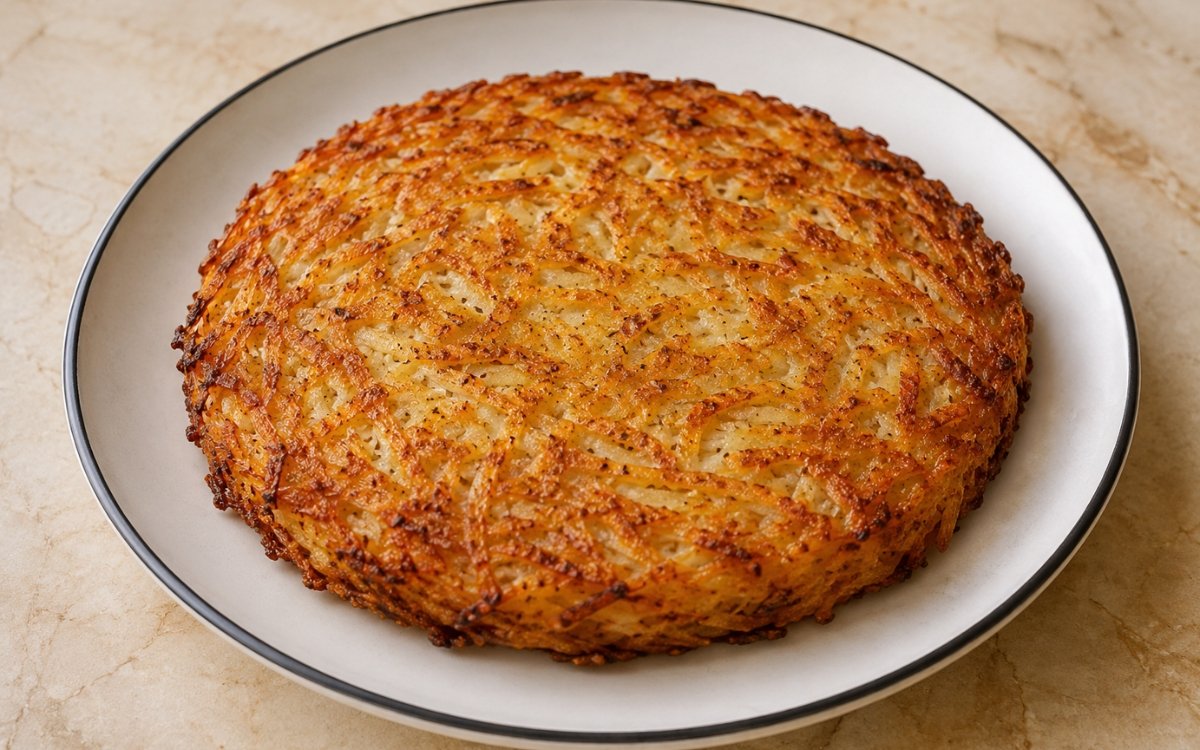
Crispy Hash Brown Potatoes are golden, crispy-edged hash browns with a tender interior, pan-fried to perfection. These restaurant-quality shredded potatoes develop a satisfying crunch while maintaining fluffiness inside, making them an irresistible breakfast side or anytime carbohydrate base. Rinsing the shredded potatoes in cold water is the first of two distinct moisture-management steps this recipe depends on, and it’s specifically about washing away surface starch until the water runs noticeably cloudy — starch left on the shreds interferes with crisping and encourages sticking. The second, more aggressive step follows immediately: wringing the rinsed shreds in a towel until genuinely no more liquid comes out. This isn’t the gentle pat-dry used elsewhere in this collection — hash browns hold far more internal moisture than a sliced or cubed potato, and only forceful wringing removes enough of it to allow real crisping rather than steaming in the pan. Pressing the seasoned shreds into a single, compact “cake” and leaving it completely undisturbed for the full 8–10 minutes per side is what builds the deep, connected golden crust hash browns are known for, rather than a loose scramble of individually browned shreds. The result is genuinely crisp at the edges, tender within, and built entirely on careful moisture control.
Prep Time : 15 min
Cook Time : 20 min
Servings : 4
15 min
20 min
4
Ingredients
For the Hash Browns
• 800g russet potatoes, shredded
• 6g salt
• 2g black pepper
• 2g onion powder — this one on Amazon
• 40ml vegetable oil
• 20g unsalted butter — this one on Amazon
This post may contain affiliate links. As an Amazon Associate I earn from qualifying purchases, at no additional cost to you.
Directions
- Shred and Rinse Potatoes
Peel and coarsely shred the 800g russet potatoes. Place shreds in a bowl of cold water and swish vigorously to wash off surface starch; the water should turn cloudy. Drain thoroughly, and if the water was extremely starchy, rinse once more for a cleaner, crispier fry. - Remove Moisture Completely
Transfer the potatoes to a clean kitchen towel (or cheesecloth), wrap tightly, and squeeze firmly over the sink until you’ve removed as much liquid as possible. Then loosen the shreds with your fingers so they aren’t packed into wet clumps. This step controls crispness — wet potatoes steam instead of frying. - Season the Potatoes
Place the dry shreds in a bowl and toss evenly with the 6g salt, 2g black pepper, and 2g onion powder. Mix with your hands so seasoning distributes through the shreds rather than sitting in one area. - Pan Fry Until Crispy
Heat a large non-stick skillet or cast iron pan (28–30cm) over medium-high heat. Add the 40ml vegetable oil and 20g butter; once the butter foams and the fat is shimmering, add the potatoes in an even layer and press firmly with a spatula to form a flat “cake.” Cook undisturbed 8–10 minutes until the bottom is deep golden and releases from the pan; flip in sections (or slide onto a plate, invert, and return) and cook another 8–10 minutes until the second side is equally crisp. Break into portions and serve immediately.
*Notes :
- Rinsing the shredded potatoes is a genuinely different starch-removal step than the soaking used for cut fries elsewhere in this collection. Shredded potato has considerably more exposed surface area relative to its volume than a cubed or sliced piece, meaning it releases starch far more readily — a vigorous swish rather than a passive soak is what actually clears that starch efficiently.
- Wringing the shreds in a towel is deliberately more aggressive than the pat-drying used for other roasted or fried potato preparations in this collection. Shredded potato holds moisture within its structure in a way that whole cubes or slices don’t, and only genuine, forceful squeezing extracts enough of that internal liquid to allow real crisping.
- Pressing the shreds into a single compact cake and leaving it undisturbed is what builds a connected, sheet-like crust rather than individually browned strands. Stirring or breaking up the potatoes during the cook interrupts that connection and produces a looser, less structurally satisfying result.
Why This Recipe Works
This recipe works because rinsing removes excess surface starch that would otherwise cause sticking and gumminess. Aggressive wringing removes the internal moisture that would steam the potatoes rather than let them crisp.
Pressing the shreds into a compact cake and leaving it undisturbed builds a genuine, connected crust. And flipping only once the first side has fully released ensures both sides develop equally deep color.
Ingredient Breakdown
Russet Potatoes, Shredded and Rinsed
The foundation — starch removal specifically suited to shredded potato’s high surface area.
Aggressively Wrung Moisture Removal
The crisping requirement — more forceful than pat-drying, given how much internal moisture shredded potato holds.
Pressed Into a Single Cake
The structural technique — building a connected crust rather than individually fried strands.
Butter and Oil Combination
The frying medium — oil for heat tolerance, butter for flavor and browning.
Flavor Structure Explained
This Crispy Hash Brown Potatoes follows a technique-driven balance model:
- Starchy potato core (shredded potatoes)
- Deep golden crust (undisturbed frying)
- Crisp exterior structure (moisture control)
- Simple savory seasoning (salt, pepper, onion powder)
- Tender interior contrast (proper compression and cooking)
The potato defines the foundation with a clean, starchy flavor that becomes deeper and more savory through frying. Moisture control is the key structural step, allowing the shredded potatoes to crisp instead of steam or turn heavy. Undisturbed contact with the pan develops the main flavor and texture register: a deeply golden crust with concentrated potato richness. Salt, black pepper, and onion powder provide a simple savory backbone that enhances the potato without distracting from it. The contrast between the crisp exterior and tender interior gives the dish its satisfying structure. The result is a hash brown preparation built around precision and restraint, where drying, frying, and clean seasoning allow the potato itself to remain the focus.
Common Mistakes to Avoid
- Skipping the Rinse – Leaves excess surface starch that causes sticking and gumminess. Always swish vigorously until the water clears.
- Only Pat-Drying Instead of Wringing – Leaves too much internal moisture, causing steaming instead of frying. Always wring forcefully in a towel.
- Stirring the Potatoes During Frying – Prevents the connected crust from forming. Always press into a cake and leave undisturbed.
- Flipping Before the First Side Releases – Tears the crust apart before it’s fully set. Always wait until the bottom releases naturally from the pan.
- Serving After the Hash Browns Have Sat Too Long – Loses crispness as residual steam softens the crust. Always serve immediately.
Variations
With Cheese
Sprinkle shredded cheddar over the potatoes during the last few minutes of the second side for a melted, cheesy finish.
With Bell Peppers and Onion
Fold in finely diced bell pepper and onion before frying for a more substantial hash.
With Zucchini
For a related shredded vegetable preparation using a similar moisture-removal principle, see the Crispy Zucchini Fritters.
Individual Patties
Divide the mixture into smaller portions and fry as individual patties instead of one large cake for easier portioning.
Storage & Make-Ahead
Rinsed and dried shredded potatoes can be prepared up to 2 hours in advance if kept covered, though frying them fresh will produce the best texture.
Cooked hash browns are best eaten immediately. Reheat them in a hot pan rather than a microwave to help restore some crispness.
Frequently Asked Questions
Why rinse the shredded potatoes when other fry recipes in this collection use a plain soak?
Shredded potato has far more exposed surface area relative to its volume than a cubed or sliced potato, which means it releases starch much more readily. A vigorous rinse and swish clears that starch far more effectively than a passive soak would for this specific cut.
Why does the drying step require actual wringing rather than just patting with a towel?
Shredded potato holds a significant amount of moisture within its structure, not just on the surface, in a way that whole cubes or slices don’t. Only forceful wringing extracts enough of that internal liquid to allow the potatoes to genuinely crisp in the pan rather than steaming in their own released moisture.
Why press the shreds into a single cake instead of frying them loosely?
Pressing the potatoes into a compact, connected layer allows a genuine, sheet-like crust to form across the entire surface. Frying the shreds loosely, without pressing and without leaving them undisturbed, produces individually browned strands rather than the deep, connected crispness hash browns are specifically known for.
What should I serve alongside these hash browns?
These pair naturally with the Braised Beef Chuck Steak or Garlic Mushroom Halloumi Skillet, and for a related shredded vegetable preparation, try the Crispy Zucchini Fritters.
Nutrition Facts
( per serving )
Calories
~230 kcal
Protein
3 g
Fat
13 g
Carbs
26 g
Calories
~230 kcal
Protein
3 g
Fat
13 g
Carbs
26 g
Related Recipes
Related Recipes

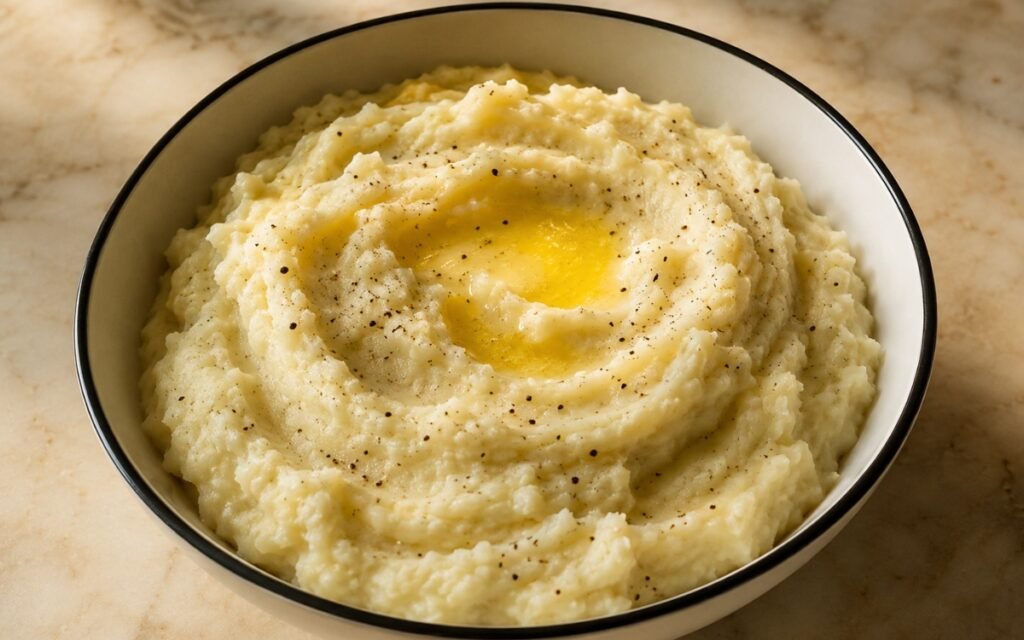
Classic Mashed Potatoes
Creamy, buttery mashed potatoes with perfectly smooth texture – the ultimate comfort food side dish.
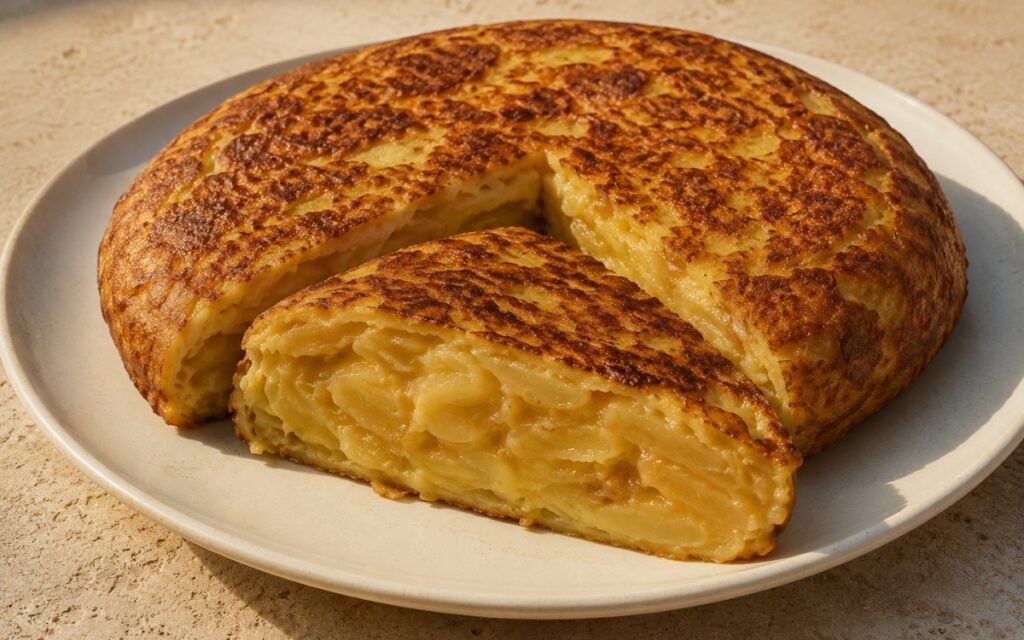
Spanish Tortilla / Tortilla Española
Thin potato slices gently cooked in olive oil, folded into beaten eggs, and cooked slowly for a golden exterior and soft, custardy centre.
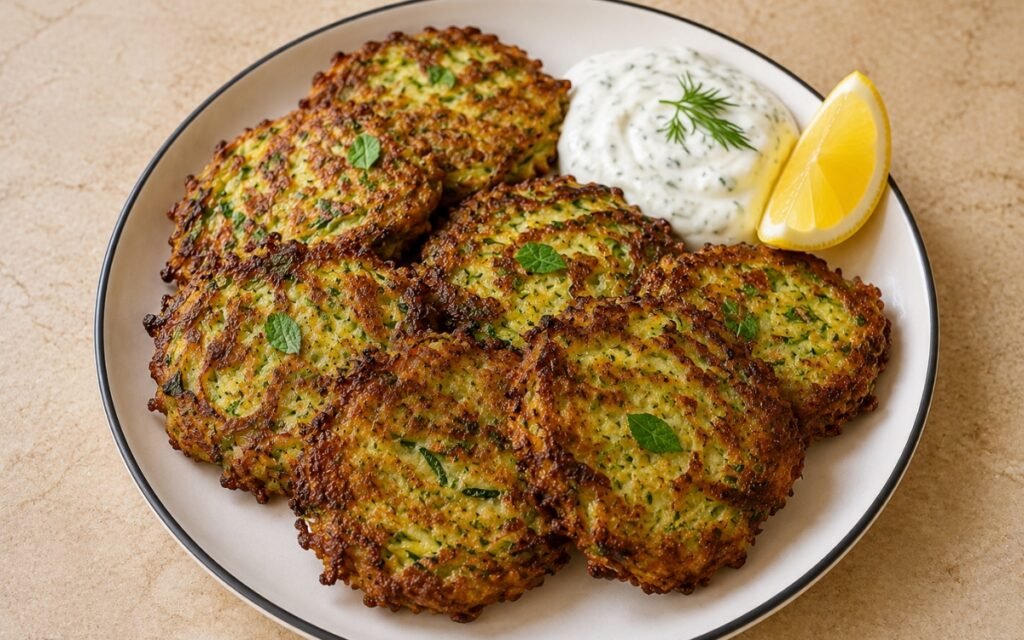
Crispy Zucchini Fritters
Zucchini salted and firmly squeezed dry, mixed into a thick herb-Parmesan batter, fried without crowding until golden. Crisp and herbaceous.
You might also like
You might also like
Crêpes Suzette
Delicate French crêpes folded into triangles and coated in a glossy orange-butter Suzette sauce with fresh orange juice and zest.
White Chocolate Iced Mocha
Gently melted white chocolate sauce combined with hot espresso, poured over ice and cold milk for a creamy, pale caramel-cream mocha.
Sausages in Blankets
Cocktail sausages and a small log of cheddar wrapped in flaky puff pastry, brushed with egg wash until deep golden and glossy.


Crispy Hash Brown Potatoes
Ingredients
Method
- Peel and coarsely shred the 800g russet potatoes. Place shreds in a bowl of cold water and swish vigorously to wash off surface starch; the water should turn cloudy. Drain thoroughly, and if the water was extremely starchy, rinse once more for a cleaner, crispier fry.
- Transfer the potatoes to a clean kitchen towel (or cheesecloth), wrap tightly, and squeeze firmly over the sink until you’ve removed as much liquid as possible. Then loosen the shreds with your fingers so they aren’t packed into wet clumps. This step controls crispness — wet potatoes steam instead of frying.
- Place the dry shreds in a bowl and toss evenly with the 6g salt, 2g black pepper, and 2g onion powder. Mix with your hands so seasoning distributes through the shreds rather than sitting in one area.
- Heat a large non-stick skillet or cast iron pan (28–30cm) over medium-high heat. Add the 40ml vegetable oil and 20g butter; once the butter foams and the fat is shimmering, add the potatoes in an even layer and press firmly with a spatula to form a flat “cake.” Cook undisturbed 8–10 minutes until the bottom is deep golden and releases from the pan; flip in sections (or slide onto a plate, invert, and return) and cook another 8–10 minutes until the second side is equally crisp. Break into portions and serve immediately.