
Crêpes Suzette
Delicate French crêpes folded into triangles and coated in a glossy orange-butter Suzette sauce made with fresh orange juice, zest, sugar, butter, and a little lemon for balance. The key is making thin tender crêpes first, then gently warming and glazing them in the sauce so they stay soft, lightly caramelized, and fully coated without turning heavy or soggy. Resting the crêpe batter for a genuine 20 to 30 minutes before cooking is the technique this whole recipe depends on for tender, evenly cooking crêpes — that rest lets the flour fully hydrate and the gluten relax, the same rest-the-batter-first principle used elsewhere in this collection whenever a thin batter needs real time to settle before it ever meets a hot pan. Adding the butter to the Suzette sauce piece by piece, rather than all at once, is what produces a genuinely glossy, emulsified sauce instead of one that turns greasy or separates. Keeping the final simmer gentle once the butter is incorporated is what protects that same emulsion right through to serving. The payoff is a dish with real, classic elegance — soft, delicate crêpes folded into triangles, coated glossy in bright, buttery orange sauce, finished with fresh orange segments.

Prep Time : 20 min
Cook Time : 25 min
Servings : 4
20 min
25 min
4
Ingredients
For the Crêpe Batter
• 125g all-purpose flour — this one on Amazon
• 15g granulated sugar
• 1g fine sea salt
• 3 large eggs
• 300ml whole milk — this one on Amazon
• 45ml water
• 30g unsalted butter, melted and slightly cooled
• 5ml vanilla extract, optional
• A little extra butter, for the pan
For the Suzette Sauce
• 80g granulated sugar
• Finely grated zest of 2 oranges
• 120ml fresh orange juice
• 15ml fresh lemon juice
• 90g unsalted butter, cut into pieces — this one on Amazon
• 30ml orange liqueur such as Grand Marnier or Cointreau, optional but classic
• 1 pinch fine sea salt
For Serving
• 1 orange, peeled and cut into thin segments or very thin slices
• A little extra orange zest, optional
This post may contain affiliate links. As an Amazon Associate I earn from qualifying purchases, at no additional cost to you.
Directions
- Make the Crêpe Batter
In a mixing bowl, whisk together the flour, sugar, and salt. In a separate bowl or large measuring jug, whisk the eggs, milk, water, melted butter, and vanilla if using. Pour the wet mixture gradually into the dry ingredients, whisking until smooth. The batter should be thin and fluid, with no visible lumps. If needed, strain it through a fine sieve. Cover and let the batter rest for 20 to 30 minutes. Resting the batter allows the flour to fully hydrate and the gluten to relax, which gives more tender crêpes and helps them cook evenly. That rest genuinely matters here — batter used immediately after mixing hasn’t had time for the flour to fully absorb the liquid, which can leave the finished crêpes tougher and more prone to tearing than one given real time to settle first. - Cook the Crêpes
Heat a 20 to 24cm nonstick skillet or crêpe pan over medium heat. Lightly butter the pan. Pour in just enough batter to coat the bottom in a thin layer, about 50 to 60ml per crêpe, swirling immediately. Cook for about 45 to 60 seconds on the first side, until the surface looks set and the underside is lightly golden in spots. Flip and cook the second side for about 15 to 30 seconds more. Transfer to a plate and repeat with the remaining batter, lightly buttering the pan as needed. You should get about 8 crêpes. Stack the finished crêpes and keep them covered so they do not dry out. The crêpes should be thin, flexible, and just lightly golden, not crisp. If the heat is too high, they will brown too fast and lose their delicate texture. Swirling the batter immediately after pouring it into the pan, before it has any chance to set unevenly, is what produces a genuinely thin, even crêpe rather than one with thick and thin patches. - Start the Suzette Sauce
In a large skillet set over medium heat, add the sugar and orange zest. Stir for 30 to 60 seconds so the zest perfumes the sugar. Pour in the orange juice and lemon juice, then stir until the sugar dissolves. Simmer for 2 to 3 minutes to reduce slightly. Add the butter piece by piece, swirling or stirring until fully melted and emulsified. Add the orange liqueur if using, then a tiny pinch of salt. Stirring the zest directly into the dry sugar before any liquid is added lets the sugar’s own abrasive texture help release the zest’s aromatic oils, building real orange fragrance into the sauce’s very foundation. - Reduce the Sauce to the Right Texture
Let the sauce simmer gently for another 2 to 4 minutes, until it looks glossy and lightly thickened. It should not become syrupy or sticky. It should be fluid enough to coat the crêpes and leave a light pool on the plate. Do not aggressively boil the sauce once the butter is in. A gentle simmer keeps it smooth and glossy instead of greasy or broken. That specific, gentle heat protects the butter emulsion already established in the sauce — a harder boil at this stage would agitate the mixture enough to break that emulsion apart, separating the fat back out rather than keeping it bound into the glossy sauce this recipe depends on. - Coat and Warm the Crêpes
Fold each crêpe in half, then in half again into triangles. Place 2 to 4 folded crêpes into the sauce, depending on the size of the skillet, and spoon the sauce over them. Warm for 30 to 60 seconds per side, just until heated through and glazed. Repeat with the remaining crêpes. The crêpes should absorb some flavor but still remain delicate and distinct, not soaked to the point of falling apart. That genuinely brief warming window is what lets the crêpes pick up real flavour and gloss from the sauce without giving the liquid enough time to actually soak all the way through and compromise their own delicate structure. - Serve
Divide the crêpes between plates, about 2 crêpes per serving. Spoon over the remaining sauce and add a few orange segments or thin slices. Finish with a little extra orange zest if you like. Serve immediately while warm and glossy. This dish is genuinely at its best only in the moments right after the crêpes are glazed — both the sauce’s own gloss and the crêpes’ own soft, warm texture begin to change noticeably as everything cools.
*Notes :
- Resting the crêpe batter for a genuine 20 to 30 minutes deserves real respect as the technique responsible for whether the finished crêpes turn out tender or tough. That rest gives the flour real time to fully hydrate and lets the gluten network relax after mixing — batter used immediately, without that settling time, produces crêpes with a noticeably tougher bite and a greater tendency to tear during cooking and folding.
- Adding the butter to the Suzette sauce piece by piece, rather than all at once, deserves the same attention this technique receives throughout this collection’s other emulsified butter sauces. That gradual approach lets each addition properly incorporate before the next joins, building a genuinely stable emulsion — dumping the butter in together risks it separating out rather than binding smoothly into the glossy sauce this dish depends on.
- Keeping the final simmer genuinely gentle once the butter has been incorporated deserves recognition as the detail most responsible for whether the sauce stays glossy through to serving or breaks. A butter-based emulsion is genuinely fragile against aggressive heat, and a harder boil at this stage risks agitating the sauce enough to separate the fat back out — the gentle heat specified here protects that hard-won emulsion right through to the final plate.
- Keeping the crêpes’ time in the sauce genuinely brief, warming rather than soaking them, deserves attention as a real, deliberate technique choice central to this dish’s whole identity. Crêpes are delicate by nature, and extended contact with a hot, wet sauce would compromise their structure — the specific, short warming window lets them absorb real flavour and gloss while staying genuinely intact and distinct.
Why This Recipe Works
This recipe works because the crêpe batter is rested properly, letting the flour hydrate and the gluten relax for a genuinely tender result. The crêpes are cooked over moderate heat and swirled immediately for even, thin coverage.
The Suzette sauce is built by adding butter gradually, producing a real, stable emulsion, and that emulsion is protected throughout by keeping the final simmer gentle rather than boiling hard.
Warming the folded crêpes only briefly in the sauce lets them absorb real flavour and gloss without compromising their own delicate structure, and serving immediately delivers the dish at its glossiest, warmest best.
Ingredient Breakdown
Properly Rested Crêpe Batter
The critical technique — allows real hydration and gluten relaxation, producing genuinely tender, easy-to-fold crêpes.
Immediately Swirled Batter (In the Pan)
The critical technique — produces thin, even crêpes rather than ones with thick and thin patches.
Gradually Added Butter (Suzette Sauce)
The critical technique — builds a genuine, stable emulsion rather than a separated, greasy sauce.
Gentle Final Simmer
The critical technique — protects the sauce’s fragile butter emulsion from breaking under aggressive heat.
Brief Sauce-Warming (Crêpes)
The critical finishing technique — lets the crêpes absorb flavour and gloss without compromising their delicate structure.
Flavor Structure Explained
This crêpes Suzette follows a layered balance model:
- Delicate, tender foundation (properly rested, thinly cooked crêpes)
- Bright citrus depth (orange zest, orange juice, lemon juice)
- Rich glossy body (gradually emulsified butter sauce)
- Warm aromatic finish (optional orange liqueur)
- Fresh finishing note (fresh orange segments, extra zest)
Properly rested, thinly cooked crêpes provide this dish’s delicate, tender foundation. Orange zest, fresh orange juice, and a touch of lemon juice build bright, genuine citrus depth throughout the sauce. Butter, incorporated gradually, contributes rich, glossy body to that same sauce. An optional touch of orange liqueur adds warm, aromatic finish. Fresh orange segments and a little extra zest finish the plate with a final, bright note that ties the whole dish together.
Common Mistakes to Avoid
- Skipping the Batter’s Resting Time – This produces tougher, more tear-prone crêpes. Always let the batter rest for the full 20 to 30 minutes.
- Cooking the Crêpes Over Too-High Heat – This browns them too quickly and loses their delicate texture. Always use moderate heat.
- Adding All the Butter to the Sauce at Once – This risks the sauce separating rather than emulsifying. Always add it gradually, piece by piece.
- Boiling the Sauce Hard Once the Butter Is In – This breaks the emulsion, turning the sauce greasy. Always keep this stage at a genuine gentle simmer.
- Leaving the Crêpes in the Sauce Too Long – This risks them falling apart rather than staying delicate and distinct. Always warm them only briefly.
Variations
Non-Alcoholic Version
Omit the orange liqueur entirely, per the recipe’s own note, accepting a slightly less classically layered flavour.
Extra-Citrus Version
Increase the orange zest slightly for a more pronounced citrus aroma throughout the sauce.
Flambéed Version
For a classic tableside presentation, warm a small amount of the liqueur separately and carefully ignite it over the sauce just before serving.
Extra-Buttery Version
Increase the butter slightly for an even richer, glossier finished sauce.
Storage & Make-Ahead
Fresh orange juice is important here. Bottled juice gives a flatter sauce.
The crêpe batter can be made a few hours ahead and kept chilled. Stir it again before cooking.
If the batter thickens too much after resting, whisk in 1 to 2 tbsp milk to loosen it.
Frequently Asked Questions
Why does the crêpe batter need to rest before cooking?
That rest lets the flour fully hydrate and allows the gluten network to relax after mixing. Batter used immediately produces crêpes with a noticeably tougher bite and a greater tendency to tear.
Why is the butter added to the Suzette sauce gradually rather than all at once?
Adding it piece by piece lets each addition properly incorporate before the next joins, building a genuine, stable emulsion. Adding it all together risks the butter separating out rather than binding smoothly into the sauce.
Why can’t the sauce be boiled hard once the butter is in?
A butter-based emulsion is genuinely fragile against aggressive heat. A harder boil risks agitating the sauce enough to separate the fat back out, turning it greasy rather than staying glossy.
Why do the crêpes only warm briefly in the sauce rather than soaking longer?
Crêpes are delicate by nature, and extended contact with a hot, wet sauce would compromise their structure. The brief warming window lets them absorb real flavour and gloss while staying genuinely intact.
Are there other classic French, pancake, or citrus-forward dessert dishes worth trying?
Classic Belgian Waffles with Berries offers another classic breakfast or brunch centrepiece worth exploring. Lemon Ricotta Pancakes and Classic French Toast are also worth trying for other classic breakfast directions, and Pastéis de Nata is worth exploring for another classic, custard-based treat.
Nutrition Facts
( per serving )
Calories
~420 kcal
Protein
8 g
Fat
24 g
Carbs
42 g
Calories
~420 kcal
Protein
8 g
Fat
24 g
Carbs
42 g
Related Recipes
Related Recipes

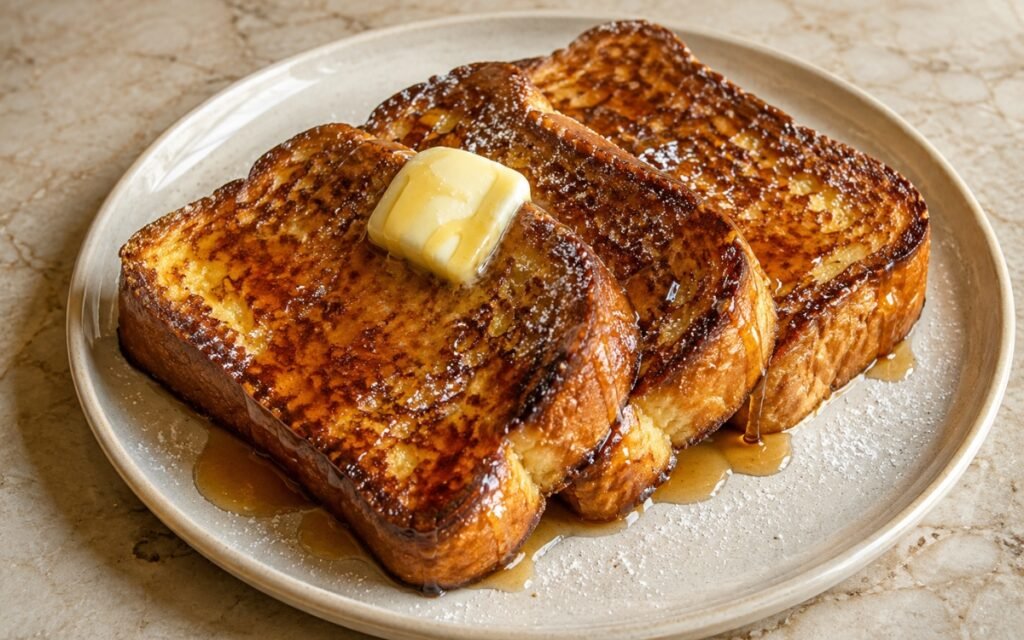
Classic French Toast
Three eggs and three yolks whisked with cream, cinnamon, and nutmeg — briefly soaking thick brioche and cooking 3 minutes per side in foaming butter until deeply golden. 30 minutes.
Classic Breakfast Biscuit Sandwich
A tender buttermilk biscuit filled with a browned breakfast sausage patty, soft folded scrambled egg, and melted American cheese.
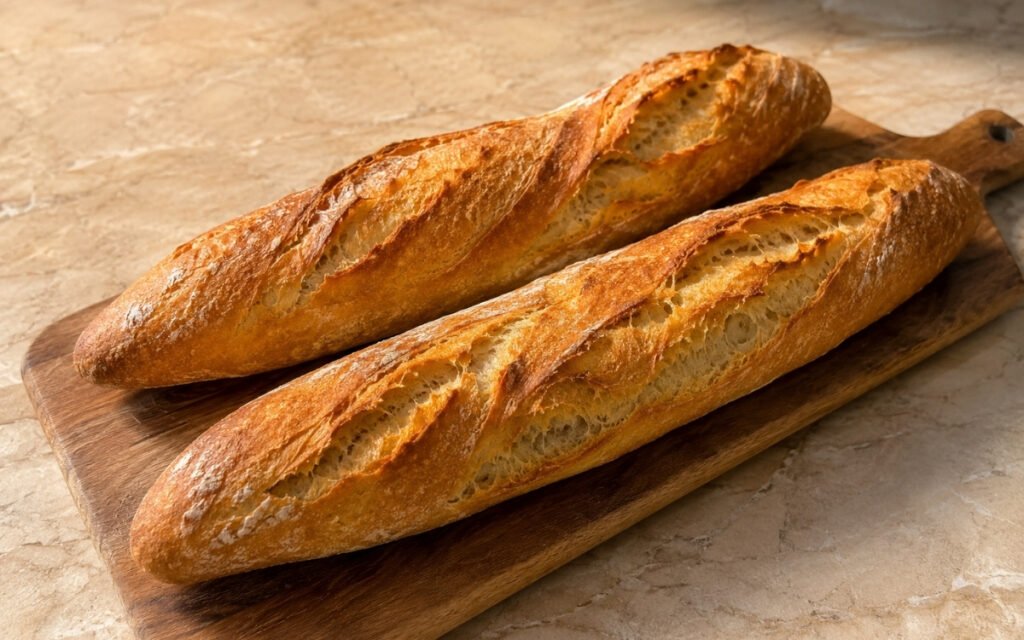
Classic French Baguette
Overnight poolish, proper scoring, and steam baking — a classic French baguette with crackling crust and complex flavour made properly at home.

You might also like
You might also like
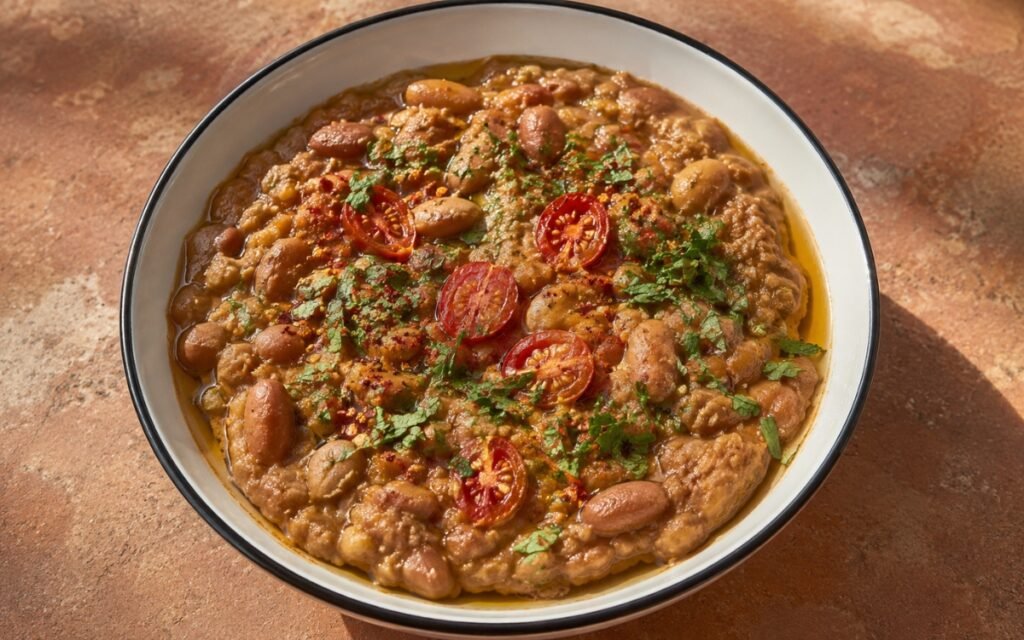
Ful Medames
Tomato paste bloomed in olive oil, garlic and cumin toasted in the same fat, fava beans half-mashed in the spiced base — lemon, tahini, olive oil, parsley, and cherry tomatoes. 30 minutes.
Classic French Toast
Three eggs and three yolks whisked with cream, cinnamon, and nutmeg — briefly soaking thick brioche and cooking 3 minutes per side in foaming butter until deeply golden. 30 minutes.
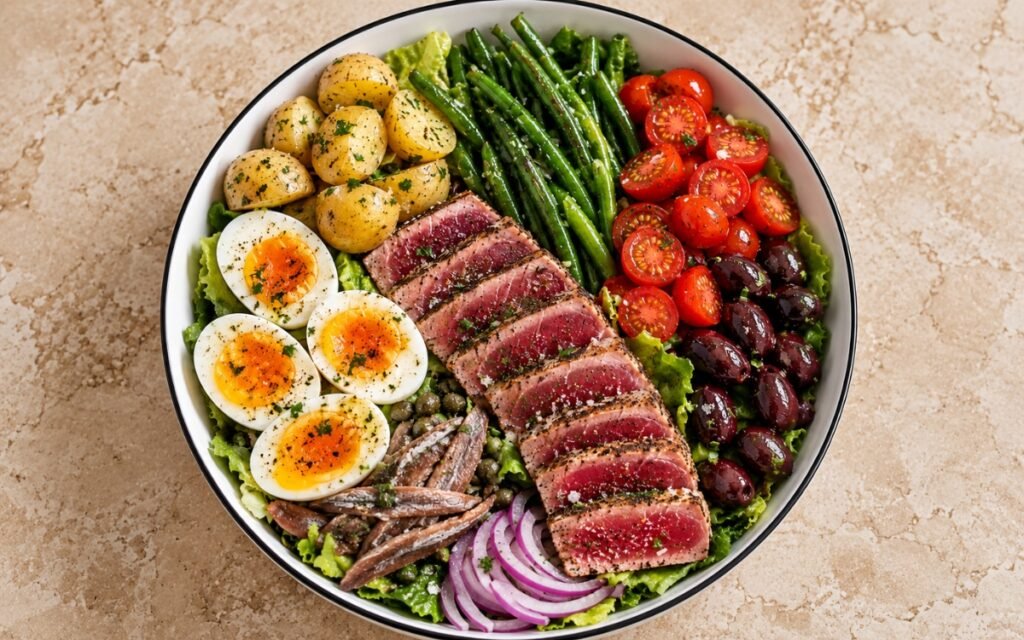
Tuna Niçoise Salad
Seared rare tuna, jammy eggs, haricots verts, baby potatoes, olives, and anchovies composed over crisp greens with a sharp mustard vinaigrette.

Crêpes Suzette
Ingredients
Method
- In a mixing bowl, whisk together the flour, sugar, and salt. In a separate bowl or large measuring jug, whisk the eggs, milk, water, melted butter, and vanilla if using. Pour the wet mixture gradually into the dry ingredients, whisking until smooth. The batter should be thin and fluid, with no visible lumps. If needed, strain it through a fine sieve. Cover and let the batter rest for 20 to 30 minutes. Resting the batter allows the flour to fully hydrate and the gluten to relax, which gives more tender crêpes and helps them cook evenly. That rest genuinely matters here — batter used immediately after mixing hasn’t had time for the flour to fully absorb the liquid, which can leave the finished crêpes tougher and more prone to tearing than one given real time to settle first.
- Heat a 20 to 24cm nonstick skillet or crêpe pan over medium heat. Lightly butter the pan. Pour in just enough batter to coat the bottom in a thin layer, about 50 to 60ml per crêpe, swirling immediately. Cook for about 45 to 60 seconds on the first side, until the surface looks set and the underside is lightly golden in spots. Flip and cook the second side for about 15 to 30 seconds more. Transfer to a plate and repeat with the remaining batter, lightly buttering the pan as needed. You should get about 8 crêpes. Stack the finished crêpes and keep them covered so they do not dry out. The crêpes should be thin, flexible, and just lightly golden, not crisp. If the heat is too high, they will brown too fast and lose their delicate texture. Swirling the batter immediately after pouring it into the pan, before it has any chance to set unevenly, is what produces a genuinely thin, even crêpe rather than one with thick and thin patches.
- In a large skillet set over medium heat, add the sugar and orange zest. Stir for 30 to 60 seconds so the zest perfumes the sugar. Pour in the orange juice and lemon juice, then stir until the sugar dissolves. Simmer for 2 to 3 minutes to reduce slightly. Add the butter piece by piece, swirling or stirring until fully melted and emulsified. Add the orange liqueur if using, then a tiny pinch of salt. Stirring the zest directly into the dry sugar before any liquid is added lets the sugar’s own abrasive texture help release the zest’s aromatic oils, building real orange fragrance into the sauce’s very foundation.
- Let the sauce simmer gently for another 2 to 4 minutes, until it looks glossy and lightly thickened. It should not become syrupy or sticky. It should be fluid enough to coat the crêpes and leave a light pool on the plate. Do not aggressively boil the sauce once the butter is in. A gentle simmer keeps it smooth and glossy instead of greasy or broken. That specific, gentle heat protects the butter emulsion already established in the sauce — a harder boil at this stage would agitate the mixture enough to break that emulsion apart, separating the fat back out rather than keeping it bound into the glossy sauce this recipe depends on.
- Fold each crêpe in half, then in half again into triangles. Place 2 to 4 folded crêpes into the sauce, depending on the size of the skillet, and spoon the sauce over them. Warm for 30 to 60 seconds per side, just until heated through and glazed. Repeat with the remaining crêpes. The crêpes should absorb some flavor but still remain delicate and distinct, not soaked to the point of falling apart. That genuinely brief warming window is what lets the crêpes pick up real flavour and gloss from the sauce without giving the liquid enough time to actually soak all the way through and compromise their own delicate structure.
- Divide the crêpes between plates, about 2 crêpes per serving. Spoon over the remaining sauce and add a few orange segments or thin slices. Finish with a little extra orange zest if you like. Serve immediately while warm and glossy. This dish is genuinely at its best only in the moments right after the crêpes are glazed — both the sauce’s own gloss and the crêpes’ own soft, warm texture begin to change noticeably as everything cools.