
Classic Belgian Waffles with Berries
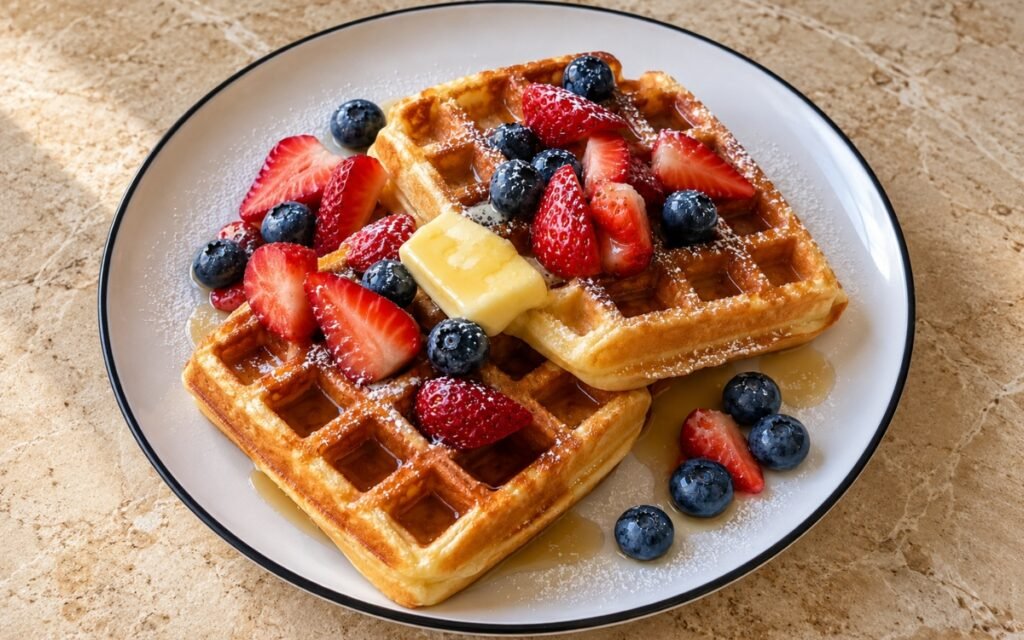
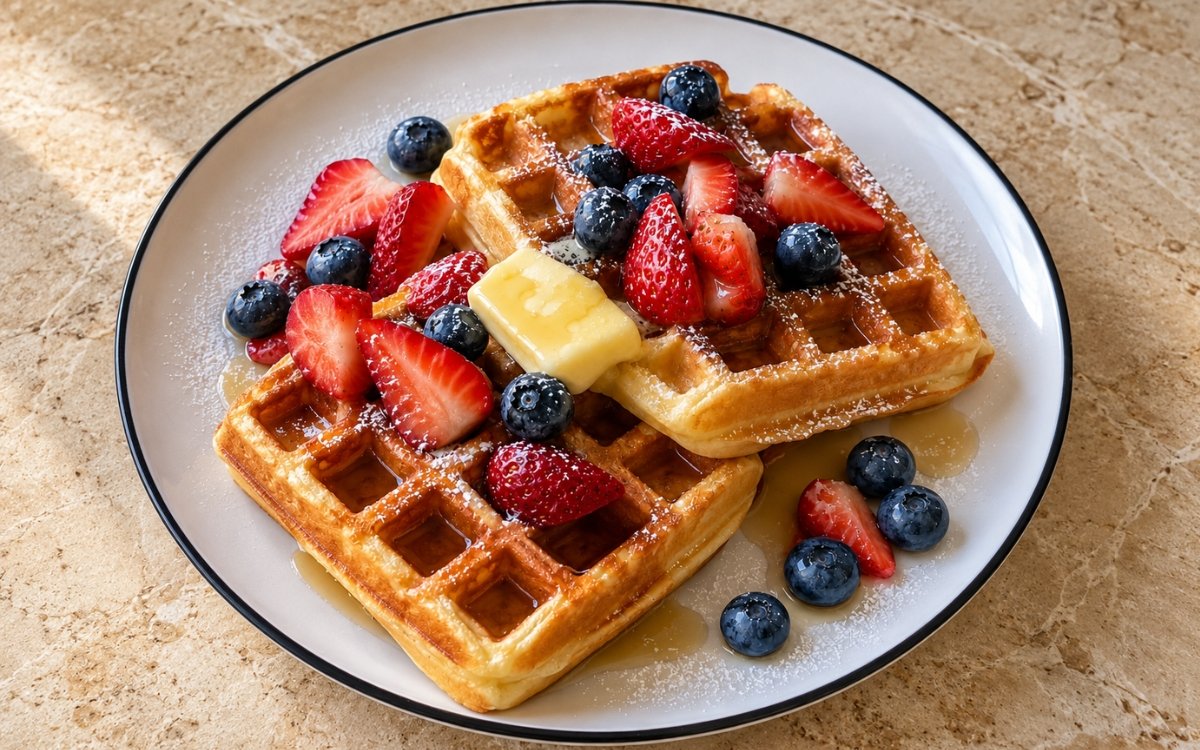
Thick Belgian-style waffles with crisp golden edges, fluffy interiors, deep square pockets, fresh berries, powdered sugar, melting butter, and maple syrup. The key is a well-rested batter, whipped egg whites for lift, and keeping the waffles on a rack so they stay crisp instead of steaming soft. Whipping the egg whites separately and folding them gently into the batter is the technique this whole waffle depends on for its real, fluffy lift — that trapped air is what gives the interior its characteristic lightness despite the batter’s naturally thick base, the same whip-and-fold-for-airiness principle used elsewhere in this collection whenever a heavier batter needs real structural lightness built in mechanically rather than through leavening alone. Mixing the wet and dry ingredients together only until just combined, accepting a thick, slightly lumpy batter, is what keeps the finished waffles tender rather than bready. Keeping every cooked waffle on a wire rack rather than stacked is what protects those crisp edges from turning soft under trapped steam. The payoff is a waffle with real, classic contrast — deeply golden, crisp edges around a fluffy, airy interior, its deep pockets filled with melting butter and pooling maple syrup, topped with fresh berries.
Prep Time : 20 min
Cook Time : 20 min
Servings : 4
20 min
20 min
4
Ingredients
For the Belgian Waffles
• 280g all-purpose flour — this one on Amazon
• 35g granulated sugar
• 12g baking powder
• 3g baking soda
• 5g fine sea salt
• 3 large eggs, separated
• 500ml buttermilk — this one on Amazon
• 90g unsalted butter, melted and slightly cooled
• 5ml vanilla extract — this one on Amazon
• Neutral oil or melted butter, for greasing the waffle iron
For Serving
• 250g fresh strawberries, hulled and halved or sliced
• 150g fresh blueberries
• 40g unsalted butter, cut into small pieces — this one on Amazon
• Maple syrup, for serving
• Powdered sugar, for dusting
This post may contain affiliate links. As an Amazon Associate I earn from qualifying purchases, at no additional cost to you.
Directions
- Preheat the Waffle Iron
Heat a Belgian waffle iron until fully hot. If your waffle iron has temperature settings, use medium-high to high heat. The waffle iron needs to be properly preheated before the first waffle. If it is only warm, the batter will spread and steam instead of setting into crisp golden pockets. That genuine, full heat is what allows the batter’s surface to set quickly on contact, building real structure into the pockets before the batter has any chance to spread thin and steam instead. - Mix the Dry Ingredients
In a large bowl, whisk together the flour, sugar, baking powder, baking soda, and salt. Make sure the leavening is evenly distributed so the waffles rise evenly. That thorough whisking ensures the baking powder and soda are dispersed consistently throughout the flour, rather than clumped in pockets that would cause some parts of the batter to rise more than others. - Mix the Wet Ingredients
In a separate bowl, whisk together the egg yolks, buttermilk, melted butter, and vanilla. The butter should be melted but not hot, or it can scramble the yolks slightly. Keeping the melted butter genuinely warm rather than hot protects the yolks from that risk — butter still carrying real heat would begin cooking the egg proteins on contact rather than simply combining with them. - Combine the Batter
Pour the wet ingredients into the dry ingredients and stir gently until just combined. The batter should be thick and slightly lumpy, not perfectly smooth. Do not overmix. A few lumps are fine. Overmixed waffle batter turns bready and heavy instead of light inside. Stopping the mixing the moment the ingredients come together, rather than continuing for a smoother-looking batter, is what protects the finished waffles from toughening — flour’s gluten develops more the longer it’s worked, and this batter has genuinely little need for that extra structure. - Whip and Fold the Egg Whites
In a clean bowl, whisk the egg whites until soft peaks form. Fold the whipped egg whites gently into the batter in two additions, using a spatula. Stop as soon as no large white streaks remain. The batter should look airy and thick. Do not crush the egg whites by stirring aggressively, or you lose the lift that makes the waffles fluffy. Folding in stages, rather than adding all the whipped whites at once, lets the dense batter loosen gradually — that gradual approach protects far more of the trapped air than a single, more aggressive combining motion would. - Rest the Batter Briefly
Let the batter rest for 10 minutes while the waffle iron finishes heating. This gives the flour time to hydrate and helps the waffles cook more evenly. That brief rest lets the flour fully absorb the surrounding liquid before cooking begins, which is directly what helps the finished waffles cook through more evenly rather than leaving pockets that are still slightly underhydrated. - Cook the Waffles
Lightly grease the waffle iron. Add enough batter to fill the waffle grid without overflowing. Cook according to your waffle iron, usually 4 to 6 minutes, until deeply golden, crisp at the edges, and cooked through. Transfer each cooked waffle to a wire rack. Do not stack hot waffles on a plate. They will steam each other and lose the crisp edges. Use a rack, or keep them in a low oven at 90–100°C on a rack while cooking the rest. Stacking hot waffles traps their own released steam against each other, and that trapped moisture is exactly what softens their otherwise crisp edges — a rack lets that steam escape freely instead. - Prepare the Berries
While the waffles cook, prepare the strawberries and blueberries. Keep the berries fresh and unsweetened if you want the clean classic breakfast look. If the strawberries are not very sweet, toss them with 1 tsp sugar and let them sit for a few minutes. That brief sugared rest draws a little of the strawberries’ own juice out through osmosis, rounding out any sharpness without needing to cook the fruit at all. - Serve
Place 2 waffles per serving on plates. Top with strawberries and blueberries. Add a small piece of butter while the waffles are hot so it starts to melt. Dust lightly with powdered sugar and drizzle with maple syrup so the syrup settles into the waffle pockets. Serve immediately. Drizzling the syrup while the waffles are still genuinely hot lets it flow naturally into the deep pockets built by the waffle iron, pooling exactly where it’s meant to rather than sitting on the surface of a cooled waffle.
*Notes :
- Whipping the egg whites separately, then folding them gently into the batter, deserves genuine recognition as the technique responsible for this waffle’s whole characteristic fluffiness. This batter is naturally thick and dense on its own, and without that separately whipped, trapped air folded in mechanically, these waffles would come out considerably heavier and denser than the light, airy interior this recipe is specifically built to achieve.
- Stopping the batter’s mixing the moment the wet and dry ingredients come together, accepting a thick, visibly lumpy result, deserves the same attention this principle receives throughout this collection’s other batter-based recipes. Flour’s gluten network strengthens the more it’s worked, and a batter this rich genuinely doesn’t need — or benefit from — that additional structure, which is exactly why stopping early protects tenderness.
- Keeping the waffle iron genuinely fully preheated before the first waffle ever goes in deserves attention as the detail most responsible for whether these waffles develop real, crisp golden pockets or turn out pale and steamed. Batter poured onto a merely warm surface spreads and steams before it has any chance to set into the deep, structured pockets a Belgian waffle iron is specifically designed to produce.
- Keeping every finished waffle on a wire rack rather than stacking them, as the recipe’s own notes emphasise, deserves genuine respect as a small but consequential detail. Stacked waffles trap their own released steam against one another, and that trapped moisture directly softens their otherwise crisp edges — a rack lets that steam escape freely, protecting the waffle’s texture right up until serving.
Why This Recipe Works
This recipe works because the egg whites are whipped separately and folded into the batter gently, in stages, building real, mechanical lightness into an otherwise dense base. The batter itself is mixed only until combined, protecting tenderness by avoiding unnecessary gluten development.
A genuinely hot waffle iron lets the batter set quickly into deep, structured pockets rather than spreading and steaming. Keeping the finished waffles on a rack, rather than stacked, protects their crisp edges right through to serving, and drizzling syrup while they’re still hot lets it settle naturally into those pockets.
Ingredient Breakdown
Separately Whipped Egg Whites
The critical lightening technique — trapped air, folded in gently, is what gives this dense batter its characteristic fluffiness.
Thick, Minimally Mixed Batter
The critical technique — stopping at “just combined” protects tenderness by avoiding unnecessary gluten development.
Staged Folding (Two Additions)
The critical technique — gradual incorporation protects far more of the whipped whites’ trapped air than a single combining motion.
Genuinely Preheated Waffle Iron
The critical cooking technique — lets the batter set quickly into deep, crisp, structured pockets rather than spreading and steaming.
Rack-Held Waffles
The finishing technique — protects crisp edges from the softening effect of trapped steam that stacking would cause.
Flavor Structure Explained
This Belgian waffle follows a layered balance model:
- Crisp, golden foundation (genuinely hot-iron-cooked exterior)
- Light, airy interior (whipped-egg-white-lifted batter)
- Rich buttery finish (melting butter, pooling maple syrup)
- Fresh fruity contrast (strawberries, blueberries)
- Sweet finishing touch (powdered sugar)
The genuinely hot waffle iron builds this waffle’s crisp, deeply golden exterior with real, structured pockets. Whipped egg whites, folded in gently, define the waffle’s light, airy interior. Melting butter and pooling maple syrup finish the dish with rich, classic sweetness right in those same pockets. Fresh strawberries and blueberries add bright, fruity contrast against all that warmth and richness, and a light dusting of powdered sugar finishes the plate with a final, sweet touch.
Common Mistakes to Avoid
- Using a Waffle Iron That Isn’t Fully Preheated – This causes the batter to spread and steam rather than setting into crisp pockets. Always wait for genuine, full heat.
- Overmixing the Batter – This produces dense, bready waffles rather than light, fluffy ones. Always stop as soon as the ingredients are combined.
- Folding the Egg Whites in All at Once – This deflates much of the trapped air. Always fold in stages, gently.
- Stacking the Finished Waffles – This traps steam and softens their crisp edges. Always keep them on a rack.
- Drizzling Syrup on Cooled Waffles – This keeps the syrup sitting on the surface rather than settling into the pockets. Always drizzle while the waffles are still hot.
Variations
Extra-Berry Version
Increase the berries for a more fruit-forward finished plate.
Classic Belgian Waffles With Whipped Cream
Add a dollop of lightly sweetened whipped cream alongside the berries for extra richness.
Chocolate Chip Version
Fold a handful of chocolate chips into the batter before cooking for a sweeter variation.
Savoury Pairing Version
Serve alongside crispy bacon or fried chicken for a heartier, more savoury-sweet breakfast plate.
Storage & Make-Ahead
This makes about 8 Belgian waffles, depending on the size of your waffle iron. Buttermilk gives better flavor and tenderness than plain milk.
For the best texture, serve the waffles immediately after cooking. If holding waffles, use a rack in a low oven, never a covered plate.
Frequently Asked Questions
Why do the egg whites need to be whipped separately rather than added directly to the batter?
This batter is naturally thick and dense, and that separately whipped, trapped air is what gives the waffles their characteristic fluffiness. Without it, they would come out considerably heavier and denser.
Why does the batter need to stay thick and slightly lumpy rather than being mixed smooth?
Flour’s gluten network strengthens the more it’s worked, and this batter genuinely doesn’t need that additional structure. Stopping the mixing early protects the waffles’ tenderness.
Why does the waffle iron need to be fully preheated before the first waffle goes in?
Batter poured onto a merely warm surface spreads and steams rather than setting into the deep, structured pockets a proper Belgian waffle iron is designed to produce. Genuine full heat is what lets that structure actually form.
Why shouldn’t the finished waffles be stacked on a plate?
Stacked waffles trap their own released steam against one another, and that trapped moisture softens their otherwise crisp edges. A rack lets that steam escape freely instead.
Are there other classic waffle, fried chicken, or pancake dishes worth trying?
Chicken and Waffles and Classic American Breakfast Plate both offer other classic, hearty breakfast directions worth exploring. Lemon Ricotta Pancakes and Blueberry Buttermilk Pancakes are also worth trying for other classic breakfast batters.
Nutrition Facts
( per serving )
Calories
~620 kcal
Protein
16 g
Fat
26 g
Carbs
82 g
Calories
~620 kcal
Protein
16 g
Fat
26 g
Carbs
82 g
Related Recipes
Related Recipes

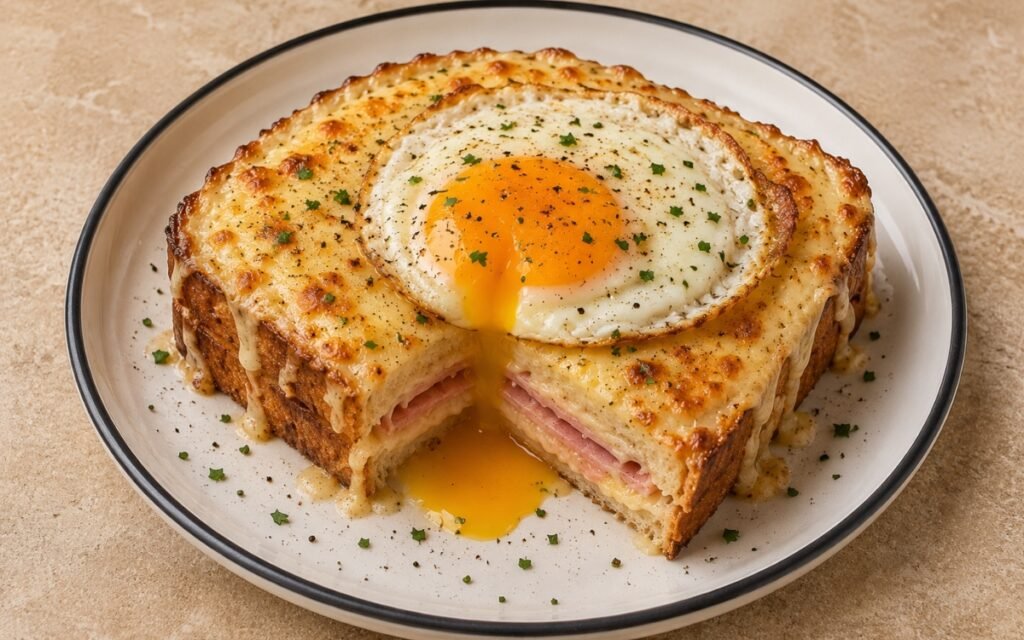
Croque Madame
Toasted bread with ham, Gruyère, and thick béchamel, baked until bubbling and topped with a gently fried egg.
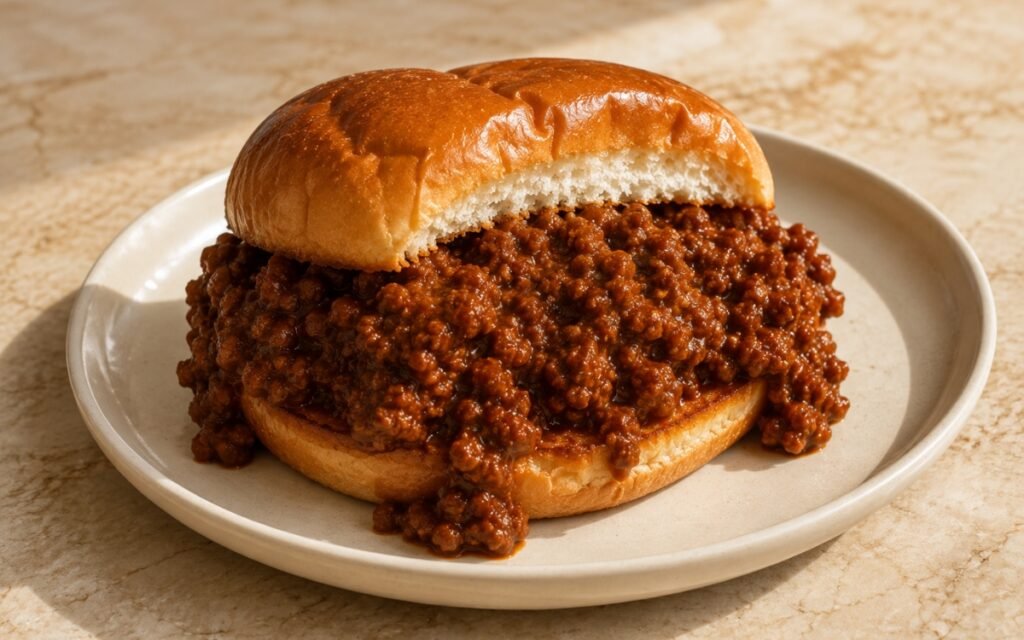
Sloppy Joe Sandwich
Well-seared 85/15 ground beef finished in a glossy, tangy tomato-based sauce, piled generously into soft toasted burger buns.
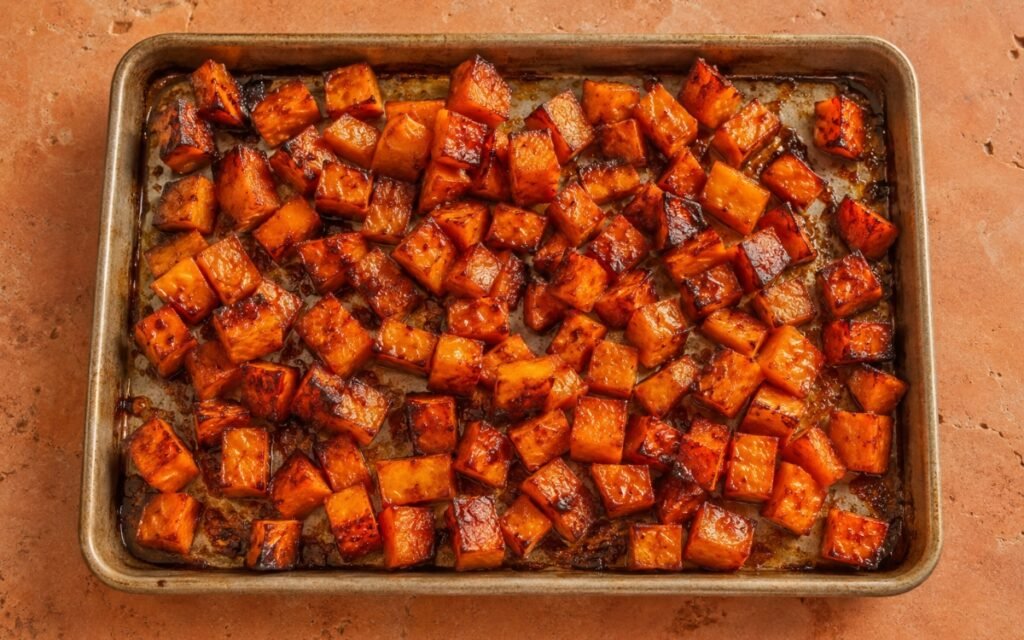
Honey Roasted Sweet Potatoes
Sweet potato cubes dried thoroughly, roasted and stirred halfway, glazed with honey only in the final stage. Sweet and caramelized.
You might also like
You might also like
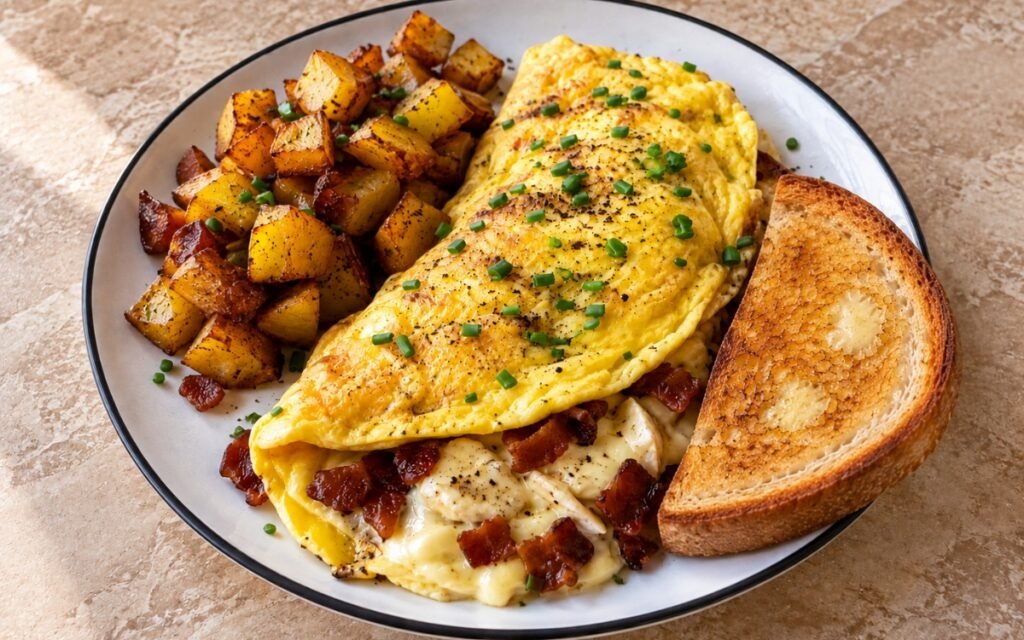
Brie and Bacon Omelette
A soft folded omelette filled with creamy melted Brie and crispy bacon, served with golden breakfast potatoes and buttered toast.
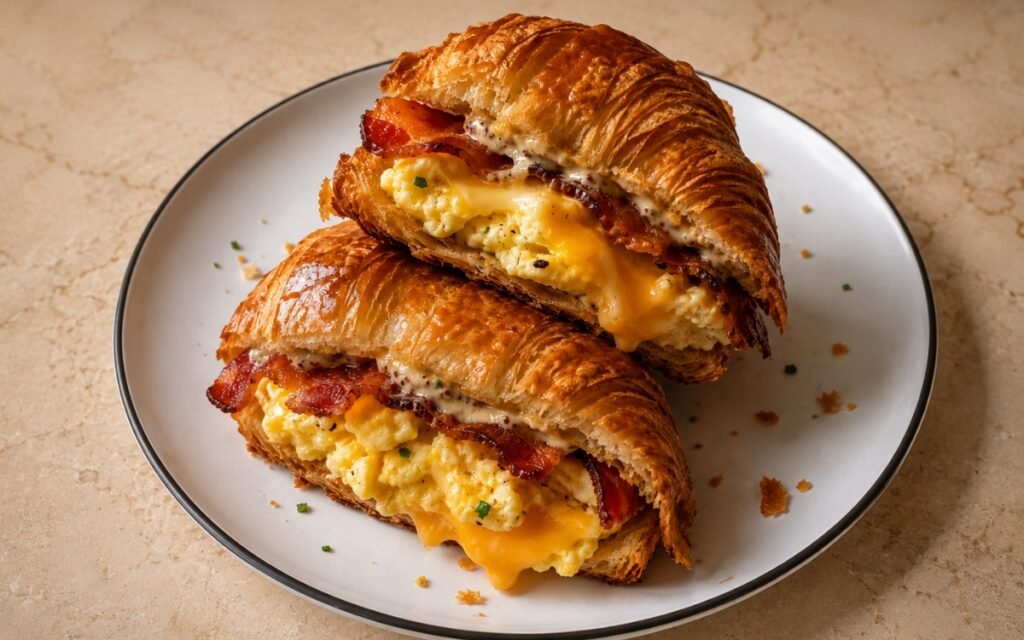
Breakfast Croissant Sandwich
Flaky buttery croissants filled with soft scrambled eggs, melted cheese, crispy bacon, and a thin layer of Dijon mayo.
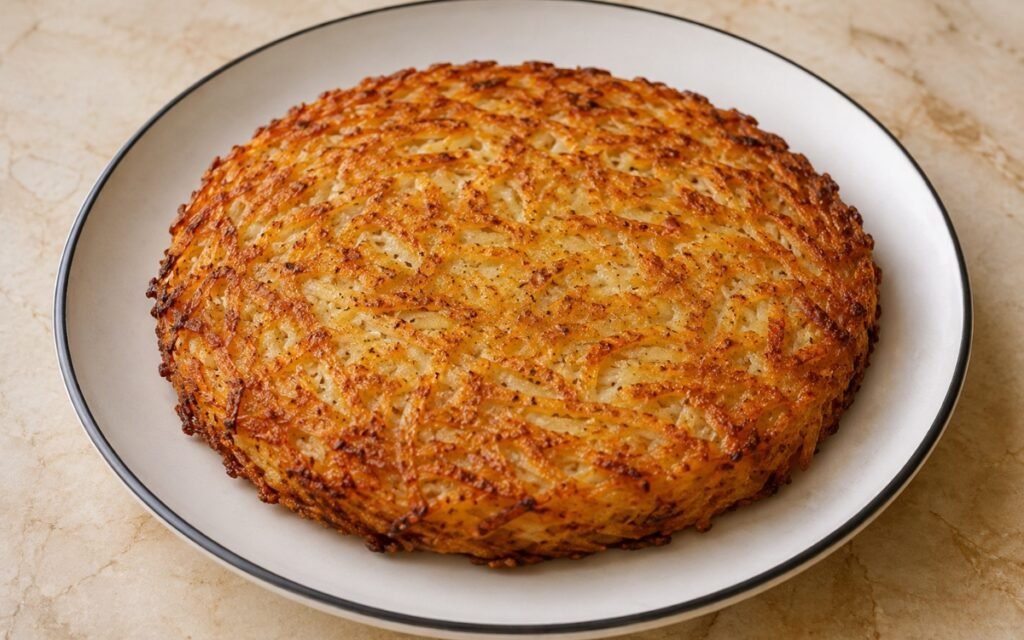
Crispy Hash Brown Potatoes
Shredded potatoes rinsed, wrung completely dry, seasoned, pressed into a cake, fried undisturbed until golden on both sides. Crisp and tender.
Classic Belgian Waffles with Berries
Ingredients
Method
- Heat a Belgian waffle iron until fully hot. If your waffle iron has temperature settings, use medium-high to high heat. The waffle iron needs to be properly preheated before the first waffle. If it is only warm, the batter will spread and steam instead of setting into crisp golden pockets. That genuine, full heat is what allows the batter’s surface to set quickly on contact, building real structure into the pockets before the batter has any chance to spread thin and steam instead.
- In a large bowl, whisk together the flour, sugar, baking powder, baking soda, and salt. Make sure the leavening is evenly distributed so the waffles rise evenly. That thorough whisking ensures the baking powder and soda are dispersed consistently throughout the flour, rather than clumped in pockets that would cause some parts of the batter to rise more than others.
- In a separate bowl, whisk together the egg yolks, buttermilk, melted butter, and vanilla. The butter should be melted but not hot, or it can scramble the yolks slightly. Keeping the melted butter genuinely warm rather than hot protects the yolks from that risk — butter still carrying real heat would begin cooking the egg proteins on contact rather than simply combining with them.
- Pour the wet ingredients into the dry ingredients and stir gently until just combined. The batter should be thick and slightly lumpy, not perfectly smooth. Do not overmix. A few lumps are fine. Overmixed waffle batter turns bready and heavy instead of light inside. Stopping the mixing the moment the ingredients come together, rather than continuing for a smoother-looking batter, is what protects the finished waffles from toughening — flour’s gluten develops more the longer it’s worked, and this batter has genuinely little need for that extra structure.
- In a clean bowl, whisk the egg whites until soft peaks form. Fold the whipped egg whites gently into the batter in two additions, using a spatula. Stop as soon as no large white streaks remain. The batter should look airy and thick. Do not crush the egg whites by stirring aggressively, or you lose the lift that makes the waffles fluffy. Folding in stages, rather than adding all the whipped whites at once, lets the dense batter loosen gradually — that gradual approach protects far more of the trapped air than a single, more aggressive combining motion would.
- Let the batter rest for 10 minutes while the waffle iron finishes heating. This gives the flour time to hydrate and helps the waffles cook more evenly. That brief rest lets the flour fully absorb the surrounding liquid before cooking begins, which is directly what helps the finished waffles cook through more evenly rather than leaving pockets that are still slightly underhydrated.
- Lightly grease the waffle iron. Add enough batter to fill the waffle grid without overflowing. Cook according to your waffle iron, usually 4 to 6 minutes, until deeply golden, crisp at the edges, and cooked through. Transfer each cooked waffle to a wire rack. Do not stack hot waffles on a plate. They will steam each other and lose the crisp edges. Use a rack, or keep them in a low oven at 90–100°C on a rack while cooking the rest. Stacking hot waffles traps their own released steam against each other, and that trapped moisture is exactly what softens their otherwise crisp edges — a rack lets that steam escape freely instead.
- While the waffles cook, prepare the strawberries and blueberries. Keep the berries fresh and unsweetened if you want the clean classic breakfast look. If the strawberries are not very sweet, toss them with 1 tsp sugar and let them sit for a few minutes. That brief sugared rest draws a little of the strawberries’ own juice out through osmosis, rounding out any sharpness without needing to cook the fruit at all.
- Place 2 waffles per serving on plates. Top with strawberries and blueberries. Add a small piece of butter while the waffles are hot so it starts to melt. Dust lightly with powdered sugar and drizzle with maple syrup so the syrup settles into the waffle pockets. Serve immediately. Drizzling the syrup while the waffles are still genuinely hot lets it flow naturally into the deep pockets built by the waffle iron, pooling exactly where it’s meant to rather than sitting on the surface of a cooled waffle.