
Meatball Sub Sandwich
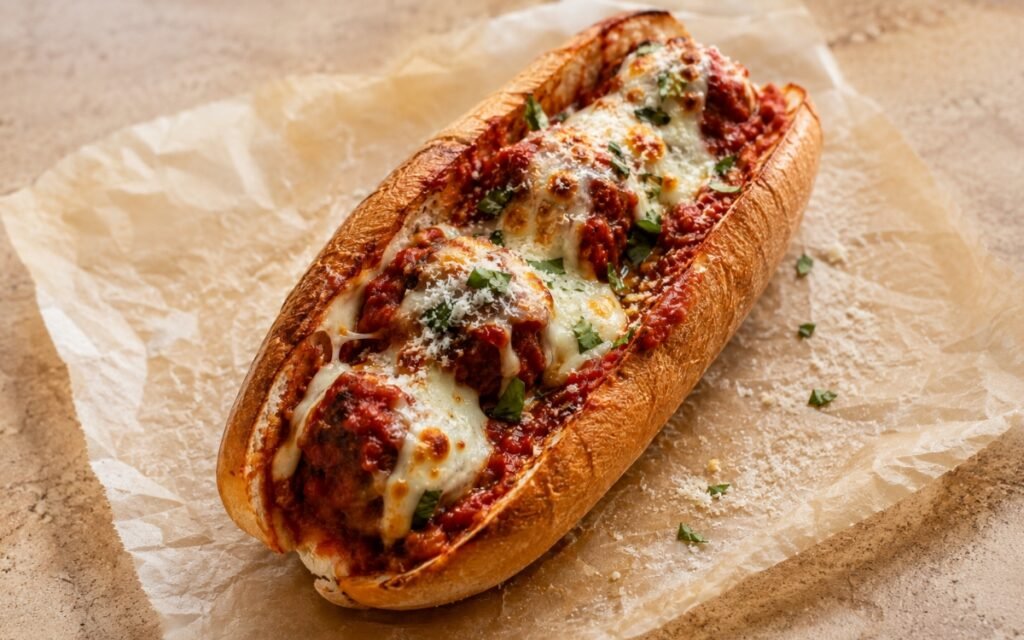
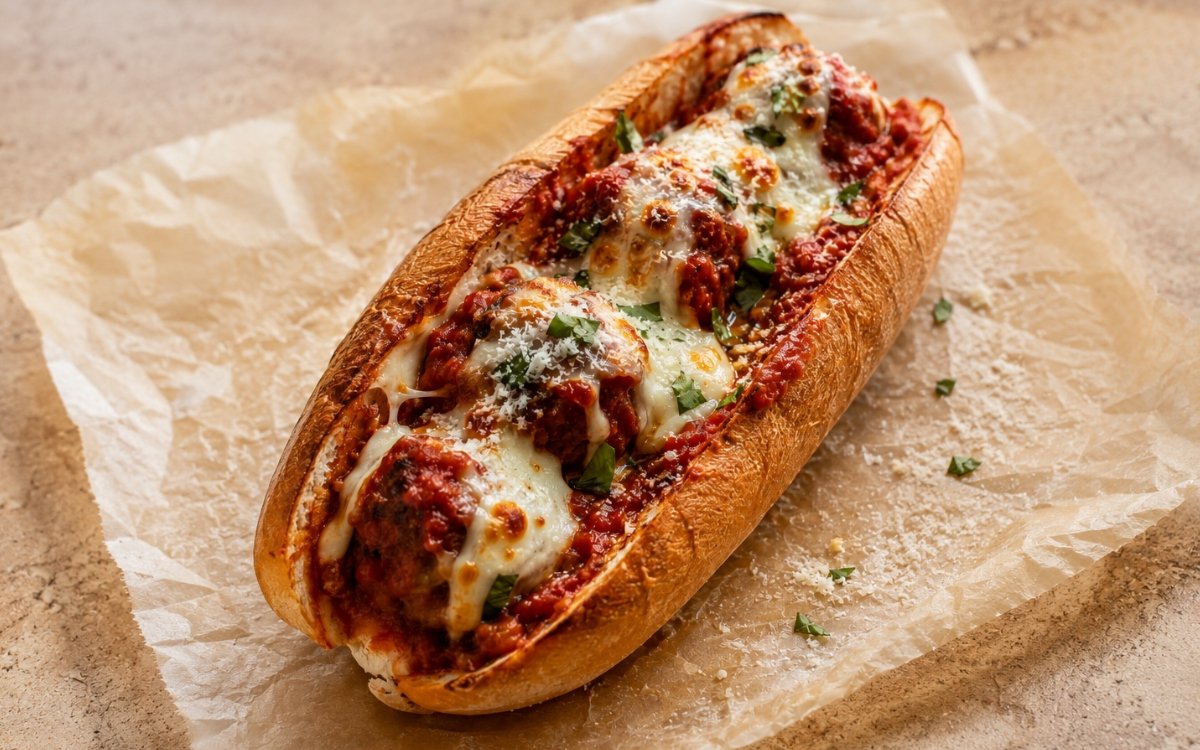
A classic Italian-American meatball sub with tender beef meatballs, thick marinara, melted mozzarella and provolone, Parmesan, and fresh basil, all tucked into toasted long French rolls. The structure matters here: juicy meatballs, sauce thick enough to cling, bread sturdy enough to hold everything, and a quick broil at the end for the bubbly cheese finish. Building the meatballs with a proper panade — breadcrumbs soaked in milk — is the technique this whole dish depends on for genuinely tender results, since that hydrated bread structure is what keeps the meat from turning dense, the same panade-for-tenderness principle used elsewhere in this collection whenever ground meat needs real moisture insurance built directly into the mixture. Browning the meatballs only for colour, then finishing them fully in the simmering marinara, is what keeps them tender rather than dried out from a single, complete cooking stage. Lightly toasting the inside of the rolls before assembly is what protects the bread from turning soggy under the thick sauce. The payoff is a sandwich with real structural integrity — juicy, tender meatballs in a thick, clinging sauce, held by sturdy bread and finished with genuinely bubbly, blistered cheese.
Prep Time : 40 min
Cook Time : 40 min
Servings : 4
40 min
40 min
4
Ingredients
For the Long French Rolls
• 450g bread flour or strong all-purpose flour — this one on Amazon
• 290–300ml water, about 30°C
• 6g active dry yeast
• 8g fine sea salt
• 8g sugar
• 15ml olive oil
For the Panade
• 60g breadcrumbs
• 60ml whole milk
For the Beef Meatballs
• 700g ground beef, 80/20
• 1 large egg
• 4 garlic cloves, minced
• 40g yellow onion, finely grated
• 30g fresh parsley, finely chopped
• 8g fine sea salt
• 3g freshly ground black pepper
• 2g dried oregano — this one on Amazon
• Panade from above
• 15g grated Parmesan, optional but classic
For the Marinara Sauce
• 30ml olive oil — this one on Amazon
• 3 garlic cloves, thinly sliced or minced
• 800g crushed tomatoes or passata
• 8g sugar
• 9g fine sea salt, or to taste
• 2g freshly ground black pepper
• 2g dried oregano
• 1 small pinch chili flakes, optional
• A few basil leaves, optional
For Finishing and Assembly
• 120–150g shredded mozzarella — this one on Amazon
• 120g sliced or shredded provolone — this one on Amazon
• 20–30g finely grated Parmesan — this one on Amazon
• A few fresh basil leaves, chopped or torn
• 12g neutral oil or olive oil, for browning meatballs and toasting rolls if needed
This post may contain affiliate links. As an Amazon Associate I earn from qualifying purchases, at no additional cost to you.
Directions
- Make the French Roll Dough
In a mixing bowl, combine the warm water, sugar, and active dry yeast. Let stand for 5 to 10 minutes until foamy. Add the flour, salt, and olive oil. Mix until a shaggy dough forms, then knead for about 8 to 10 minutes until smooth and elastic. Place the dough in a lightly oiled bowl, cover, and let rise for 60 to 75 minutes, or until doubled. The dough should feel soft and slightly tacky, not dry. Start with 290ml water and add the last 10ml only if needed. Letting the yeast mixture sit until genuinely foamy before anything else is added confirms the yeast is actually active — proceeding with dead or sluggish yeast would leave the whole dough underrisen regardless of how carefully everything else is handled. - Shape and Bake the Rolls
Turn the dough out onto a lightly floured surface and divide into 4 equal pieces. Shape each piece into a long roll about 18 to 20cm long. Place on a parchment-lined tray, cover loosely, and let rise again for 35 to 45 minutes. Preheat the oven to 220°C. Slash each roll once lengthwise or with a few shallow diagonal cuts. Bake for 18 to 22 minutes until golden brown and lightly crusty. Cool enough to handle. The rolls should be sturdy and crusty outside, but not hard. You want them able to hold sauce without collapsing. Slashing the dough before baking gives the roll a controlled, deliberate place to expand as it bakes, rather than letting it split unpredictably wherever internal steam happens to find the weakest point. - Make the Panade
In a small bowl, combine the breadcrumbs and milk. Let stand for 5 minutes until fully hydrated. The panade keeps the meatballs tender and juicy. It is one of the main controls that stops them from turning dense. That fully hydrated bread structure works its way through the meat mixture, physically interrupting the protein strands from binding into as tight a network as ground beef alone would form — the direct mechanism behind why panade-enriched meatballs stay noticeably more tender. - Mix the Meatballs
In a large bowl, combine the ground beef, egg, garlic, grated onion, parsley, salt, black pepper, dried oregano, Parmesan if using, and prepared panade. Mix gently just until combined. Shape into 16 to 20 meatballs, depending on how large you want them. For a sub, medium meatballs work best. Do not overmix. Stop as soon as everything is evenly combined. Overmixing makes the meatballs firmer and less juicy. Ground meat’s proteins bind together more tightly the more they’re handled, and stopping the mixing the moment everything is evenly distributed is what keeps that binding from tightening into a denser, tougher finished texture. - Brown the Meatballs
Heat about 12g oil in a large skillet over medium heat. Brown the meatballs in batches for 5 to 7 minutes total, turning so they color on several sides. They do not need to cook through fully yet. Transfer to a plate. Brown for color and flavor, not full doneness. They will finish in the sauce, which keeps them tender. That deliberate partial cook leaves genuine headroom for the meatballs to finish gently in the simmering sauce later — treating this browning stage as their complete cooking time would leave nothing left except overcooking by the time the sauce is ready. - Make the Marinara
In the same pan or in a saucepan, heat the olive oil over medium heat. Add the garlic and cook for about 30 seconds until fragrant but not browned. Add the crushed tomatoes or passata, sugar, salt, black pepper, oregano, and chili flakes if using. Simmer for 10 to 15 minutes until thickened. Add the browned meatballs to the sauce and simmer gently for another 15 to 20 minutes, partially covered, until cooked through and tender. If using basil, stir in a few leaves near the end. The sauce should be thick, not watery. It needs to cling to the meatballs and sit inside the roll without soaking everything instantly. Building the sauce in the same pan the meatballs were browned in, rather than a clean one, works real fond directly into the marinara — that browned residue carries genuine flavour the sauce would otherwise miss. - Prepare the Rolls
Split the baked rolls lengthwise, but not all the way through. If you want extra structure, lightly toast the inside of the rolls under the broiler or in the oven for 2 to 3 minutes. A lightly toasted interior helps protect the bread from the marinara and keeps the sandwich from going soggy too fast. That brief toast builds real, if modest, structural resistance into the bread before it ever meets the thick, wet sauce and meatballs about to fill it. - Assemble the Meatball Subs
Spoon a little marinara into each roll. Add 4 to 5 meatballs per sandwich, depending on size, then spoon over extra sauce. Top with mozzarella and provolone. Sprinkle with Parmesan. Place the assembled subs on a tray and broil or bake briefly until the cheese is melted, bubbling, and lightly browned in spots. Finish with chopped or torn fresh basil. Broil just until the cheese melts and bubbles. The goal is melted and lightly blistered cheese, not dried-out meatballs. That brief, watched broil is calibrated specifically to melt and blister the cheese quickly, before the meatballs beneath — already fully cooked in the sauce — have any real chance to dry out under the direct heat.
*Notes :
- Building the meatballs with a proper panade deserves genuine respect as the technique responsible for their tender, juicy final texture. That hydrated bread structure physically works its way through the meat, interrupting the protein network from binding as tightly as ground beef alone would form — skipping this step, or using dry breadcrumbs without the milk soak, would produce a noticeably denser, less tender meatball regardless of how carefully everything else is handled.
- Browning the meatballs only for colour, deliberately leaving them not fully cooked through, reflects the same two-stage protein cooking principle used throughout this collection’s other braised or sauce-finished meat dishes. That initial browning builds real flavour and appearance quickly, leaving genuine headroom for the meatballs to finish gently in the simmering marinara — treating the browning stage as their complete cook would leave no margin for that final, tenderizing simmer.
- Lightly toasting the roll’s interior before assembly deserves attention as a small but genuinely consequential structural choice. A meatball sub’s bread faces real, sustained contact with thick, wet sauce, and that brief toast builds enough resistance into the crumb to meaningfully delay the sogginess that would otherwise set in quickly once the sandwich is assembled.
- The recipe’s own explicit instruction to broil only until the cheese melts and bubbles, not longer, deserves genuine attention given how fully cooked the meatballs already are by this final stage. Since they finished cooking properly in the simmering sauce, any extended time under the broiler works only against them, drying out meat that was otherwise protected and tender.
Why This Recipe Works
This recipe works because the meatballs are built with a proper panade, physically protecting their texture from turning dense. Browning them only for colour, then finishing fully in the marinara, keeps them tender through a genuine two-stage cook.
The marinara itself is built in the same pan the meatballs were browned in, capturing real fond directly into the sauce. Lightly toasting the roll’s interior protects it from the thick sauce, and a brief, watched broil melts the cheese without drying out meat that’s already properly cooked.
Ingredient Breakdown
Panade (Breadcrumbs Soaked in Milk)
The critical tenderizing technique — physically interrupts the meat’s protein network, keeping the meatballs genuinely juicy.
Gently Mixed Ground Beef
The foundation — mixed only until combined, protecting against the toughening overmixing would cause.
Browned-Then-Simmered Meatballs
The two-stage technique — colour built quickly, doneness finished gently in the sauce for real tenderness.
Same-Pan Marinara
The flavour-building technique — captures the meatballs’ own browned fond directly into the sauce.
Lightly Toasted Roll Interior
The structural protection — builds resistance against the thick sauce, delaying sogginess.
Flavor Structure Explained
This meatball sub follows a layered balance model:
- Tender savoury centre (panade-enriched, gently browned-and-simmered meatballs)
- Rich tomato depth (thick, well-seasoned marinara)
- Sturdy bread foundation (toasted long French rolls)
- Rich melted finish (mozzarella, provolone, Parmesan)
- Fresh herbal lift (fresh basil)
Tender, panade-enriched meatballs provide this sandwich’s savoury centre, their texture protected through a genuine two-stage cook. Thick, well-seasoned marinara contributes rich tomato depth that clings rather than soaks the bread. Sturdy, lightly toasted long French rolls form the structural foundation. Mozzarella, provolone, and Parmesan finish the sandwich with rich, melted, blistered cheese, and fresh basil layers in bright, herbal lift that ties every component together.
Common Mistakes to Avoid
- Skipping the Panade – This produces denser, less tender meatballs. Always include the milk-soaked breadcrumbs.
- Overmixing the Meatball Mixture – This tightens the meat’s protein network, toughening the texture. Always mix only until combined.
- Fully Cooking the Meatballs During Browning – This leaves no headroom for them to tenderize further in the sauce. Always brown for colour only.
- Skipping the Roll Toasting Step – This leaves the bread vulnerable to turning soggy quickly under the sauce. Always lightly toast the interior first.
- Broiling Too Long at the End – This dries out meatballs that are already fully cooked. Always broil just until the cheese melts and bubbles.
Variations
Swedish Meatball Sub Sandwich
Swedish Meatballs offer a related but distinctly different meatball direction worth exploring for a non-Italian twist.
Extra-Cheesy Version
Increase the mozzarella and provolone slightly for a more generous, gooier finished sandwich.
Spicier Version
Increase the chili flakes in the marinara for a more assertive heat throughout the sauce.
Make-Ahead Meatball Version
Prepare the meatballs and sauce a day ahead, reheating gently before assembling fresh sandwiches.
Storage & Make-Ahead
If making ahead, keep the meatballs and sauce separate from the rolls until serving time.
If the sauce reduces too much while simmering, loosen with a small splash of water.
The rolls can be baked a day ahead and lightly toasted fresh before assembly; fully assembled sandwiches are best eaten immediately.
Frequently Asked Questions
Why does the panade matter so much for the meatballs’ texture?
That hydrated bread structure physically interrupts the meat’s protein network from binding as tightly as ground beef alone would form. Skipping it produces a noticeably denser, less tender meatball.
Why are the meatballs only browned, not fully cooked, before going into the sauce?
That initial browning builds real flavour and colour quickly, leaving genuine headroom for the meatballs to finish gently in the simmering marinara. Treating the browning as their complete cook would leave no margin for that tenderizing final simmer.
Why does the roll’s interior need to be lightly toasted before assembly?
A meatball sub’s bread faces sustained contact with thick, wet sauce, and that brief toast builds enough resistance into the crumb to meaningfully delay sogginess once the sandwich is assembled.
Why should the final broil be kept so brief?
The meatballs are already fully cooked from simmering in the sauce. Any extended broiling time works only against them, drying out meat that was otherwise protected and tender.
Are there other classic sandwich or meatball dishes worth trying?
Long French Rolls and Swedish Meatballs are both worth exploring on their own for related bread and meatball directions. Chicken Parm Hero and Italian Beef Sandwich are also worth trying for other classic, hearty Italian-American sandwiches.
Nutrition Facts
( per serving )
Calories
~880 kcal
Protein
48 g
Fat
44 g
Carbs
72 g
Calories
~880 kcal
Protein
48 g
Fat
44 g
Carbs
72 g
Related Recipes
Related Recipes

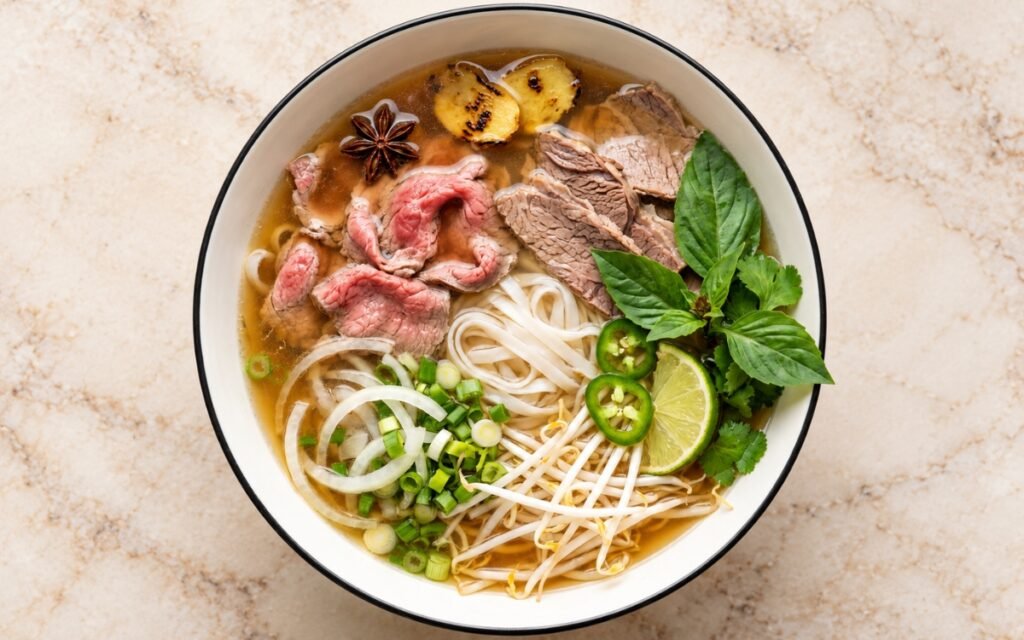
Pho Soup / Vietnamese Beef Pho
A clear, deeply aromatic beef broth built from blanched bones, charred onion and ginger, and toasted spices, served over rice noodles with rare beef and brisket.
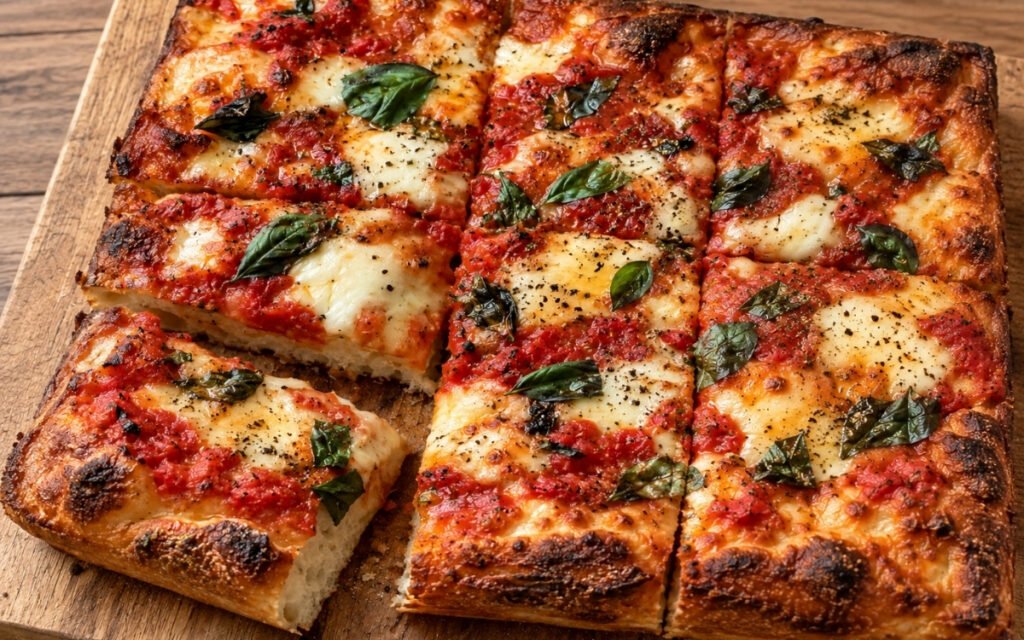
Focaccia Pizza with Tomato and Mozzarella
Thick, airy focaccia-style pizza with a crisp, olive-oil-rich bottom, soft cloud-like interior, thick tomato sauce, melted mozzarella, and fresh basil.
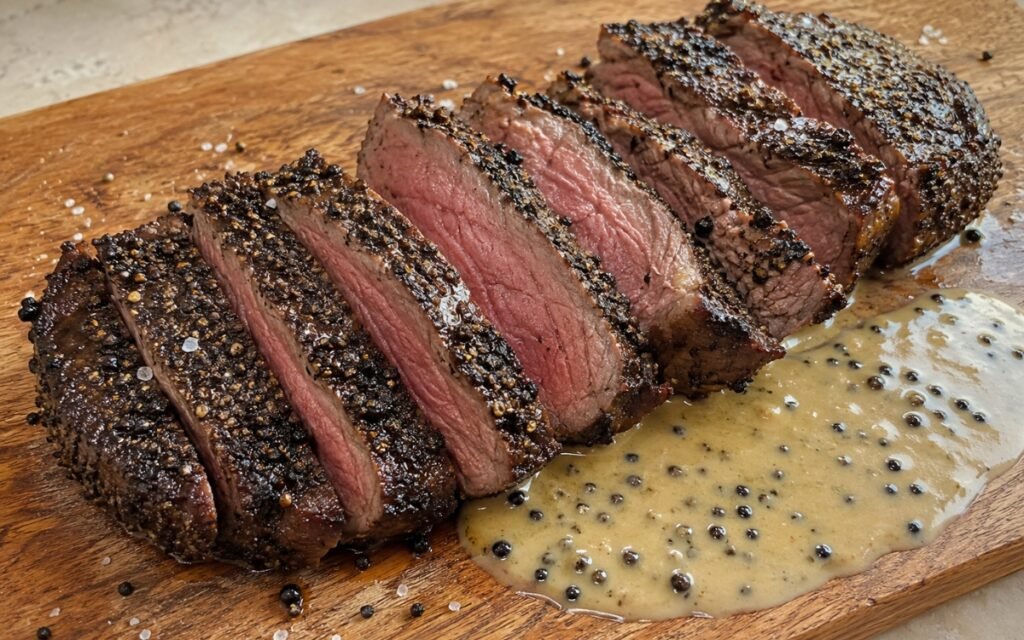
Peppercorn Crusted Steak
Steak tempered and dried, coated in coarsely crushed peppercorns — seared undisturbed, butter-basted, optional brandy cream sauce, rested. Sharp, tender, rich.
You might also like
You might also like
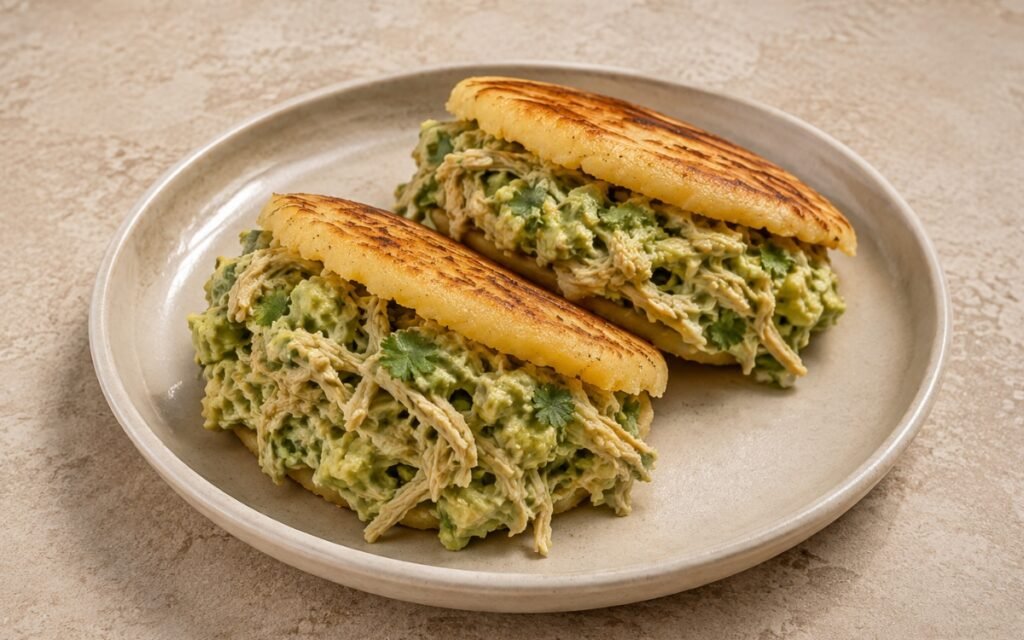
Arepas Reina Pepiada
Crisp, golden masarepa arepas split open and generously stuffed with a creamy shredded chicken and avocado filling.
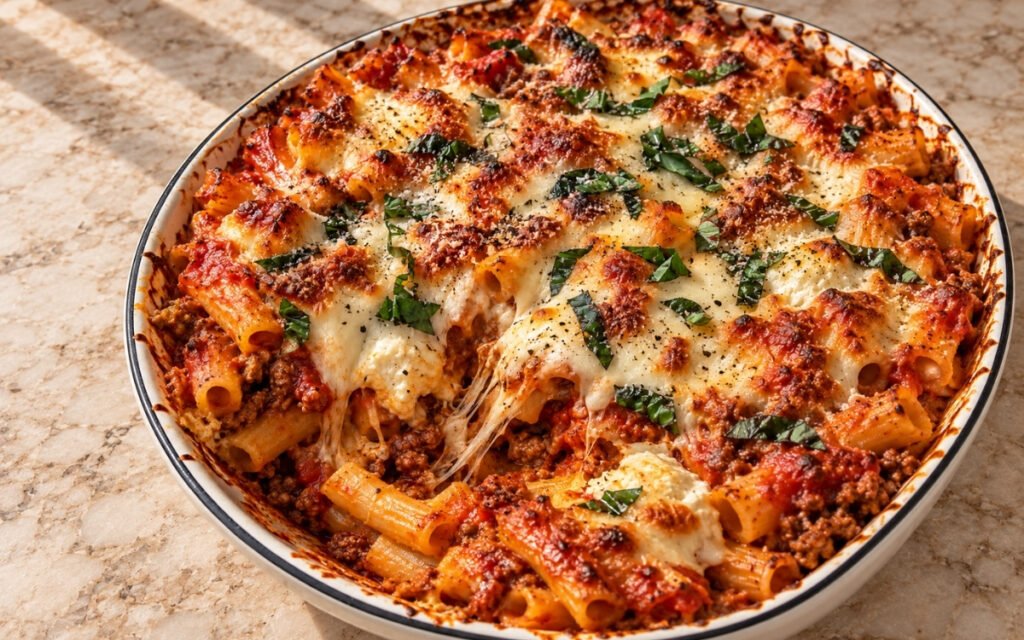
Baked Ziti
Ziti tossed in a rich beef and pork tomato sauce, layered with creamy ricotta pockets, mozzarella, and Parmesan, baked until bubbling.
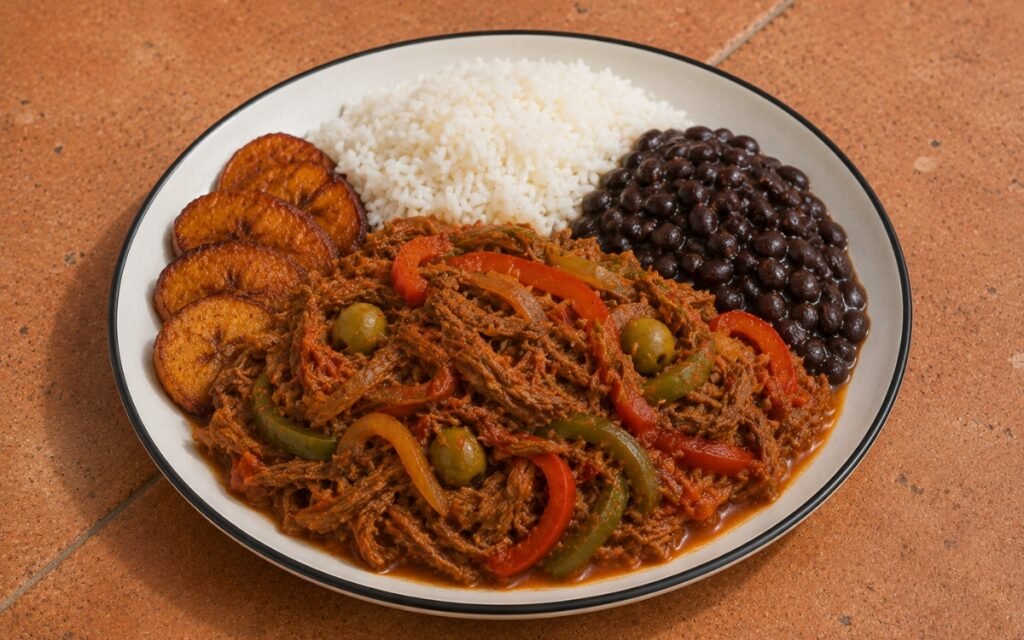
Ropa Vieja Cubana
Slow-braised, shredded beef simmered in a rich tomato sauce with peppers, onion, and green olives, served with white rice, black beans, and fried plantains.
Meatball Sub Sandwich
Ingredients
Method
- In a mixing bowl, combine the warm water, sugar, and active dry yeast. Let stand for 5 to 10 minutes until foamy. Add the flour, salt, and olive oil. Mix until a shaggy dough forms, then knead for about 8 to 10 minutes until smooth and elastic. Place the dough in a lightly oiled bowl, cover, and let rise for 60 to 75 minutes, or until doubled. The dough should feel soft and slightly tacky, not dry. Start with 290ml water and add the last 10ml only if needed. Letting the yeast mixture sit until genuinely foamy before anything else is added confirms the yeast is actually active — proceeding with dead or sluggish yeast would leave the whole dough underrisen regardless of how carefully everything else is handled.
- Turn the dough out onto a lightly floured surface and divide into 4 equal pieces. Shape each piece into a long roll about 18 to 20cm long. Place on a parchment-lined tray, cover loosely, and let rise again for 35 to 45 minutes. Preheat the oven to 220°C. Slash each roll once lengthwise or with a few shallow diagonal cuts. Bake for 18 to 22 minutes until golden brown and lightly crusty. Cool enough to handle. The rolls should be sturdy and crusty outside, but not hard. You want them able to hold sauce without collapsing. Slashing the dough before baking gives the roll a controlled, deliberate place to expand as it bakes, rather than letting it split unpredictably wherever internal steam happens to find the weakest point.
- In a small bowl, combine the breadcrumbs and milk. Let stand for 5 minutes until fully hydrated. The panade keeps the meatballs tender and juicy. It is one of the main controls that stops them from turning dense. That fully hydrated bread structure works its way through the meat mixture, physically interrupting the protein strands from binding into as tight a network as ground beef alone would form — the direct mechanism behind why panade-enriched meatballs stay noticeably more tender.
- In a large bowl, combine the ground beef, egg, garlic, grated onion, parsley, salt, black pepper, dried oregano, Parmesan if using, and prepared panade. Mix gently just until combined. Shape into 16 to 20 meatballs, depending on how large you want them. For a sub, medium meatballs work best. Do not overmix. Stop as soon as everything is evenly combined. Overmixing makes the meatballs firmer and less juicy. Ground meat’s proteins bind together more tightly the more they’re handled, and stopping the mixing the moment everything is evenly distributed is what keeps that binding from tightening into a denser, tougher finished texture.
- Heat about 12g oil in a large skillet over medium heat. Brown the meatballs in batches for 5 to 7 minutes total, turning so they color on several sides. They do not need to cook through fully yet. Transfer to a plate. Brown for color and flavor, not full doneness. They will finish in the sauce, which keeps them tender. That deliberate partial cook leaves genuine headroom for the meatballs to finish gently in the simmering sauce later — treating this browning stage as their complete cooking time would leave nothing left except overcooking by the time the sauce is ready.
- In the same pan or in a saucepan, heat the olive oil over medium heat. Add the garlic and cook for about 30 seconds until fragrant but not browned. Add the crushed tomatoes or passata, sugar, salt, black pepper, oregano, and chili flakes if using. Simmer for 10 to 15 minutes until thickened. Add the browned meatballs to the sauce and simmer gently for another 15 to 20 minutes, partially covered, until cooked through and tender. If using basil, stir in a few leaves near the end. The sauce should be thick, not watery. It needs to cling to the meatballs and sit inside the roll without soaking everything instantly. Building the sauce in the same pan the meatballs were browned in, rather than a clean one, works real fond directly into the marinara — that browned residue carries genuine flavour the sauce would otherwise miss.
- Split the baked rolls lengthwise, but not all the way through. If you want extra structure, lightly toast the inside of the rolls under the broiler or in the oven for 2 to 3 minutes. A lightly toasted interior helps protect the bread from the marinara and keeps the sandwich from going soggy too fast. That brief toast builds real, if modest, structural resistance into the bread before it ever meets the thick, wet sauce and meatballs about to fill it.
- Spoon a little marinara into each roll. Add 4 to 5 meatballs per sandwich, depending on size, then spoon over extra sauce. Top with mozzarella and provolone. Sprinkle with Parmesan. Place the assembled subs on a tray and broil or bake briefly until the cheese is melted, bubbling, and lightly browned in spots. Finish with chopped or torn fresh basil. Broil just until the cheese melts and bubbles. The goal is melted and lightly blistered cheese, not dried-out meatballs. That brief, watched broil is calibrated specifically to melt and blister the cheese quickly, before the meatballs beneath — already fully cooked in the sauce — have any real chance to dry out under the direct heat.