
Pho Soup / Vietnamese Beef Pho
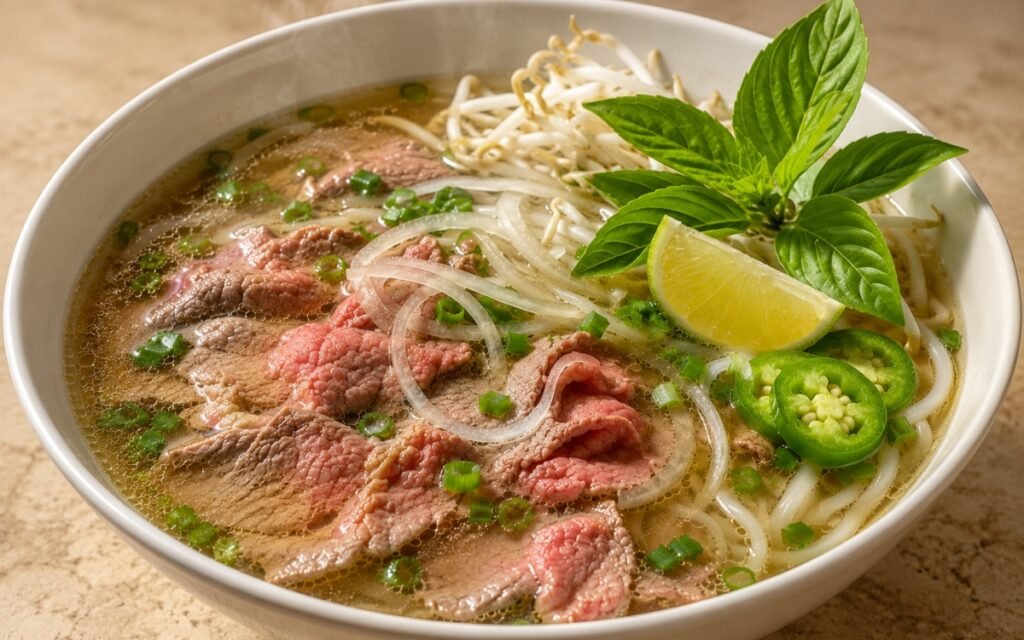
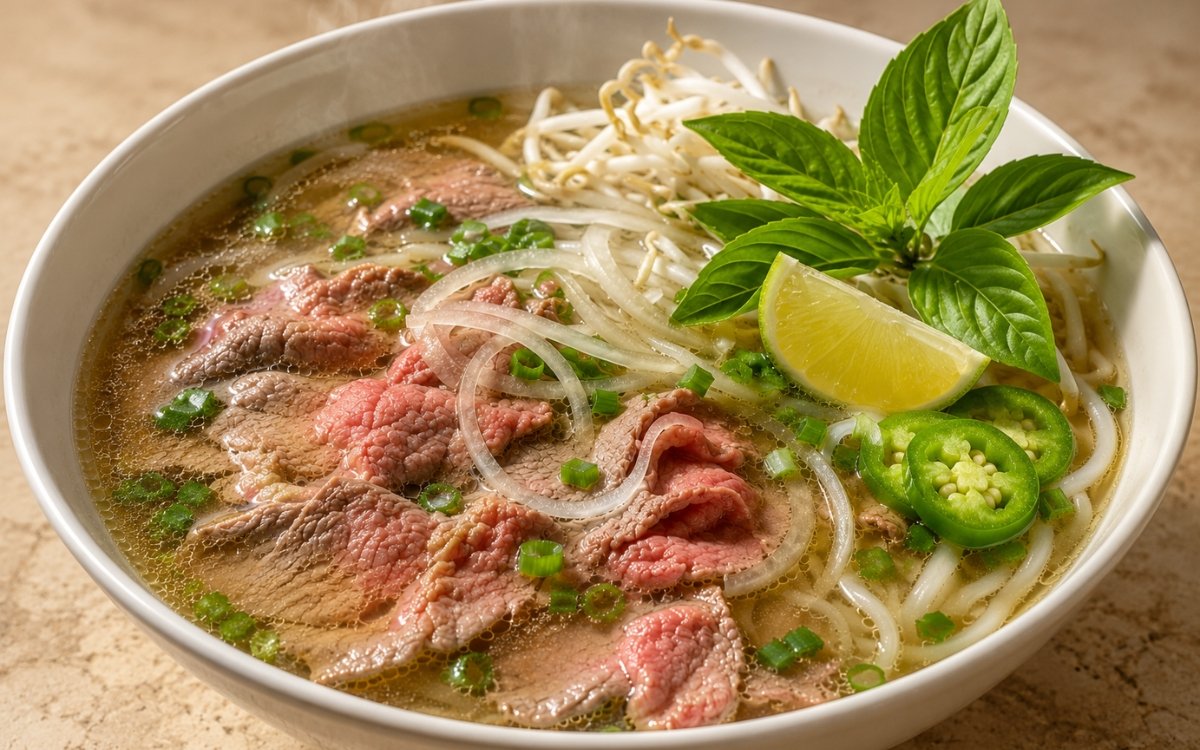
A classic Vietnamese beef pho with a clear golden-brown aromatic broth, flat rice noodles, thin slices of rare beef, tender cooked brisket, white onion, scallion, bean sprouts, Thai basil, lime, and jalapeño. The broth is built properly from beef bones, charred onion and ginger, toasted spices, fish sauce, and slow simmering — no shortcut muddy stock. Blanching and thoroughly rinsing the bones before the real simmer even begins is the technique this entire broth depends on for clarity — skipping that step leaves grey scum and impurities behind that cloud the finished broth no matter how carefully everything after that point is handled, the same clean-the-bones-first principle used elsewhere in this collection whenever a long-simmered stock needs to come out genuinely clear rather than muddy. Keeping the broth at a bare simmer rather than a rolling boil throughout its full cook is what protects that same clarity, since a hard boil emulsifies fat and impurities directly into the liquid. Adding the toasted spices only during the final 60–75 minutes, rather than the full simmer, is what lets them perfume the broth without turning it bitter. The payoff is a bowl with real clarity and depth — a clean, aromatic, golden-brown broth poured boiling hot directly over paper-thin raw beef, alongside tender brisket, noodles, and a full plate of fresh herbs and garnishes.
Prep Time : 45 min
Cook Time : 6 hr, 30 min
Servings : 4
45 min
6 hr, 30 min
4
Ingredients
For the Beef Broth
• 2kg beef bones, ideally knuckle, marrow, neck bones, or a mix
• 500g beef brisket or beef chuck, left whole
• 4.5 litres cold water, plus more for blanching
• 1 large yellow onion, halved
• 80–100g fresh ginger, halved lengthwise
• 4 whole star anise — this one on Amazon
• 1 large cinnamon stick
• 5 whole cloves — this one on Amazon
• 8g coriander seeds — this one on Amazon
• 3g fennel seeds — this one on Amazon
• 1 black cardamom pod, optional — this one on Amazon
• 35–45ml fish sauce, plus more to taste — this one on Amazon
• 18–25g rock sugar or granulated sugar — this one on Amazon
• 12–16g fine sea salt, plus more to taste
For the Noodles
• 400g dried flat rice noodles, or 650–700g fresh pho rice noodles
For the Beef Topping
• 300g beef sirloin, eye of round, or ribeye, sliced paper-thin
• Cooked brisket from the broth, sliced thinly
For the Bowl Garnish
• 1 small white onion, sliced paper-thin
• 3 scallions, thinly sliced
• 150–200g bean sprouts
• 1 large handful Thai basil
• 1–2 limes, cut into wedges
• 1–2 jalapeños or fresh green chilies, thinly sliced
• Fresh cilantro, optional
This post may contain affiliate links. As an Amazon Associate I earn from qualifying purchases, at no additional cost to you.
Directions
- Blanch and Clean the Bones
Place the beef bones in a large pot and cover with cold water. Bring to a hard boil and boil for 10–12 minutes. Drain the bones, discard the water, and rinse the bones very thoroughly under warm running water. Scrub away any grey foam, blood residue, or loose bits. Wash the pot before continuing. The bones should look clean, pale, and free of grey scum. If you skip this step, your broth will be cloudy and dirty-tasting. That is not rustic; it is just lazy. This aggressive initial boil and rinse forces out the coagulated proteins and impurities that would otherwise cloud the broth during the long simmer to come — removing them now, decisively, protects clarity for the entire remainder of the cook. - Char the Onion and Ginger
Place the onion halves and ginger cut-side down in a dry skillet, under a broiler, or directly over a gas flame. Char until deeply browned and blackened in spots, about 8–12 minutes. Rinse off any loose burnt flakes if needed, but keep the smoky charred aroma. The onion and ginger should smell sweet, smoky, and aromatic. Pale onion and raw ginger give a flat broth. Direct charring caramelises the onion’s natural sugars and blooms the ginger’s aromatic oils in a way gentle cooking never would — that smoky, sweet character becomes a foundational flavour note running through the entire finished broth. - Start the Broth
Return the cleaned bones to the clean pot. Add the brisket or chuck and 4.5 litres cold water. Bring slowly to a gentle simmer. Do not let it boil hard. Skim off any foam that rises during the first 30–45 minutes. Add the charred onion and ginger. Keep the broth at a bare simmer, partially covered, for 1½ to 2 hours, until the brisket is tender. The surface should barely move, with small bubbles rising slowly. If the pot is rolling and boiling, you are wrecking the clarity of the broth. A hard boil physically agitates and emulsifies fat directly into the surrounding liquid, turning a clear broth cloudy in a way that can’t be corrected later by straining — the bare simmer specified here is the only way to keep fat and broth as genuinely separate as pho’s signature clarity requires. - Remove and Chill the Brisket
When the brisket is tender, remove it from the broth and transfer it to a bowl of cold water for 5 minutes to stop the cooking and keep it from drying out. Drain, cover, and refrigerate until slicing. Continue simmering the bones. Do not leave the brisket in the broth for the full bone simmer or it can become dry and stringy. The bones need long cooking; the brisket does not. Shocking the brisket in cold water the moment it’s tender halts residual cooking immediately, protecting it from the many additional hours the bones still need — brisket left in that long simmer would simply overcook well past its ideal tender point. - Toast and Add the Spices
Toast the star anise, cinnamon, cloves, coriander seeds, fennel seeds, and black cardamom if using in a dry skillet over medium heat for 1–2 minutes, just until fragrant. Place the spices in a spice bag, cheesecloth, or fine mesh infuser. Add to the broth during the final 60–75 minutes of simmering. Continue simmering until the broth is aromatic, beefy, and lightly golden. The spices should perfume the broth without dominating it. If you simmer the spices for the full 6 hours, the broth can turn bitter and muddy. This narrow window of exposure is a genuine calibration — the spices need enough time in the hot broth to release their aromatics, but extended contact over many hours would extract harsher, more bitter compounds that a shorter simmer never reaches. - Season and Strain the Broth
Remove the spice bag, onion, ginger, and bones. Strain the broth through a fine sieve. Season with fish sauce, sugar, and fine sea salt. Taste and adjust carefully. The broth should be savory, lightly sweet, aromatic, and clean. It should taste slightly stronger than a normal soup broth because the noodles and toppings dilute it in the bowl. Good pho broth is not bland beef water. It should have clear beef depth, ginger warmth, sweet onion, spice aroma, and fish sauce salinity without tasting aggressively salty. Seasoning the broth to taste noticeably stronger than a standalone soup is a deliberate adjustment for how it’s actually eaten — once poured over noodles, raw beef, and a full plate of garnishes, that same broth will read as properly balanced rather than over-seasoned. - Prepare the Noodles
Cook the dried rice noodles according to package directions, usually by soaking first and then briefly boiling, or blanch fresh noodles briefly until hot and loosened. Drain well. The noodles should be flexible and tender but not mushy. Overcooked rice noodles turn the bowl into glue. Rice noodles continue softening from residual heat even after draining, which is part of why they’re best pulled slightly before feeling fully done — a noodle that seems perfect straight out of the water can turn soft and gluey by the time it’s sitting in a hot bowl of broth. - Slice the Beef and Prepare Garnishes
Slice the chilled cooked brisket thinly across the grain. Slice the raw beef paper-thin. If needed, place the beef in the freezer for 20–30 minutes first so it firms up and slices cleanly. Prepare the white onion, scallions, bean sprouts, Thai basil, lime wedges, and jalapeños. The raw beef must be very thin because it cooks from the heat of the broth in the bowl. Thick slices will stay chewy and awkward. Briefly firming the raw beef in the freezer addresses the same problem that chilling solves for other thin-sliced meats throughout this collection — fully soft, room-temperature beef is too pliable to slice consistently thin, while a firm, partially chilled piece holds its shape cleanly under the knife. - Assemble the Pho Bowls
Warm 4 large bowls. Divide the hot noodles among the bowls. Add sliced cooked brisket. Lay the raw beef slices over the noodles in a single layer. Add thin white onion and scallions. Bring the broth back to a full boil. Ladle the boiling broth directly over the raw beef to cook it lightly. Serve immediately with bean sprouts, Thai basil, lime wedges, jalapeño slices, and extra herbs on the side or arranged at the bowl edge. The broth must be boiling hot when it hits the beef. The beef should turn from raw red to pink and tender in the bowl, not grey and overcooked. Genuinely boiling broth is what cooks the paper-thin raw beef gently and evenly the instant it’s poured — broth that’s merely hot rather than actively boiling won’t carry enough heat to properly cook that beef through in the brief window before serving.
*Notes :
- The discipline required for a genuinely clear pho broth is worth understanding as a chain of dependent steps rather than any single decisive action. Blanching and thoroughly rinsing the bones removes the bulk of the impurities that would otherwise cloud the broth; keeping the subsequent simmer at a genuine bare simmer, never a rolling boil, prevents fat from emulsifying into the liquid; and straining carefully at the end catches anything that remains. Skipping or rushing any single link in that chain compromises the clarity the whole broth depends on, regardless of how carefully the other steps were handled.
- The timing separation between the brisket and the bones deserves real attention, since it addresses two components with genuinely different cooking needs sharing the same pot. Brisket reaches its ideal tenderness in roughly 1½ to 2 hours; the bones need many more hours beyond that to fully release their flavour and body into the broth. Removing and chilling the brisket once it’s done, rather than leaving it in for the full simmer, is what protects it from turning dry and stringy over those additional hours.
- Adding the toasted spices only during the broth’s final 60–75 minutes, rather than throughout the entire multi-hour simmer, reflects a real understanding of how spice extraction behaves over time. A shorter window releases the spices’ pleasant, aromatic compounds without extracting the harsher, more bitter notes that longer exposure at simmering temperature would eventually draw out — this is a case where more time genuinely produces a worse result, not a better one.
- The final assembly’s requirement for genuinely boiling broth, poured directly over paper-thin raw beef, is the moment every earlier step in this recipe has been building toward. That beef is meant to cook entirely from the broth’s residual heat in the bowl, turning from raw red to tender pink within moments — broth that’s merely warm, rather than actively at a full boil when ladled, simply won’t carry enough heat to finish that beef properly in the short time before the bowl reaches the table.
Why This Recipe Works
This recipe works because clarity and flavour are both protected through a genuine chain of careful technique: the bones are blanched and rinsed thoroughly before the real simmer begins, that simmer stays at a bare bubble rather than a rolling boil throughout, and the brisket is pulled and chilled once tender rather than left to overcook alongside the bones.
Toasted spices are added only in the final stretch of simmering to avoid bitterness, and the finished broth is seasoned to taste slightly stronger than a standalone soup, accounting for how it will be diluted by noodles and toppings in the bowl.
Pouring genuinely boiling broth directly over paper-thin raw beef at the very end is what finishes the dish exactly as it’s meant to be eaten.
Ingredient Breakdown
Blanched, Thoroughly Rinsed Beef Bones
The broth’s clarity foundation — an aggressive initial boil and rinse removes the impurities that would otherwise cloud the finished stock.
Charred Onion and Ginger
The aromatic base — direct char caramelises and blooms flavours that raw or gently cooked versions never develop.
Bare-Simmered Broth (Never Boiled Hard)
The critical cooking technique — protects the broth’s clarity by preventing fat and impurities from emulsifying into the liquid.
Late-Added Toasted Spices
The flavour timing — a narrow 60–75 minute window extracts pleasant aromatics without drawing out bitterness from extended exposure.
Paper-Thin Raw Beef (Cooked by Boiling Broth)
The signature topping — sliced thin enough to cook entirely from the heat of the broth poured over it at serving.
Flavor Structure Explained
This pho follows a layered balance model:
- Clean, deep beefy foundation (bone-and-brisket broth)
- Warm smoky-sweet aromatics (charred onion, ginger)
- Complex warm spice (star anise, cinnamon, clove, coriander, fennel)
- Savoury salty depth (fish sauce)
- Fresh sharp finish (herbs, lime, chili)
The bone-and-brisket broth defines the bowl with clean, deep, genuinely beefy flavour built over many hours of careful simmering. Charred onion and ginger contribute warm, smoky sweetness that runs through the entire broth. Star anise, cinnamon, clove, coriander, and fennel layer in complex, warm spice character, added only briefly to stay aromatic rather than bitter. Fish sauce provides savoury, salty depth right at the end. At the table, fresh herbs, a squeeze of lime, and sliced chili finish each bowl with sharp, customisable brightness that cuts through the broth’s richness.
Common Mistakes to Avoid
- Skipping the Bone Blanch and Rinse – This leaves impurities that cloud the finished broth regardless of how carefully the rest of the cook is handled. Always blanch, rinse, and wash the pot before the real simmer begins.
- Boiling the Broth Hard Instead of Keeping It at a Bare Simmer – A rolling boil emulsifies fat and impurities directly into the liquid, muddying the broth. Always keep it at a gentle, barely-moving simmer.
- Leaving the Brisket in for the Full Bone Simmer – This dries the brisket out and makes it stringy well past its ideal tenderness. Always remove and chill it once tender, continuing the bones separately.
- Adding the Spices Too Early or for Too Long – Extended exposure draws out bitter, muddy notes. Always add them only during the final 60–75 minutes.
- Pouring Broth That Isn’t Genuinely Boiling Over the Raw Beef – This won’t cook the thin beef properly, leaving it undercooked or unevenly done. Always bring the broth back to a full boil before ladling it over the beef.
Variations
Chicken Pho (Pho Ga)
Substitute a whole chicken and chicken bones for the beef components, following a similar blanch-and-simmer method with a shorter overall cook time.
Vegetarian Pho
Build the broth from charred onion and ginger, mushroom stock, and the same toasted spices, omitting the meat entirely and topping with tofu and extra vegetables.
Extra-Rich Version
Add a few pieces of oxtail alongside the bones for a broth with even more body and depth.
Spicier Version
Add a spoonful of chili oil to each bowl at serving, alongside the fresh sliced jalapeño, for a sharper, more pronounced heat.
Storage & Make-Ahead
The finished, strained broth can be refrigerated in a sealed container for up to 4 days, or frozen for up to 3 months; skim any solidified fat from the surface before reheating if desired.
Cooked brisket can be refrigerated separately, wrapped tightly, for up to 4 days. Raw sliced beef should be sliced fresh close to serving rather than held raw for an extended time.
Cooked rice noodles are best prepared fresh close to serving; pre-cooked noodles held too long tend to clump or turn gummy.
The assembled bowl is not suitable for storage — pho degrades quickly once noodles sit in hot broth, so assemble and serve only what will be eaten immediately.
Frequently Asked Questions
Why is blanching and thoroughly rinsing the bones described as essential rather than optional?
This initial step removes the bulk of the impurities and coagulated proteins that would otherwise cloud the broth during its long simmer. Skipping it leaves those impurities in the pot, and no amount of careful simmering or straining afterward fully corrects for a broth that started out compromised.
Why does the broth need to stay at a bare simmer rather than being boiled to save time?
A rolling boil physically agitates and emulsifies fat directly into the surrounding liquid, turning a clear broth cloudy in a way that can’t be reversed by straining later. The gentle, barely-moving simmer this recipe calls for is the only way to keep the broth genuinely clear.
Why is the brisket removed from the broth before the bones finish simmering?
Brisket reaches its ideal tenderness in roughly 1½ to 2 hours, considerably less time than the bones need to fully release their flavour. Left in the pot for the full simmer, the brisket would overcook well past tender and turn dry and stringy.
Why does the broth need to be boiling, not just hot, when it’s poured over the raw beef?
The paper-thin raw beef is meant to cook entirely from the broth’s own heat once it’s in the bowl. Broth that’s merely hot rather than genuinely at a full boil doesn’t carry enough heat to finish cooking that beef properly in the brief window before the bowl reaches the table.
Are there other slow-built broths or beef-and-bread dishes worth trying?
Pho Sandwich takes this same slow-braised, aromatic beef flavour profile and builds it into a sandwich format instead of a soup, worth exploring if you enjoy this broth’s specific spice and depth. Brazilian Moqueca offers a completely different direction worth trying too — a coconut-based seafood stew built on its own layered aromatic technique, sharing the same emphasis on a properly built, patiently simmered base.
Nutrition Facts
( per serving )
Calories
~620 kcal
Protein
42 g
Fat
18 g
Carbs
72 g
Calories
~620 kcal
Protein
42 g
Fat
18 g
Carbs
72 g
Related Recipes
Related Recipes

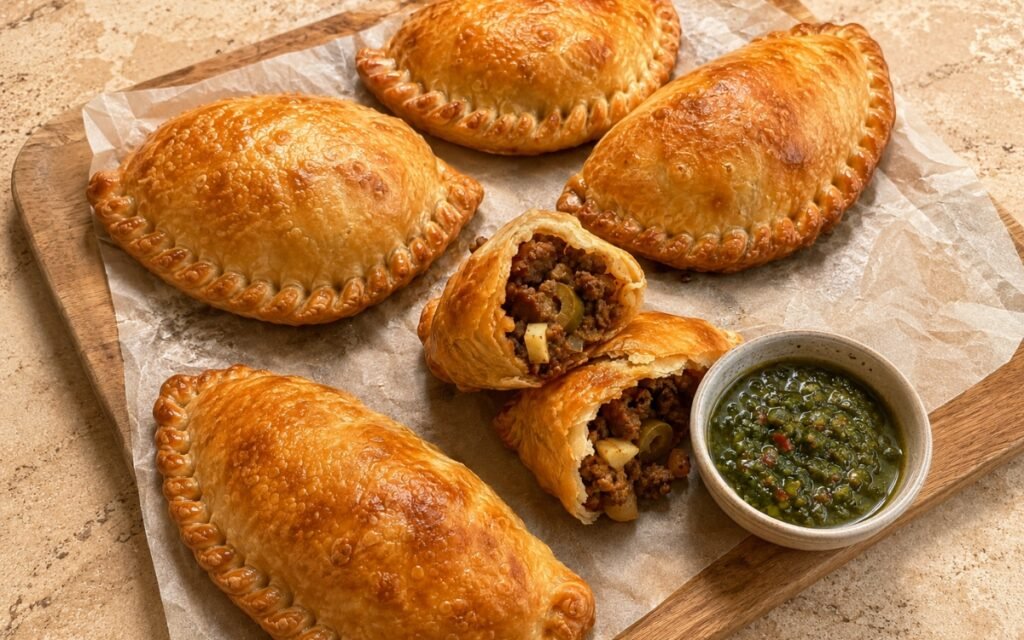
Beef Empanadas
Flaky, blistered baked pastry sealed around a savory beef filling with paprika, cumin, green olives, and hard-boiled egg.
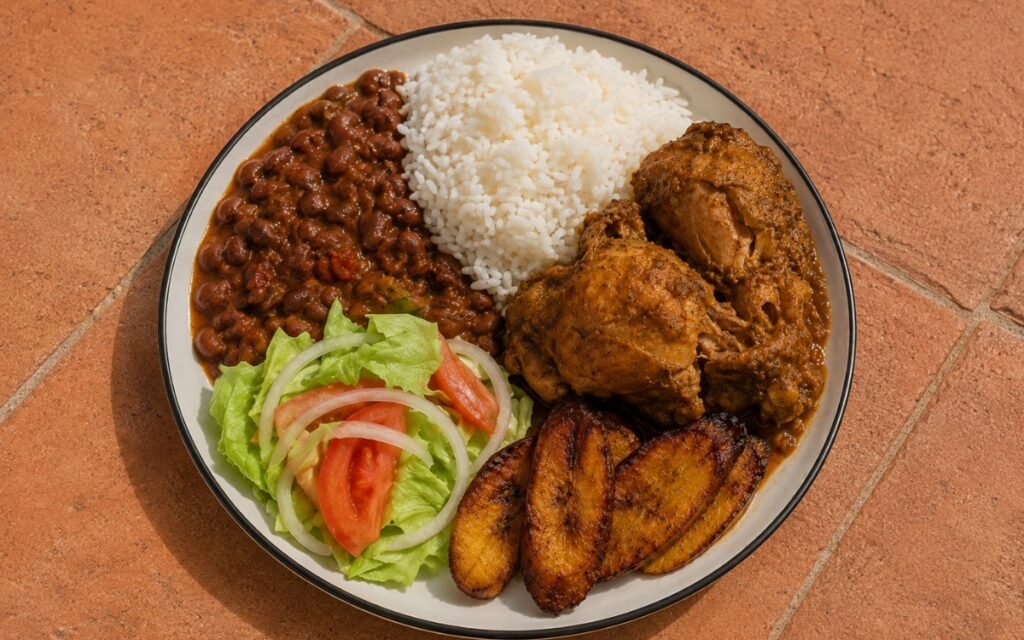
La Bandera Dominicana
Fluffy white rice, stewed red beans, caramelised braised chicken, sweet fried plantains, and fresh salad, each kept distinct on the plate.
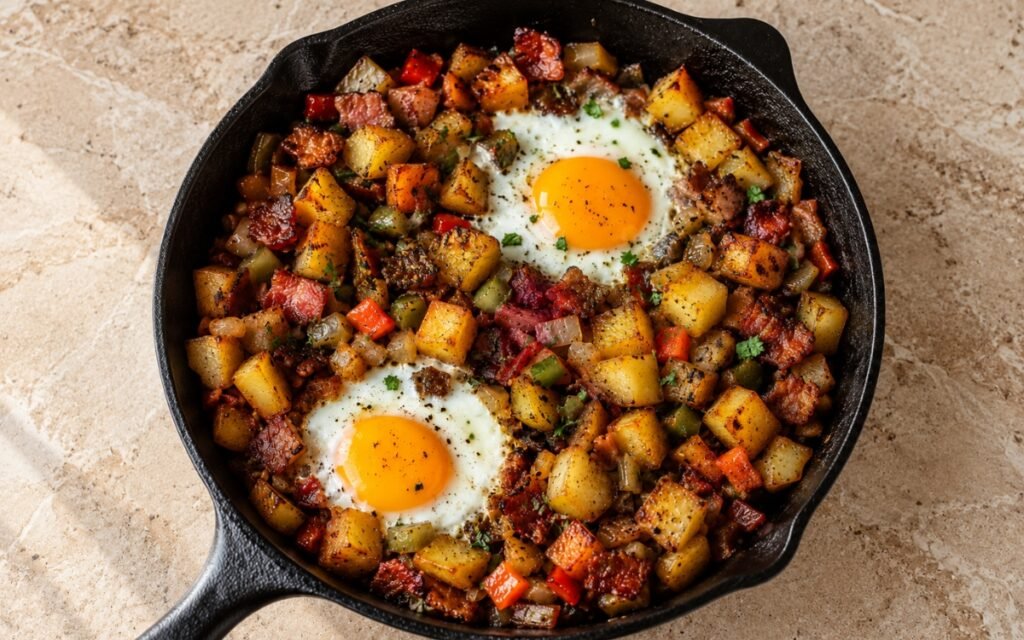
Breakfast Hash with Eggs and Potatoes
Crispy diced potatoes, browned breakfast sausage, crisp bacon, peppers, onions, and eggs cooked directly into the hash with runny yolks.
You might also like
You might also like
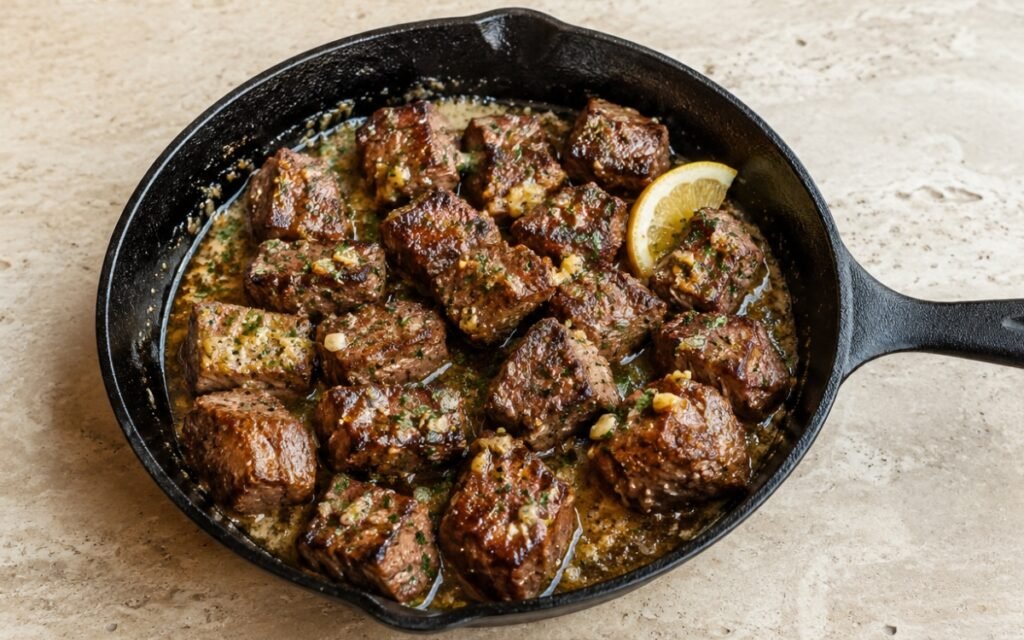
Garlic Butter Steak Bites
Large seared steak cubes with dark crust and juicy centers, tossed in glossy garlic butter with parsley, lemon, and black pepper.
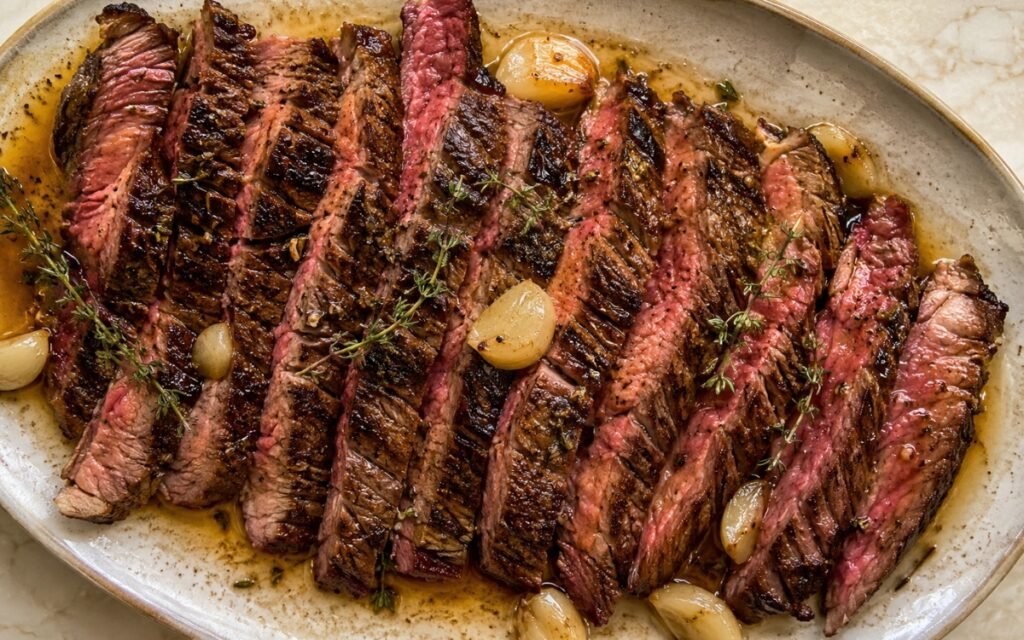
Pan-Seared Skirt Steak
Quick-seared skirt steak with garlic herb butter, sliced against the grain for maximum tenderness.
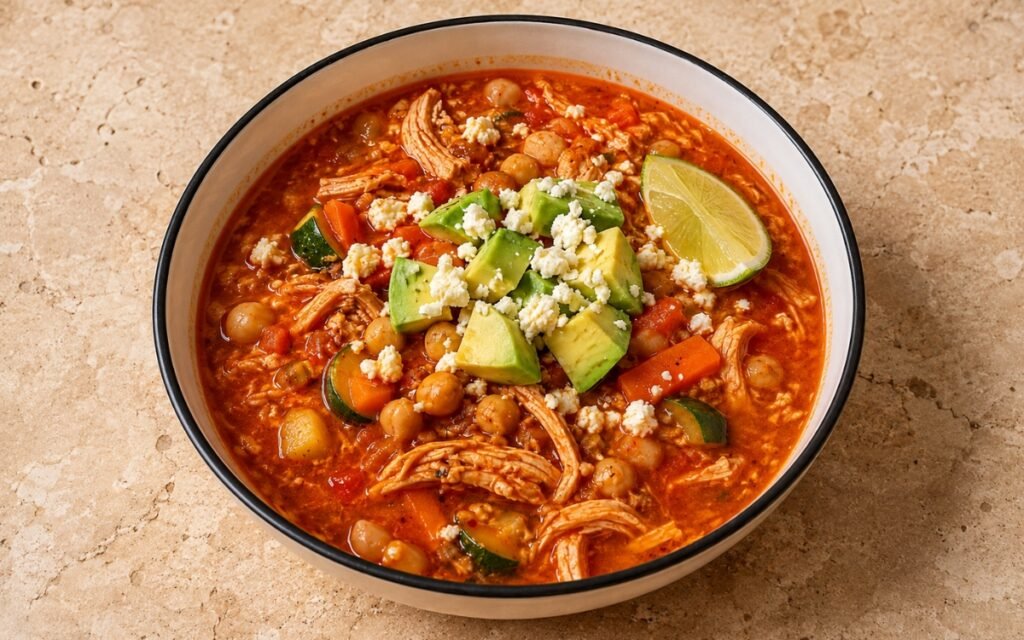
Caldo Tlalpeño
A clear chipotle-tomato chicken broth with shredded chicken, chickpeas, carrots, and zucchini, finished with avocado and queso fresco.
Pho Soup / Vietnamese Beef Pho
Ingredients
Method
- Place the beef bones in a large pot and cover with cold water. Bring to a hard boil and boil for 10–12 minutes. Drain the bones, discard the water, and rinse the bones very thoroughly under warm running water. Scrub away any grey foam, blood residue, or loose bits. Wash the pot before continuing. The bones should look clean, pale, and free of grey scum. If you skip this step, your broth will be cloudy and dirty-tasting. That is not rustic; it is just lazy. This aggressive initial boil and rinse forces out the coagulated proteins and impurities that would otherwise cloud the broth during the long simmer to come — removing them now, decisively, protects clarity for the entire remainder of the cook.
- Place the onion halves and ginger cut-side down in a dry skillet, under a broiler, or directly over a gas flame. Char until deeply browned and blackened in spots, about 8–12 minutes. Rinse off any loose burnt flakes if needed, but keep the smoky charred aroma. The onion and ginger should smell sweet, smoky, and aromatic. Pale onion and raw ginger give a flat broth. Direct charring caramelises the onion’s natural sugars and blooms the ginger’s aromatic oils in a way gentle cooking never would — that smoky, sweet character becomes a foundational flavour note running through the entire finished broth.
- Return the cleaned bones to the clean pot. Add the brisket or chuck and 4.5 litres cold water. Bring slowly to a gentle simmer. Do not let it boil hard. Skim off any foam that rises during the first 30–45 minutes. Add the charred onion and ginger. Keep the broth at a bare simmer, partially covered, for 1½ to 2 hours, until the brisket is tender. The surface should barely move, with small bubbles rising slowly. If the pot is rolling and boiling, you are wrecking the clarity of the broth. A hard boil physically agitates and emulsifies fat directly into the surrounding liquid, turning a clear broth cloudy in a way that can’t be corrected later by straining — the bare simmer specified here is the only way to keep fat and broth as genuinely separate as pho’s signature clarity requires.
- When the brisket is tender, remove it from the broth and transfer it to a bowl of cold water for 5 minutes to stop the cooking and keep it from drying out. Drain, cover, and refrigerate until slicing. Continue simmering the bones. Do not leave the brisket in the broth for the full bone simmer or it can become dry and stringy. The bones need long cooking; the brisket does not. Shocking the brisket in cold water the moment it’s tender halts residual cooking immediately, protecting it from the many additional hours the bones still need — brisket left in that long simmer would simply overcook well past its ideal tender point.
- Toast the star anise, cinnamon, cloves, coriander seeds, fennel seeds, and black cardamom if using in a dry skillet over medium heat for 1–2 minutes, just until fragrant. Place the spices in a spice bag, cheesecloth, or fine mesh infuser. Add to the broth during the final 60–75 minutes of simmering. Continue simmering until the broth is aromatic, beefy, and lightly golden. The spices should perfume the broth without dominating it. If you simmer the spices for the full 6 hours, the broth can turn bitter and muddy. This narrow window of exposure is a genuine calibration — the spices need enough time in the hot broth to release their aromatics, but extended contact over many hours would extract harsher, more bitter compounds that a shorter simmer never reaches.
- Remove the spice bag, onion, ginger, and bones. Strain the broth through a fine sieve. Season with fish sauce, sugar, and fine sea salt. Taste and adjust carefully. The broth should be savory, lightly sweet, aromatic, and clean. It should taste slightly stronger than a normal soup broth because the noodles and toppings dilute it in the bowl. Good pho broth is not bland beef water. It should have clear beef depth, ginger warmth, sweet onion, spice aroma, and fish sauce salinity without tasting aggressively salty. Seasoning the broth to taste noticeably stronger than a standalone soup is a deliberate adjustment for how it’s actually eaten — once poured over noodles, raw beef, and a full plate of garnishes, that same broth will read as properly balanced rather than over-seasoned.
- Cook the dried rice noodles according to package directions, usually by soaking first and then briefly boiling, or blanch fresh noodles briefly until hot and loosened. Drain well. The noodles should be flexible and tender but not mushy. Overcooked rice noodles turn the bowl into glue. Rice noodles continue softening from residual heat even after draining, which is part of why they’re best pulled slightly before feeling fully done — a noodle that seems perfect straight out of the water can turn soft and gluey by the time it’s sitting in a hot bowl of broth.
- Slice the chilled cooked brisket thinly across the grain. Slice the raw beef paper-thin. If needed, place the beef in the freezer for 20–30 minutes first so it firms up and slices cleanly. Prepare the white onion, scallions, bean sprouts, Thai basil, lime wedges, and jalapeños. The raw beef must be very thin because it cooks from the heat of the broth in the bowl. Thick slices will stay chewy and awkward. Briefly firming the raw beef in the freezer addresses the same problem that chilling solves for other thin-sliced meats throughout this collection — fully soft, room-temperature beef is too pliable to slice consistently thin, while a firm, partially chilled piece holds its shape cleanly under the knife.
- Warm 4 large bowls. Divide the hot noodles among the bowls. Add sliced cooked brisket. Lay the raw beef slices over the noodles in a single layer. Add thin white onion and scallions. Bring the broth back to a full boil. Ladle the boiling broth directly over the raw beef to cook it lightly. Serve immediately with bean sprouts, Thai basil, lime wedges, jalapeño slices, and extra herbs on the side or arranged at the bowl edge. The broth must be boiling hot when it hits the beef. The beef should turn from raw red to pink and tender in the bowl, not grey and overcooked. Genuinely boiling broth is what cooks the paper-thin raw beef gently and evenly the instant it’s poured — broth that’s merely hot rather than actively boiling won’t carry enough heat to properly cook that beef through in the brief window before serving.