
Korean Army Stew / Budae Jjigae
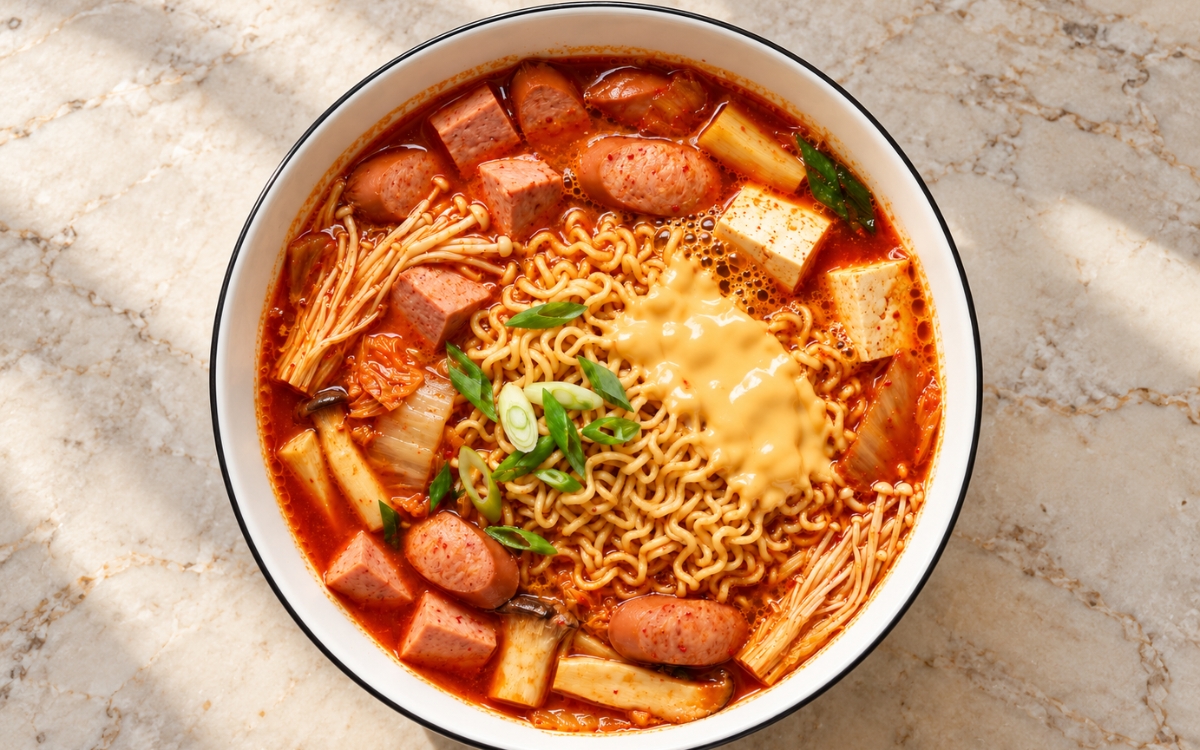
Korean army stew, or budae jjigae, is a spicy red gochujang broth simmered with mature napa cabbage kimchi, luncheon meat, sliced sausages, firm tofu, enoki and king oyster mushrooms, onion, scallions, and springy instant ramen, finished under melted cheese, the key being ingredients that stay grouped and visibly distinct in the pot. Simmering those arranged ingredients in a lightly seasoned broth, rather than stirring everything together or salting heavily at the start, is the technique this whole stew depends on for balance — luncheon meat, sausages, and kimchi all release salt as they cook, so an over-seasoned base turns harsh by the time the noodles go in, the same season-lightly-and-adjust-late principle used elsewhere in this collection whenever salty, preserved ingredients share one pot. Using mature, properly sour kimchi and its juice is what gives the broth tangy depth instead of flat chilli heat. Adding the ramen only in the final minutes is what keeps the noodles springy rather than swollen and soft. The payoff is a budae jjigae with real, bubbling-hot comfort — a rich red, tangy broth, chewy noodles, salty-smoky meats, silky tofu, and a stretch of soft melted cheese in every bowl.

Prep Time : 20 min
Total Time : 40 min
Servings : 4
20 min
40 min
4
Ingredients
For the Broth Base
• 1,400–1,500ml light anchovy-kelp stock or light unsalted chicken stock
• 300g mature napa cabbage kimchi, cut into bite-size pieces
• 80–120ml kimchi juice
• 2 tbsp gochujang
• 1½–2 tbsp gochugaru
• 1 tbsp soy sauce
• 1 tsp fish sauce or soup soy sauce
• 1 tbsp minced garlic
• 1 tsp sugar
• ¼ tsp black pepper
For the Main Stew Components
• 300g luncheon meat (Spam-style), cut into medium cubes or rectangles
• 250–300g Korean sausages, smoked sausages, or hot dogs, sliced on the bias into thick rounds
• 400g firm tofu, cut into medium cubes
• 4 packs instant ramen noodles, about 480–520g total, seasoning packets discarded
• 200g enoki mushrooms, base trimmed and separated into clusters
• 180–200g king oyster mushrooms or oyster mushrooms, sliced into thick batons or bite-size pieces
• 1 medium onion, cut into thick slices or chunks
• 5–6 scallions, cut into 4–5cm lengths, plus a little extra thinly sliced for garnish
• 4 slices processed cheese or American-style cheese
Optional Balance Adjustments
• Extra stock or hot water, as needed
• Extra gochugaru, to taste
• Extra kimchi juice, to taste
Directions
- Mix the Broth
In a large bowl or measuring jug, combine the 1,400–1,500ml of stock with the 80–120ml of kimchi juice, 2 tbsp gochujang, 1½–2 tbsp gochugaru, 1 tbsp soy sauce, 1 tsp fish sauce, 1 tbsp minced garlic, 1 tsp sugar, and ¼ tsp black pepper. Whisk for about 1 minute until the gochujang is mostly dissolved and the liquid is an even brick red. Keep the seasoning slightly lighter than seems necessary at this point, because the kimchi, luncheon meat, sausages, and ramen will all add salt as the stew cooks. That restraint is what leaves room to adjust at the end instead of rescuing an over-salted pot. - Prep the Ingredients
Cut every stew component before any heat is applied: cube the luncheon meat, slice the sausages on the bias into thick rounds, cube the tofu, trim and separate the enoki, slice the king oyster mushrooms, cut the onion into thick chunks, and slice the scallions into 4–5cm lengths. If the luncheon meat tastes very salty, blanch it in boiling water for 30 seconds, drain, and pat dry before adding it to the pot. Keep the 4 ramen blocks and the 4 cheese slices to one side, still wrapped or covered. That upfront preparation is what lets the final stages move quickly once the noodles go in. - Arrange the Pot
Choose a wide pot, shallow casserole, or deep sauté pan and arrange the 300g of kimchi, luncheon meat, sausages, tofu, mushrooms, onion, and scallion lengths in separate sections around the edge. Place the ramen noodles near the centre or slightly off-centre, but do not add the cheese yet. Keep the groups tidy and distinct, with the enoki and pale mushrooms side by side and the tofu set where it will not be knocked about. That grouping is what keeps each component visible and lets it cook at its own pace. - Simmer the Stew
Pour the broth mixture gently around the arranged ingredients, then bring it to a boil over medium-high heat, which takes about 5 minutes. Once it boils, reduce to a strong simmer and cook for 6–8 minutes, until the kimchi softens, the luncheon meat and sausages are heated through, and the mushrooms begin to tenderise. Skim off foam if it collects, but leave the red chilli oil on the surface. That short simmer before the noodles is what builds the broth without breaking the tofu or wilting the scallions. - Add the Ramen and Cheese
Gently loosen the ramen blocks into the broth, pushing them under the liquid with chopsticks, and simmer for 2–3 minutes, turning the noodles once or twice so they soften evenly. Lay the 4 cheese slices over part of the noodles and cook for 1–2 minutes more, until the cheese softens and begins to melt and the noodles are springy with a little chew. The cheese should enrich the surface and the broth without disappearing completely. That late addition is what keeps the noodles bouncy and the cheese visible. - Finish and Serve
Taste the broth and adjust with a little extra kimchi juice for tang, extra gochugaru for heat, or a splash of stock or hot water if it tastes too salty or has reduced too far. Ladle the stew into 4 bowls, making sure each portion gets noodles, broth, sausage, luncheon meat, tofu, kimchi, mushrooms, and scallions, and spoon some of the softened cheese over each bowl. Finish with the extra thinly sliced scallion and serve immediately, with steamed rice on the side if you like. That immediate serving is what protects the noodle texture, since the ramen keeps absorbing broth for as long as the pot sits on the heat.
*Notes :
- Keeping the broth lighter than seems necessary at the start deserves genuine recognition as the technique most directly responsible for whether the finished stew is balanced or punishingly salty. Luncheon meat, sausages, and kimchi all release salt into the liquid over the simmer, and the ramen absorbs and concentrates it further, so a base that tastes perfect in the jug is usually too salty by the time it reaches the bowl.
- Using mature, properly sour napa kimchi deserves the same attention this technique receives throughout this collection’s other kimchi-based dishes. Fresh kimchi tastes flatter and sweeter and cannot supply the fermented tang that gives the broth depth, whereas mature kimchi and its juice build a savoury, lightly acidic backbone that stands up to the rich meats and melted cheese.
- Adding the ramen near the end only deserves genuine respect as the detail most directly responsible for noodles that stay springy rather than mushy. Instant noodles keep absorbing broth for as long as they sit in it, so noodles added too early swell, soften, and drain the pot of liquid long before the stew reaches the table.
- Keeping the ingredients grouped while they simmer deserves attention as a genuine, checkable presentation cue rather than a loose stylistic habit. Separate sections let each component cook at its own pace and stay visibly distinct, so the tofu holds its shape and the scallions stay fresh instead of everything blurring into one overcooked, uniform mixture.
Why This Recipe Works
This recipe works because a lightly seasoned, kimchi-sharpened broth is built first, so the salty luncheon meat, sausages, and kimchi can season the pot gradually instead of overwhelming it. A short simmer softens the kimchi and warms the meats and mushrooms while the firm tofu keeps its shape. Instant ramen then goes in for only a few minutes, which preserves its springy, chewy bite. Cheese melts over the noodles at the very end, enriching the surface and smoothing the heat without disappearing. Serving immediately keeps every component distinct, with a rich red broth that is spicy, savoury, and slightly tangy.
Ingredient Breakdown
Mature Napa Kimchi and Kimchi Juice
The defining flavour ingredient — fermented kimchi adds sourness and depth, while the juice sharpens the broth without thickening it.
Gochujang and Gochugaru
The heat and colour foundation — the paste gives fermented body while the flakes add clean chilli heat and rich red colour.
Light Anchovy-Kelp or Chicken Stock
The structural foundation — a mild, unsalted stock carries flavour without competing with the salty meats and kimchi.
Luncheon Meat and Sausages
The savoury-smoky centrepiece — salty cured meats season the broth as they heat, so the base stays deliberately light.
Firm Tofu
The structural choice — firm blocks hold their shape in the simmer and soak up the spicy broth without breaking apart.
Instant Ramen (Seasoning Discarded)
The critical timing ingredient — the plain noodles supply the chew and are cooked only briefly so they stay springy.
Processed Cheese
The finishing touch — slices melt quickly into a soft, mild layer that rounds off the heat and enriches the broth.
Flavor Structure Explained
This Korean army stew follows a layered balance model:
- Tangy, fermented foundation (mature kimchi, kimchi juice)
- Spicy, savoury body (gochujang, gochugaru, garlic, soy sauce, fish sauce)
- Salty, smoky richness (luncheon meat, sausages)
- Soft, mild contrast (firm tofu, enoki and king oyster mushrooms, onion, scallions)
- Chewy, creamy finish (instant ramen, melted cheese)
Mature kimchi and its juice supply the sharp, tangy foundation of the pot, while gochujang, gochugaru, garlic, and soy sauce give the broth its spicy, savoury red body. Luncheon meat and sausages add salty, smoky richness, and the tofu, mushrooms, onion, and scallions soften the heat with mild sweetness, gentle texture, and freshness. The springy ramen and melted cheese bring the chewy, creamy finish that ties the Korean army stew together.
Common Mistakes to Avoid
- Over-Seasoning the Broth Early – This makes the stew harshly salty once the meats, kimchi, and noodles release salt. Always keep the broth slightly light and adjust only at the end.
- Using Fresh Kimchi – This tastes flatter and lacks the sourness the broth depends on. Always use mature napa kimchi and add extra kimchi juice if the tang seems weak.
- Cooking the Ramen Too Early – This lets the noodles absorb too much broth, leaving them soft and the pot dry. Always add them near the end for only 2–3 minutes.
- Overboiling Before the Noodles – This starts to break the tofu and dulls the scallions. Always keep the first simmer to 6–8 minutes before the ramen goes in.
- Holding the Stew Too Long – This lets the noodles over-expand and the broth level drop. Always serve immediately instead of leaving the pot simmering.
Variations
Chicken Stock Version
Use a light unsalted chicken stock in place of the anchovy-kelp stock for a more convenient broth that tastes milder and slightly sweeter while the kimchi and chilli still lead.
Extra-Spicy Version
Stir in an additional spoonful of gochugaru at the final tasting stage so the broth deepens in red colour and heat without changing the savoury, tangy balance of the pot.
Extra-Tangy Version
Add a splash more kimchi juice when tasting at the end, which sharpens the broth and cuts through the richness of the cheese, sausages, and luncheon meat.
Rice Version
Serve the stew with a bowl of steamed rice on the side, using the rice to soak up the spicy broth and soften the saltiness of each spoonful.
Storage & Make-Ahead
Budae jjigae is best eaten straight from the pot, because the ramen keeps absorbing broth and loses its springy, chewy bite within minutes of coming off the heat.
Whisk the broth mixture ahead and refrigerate it in a covered jar for up to 2 days, giving it a quick stir to redistribute the gochugaru before it goes into the pot.
Cut the sausages, luncheon meat, tofu, mushrooms, onion, and scallions up to 1 day ahead and refrigerate them in separate airtight containers, keeping the cheese and ramen sealed until cooking.
If there are leftovers, refrigerate the stew in an airtight container for up to 2 days, understanding that the noodles will have softened and absorbed much of the broth.
Reheat leftovers gently on the stove with a splash of stock or water until steaming hot all the way through, and do not freeze the stew because the noodles and tofu turn soft and spongy.
Frequently Asked Questions
Why is the broth seasoned lightly before the ingredients go in?
The luncheon meat, sausages, and kimchi all release salt as they simmer and the ramen concentrates it, so a lightly seasoned base can be adjusted at the end instead of rescued.
Why does the stew need mature kimchi rather than fresh kimchi?
Mature kimchi is sour and deeply fermented, which gives the broth its tangy depth, whereas fresh kimchi tastes flatter and cannot balance the rich meats and cheese.
Why are the ramen noodles added only near the end?
Instant noodles keep absorbing broth the whole time they cook, so adding them last keeps them springy with a little chew instead of soft, swollen, and mushy.
Why are the ingredients arranged in separate sections before the broth is poured in?
Grouped sections let each component cook at its own pace and stay visibly distinct, so the tofu holds its shape and the stew looks as it should at the table.
Are there other classic Korean rice, noodle, or street food dishes worth trying?
Korean Kimchi Fried Rice offers another classic kimchi-forward rice direction worth exploring. Kimchi Udon Stir-Fry Noodles and Miso Butter Corn Ramen are also worth trying for other savoury noodle directions, and Korean Soy Garlic Fried Chicken and Korean Corn Dogs offer other fried Korean dishes worth exploring.
Nutrition Facts
( Per Serving )
Calories
~1020 kcal
Protein
41 g
Fat
60 g
Carbs
92 g
Calories
~1020 kcal
Protein
41 g
Fat
60 g
Carbs
92 g
Related Recipes
Related Recipes
-

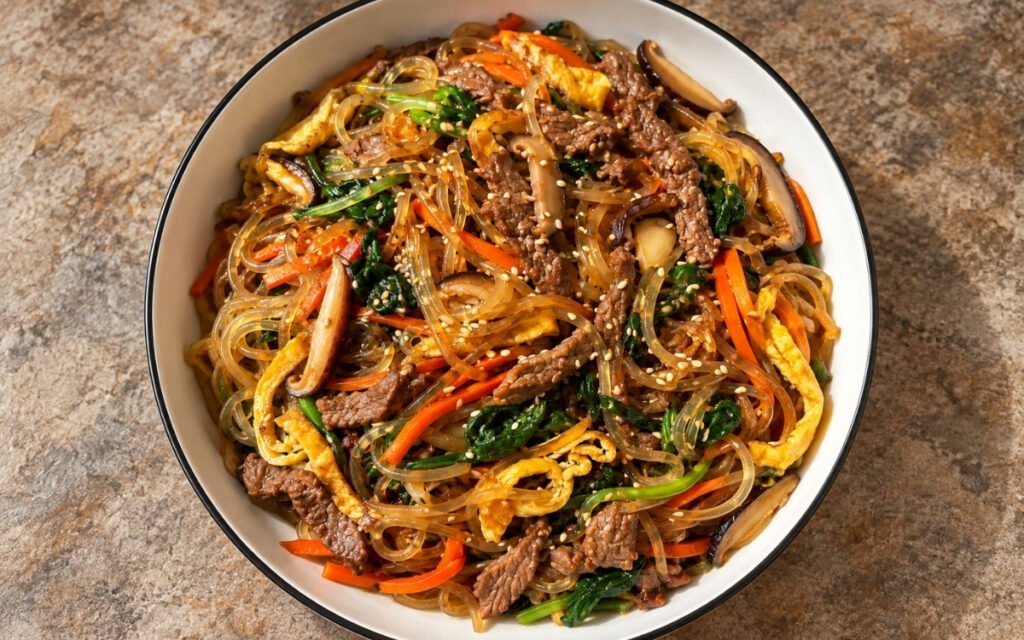
Japchae — Korean Glass Noodle Stir-Fry
Chewy sweet potato glass noodles, thin strips of beef, spinach, shiitake mushrooms, carrot, onion, and egg ribbons in glossy soy-sesame seasoning.
-
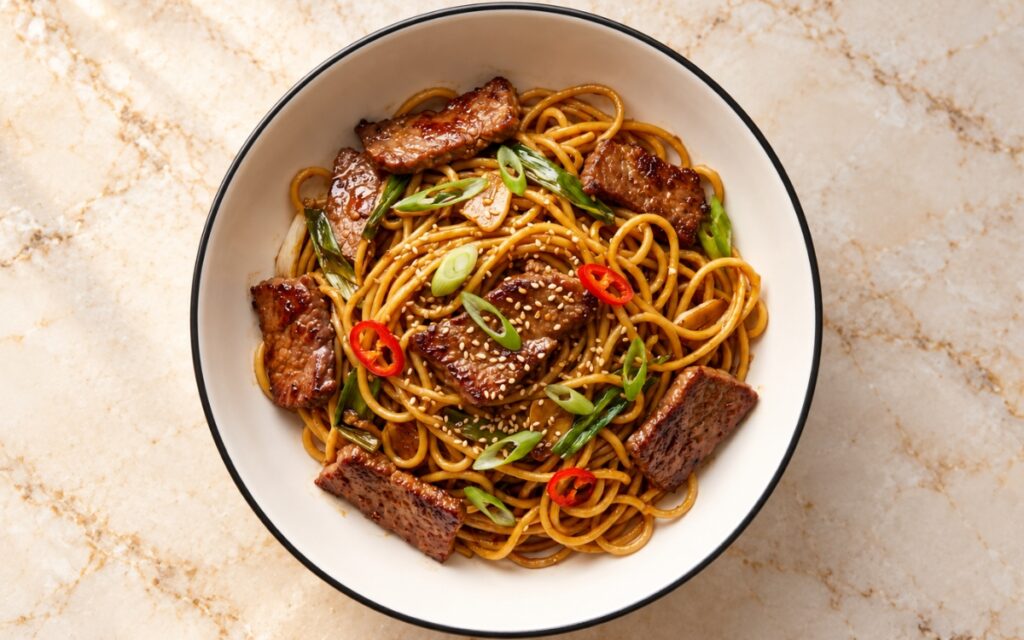
Mongolian Beef and Noodles
Lo mein-style wheat noodles tossed with seared beef, scallions, garlic and ginger in a dark, glossy savoury-sweet Mongolian-style sauce.
-
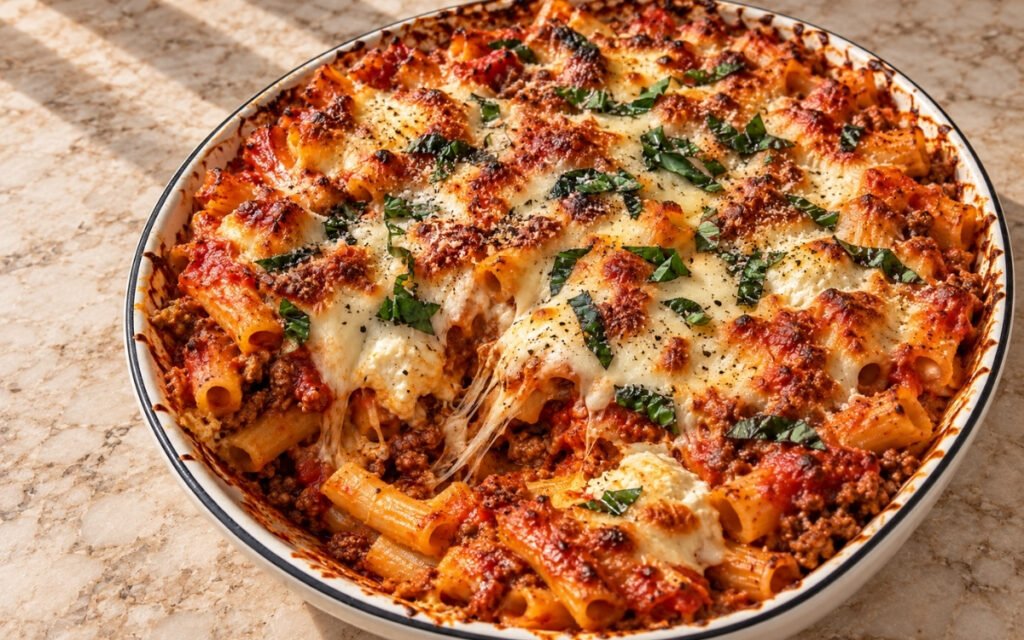
Baked Ziti
Ziti tossed in a rich beef and pork tomato sauce, layered with creamy ricotta pockets, mozzarella, and Parmesan, baked until bubbling.
You might also like
You might also like
-
Orange Chicken Rice Bowl
Crisp fried chicken coated in thick glossy orange sauce, served over jasmine rice with steamed broccoli, sesame seeds, scallions, and orange zest.
-
Alambre Tacos
Soft corn tortillas filled with charred steak, smoky bacon, blistered peppers and onions, and melted Oaxaca cheese, finished with salsa roja, cilantro, and scallions.
-
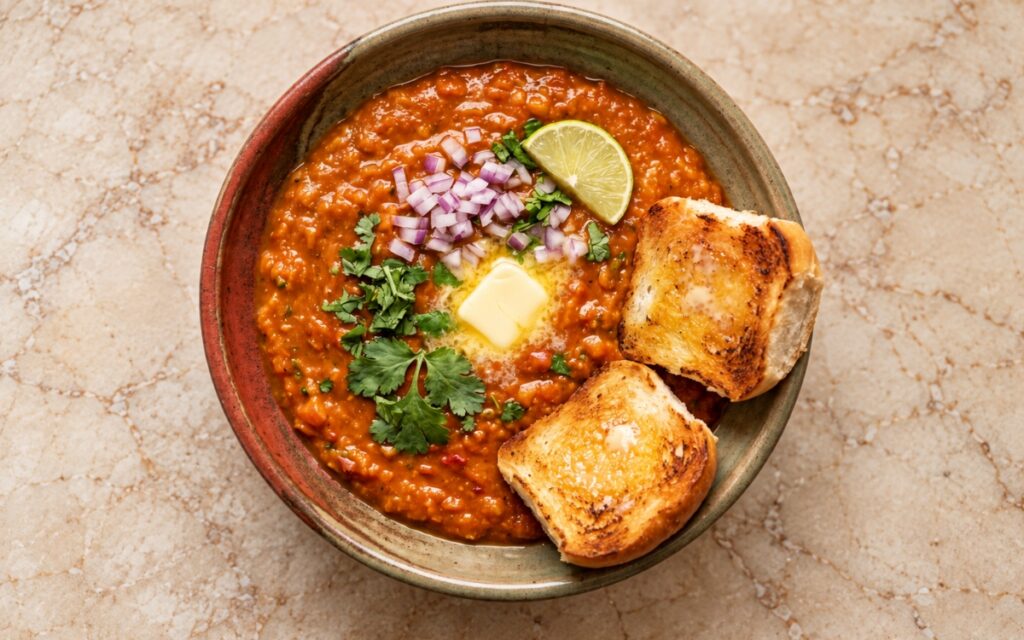
Pav Bhaji
A buttery Mumbai-style mashed vegetable bhaji with tomato, capsicum and pav bhaji masala, served with toasted pav, onion, cilantro and lime.


Korean Army Stew / Budae Jjigae
Ingredients
Method
- In a large bowl or measuring jug, combine the 1,400–1,500ml of stock with the 80–120ml of kimchi juice, 2 tbsp gochujang, 1½–2 tbsp gochugaru, 1 tbsp soy sauce, 1 tsp fish sauce, 1 tbsp minced garlic, 1 tsp sugar, and ¼ tsp black pepper. Whisk for about 1 minute until the gochujang is mostly dissolved and the liquid is an even brick red. Keep the seasoning slightly lighter than seems necessary at this point, because the kimchi, luncheon meat, sausages, and ramen will all add salt as the stew cooks. That restraint is what leaves room to adjust at the end instead of rescuing an over-salted pot.
- Cut every stew component before any heat is applied: cube the luncheon meat, slice the sausages on the bias into thick rounds, cube the tofu, trim and separate the enoki, slice the king oyster mushrooms, cut the onion into thick chunks, and slice the scallions into 4–5cm lengths. If the luncheon meat tastes very salty, blanch it in boiling water for 30 seconds, drain, and pat dry before adding it to the pot. Keep the 4 ramen blocks and the 4 cheese slices to one side, still wrapped or covered. That upfront preparation is what lets the final stages move quickly once the noodles go in.
- Choose a wide pot, shallow casserole, or deep sauté pan and arrange the 300g of kimchi, luncheon meat, sausages, tofu, mushrooms, onion, and scallion lengths in separate sections around the edge. Place the ramen noodles near the centre or slightly off-centre, but do not add the cheese yet. Keep the groups tidy and distinct, with the enoki and pale mushrooms side by side and the tofu set where it will not be knocked about. That grouping is what keeps each component visible and lets it cook at its own pace.
- Pour the broth mixture gently around the arranged ingredients, then bring it to a boil over medium-high heat, which takes about 5 minutes. Once it boils, reduce to a strong simmer and cook for 6–8 minutes, until the kimchi softens, the luncheon meat and sausages are heated through, and the mushrooms begin to tenderise. Skim off foam if it collects, but leave the red chilli oil on the surface. That short simmer before the noodles is what builds the broth without breaking the tofu or wilting the scallions.
- Gently loosen the ramen blocks into the broth, pushing them under the liquid with chopsticks, and simmer for 2–3 minutes, turning the noodles once or twice so they soften evenly. Lay the 4 cheese slices over part of the noodles and cook for 1–2 minutes more, until the cheese softens and begins to melt and the noodles are springy with a little chew. The cheese should enrich the surface and the broth without disappearing completely. That late addition is what keeps the noodles bouncy and the cheese visible.
- Taste the broth and adjust with a little extra kimchi juice for tang, extra gochugaru for heat, or a splash of stock or hot water if it tastes too salty or has reduced too far. Ladle the stew into 4 bowls, making sure each portion gets noodles, broth, sausage, luncheon meat, tofu, kimchi, mushrooms, and scallions, and spoon some of the softened cheese over each bowl. Finish with the extra thinly sliced scallion and serve immediately, with steamed rice on the side if you like. That immediate serving is what protects the noodle texture, since the ramen keeps absorbing broth for as long as the pot sits on the heat.