
Alambre Tacos
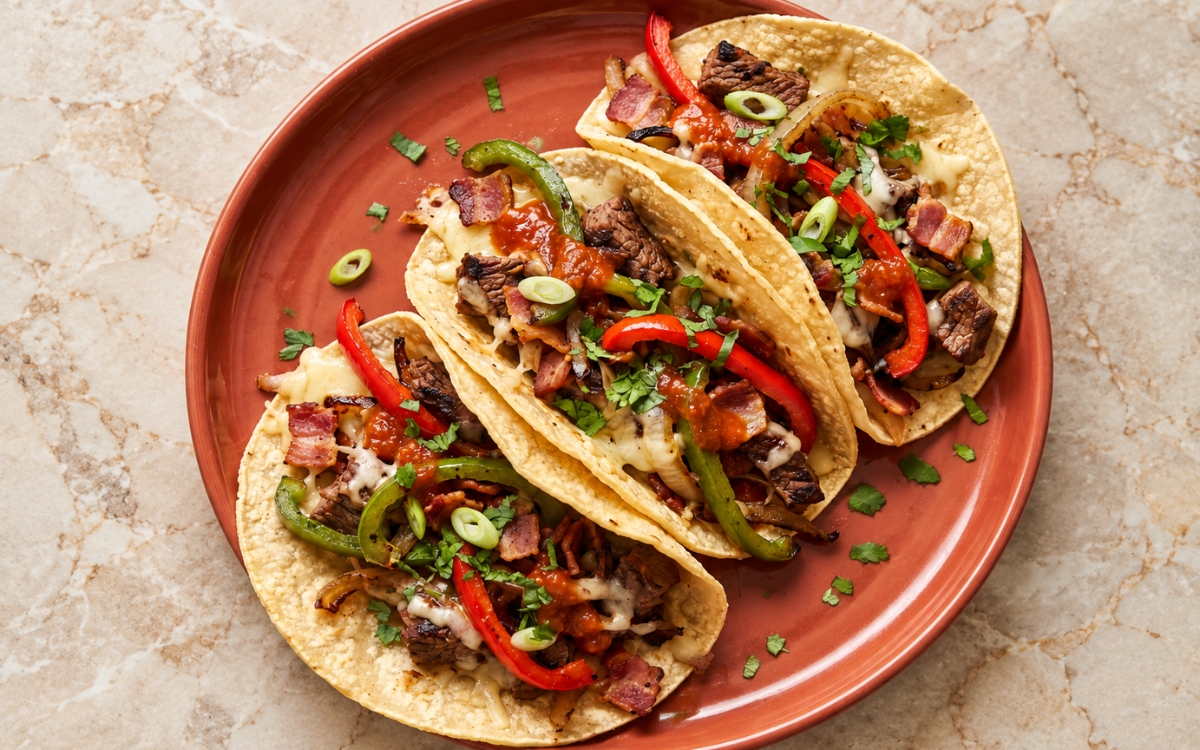
Classic Mexican alambre tacos are soft corn tortillas filled with charred steak, crisp-edged bacon, blistered green and red bell peppers, and sweet white onion, folded together with melted Oaxaca cheese and finished with a thin drizzle of salsa roja, cilantro, scallions, and lime, the key being a juicy, smoky filling that stays cohesive without turning wet. Searing the beef over high heat in a single layer, rather than crowding it into a lukewarm pan, is the technique this whole filling depends on for a deep, charred crust — wet or overcrowded meat steams in its own juices and turns grey and tough, the same dry-heat-sear principle used elsewhere in this collection whenever browning decides the flavour. Rendering the bacon first over medium heat is what gives the pan its smoky fat and the filling its crisp-edged lardons. Cooking the peppers and onions until blistered but still shapely is what keeps the vegetables sweet and textured instead of limp. The payoff is a taco with real, taquería-style depth — charred beef, smoky bacon, sweet blistered peppers, and stretchy melted cheese in a warm corn tortilla, lifted by bright salsa roja, fresh cilantro, scallions, and lime.

Prep Time : 30 min
Total Time : 1 hr
Servings : 4
30 min
1 hr
4
Ingredients
For the Alambre Filling
• 700g beef steak, cut into small bite-size pieces or thin strips (sirloin, flank, skirt, bavette, or ribeye cap work well)
• 200g bacon, cut into small strips or lardons
• 1 tbsp neutral oil, only if needed
• 1 large white onion, sliced into thin strips
• 1 large green bell pepper, sliced into strips
• 1 large red bell pepper, sliced into strips
• 2 garlic cloves, finely chopped
• 1½ tsp kosher salt, or to taste
• 1 tsp freshly ground black pepper
• ½ tsp ground cumin
• ½ tsp dried Mexican oregano
• 1 tbsp Worcestershire sauce
• 1 tsp soy sauce, optional, for deeper savoury flavour
• 200g Oaxaca cheese, shredded (or low-moisture mozzarella or Chihuahua cheese)
For the Salsa Roja
• 4 medium ripe Roma tomatoes
• 2 garlic cloves, unpeeled
• ¼ medium white onion
• 2–3 dried chiles de árbol, stemmed (or 1–2 serrano chiles for a fresher version)
• 1 tsp neutral oil
• ½ tsp kosher salt, or to taste
• 1–2 tbsp water, only if needed to blend
For the Tortillas and Serving
• 12 corn tortillas, taco size
• 3 tbsp finely chopped fresh cilantro
• 2 scallions, thinly sliced
• Lime wedges, for serving
Directions
- Roast and Blend the Salsa Roja
Heat a dry skillet or comal over medium-high heat and add the 4 Roma tomatoes, the 2 unpeeled garlic cloves, and the ¼ white onion. Turn them as needed for 8–10 minutes, adding dried chiles for the final minute so they toast without scorching, until the tomatoes are softened and blistered, the onion has charred spots, and the garlic is fragrant and soft. Peel the garlic, then blend everything with ½ tsp salt and 1 tsp oil until smooth or slightly textured, adding water 1 tbsp at a time only if the blades stall. Taste and adjust the salt; the salsa should be spoonable and concentrated, not watery. That concentration is what lets a small drizzle flavour the whole taco without wetting the tortilla. - Prep the Filling Components
Pat the 700g beef very dry with paper towels, because wet meat steams instead of searing. Season it with 1½ tsp kosher salt, 1 tsp black pepper, ½ tsp cumin, and ½ tsp oregano, then toss with the Worcestershire sauce and optional soy sauce just before it goes into the pan. Slice the onion and both bell peppers into strips of roughly similar width so they soften at the same pace, and cut the bacon into small strips. Shred the 200g cheese and keep it beside the stove, since alambre comes together quickly once the meat is seared. That advance prep is what lets the last stages run in minutes without anything overcooking. - Render the Bacon
Heat a large heavy skillet, plancha, or cast-iron pan over medium heat and add the 200g bacon. Cook for 6–8 minutes, stirring now and then, until the fat has rendered and the bacon is browned and lightly crisp at the edges but not brittle. Lift the bacon out with a slotted spoon onto a plate, leaving 1–2 tbsp of rendered fat in the pan and discarding any excess if there is a lot. That measured amount of fat is what gives the beef and vegetables a smoky cooking medium without leaving the finished filling greasy. - Sear the Beef
Raise the heat to medium-high or high until the beef sizzles the moment it lands in the pan. Add the seasoned beef in a single layer, working in 1–2 batches if needed, since overcrowding drops the pan temperature and prevents browning. Leave it undisturbed for 1–2 minutes, then toss and keep cooking for about 3–5 minutes total, depending on the cut and the size of the pieces, until browned with charred edges but still juicy. Move the beef to a plate and do not push it further, because it returns to the pan later. That brief, fierce sear is what builds the crust while the centre stays tender. - Blister the Vegetables
In the same pan, add the sliced onion and both bell peppers, with a small splash of the 1 tbsp oil only if the pan looks dry. Cook over medium-high heat for 5–7 minutes, stirring occasionally, until the onions soften and the peppers are tender but not collapsed, with caramelised edges and some blistering. Add the 2 chopped garlic cloves for the final 30 seconds, just until fragrant. Leave the vegetables unsalted at this stage, since early salt draws out water and makes them steam. That restraint is what keeps the vegetables sweet and shapely instead of limp. - Combine and Melt the Cheese
Return the beef, with any juices from the plate, and the bacon to the pan with the vegetables. Toss everything over medium heat for 1–2 minutes so the flavours combine and the juices coat the mixture, and if liquid has pooled, cook 1–2 minutes longer uncovered over medium-high heat. Taste and add a pinch of salt only if needed. Spread the filling out slightly, scatter the 200g shredded cheese over the top, cover for 30–60 seconds until it melts, then gently fold it through until the mixture is cohesive and glossy but not greasy or wet. That folded, just-melted cheese is what binds the filling instead of forming a heavy separate layer. - Warm the Tortillas
Warm the 12 corn tortillas on a dry skillet or directly over a gas flame for a few seconds per side, until soft and pliable with a few light toasted spots. Stack them in a clean kitchen towel as they come off so they stay warm and steam gently in their own heat. Do this just before serving, because tortillas warmed too early cool, stiffen, and tear. That quick warming is what stops the corn from cracking when the tortilla is folded around the hot filling. - Assemble and Serve
Divide the alambre filling among the 12 tortillas, about 3 tacos per serving, mounding it so the beef, bacon, peppers, and cheese stay clearly visible. Spoon a small drizzle of salsa roja over each taco without over-saucing, then finish with the 3 tbsp chopped cilantro and the sliced scallions. Serve immediately with lime wedges so everyone can squeeze over their own. That light hand with the salsa is what keeps the tortillas intact and the filling at the centre of every bite.
*Notes :
- Patting the beef completely dry and searing it in a single layer deserves genuine recognition as the technique most directly responsible for whether the tacos taste charred or boiled. Surface moisture and a crowded pan both drop the temperature and force the meat to steam in its own juices, so it turns grey and tough instead of developing a browned crust.
- Sequencing the heat — bacon over medium, beef over high, vegetables over medium-high — deserves the same attention this technique receives throughout this collection’s other seared and stir-fried dishes. Each ingredient needs a different intensity to finish well, so one constant flame either scorches the bacon, undercooks the crust on the beef, or leaves the peppers soft and pale.
- Using salsa roja only as a finishing drizzle deserves genuine respect as the detail most directly responsible for a taco that stays juicy but never soggy. Cooked into the filling, the sauce would flood the pan and soak the corn tortilla, whereas a spoonful on top adds smoky heat and acidity while the beef, bacon, and cheese stay in focus.
- Checking the pan for pooled liquid before the cheese goes in deserves attention as a genuine, checkable readiness cue rather than a loose approximation. If juices are collecting around the filling, cooking it uncovered for another 1–2 minutes over medium-high heat reduces them, so the cheese melts into a glossy, cohesive mixture instead of dissolving into a wet pool.
Why This Recipe Works
This recipe works because the beef is dried, seasoned, and seared hard in a single layer, so it develops a charred crust while staying juicy inside. Cooking the bacon first supplies a smoky, measured amount of fat, and the peppers and onions then blister in that fat without early salt, so they keep their sweetness and shape. Folding in the Oaxaca cheese just until it melts binds the filling without making it greasy or wet. A light drizzle of salsa roja, fresh cilantro, scallions, and lime on warm tortillas then finishes each taco with brightness while the corn stays intact.
Ingredient Breakdown
Dry, Single-Layer Seared Beef
The critical technique — patted-dry steak in a hot, uncrowded pan chars quickly and stays juicy instead of steaming grey and tough.
Bacon Rendered First
The flavour foundation — gentle rendering gives crisp-edged lardons and leaves a smoky, measured layer of fat for cooking the beef and vegetables.
Blistered Peppers and Onions (Unsalted)
The structural choice — cooking them without early salt keeps the strips sweet, caramelised, and shapely instead of watery and limp.
Oaxaca Cheese (Melted Last)
The finishing technique — folding it in briefly binds the filling with stretchy richness instead of forming a heavy separate layer.
Roasted Salsa Roja
The finishing touch — charred tomatoes, garlic, onion, and chile make a concentrated drizzle that adds smoky heat and acidity without soaking the tortilla.
Warm Corn Tortillas
The structural foundation — a few seconds on a hot skillet makes them soft and pliable, so they fold around the filling without cracking.
Flavor Structure Explained
This alambre taco follows a layered balance model:
- Charred, savoury foundation (seared beef, Worcestershire sauce, black pepper)
- Smoky, salty richness (rendered bacon, cumin, Mexican oregano)
- Sweet, vegetal body (blistered bell peppers, white onion, garlic)
- Creamy, stretchy richness (melted Oaxaca cheese, warm corn tortilla)
- Bright, smoky finish (salsa roja, cilantro, scallions, lime)
Seared beef with Worcestershire and pepper gives the taco its charred, savoury foundation. Rendered bacon, cumin, and oregano add smoky, salty depth that runs through the whole filling. Blistered peppers, onion, and garlic bring sweetness and body, while melted Oaxaca cheese and the corn tortilla supply creamy, stretchy richness and a toasty backbone. Salsa roja, cilantro, scallions, and lime then cut through that richness with smoky heat and freshness that ties the alambre taco together.
Common Mistakes to Avoid
- Crowding the Pan With Wet Beef – This drops the heat and steams the steak grey instead of searing it. Always pat the beef dry and cook it in a single layer, in batches if needed.
- Salting the Vegetables Too Early – This draws out water, so the peppers and onions steam instead of blistering. Always season the filling only once the vegetables have caramelised.
- Over-Saucing With Salsa Roja – This floods the tortilla and hides the beef, bacon, and cheese. Always use the salsa as a light finishing drizzle, never as a cooking sauce.
- Melting the Cheese Into a Wet Pan – This leaves the filling greasy and loose instead of cohesive. Always cook off any pooled liquid uncovered for 1–2 minutes before adding the cheese.
- Folding Cold, Stiff Tortillas – This makes the corn crack and tear around the hot filling. Always warm the tortillas just before serving and keep them wrapped in a towel.
Variations
Mozzarella Version
Replace the Oaxaca cheese with the same weight of shredded low-moisture mozzarella or Chihuahua cheese, which melts into a similarly cohesive, stretchy filling with a slightly milder, creamier flavour.
Fresh Serrano Salsa Version
Roast 1–2 serrano chiles with the tomatoes in place of the dried chiles de árbol for a brighter, greener heat in the salsa roja, while the rest of the taco stays unchanged.
Ribeye Cap Version
Use ribeye cap as the steak, cut into small pieces, for richer, more marbled beef that sears quickly and makes the filling juicier, needing only the lower end of the rendered bacon fat.
Alambre Bowl Version
Skip the tortillas and spoon the finished filling into bowls over rice, topped with the salsa roja, cilantro, scallions, and lime, for a fork-friendly meal with the same charred, smoky, cheesy flavours.
Storage & Make-Ahead
Make the salsa roja up to 4 days ahead and keep it in a covered jar in the refrigerator, since the flavour deepens overnight and it needs only a quick stir before drizzling over the tacos.
Slice the onion and peppers, cut the bacon, and shred the cheese up to 1 day ahead, keeping each in a separate covered container in the refrigerator so the final cook takes only minutes.
Cool leftover filling quickly and refrigerate it in an airtight container for up to 3 days, ideally before the cheese is folded in, so the cheese can melt fresh when you reheat.
Reheat the filling in a hot skillet over medium-high heat for 3–4 minutes until steaming, then fold in the cheese just before serving so the mixture stays glossy rather than greasy or rubbery.
Warm the tortillas only when you are ready to eat and keep the tacos unassembled until serving, because filled tacos soften quickly and leftover filling is best stored apart from tortillas, salsa, and fresh garnishes.
Frequently Asked Questions
Why does the beef need to be patted dry and seared in a single layer?
Dry meat in an uncrowded, very hot pan browns on contact and builds a charred crust. Wet or piled-up beef lowers the pan temperature and steams in its own juices, turning grey and tough.
Why are the bacon, beef, and vegetables cooked at different heats?
Bacon renders best at medium heat, beef needs high heat for a fast sear that keeps the centre juicy, and the vegetables blister at medium-high. One constant flame would burn, undercook, or soften something.
Why is the cheese added last and only just melted through the filling?
Covering the pan for 30–60 seconds melts the cheese before it can overcook and turn greasy. Folding it through at the end binds the filling into a cohesive, glossy mixture instead of a separate layer.
Why is the salsa roja spooned on lightly instead of cooked into the filling?
A small drizzle adds smoky heat and acidity while the beef, bacon, peppers, and cheese stay visible. Cooking the sauce into the filling would flood the pan and soften the tortillas.
Are there other classic Mexican steak taco, fajita, or salsa dishes worth trying?
Steak Tacos with Salsa Verde offers another classic steak taco direction worth exploring. Skirt Steak Fajita and Tacos de Canasta are also worth trying for other steak and taco directions, and Homemade Corn Tortillas and Salsa Roja offer the tortilla and salsa foundations worth exploring.
Nutrition Facts
( Per Serving — 3 tacos )
Calories
~740 kcal
Protein
62 g
Fat
46 g
Carbs
42 g
Calories
~740 kcal
Protein
62 g
Fat
46 g
Carbs
42 g
Related Recipes
Related Recipes
-

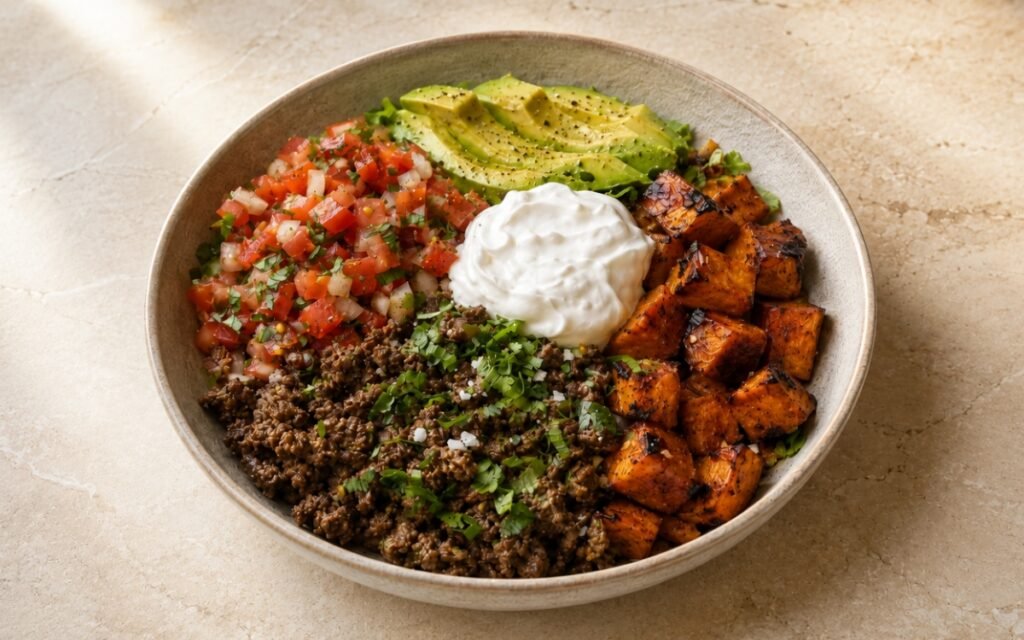
Sweet Potato Ground Beef Burrito Bowl
Crisp roasted sweet potato and browned seasoned ground beef with fresh pico de gallo, sliced avocado and cool sour cream.
-
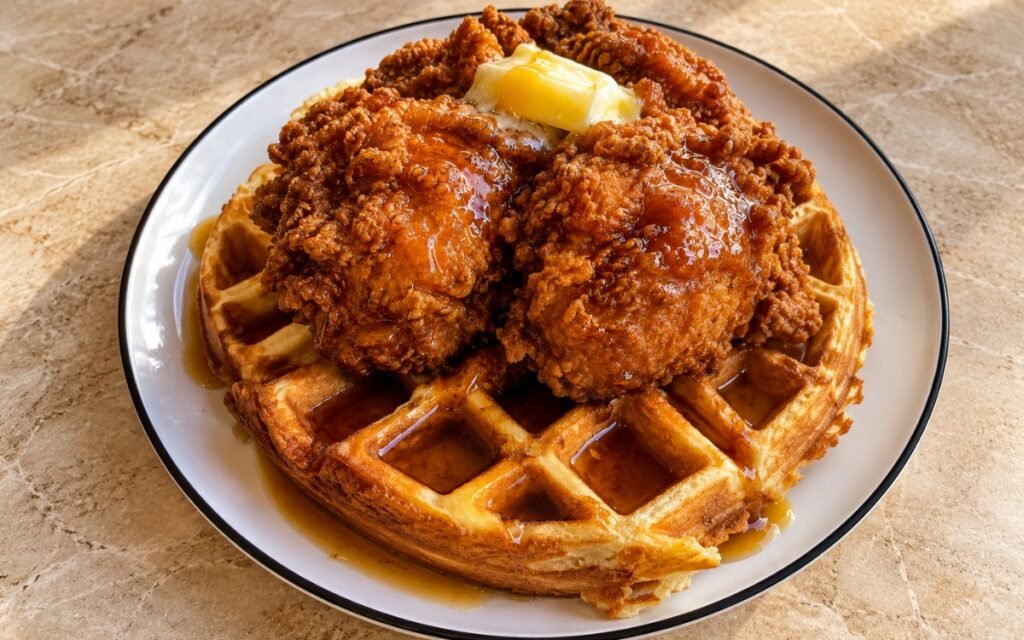
Chicken and Waffles
Golden crispy boneless fried chicken thighs served over thick Belgian-style waffles with butter and maple syrup.
-
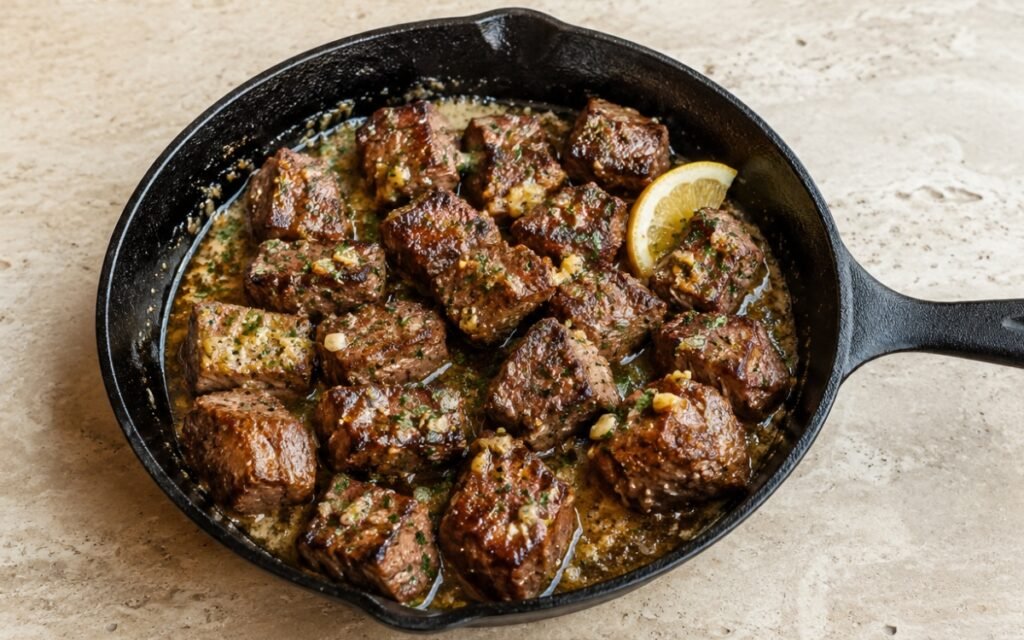
Garlic Butter Steak Bites
Large seared steak cubes with dark crust and juicy centers, tossed in glossy garlic butter with parsley, lemon, and black pepper.
You might also like
You might also like
-
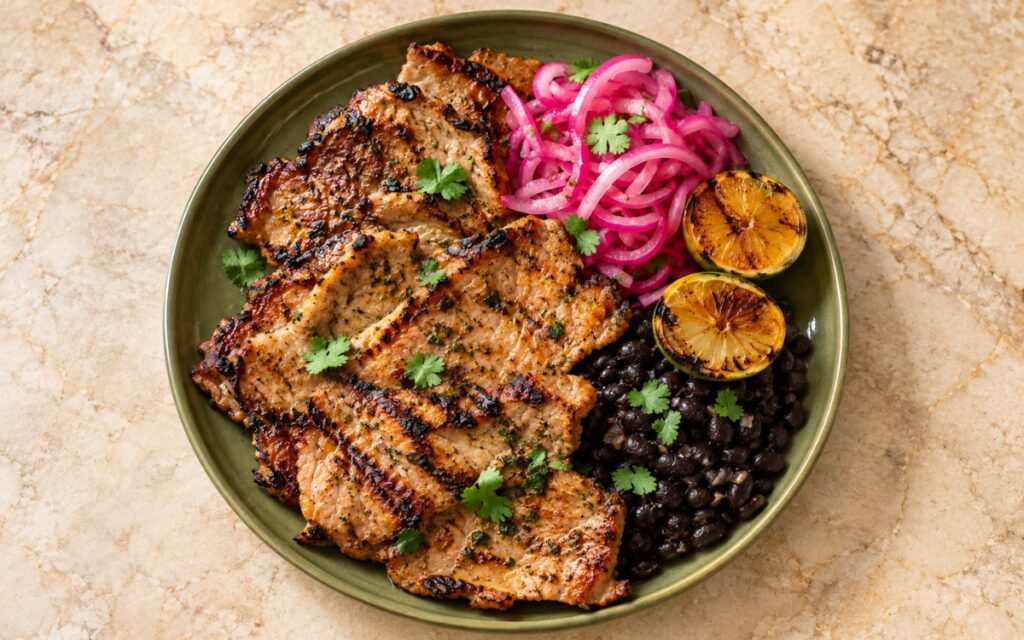
Poc Chuc — Yucatán Citrus Grilled Pork
Smoky citrus-marinated pork steaks beside pink pickled red onions, spoonable black beans, charred oranges, and fresh cilantro.
-
Mexican Rajas con Crema
Fire-roasted poblano strips, sweet onions, and corn in a silky Mexican crema sauce with soft melted Oaxaca cheese and fresh cilantro.
-
Authentic Pasta alla Zozzona
Glossy rigatoni with crisp guanciale, browned sausage and tomato in a creamy Pecorino sauce, finished with black pepper.

Alambre Tacos
Ingredients
Method
- Heat a dry skillet or comal over medium-high heat and add the 4 Roma tomatoes, the 2 unpeeled garlic cloves, and the ¼ white onion. Turn them as needed for 8–10 minutes, adding dried chiles for the final minute so they toast without scorching, until the tomatoes are softened and blistered, the onion has charred spots, and the garlic is fragrant and soft. Peel the garlic, then blend everything with ½ tsp salt and 1 tsp oil until smooth or slightly textured, adding water 1 tbsp at a time only if the blades stall. Taste and adjust the salt; the salsa should be spoonable and concentrated, not watery. That concentration is what lets a small drizzle flavour the whole taco without wetting the tortilla.
- Pat the 700g beef very dry with paper towels, because wet meat steams instead of searing. Season it with 1½ tsp kosher salt, 1 tsp black pepper, ½ tsp cumin, and ½ tsp oregano, then toss with the Worcestershire sauce and optional soy sauce just before it goes into the pan. Slice the onion and both bell peppers into strips of roughly similar width so they soften at the same pace, and cut the bacon into small strips. Shred the 200g cheese and keep it beside the stove, since alambre comes together quickly once the meat is seared. That advance prep is what lets the last stages run in minutes without anything overcooking.
- Heat a large heavy skillet, plancha, or cast-iron pan over medium heat and add the 200g bacon. Cook for 6–8 minutes, stirring now and then, until the fat has rendered and the bacon is browned and lightly crisp at the edges but not brittle. Lift the bacon out with a slotted spoon onto a plate, leaving 1–2 tbsp of rendered fat in the pan and discarding any excess if there is a lot. That measured amount of fat is what gives the beef and vegetables a smoky cooking medium without leaving the finished filling greasy.
- Raise the heat to medium-high or high until the beef sizzles the moment it lands in the pan. Add the seasoned beef in a single layer, working in 1–2 batches if needed, since overcrowding drops the pan temperature and prevents browning. Leave it undisturbed for 1–2 minutes, then toss and keep cooking for about 3–5 minutes total, depending on the cut and the size of the pieces, until browned with charred edges but still juicy. Move the beef to a plate and do not push it further, because it returns to the pan later. That brief, fierce sear is what builds the crust while the centre stays tender.
- In the same pan, add the sliced onion and both bell peppers, with a small splash of the 1 tbsp oil only if the pan looks dry. Cook over medium-high heat for 5–7 minutes, stirring occasionally, until the onions soften and the peppers are tender but not collapsed, with caramelised edges and some blistering. Add the 2 chopped garlic cloves for the final 30 seconds, just until fragrant. Leave the vegetables unsalted at this stage, since early salt draws out water and makes them steam. That restraint is what keeps the vegetables sweet and shapely instead of limp.
- Return the beef, with any juices from the plate, and the bacon to the pan with the vegetables. Toss everything over medium heat for 1–2 minutes so the flavours combine and the juices coat the mixture, and if liquid has pooled, cook 1–2 minutes longer uncovered over medium-high heat. Taste and add a pinch of salt only if needed. Spread the filling out slightly, scatter the 200g shredded cheese over the top, cover for 30–60 seconds until it melts, then gently fold it through until the mixture is cohesive and glossy but not greasy or wet. That folded, just-melted cheese is what binds the filling instead of forming a heavy separate layer.
- Warm the 12 corn tortillas on a dry skillet or directly over a gas flame for a few seconds per side, until soft and pliable with a few light toasted spots. Stack them in a clean kitchen towel as they come off so they stay warm and steam gently in their own heat. Do this just before serving, because tortillas warmed too early cool, stiffen, and tear. That quick warming is what stops the corn from cracking when the tortilla is folded around the hot filling.
- Divide the alambre filling among the 12 tortillas, about 3 tacos per serving, mounding it so the beef, bacon, peppers, and cheese stay clearly visible. Spoon a small drizzle of salsa roja over each taco without over-saucing, then finish with the 3 tbsp chopped cilantro and the sliced scallions. Serve immediately with lime wedges so everyone can squeeze over their own. That light hand with the salsa is what keeps the tortillas intact and the filling at the centre of every bite.