
Mexican Rajas con Crema
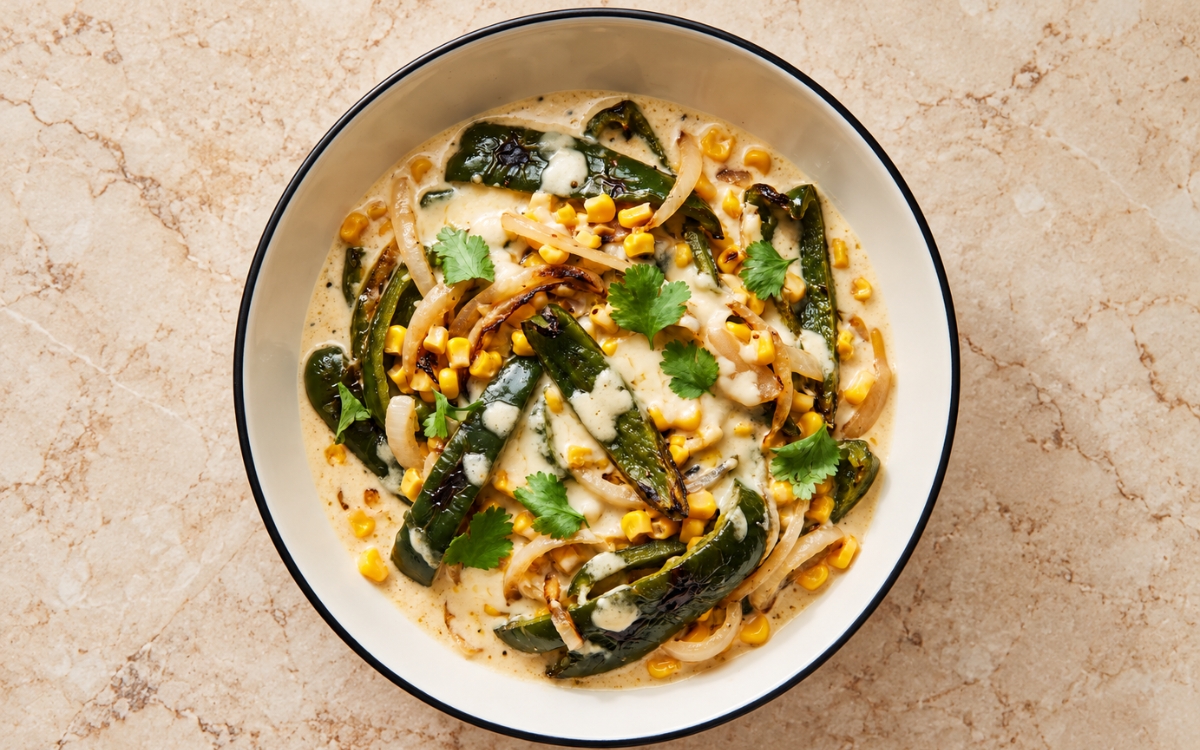
Strips of fire-roasted poblano pepper, sweet white onion, and bright yellow corn, folded into a silky sauce of Mexican crema with pockets of melted Oaxaca cheese, make a classic Mexican skillet dish, the key being smoky peppers that stay tender and distinct in a cream sauce that coats rather than floods. Roasting and peeling the poblanos first, rather than simply sautéing them raw, is the technique this whole dish depends on for real smoky depth — raw or half-charred strips taste grassy and leave papery skins in the cream, the same char-first-then-sauce principle used elsewhere in this collection whenever a roasted vegetable must carry a creamy sauce. Cooking the onions until lightly golden before any dairy enters the pan is what lets their sweetness build, because cream stops browning completely. Adding the crema over gentle heat, with milk only as needed, is what keeps the sauce silky and unbroken instead of thin or curdled. The payoff is a rajas con crema with real, layered contrast — dark green smoky poblano strips, sweet translucent onions, bright yellow corn, and a pale ivory sauce threaded with soft, stretchy cheese.

Prep Time : 20 min
Total Time : 1 hr
Servings : 4
20 min
1 hr
4
Ingredients
For the Roasted Poblanos
• 6 medium-large poblano peppers (about 750–850g total)
• 1 tbsp neutral oil, if roasting in a skillet
For the Vegetable Base
• 2 tbsp unsalted butter
• 1 tbsp neutral oil
• 2 medium white onions (about 300g), thinly sliced into strips
• 3 garlic cloves, finely minced
• 250g sweet corn kernels, fresh or frozen
• ¾ tsp kosher salt, plus more to taste
• ¼ tsp freshly ground black pepper
• ¼ tsp dried Mexican oregano, optional
For the Cream Sauce
• 250ml Mexican crema
• 80–100ml whole milk, as needed to adjust consistency
• 200g Oaxaca cheese, queso Chihuahua, or queso asadero, shredded or torn into small pieces
For Finishing
• 2 tbsp fresh cilantro leaves
Directions
- Roast and Peel the Poblanos
Roast the 6 whole poblano peppers directly over a gas flame, under a broiler set to high, or on a very hot cast-iron skillet lightly brushed with the 1 tbsp of oil, turning frequently for 8–12 minutes until the skins are blistered and blackened across most of their surface. Transfer the hot peppers to a bowl, cover with a plate or lid, and let them steam for 10 minutes. Peel away the loose skins with your fingers or a paper towel without rinsing, then remove the stems, seeds, and large membranes and slice lengthwise into strips 1–1.5cm wide. The peppers should be soft and pliable with occasional dark charred patches, never disintegrated. That steaming rest and dry peeling is what loosens the skins while keeping the smoky flavour that running water would wash away. - Caramelize the Onions
Heat the 2 tbsp of butter and 1 tbsp of oil in a large, wide skillet over medium heat until the butter foams. Add the sliced onions, spread them evenly across the pan, and cook for 8–10 minutes, stirring occasionally, until soft and translucent with lightly golden, caramelized edges. Stir in the minced garlic and cook for 30–45 seconds, just until fragrant. The onions should be sweet and lightly browned in places while still keeping distinct strips rather than turning jam-like. That proper browning before the cream arrives is what builds sweetness, because once dairy enters the pan the onions soften further but develop no meaningful colour. - Add the Poblanos and Corn
Add the roasted poblano strips to the onions, toss gently, and cook over medium heat for 2–3 minutes to combine the flavours. Add the 250g of corn, ¾ tsp of salt, ¼ tsp of black pepper, and the optional oregano, then cook for 3–4 minutes, stirring occasionally, until the corn is heated through and lightly glossy. If using frozen corn, thaw and drain it before it goes in. The mixture should show dark green strips, translucent onions, and bright yellow kernels, with no watery liquid collecting at the bottom of the skillet. That evaporation of excess moisture is what keeps the crema from being diluted into a thin sauce. - Build the Cream Sauce
Reduce the heat to medium-low, pour in the 250ml of Mexican crema, and add about 50ml of the milk, stirring gently to coat the vegetables. Let the mixture heat at a very gentle simmer for 2–3 minutes, then add the remaining milk a little at a time, up to 30–50ml more, only if needed until the sauce flows slowly between the vegetables. Taste and adjust the salt. The sauce should be pale ivory, glossy, and thick enough to cling to the strips, with a little creamy pooling around them. A thick or tangy crema takes the extra milk happily, which softens its acidity. That restrained heat is what keeps the crema smooth, because a hard boil makes it separate. - Melt the Cheese
Reduce the heat to low, scatter the 200g of shredded or torn cheese evenly across the skillet, and cover with a lid for 1–2 minutes until it softens. Remove the lid and fold the mixture gently once or twice, leaving visible pockets of melted cheese among the poblanos and corn. If the sauce has thickened too much, loosen it with a small splash of warm milk, then take the pan off the heat as soon as the cheese has melted. The cheese should form soft pockets and light stretchy strands without disappearing into the sauce. That brief, gentle melt is what stops the sauce turning greasy and the cheese turning rubbery. - Finish and Serve
Divide the rajas con crema among 4 warm serving bowls, arranging the poblano strips so their roasted surfaces stay visible. Spoon a little of the cream sauce over the vegetables and let it settle naturally between the peppers, corn, and onions. Garnish lightly with the 2 tbsp of cilantro leaves and serve immediately while the cheese is soft and melted. Warm corn tortillas, rice and beans, or a quesadilla are the traditional partners for the bowl. That immediate serve is what keeps the cheese stretchy and the sauce glossy, because the dish tightens and dulls as it cools.
*Notes :
- Roasting the poblanos over direct flame deserves genuine recognition as the technique most directly responsible for whether this dish tastes like true rajas or simply sautéed green pepper in cream. Charring the skin develops a smoky, earthy flavour that raw strips never reach, while the covered steam rest loosens the blistered skins so they peel away without any rinsing.
- Removing excess moisture before the dairy goes in deserves the same attention this technique receives throughout this collection’s other cream-based skillet dishes. Thawed, drained corn and properly evaporated vegetables keep the crema thick enough to coat the strips, whereas a wet pan dilutes it into a thin soup that boiling cannot rescue without splitting the sauce.
- The gentle heat under the crema deserves genuine respect as the detail most directly responsible for a silky, unbroken sauce. Mexican crema separates when boiled hard, and the 80–100ml of milk loosens a thick or tangy brand just enough to flow, so if you substitute sour cream, warm it more gently still and stop the moment it turns hot.
- The choice and timing of the cheese deserves attention as a genuine, checkable cue rather than a loose approximation. Oaxaca, Chihuahua, and asadero melt into soft pockets with light stretchy strands, and lifting the lid after 1–2 minutes to find cheese that is softened but not vanished tells you to stop, whereas queso fresco never melts and prolonged heat turns any cheese greasy.
Why This Recipe Works
This recipe works because every stage removes something that would spoil the cream. Charring and steaming the poblanos delivers smoky flavour and peels away bitter, papery skins, while browned onions supply a sweetness that cream could never build once it is in the pan. Draining the corn and letting moisture evaporate keeps the sauce thick, and a gentle simmer holds the crema smooth instead of split. Cheese folded in at the very end melts into soft, stretchy pockets rather than turning greasy. The result is tender, smoky poblano strips in a silky pale sauce that coats the vegetables without drowning them.
Ingredient Breakdown
Fire-Roasted Poblanos (Peeled, Not Rinsed)
The critical technique — blistered, steamed, and dry-peeled peppers keep their smoky flavour and silky texture instead of tasting raw or watery.
Lightly Caramelized White Onions
The core flavour-building stage — 8–10 minutes of patient cooking builds sweetness and golden edges before the cream stops any further browning.
Mexican Crema (Thinned with Milk)
The structural foundation — its mild tang makes the silky sauce, and a splash of milk adjusts thick or particularly acidic brands.
Oaxaca Cheese (Torn or Shredded)
The critical ingredient choice — this stretchy melting cheese forms soft pockets in the sauce, unlike crumbly queso fresco, which never melts.
Sweet Corn (Thawed and Drained)
The sweet contrast — plump yellow kernels balance the smoky pepper, and drained frozen corn prevents a diluted, watery sauce.
Fresh Cilantro Leaves
The finishing touch — a restrained scatter adds a bright, green herbal lift against the rich cream and melted cheese.
Flavor Structure Explained
This Mexican rajas con crema follows a layered balance model:
- Smoky, earthy foundation (fire-roasted poblano strips)
- Sweet, savoury base (lightly caramelized white onion, garlic)
- Bright, juicy contrast (sweet corn kernels, Mexican oregano)
- Rich, silky body (Mexican crema, whole milk)
- Soft, stretchy finish (melted Oaxaca cheese, fresh cilantro)
The roasted poblanos give the dish a smoky, faintly bitter backbone that everything else is measured against. Golden onions and garlic add rounded sweetness, while corn brings bursts of juicy sugar and the oregano a quiet savoury note. Crema and a little milk wrap the vegetables in a mild, tangy richness, and melted cheese softens every edge with a milky stretch, with fresh cilantro adding a green lift that ties the rajas together.
Common Mistakes to Avoid
- Skipping the Roasting – This leaves grassy, raw-tasting strips without the smoky depth that defines rajas. Always blister the poblanos over flame, under a broiler, or in a hot skillet first.
- Rinsing the Peeled Peppers – This washes away the smoky oils roasting built and waters down the sauce. Always peel with fingers or a paper towel, never under running water.
- Adding Wet Frozen Corn – This releases water into the pan and thins the crema into a soupy sauce. Always thaw and drain frozen corn, then cook until the pan looks dry.
- Boiling the Crema – This makes the cream separate into a grainy, greasy sauce that will not recover. Always keep the heat at medium-low and hold a very gentle simmer.
- Overcooking the Cheese – This turns the melted pockets rubbery and the sauce oily as fat separates. Always add the cheese last over low heat and pull the pan once it melts.
Variations
Classic Corn-Free Version
Leave out the 250g of corn and add a splash less milk, giving a more traditional rajas con crema that is silkier and more focused on the smoky poblano.
Taco and Quesadilla Version
Cook the sauce slightly thicker with the lower amount of milk, then spoon the filling into warm corn tortillas or fold it with extra cheese into a quesadilla.
Crème Fraîche Version
Replace the Mexican crema with full-fat crème fraîche thinned with milk, which gives a similarly rich, gently tangy sauce when Mexican crema is hard to find.
Spicy Serrano Version
Add 1 finely sliced serrano chile with the onions, which brings a clean green heat that cuts through the cream while the poblano and corn keep their character.
Storage & Make-Ahead
Choose firm, glossy, dark green poblanos with broad, smooth sides and no soft spots, because they roast evenly, blister fully, and peel far more cleanly than wrinkled or lopsided peppers.
Roast, peel, seed, and slice the poblanos up to 2 days ahead and keep the strips covered in the refrigerator, so the finished dish needs only about 20 minutes on the stove.
Rajas con crema is best served immediately while the cheese is soft, though it can stand covered off the heat for about 5 minutes without the sauce or cheese losing much of their texture.
Cool leftovers within 2 hours and refrigerate them in an airtight container for up to 3 days, and avoid freezing because the crema and cheese separate and turn grainy as they thaw.
Reheat gently in a skillet over low heat with a splash of milk for 4–5 minutes, stirring now and then, until hot and smooth, and never allow the sauce to come to a boil.
Frequently Asked Questions
Why do the poblanos need to steam for 10 minutes after roasting?
The trapped steam loosens the blistered skins from the flesh, so they slide off in large pieces. Without the rest, the skins cling stubbornly and any left behind turn papery and bitter in the cream.
Why should the peeled peppers never be rinsed under running water?
Rinsing washes away the smoky oils and soft flesh that roasting developed, leaving the peppers dull and watery. A paper towel or fingers clear the skin while the flavour stays in the strips.
Why is the crema kept at a gentle simmer instead of boiled?
Mexican crema separates when heated aggressively, turning grainy and greasy. A very gentle simmer thickens it just enough to coat the vegetables, keeping the sauce pale, glossy, and smooth.
Why is the cheese added only after the cream is heated and seasoned?
The sauce needs its seasoning and consistency settled before the cheese goes in, because prolonged boiling afterwards makes it greasy and rubbery. A short covered melt over low heat keeps it soft.
Are there other classic Mexican vegetable, poblano, or tortilla dishes worth trying?
Mexican Calabacitas con Queso offers another classic Mexican vegetable direction worth exploring. Chiles Rellenos with Tomato Sauce and Mexican Pastel Azteca / Mexican Lasagna are also worth trying for other poblano and layered tortilla directions, and Homemade Corn Tortillas and Poblano Chicken Chili Soup offer other corn and poblano dishes worth exploring.
Nutrition Facts
( Per Serving )
Calories
~570 kcal
Protein
17 g
Fat
41 g
Carbs
28 g
Calories
~570 kcal
Protein
17 g
Fat
41 g
Carbs
28 g
Related Recipes
Related Recipes
-

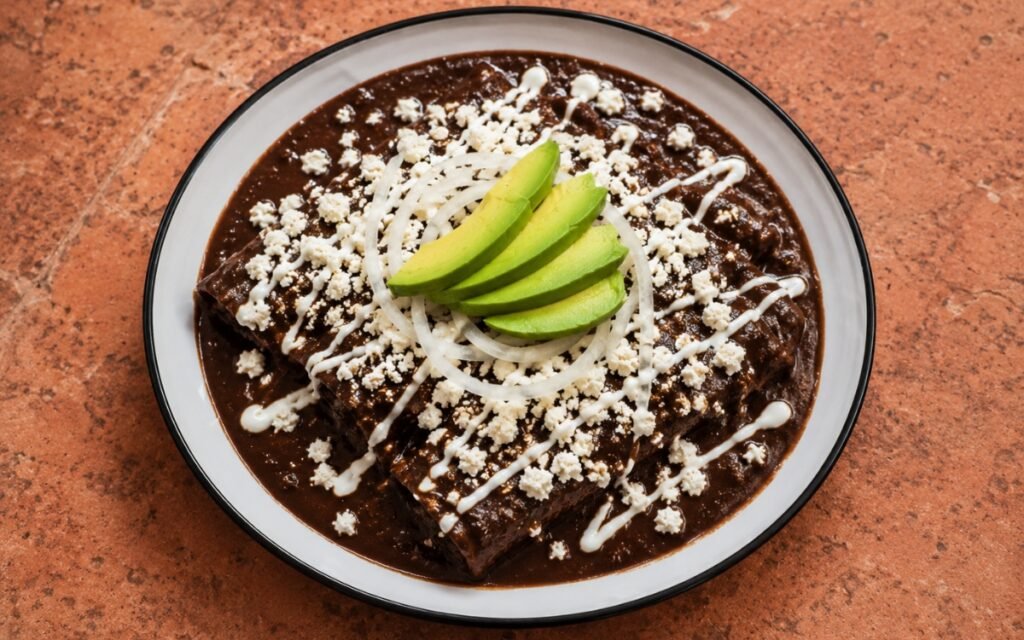
Enfrijoladas
Soft corn tortillas lightly fried, dipped in glossy black bean sauce, folded around queso fresco, and finished with more cheese, crema, onion, and avocado.
-
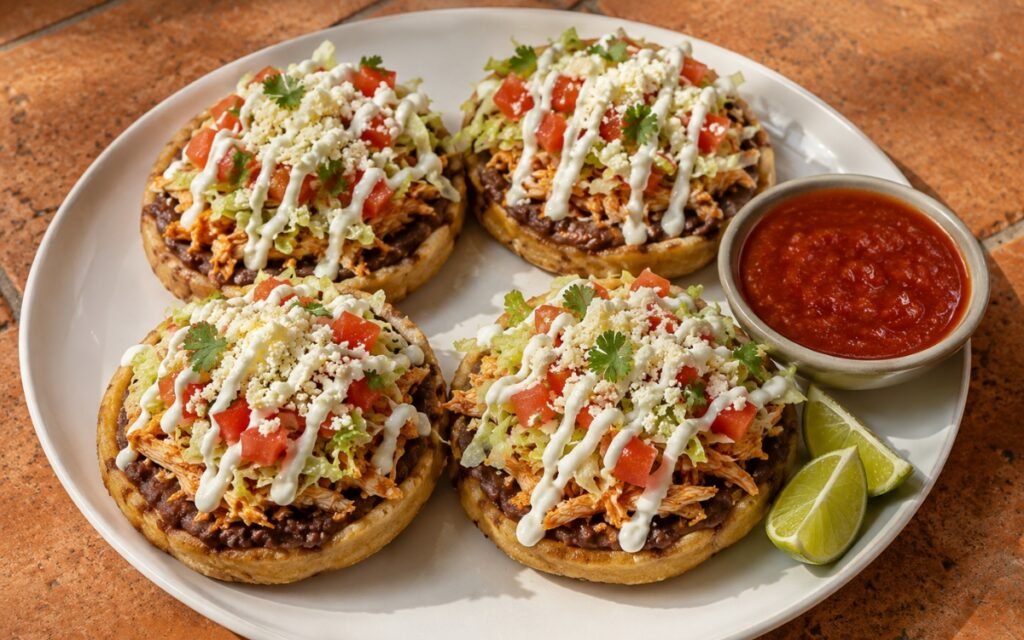
Pollo Sopes with Refried Beans
Thick masa sopes shaped with a raised rim, fried golden, and layered with refried black beans, adobo-simmered shredded chicken, lettuce, tomato, and crema.
-
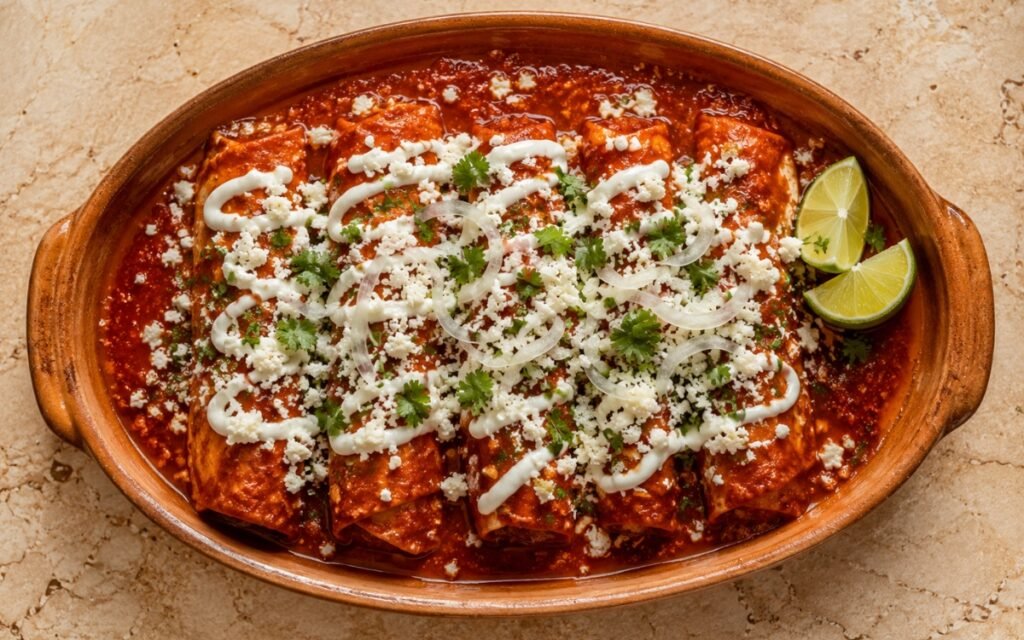
Enchiladas Rojas
Corn tortillas rolled with spiced ground beef and creamy black beans, coated in a glossy toasted-chile red sauce, and topped with queso fresco and crema.
You might also like
You might also like
-
Chilaquiles Rojos with Fried Eggs & Crema
Crisp tortilla chips in smoky red chile salsa, topped with fried eggs, crema, cotija, pickled jalapeños, and cilantro.
-
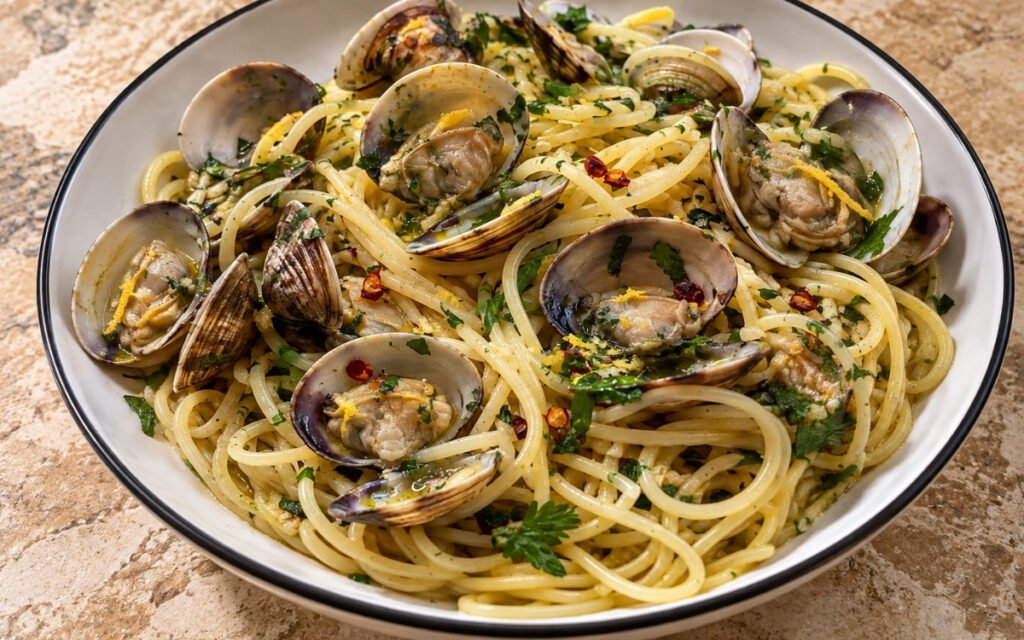
Spaghetti alle Vongole
Fresh clams in a light olive-oil, white wine, and garlic emulsion with parsley and lemon zest, tossed with al dente spaghetti.
-
Salvadoran Cheese Pupusas with Curtido & Salsa Roja
Thick corn masa pupusas filled with melted white cheese and griddled until golden, served with tangy cabbage curtido and smooth tomato salsa roja.

Mexican Rajas con Crema
Ingredients
Method
- Roast the 6 whole poblano peppers directly over a gas flame, under a broiler set to high, or on a very hot cast-iron skillet lightly brushed with the 1 tbsp of oil, turning frequently for 8–12 minutes until the skins are blistered and blackened across most of their surface. Transfer the hot peppers to a bowl, cover with a plate or lid, and let them steam for 10 minutes. Peel away the loose skins with your fingers or a paper towel without rinsing, then remove the stems, seeds, and large membranes and slice lengthwise into strips 1–1.5cm wide. The peppers should be soft and pliable with occasional dark charred patches, never disintegrated. That steaming rest and dry peeling is what loosens the skins while keeping the smoky flavour that running water would wash away.
- Heat the 2 tbsp of butter and 1 tbsp of oil in a large, wide skillet over medium heat until the butter foams. Add the sliced onions, spread them evenly across the pan, and cook for 8–10 minutes, stirring occasionally, until soft and translucent with lightly golden, caramelized edges. Stir in the minced garlic and cook for 30–45 seconds, just until fragrant. The onions should be sweet and lightly browned in places while still keeping distinct strips rather than turning jam-like. That proper browning before the cream arrives is what builds sweetness, because once dairy enters the pan the onions soften further but develop no meaningful colour.
- Add the roasted poblano strips to the onions, toss gently, and cook over medium heat for 2–3 minutes to combine the flavours. Add the 250g of corn, ¾ tsp of salt, ¼ tsp of black pepper, and the optional oregano, then cook for 3–4 minutes, stirring occasionally, until the corn is heated through and lightly glossy. If using frozen corn, thaw and drain it before it goes in. The mixture should show dark green strips, translucent onions, and bright yellow kernels, with no watery liquid collecting at the bottom of the skillet. That evaporation of excess moisture is what keeps the crema from being diluted into a thin sauce.
- Reduce the heat to medium-low, pour in the 250ml of Mexican crema, and add about 50ml of the milk, stirring gently to coat the vegetables. Let the mixture heat at a very gentle simmer for 2–3 minutes, then add the remaining milk a little at a time, up to 30–50ml more, only if needed until the sauce flows slowly between the vegetables. Taste and adjust the salt. The sauce should be pale ivory, glossy, and thick enough to cling to the strips, with a little creamy pooling around them. A thick or tangy crema takes the extra milk happily, which softens its acidity. That restrained heat is what keeps the crema smooth, because a hard boil makes it separate.
- Reduce the heat to low, scatter the 200g of shredded or torn cheese evenly across the skillet, and cover with a lid for 1–2 minutes until it softens. Remove the lid and fold the mixture gently once or twice, leaving visible pockets of melted cheese among the poblanos and corn. If the sauce has thickened too much, loosen it with a small splash of warm milk, then take the pan off the heat as soon as the cheese has melted. The cheese should form soft pockets and light stretchy strands without disappearing into the sauce. That brief, gentle melt is what stops the sauce turning greasy and the cheese turning rubbery.
- Divide the rajas con crema among 4 warm serving bowls, arranging the poblano strips so their roasted surfaces stay visible. Spoon a little of the cream sauce over the vegetables and let it settle naturally between the peppers, corn, and onions. Garnish lightly with the 2 tbsp of cilantro leaves and serve immediately while the cheese is soft and melted. Warm corn tortillas, rice and beans, or a quesadilla are the traditional partners for the bowl. That immediate serve is what keeps the cheese stretchy and the sauce glossy, because the dish tightens and dulls as it cools.