
Enfrijoladas
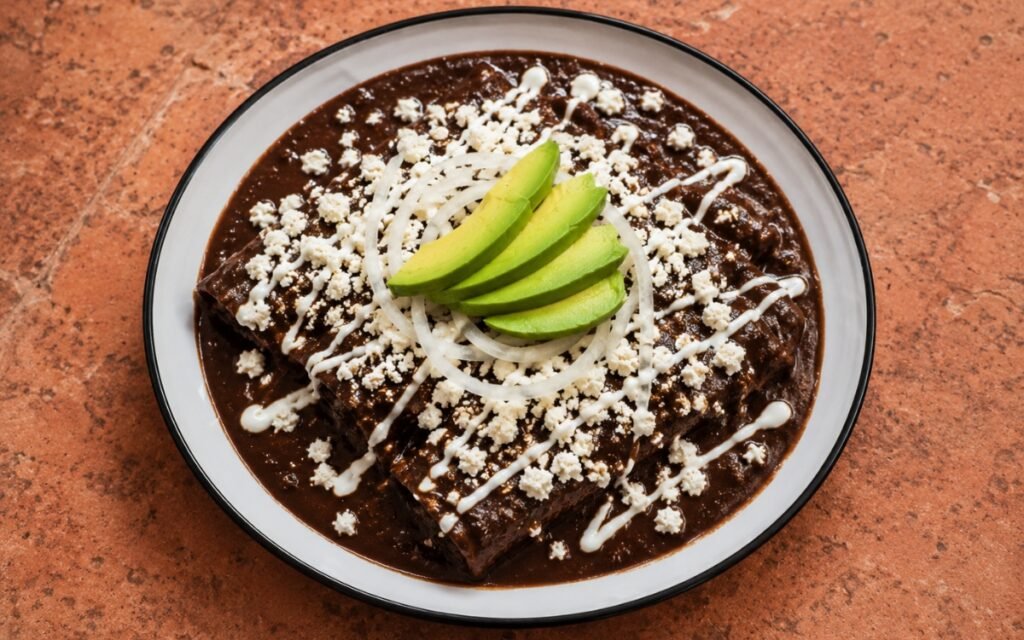
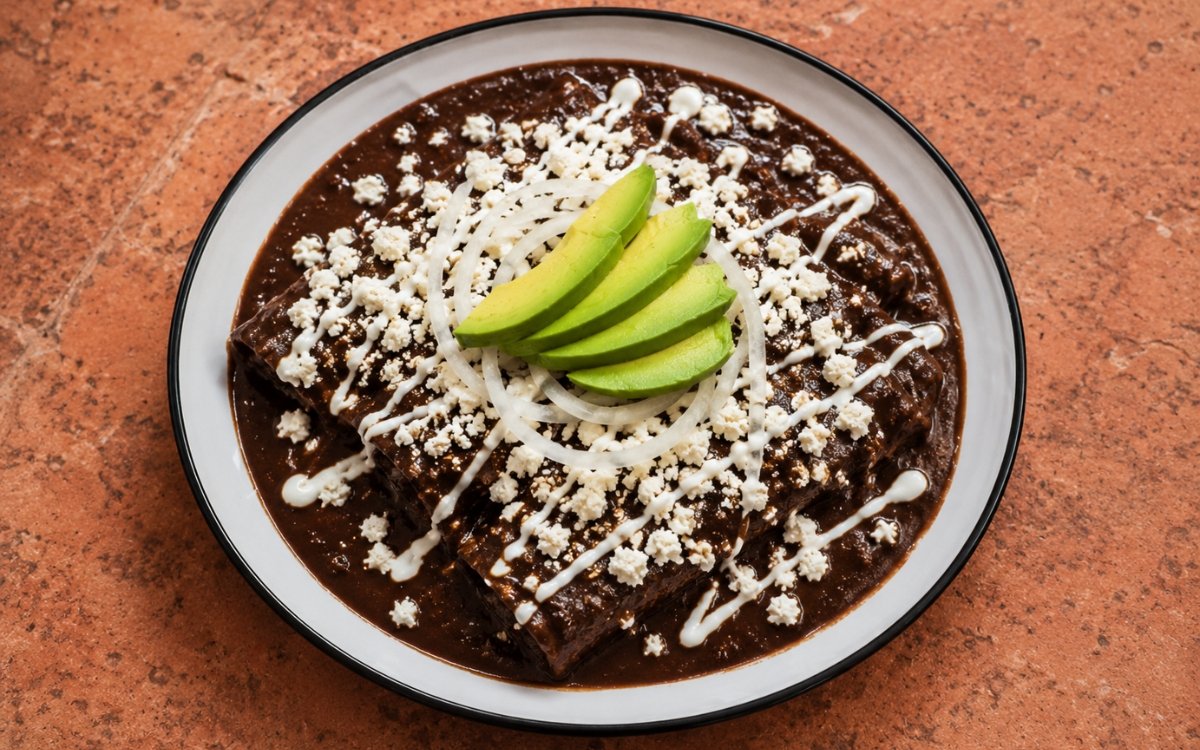
A classic Mexican dish of soft corn tortillas lightly fried, dipped in a smooth glossy black bean sauce, folded around crumbled queso fresco, and finished with more queso fresco, crema, thin white onion, and sliced avocado. Simple, comforting, and deeply flavorful. Frying the blended bean sauce until it turns glossy and cohesive, rather than serving it straight from the blender, is the technique this whole dish depends on — that active cooking stage is what removes the raw blended flavour and produces the smooth, coating consistency this sauce needs, the same blend-then-fry principle used elsewhere in this collection whenever a blended sauce needs real stovetop time to transform from raw purée into something genuinely finished. Frying the tortillas only briefly, just enough to soften without crisping, is what protects them from cracking once dipped into the hot sauce and folded. Working quickly through the dipping and folding stage is what keeps every tortilla warm and supple through assembly. The payoff is a plate with genuine, comforting contrast — warm, sauce-coated tortillas folded around salty queso fresco, finished with more cheese, cool crema, sharp onion, and creamy avocado.
Prep Time : 20 min
Cook Time : 35 min
Servings : 4
20 min
35 min
4
Ingredients
For the Black Bean Sauce
• 30ml neutral oil, lard, or bacon fat
• 120g white onion, roughly chopped
• 3 garlic cloves, peeled
• 2 cans black beans, 400g each, drained but liquid reserved, or about 500g cooked black beans — this one on Amazon
• 500–700ml water, light chicken stock, or reserved bean cooking liquid, as needed
• 4g fine sea salt, plus more to taste
• Freshly ground black pepper, to taste
• 1 small sprig epazote, optional but traditional
For the Tortillas and Filling
• 12 corn tortillas, preferably 12–14cm / 5–5½ inches
• 45–60ml neutral oil, for lightly frying the tortillas
• 180g queso fresco, crumbled, for filling — this one on Amazon
For the Toppings
• 120g queso fresco, crumbled
• 80–100ml Mexican crema or pourable sour cream — this one on Amazon
• 80g white onion, very thinly sliced into rings or half-moons
• 1 large ripe avocado, sliced
• Optional: a few cilantro leaves for finishing
This post may contain affiliate links. As an Amazon Associate I earn from qualifying purchases, at no additional cost to you.
Directions
- Build the Black Bean Base
Heat the oil, lard, or bacon fat in a medium saucepan over medium heat. Add the chopped onion and cook for 4–5 minutes until softened and lightly translucent. Add the garlic and cook for 30–60 seconds until fragrant. Add the black beans, 500ml of the liquid, the salt, several grinds of black pepper, and the epazote if using. Bring to a gentle simmer and cook for 8–10 minutes so the beans absorb the onion-garlic flavor and the liquid takes on a richer bean taste. The mixture should look brothy at this stage, not dry. If it reduces too much before blending, add a little more liquid. This preliminary simmer, before anything is even blended, gives the beans real time to absorb the onion and garlic’s flavour directly, building depth into the base before the blender ever gets involved. - Blend the Sauce
Remove the epazote if used. Transfer the bean mixture to a blender and blend until completely smooth. Add more liquid gradually as needed. The finished sauce should be thick enough to coat a spoon and cling to the tortillas, but loose enough to pour and spread easily. Think of a smooth soup-sauce consistency rather than a dense refried bean paste. This specific target consistency — considerably looser than a refried bean paste — matters directly for how the sauce is used next; a thicker blend wouldn’t let the tortillas dip and coat evenly the way this recipe’s assembly stage depends on. - Fry the Sauce Until Glossy
Return the blended bean sauce to the saucepan over medium-low heat. Simmer 6–8 minutes, stirring often, until the raw blended flavor cooks out and the sauce turns glossy and cohesive. Taste and adjust salt. If the sauce becomes too thick, add a splash of water or stock. If it is too thin, simmer another few minutes. The final sauce should leave a smooth coating on the back of a spoon and settle into a glossy layer when spooned onto a plate. Keep the sauce warm over very low heat. This active frying stage is what actually transforms the blended purée into something genuinely finished — a sauce straight from the blender, however well the beans were simmered beforehand, would still taste distinctly raw without this dedicated cooking time. - Prepare the Tortillas
Heat a thin layer of oil in a skillet over medium heat. Briefly fry each tortilla for about 8–12 seconds per side, just until softened and pliable. They should not become crisp or browned. Transfer to a tray lined lightly with paper towel. This step is important: lightly frying the tortillas prevents them from tearing once dipped in the bean sauce and keeps their flavor richer and more traditional. This brief fry gives the tortilla real, if modest, structural resistance and flavour before it ever meets the hot bean sauce — a completely unfried tortilla would have far less tolerance for the dipping and folding stage that follows. - Assemble the Enfrijoladas
Dip one tortilla at a time into the hot black bean sauce, coating both sides fully. Let the excess drip off, then place it on a plate or work surface. Scatter about 15g of crumbled queso fresco along one side or down the center, then fold the tortilla in half. Repeat with the remaining tortillas, arranging 3 folded enfrijoladas per serving. Work quickly so the tortillas stay warm and supple. If the sauce begins to thicken as you work, loosen it with a little hot water and stir well. Working through this stage quickly, rather than pausing between tortillas, keeps each one warm and genuinely pliable right up until it’s folded — a tortilla left to sit and cool partway through this process becomes considerably harder to fold cleanly without cracking. - Finish and Serve
Spoon more hot black bean sauce generously over the folded tortillas so they are well coated. Top with the remaining queso fresco, drizzle over the crema in thin lines, scatter the thin onion slices, and finish with sliced avocado. Serve immediately while the sauce is hot, the tortillas are soft, and the contrast between the creamy beans, salty cheese, cool onion, and avocado is at its best. This final generous sauce spoon-over, added right before serving, ensures the plated dish arrives properly hot and glossy rather than relying entirely on the earlier dipping stage, which may have cooled slightly during assembly.
*Notes :
- Frying the blended bean sauce until it turns genuinely glossy deserves recognition as the step most responsible for whether this dish tastes properly finished or merely like seasoned bean purée. A blender, however thoroughly it processes the ingredients, can’t replicate the flavour transformation that active heat and time on the stovetop produces — this stage is what concentrates and rounds the sauce into something with real body and depth rather than tasting flat and raw.
- The sauce’s specific target consistency — pourable and smooth, distinctly looser than a side-dish refried bean paste — is worth understanding as a genuine functional requirement rather than a loose suggestion. This sauce needs to coat tortillas evenly when dipped, something a thicker, paste-like consistency simply couldn’t do. Getting that consistency right is what makes the entire dipping-and-folding assembly stage work as intended.
- The brief fry given to the tortillas before dipping addresses a real structural vulnerability specific to this dish’s format. Tortillas going straight from raw to a hot, wet bean sauce, then immediately folded, would have very little tolerance for that handling — the preliminary fry builds in just enough resilience to survive dipping and folding without tearing.
- Working through the assembly stage briskly, rather than pausing between tortillas, reflects a genuine, time-sensitive characteristic of freshly fried corn tortillas. They’re at their most pliable right after frying, and that pliability fades as they cool — moving quickly through dipping and folding is what takes advantage of that narrow window before the tortillas start resisting the fold.
Why This Recipe Works
This recipe works because the black bean sauce is built in two connected stages — simmered first to absorb real onion and garlic flavour, then fried after blending to remove any raw taste and develop genuine glossy body. That sauce is deliberately kept pourable rather than paste-thick, letting it coat dipped tortillas evenly.
The tortillas themselves are fried only briefly, gaining just enough structural resilience to survive dipping and folding without tearing, and working quickly through assembly takes advantage of their narrow window of maximum pliability. A generous final sauce spoon-over ensures the plate arrives properly hot and glossy at serving.
Ingredient Breakdown
Pre-Simmered, Then Blended Black Beans
The sauce’s flavour foundation — simmered first with onion and garlic before blending, building real depth into the base.
Actively Fried, Glossy Bean Sauce
The critical technique — transforms the blended purée into something genuinely cooked and cohesive, not merely seasoned.
Briefly Fried Tortillas
The structural preparation — softened just enough to survive dipping and folding without tearing.
Deliberately Pourable Sauce Consistency
The functional target — thin enough to coat tortillas evenly when dipped, distinct from a thicker side-dish bean paste.
Fresh Finishing Toppings (Queso Fresco, Crema, Onion, Avocado)
The contrast layer — added last, providing cool, sharp, and creamy notes against the hot, glossy beans.
Flavor Structure Explained
This enfrijoladas follows a layered balance model:
- Rich glossy bean foundation (fried, blended black bean sauce)
- Soft warm tortilla base (briefly fried corn tortillas)
- Salty creamy centre (queso fresco filling)
- Cool sharp finish (crema, thin onion)
- Creamy fresh topping (sliced avocado)
The fried, glossy black bean sauce defines this dish’s rich, deeply savoury foundation, its genuine depth built through both a preliminary simmer and a later active fry. Briefly fried corn tortillas provide a soft, warm, pliable base beneath that sauce. Crumbled queso fresco, folded inside each tortilla, adds a salty, creamy centre. A drizzle of crema and a scatter of very thin white onion finish the plate with cool, sharp contrast, and sliced avocado rounds everything out with fresh, creamy richness.
Common Mistakes to Avoid
- Skipping the Sauce’s Frying Stage After Blending – This leaves the sauce tasting raw and flat rather than glossy and finished. Always fry it properly after blending.
- Making the Sauce Too Thick – A paste-like consistency won’t coat the tortillas evenly when dipped. Always keep it pourable, like a smooth soup-sauce.
- Frying the Tortillas Until Crisp – This causes them to crack rather than fold cleanly. Always fry them only briefly, just until softened and pliable.
- Assembling Too Slowly – Tortillas cool and lose pliability quickly once fried. Always work briskly through the dipping and folding stage.
- Skipping the Final Sauce Spoon-Over – This leaves the plated dish less hot and glossy than intended. Always finish with a generous additional spoon of hot sauce.
Variations
With Shredded Chicken
Add shredded chicken alongside the queso fresco filling for a heartier, more substantial version.
Extra-Herbal Version
Include the optional epazote for its classic, distinctly Mexican herbal note in the sauce.
Vegetarian-Forward Version
Use neutral oil instead of lard or bacon fat throughout for a fully vegetarian version.
Extra-Garnished Version
Add a scatter of fresh cilantro leaves alongside the other toppings for additional freshness.
Storage & Make-Ahead
The black bean sauce can be made a day or two ahead and reheated gently, loosened with a splash of water or stock if it has thickened in the refrigerator.
Fresh toppings — queso fresco, crema, onion, avocado — should always be prepared and added just before serving.
Fully assembled, sauced enfrijoladas are not suitable for storage — assemble and sauce only what will be eaten immediately, since the tortillas soften considerably once dipped.
Frequently Asked Questions
Why does the blended bean sauce need to be fried after blending rather than served straight away?
A blender can’t replicate the flavour transformation that active heat and time on the stovetop produce. This frying stage concentrates and rounds the sauce into something with real body and depth, removing the raw, flat taste a straight-from-the-blender sauce would have.
Why does the sauce need to stay pourable rather than being made as thick as refried beans?
This sauce needs to coat the tortillas evenly when they’re dipped, something a thicker, paste-like consistency couldn’t accomplish. Keeping it properly pourable is what makes the dipping-and-folding assembly stage work correctly.
Why are the tortillas fried only briefly instead of left completely raw or fried until crisp?
A completely unfried tortilla has very little tolerance for the dipping and folding to come. A tortilla fried until crisp instead cracks rather than folding cleanly. The brief fry specified here builds in just enough resilience for both.
Why does the assembly stage need to move quickly?
Freshly fried tortillas are at their most pliable right after frying, and that pliability fades as they cool. Working briskly through dipping and folding takes advantage of that narrow window before the tortillas start resisting the fold.
Are there other classic Mexican bean or tortilla-based dishes worth trying?
Refried Beans is worth making on its own, since it shares many of the same techniques used here. Huevos Rancheros, Chilaquiles Verdes, Enchiladas Rojas, and Homemade Corn Tortillas are all worth exploring too for related classic Mexican comfort food.
Nutrition Facts
( per serving )
Calories
~580 kcal
Protein
22 g
Fat
30 g
Carbs
56 g
Calories
~580 kcal
Protein
22 g
Fat
30 g
Carbs
56 g
Related Recipes
Related Recipes

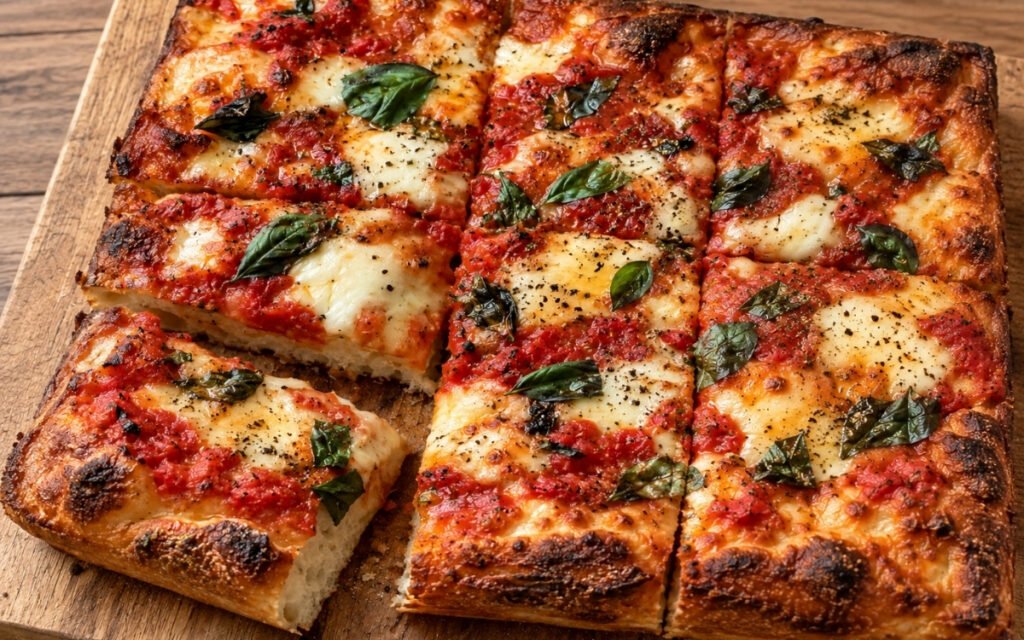
Focaccia Pizza with Tomato and Mozzarella
Thick, airy focaccia-style pizza with a crisp, olive-oil-rich bottom, soft cloud-like interior, thick tomato sauce, melted mozzarella, and fresh basil.
Cold Foam Iced Coffee
A very dark, fully chilled cold coffee base topped with a thick, dense cold foam layer that sits clearly, cloud-like, on top.
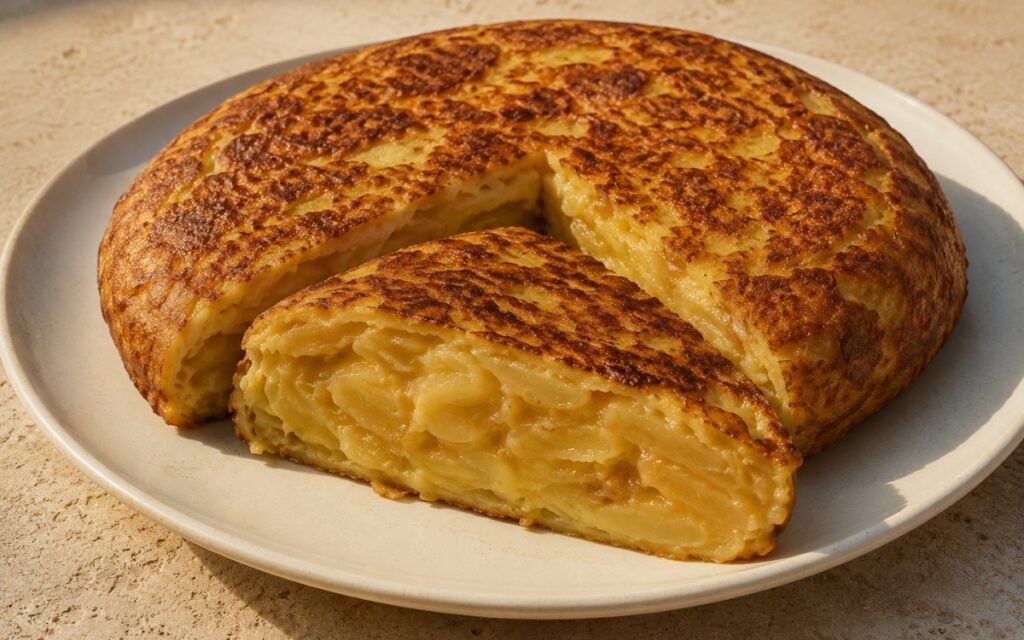
Spanish Tortilla / Tortilla Española
Thin potato slices gently cooked in olive oil, folded into beaten eggs, and cooked slowly for a golden exterior and soft, custardy centre.

You might also like
You might also like
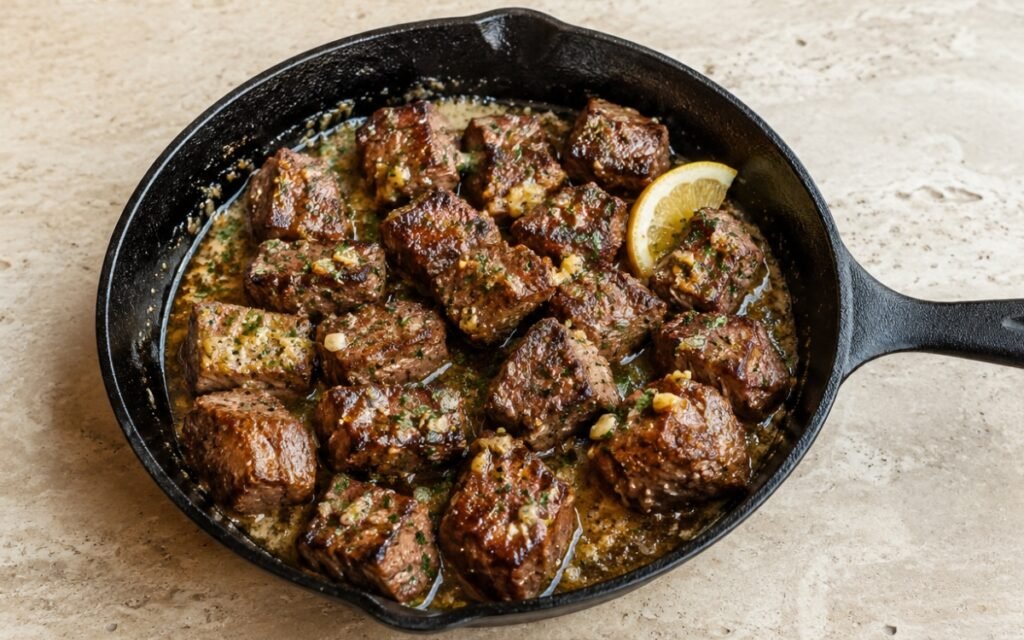
Garlic Butter Steak Bites
Large seared steak cubes with dark crust and juicy centers, tossed in glossy garlic butter with parsley, lemon, and black pepper.
Cuban Picadillo
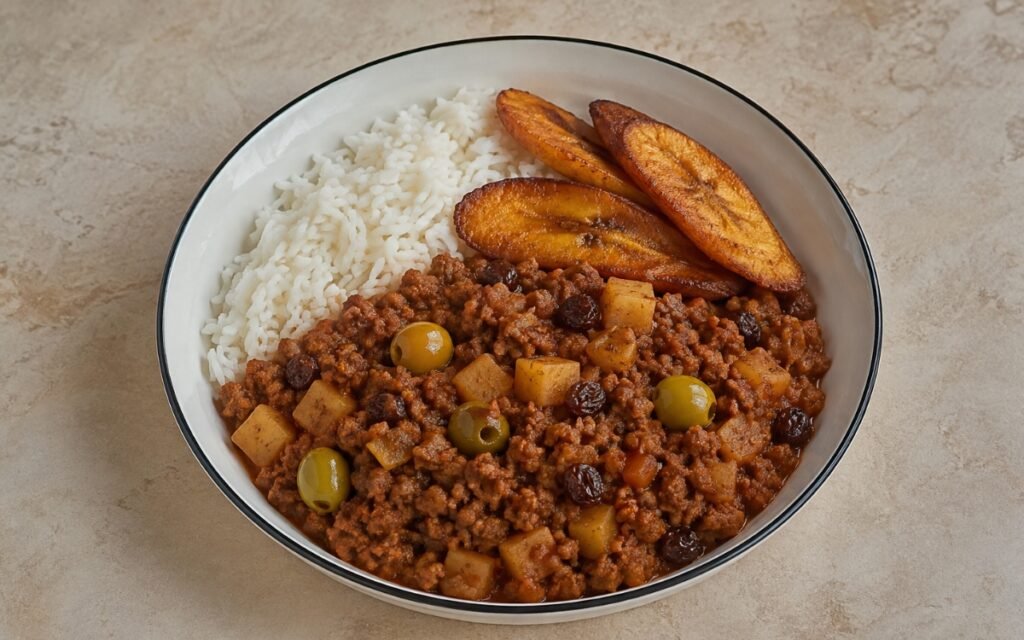
Seasoned ground beef simmered in a savory tomato sauce with green olives, raisins, and tender diced potatoes.
Cochinita Pibil Tacos
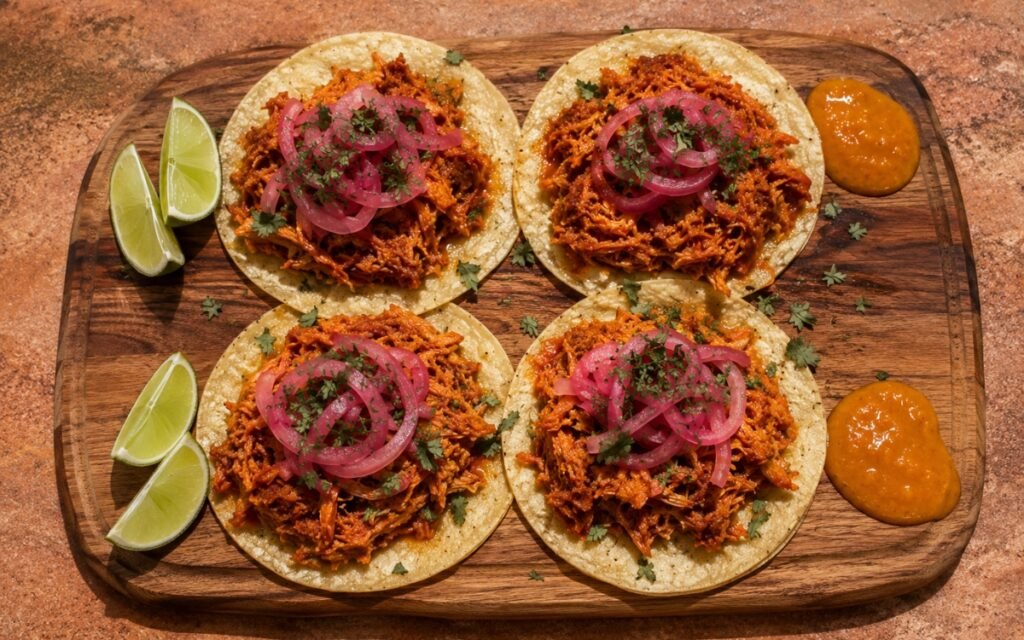
Pork shoulder braised in a smooth achiote marinade until fork-tender and glossy, served on corn tortillas with pickled red onion and habanero salsa.
Enfrijoladas
Ingredients
Method
- Heat the oil, lard, or bacon fat in a medium saucepan over medium heat. Add the chopped onion and cook for 4–5 minutes until softened and lightly translucent. Add the garlic and cook for 30–60 seconds until fragrant. Add the black beans, 500ml of the liquid, the salt, several grinds of black pepper, and the epazote if using. Bring to a gentle simmer and cook for 8–10 minutes so the beans absorb the onion-garlic flavor and the liquid takes on a richer bean taste. The mixture should look brothy at this stage, not dry. If it reduces too much before blending, add a little more liquid. This preliminary simmer, before anything is even blended, gives the beans real time to absorb the onion and garlic’s flavour directly, building depth into the base before the blender ever gets involved.
- Remove the epazote if used. Transfer the bean mixture to a blender and blend until completely smooth. Add more liquid gradually as needed. The finished sauce should be thick enough to coat a spoon and cling to the tortillas, but loose enough to pour and spread easily. Think of a smooth soup-sauce consistency rather than a dense refried bean paste. This specific target consistency — considerably looser than a refried bean paste — matters directly for how the sauce is used next; a thicker blend wouldn’t let the tortillas dip and coat evenly the way this recipe’s assembly stage depends on.
- Return the blended bean sauce to the saucepan over medium-low heat. Simmer 6–8 minutes, stirring often, until the raw blended flavor cooks out and the sauce turns glossy and cohesive. Taste and adjust salt. If the sauce becomes too thick, add a splash of water or stock. If it is too thin, simmer another few minutes. The final sauce should leave a smooth coating on the back of a spoon and settle into a glossy layer when spooned onto a plate. Keep the sauce warm over very low heat. This active frying stage is what actually transforms the blended purée into something genuinely finished — a sauce straight from the blender, however well the beans were simmered beforehand, would still taste distinctly raw without this dedicated cooking time.
- Heat a thin layer of oil in a skillet over medium heat. Briefly fry each tortilla for about 8–12 seconds per side, just until softened and pliable. They should not become crisp or browned. Transfer to a tray lined lightly with paper towel. This step is important: lightly frying the tortillas prevents them from tearing once dipped in the bean sauce and keeps their flavor richer and more traditional. This brief fry gives the tortilla real, if modest, structural resistance and flavour before it ever meets the hot bean sauce — a completely unfried tortilla would have far less tolerance for the dipping and folding stage that follows.
- Dip one tortilla at a time into the hot black bean sauce, coating both sides fully. Let the excess drip off, then place it on a plate or work surface. Scatter about 15g of crumbled queso fresco along one side or down the center, then fold the tortilla in half. Repeat with the remaining tortillas, arranging 3 folded enfrijoladas per serving. Work quickly so the tortillas stay warm and supple. If the sauce begins to thicken as you work, loosen it with a little hot water and stir well. Working through this stage quickly, rather than pausing between tortillas, keeps each one warm and genuinely pliable right up until it’s folded — a tortilla left to sit and cool partway through this process becomes considerably harder to fold cleanly without cracking.
- Spoon more hot black bean sauce generously over the folded tortillas so they are well coated. Top with the remaining queso fresco, drizzle over the crema in thin lines, scatter the thin onion slices, and finish with sliced avocado. Serve immediately while the sauce is hot, the tortillas are soft, and the contrast between the creamy beans, salty cheese, cool onion, and avocado is at its best. This final generous sauce spoon-over, added right before serving, ensures the plated dish arrives properly hot and glossy rather than relying entirely on the earlier dipping stage, which may have cooled slightly during assembly.