
Huevos Rancheros
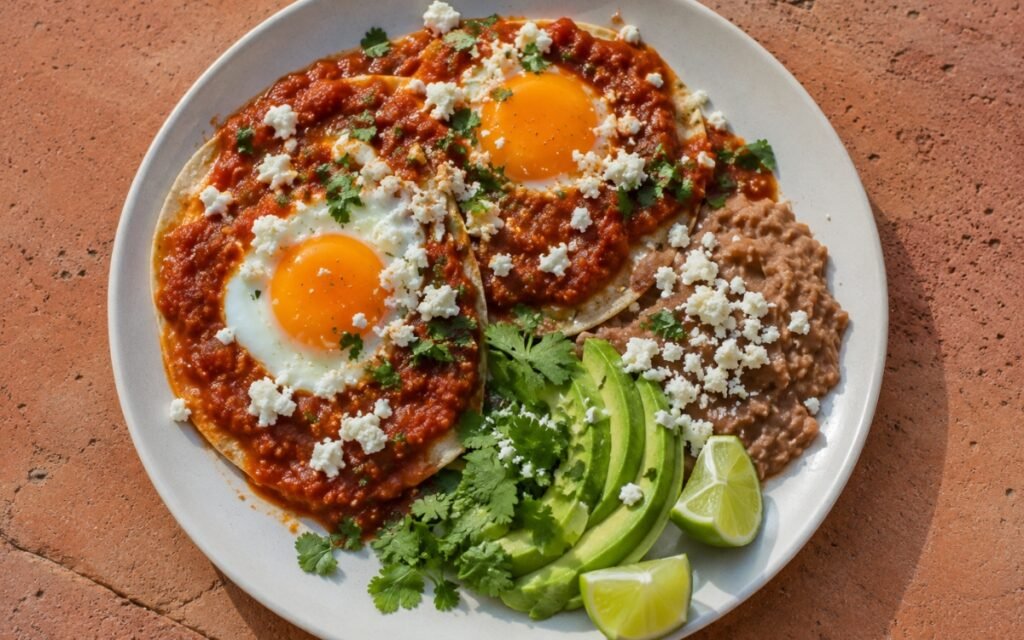
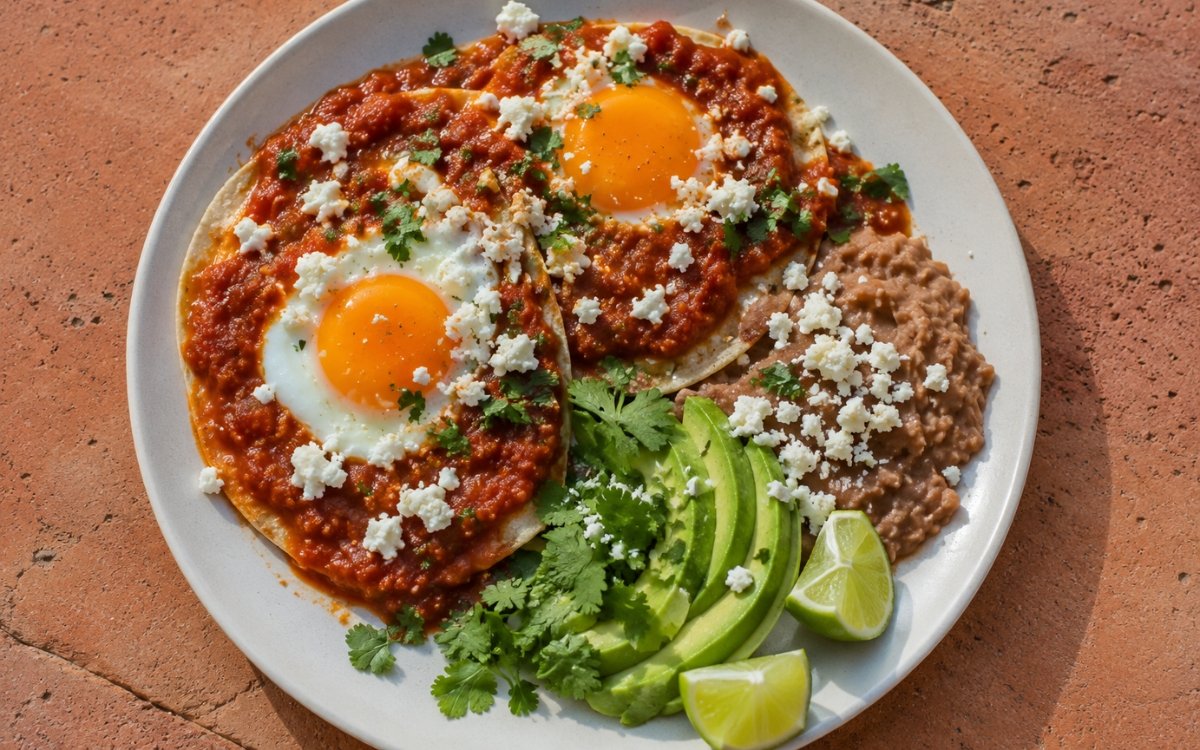
Two fried eggs with just-set whites and bright orange-yellow yolks served on warm corn tortillas, covered with deep red chunky ranchero sauce, finished with crumbled queso fresco, sliced avocado, fresh cilantro, and creamy refried beans on the side. Keeping the ranchero sauce genuinely chunky rather than blending it smooth is the defining technique choice here — the same distinction that separates a proper ranchero sauce from an enchilada sauce, and losing that texture flattens both the sauce’s identity and its visual contrast against the eggs. Frying the eggs last, only once every other component is fully ready, is the sequencing principle that governs this whole dish — the yolks are meant to stay bright, runny, and visible as part of the plate’s colour story, and there’s no recovering that if the eggs sit waiting while something else finishes cooking. The payoff is a plate built entirely around contrast: vivid red chunky sauce against orange-yellow yolks, white cheese, and green avocado, with warm, pliable tortillas underneath holding everything together.
Prep Time : 25 min
Cook Time : 35 min
Servings : 4
25 min
35 min
4
Ingredients
For the Corn Tortillas
• 8 small corn tortillas, about 11.4cm / 4.5 inches diameter, store-bought or homemade
For the Homemade Corn Tortillas Option — ⅓ batch; (Full recipe — see Homemade Corn Tortillas)
• 80g masa harina — this one on Amazon
• 1g fine sea salt
• 100g warm water, approximately 40°C
For the Ranchero Sauce
• 600g Roma tomatoes, finely chopped or crushed
• 1 medium white onion, finely diced
• 3 garlic cloves, minced
• 1 jalapeño, finely diced, deseeded for less heat
• 1 chipotle pepper in adobo, finely chopped — this one on Amazon
• 15g adobo sauce
• 30ml neutral oil
• 15g tomato paste
• 4g ground cumin — this one on Amazon
• 3g dried Mexican oregano — this one on Amazon
• 2g smoked paprika — this one on Amazon
• 5g kosher salt, plus more to taste
• 2g freshly cracked black pepper
• 120ml water or chicken stock
• 15ml fresh lime juice
For the Refried Beans
• 1 can pinto beans, about 425g, drained and rinsed
• 20ml neutral oil or lard
• 50g white onion, finely diced
• 1 garlic clove, minced
• 2g ground cumin
• 3g kosher salt, plus more to taste
• 100–140ml water or stock, as needed
• 15g unsalted butter, optional, for a creamier finish
For the Fried Eggs
• 8 large eggs
• 30g unsalted butter or 30ml neutral oil
• Kosher salt, to taste
• Freshly cracked black pepper, to taste
For Garnishing and Serving
• 120g queso fresco, crumbled — this one on Amazon
• 2 ripe avocados, sliced and fanned
• 25g fresh cilantro, chopped or leaves picked
• 2 limes, cut into wedges
This post may contain affiliate links. As an Amazon Associate I earn from qualifying purchases, at no additional cost to you.
Directions
- Prepare the Tortillas
Use 8 small store-bought corn tortillas, or prepare the homemade corn tortilla option. Mix the masa harina, salt, and warm water until a soft, hydrated dough forms. Rest covered for 20 minutes. Divide into 8 equal balls of about 22g each. Press each tortilla to about 11.4cm / 4.5 inches diameter and cook on a dry hot skillet or comal until lightly charred, flexible, and cooked through. Stack under a towel so they steam and stay pliable. Keeping the tortillas covered under a towel from the moment they’re cooked is what carries them, still soft and pliable, all the way through to assembly — exposed tortillas begin stiffening within minutes as they cool. - Make the Ranchero Sauce
Heat the neutral oil in a saucepan over medium heat. Add the diced onion and jalapeño and cook for 4–5 minutes until softened. Add the garlic and cook for 30 seconds. Stir in the tomato paste, cumin, oregano, smoked paprika, chipotle pepper, and adobo sauce. Cook for 1 minute until the tomato paste darkens slightly and the spices smell warm. Add the chopped tomatoes, salt, black pepper, and water or stock. Simmer uncovered for 15–20 minutes, stirring occasionally, until the sauce becomes deep red, glossy, and chunky. The tomatoes should break down, but the sauce should not become completely smooth. Finish with lime juice. Taste and adjust salt. The sauce should be vivid, thick enough to spoon over the eggs, but still loose enough to pool around the tortillas. Briefly frying the tomato paste and spices together before the tomatoes go in is what builds the sauce’s roasted depth — added straight into raw, simmering tomatoes instead, the same spices would taste flatter and more dusty rather than fully bloomed. - Make the Refried Beans
Heat the oil or lard in a small skillet over medium heat. Add the diced onion and cook for 3–4 minutes until soft. Add the garlic and cumin and cook for 30 seconds. Add the drained beans, salt, and 100ml water or stock. Mash with a potato masher or fork until creamy but still slightly textured. Cook for 4–5 minutes, stirring often, until thick and spoonable. Add more water if needed. Stir in butter if using. The beans should hold in a soft mound on the plate, not run like sauce. Mashing with a masher rather than a blender leaves some bean skins and small chunks intact, giving the finished beans a bit of body rather than a perfectly uniform purée — that slight texture is what lets them hold their shape as a mound on the plate instead of spreading flat. - Warm the Tortillas
Just before frying the eggs, warm the tortillas on a dry skillet for 10–15 seconds per side until flexible. For slightly richer tortillas, brush lightly with oil and warm until the edges barely crisp. Keep covered in a towel. This final warm-through, timed right before the eggs go into the pan, is what ensures the tortillas are at their most pliable exactly when they’re needed for assembly, rather than cooling and stiffening while other components finish. - Fry the Eggs
Heat butter or oil in a large nonstick skillet over medium heat. Crack in the eggs, working in batches if needed. Fry for 2–3 minutes, until the whites are just set and the yolks are still bright and runny. Season with salt and black pepper. Do not overcook the eggs. The yolks are part of the sauce and colour story. Medium heat rather than high heat is what lets the whites finish setting at roughly the same rate the yolks reach the ideal soft, runny consistency — high heat sets the whites’ edges too fast while the centre yolk is still cold, and by the time the yolk catches up the whites have overcooked and toughened. - Assemble the Plates
Place 2 warm corn tortillas on each plate, slightly overlapping. Set one fried egg on each tortilla. Spoon ranchero sauce generously over and around the eggs, leaving the yolks mostly visible. Add a section of refried beans on the side of each plate. Fan sliced avocado beside the eggs. Scatter queso fresco generously over the sauce and beans. Finish with fresh cilantro and lime wedges. Spooning the sauce around rather than directly over the yolks is a deliberate plating choice — the bright orange-yellow yolk against the deep red sauce is one of the dish’s defining visual details, and fully covering it would lose that contrast entirely. - Serve
Serve immediately while the eggs are hot, the yolks are soft, the sauce is glossy, and the tortillas are still warm. Every element on this plate is at its best only briefly — the yolks firm up as they cool, the tortillas stiffen, and the sauce loses its glossy sheen — so this is a dish built to be eaten right away rather than held or plated ahead.
*Notes :
- Use fresh citrus whenever possible. Older fruit loses aromatic oils and The ranchero sauce’s chunky texture is worth protecting deliberately rather than treating as an incidental result of the simmering process. Left to simmer long enough or stirred too aggressively, the tomatoes will fully break down into something smooth — technically still flavourful, but visually and texturally closer to an enchilada or ranchero-style purée than the specific chunky sauce this dish is built around. Stopping the simmer once the tomatoes have softened and broken down partially, rather than cooking until fully smooth, is what preserves that identity.
- Frying the eggs as the genuinely final step, after the sauce, beans, and tortillas are all fully ready, is a sequencing decision worth taking seriously. Fried eggs with runny yolks have almost no holding window — a minute or two too long in the pan, or a few minutes sitting while something else finishes, and the yolk sets past the soft, bright stage that’s central to the dish’s appeal. Building the recipe around “eggs last” specifically protects that narrow window.
- The relationship between the ranchero sauce and the eggs’ yolks is the dish’s real colour story, and it’s worth understanding why the assembly instructions specifically call for leaving the yolks visible. A fully sauced, completely covered egg loses the vivid orange-yellow against deep red contrast that makes huevos rancheros visually distinctive — spooning sauce around and partially over the egg, rather than blanketing it, is what keeps that contrast intact once it hits the plate.
- Using ripe but still firm avocado for the fan garnish is a small detail with a real visual payoff. Overripe avocado is too soft to hold clean slices — it smears and tears rather than fanning out neatly, undermining the tidy presentation the rest of the dish is built around. Firm-ripe avocado, checked by gentle give rather than softness, is what slices and fans cleanly.
Why This Recipe Works
This recipe works because it sequences its components deliberately around the eggs’ narrow window of doneness: the ranchero sauce, refried beans, and tortillas are all fully prepared and ready to go before a single egg hits the pan, so the eggs can be fried last and served immediately while the yolks are still bright and runny.
The chunky, unblended texture of the sauce and the visible yolks left uncovered by it together preserve the dish’s specific visual identity, while warm, pliable tortillas underneath hold the whole plate together.
Ingredient Breakdown
Chunky, Unblended Ranchero Sauce
The defining texture — tomatoes broken down but not puréed smooth, distinguishing it from a blended enchilada-style sauce.
Chipotle and Adobo Sauce
The smoky depth layer — added into the sauce base alongside fresh jalapeño for a combination of fresh heat and smoky complexity.
Mashed, Not Blended, Refried Beans
The bean texture specification — retains some body so the beans hold a soft mound rather than spreading flat or running.
Runny-Yolk Fried Eggs (Cooked Last)
The centrepiece and timing anchor — fried only once every other component is ready, preserving the bright, soft yolks central to the dish.
Firm-Ripe, Fanned Avocado
The visual garnish — sliced from avocado that’s ripe but still firm enough to hold clean, fanned slices rather than smearing.
Flavor Structure Explained
This huevos rancheros follows a layered balance model:
- Warm neutral foundation (corn tortillas)
- Rich savoury centre (fried eggs, refried beans)
- Smoky spiced sauce (ranchero sauce)
- Cool creamy contrast (avocado, queso fresco)
- Fresh sharp finish (cilantro, lime)
Warm corn tortillas provide a mild, neutral base beneath everything else. The fried eggs and creamy refried beans define the dish’s richness, with soft, runny yolks contributing a silky element that mingles into the sauce as the plate is eaten. The chunky ranchero sauce layers in smoky, gently spiced depth from chipotle and jalapeño without overwhelming the eggs. Avocado and queso fresco both cool the plate down with fat-forward creaminess and mild salinity. Fresh cilantro and a final squeeze of lime finish everything with clean, bright acidity that keeps the rich plate from feeling heavy.
Common Mistakes to Avoid
- Blending the Ranchero Sauce Smooth – This turns the sauce into something closer to enchilada sauce and loses the chunky texture that defines huevos rancheros. Always stop simmering once the tomatoes have broken down partially, not completely.
- Overcooking the Fried Eggs – Firm, fully set yolks lose the bright, runny quality that’s central to the dish’s colour story and texture. Always fry over medium heat and pull the eggs while the yolks are still soft.
- Fully Covering the Eggs in Sauce – This hides the yolks completely and loses the vivid colour contrast between red sauce and orange-yellow yolk. Always spoon sauce around and partially over, leaving the yolks visible.
- Using Cold or Stiff Tortillas – Cold tortillas taste flat and tear under the weight of the eggs and sauce. Always warm them just before assembly and keep them covered.
- Using Overripe Avocado – Overripe avocado smears instead of holding clean slices, undermining the fanned presentation. Always use ripe but still firm avocado.
Variations
With Black Beans Instead of Pinto
Substitute canned black beans for the pinto beans, following the identical mashing and cooking method, for a slightly earthier bean flavour.
Spicier Version
Increase the chipotle to 2 peppers and leave the jalapeño seeds in for a noticeably sharper heat throughout the ranchero sauce.
With Chorizo
Cook 200g of Mexican chorizo until crisp and scatter it over the assembled plates alongside the queso fresco for a heartier, meat-forward version.
Baked Sheet-Pan Version
For serving a crowd, spread the tortillas on a sheet pan, top with beans and sauce, crack the eggs directly on top, and bake at 200°C for 8–10 minutes until the whites are just set.
Storage & Make-Ahead
The ranchero sauce can be refrigerated in a sealed container for up to 5 days, or frozen for up to 3 months.
The refried beans can be refrigerated for up to 4 days. Reheat with a splash of water to loosen before serving.
Tortilla dough is best used fresh the same day; pressed, cooked tortillas can be stacked and refrigerated for up to 2 days before rewarming.
Fried eggs do not hold or reheat well and should always be cooked fresh right before serving.
The fully assembled plate is not suitable for storage — assemble and serve only what will be eaten immediately.
Frequently Asked Questions
Why does the ranchero sauce need to stay chunky instead of being blended smooth?
A fully blended sauce loses its specific identity and starts to resemble a smooth enchilada sauce instead. Simmering just until the tomatoes have partially broken down, then stopping, preserves the chunky texture that’s central to how ranchero sauce is meant to look and eat.
Why fry the eggs last, after everything else is finished?
Runny-yolk fried eggs have almost no holding window — the yolks firm up within minutes of leaving the pan. Preparing the sauce, beans, and tortillas fully in advance means the eggs can be fried immediately before serving and reach the table while the yolks are still bright and soft.
Why leave the egg yolks visible instead of fully covering them with sauce?
The contrast between the vivid orange-yellow yolk and the deep red ranchero sauce is a defining visual element of the dish. Spooning sauce around and only partially over the egg keeps that colour contrast intact rather than hiding it under a full layer of sauce.
Why use ripe but firm avocado rather than a very soft, fully ripe one?
Overripe avocado is too soft to hold together when sliced — it smears and tears instead of fanning out cleanly. Firm-ripe avocado, checked by gentle give rather than softness, slices and fans neatly for the presentation this dish calls for.
What’s a good fresh sauce to add alongside the ranchero sauce for extra brightness?
The ranchero sauce is rich and gently smoky, so a sharper, fresher addition works well to cut through that heartiness. Spoon Salsa Verde over the eggs alongside the ranchero sauce for a tangy, tomatillo-based contrast, or drizzle Cilantro Lime Drizzle over the top for a lighter, more citrus-forward brightness that plays especially well against the beans and avocado.
Nutrition Facts
( per serving )
Calories
~560 kcal
Protein
26 g
Fat
34 g
Carbs
40 g
Calories
~560 kcal
Protein
26 g
Fat
34 g
Carbs
40 g
Related Recipes
Related Recipes

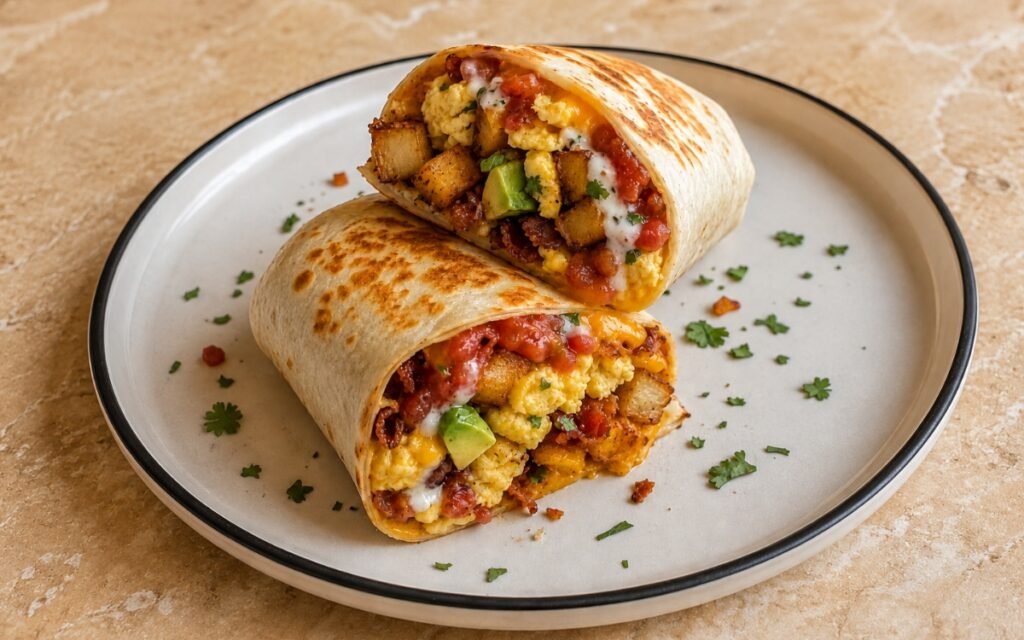
Breakfast Burritos
Soft scrambled eggs, crispy breakfast potatoes, melted cheese, bacon, salsa, and avocado rolled in warm flour tortillas and toasted golden.
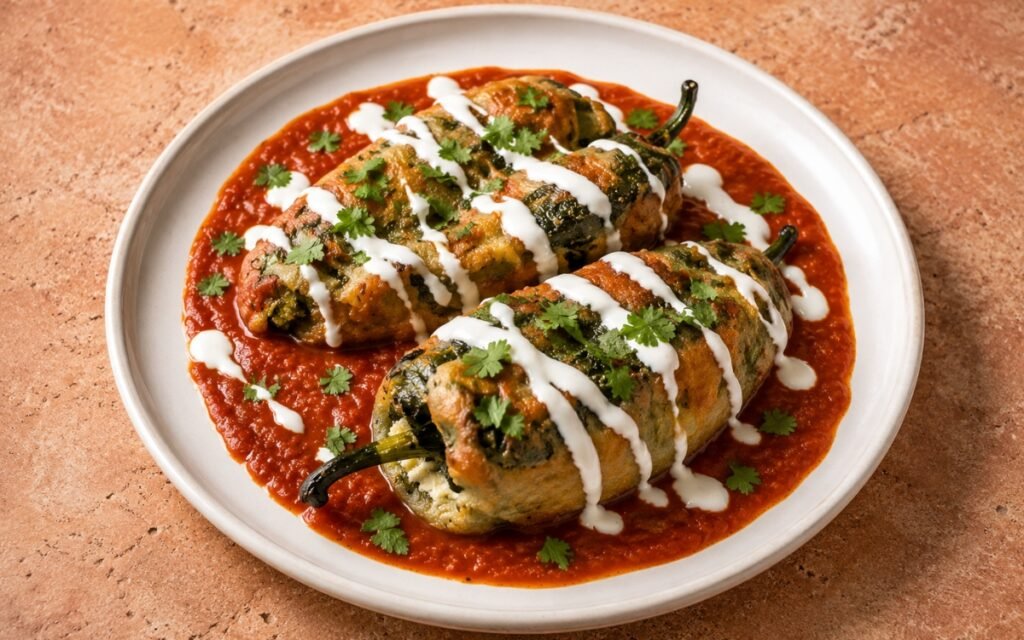
Chiles Rellenos with Tomato Sauce
Roasted poblano peppers stuffed with melting cheese, coated in whipped egg batter, and pan-fried golden. Served over a glossy tomato-chipotle sauce.
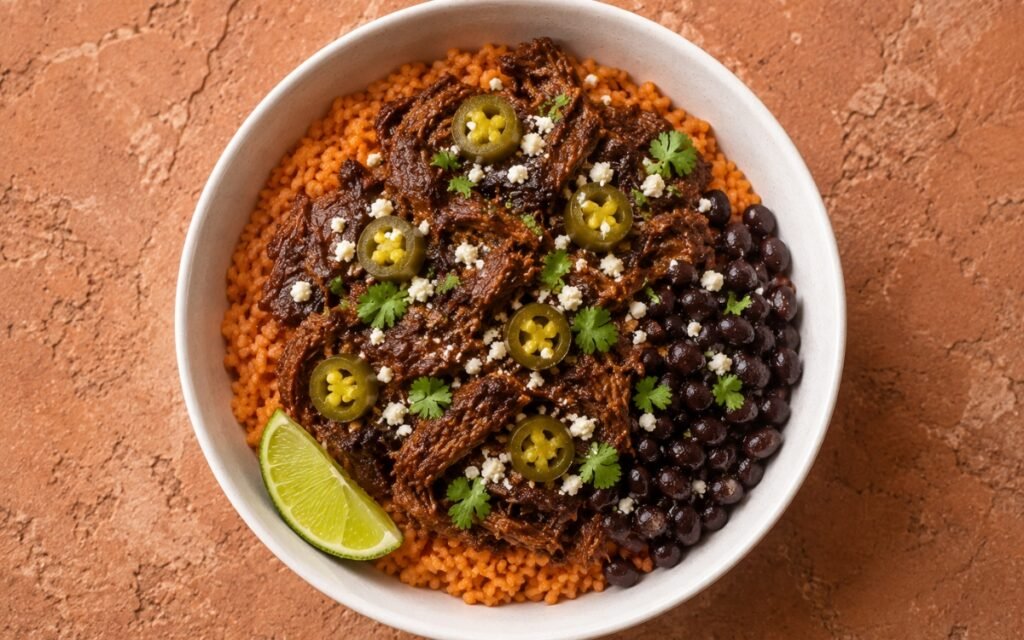
Mexican Barbacoa Rice Bowl
Beef chuck braised in a toasted chile sauce until tender, shredded and reduced until glossy, served over toasted tomato rice with whole black beans and cotija.
You might also like
You might also like
Brioche Toast Bread
Enriched dough with four eggs and butter added gradually after gluten development — overnight cold-fermented for flavour, three-piece shaped in a loaf pan, baked to a deep golden glossy crust. The brioche built for toast.
Chicken Quesadilla
Marinated chicken thighs seared, shredded, and reduced, folded into flour tortillas with a three-cheese blend, and crisped in butter until golden and blistered.
Easy Breakfast Shakshuka
Bell pepper and onion in butter, spices dry-toasted on the bare pan, crushed tomatoes simmered thick — six eggs baked at 190°C with feta and cilantro. Under 30 minutes, eaten from the skillet.
Huevos Rancheros
Ingredients
Method
- Use 8 small store-bought corn tortillas, or prepare the homemade corn tortilla option. Mix the masa harina, salt, and warm water until a soft, hydrated dough forms. Rest covered for 20 minutes. Divide into 8 equal balls of about 22g each. Press each tortilla to about 11.4cm / 4.5 inches diameter and cook on a dry hot skillet or comal until lightly charred, flexible, and cooked through. Stack under a towel so they steam and stay pliable. Keeping the tortillas covered under a towel from the moment they’re cooked is what carries them, still soft and pliable, all the way through to assembly — exposed tortillas begin stiffening within minutes as they cool.
- Heat the neutral oil in a saucepan over medium heat. Add the diced onion and jalapeño and cook for 4–5 minutes until softened. Add the garlic and cook for 30 seconds. Stir in the tomato paste, cumin, oregano, smoked paprika, chipotle pepper, and adobo sauce. Cook for 1 minute until the tomato paste darkens slightly and the spices smell warm. Add the chopped tomatoes, salt, black pepper, and water or stock. Simmer uncovered for 15–20 minutes, stirring occasionally, until the sauce becomes deep red, glossy, and chunky. The tomatoes should break down, but the sauce should not become completely smooth. Finish with lime juice. Taste and adjust salt. The sauce should be vivid, thick enough to spoon over the eggs, but still loose enough to pool around the tortillas. Briefly frying the tomato paste and spices together before the tomatoes go in is what builds the sauce’s roasted depth — added straight into raw, simmering tomatoes instead, the same spices would taste flatter and more dusty rather than fully bloomed.
- Heat the oil or lard in a small skillet over medium heat. Add the diced onion and cook for 3–4 minutes until soft. Add the garlic and cumin and cook for 30 seconds. Add the drained beans, salt, and 100ml water or stock. Mash with a potato masher or fork until creamy but still slightly textured. Cook for 4–5 minutes, stirring often, until thick and spoonable. Add more water if needed. Stir in butter if using. The beans should hold in a soft mound on the plate, not run like sauce. Mashing with a masher rather than a blender leaves some bean skins and small chunks intact, giving the finished beans a bit of body rather than a perfectly uniform purée — that slight texture is what lets them hold their shape as a mound on the plate instead of spreading flat.
- Just before frying the eggs, warm the tortillas on a dry skillet for 10–15 seconds per side until flexible. For slightly richer tortillas, brush lightly with oil and warm until the edges barely crisp. Keep covered in a towel. This final warm-through, timed right before the eggs go into the pan, is what ensures the tortillas are at their most pliable exactly when they’re needed for assembly, rather than cooling and stiffening while other components finish.
- Heat butter or oil in a large nonstick skillet over medium heat. Crack in the eggs, working in batches if needed. Fry for 2–3 minutes, until the whites are just set and the yolks are still bright and runny. Season with salt and black pepper. Do not overcook the eggs. The yolks are part of the sauce and colour story. Medium heat rather than high heat is what lets the whites finish setting at roughly the same rate the yolks reach the ideal soft, runny consistency — high heat sets the whites’ edges too fast while the centre yolk is still cold, and by the time the yolk catches up the whites have overcooked and toughened.
- Place 2 warm corn tortillas on each plate, slightly overlapping. Set one fried egg on each tortilla. Spoon ranchero sauce generously over and around the eggs, leaving the yolks mostly visible. Add a section of refried beans on the side of each plate. Fan sliced avocado beside the eggs. Scatter queso fresco generously over the sauce and beans. Finish with fresh cilantro and lime wedges. Spooning the sauce around rather than directly over the yolks is a deliberate plating choice — the bright orange-yellow yolk against the deep red sauce is one of the dish’s defining visual details, and fully covering it would lose that contrast entirely.
- Serve immediately while the eggs are hot, the yolks are soft, the sauce is glossy, and the tortillas are still warm. Every element on this plate is at its best only briefly — the yolks firm up as they cool, the tortillas stiffen, and the sauce loses its glossy sheen — so this is a dish built to be eaten right away rather than held or plated ahead.