
Chicken Quesadilla with Guacamole and Sour Cream
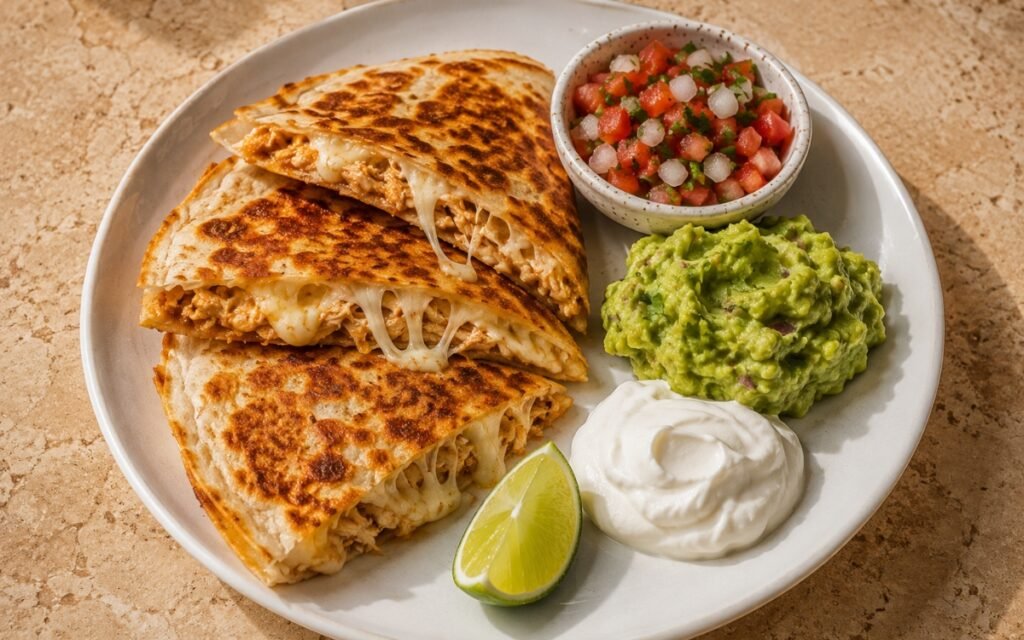
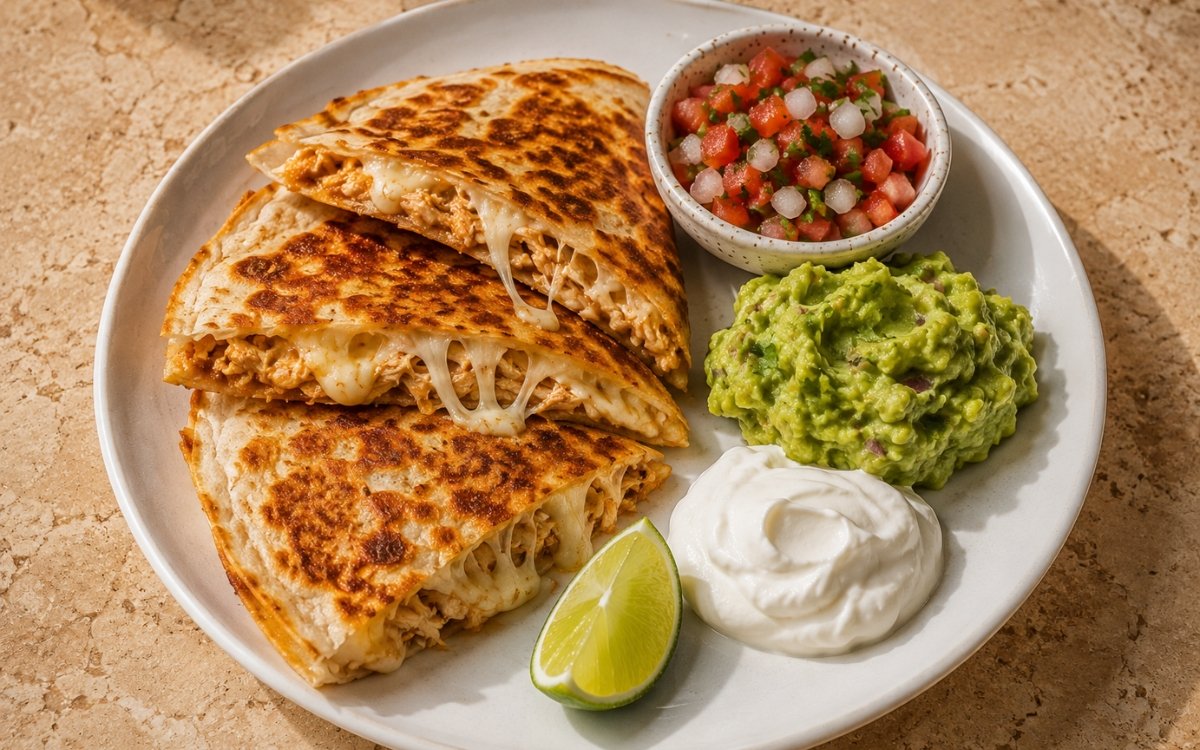
Large flour tortilla quesadillas filled with skillet-seared shredded chicken thighs and melted Monterey Jack, low-moisture mozzarella, and cotija, crisped in butter until golden-brown and lightly blistered — folded in half, sliced into 3 wedges, and served with chunky guacamole, fresh pico de gallo, a generous spoonful of sour cream, and a lime wedge. The three-cheese blend is doing specific work: Monterey Jack for the main stretchy melt, low-moisture mozzarella for visible pull, and cotija in restraint for salty sharpness that keeps the filling from tasting one-note. Searing the chicken first and shredding it afterward, then briefly returning it to the pan with a splash of stock, is what produces a filling that’s juicy without being wet — the same distinction that matters everywhere a filling has to crisp inside a tortilla rather than steam it soft. Butter rather than oil is specified for crisping because its milk solids brown and add flavour the tortilla itself can’t provide alone, though only in a thin layer, since too much turns the exterior greasy instead of crisp. The payoff is a wedge with an audibly crisp, blistered shell, a fully melted stretchy centre, and a juicy but contained chicken filling, balanced by the cool guacamole and sour cream and the sharp acidity of the pico de gallo.
Prep Time : 35 min
Cook Time : 35 min
Servings : 4
35 min
35 min
4
Ingredients
For the Chicken Quesadilla Filling
• 800g boneless, skinless chicken thighs
• 30ml fresh lime juice
• 30ml neutral oil
• 15ml orange juice
• 15ml soy sauce
• 12g garlic, finely grated or minced
• 6g ground cumin — this one on Amazon
• 5g smoked paprika — this one on Amazon
• 3g chilli powder
• 2g dried Mexican oregano — this one on Amazon
• 6g kosher salt
• 2g freshly cracked black pepper
• 15ml neutral oil, for searing
• 60ml water or chicken stock, for loosening while shredding
For the Cheese
• 320g Monterey Jack cheese, shredded — this one on Amazon
• 160g low-moisture mozzarella, shredded
• 60g cotija cheese, finely crumbled — this one on Amazon
For the Homemade Wheat Tortillas — 1 full batch, 4 tortillas; (Full recipe — see Homemade Wheat Tortillas)
• Each serving needs 1 large flour tortilla, about 12 inches / 30cm diameter
For The Guacamole
• 1½ ripe avocados
• ½ medium red onion, diced to ¼–⅛ inch cubes
• ½ green jalapeño, deseeded, diced to ⅛ inch cubes
• 2 garlic cloves, minced or very thinly sliced
• Juice of ½ lime
• ½ Large handful fresh cilantro, roughly chopped — adjust to personal preference or omit entirely
• ½ tsp ground cumin — this one on Amazon
• Salt to taste
• Freshly ground black pepper to taste
• ½ tbsp green Tabasco, optional — this one on Amazon
For the Pico de Gallo
• 5 ripe, meaty tomatoes, preferably Roma, about 400g
• 1 sweet onion, finely diced
• 1 red onion, finely diced
• 1 jalapeño pepper, deseeded, finely diced
• Juice of 3 limes
• Zest of half a lime
• 1 tbsp extra-virgin olive oil — this one on Amazon
• Salt to taste
• Freshly ground black pepper to taste
For Crisping the Quesadillas
• 40g unsalted butter, divided
• Additional neutral oil, if needed
For Serving
• 240g sour cream
• 1 prepared batch pico de gallo, served in a small bowl
• ½ batch classic guacamole
• 2 limes, cut into wedges
This post may contain affiliate links. As an Amazon Associate I earn from qualifying purchases, at no additional cost to you.
Directions
- Marinate the Chicken
Combine the lime juice, neutral oil, orange juice, soy sauce, garlic, cumin, smoked paprika, chilli powder, Mexican oregano, salt, and black pepper in a bowl. Add the chicken thighs and turn until fully coated. Cover and marinate for 30 minutes at room temperature, or up to 4 hours refrigerated. Do not leave the chicken in the acidic marinade overnight; the surface can become soft and slightly mushy. The relatively short marinating window here is deliberate — unlike a longer braise-bound marinade, this one just needs to season the surface and add a light citrus lift before the chicken is seared and shredded, so there’s little benefit to extending it and real risk of the lime and orange juice softening the exterior past the point of a clean sear. - Prepare the Referenced Components
Prepare 1 full batch of Homemade Wheat Tortillas according to its separate recipe, making 4 large tortillas about 12 inches / 30cm diameter. Prepare ½ batch of Classic Guacamole and the Pico de Gallo according to their separate recipes. Keep the guacamole chunky, not smooth. Keep the pico de gallo drained enough that it does not flood the plate. Handling these three components ahead of the actual cooking is what keeps the final assembly and crisping stage — the part of this recipe with the least margin for distraction — moving quickly and continuously rather than competing with prep work. - Sear the Chicken
Remove the chicken from the marinade and let excess marinade drip off. Heat 15ml neutral oil in a large skillet over medium-high heat. Add the chicken thighs in a single layer and sear for 4–5 minutes on the first side, until deeply browned. Flip and cook another 4–5 minutes, until the thickest pieces reach 74°C internally. Work in batches if needed. Crowding the pan will steam the chicken and weaken the flavour. A genuinely single layer with space between pieces is what allows the pan’s heat to stay concentrated at the surface of each piece — overcrowded chicken releases moisture that pools and simmers rather than evaporating, which is the difference between a well-browned sear and pale, boiled-tasting chicken. - Rest and Shred the Chicken
Transfer the chicken to a board and rest for 8–10 minutes. Shred into medium strands using two forks or chop into rough shredded pieces. Return the shredded chicken to the skillet with 60ml water or chicken stock and scrape up the browned bits. Cook for 2–3 minutes over medium heat until the chicken is juicy but not wet. The filling should hold together without dripping liquid into the tortilla. Scraping up the fond with a splash of stock after shredding reintroduces the concentrated browned flavour left behind in the pan directly into the filling, rather than leaving it stuck to the skillet — but the 2–3 minute reduction afterward matters just as much, since it’s what evaporates off the excess liquid that would otherwise soak into the tortilla and prevent it from crisping. - Mix the Cheese
Combine the Monterey Jack, low-moisture mozzarella, and cotija in a bowl. Monterey Jack gives the main melt, mozzarella gives visible cheese pull, and cotija adds salty sharpness. Do not use too much cotija or the filling will become dry and gritty. Cotija doesn’t melt the way the other two cheeses do — it’s a firm, crumbly cheese that holds its texture under heat, which is exactly why it’s used in restraint here, as a sharp, salty accent scattered through a filling rather than as a primary melting cheese. - Assemble the Quesadillas
Lay one large flour tortilla flat. Add about 120–130g shredded chicken over one half of the tortilla. Scatter about 135g of the cheese mixture over the chicken. Fold the empty half over the filling and press gently. Repeat with the remaining tortillas. The quesadilla should be full but not overstuffed; too much filling prevents the cheese from melting before the tortilla over-browns. Keeping the filling to one half rather than spreading it across the whole tortilla is what makes the fold-and-press technique work — an evenly distributed half-fill gives the cheese a contained space to melt in without pushing filling out past the folded edge during crisping. - Crisp the Quesadillas
Heat a large skillet or griddle over medium heat. Add 10g butter and let it melt until foaming but not browned. Place one folded quesadilla in the pan and cook for 3–4 minutes on the first side, pressing gently with a spatula, until the tortilla is golden-brown, blistered in spots, and crisp. Flip carefully and cook another 2–3 minutes, until the second side is golden and the cheese is fully melted at the cut edges. Repeat with the remaining quesadillas, adding more butter as needed. Medium heat is the specific setting that lets the cheese fully melt in the same window the tortilla needs to brown — higher heat browns the exterior before the interior cheese has caught up, while lower heat dries the tortilla out before it develops real colour. - Rest and Slice
Transfer each quesadilla to a cutting board and rest for 2 minutes before slicing. This short rest prevents the cheese from pouring out immediately. Cut each folded quesadilla into 3 even wedges. The molten cheese directly out of the pan is thin and highly fluid; two minutes is enough for it to firm up just slightly so the first cut doesn’t send it running across the board, while still being well within the window where it’s fully melted and stretchy when eaten. - Serve
Place 3 quesadilla wedges on each plate. Add a generous spoonful of guacamole, a large dollop of sour cream, a small bowl of pico de gallo, and a lime wedge. Serve immediately while the tortilla is crisp and the cheese is still melted and stretchy. The crisp shell begins softening the moment it sits, especially against the moisture of the guacamole and pico de gallo, so plating and serving without delay is what preserves the contrast between the crunchy exterior and the soft, cheesy interior.
*Notes :
- The choice of low-moisture mozzarella over fresh mozzarella is worth understanding rather than treating as an arbitrary substitution. Fresh mozzarella is packed in brine and carries significant water content that releases as it melts — inside a quesadilla, that released moisture has nowhere to go and soaks directly into the tortilla from the inside, undermining the crisp exterior this recipe is built around. Low-moisture mozzarella melts with far less released liquid, which is exactly what makes it compatible with a filling that needs to stay contained rather than weeping into the shell.
- Butter’s role here goes beyond simply preventing sticking. Its milk solids brown as the quesadilla crisps, contributing a nutty, faintly caramelised flavour to the tortilla’s exterior that a neutral oil alone can’t replicate — but that same browning capacity is also why the layer needs to stay thin. Too much butter in the pan doesn’t crisp the tortilla any faster; it mostly makes the finished quesadilla taste and feel greasy, since the tortilla can only absorb so much fat before the excess simply pools rather than contributing to browning.
- The gap between “juicy” and “wet” in the shredded chicken filling is a genuinely narrow one and worth watching closely rather than eyeballing. Chicken that’s too dry will sit flat and unremarkable inside the melted cheese; chicken that’s too wet will actively work against the tortilla’s ability to crisp, softening it from the inside before the exterior has finished browning. The brief reduction step after shredding — cooking the chicken with stock just until the liquid mostly evaporates — is what threads that needle reliably.
Why This Recipe Works
This recipe works because it treats the filling’s moisture content as the primary variable to manage: the chicken is seared hot for real browning, shredded, then briefly reduced with stock so it stays juicy without ever becoming wet enough to compromise the tortilla.
The three-cheese blend is chosen for distinct, non-overlapping jobs — melt, pull, and salty sharpness — rather than for flavour alone, and the tortilla is crisped in butter over carefully moderated medium heat so the exterior browns in the same window the interior cheese fully melts.
Referencing the guacamole and pico de gallo as their own separate preparations keeps those components at their own proper texture rather than compressed into shortcuts.
Ingredient Breakdown
Citrus-Soy Marinated Chicken Thighs
The base protein — a short marinade for surface seasoning and light citrus lift, seared hard for genuine browning rather than steamed colour.
Three-Cheese Blend (Monterey Jack, Mozzarella, Cotija)
The layered melt — Monterey Jack for primary meltiness, low-moisture mozzarella for stretch and pull, cotija in restraint for salty, crumbly sharpness.
Reduced Shredded Chicken (with Stock)
The moisture-management step — briefly cooked down after shredding so the filling stays juicy without soaking into and softening the tortilla.
Butter for Crisping
The browning fat — its milk solids caramelise the tortilla’s exterior in a way neutral oil can’t replicate, used thin to avoid a greasy finish.
Referenced Guacamole and Pico de Gallo
The cool, bright counterpoints — prepared as their own full recipes to preserve their specific textures (chunky guacamole, well-drained pico) rather than folded into the main method as shortcuts.
Flavor Structure Explained
This chicken quesadilla follows a layered balance model:
- Crisp buttery foundation (browned, blistered tortilla)
- Rich melted centre (three-cheese blend)
- Warm spiced filling (marinated, seared chicken)
- Cool creamy contrast (guacamole, sour cream)
- Bright acidic finish (pico de gallo, lime)
The tortilla defines the eating experience with a crisp, buttery, lightly blistered shell that gives way to the fully melted cheese blend beneath it. The seared, citrus-marinated chicken layers in warm spice and juicy savouriness without ever dominating the cheese. Guacamole and sour cream both cool the plate down, softening the richness of the melted cheese and the char of the tortilla with fat-forward creaminess. Pico de gallo and a final squeeze of lime cut back through that richness with sharp, raw acidity, keeping the whole plate balanced rather than heavy.
Common Mistakes to Avoid
- Overstuffing the Quesadilla – Too much filling prevents the cheese from fully melting before the tortilla over-browns, and makes folding and flipping difficult. Always keep to the specified 120–130g chicken and 135g cheese per tortilla.
- Skipping the Post-Shred Reduction – Wet, unreduced shredded chicken soaks into the tortilla from the inside and blocks it from crisping. Always cook the shredded chicken with stock until juicy but not wet.
- Crisping Over High Heat – High heat browns and can burn the tortilla’s exterior before the interior cheese has fully melted. Always use medium heat and be patient through the full 3–4 minutes per side.
- Using Fresh Mozzarella Instead of Low-Moisture – Fresh mozzarella releases significant water as it melts, which soaks the tortilla from the inside and undermines the crisp shell. Always use low-moisture mozzarella for this recipe.
- Slicing Immediately From the Pan – Cutting into a quesadilla straight off the heat sends molten cheese running across the board. Always rest for 2 minutes before slicing into wedges.
Variations
Spicier Version
Add 1 finely minced jalapeño to the chicken marinade and increase the chilli powder to 5g for a noticeably sharper heat throughout the filling.
With Sautéed Peppers and Onions
Add 150g of thinly sliced bell peppers and onion, sautéed until soft and lightly caramelised, layered into the quesadilla alongside the chicken for a fajita-style filling.
Steak Quesadilla
Substitute the chicken thighs with 700g of thinly sliced, seared skirt or flank steak, seasoned with the same marinade, for a beef version of the same technique.
Extra-Crispy Double-Cheese Version
Sprinkle a thin layer of shredded Monterey Jack directly onto the dry skillet before placing the tortilla, letting it crisp into a lacy cheese crust on the exterior in addition to the melted filling inside.
Storage & Make-Ahead
Marinated raw chicken can be refrigerated for up to 4 hours before searing; do not exceed this window given the acidic marinade.
Cooked, shredded chicken filling can be refrigerated in an airtight container for up to 3 days. Reheat gently with a small splash of water or stock before assembling. The cheese blend can be mixed and refrigerated up to 2 days ahead in a sealed container.
Assembled but uncooked quesadillas can be refrigerated, tightly wrapped, for a few hours before crisping — crisp them straight from the refrigerator, allowing an extra minute per side.
Cooked, crisped quesadillas are best eaten immediately; they lose their crisp texture quickly and are not well suited to reheating or storage.
Frequently Asked Questions
Why sear the chicken whole before shredding rather than cooking it already shredded or diced?
Whole thighs develop a real, deeply browned crust in the skillet that pre-shredded or diced chicken can’t replicate at the same intensity, since smaller pieces release moisture faster and steam rather than sear. Shredding after searing preserves that browned flavour throughout the filling once it’s mixed back through with the reduced pan juices.
Why does the filling need the post-shred reduction with stock or water?
Shredded chicken straight off the board can be uneven in moisture — some drier strands, some juicier ones. Returning it to the pan with a little liquid and reducing briefly evens that out and reincorporates the flavourful fond left in the skillet, producing a filling that’s uniformly juicy without ever becoming wet enough to soften the tortilla.
Why low-moisture mozzarella instead of fresh mozzarella?
Fresh mozzarella is packed in brine and releases noticeable water as it melts. Inside a folded quesadilla, that moisture has nowhere to go but into the tortilla, undermining the crisp exterior. Low-moisture mozzarella melts with far less released liquid, keeping the shell crisp.
Why rest the quesadilla for 2 minutes before slicing?
Cheese straight out of the pan is at its thinnest, most fluid state. A short 2-minute rest lets it firm up just enough that the first cut doesn’t send it pouring across the board, while it’s still fully melted and stretchy by the time it’s eaten.
What’s a good alternative to guacamole, and what fresh sauce works well against the hot quesadilla?
If you want something a little different from classic guacamole, Avocado Mango Salsa brings the same creamy avocado base with a sweeter, brighter fruit component that plays nicely against the smoky, spiced chicken. For a genuinely fresh, cooling contrast to the hot, crisp quesadilla, a spoonful of Cilantro Lime Drizzle drizzled over the wedges adds sharp herbal brightness and acidity that cuts straight through the melted cheese in a way the guacamole and sour cream, both rich and cooling in their own right, don’t quite achieve on their own.
Nutrition Facts
( per serving )
Calories
~740 kcal
Protein
48 g
Fat
42 g
Carbs
40 g
Calories
~740 kcal
Protein
48 g
Fat
42 g
Carbs
40 g
Related Recipes
Related Recipes

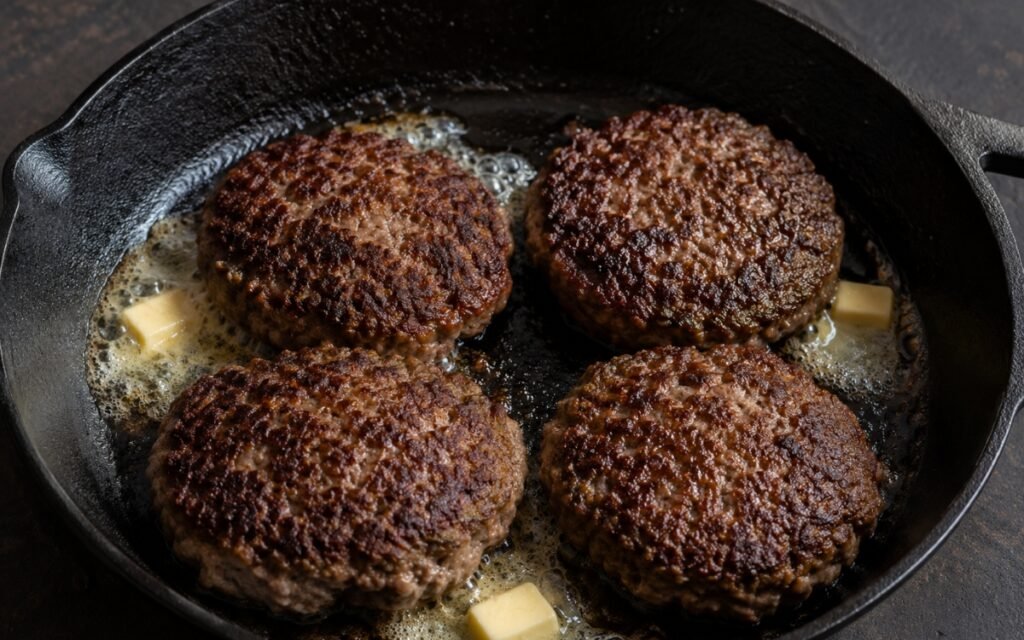
Easy Ground Beef Patties
Ground beef portioned gently, indented, seasoned late — seared undisturbed, butter-basted, and rested. Caramelized crust, juicy interior.
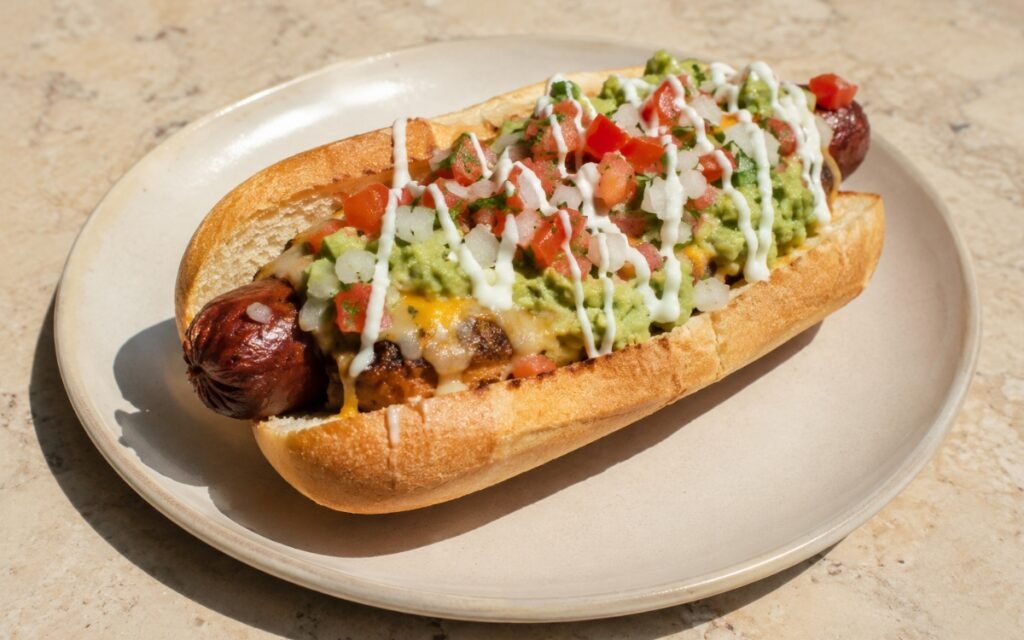
Mexican Hot Dog
Bacon-wrapped smoked frankfurters seared crisp, topped with melted Mexican cheese, guacamole, fresh pico de gallo, and a crema drizzle.
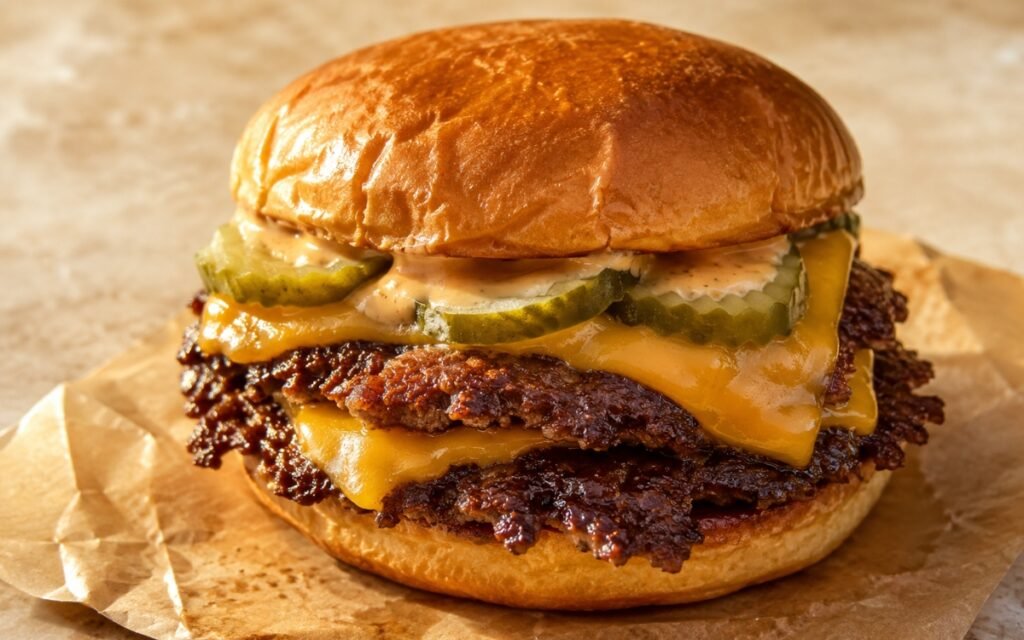
Double Smash Burger
Ultra-crispy beef patties with molten cheese, buttery bun, and tangy sauce channel classic diner indulgence.
You might also like
You might also like
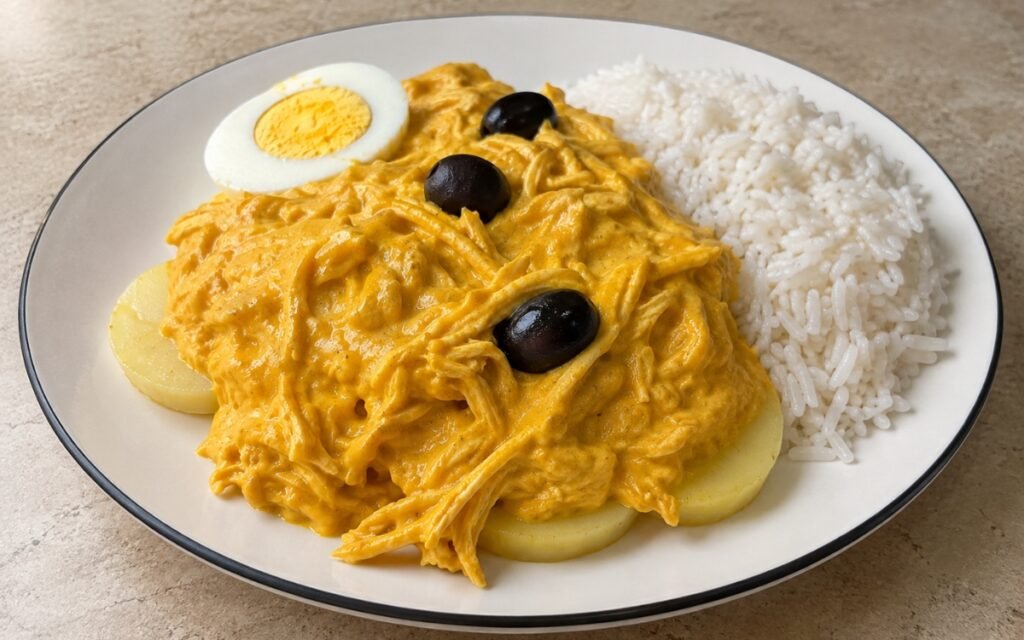
Ají de Gallina
Tender shredded chicken in a rich, velvety ají amarillo cream sauce with bread, evaporated milk, and walnuts, served over sliced potatoes.
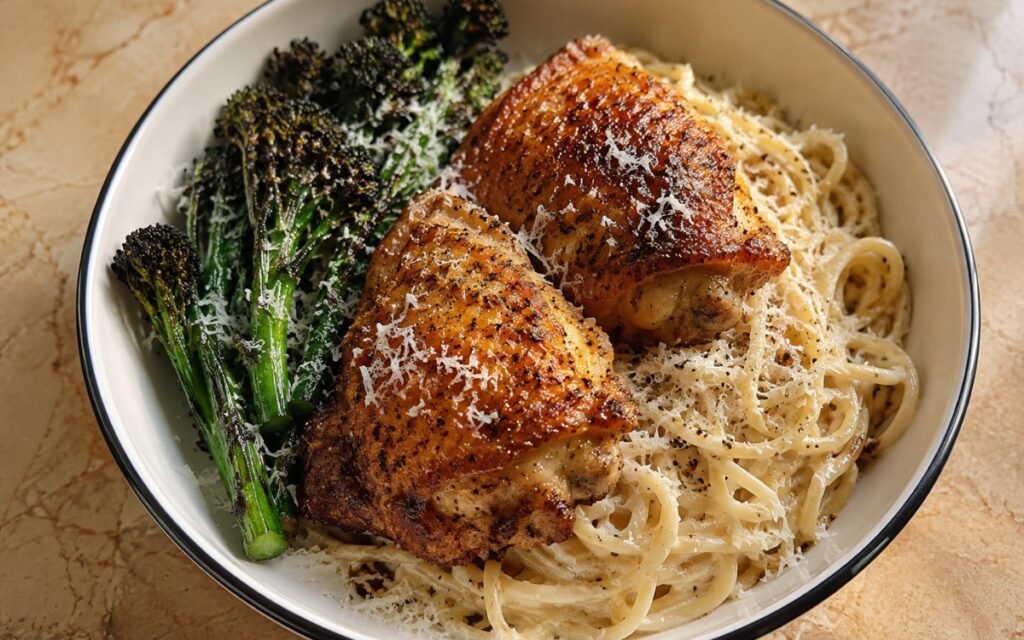
Baked Chicken Thighs with Cheesy Spaghetti
Smoked paprika crispy chicken thighs, cacio e pepe spaghetti with tempered cheese paste, and charred broccolini — one bowl, Parmesan over everything, 55 minutes.
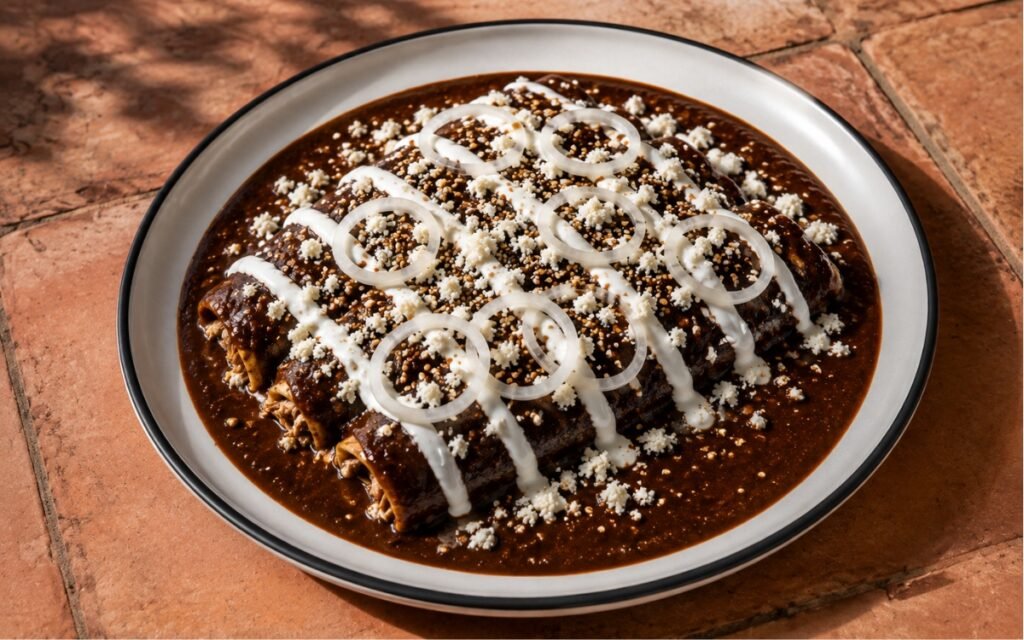
Chicken Enmoladas with Mole Poblano
Soft corn tortillas filled with tender shredded chicken, folded, and blanketed in glossy mole poblano, finished with crema and queso fresco.
Chicken Quesadilla with Guacamole and Sour Cream
Ingredients
Method
- Combine the lime juice, neutral oil, orange juice, soy sauce, garlic, cumin, smoked paprika, chilli powder, Mexican oregano, salt, and black pepper in a bowl. Add the chicken thighs and turn until fully coated. Cover and marinate for 30 minutes at room temperature, or up to 4 hours refrigerated. Do not leave the chicken in the acidic marinade overnight; the surface can become soft and slightly mushy. The relatively short marinating window here is deliberate — unlike a longer braise-bound marinade, this one just needs to season the surface and add a light citrus lift before the chicken is seared and shredded, so there’s little benefit to extending it and real risk of the lime and orange juice softening the exterior past the point of a clean sear.
- Prepare 1 full batch of Homemade Wheat Tortillas according to its separate recipe, making 4 large tortillas about 12 inches / 30cm diameter. Prepare ½ batch of Classic Guacamole and the Pico de Gallo according to their separate recipes. Keep the guacamole chunky, not smooth. Keep the pico de gallo drained enough that it does not flood the plate. Handling these three components ahead of the actual cooking is what keeps the final assembly and crisping stage — the part of this recipe with the least margin for distraction — moving quickly and continuously rather than competing with prep work.
- Remove the chicken from the marinade and let excess marinade drip off. Heat 15ml neutral oil in a large skillet over medium-high heat. Add the chicken thighs in a single layer and sear for 4–5 minutes on the first side, until deeply browned. Flip and cook another 4–5 minutes, until the thickest pieces reach 74°C internally. Work in batches if needed. Crowding the pan will steam the chicken and weaken the flavour. A genuinely single layer with space between pieces is what allows the pan’s heat to stay concentrated at the surface of each piece — overcrowded chicken releases moisture that pools and simmers rather than evaporating, which is the difference between a well-browned sear and pale, boiled-tasting chicken.
- Transfer the chicken to a board and rest for 8–10 minutes. Shred into medium strands using two forks or chop into rough shredded pieces. Return the shredded chicken to the skillet with 60ml water or chicken stock and scrape up the browned bits. Cook for 2–3 minutes over medium heat until the chicken is juicy but not wet. The filling should hold together without dripping liquid into the tortilla. Scraping up the fond with a splash of stock after shredding reintroduces the concentrated browned flavour left behind in the pan directly into the filling, rather than leaving it stuck to the skillet — but the 2–3 minute reduction afterward matters just as much, since it’s what evaporates off the excess liquid that would otherwise soak into the tortilla and prevent it from crisping.
- Combine the Monterey Jack, low-moisture mozzarella, and cotija in a bowl. Monterey Jack gives the main melt, mozzarella gives visible cheese pull, and cotija adds salty sharpness. Do not use too much cotija or the filling will become dry and gritty. Cotija doesn’t melt the way the other two cheeses do — it’s a firm, crumbly cheese that holds its texture under heat, which is exactly why it’s used in restraint here, as a sharp, salty accent scattered through a filling rather than as a primary melting cheese.
- Lay one large flour tortilla flat. Add about 120–130g shredded chicken over one half of the tortilla. Scatter about 135g of the cheese mixture over the chicken. Fold the empty half over the filling and press gently. Repeat with the remaining tortillas. The quesadilla should be full but not overstuffed; too much filling prevents the cheese from melting before the tortilla over-browns. Keeping the filling to one half rather than spreading it across the whole tortilla is what makes the fold-and-press technique work — an evenly distributed half-fill gives the cheese a contained space to melt in without pushing filling out past the folded edge during crisping.
- Heat a large skillet or griddle over medium heat. Add 10g butter and let it melt until foaming but not browned. Place one folded quesadilla in the pan and cook for 3–4 minutes on the first side, pressing gently with a spatula, until the tortilla is golden-brown, blistered in spots, and crisp. Flip carefully and cook another 2–3 minutes, until the second side is golden and the cheese is fully melted at the cut edges. Repeat with the remaining quesadillas, adding more butter as needed. Medium heat is the specific setting that lets the cheese fully melt in the same window the tortilla needs to brown — higher heat browns the exterior before the interior cheese has caught up, while lower heat dries the tortilla out before it develops real colour.
- Transfer each quesadilla to a cutting board and rest for 2 minutes before slicing. This short rest prevents the cheese from pouring out immediately. Cut each folded quesadilla into 3 even wedges. The molten cheese directly out of the pan is thin and highly fluid; two minutes is enough for it to firm up just slightly so the first cut doesn’t send it running across the board, while still being well within the window where it’s fully melted and stretchy when eaten.
- Place 3 quesadilla wedges on each plate. Add a generous spoonful of guacamole, a large dollop of sour cream, a small bowl of pico de gallo, and a lime wedge. Serve immediately while the tortilla is crisp and the cheese is still melted and stretchy. The crisp shell begins softening the moment it sits, especially against the moisture of the guacamole and pico de gallo, so plating and serving without delay is what preserves the contrast between the crunchy exterior and the soft, cheesy interior.