
Homemade Wheat Tortillas
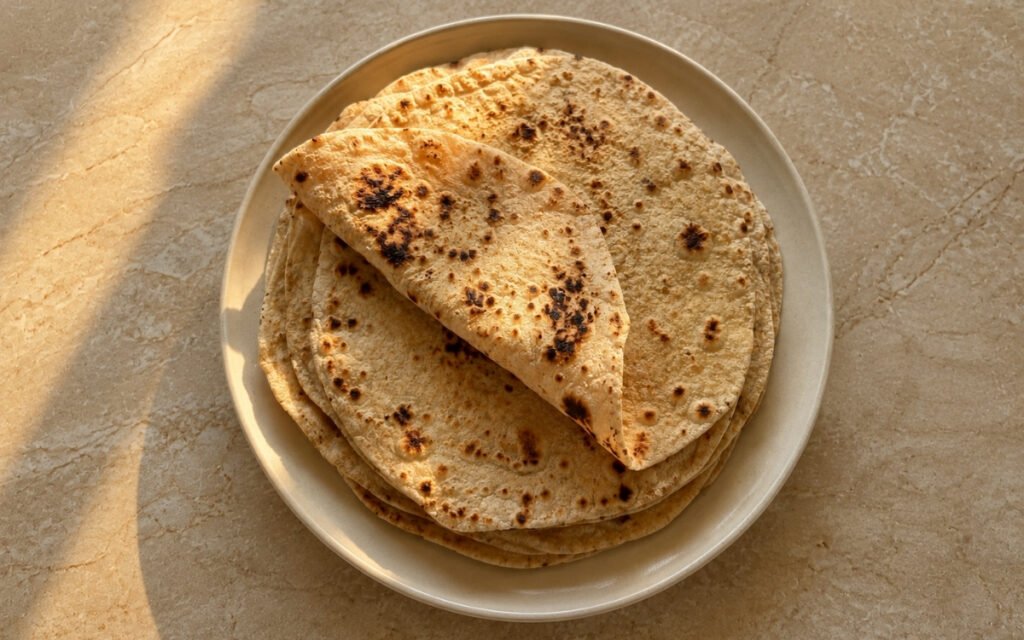
Soft, pliable, slightly charred wheat tortillas made from scratch in under an hour. Fat worked into the flour creates a tender, flexible structure; baking powder keeps them soft rather than rigid; and a brief resting period relaxes the gluten so each one rolls thin without springing back. Make 8 small tortillas for tacos and light wraps, or 4 large ones for burritos that hold their filling without tearing. Once you make your own, going back to packaged feels like a step in the wrong direction.
Prep Time : 15 min
Cook Time : 15 min
Servings : 8 or 4
15 min
15 min
8 or 4
Ingredients
For The Homemade Wheat Tortillas
• 300g all-purpose flour — this one on Amazon
• 5g fine sea salt
• 2.5–3g baking powder
• 35g fat — lard, unsalted butter, or neutral oil, to preference
• 175g warm water, approximately 40°C
• 5g honey — this one on Amazon
This post may contain affiliate links. As an Amazon Associate I earn from qualifying purchases, at no additional cost to you.
Directions
- Combine the Dry Ingredients and Work in the Fat
In a large bowl, whisk together the all-purpose flour, fine sea salt, and baking powder until evenly combined. The baking powder is a small but impactful addition — at the quantity specified it produces no discernible leavening lift but acts on the gluten structure during cooking, contributing to the soft, pliable texture rather than the cracker-like rigidity of a tortilla made without it. Add the honey directly to the flour mixture. Honey in a flatbread performs what bakers call a hygroscopic function — it attracts and retains moisture from the surrounding environment, keeping the tortilla soft and pliable for significantly longer after cooking than one made without it. At 5g it contributes no detectable sweetness but makes a noticeable difference to how the tortillas feel and bend after cooking. Add the fat of your choice. If using cold butter, cut it into small pieces first. Work the fat into the flour mixture using your fingertips — rub the fat between your fingers and into the flour with a pressing and smearing motion, breaking it down into increasingly smaller pieces until the mixture resembles coarse, irregular crumbs with some slightly larger pea-sized pieces remaining. This fat-into-flour step is the technique that makes homemade tortillas soft rather than tough. When fat coats the flour particles before the water is added, it physically interrupts the gluten formation — fat-coated flour proteins cannot link into long gluten chains as readily as uncoated ones. The result is a shorter, more tender, more extensible gluten network that produces soft, pliable tortillas rather than the dense, chewy texture of an insufficiently fat-worked dough. - Add Water and Knead
Pour the warm water into the flour-fat mixture gradually — add approximately half first, mixing with your hand or a spoon until roughly combined, then add the remaining water incrementally while mixing until a shaggy dough forms. The warm water — approximately 40°C, warm to the touch but not hot — helps the fat distribute more evenly and the gluten develop more readily than cold water would. Once a rough dough has come together with no dry flour remaining, transfer it to a clean work surface. Knead for 5–7 minutes using firm, rhythmic strokes — push the dough away from you with the heel of your hand, fold it back, rotate a quarter turn, and repeat. The dough is ready when it is completely smooth, soft, and elastic — it should feel like a firm earlobe when pressed, spring back slowly and completely when poked, and stretch a few centimetres without tearing when pulled. If it is too dry and tears easily, add a very small splash of water and knead it in. If it is sticking aggressively to the counter and your hands, dust lightly with flour — a small amount only, as excess flour at this stage changes the recipe’s hydration balance. - First Rest
Shape the kneaded dough into a smooth ball, return it to the bowl, and cover with a clean kitchen towel, plastic wrap, or an inverted plate. Allow to rest at room temperature for 20–30 minutes. This rest period is the most important step between mixing and rolling, and skipping it produces tortillas that are frustratingly difficult to roll to the correct thinness. During the kneading process the gluten network becomes tightly wound and elastic — the dough wants to spring back to its original shape when stretched. The 20–30 minute rest allows the gluten to relax and the fat to redistribute into a more even distribution throughout the dough, producing a dough that can be stretched and rolled thin without resistance or contraction. - Divide and Ball
Divide the rested dough based on your intended size. For 8 small tortillas (8 inches): divide into 8 equal pieces, each approximately 65g. For 4 large tortillas (12 inches): divide into 4 equal pieces, each approximately 130g. Roll each piece into a smooth, tight ball by placing it on the counter and rolling in a circular motion with a cupped hand, applying light pressure to develop surface tension. Cover all the dough balls with a damp cloth or plastic wrap and allow to rest for a further 10 minutes. This second, shorter rest is specifically for the freshly-shaped balls — the brief shaping created some surface tension and gluten tightening that relaxes during this 10-minute window, making the subsequent rolling easier and more even. - Roll the Tortillas
On a lightly floured surface, working with one ball at a time while keeping the others covered, roll each ball into a thin, even round. Apply even, consistent pressure from the centre outward in all directions, rotating the tortilla a quarter turn after every few passes of the rolling pin to maintain a round rather than oval shape. For 8-inch tortillas: aim for very thin, almost translucent discs where you can just barely see your hand through the dough when held up to light. For 12-inch large burrito tortillas: keep them slightly thicker — about 2mm rather than 1mm — because a paper-thin 12-inch tortilla will tear under the weight of a full burrito filling. The larger size requires a correspondingly large cooking surface — a 12-inch round requires a 12-inch or larger skillet or griddle. Keep this in mind when deciding which size to make. Slight irregularity in shape is completely acceptable and characterises a handmade tortilla — the imperfect edges and slightly uneven surface of a hand-rolled tortilla are visual markers of quality, not flaws. - Cook on a Dry, Hot Surface
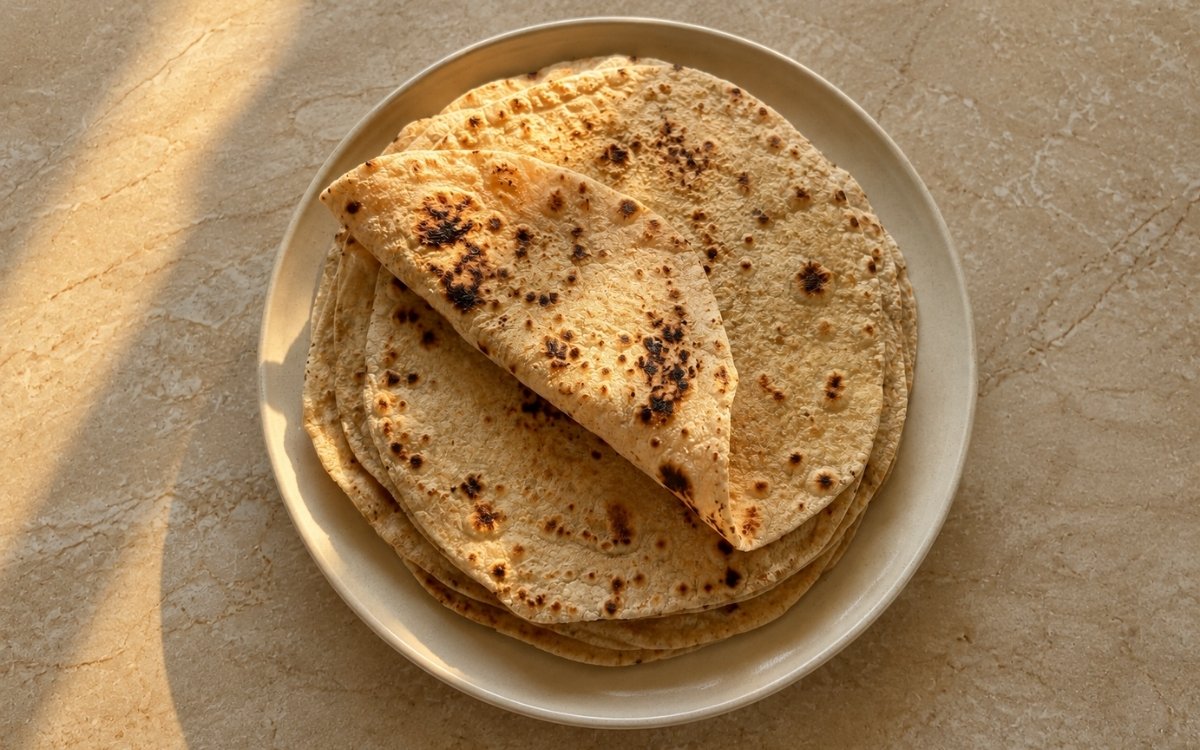
Heat a cast iron skillet, griddle, or heavy-bottomed pan over medium-high heat until it is genuinely hot — a drop of water should evaporate almost instantly on contact with the surface. No oil is added to the cooking surface. Cook the tortillas one at a time, laying each one flat on the dry, hot surface. Cook the first side for 30–45 seconds until the bottom surface shows irregular charred spots — pale, irregular char marks across the surface are the visual and flavour signature of a properly cooked tortilla, produced by the direct contact between the dough’s surface starch and the hot, dry pan. Flip with tongs or a spatula and cook the second side for 20–30 seconds. The tortilla will puff slightly during cooking as steam trapped between the gluten layers expands — this puffing is a sign of correct dough development. Stack the cooked tortillas on top of each other immediately, covered with a clean cloth — the residual steam from each hot tortilla keeps the stack warm and soft, and the weight of the stack above prevents each tortilla from drying out and cracking. Do not allow cooked tortillas to cool uncovered, as they will crisp and crack rather than remaining flexible.
*Notes :
- Flour quality matters for tortillas more than it might seem for a simple flatbread. Standard all-purpose flour produces a good tortilla. A slightly lower-protein all-purpose flour — the kind typically used for cakes and pastries, around 9–10% protein — produces a marginally more tender, more pliable tortilla because its weaker gluten network creates less resistance when the tortilla is bent around a filling. Higher-protein bread flour produces a chewier, less pliable tortilla that is acceptable but less suited to taco and burrito applications where flexibility is the primary functional requirement.
- The cooking surface temperature is the most common source of failure in home tortilla making. Too low a heat produces pale, dry, stiff tortillas without any char marks that taste bland and crack when folded. Correct heat produces the characteristic irregular charring that creates both visual appeal and the slightly smoky flavour contrast that makes a handmade tortilla genuinely enjoyable to eat rather than simply functional. The pan should be hot enough that the tortilla begins cooking immediately on contact — a 30-second delay before any colour appears indicates insufficient heat.
- Large 12-inch tortillas require patience and practice to roll evenly — the larger the disc, the more difficult it is to maintain uniform thickness throughout. Rotating the dough consistently, applying pressure from the centre outward, and using a longer rolling pin than the disc’s diameter all help. Slightly uneven thickness in a large tortilla is normal and does not affect the eating quality.
- The choice of fat is the primary flavour decision in this recipe. Lard produces the most traditional, most flavourful tortilla — slightly savoury, incredibly soft, and with the most extensible, tear-resistant texture of the three options. It is the fat used in authentic Mexican flour tortillas and the one that produces the result closest to what the recipe was designed around. Unsalted butter produces a richer, slightly more European-tasting tortilla with a mild dairy flavour and good pliability. Neutral oil produces a lighter, slightly less tender tortilla that is vegan-friendly and entirely acceptable — slightly less flavourful than either fat option but still dramatically better than packaged.
Why This Recipe Works
This recipe works because it addresses the two variables that most determine tortilla quality — gluten development and fat distribution — with specific techniques for each. Working the fat into the flour before adding water physically interrupts the gluten network before it forms, producing a shorter, more tender structure than fat added at any other stage.
The resting periods allow the gluten to relax fully so the tortillas can be rolled thin without springing back. The baking powder contributes to softness without any leavening effect. The honey retains moisture and extends flexibility after cooking. Every ingredient decision exists for a specific textural reason rather than tradition alone.
Ingredient Breakdown
All-Purpose Flour
The moderate protein content produces a gluten network that is strong enough to hold the tortilla intact during cooking and handling but tender enough to bend and fold without cracking.
Fat (Lard, Butter, or Oil)
The tenderness agent — worked into the flour before water is added to coat the flour particles and interrupt gluten chain formation, producing the soft, pliable structure that makes flour tortillas distinctly different from corn tortillas.
Baking Powder
Added for softness rather than lift — at this small quantity it conditions the gluten structure during cooking rather than producing visible leavening.
Honey
A hygroscopic agent — attracts and holds moisture, keeping the tortilla pliable and soft significantly longer after cooking than a recipe without it.
Warm Water
The hydration medium — warm temperature helps fat distribute evenly and gluten develop more readily than cold water.
Salt
Flavour and gluten structure — strengthens the gluten network and seasons the dough throughout.
Flavor Structure Explained
This tortillas follow a layered balance model:
- Mild wheaty base (flour)
- Fat-derived flavor (lard, butter, or oil)
- Charred surface notes (high-heat cooking)
- Subtle richness (fat integration)
- Neutral carrier role (overall balance)
Flour establishes the foundation with a soft, mild wheat flavor that stays intentionally restrained. The fat introduces a secondary layer — either savory depth from lard, gentle warmth from butter, or neutrality from oil — shaping the tortilla’s character without dominating. High heat creates charred spots that add smoky, slightly bitter complexity, contrasting with the otherwise soft, pale surface. The fat also contributes subtle richness and pliability, improving texture as much as flavor. The result is a deliberately simple structure — neutral at its core, with just enough complexity at the edges to keep it from being bland.
Common Mistakes to Avoid
- Not Working the Fat in Thoroughly – Large, unevenly distributed fat pieces produce a tortilla with soft patches and tough patches rather than uniform tenderness throughout. Work until the mixture genuinely resembles coarse crumbs with no visible fat chunks.
- Skipping the Rest Periods – Unrested dough springs back aggressively during rolling and cannot be rolled thin enough. Both resting periods — after kneading and after balling — are necessary.
- Rolling on an Under-Floured Surface – Tortillas rolled on a surface without enough flour stick and tear rather than rolling cleanly. A light dusting of flour is sufficient — too much flour changes the dough’s balance.
- Cooking on Insufficient Heat – A pan that is not hot enough produces pale, stiff, crackerlike tortillas without char. The pan must be genuinely hot before the first tortilla goes on.
- Not Stacking and Covering Immediately – Tortillas left uncovered after cooking dry out and crack within minutes. Always stack immediately under a cloth as each one finishes cooking.
Variations
Whole Wheat Tortillas
Replace 100g of the all-purpose flour with 100g of whole wheat flour for a slightly nuttier, more rustic tortilla with a pleasantly earthy flavour. Whole wheat flour absorbs more water — add an additional 10–15ml of warm water if the dough feels stiffer than the standard recipe.
Herb Tortillas
Add 10g of finely chopped fresh cilantro or 5g of dried oregano to the flour mixture before adding the fat. The herbs distribute evenly through the dough during kneading and create a visually appealing speckled tortilla with aromatic depth suited to Mexican bowls and fresh vegetable wraps.
Spinach Tortillas
Replace 80g of the warm water with 80g of fresh spinach blended with 80ml of warm water until completely smooth and strained through a fine mesh strainer. The spinach liquid tints the dough a vibrant green without significantly altering the flavour, producing visually dramatic tortillas suited to health-forward wraps.
Charred Tortilla Chips
Stack day-old tortillas and cut into triangles. Brush both sides lightly with neutral oil and season with fine salt. Bake at 190°C for 12–15 minutes, flipping once, until golden and fully crisp throughout. Allow to cool completely on a rack — they crisp further as they cool.
What to Use Them For
8-inch tortillas are sized for tacos — two to three per person, each holding 60–80g of filling. They also work for quesadillas, small wraps, and as a base for personal-sized flatbread-style pizzas. Their size is appropriate for any application where individual portions are served.
12-inch tortillas are burrito tortillas — sized to wrap around a full burrito filling of rice, beans, protein, and toppings in a single tightly-closed package. They also work for large quesadillas and any wrap where significant filling volume needs to be enclosed. The larger size requires a larger skillet or griddle — a 12-inch cast iron skillet or a flat griddle pan is ideal.
Beyond the classic applications: torn and toasted in soups (tortilla soup); torn and fried in salsa for chilaquiles; as a vehicle for eggs and cheese for a breakfast wrap; sliced into strips and fried as a crunchy salad topping; as a base for tostadas when baked flat until crisp.
Storage & Make-Ahead
Cooked tortillas can be stacked and stored in a sealed zip-top bag at room temperature for up to 3 days. To reheat them, warm each tortilla directly in a dry skillet for about 20 seconds per side, or wrap the stack in foil and heat it in a 160°C oven for about 10 minutes.
Tortillas can also be frozen for up to 2 months. Place a sheet of parchment paper between each one before freezing so they do not stick together, then store them in a sealed bag. When ready to use, thaw them at room temperature for about 20 minutes or warm them directly from frozen in a skillet.
The uncooked dough can be wrapped tightly and refrigerated for up to 3 days before rolling and cooking. Let it come to room temperature for about 20 minutes before rolling it out. In fact, the time in the refrigerator can slightly improve the flavor through slow, cold fermentation.
Frequently Asked Questions
Can I use bread flour instead of all-purpose?
Bread flour’s higher protein content produces a chewier, less pliable tortilla — functional but less suited to tacos and burritos where flexibility and softness are the primary requirements. All-purpose is the correct choice.
Why lard specifically?
Lard produces the most traditionally correct, most tender, and most flavourful flour tortilla. Its fat composition — predominantly monounsaturated and saturated fat — works into the flour more effectively than butter’s water content allows, and its flavour is specifically suited to the Mexican food culture the recipe comes from. It is not mandatory — butter and oil both produce excellent tortillas — but it is the closest to the original.
Why does my tortilla crack when I fold it?
Either the tortilla was too thick when rolled, the cooking temperature was too low producing a dry rather than steamed tortilla, or it was not covered immediately after cooking. The most common cause is allowing the tortilla to cool uncovered — always stack under a cloth immediately.
Can I make these without a rolling pin?
Yes — in traditional Mexican kitchens the hands-only patting method is used. Place the dough ball between two sheets of plastic and flatten and stretch with your palms, working from the centre outward. A tortilla press also works for the smaller size, though it rarely produces a perfectly round result without some hand-stretching.
What is the difference between a flour tortilla and a corn tortilla?
Flour tortillas are made from wheat flour with fat, producing a soft, pliable, slightly chewy flatbread suited to wrapping and folding. Corn tortillas are made from masa (nixtamalised corn flour) without fat, producing a stiffer, more brittle flatbread with a distinctly different flavour suited to tacos and tostadas but less suited to burritos. They are different products with different applications, not substitutes for each other.
Nutrition Facts
(Per 8-inch Tortilla — small size)
Calories
~185 kcal
Protein
4 g
Fat
5 g
Carbs
30 g
Calories
~185 kcal
Protein
4 g
Fat
5 g
Carbs
30 g
Related Recipes
Related Recipes

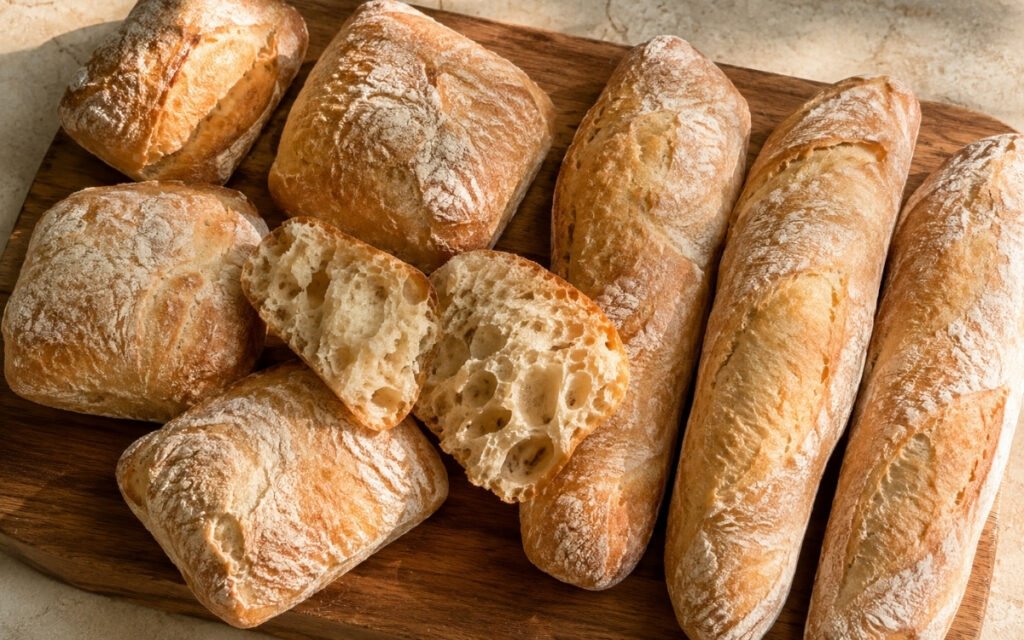
Ciabatta Rolls & Semi-Baguettes
Overnight biga, long cold ferment, and ice-cube steam baking — authentic ciabatta rolls and semi-baguettes with crackling crust and open crumb for every sandwich application.
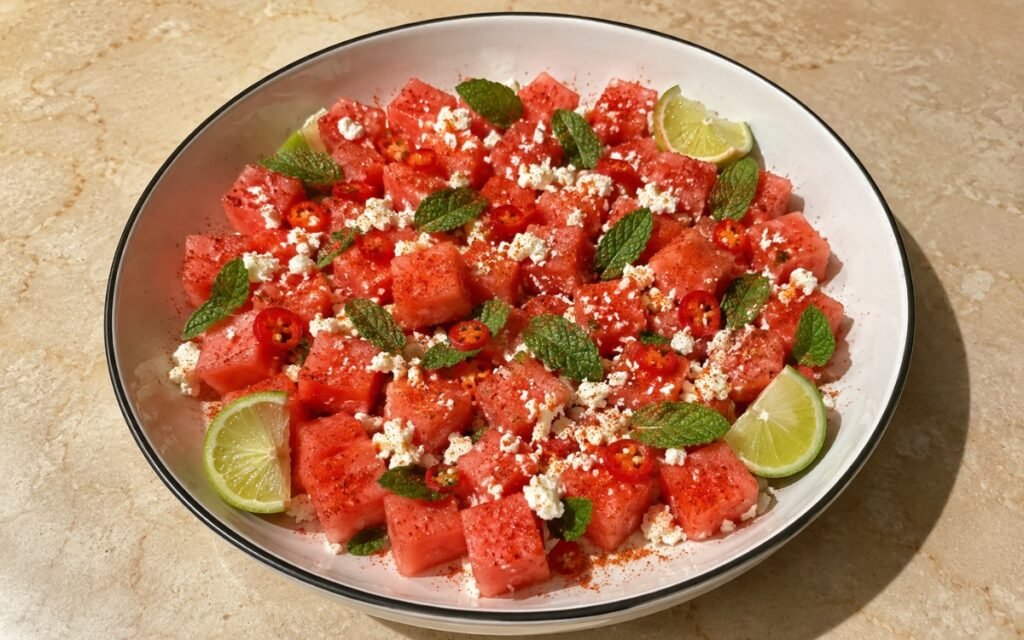
Watermelon Tajín Salad
Watermelon drained 5 minutes, tossed with Tajín, lime, and olive oil — cotija crumbled over the top with fresno chili, fresh mint, and an extra Tajín dusting. The summer salad in 25 minutes.
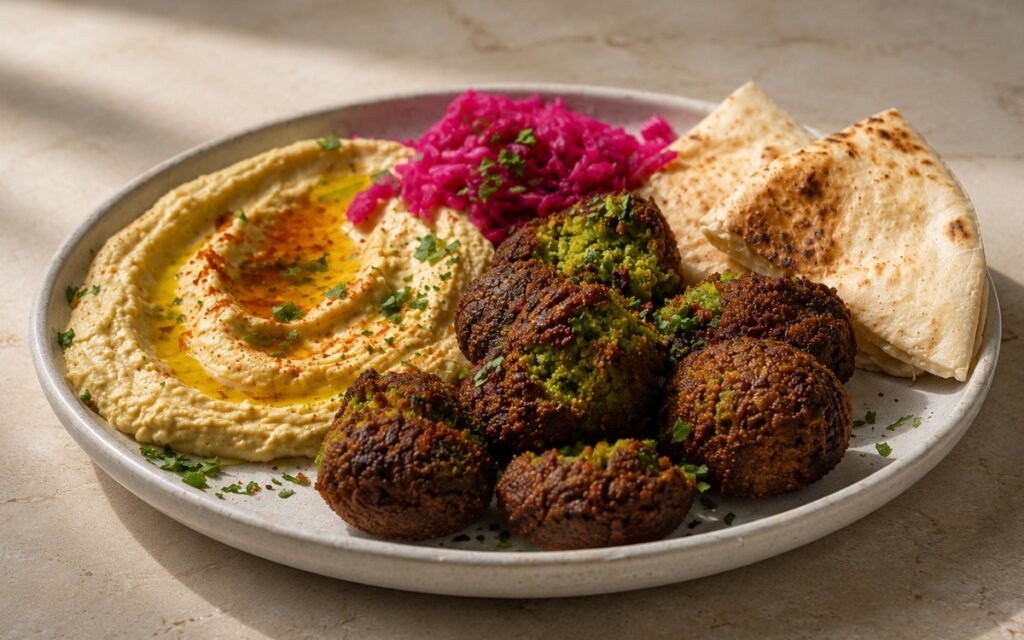
Crispy Falafel Plate
Soaked chickpeas blended with parsley, cilantro, garlic, and spices into a coarse falafel mixture — rested, shaped, and fried until crisp and deeply golden. Served with Classic Hummus, pickled red cabbage, and warm pita.
You might also like
You might also like
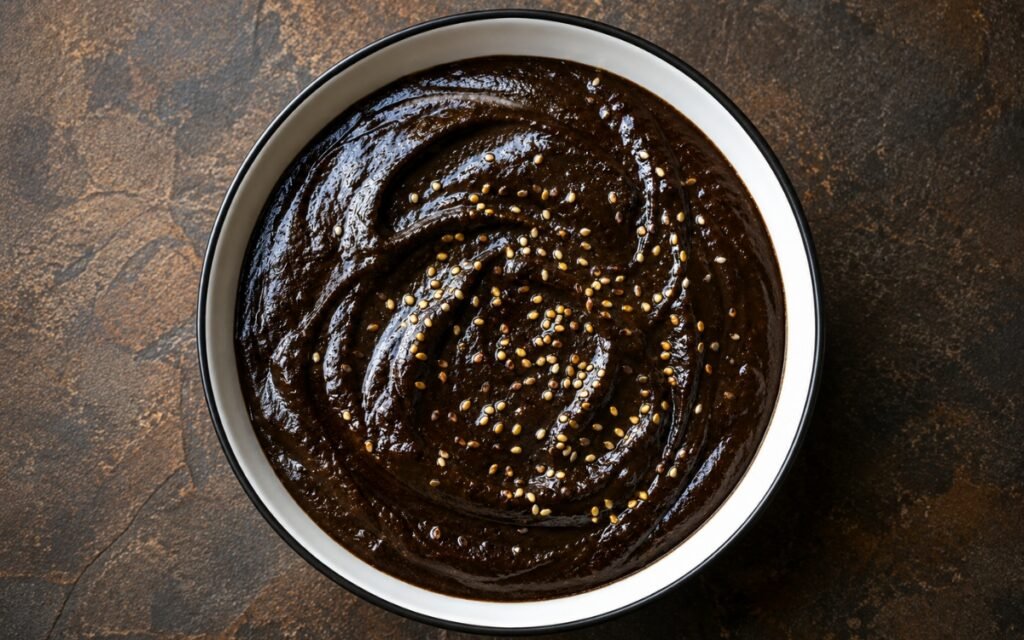
Mole Negro Sauce
A deeply toasted, near-black Oaxacan mole negro built from five dried chiles, charred aromatics, nuts, seeds, and Mexican chocolate.
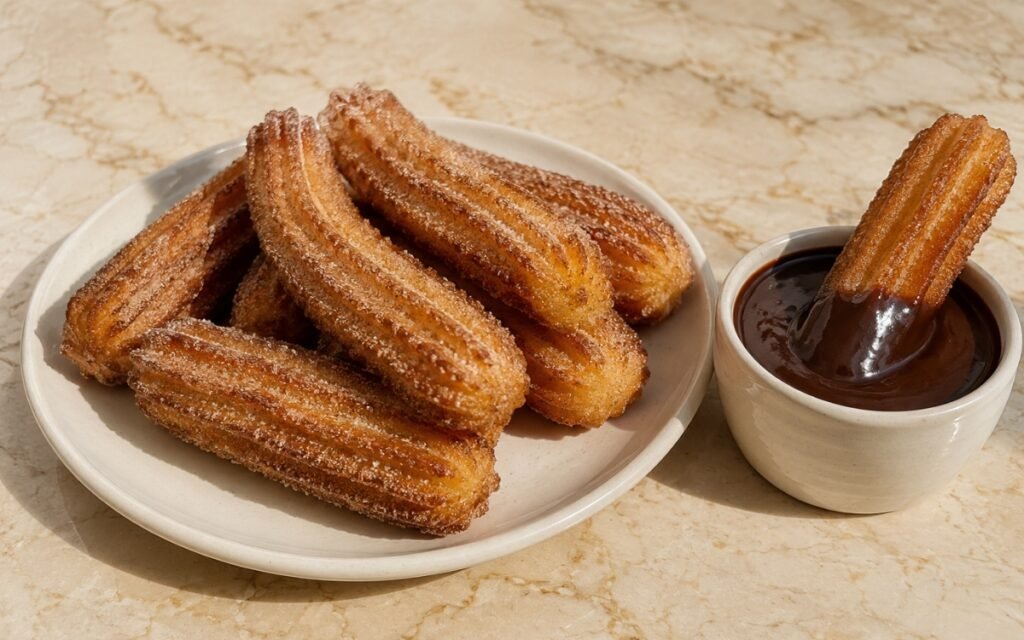
Homemade Churros with Chocolate Sauce
Piped churro dough cooked for real structure, fried until deeply golden and ridged, tossed in cinnamon sugar, and served with rich chocolate sauce.
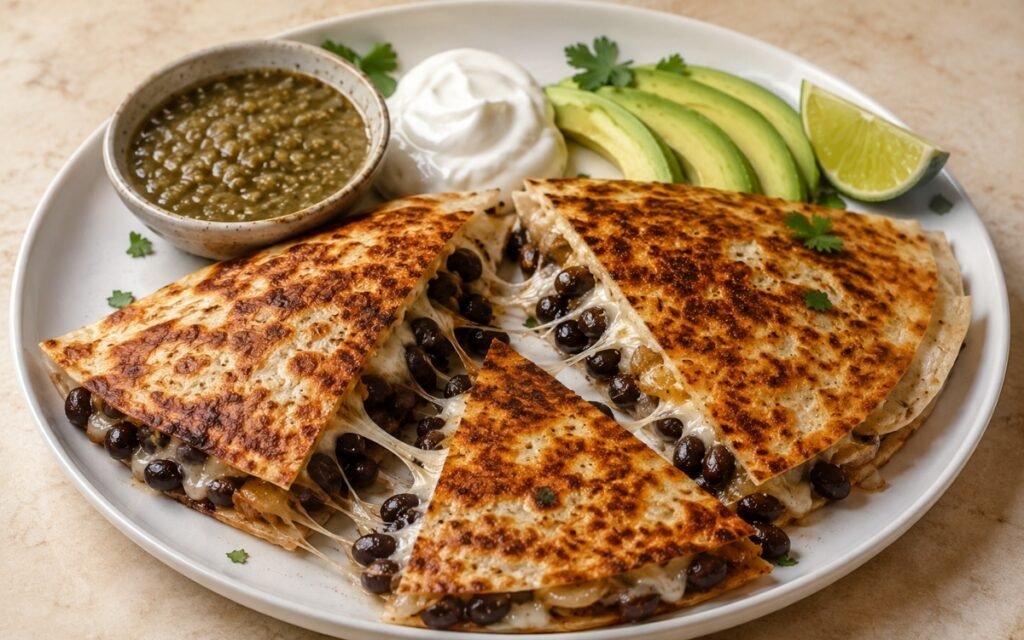
Mexican Black Bean Quesadilla
Seasoned black beans, slowly caramelised onion, and melted mozzarella-cotija crisped golden in flour tortillas, served with salsa verde and avocado.
Homemade Wheat Tortillas
Ingredients
Method
- In a large bowl, whisk together the all-purpose flour, fine sea salt, and baking powder until evenly combined. The baking powder is a small but impactful addition — at the quantity specified it produces no discernible leavening lift but acts on the gluten structure during cooking, contributing to the soft, pliable texture rather than the cracker-like rigidity of a tortilla made without it. Add the honey directly to the flour mixture. Honey in a flatbread performs what bakers call a hygroscopic function — it attracts and retains moisture from the surrounding environment, keeping the tortilla soft and pliable for significantly longer after cooking than one made without it. At 5g it contributes no detectable sweetness but makes a noticeable difference to how the tortillas feel and bend after cooking. Add the fat of your choice. If using cold butter, cut it into small pieces first. Work the fat into the flour mixture using your fingertips — rub the fat between your fingers and into the flour with a pressing and smearing motion, breaking it down into increasingly smaller pieces until the mixture resembles coarse, irregular crumbs with some slightly larger pea-sized pieces remaining. This fat-into-flour step is the technique that makes homemade tortillas soft rather than tough. When fat coats the flour particles before the water is added, it physically interrupts the gluten formation — fat-coated flour proteins cannot link into long gluten chains as readily as uncoated ones. The result is a shorter, more tender, more extensible gluten network that produces soft, pliable tortillas rather than the dense, chewy texture of an insufficiently fat-worked dough.
- Pour the warm water into the flour-fat mixture gradually — add approximately half first, mixing with your hand or a spoon until roughly combined, then add the remaining water incrementally while mixing until a shaggy dough forms. The warm water — approximately 40°C, warm to the touch but not hot — helps the fat distribute more evenly and the gluten develop more readily than cold water would. Once a rough dough has come together with no dry flour remaining, transfer it to a clean work surface. Knead for 5–7 minutes using firm, rhythmic strokes — push the dough away from you with the heel of your hand, fold it back, rotate a quarter turn, and repeat. The dough is ready when it is completely smooth, soft, and elastic — it should feel like a firm earlobe when pressed, spring back slowly and completely when poked, and stretch a few centimetres without tearing when pulled. If it is too dry and tears easily, add a very small splash of water and knead it in. If it is sticking aggressively to the counter and your hands, dust lightly with flour — a small amount only, as excess flour at this stage changes the recipe’s hydration balance.
- Shape the kneaded dough into a smooth ball, return it to the bowl, and cover with a clean kitchen towel, plastic wrap, or an inverted plate. Allow to rest at room temperature for 20–30 minutes. This rest period is the most important step between mixing and rolling, and skipping it produces tortillas that are frustratingly difficult to roll to the correct thinness. During the kneading process the gluten network becomes tightly wound and elastic — the dough wants to spring back to its original shape when stretched. The 20–30 minute rest allows the gluten to relax and the fat to redistribute into a more even distribution throughout the dough, producing a dough that can be stretched and rolled thin without resistance or contraction.
- Divide the rested dough based on your intended size. For 8 small tortillas (8 inches): divide into 8 equal pieces, each approximately 65g. For 4 large tortillas (12 inches): divide into 4 equal pieces, each approximately 130g. Roll each piece into a smooth, tight ball by placing it on the counter and rolling in a circular motion with a cupped hand, applying light pressure to develop surface tension. Cover all the dough balls with a damp cloth or plastic wrap and allow to rest for a further 10 minutes. This second, shorter rest is specifically for the freshly-shaped balls — the brief shaping created some surface tension and gluten tightening that relaxes during this 10-minute window, making the subsequent rolling easier and more even.
- On a lightly floured surface, working with one ball at a time while keeping the others covered, roll each ball into a thin, even round. Apply even, consistent pressure from the centre outward in all directions, rotating the tortilla a quarter turn after every few passes of the rolling pin to maintain a round rather than oval shape. For 8-inch tortillas: aim for very thin, almost translucent discs where you can just barely see your hand through the dough when held up to light. For 12-inch large burrito tortillas: keep them slightly thicker — about 2mm rather than 1mm — because a paper-thin 12-inch tortilla will tear under the weight of a full burrito filling. The larger size requires a correspondingly large cooking surface — a 12-inch round requires a 12-inch or larger skillet or griddle. Keep this in mind when deciding which size to make. Slight irregularity in shape is completely acceptable and characterises a handmade tortilla — the imperfect edges and slightly uneven surface of a hand-rolled tortilla are visual markers of quality, not flaws.
- Heat a cast iron skillet, griddle, or heavy-bottomed pan over medium-high heat until it is genuinely hot — a drop of water should evaporate almost instantly on contact with the surface. No oil is added to the cooking surface. Cook the tortillas one at a time, laying each one flat on the dry, hot surface. Cook the first side for 30–45 seconds until the bottom surface shows irregular charred spots — pale, irregular char marks across the surface are the visual and flavour signature of a properly cooked tortilla, produced by the direct contact between the dough’s surface starch and the hot, dry pan. Flip with tongs or a spatula and cook the second side for 20–30 seconds. The tortilla will puff slightly during cooking as steam trapped between the gluten layers expands — this puffing is a sign of correct dough development. Stack the cooked tortillas on top of each other immediately, covered with a clean cloth — the residual steam from each hot tortilla keeps the stack warm and soft, and the weight of the stack above prevents each tortilla from drying out and cracking. Do not allow cooked tortillas to cool uncovered, as they will crisp and crack rather than remaining flexible.