
Bacon Egg and Cheese Bagels
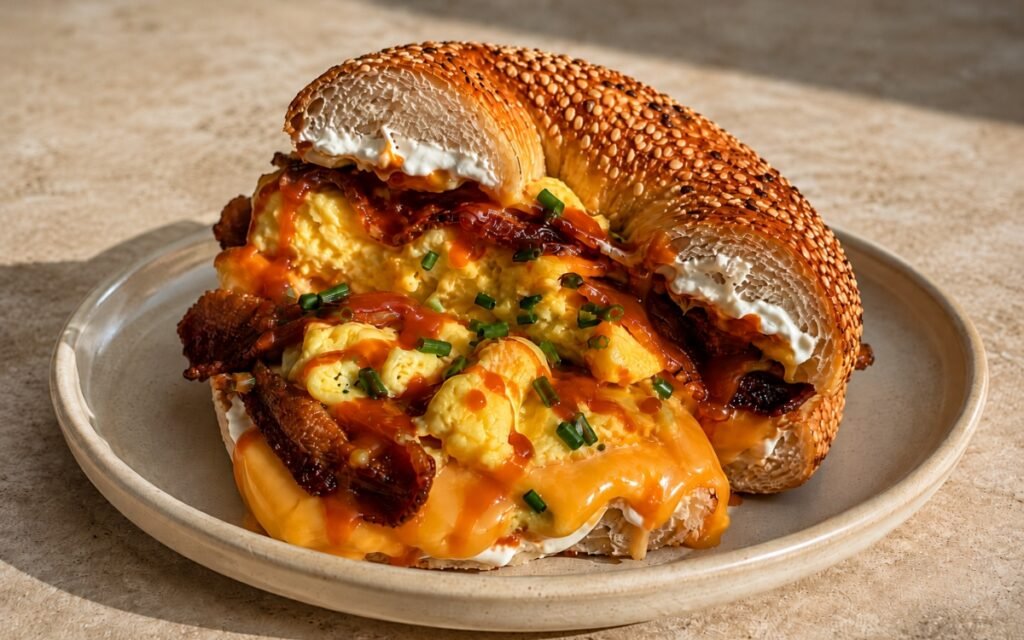
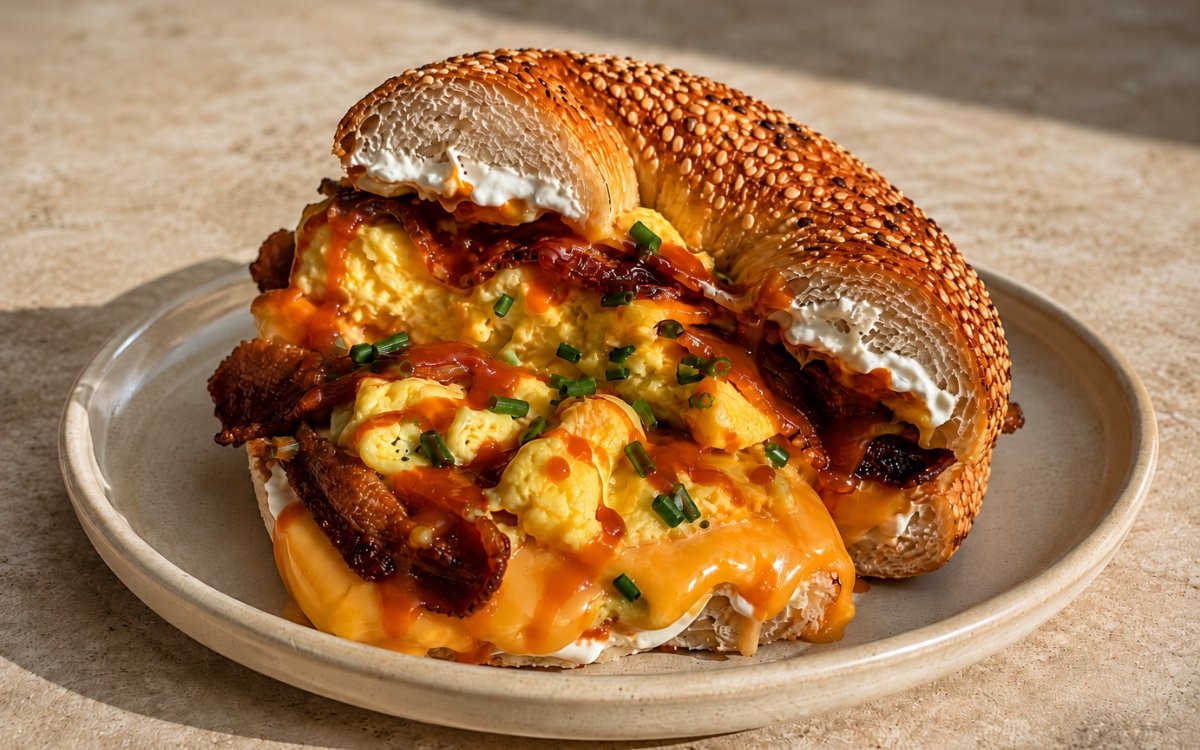
Bacon started in a cold pan so the fat renders gradually and every strip crisps evenly rather than seizing and burning. Eggs whisked, poured into the same pan with its residual bacon fat, scrambled to approximately 70% done, then shaped into two round mounds the diameter of the bagel and left undisturbed so the bottom sets firm enough to hold structure while the top and centre stay soft and moist. Cheese melted on the bacon by the eggs’ residual heat. Cream cheese on the top half, sriracha, chives, and the assembled top pressed down for a 3–5 minute rest so the cheese softens into the whole. If you don’t already have bagels, the Everything Bagels recipe produces the correctly chewy, crispy-outside result this sandwich specifically deserves.
Prep Time : 10 min
Cook Time : 10 min
Servings : 2 bagels
10 min
10 min
2 bagels
Ingredients
For the Bagel Sandwiches
• 2 fresh New York-style bagels — or see Everything Bagels Recipe
• 4 slices bacon
• 4 large eggs
• 60g cream cheese
• 2 slices American or cheddar cheese
• Drizzle of sriracha, or any hot sauce of choice — this one on Amazon
• A small handful of fresh chives, roughly chopped
• Salt and freshly ground black pepper, to taste
This post may contain affiliate links. As an Amazon Associate I earn from qualifying purchases, at no additional cost to you.
Directions
- Cook the Bacon in a Cold Pan
Place the 4 bacon slices in a large skillet or pan while it is still cold — do not preheat. Starting in a cold pan is the specific technique that produces consistently, evenly crisped bacon. In a preheated pan, bacon’s exterior proteins seize and contract on contact with the high heat before the fat beneath has begun to render — producing uneven cooking, curling, and bacon that crisps on the outside while the fatty parts remain soft. Starting cold allows the fat to render progressively and evenly as the pan temperature rises, basting the meat in its own fat throughout the cooking process and producing a more uniformly golden, more evenly crisped strip from edge to edge. Set the burner to medium heat after placing the bacon. Cook, turning once, until golden and crispy at your preferred level of doneness — typically 6–8 minutes total. Transfer to a paper towel-lined plate to drain excess fat. Leave the pan on the heat and do not clean it — the rendered bacon fat remaining in the pan is the cooking fat for the eggs, providing the background pork-fat flavour that makes diner-style scrambled eggs specifically more satisfying than eggs cooked in plain butter or oil. - Toast the Bagels
While the bacon cooks, slice each bagel horizontally in half. For the best result — a golden, butter-rich crust with extra depth — toast the bagel cut-side down in a separate pan with a small amount of butter over medium heat for 2–3 minutes until golden. The butter toasting produces a richer, more flavourful result than a toaster or air fryer’s dry heat, and the cut-side-down placement creates a thin, butter-crisped surface that holds up under the egg and bacon’s moisture. Set the toasted bottom halves on plates ready for assembly. - Prepare and Shape the Eggs
Wipe most of the bacon fat from the pan with a folded paper towel, leaving a thin, even coating — enough fat for flavour and to prevent sticking, not enough to fry the eggs in deep fat. Crack the 4 eggs into a small bowl. Season with a pinch of salt and a crack of black pepper and whisk until the yolks and whites are completely combined and the mixture is uniform. Pour the beaten eggs into the fat-coated pan over medium-low heat. Using a silicone spatula, begin gently scrambling with large, slow folding strokes — pulling the set egg from the edges toward the centre. Continue until the eggs are approximately 70% set — still visibly wet and glossy across most of the surface, with soft, large curds forming. At this point, stop scrambling. Divide the partially cooked egg mass into two equal portions using the spatula and shape each into a round or square mound approximately the diameter of your bagel — wide and flat enough to cover the entire bagel surface rather than piling in a concentrated mound. Allow each portion to sit completely undisturbed for 45–60 seconds. During this time the bottom surface of each egg portion sets and crisps very slightly against the pan — developing enough structural integrity to be lifted and placed on the bagel cleanly without falling apart — while the top and interior remain moist, soft, and barely set. This is the distinction between a properly constructed bagel egg and a simply scrambled egg: the seared-bottom structure means the egg sits on the sandwich and holds its form; the soft interior means every bite is yielding and moist rather than dry. - Assemble the Sandwich
On the toasted bottom half of each bagel, lay 2 slices of crispy bacon. Place 1 slice of American or cheddar cheese directly on top of the hot bacon — the bacon’s residual heat immediately begins softening the cheese. Using a spatula, carefully lift one of the shaped egg portions from the pan and place it directly on top of the cheese slice, covering the bagel’s full diameter. The egg’s residual heat, combined with the hot bacon beneath, will continue softening and partially melting the cheese through the egg layer — pressing down gently on the egg for 10 seconds after placement accelerates this transfer. - Finish and Close
Spread the 30g of cream cheese per bagel across the cut surface of the top half — generously enough to coat the entire surface in a visible, substantial layer. The cream cheese on the top half performs two functions: it provides the cooling, creamy dairy richness that balances the hot, savoury egg and bacon, and it adheres to the egg’s moist surface when the top is pressed down, essentially gluing the sandwich together. Drizzle sriracha in a loose pattern across the cream cheese — its heat and garlic-forward character cuts through the cream cheese’s richness and adds the background warmth that prevents the sandwich from tasting only rich and savoury. Scatter chopped chives over the egg on the bottom half. Press the cream-cheese-coated top half down onto the assembled bottom half. - Rest and Serve
Allow the assembled bagel to rest for 3–5 minutes before eating. This is not impatience management — it is a specific functional step. During the rest, the cheese between the bacon and egg finishes melting from the retained heat; the cream cheese on the top half softens slightly from the egg’s warmth and spreads more evenly when bitten through; and the flavours of all the components integrate rather than tasting as separate layers. A bagel eaten immediately after assembly tastes of its parts; a bagel rested for 4 minutes tastes of a sandwich. Slice in half diagonally if desired — the diagonal cut produces a clean cross-section showing all the layers. Eat immediately after resting.
*Notes :
- The absence of cream in this recipe is not an omission — it is the correct The cold-pan bacon technique is worth making habitual beyond this recipe. The gradual rendering process keeps the meat flat against the pan surface throughout cooking — bacon laid in a hot pan contracts immediately and curls at the edges, producing uneven contact and uneven crispness. The cold start keeps each slice flat and in complete contact with the surface. Additionally, the slowly rendered fat produces a cleaner, less bitter flavour than bacon fat from a pan that is too hot — high heat can push the fat past its correct rendering temperature and into the beginning stages of breakdown, producing a slightly acrid background flavour.
- The 70% scramble-and-shape technique for the eggs is the approach that produces what New York breakfast delis produce in their griddle egg preparations — a structured, slightly seared-bottom egg that holds its shape when placed on a sandwich and is bitten through cleanly. Fully scrambled eggs placed on a bagel either fall through the bread, are compressed awkwardly when bitten, or provide insufficient coverage for the bagel’s diameter. The structured egg stays where it is placed, covers the bagel properly, and provides the correct ratio of egg to bread in every bite.
Why This Recipe Works
This recipe works because it applies the correct technique to each of its three components simultaneously: cold-pan bacon for even rendering and even crispness; eggs scrambled to 70% then shaped and seared for structural integrity with a moist interior; bagel toasted in butter rather than a toaster for the richer, more flavourful crust.
The cream cheese on the top half and the 3–5 minute rest are the final two decisions that make the assembled sandwich taste unified rather than stacked. None of these steps individually requires expertise — together they produce the breakfast sandwich worth making at home.
Ingredient Breakdown
Cold-Pan Bacon
The rendering technique — cold start produces even fat rendering, flat strips, and consistent crispness from edge to edge.
70% Scramble, Then Shape and Sear
The egg technique — partially scrambled to develop soft curds, shaped to bagel diameter, seared briefly for a set bottom that holds structure while the top remains moist.
American or Cheddar Cheese
The melting layer — placed on hot bacon before the egg goes on, melting progressively from the combined heat of bacon and egg.
Cream Cheese on the Top Half
The dual-function finish — provides cool, creamy dairy contrast and acts as the adhesive that holds the top half to the egg when bitten.
Sriracha
The heat and acid cut — prevents the cream cheese and bacon richness from being one-dimensionally savoury.
3–5 Minute Rest
The integration step — cheese finishes melting, cream cheese softens, flavours of all components converge into a unified sandwich.
Flavor Structure Explained
This Bacon egg and cheese bagel follows a layered balance model:
- Smoky savory core (bacon)
- Creamy cooling layer (cream cheese)
- Rich custardy bridge (egg)
- Bright spicy contrast (sriracha)
- Crisp-chewy structural texture (toasted bagel)
Bacon defines the dominant character with smoky, caramelised pork richness that drives every bite. Cream cheese creates a cool, tangy contrast that balances the heat and fat while smoothing the overall profile. Egg acts as the connective layer — soft, savory, and rich enough to bridge the bacon and cheese without competing with either. Sriracha adds sharp garlic-forward heat that cuts through the richness and keeps the sandwich lively. Chives finish with herbal freshness, while the butter-toasted bagel adds the essential contrast between crisp crust and chewy interior that gives the sandwich its satisfying structure.
Common Mistakes to Avoid
- Starting Bacon in a Hot Pan – Immediate searing causes the bacon to curl, cook unevenly, and produce a sharper-tasting fat. Always cold pan, medium heat.
- Fully Scrambling the Eggs Before Shaping – Fully scrambled eggs have no structure to hold a shape — they fall through the bagel or compress awkwardly when bitten. Stop at 70% and shape while still partially wet.
- Not Letting the Bottom of the Shaped Egg Sear – The 45–60 second undisturbed bottom sear is what gives the egg its structural integrity. Moving too early produces a structureless mass.
- Using Only a Toaster Rather Than Buttered Pan – The toaster produces dry, even heat. A buttered pan produces a golden, butter-enriched crust with significantly more flavour.
- Not Resting the Assembled Bagel – Eating immediately produces a sandwich that tastes of its parts. The 3–5 minute rest produces a sandwich that tastes unified. Always rest.
- Spreading Cream Cheese on the Bottom Half – The cream cheese goes on the top half — its contact with the egg’s moist surface is what makes the sandwich hold together when bitten.
Variations
With Hot Honey Drizzle Instead of Sriracha
Replace the sriracha with a generous drizzle of Spicy Honey Drizzle over the cream cheese on the top half — the sweet-and-spiced honey pairs with the cream cheese’s tanginess, the bacon’s smokiness, and the egg’s richness in a way that is specifically more compelling than plain hot sauce. The honey’s sweetness amplifies the bacon’s caramelised character while the spice provides the heat; the combination against the cool cream cheese is one of the best flavour pairings in this entire collection.
With Avocado
Add thin avocado slices over the egg before closing — the avocado’s cool, buttery richness amplifies the cream cheese’s effect and turns the sandwich in a slightly California-deli direction.
With Spicy Eggs
Add a pinch of red chili flakes or a small amount of diced jalapeño into the egg mixture before whisking — the heat integrates throughout every bite of egg rather than being concentrated in the sriracha on the top half.
With Everything Bagel Seasoning
Sprinkle everything bagel seasoning over the cream cheese on the top half before closing — the sesame, poppy, garlic, and onion combination adds specific aromatic depth against the bacon and egg.
Storage & Make-Ahead
Assembled bagels are best eaten immediately after the 3 to 5 minute resting period, since the bagel continues to soften from the moisture in the egg and cream cheese. Once assembled, they are not suitable for storage.
Cooked bacon can be prepared up to 3 days in advance and refrigerated. Before assembling the bagels, re-crisp it in a dry skillet for about 60 seconds.
The other components can also be prepared ahead of time. Chives can be chopped, cheese can be sliced, and cream cheese can be portioned the evening before to make morning assembly faster and easier.
Frequently Asked Questions
Why start the bacon in a cold pan?
Cold pan allows the fat to render gradually and evenly as the pan heats up, keeping each bacon strip flat against the surface throughout cooking. A preheated pan causes immediate protein seizing, curling, and uneven contact — producing inconsistently crisped bacon. Cold pan is the technique used by every good diner cook.
What is the 70% scramble technique?
Scrambling to 70% means stopping the active scrambling when the eggs are still visibly wet and soft across most of their surface — large, moist, barely-set curds. At this point the egg is shaped into bagel-diameter portions and allowed to sear at the bottom undisturbed for 45–60 seconds. The result is a structured, handleable egg with a set bottom and a soft, moist top and interior.
Why American cheese rather than cheddar?
American cheese has a specific melting quality — its emulsifying salts produce a smooth, uniform melt without separating into greasy puddles. Cheddar melts well but can separate slightly at high heat. For a bagel sandwich where the cheese melts from residual heat rather than direct heat, American cheese’s lower melting threshold and emulsified composition produce the more reliably melted result.
Why cream cheese on the top half rather than the bottom?
Cream cheese on the bottom half would be covered by the hot egg, losing its cool, creamy contrast quality as it warms. On the top half, the cream cheese remains at its correct cool temperature until the bite moment, providing the specific cooling contrast against the hot egg and bacon. It also adheres to the egg’s surface when the sandwich is pressed together.
Why rest for 3–5 minutes?
The rest period allows three things to happen simultaneously: the cheese between the bacon and egg finishes melting from retained heat; the cream cheese softens slightly from the egg’s warmth; and the flavours of the four components — bacon, egg, cheese, cream cheese — integrate rather than remaining as separate layers in each bite.
Nutrition Facts
( per serving )
Calories
~690 kcal
Protein
34 g
Fat
36 g
Carbs
56 g
Calories
~690 kcal
Protein
34 g
Fat
36 g
Carbs
56 g
Related Recipes
Related Recipes

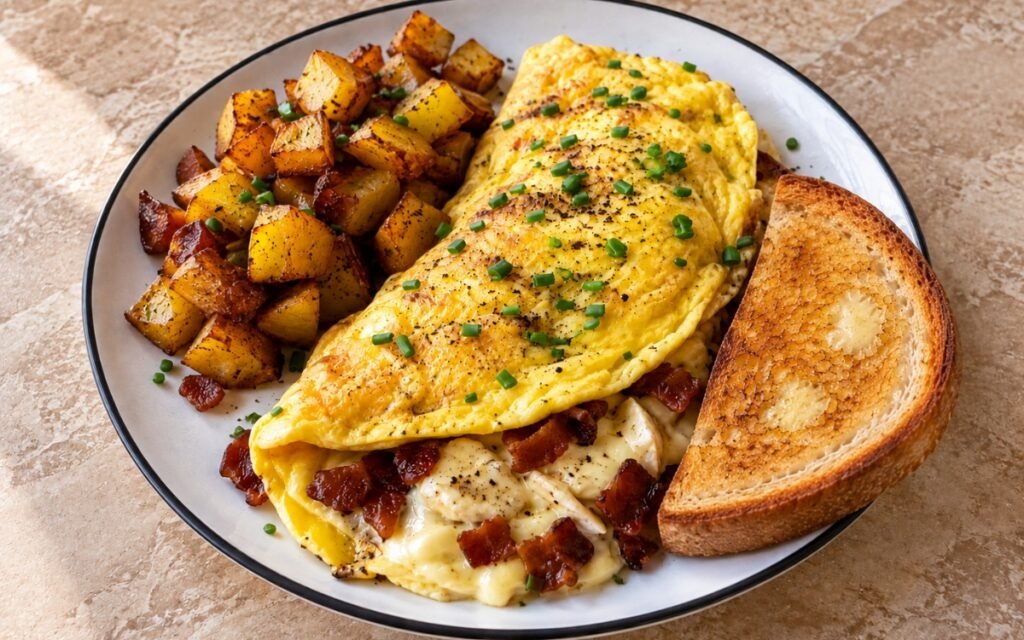
Brie and Bacon Omelette
A soft folded omelette filled with creamy melted Brie and crispy bacon, served with golden breakfast potatoes and buttered toast.
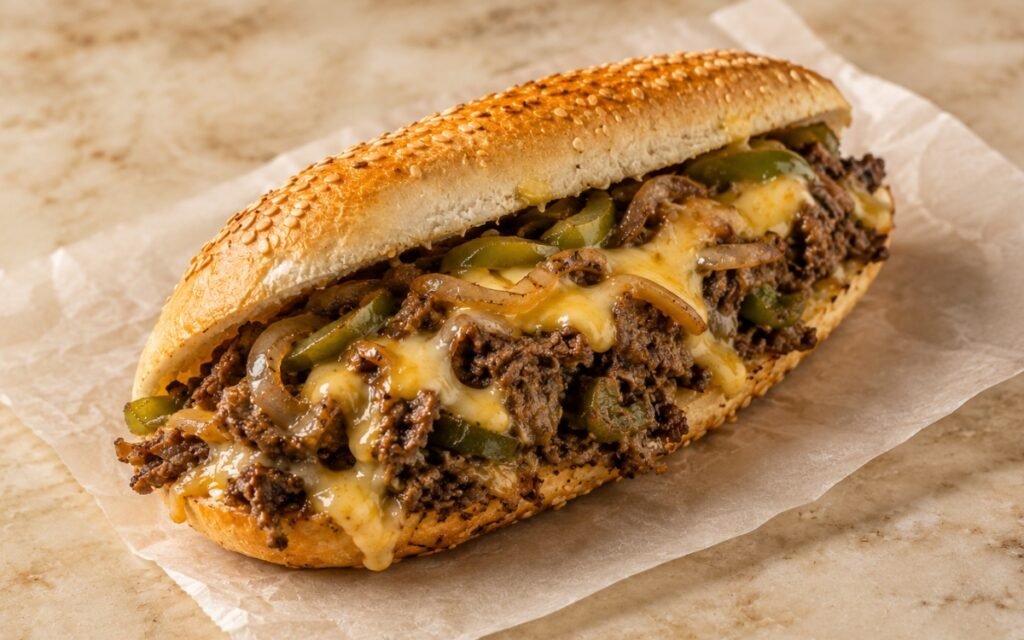
Philly Cheesesteak Sandwich
Seared beef, caramelized onions, peppers, and molten cheese piled into a soft, warm hoagie roll.
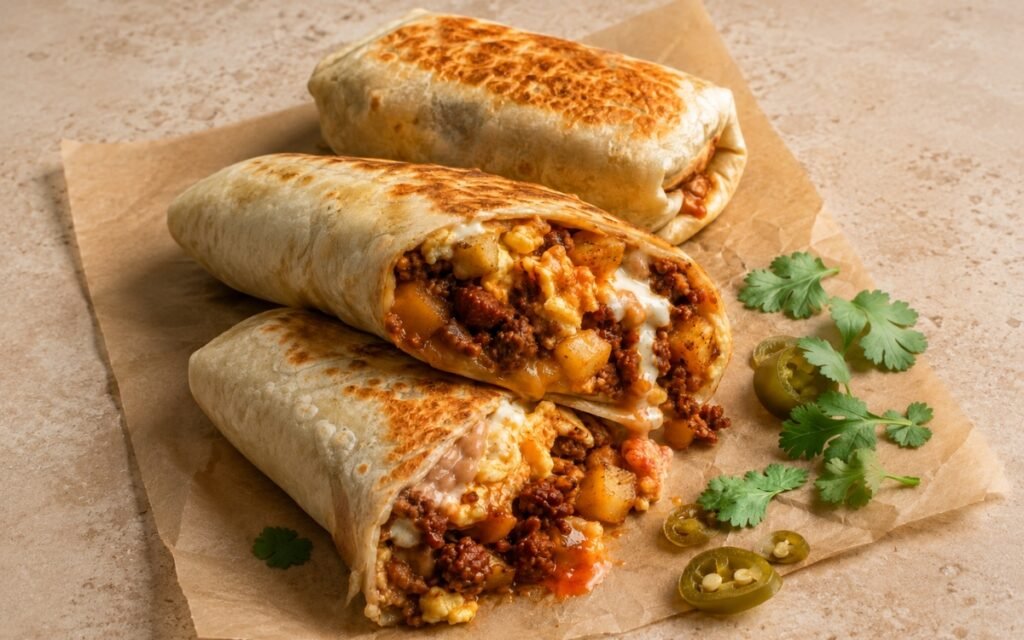
Chorizo Breakfast Burritos
Spicy Mexican chorizo, soft scrambled eggs, crispy potatoes, refried beans, melted cheese, and fresh toppings rolled in warm tortillas.
You might also like
You might also like
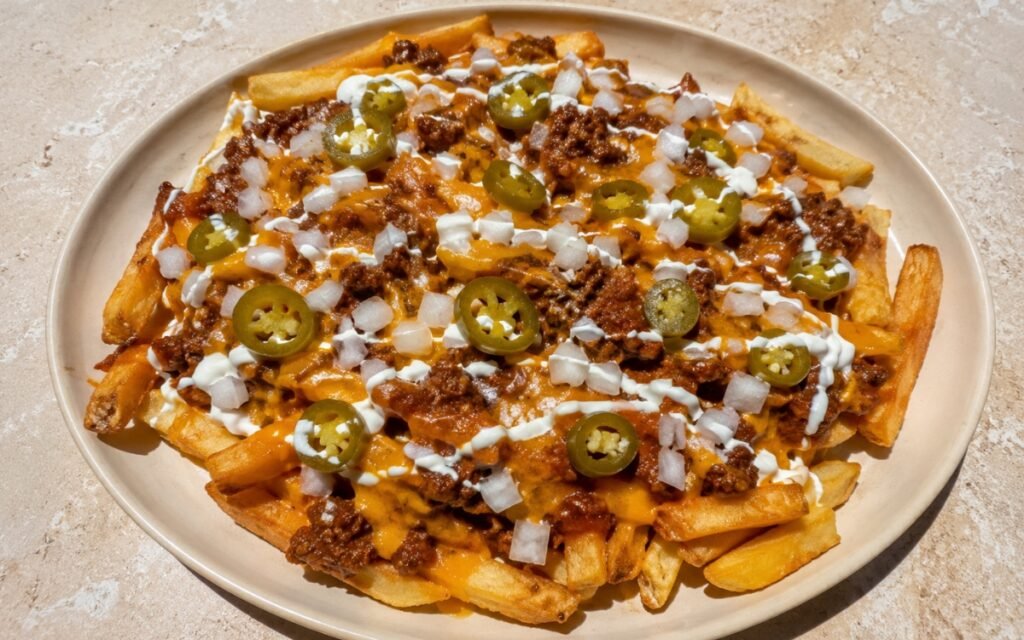
Loaded Chili Cheese Fries
Double-fried thick-cut potatoes topped with rich, reduced beef chili, melted Mexican cheese, diced onion, pickled jalapeños, and sour cream.
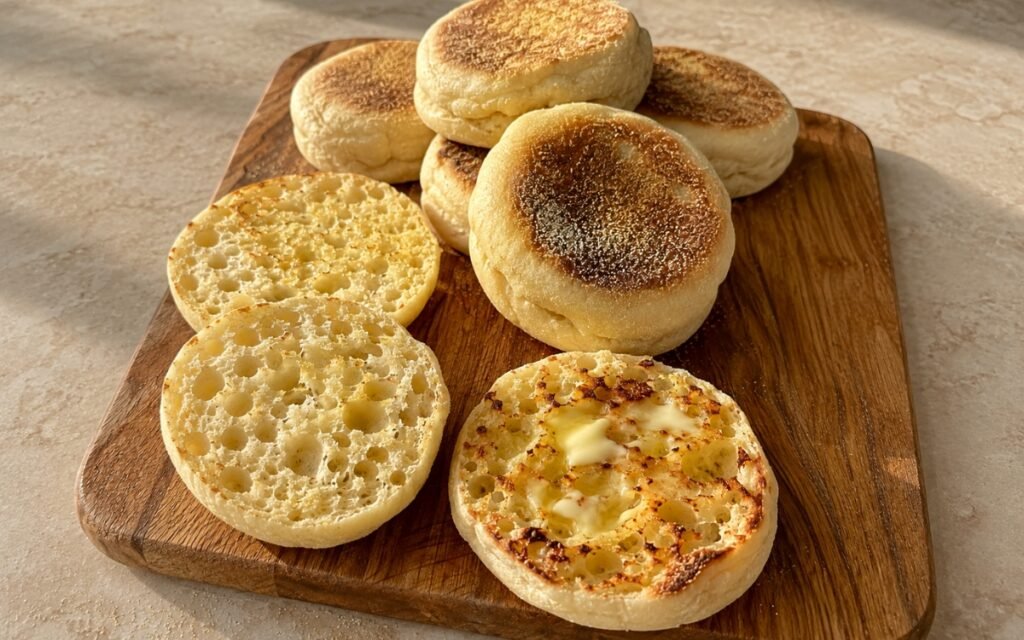
Homemade English Muffins
Golden griddled English muffins with crisp cornmeal-dusted surfaces and soft interiors full of airy nooks and crannies.
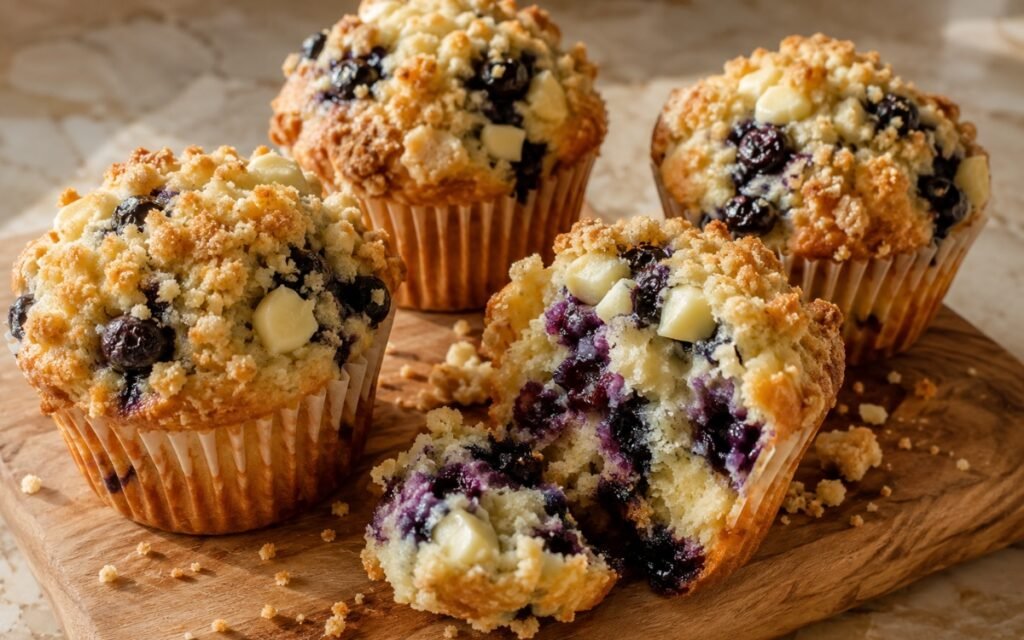
White Chocolate Blueberry Muffins
Tender, bakery-style crumb packed with juicy blueberries, creamy white chocolate, and a buttery, golden crunch on top.
Bacon Egg and Cheese Bagels
Ingredients
Method
- Place the 4 bacon slices in a large skillet or pan while it is still cold — do not preheat. Starting in a cold pan is the specific technique that produces consistently, evenly crisped bacon. In a preheated pan, bacon’s exterior proteins seize and contract on contact with the high heat before the fat beneath has begun to render — producing uneven cooking, curling, and bacon that crisps on the outside while the fatty parts remain soft. Starting cold allows the fat to render progressively and evenly as the pan temperature rises, basting the meat in its own fat throughout the cooking process and producing a more uniformly golden, more evenly crisped strip from edge to edge. Set the burner to medium heat after placing the bacon. Cook, turning once, until golden and crispy at your preferred level of doneness — typically 6–8 minutes total. Transfer to a paper towel-lined plate to drain excess fat. Leave the pan on the heat and do not clean it — the rendered bacon fat remaining in the pan is the cooking fat for the eggs, providing the background pork-fat flavour that makes diner-style scrambled eggs specifically more satisfying than eggs cooked in plain butter or oil.
- While the bacon cooks, slice each bagel horizontally in half. For the best result — a golden, butter-rich crust with extra depth — toast the bagel cut-side down in a separate pan with a small amount of butter over medium heat for 2–3 minutes until golden. The butter toasting produces a richer, more flavourful result than a toaster or air fryer’s dry heat, and the cut-side-down placement creates a thin, butter-crisped surface that holds up under the egg and bacon’s moisture. Set the toasted bottom halves on plates ready for assembly.
- Wipe most of the bacon fat from the pan with a folded paper towel, leaving a thin, even coating — enough fat for flavour and to prevent sticking, not enough to fry the eggs in deep fat. Crack the 4 eggs into a small bowl. Season with a pinch of salt and a crack of black pepper and whisk until the yolks and whites are completely combined and the mixture is uniform. Pour the beaten eggs into the fat-coated pan over medium-low heat. Using a silicone spatula, begin gently scrambling with large, slow folding strokes — pulling the set egg from the edges toward the centre. Continue until the eggs are approximately 70% set — still visibly wet and glossy across most of the surface, with soft, large curds forming. At this point, stop scrambling. Divide the partially cooked egg mass into two equal portions using the spatula and shape each into a round or square mound approximately the diameter of your bagel — wide and flat enough to cover the entire bagel surface rather than piling in a concentrated mound. Allow each portion to sit completely undisturbed for 45–60 seconds. During this time the bottom surface of each egg portion sets and crisps very slightly against the pan — developing enough structural integrity to be lifted and placed on the bagel cleanly without falling apart — while the top and interior remain moist, soft, and barely set. This is the distinction between a properly constructed bagel egg and a simply scrambled egg: the seared-bottom structure means the egg sits on the sandwich and holds its form; the soft interior means every bite is yielding and moist rather than dry.
- On the toasted bottom half of each bagel, lay 2 slices of crispy bacon. Place 1 slice of American or cheddar cheese directly on top of the hot bacon — the bacon’s residual heat immediately begins softening the cheese. Using a spatula, carefully lift one of the shaped egg portions from the pan and place it directly on top of the cheese slice, covering the bagel’s full diameter. The egg’s residual heat, combined with the hot bacon beneath, will continue softening and partially melting the cheese through the egg layer — pressing down gently on the egg for 10 seconds after placement accelerates this transfer.
- Spread the 30g of cream cheese per bagel across the cut surface of the top half — generously enough to coat the entire surface in a visible, substantial layer. The cream cheese on the top half performs two functions: it provides the cooling, creamy dairy richness that balances the hot, savoury egg and bacon, and it adheres to the egg’s moist surface when the top is pressed down, essentially gluing the sandwich together. Drizzle sriracha in a loose pattern across the cream cheese — its heat and garlic-forward character cuts through the cream cheese’s richness and adds the background warmth that prevents the sandwich from tasting only rich and savoury. Scatter chopped chives over the egg on the bottom half. Press the cream-cheese-coated top half down onto the assembled bottom half.
- Allow the assembled bagel to rest for 3–5 minutes before eating. This is not impatience management — it is a specific functional step. During the rest, the cheese between the bacon and egg finishes melting from the retained heat; the cream cheese on the top half softens slightly from the egg’s warmth and spreads more evenly when bitten through; and the flavours of all the components integrate rather than tasting as separate layers. A bagel eaten immediately after assembly tastes of its parts; a bagel rested for 4 minutes tastes of a sandwich. Slice in half diagonally if desired — the diagonal cut produces a clean cross-section showing all the layers. Eat immediately after resting.