
Creamy Parmesan Grits
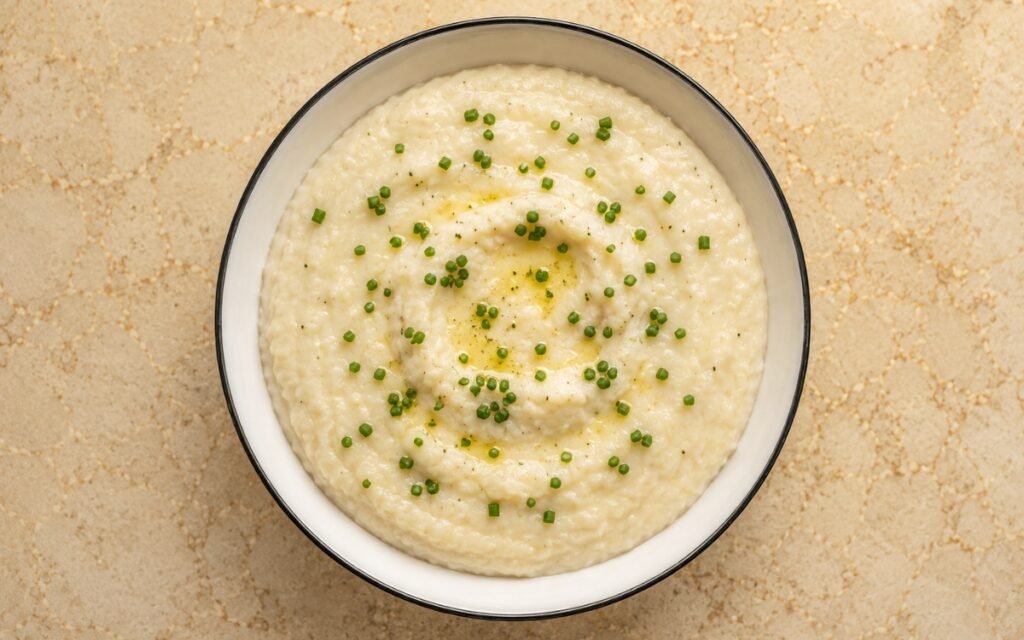
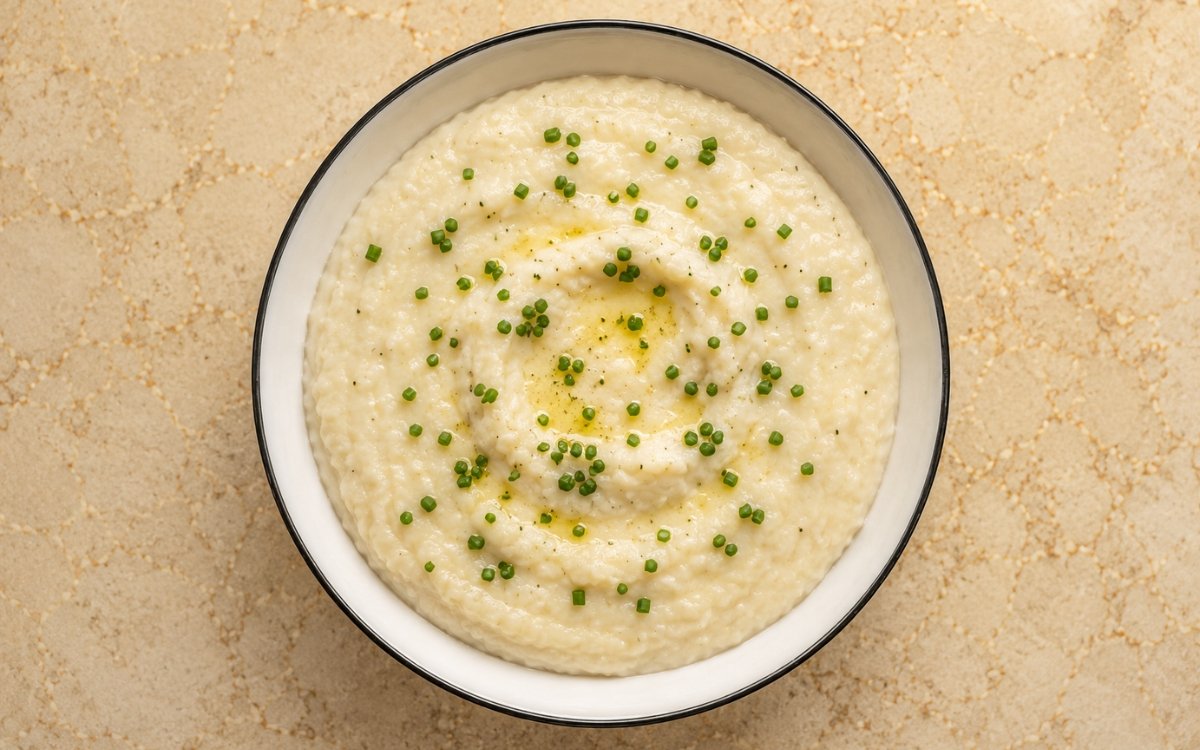
Creamy Parmesan Grits takes Southern-style creamy grits and elevates them with sharp Parmesan cheese and butter, creating a velvety, indulgent side dish that’s pure comfort in a bowl. These stone-ground grits cook slowly to creamy perfection, offering a subtle corn flavor that’s beautifully enhanced by savory cheese and rich dairy. Stone-ground grits carry a coarser, more irregular texture than instant or quick-cooking versions, which is precisely why this recipe leans on the same patient, low-and-slow simmering principle used for polenta elsewhere in this collection — that coarser grind needs genuine time at gentle heat to fully soften throughout, and there’s no reliable way to shortcut that process without sacrificing texture. Bringing the milk and water to a boil in a heavy-bottomed pan, with regular stirring and scraping, protects against scorching, since milk catches and burns considerably faster than water does, especially in a thinner pan without enough mass to distribute heat evenly. Whisking the grits in as a steady stream, rather than dumping them in all at once, prevents the same lumping problem that plagues any cornmeal-based dish added carelessly to hot liquid. Enriching with butter, Parmesan, and cream only once the grits are fully cooked and off the heat produces the final, glossy, emulsified texture this dish is specifically known for.
Prep Time : 5 min
Cook Time : 30 min
Servings : 4
5 min
30 min
4
Ingredients
For the Parmesan Grits
• 960ml whole milk
• 240ml water
• 5g sea salt
• 200g stone-ground grits
• 60g unsalted butter — this one on Amazon
• 90g Parmesan cheese, finely grated — this one on Amazon
• 60ml heavy cream — this one on Amazon
• 2g black pepper
• 1g garlic powder
• 15g fresh chives, chopped
This post may contain affiliate links. As an Amazon Associate I earn from qualifying purchases, at no additional cost to you.
Directions
- Bring Liquid to Boil
In a large heavy-bottomed saucepan (3–4L), combine the 960ml milk, 240ml water, and 5g salt. Bring to a boil over medium-high heat, stirring occasionally and scraping the bottom to prevent scorching — milk can catch quickly in thin pans, since it doesn’t have enough thermal mass in a lightweight pot to buffer against hot spots the way a heavier, thicker-bottomed pan does. Take the time to genuinely scrape corners and edges as you stir, not just the center of the pot, since those areas often heat slightly differently and are where scorching tends to start first. If you notice even the faintest hint of a scorched smell developing, it’s worth pausing to check the bottom of the pot immediately, since catching it early is far easier than working around a burnt undertone once it’s fully developed and mixed through the liquid. - Add Grits and Simmer
Once boiling, reduce heat to low and whisk in the 200g stone-ground grits in a steady stream to prevent lumps, keeping the whisk moving continuously as the grits go in rather than pausing partway through — this is genuinely a two-handed job in spirit even if you’re doing it alone, pouring with one hand and whisking without interruption with the other, since any gap in the whisking motion gives the cornmeal a moment to clump before you can fully disperse it. Reduce heat to very low, cover partially, and simmer 25–30 minutes, stirring every 5–7 minutes and scraping the bottom each time you check on it. Grits are done when tender and creamy with no hard bite; if still firm, cook 5–10 minutes longer and check again, since stone-ground grits vary somewhat in coarseness between brands and batches, and some genuinely need more time than others to fully soften. Resist the temptation to judge doneness purely by the clock — taste a small spoonful directly, since that’s the only truly reliable way to know the grind has fully hydrated all the way through. - Enrich with Dairy
Remove from heat and stir in the 60g butter, 90g Parmesan, and 60ml cream. Mix vigorously until butter and cheese fully melt and emulsify into a smooth, glossy texture, working the mixture with real energy rather than a gentle stir, since a half-hearted mix leaves streaks of unmelted fat and cheese rather than the fully unified, glossy result this dish depends on. Keep stirring past the point where it looks mostly combined, continuing until you can genuinely see the surface take on that characteristic sheen that signals the fat has fully emulsified into the starch rather than sitting separately on top. If it tightens too much, loosen with a small splash of warm milk and stir until creamy, since grits continue to thicken somewhat as they sit even after being removed from direct heat, and having a little extra warm milk on hand for this adjustment is worth planning for ahead of time. - Season and Serve
Season with the 2g black pepper and 1g garlic powder. Taste and adjust salt if needed, since the exact amount that comes through can vary depending on how much liquid the grits absorbed and how much the cheese contributed on its own. Garnish with the 15g chives and serve immediately while creamy, since grits firm up noticeably as they cool and are genuinely at their best in the first few minutes after finishing.
*Notes :
- Stone-ground grits’ coarser, more irregular texture compared to instant or quick versions is exactly why this recipe follows the same patient simmering philosophy used for polenta throughout this collection. That coarser grind holds up beautifully once fully cooked, offering more genuine corn character and texture than a finer, more processed grits product, but it does require real time and gentle heat to soften completely — there’s no way to compress that process without ending up with a gritty, undercooked result.
- Milk’s tendency to scorch in a thin pan is a genuine concern throughout the cooking process, not just at the initial boiling stage. A heavy-bottomed pot specifically helps distribute heat more evenly and reduces the risk of hot spots where milk proteins might catch and burn, which is why using the right pan matters here as much as the technique itself.
- Mixing vigorously when adding the butter, Parmesan, and cream at the end is what produces genuine emulsification rather than just melted fat sitting on top of the grits. A half-hearted stir leaves the dairy incompletely incorporated, producing a less cohesive, less glossy final texture than the dish is capable of.
Why This Recipe Works
This recipe works because the heavy-bottomed pan and regular stirring protect the milk from scorching throughout the cooking process. Whisking the grits in as a steady stream prevents the lumping that careless addition would cause.
The full 25–30 minute simmer, extended if needed, gives stone-ground grits genuine time to soften completely rather than staying gritty. And vigorous mixing when the butter, Parmesan, and cream go in produces the fully emulsified, glossy texture this dish is specifically known for.
Ingredient Breakdown
Stone-Ground Grits
The foundation — a coarser, more textured grind that needs sustained, patient simmering to fully soften.
Whole Milk and Water
The cooking liquid — requiring a heavy-bottomed pan and regular attention to avoid scorching.
Butter, Parmesan, and Heavy Cream
The enrichment — stirred in vigorously off heat for full emulsification.
Black Pepper and Garlic Powder
The finishing seasoning — layered in at the very end alongside the dairy.
Flavor Structure Explained
This Creamy Parmesan Grits follows a velvety foundational balance model:
- Genuine corn core (stone-ground grits)
- Smooth creamy structure (slow simmering)
- Rich finishing layer (butter and heavy cream)
- Savory cheese depth (Parmesan)
- Fresh mild lift (chives)
Stone-ground grits define the foundation with a subtle, authentic corn flavor that develops through patient cooking. The slow simmer is essential because it fully hydrates the grains, creating a soft, velvety texture rather than a coarse or watery one. Butter, Parmesan, and heavy cream form the finishing register, turning the cooked grits into a smooth, rich emulsion with real body and depth. Parmesan adds saltiness and umami, balancing the sweetness of the corn and the richness of the dairy. Chives finish with a mild oniony freshness that cuts gently through the indulgence. The result is a grits preparation built around comfort, creaminess, and balance, where corn flavor, dairy richness, and a clean herbal finish remain clearly defined.
Common Mistakes to Avoid
- Using a Thin Pan for the Milk – Increases the risk of scorching. Always use a heavy-bottomed saucepan.
- Adding the Grits Without Whisking Continuously – Causes clumping that’s difficult to fully smooth out. Always whisk in a steady stream.
- Rushing the Simmering Time – Leaves stone-ground grits gritty and undercooked. Always allow the full 25–30 minutes, extending as needed.
- Mixing the Dairy in Half-Heartedly – Leaves streaks of unmelted butter and cheese rather than a smooth emulsion. Always mix vigorously.
- Letting the Grits Sit Too Long Before Serving – They thicken considerably as they cool. Always serve promptly, loosening with warm milk if needed.
Variations
With Polenta
For a comparable Italian-style version of this same technique, see the Creamy Buttery Polenta.
With Mashed Potatoes
For an entirely different but comparably rich, comforting side, see the Classic Mashed Potatoes.
With Shrimp
Top the finished grits with sautéed shrimp for a classic shrimp and grits presentation.
With Sharp Cheddar
Substitute or add sharp cheddar alongside the Parmesan for a more assertively cheesy Southern direction.
Storage & Make-Ahead
Cooked grits can be refrigerated for up to 3 days. They will firm up considerably when cold, so reheat them gently with a splash of milk, stirring constantly, to restore their creamy consistency.
Leftover firm grits can be sliced and pan-fried once fully chilled and set, creating a crisp alternative preparation.
Frequently Asked Questions
Why does this recipe specifically call for stone-ground grits rather than instant or quick-cooking versions?
Stone-ground grits have a coarser, more irregular texture that offers genuinely more corn character and body than instant versions, which are processed to cook much faster at the expense of some of that texture. This recipe’s patient, slow simmering is specifically calibrated for stone-ground grits’ need for sustained time and heat to fully soften.
Why does the pan need to be heavy-bottomed for this recipe?
Milk scorches considerably more easily than water when it contacts hot metal, and a thin pan doesn’t have enough thermal mass to distribute heat evenly, creating hot spots where the milk can catch and burn. A heavy-bottomed pan spreads heat more evenly across the cooking surface, reducing that risk throughout the cooking process.
Why mix so vigorously when adding the butter, Parmesan, and cream at the end?
A gentle stir leaves streaks of unmelted butter and cheese sitting on top of the grits rather than being fully incorporated. Mixing with real energy allows the fat and cheese to properly emulsify into the hot grits, producing the smooth, glossy, cohesive texture that separates genuinely well-made creamy grits from a merely adequate version.
What should I serve alongside these grits?
These pair naturally with the Pan-Seared Cod or Garlic Herb Pork Tenderloin, and for other creamy, comforting side dish options, try the Classic Mashed Potatoes or Creamy Buttery Polenta.
Nutrition Facts
( per serving )
Calories
~400 kcal
Protein
15 g
Fat
24 g
Carbs
33 g
Calories
~400 kcal
Protein
15 g
Fat
24 g
Carbs
33 g
Related Recipes
Related Recipes

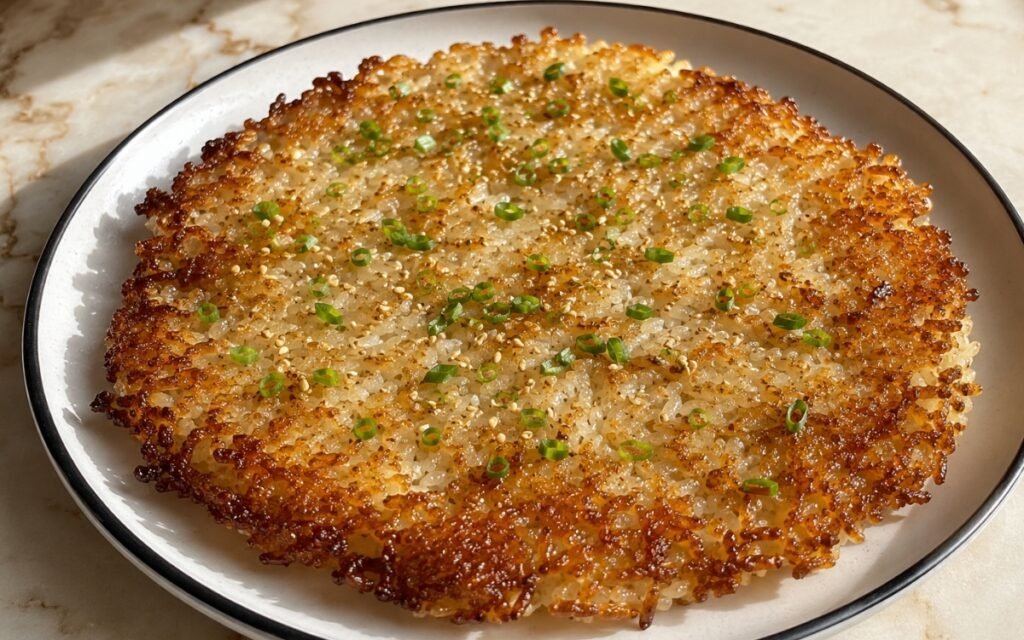
Asian Crispy Rice
Cooled rice seasoned with soy, vinegar, sesame oil, pressed into a cake, pan-fried undisturbed until golden. Crisp and savory.
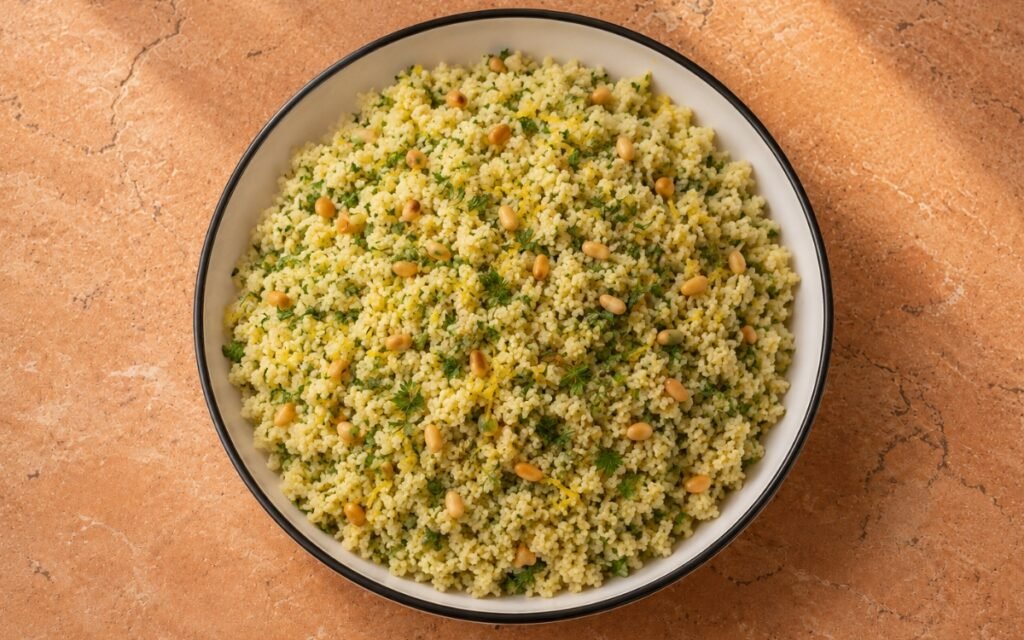
Lemon Herb Couscous
Couscous hydrated in genuinely boiling stock, stirred once, fluffed thoroughly, tossed with fresh lemon, parsley, mint, and dill. Light and bright.
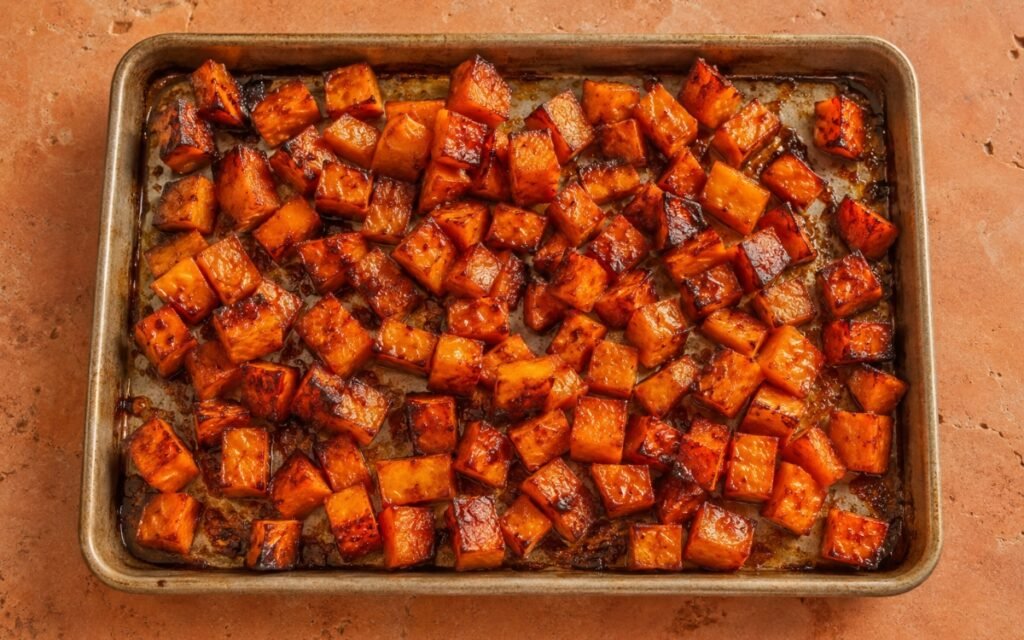
Honey Roasted Sweet Potatoes
Sweet potato cubes dried thoroughly, roasted and stirred halfway, glazed with honey only in the final stage. Sweet and caramelized.
You might also like
You might also like
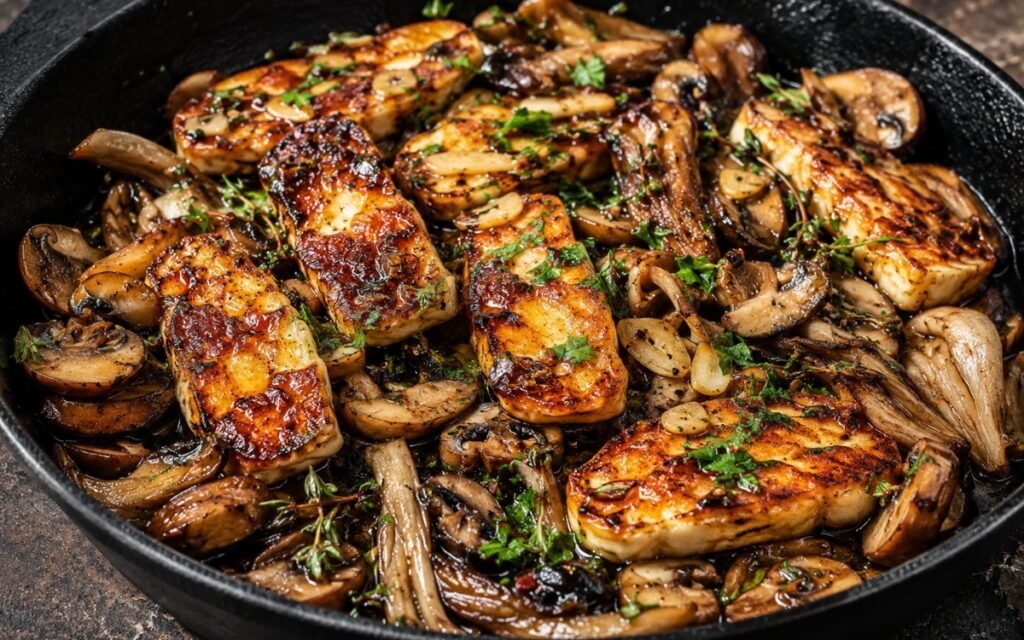
Garlic Mushroom & Halloumi Skillet
Mushrooms seared uncrowded until caramelized, halloumi cooked separately until crisp, combined in garlic balsamic pan sauce. Savory and satisfying.
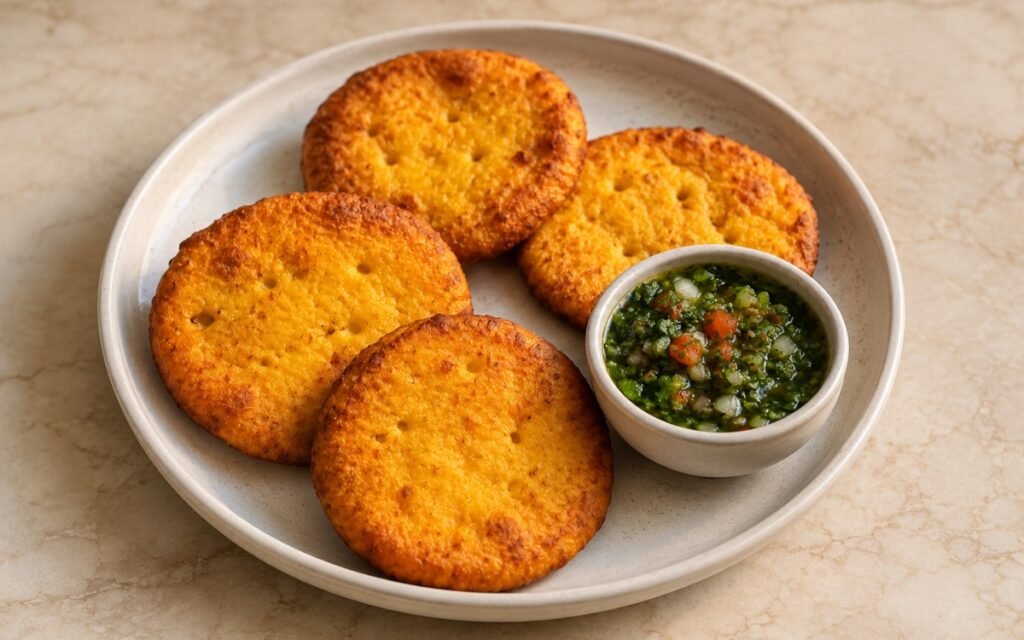
Chilean Sopaipillas with Pebre
Pumpkin-based dough rolled, pricked, and fried until golden-brown and crisp-edged, served with a fresh, chopped pebre of tomato, onion, and cilantro.
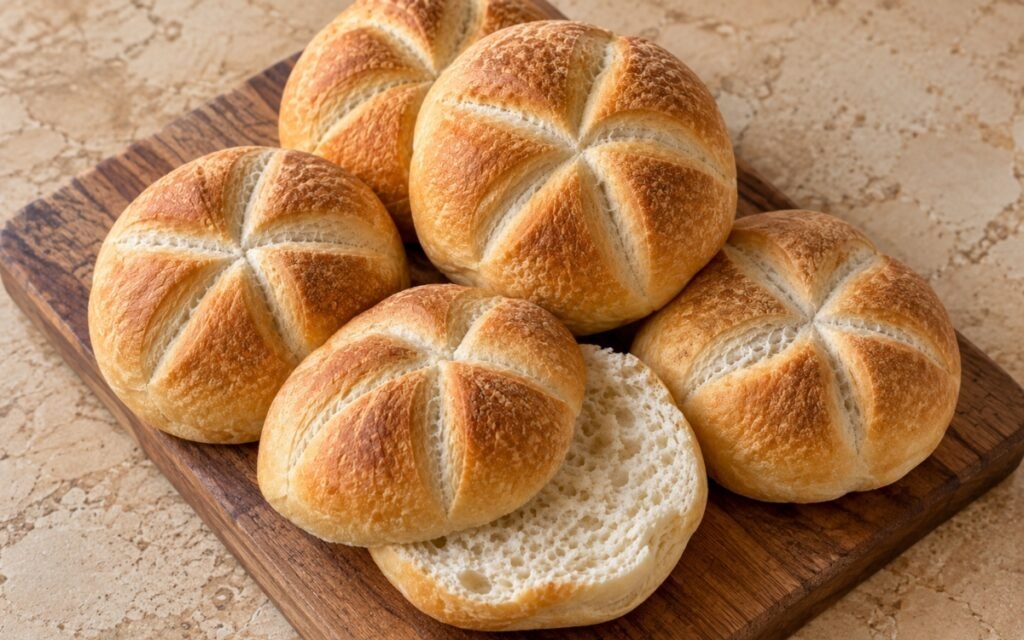
Homemade Kaiser Rolls
Classic homemade Kaiser rolls with a clearly defined five-point star top, a thin tender crust, and a soft airy sandwich crumb.
Creamy Parmesan Grits
Ingredients
Method
- In a large heavy-bottomed saucepan (3–4L), combine the 960ml milk, 240ml water, and 5g salt. Bring to a boil over medium-high heat, stirring occasionally and scraping the bottom to prevent scorching — milk can catch quickly in thin pans, since it doesn’t have enough thermal mass in a lightweight pot to buffer against hot spots the way a heavier, thicker-bottomed pan does. Take the time to genuinely scrape corners and edges as you stir, not just the center of the pot, since those areas often heat slightly differently and are where scorching tends to start first. If you notice even the faintest hint of a scorched smell developing, it’s worth pausing to check the bottom of the pot immediately, since catching it early is far easier than working around a burnt undertone once it’s fully developed and mixed through the liquid.
- Once boiling, reduce heat to low and whisk in the 200g stone-ground grits in a steady stream to prevent lumps, keeping the whisk moving continuously as the grits go in rather than pausing partway through — this is genuinely a two-handed job in spirit even if you’re doing it alone, pouring with one hand and whisking without interruption with the other, since any gap in the whisking motion gives the cornmeal a moment to clump before you can fully disperse it. Reduce heat to very low, cover partially, and simmer 25–30 minutes, stirring every 5–7 minutes and scraping the bottom each time you check on it. Grits are done when tender and creamy with no hard bite; if still firm, cook 5–10 minutes longer and check again, since stone-ground grits vary somewhat in coarseness between brands and batches, and some genuinely need more time than others to fully soften. Resist the temptation to judge doneness purely by the clock — taste a small spoonful directly, since that’s the only truly reliable way to know the grind has fully hydrated all the way through.
- Remove from heat and stir in the 60g butter, 90g Parmesan, and 60ml cream. Mix vigorously until butter and cheese fully melt and emulsify into a smooth, glossy texture, working the mixture with real energy rather than a gentle stir, since a half-hearted mix leaves streaks of unmelted fat and cheese rather than the fully unified, glossy result this dish depends on. Keep stirring past the point where it looks mostly combined, continuing until you can genuinely see the surface take on that characteristic sheen that signals the fat has fully emulsified into the starch rather than sitting separately on top. If it tightens too much, loosen with a small splash of warm milk and stir until creamy, since grits continue to thicken somewhat as they sit even after being removed from direct heat, and having a little extra warm milk on hand for this adjustment is worth planning for ahead of time.
- Season with the 2g black pepper and 1g garlic powder. Taste and adjust salt if needed, since the exact amount that comes through can vary depending on how much liquid the grits absorbed and how much the cheese contributed on its own. Garnish with the 15g chives and serve immediately while creamy, since grits firm up noticeably as they cool and are genuinely at their best in the first few minutes after finishing.