
Pan-Seared Cod Fillets
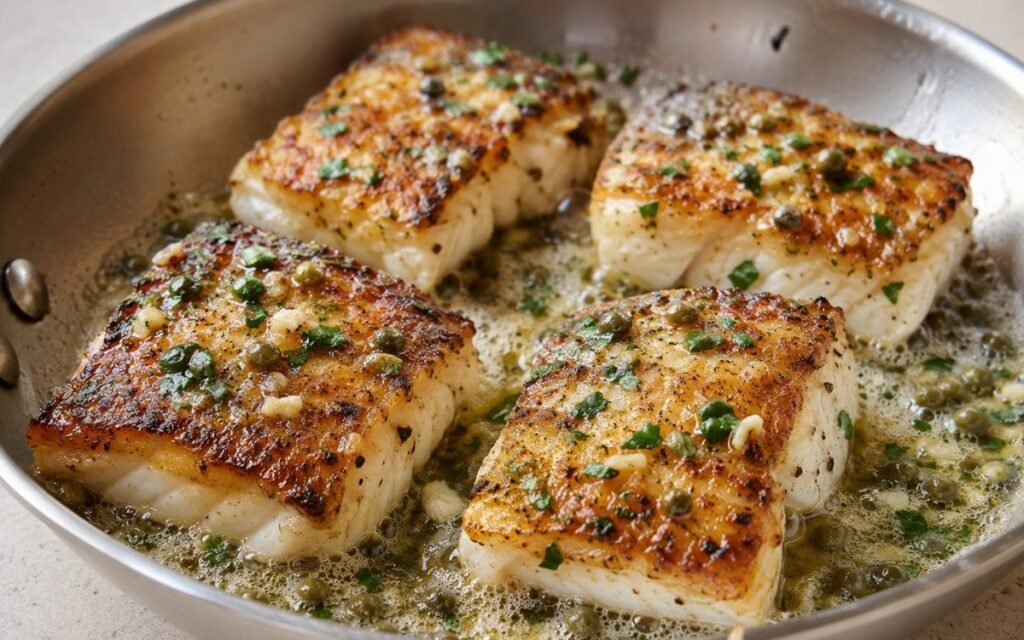
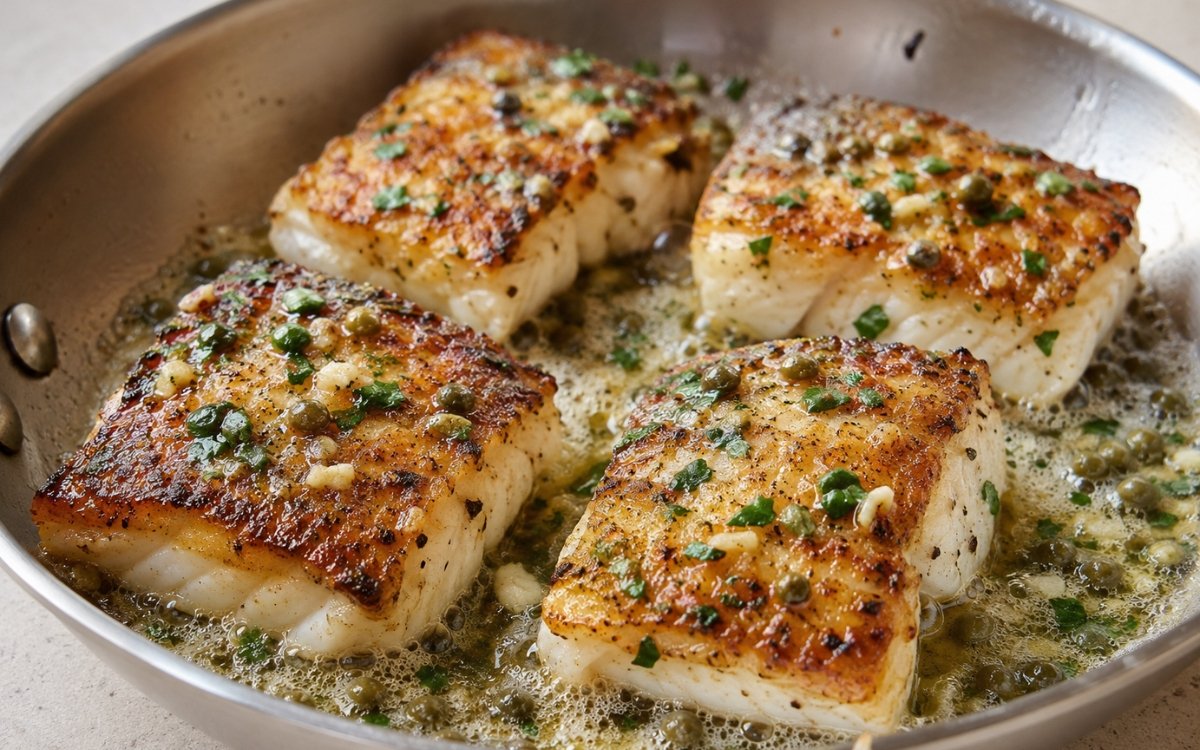
Pan-Seared Cod transforms delicate cod fillets seared to a golden crust and finished in a buttery, garlic-infused pan sauce with lemon, herbs, and capers. This dish is built on precise moisture control, gentle handling, and heat management — turning a fragile fish into something structured, crisp, and deeply flavorful without overcooking. Thorough drying before the fish ever meets the pan is the foundation everything else depends on, since moisture must evaporate before browning can begin, and any residual water on a fillet as delicate as cod steams the surface rather than allowing a genuine crust to form. The light flour coating provides a dry outer layer that promotes even browning, prevents sticking, and gently insulates the flesh beneath it — a small buffer that matters more for a fish this fragile than it would for a heartier cut. Searing completely undisturbed lets the crust form and release naturally, since forcing the fillet before it’s ready tears the delicate flesh apart. The transition to butter-basting after the flip finishes the fish gently, distributing heat more evenly than continued direct contact would, while a quick pan sauce built from the same butter captures lemon, garlic, parsley, and capers in a light, glossy finish. The result is cod that’s crisp, structured, and genuinely well-handled from start to finish.
Prep Time : 10 min
Cook Time : 10 min
Servings : 4
10 min
10 min
4
Ingredients
For the Cod
• 800g cod fillets (4 portions, about 200g each, 3cm thick)
• 10g fine sea salt — this one on Amazon
• 4g freshly ground white pepper
• 40g all-purpose flour
For the Pan Sauce
• 30ml olive oil — this one on Amazon
• 50g unsalted butter — this one on Amazon
• 4 garlic cloves, minced
• 30ml lemon juice
• 25g fresh parsley, chopped
• 15g capers, drained — this one on Amazon
This post may contain affiliate links. As an Amazon Associate I earn from qualifying purchases, at no additional cost to you.
Directions
- Dry and Prepare the Surface
Pat the cod fillets completely dry on all sides using paper towels. Repeat if necessary — any residual moisture will interfere with searing. Moisture must evaporate before browning can begin; otherwise the fish steams instead of forming a crust . Season evenly with salt and white pepper. - Apply a Light Flour Coating
Dust each fillet lightly with flour and shake off the excess. The coating should be thin and even — not clumpy. This step creates a dry outer layer that helps the fish brown evenly, prevents sticking, and forms a subtle crust while also insulating the delicate flesh underneath. - Heat the Pan Properly
Heat olive oil in a large pan over medium-high heat until it begins to shimmer. The oil should be hot enough that the fish sizzles immediately on contact. Proper preheating is critical — insufficient heat causes sticking and uneven cooking, especially with delicate fish. - Sear Without Movement
Place the cod presentation-side down and leave it completely undisturbed for about 4 minutes. Do not attempt to move or flip early. Fish releases naturally when a crust forms — forcing it will tear the fillet apart. This stage builds both texture and structure. - Flip and Transition to Butter
Carefully flip the cod using a thin spatula. Immediately add butter to the pan. Once it melts and begins to foam, add garlic and cook briefly until fragrant. This marks the transition from searing to finishing — from dry heat to fat-based cooking. - Baste to Finish Cooking
Tilt the pan slightly and spoon the foaming butter over the fish continuously for 2–3 minutes. This technique gently finishes cooking while maintaining moisture and adding flavor. Basting also distributes heat more evenly than direct contact alone, reducing the risk of overcooking one side. - Build the Pan Sauce
Remove the fish from the pan. Add lemon juice, parsley, and capers directly into the butter and swirl to combine. The residual heat emulsifies the sauce quickly, creating a light, glossy finish that coats the fish without overpowering it. - Serve Immediately
Spoon the sauce over the fish and serve immediately. Cod loses its optimal texture quickly — waiting even a few minutes allows steam to soften the crust and degrade structure.
*Notes :
- Thorough drying is even more consequential for cod than for a firmer fish like salmon, since cod’s high moisture content and delicate flake structure make it particularly prone to steaming rather than searing if any surface water remains. Repeating the pat-dry process, rather than assuming one pass is enough, is worth the extra time.
- The light flour coating specifically protects cod’s fragile texture during the sear. Without it, the fish’s high moisture content would make direct contact with the hot pan more likely to stick and tear; the thin flour layer creates a barrier that browns evenly while helping the fillet release cleanly once the crust has set.
- Serving immediately is not a suggestion for this dish — cod’s delicate structure and high moisture content mean the crisp crust softens noticeably within just a few minutes of resting, as residual steam from the fish’s own moisture works against the texture that searing just built.
- Heat control is everything. High heat is needed initially to form a crust, but once that crust forms, the cooking must become gentler. That’s why butter basting is used — it finishes the fish without exposing it to aggressive direct heat.
Why This Recipe Works
This recipe works because thorough drying makes genuine searing possible on a fish this delicate. The light flour coating protects the fragile flesh while supporting even browning. Undisturbed searing lets a real crust form and release naturally rather than tearing.
Butter basting finishes the fish gently and evenly. And the pan sauce, built directly in the same butter, captures bright, briny flavor in the same pan without any wasted steps.
Ingredient Breakdown
Cod Fillets, Thoroughly Dried
The foundation — a delicate, high-moisture fish that requires meticulous surface preparation to sear properly.
Salt
Enhances flavor and slightly firms the surface of the fish.
Light Flour Coating
The protective layer — supporting even browning while insulating the fragile flesh.
Undisturbed Sear, Then Butter Basting
The two-stage technique — dry heat for crust, fat-mediated heat for gentle finishing.
Olive Oil
Initial cooking fat that allows proper searing without burning.
Lemon, Garlic, Parsley, Capers Pan Sauce
The bright, briny finish — built directly in the same butter for efficiency and depth.
Flavor Structure Explained
This Pan-Seared Cod follows a delicate balance model:
- Mild fish core (cod)
- Light golden crust (pan sear)
- Rich finishing layer (butter and garlic)
- Bright acidic lift (lemon)
- Briny herbal finish (capers and parsley)
Cod defines the foundation with mild, delicate flesh that needs careful cooking to stay tender, flaky, and intact. The light golden crust provides gentle texture and savory depth without overwhelming the fish’s clean character. Butter and garlic add richness and aromatic warmth, giving the dish enough body while still keeping it refined. Lemon brings brightness, cutting through the butter and lifting the cod’s subtle flavor. Capers add a briny accent that contrasts with the fish’s softness, while parsley finishes with fresh herbal clarity. The result is a cod preparation built around restraint, where crispness, brightness, briny depth, and delicate flaky fish remain in careful balance.
Common Mistakes to Avoid
- Not Drying the Fillets Thoroughly – Prevents proper searing on this particularly moisture-prone fish. Always pat dry repeatedly.
- Applying Too Thick a Flour Coating – Produces a heavy, clumpy crust instead of a light one. Always dust lightly and shake off excess.
- Moving the Fish Before It Releases Naturally – Tears the delicate fillet apart. Always leave undisturbed until the crust has set.
- Skipping the Butter-Basting Stage – Risks overcooking one side while finishing the other. Always baste continuously after the flip.
- Letting the Dish Sit Before Serving – Softens the crust quickly given cod’s high moisture content. Always serve immediately.
Variations
Brown Butter Lemon Version
Cook the butter slightly longer until nutty before adding lemon for a deeper flavor profile.
With Salmon
For a related seared fish preparation using a firmer, skin-on cut, see the Grilled Salmon Fillets.
Baked Version
For an oven-based cod preparation using a similar lemon-butter flavor profile, see the Lemon Butter Baked Cod.
With White Wine
Add a small splash of white wine to the pan sauce alongside the lemon juice for extra brightness.
With Chili Flakes
Add a pinch of chili flakes to the butter during garlic cooking for gentle heat.
Storage & Make-Ahead
Cooked cod with sauce is best eaten immediately. Refrigerated leftovers will lose their crisp texture, but they will remain flavorful for up to 2 days.
Uncooked, floured fillets can be prepared up to 30 minutes in advance and refrigerated uncovered before searing.
Frequently Asked Questions
Why is drying the cod so much more critical here than for other fish?
Cod has a notably high moisture content and a delicate, flaky structure that makes it particularly prone to steaming rather than searing if any surface water remains. Thoroughly drying the fillets, repeating the process as needed, is what makes genuine browning possible on a fish this moisture-rich.
Why coat the cod lightly in flour before searing?
The flour creates a dry, protective outer layer that supports even browning while helping the fragile fillet release cleanly from the pan once a crust has formed. Without it, cod’s high moisture content makes direct pan contact more likely to cause sticking and tearing.
Why does this dish need to be served immediately rather than resting like a piece of meat?
Cod’s delicate structure and high internal moisture mean that residual steam works against the crisp crust almost immediately after cooking. Even a few minutes of resting is enough to noticeably soften the texture that careful searing and basting just built.
What should I serve alongside this cod?
Garlic Butter Roasted Potatoes pair naturally with the rich pan sauce, and a Fresh Dill Yogurt Sauce on the side adds a cool, herbaceous contrast. For related fish preparations, try the Grilled Salmon Fillets or Lemon Butter Baked Cod.
Nutrition Facts
( per serving )
Calories
~320 kcal
Protein
34 g
Fat
18 g
Carbs
6 g
Calories
~320 kcal
Protein
34 g
Fat
18 g
Carbs
6 g
Related Recipes
Related Recipes

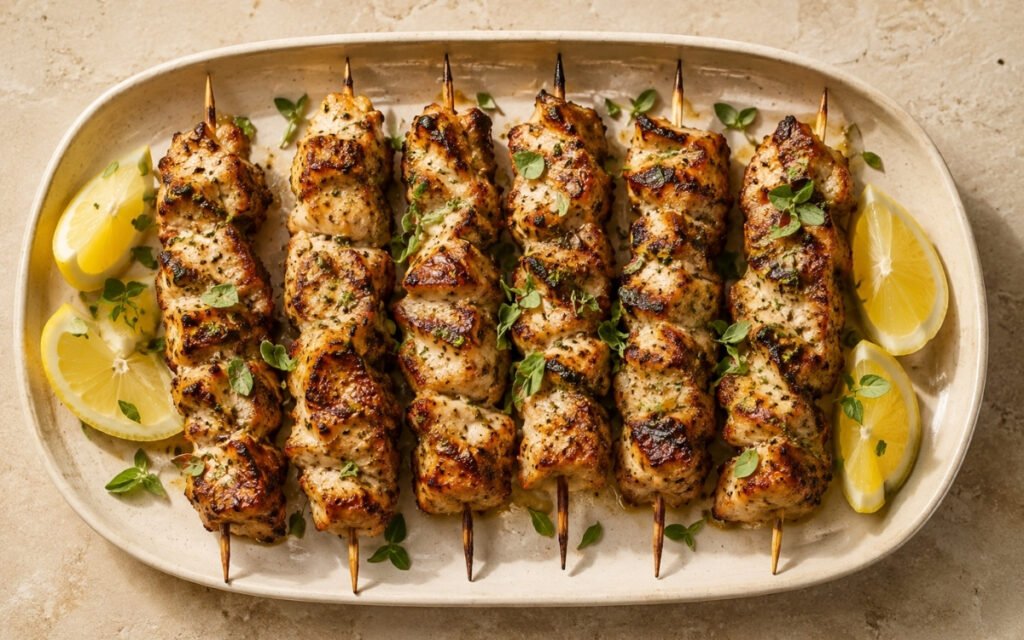
Greek Chicken Souvlaki
Yogurt-marinated chicken thighs with Za’atar, cumin, and fresh herbs — cooked hot for real char and served with pita and tzatziki or as a bowl protein.
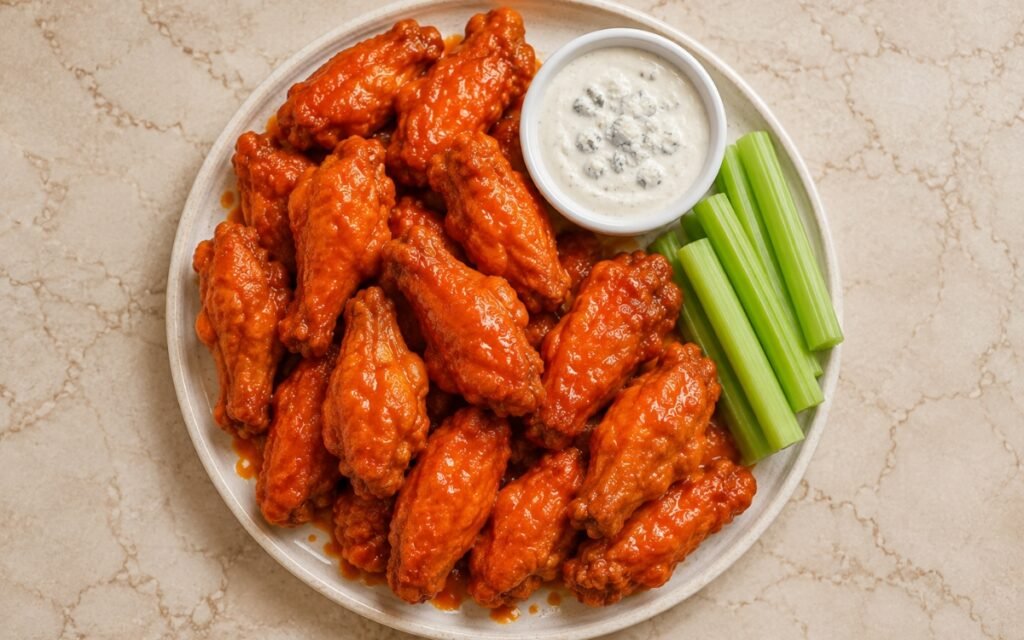
Hot Buffalo Wings
Double-fried chicken wings tossed hot in a glossy butter-and-hot-sauce Buffalo coating, served with blue cheese dressing and celery.
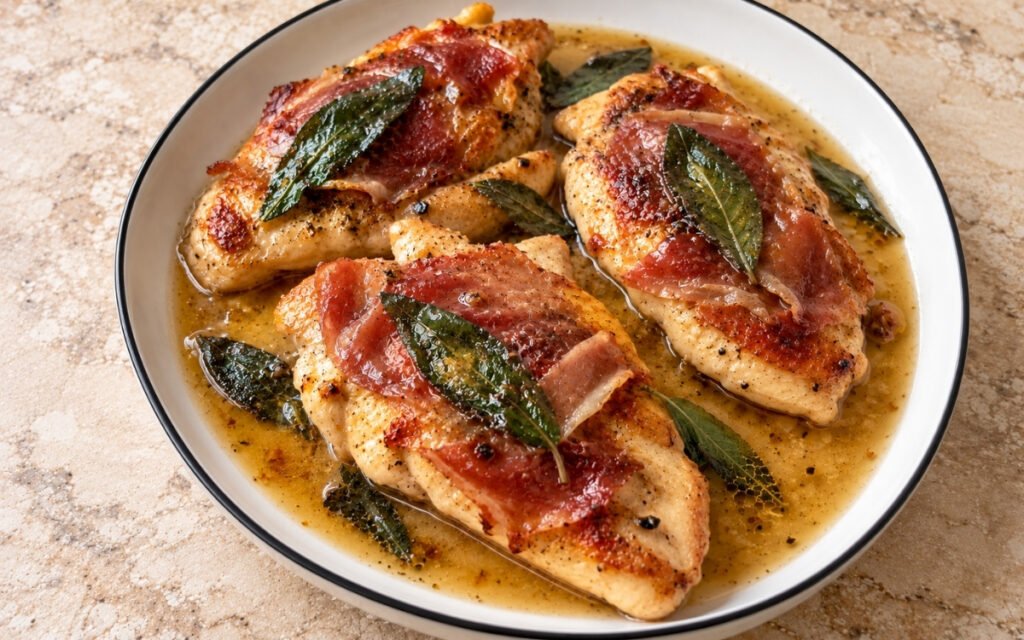
Chicken Saltimbocca
Thin seared chicken cutlets topped with prosciutto and sage, finished in a glossy buttery white wine pan sauce.
You might also like
You might also like
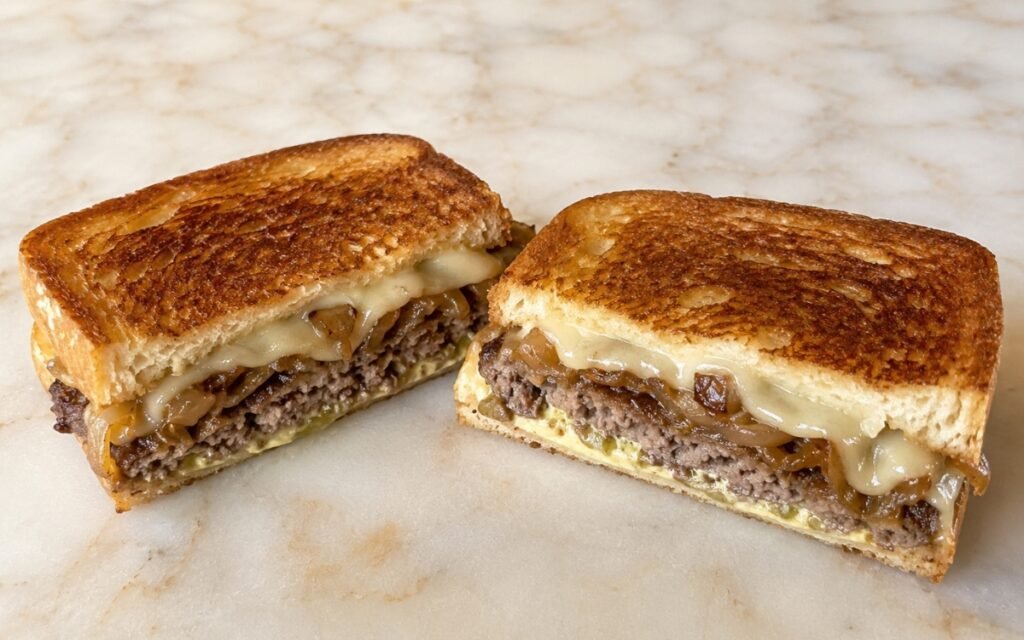
Patty Melt
A thin seared beef patty with slow-caramelized onions and melted Swiss cheese, griddled between brioche toast bread with a tangy pickle sauce.
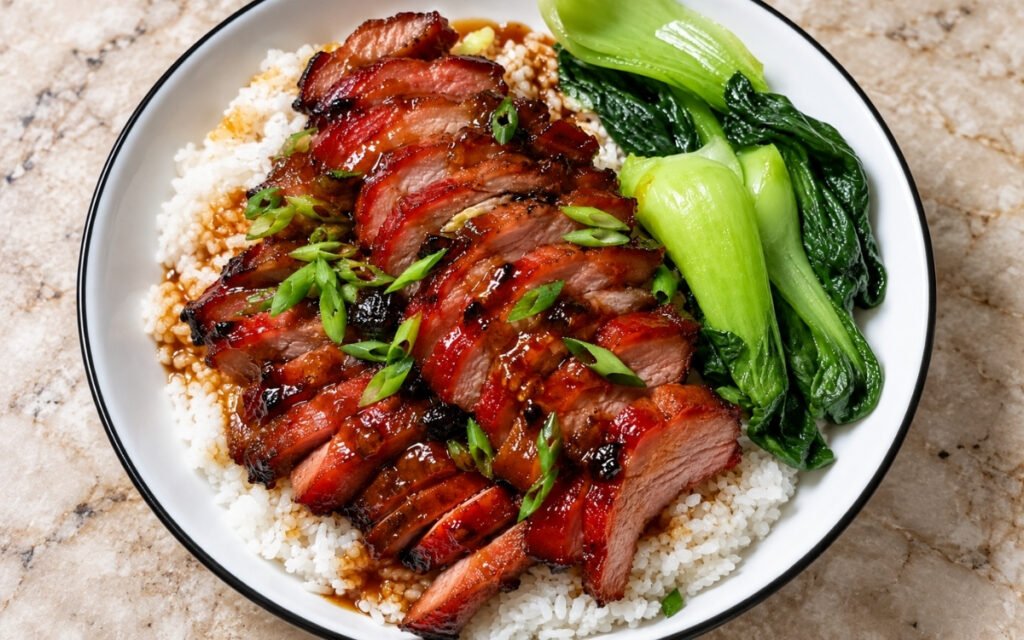
Char Siu — Chinese BBQ Pork over Rice
Glossy, caramelized Cantonese-style char siu pork sliced over jasmine rice with blanched bok choy and reduced glaze.
Thai Green Mango Salad with Peanuts & Chili
Crisp julienned unripe mango and carrot with dried shrimp, roasted peanuts, bird’s eye chili, and fresh herbs in a sour-salty-sweet dressing.

Pan-Seared Cod
Ingredients
Method
- Pat the cod fillets completely dry on all sides using paper towels. Repeat if necessary — any residual moisture will interfere with searing. Moisture must evaporate before browning can begin; otherwise the fish steams instead of forming a crust . Season evenly with salt and white pepper.
- Dust each fillet lightly with flour and shake off the excess. The coating should be thin and even — not clumpy. This step creates a dry outer layer that helps the fish brown evenly, prevents sticking, and forms a subtle crust while also insulating the delicate flesh underneath. .
- Heat olive oil in a large pan over medium-high heat until it begins to shimmer. The oil should be hot enough that the fish sizzles immediately on contact. Proper preheating is critical — insufficient heat causes sticking and uneven cooking, especially with delicate fish.
- Place the cod presentation-side down and leave it completely undisturbed for about 4 minutes. Do not attempt to move or flip early. Fish releases naturally when a crust forms — forcing it will tear the fillet apart. This stage builds both texture and structure.
- Carefully flip the cod using a thin spatula. Immediately add butter to the pan. Once it melts and begins to foam, add garlic and cook briefly until fragrant. This marks the transition from searing to finishing — from dry heat to fat-based cooking.
- Tilt the pan slightly and spoon the foaming butter over the fish continuously for 2–3 minutes. This technique gently finishes cooking while maintaining moisture and adding flavor. Basting also distributes heat more evenly than direct contact alone, reducing the risk of overcooking one side.
- Remove the fish from the pan. Add lemon juice, parsley, and capers directly into the butter and swirl to combine. The residual heat emulsifies the sauce quickly, creating a light, glossy finish that coats the fish without overpowering it.
- Spoon the sauce over the fish and serve immediately. Cod loses its optimal texture quickly — waiting even a few minutes allows steam to soften the crust and degrade structure.