
Greek Lemon Rice
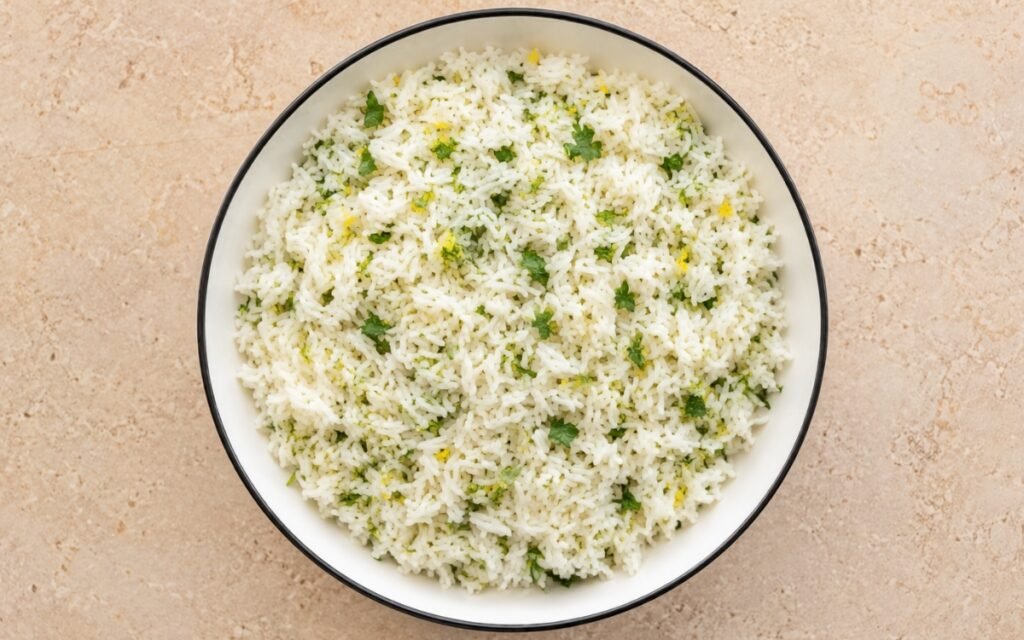
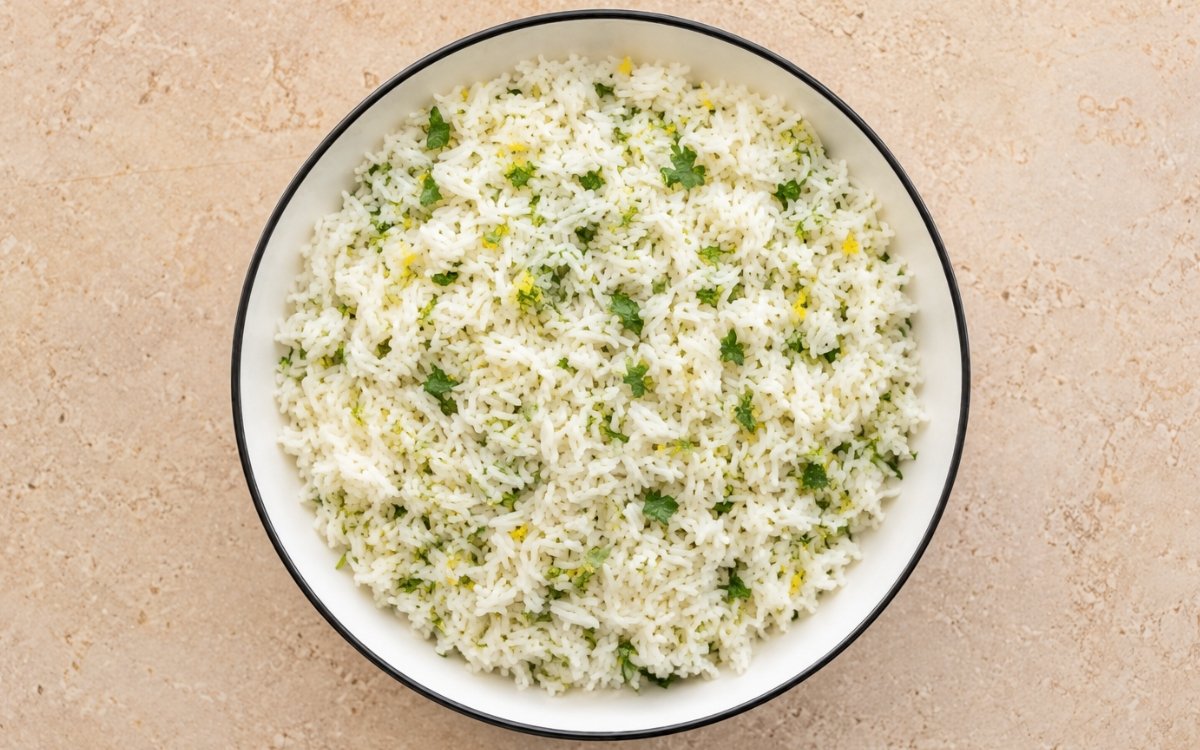
Greek Lemon Rice features fluffy grains infused with bright lemon juice, olive oil, and aromatic herbs for an authentic Mediterranean flavor. Cooked in a savory broth base, each bite delivers tangy citrus notes balanced with earthy herbs. This elegant yet simple side complements grilled fish, chicken, or lamb perfectly. Rinsing the rice until the water runs clear removes excess surface starch before cooking even begins, which is what keeps the finished grains distinct and fluffy rather than clumped together in a way that would prevent the herbs and lemon from distributing evenly. Garlic is sautéed only briefly, kept deliberately pale rather than browned, since bitterness from overcooked garlic would compete directly with and dominate the lemon’s bright character rather than supporting it. Cooking the rice covered and completely undisturbed for the full 15 minutes lets steam build and circulate evenly throughout the pot, cooking every grain at the same rate without the interruption that lifting the lid would cause. The finishing stage — a final drizzle of fresh olive oil along with dill, parsley, and lemon zest folded in only once the rice is off the heat — adds a distinctly fresh, bright layer on top of the deeper flavor already cooked into the grains themselves.
Prep Time : 5 min
Cook Time : 20 min
Servings : 4
5 min
20 min
4
Ingredients
For the Rice
• 300g long-grain white rice
• 450ml vegetable broth — this one on Amazon
• 60ml fresh lemon juice
• 30ml extra virgin olive oil — this one on Amazon
• 4g salt
• 2g black pepper
• 3 cloves garlic, minced
For the Finishing
• 15ml extra virgin olive oil
• 10g fresh dill, chopped
• 10g fresh parsley, chopped
• 5g lemon zest
This post may contain affiliate links. As an Amazon Associate I earn from qualifying purchases, at no additional cost to you.
Directions
- Rinse and Prepare
Rinse the 300g long-grain white rice under cold running water, agitating the grains gently with your hand as the water passes through, continuing until the water runs genuinely clear rather than just slightly less cloudy. Drain well in a fine-mesh strainer, shaking off any excess water before setting it aside. This reduces stickiness so herbs and lemon distribute cleanly — rice that still carries excess surface starch tends to cook into a slightly gluey mass where individual grains stick together, and that clumping directly interferes with how evenly the finishing herbs and lemon zest can coat the rice later on. - Sauté Aromatics
Warm the 30ml olive oil in a medium saucepan (2L) over medium heat, letting it come up to temperature gradually rather than rushing straight to a high heat. Add the minced garlic and sauté for 1 minute until fragrant but not browned, watching it closely throughout — browned garlic turns bitter and will dominate the lemon, and because this dish is built specifically around lemon’s brightness as its defining character, even a small amount of bitterness from overcooked garlic would compete with and dull that citrus note rather than supporting it in the background the way properly cooked garlic does. - Cook the Rice
Add the rinsed, drained rice to the pan and stir for 1 minute to coat every grain evenly in the warm, garlic-infused oil. Pour in the 450ml vegetable broth, 60ml lemon juice, 4g salt, and 2g black pepper; stir once to distribute everything evenly across the pot, then bring to a boil over high heat. Once boiling, reduce the heat to low and cover tightly with a well-fitting lid. Simmer for 15 minutes without opening the lid at any point during this window — rice cooked by absorption depends entirely on trapped, circulating steam to cook every grain at the same consistent rate, and lifting the lid even briefly releases that steam and interrupts the process, often leaving some grains undercooked while others have absorbed too much liquid unevenly by the time you finally check. - Finish and Fluff
Remove the pot from heat and let it stand, still covered, for 5 minutes. This brief rest allows any remaining trapped steam to finish softening the grains gently before you disturb them, and it’s a genuinely worthwhile step rather than one to skip in the interest of saving time. Fluff the rice with a fork, working gently to separate the grains without crushing them, then drizzle with the 15ml olive oil and fold in the 10g dill, 10g parsley, and 5g lemon zest. Adding these finishing ingredients only now, once the rice is fully cooked and off direct heat, is what keeps their flavor bright and distinct rather than letting them cook down and dull under sustained heat the way they would if introduced earlier in the process. Serve warm; if serving later, keep covered to prevent drying.
*Notes :
- Rinsing the rice until the water runs clear is a small but meaningful step, since excess surface starch causes grains to clump together during cooking. Clumped rice traps the finished herbs and lemon zest unevenly, whereas properly rinsed, distinct grains let those finishing ingredients coat the rice evenly throughout.
- Garlic’s brief, gentle sauté matters more in this recipe than it might in a heartier dish, since lemon’s brightness is the whole point here and even mild bitterness from slightly browned garlic would compete with and dull that citrus character rather than complementing it.
- Keeping the lid on and completely undisturbed for the full 15-minute simmer is essential to how rice cooks by absorption. Lifting the lid releases trapped steam and disrupts the even, gradual cooking process, often resulting in unevenly cooked grains — some still firm, others overcooked — by the time the liquid is fully absorbed.
Why This Recipe Works
This recipe works because rinsing removes excess starch that would otherwise cause clumping. The brief, gentle garlic sauté avoids any bitterness that would compete with the lemon.
Cooking covered and undisturbed for the full simmer time allows even, gradual absorption cooking throughout the pot.
And the fresh finishing layer — olive oil, dill, parsley, and lemon zest, added only once the rice is off the heat — provides a bright, distinct top note over the deeper flavor already built into the grains.
Ingredient Breakdown
Long-Grain White Rice, Rinsed Clear
The foundation — starch removal specifically for distinct, non-clumping grains.
Garlic, Sautéed Briefly and Kept Pale
The aromatic base — protected from bitterness that would compete with the lemon.
Lemon Juice Cooked Into the Rice
The deep citrus layer — infused throughout the grains during absorption cooking.
Fresh Dill, Parsley, and Lemon Zest, Folded In After Cooking
The bright finishing layer — distinct from the deeper, cooked-in lemon flavor.
Flavor Structure Explained
This Greek Lemon Rice follows a bright herbaceous balance model:
- Tender rice core (long-grain rice)
- Integrated citrus depth (cooked-in lemon juice)
- Savory aromatic base (vegetable broth and garlic)
- Fresh herbal lift (dill and parsley)
- Bright finishing note (lemon zest)
The rice defines the foundation with a tender, absorbent structure that carries flavor through every grain. Lemon juice cooked directly into the rice creates the main flavor register, giving the dish a deeper, more integrated citrus character rather than a surface-level brightness. Vegetable broth and gently sautéed garlic provide a subtle savory backbone, keeping the lemon grounded and balanced. Fresh dill and parsley add a clean herbaceous lift after cooking, bringing freshness and contrast to the warmer citrus base. Lemon zest sharpens the finish with a brighter aromatic note that sits above the cooked-in lemon. The result is a rice dish built around layered citrus, where savory depth, fresh herbs, and bright lemon remain clear, lively, and balanced.
Common Mistakes to Avoid
- Skipping the Rinse – Leaves excess starch that causes clumping. Always rinse until the water runs clear.
- Browning the Garlic – Introduces bitterness that competes with the lemon. Always sauté briefly and keep it pale.
- Lifting the Lid During Simmering – Releases steam and disrupts even absorption cooking. Always keep covered for the full 15 minutes.
- Adding the Fresh Herbs and Zest Before Cooking – Loses their bright, fresh character under sustained heat. Always fold them in only after the rice has finished cooking and resting.
- Skipping the 5-Minute Rest After Cooking – Rice benefits from a brief rest to finish steaming evenly before fluffing. Always let it stand covered before fluffing.
Variations
With Cilantro And Lime
For a related citrus-forward rice preparation using different aromatics, see the Cilantro Lime Jasmine Rice.
With Turmeric
For a warmer, more golden-hued rice direction, see the Garlic Turmeric Yellow Rice.
With Toasted Pine Nuts
Fold in lightly toasted pine nuts along with the herbs for added texture.
With Mint
Add a small amount of fresh mint alongside the dill and parsley for a brighter, more layered herbal finish.
Storage & Make-Ahead
Cooked rice can be refrigerated for up to 3 days. Reheat it gently with a splash of water or broth to restore moisture.
Fresh herbs and zest are best added just before serving rather than stored mixed into the rice, so they keep their brightness.
Frequently Asked Questions
Why does the rice need to be rinsed before cooking?
Rinsing removes excess surface starch that would otherwise cause the grains to clump together during cooking. Well-rinsed rice cooks into distinct, separate grains, which allows the finishing herbs and lemon zest to coat the rice evenly rather than clumping unevenly in certain spots.
Why is the garlic cooked so briefly and kept pale?
Lemon’s bright, tangy character is the defining feature of this dish, and even slightly browned garlic introduces a bitterness that would compete with and dull that citrus flavor. A brief, gentle sauté releases the garlic’s aroma without any risk of that bitterness developing.
Why can’t the lid be lifted during the simmering stage?
Rice cooked by absorption relies on trapped steam circulating evenly throughout the pot to cook every grain at the same rate. Lifting the lid releases that steam and disrupts the process, often leading to a pot of rice where some grains are undercooked and others have absorbed too much liquid unevenly.
What should I serve alongside this rice?
This rice pairs naturally with the Chipotle Grilled Chicken Legs or Crispy Honey Garlic Chicken, and for other flavored rice preparations, try the Cilantro Lime Jasmine Rice or Garlic Turmeric Yellow Rice.
Nutrition Facts
( per serving )
Calories
~260 kcal
Protein
4 g
Fat
9 g
Carbs
41 g
Calories
~260 kcal
Protein
4 g
Fat
9 g
Carbs
41 g
Related Recipes
Related Recipes

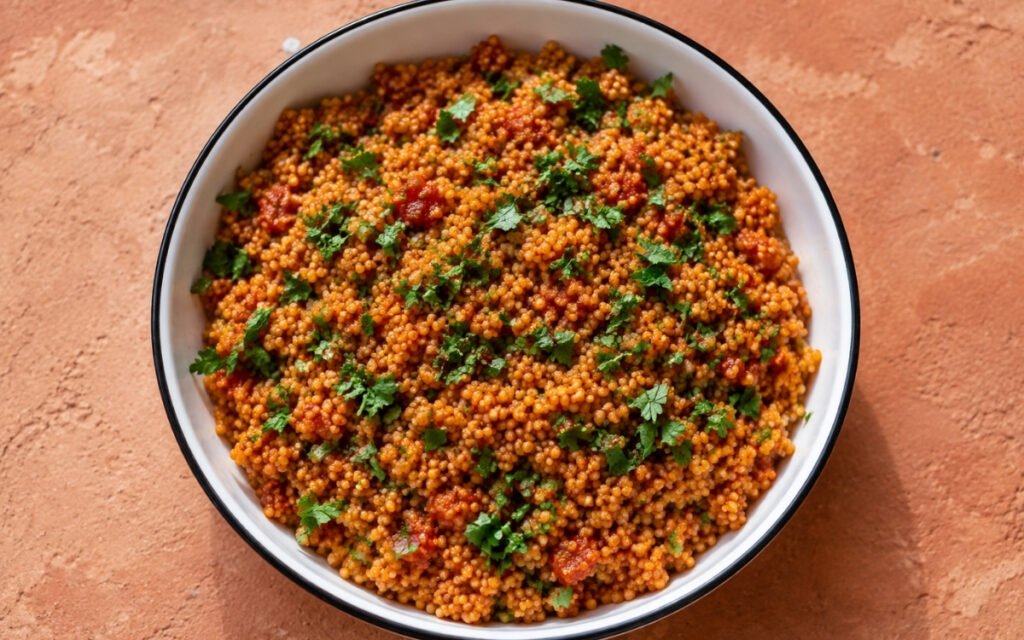
Moroccan-Style Tomato Couscous
Golden, fragrant couscous with bloomed Moroccan spices and tomato-garlic broth — a 15-minute side dish and versatile bowl base.
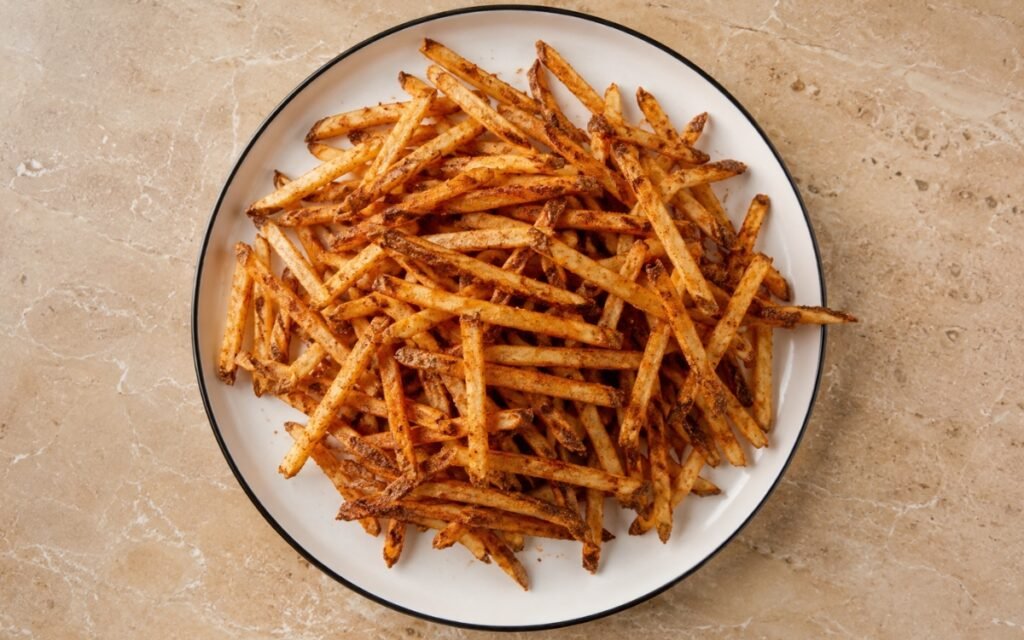
Thin & Crispy Baked Potato Fries
Potatoes cut uniformly, soaked to remove starch, dried thoroughly, lightly oiled, roasted uncrowded until golden. Crisp without deep frying.
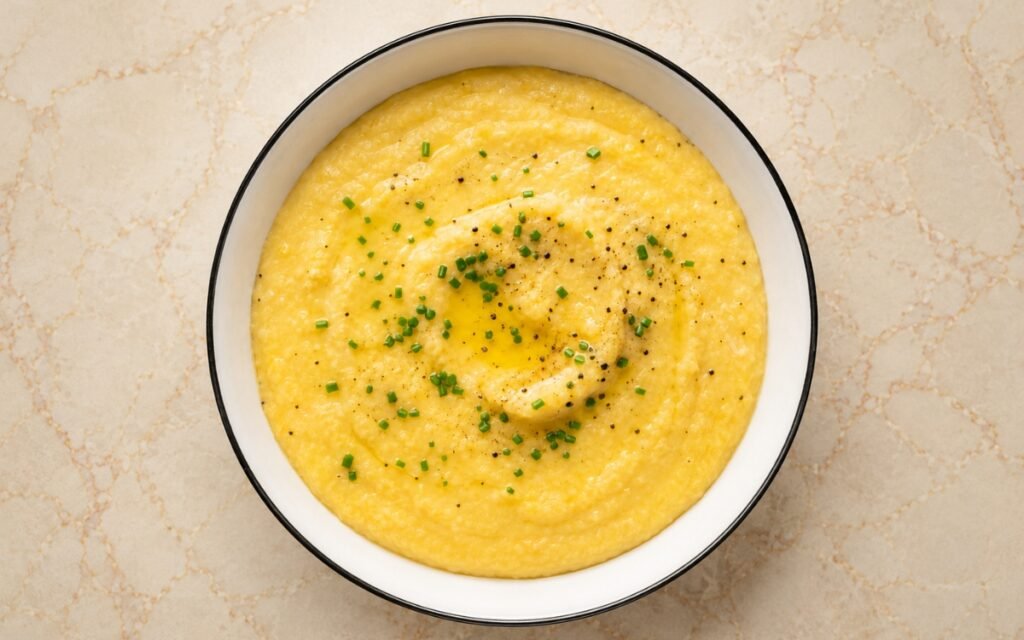
Creamy Buttery Polenta
Creamy, buttery polenta with Parmesan—a silky smooth Italian side dish that’s pure comfort.
You might also like
You might also like
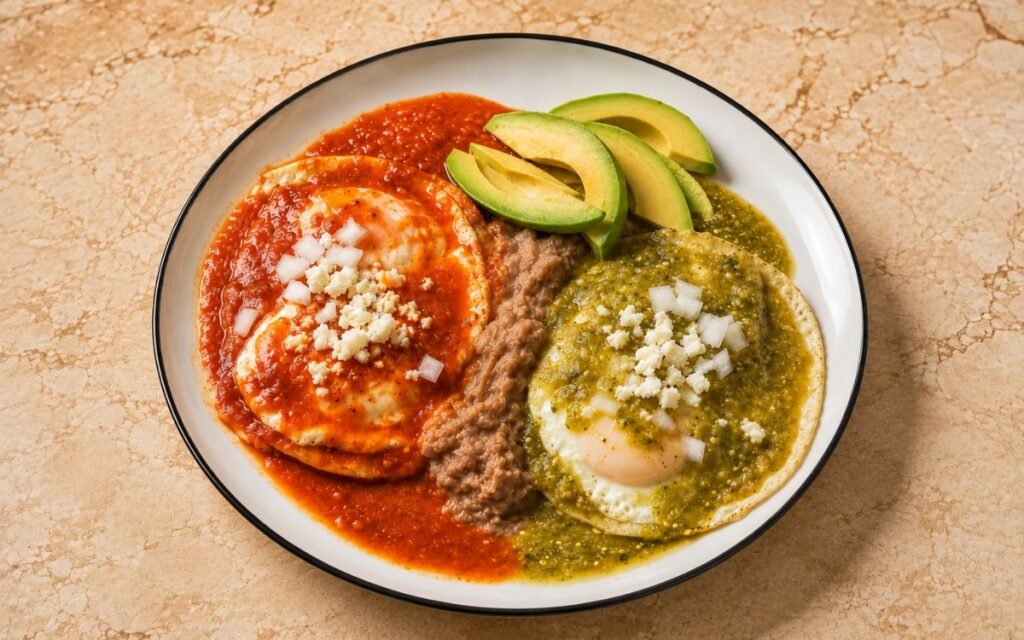
Huevos Divorciados
Two fried eggs on lightly fried tortillas, “divorced” by vivid salsa roja and salsa verde, with refried beans and fresh garnishes.
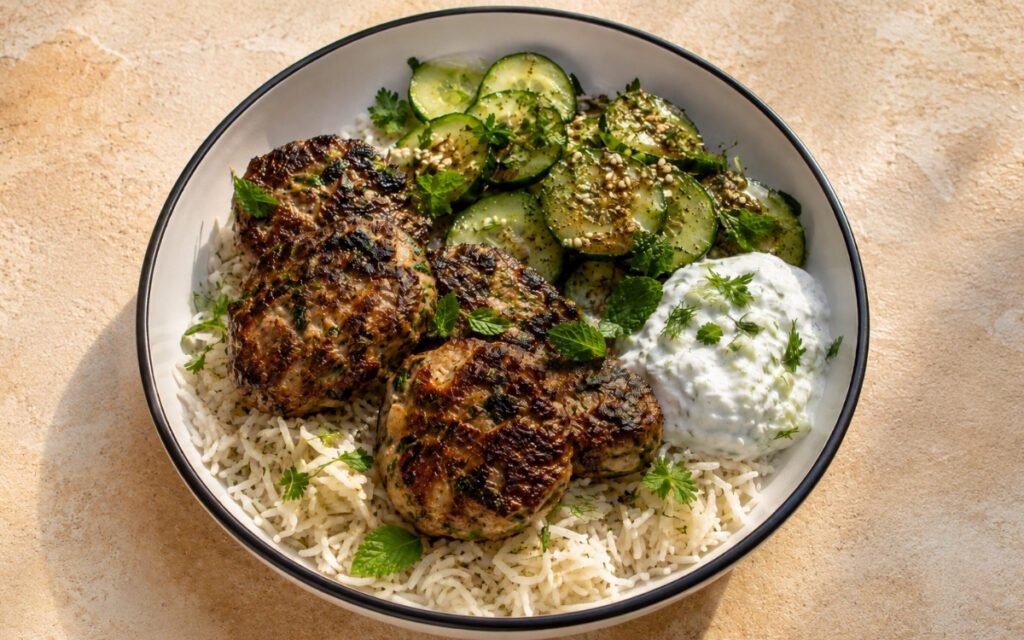
Herby Turkey Burgers with Za’atar Cucumber Salad
Juicy herb-seasoned turkey burgers with za’atar cucumber salad, creamy tzatziki, and buttery rice.
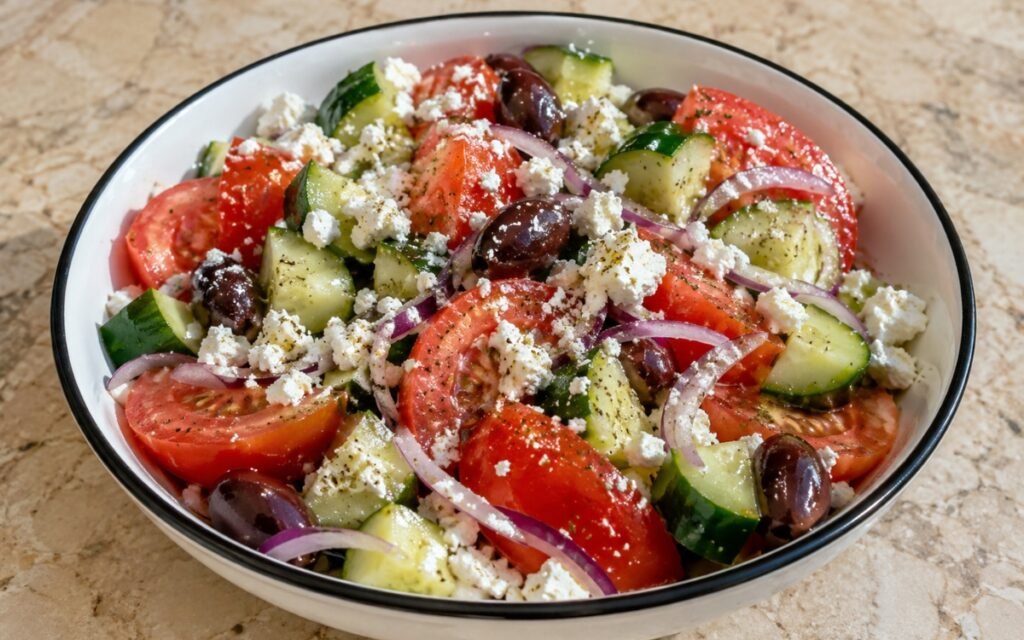
Authentic Greek Village Side Salad
Authentic Greek village salad with cucumbers, tomatoes, olives, and feta in lemon-oregano dressing.
Greek Lemon Rice
Ingredients
Method
- Rinse the 300g long-grain white rice under cold running water, agitating the grains gently with your hand as the water passes through, continuing until the water runs genuinely clear rather than just slightly less cloudy. Drain well in a fine-mesh strainer, shaking off any excess water before setting it aside. This reduces stickiness so herbs and lemon distribute cleanly — rice that still carries excess surface starch tends to cook into a slightly gluey mass where individual grains stick together, and that clumping directly interferes with how evenly the finishing herbs and lemon zest can coat the rice later on.
- Warm the 30ml olive oil in a medium saucepan (2L) over medium heat, letting it come up to temperature gradually rather than rushing straight to a high heat. Add the minced garlic and sauté for 1 minute until fragrant but not browned, watching it closely throughout — browned garlic turns bitter and will dominate the lemon, and because this dish is built specifically around lemon’s brightness as its defining character, even a small amount of bitterness from overcooked garlic would compete with and dull that citrus note rather than supporting it in the background the way properly cooked garlic does.
- Add the rinsed, drained rice to the pan and stir for 1 minute to coat every grain evenly in the warm, garlic-infused oil. Pour in the 450ml vegetable broth, 60ml lemon juice, 4g salt, and 2g black pepper; stir once to distribute everything evenly across the pot, then bring to a boil over high heat. Once boiling, reduce the heat to low and cover tightly with a well-fitting lid. Simmer for 15 minutes without opening the lid at any point during this window — rice cooked by absorption depends entirely on trapped, circulating steam to cook every grain at the same consistent rate, and lifting the lid even briefly releases that steam and interrupts the process, often leaving some grains undercooked while others have absorbed too much liquid unevenly by the time you finally check.
- Remove the pot from heat and let it stand, still covered, for 5 minutes. This brief rest allows any remaining trapped steam to finish softening the grains gently before you disturb them, and it’s a genuinely worthwhile step rather than one to skip in the interest of saving time. Fluff the rice with a fork, working gently to separate the grains without crushing them, then drizzle with the 15ml olive oil and fold in the 10g dill, 10g parsley, and 5g lemon zest. Adding these finishing ingredients only now, once the rice is fully cooked and off direct heat, is what keeps their flavor bright and distinct rather than letting them cook down and dull under sustained heat the way they would if introduced earlier in the process. Serve warm; if serving later, keep covered to prevent drying.