
Buttery Polenta
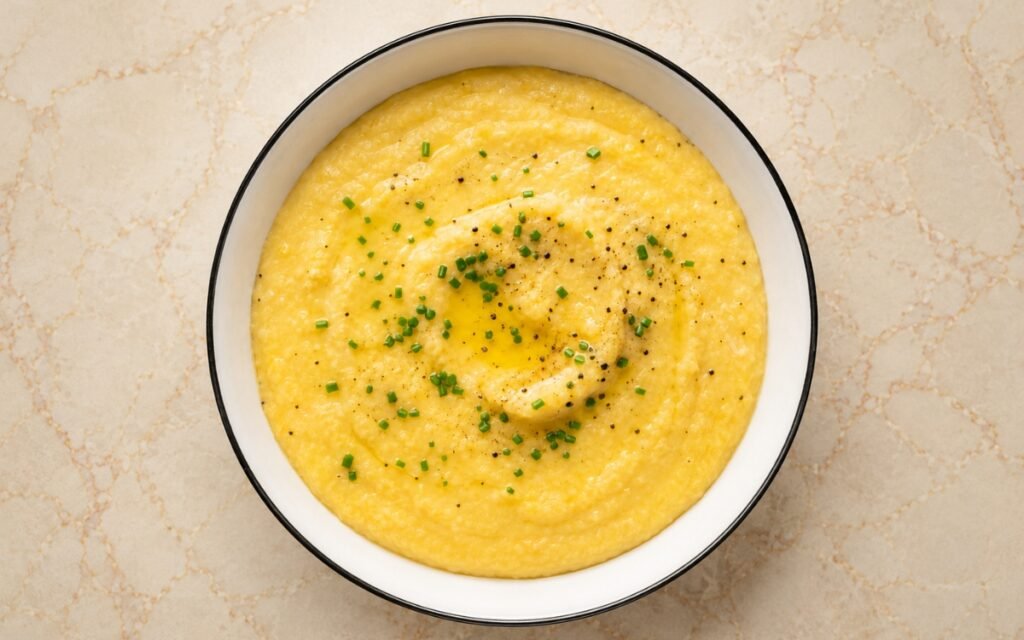
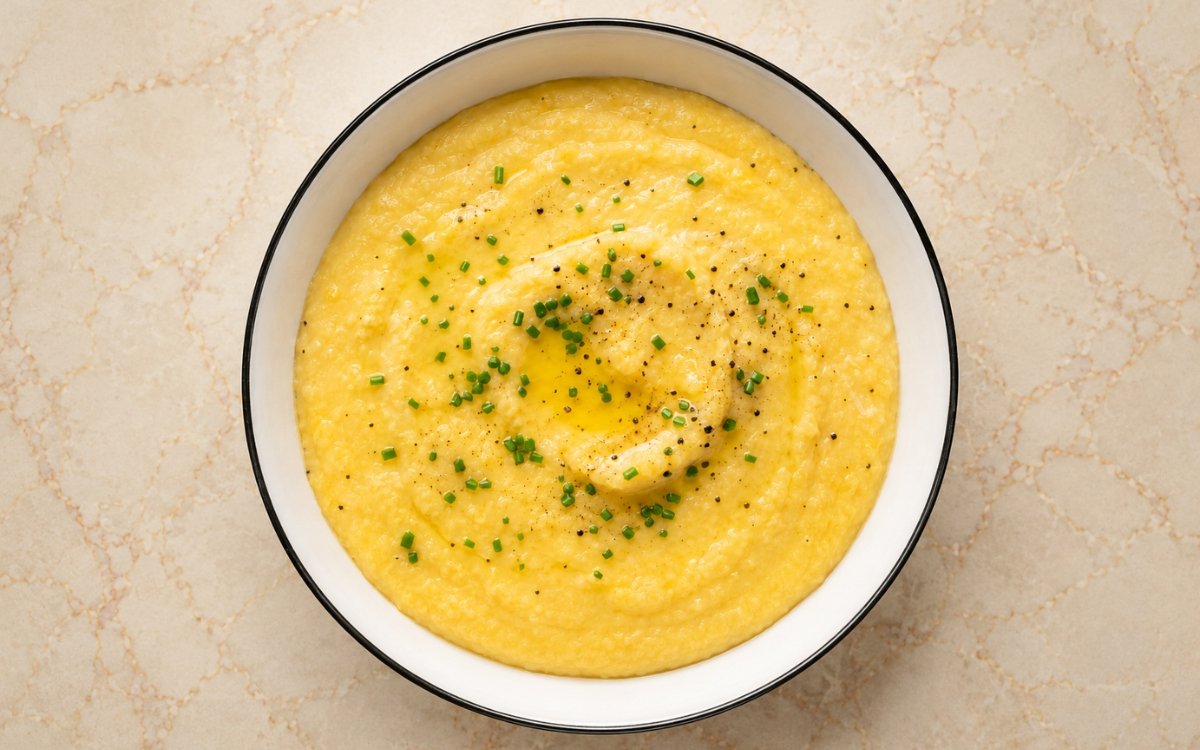
Buttery Polenta is creamy, smooth polenta enriched with butter and Parmesan, creating a luxurious Italian side dish with a silky texture. This comforting golden porridge offers subtle corn sweetness balanced by savory cheese, making it the perfect base for braised meats, sautéed vegetables, or simply enjoyed on its own. Bringing the milk and water to a gentle, steady boil first, and specifically stirring occasionally while it heats, matters more than it might seem — milk scorches against a hot pot bottom far more readily than plain water does, and that scorched flavor would carry through the entire finished dish once the polenta is added. Whisking continuously while the polenta streams into the hot liquid is the single most important technique for avoiding lumps, since dry cornmeal added too quickly or without constant agitation clumps together on contact rather than dispersing evenly. The long, slow simmer that follows, with regular stirring and scraping every five minutes, is what genuinely develops polenta’s characteristic silky, creamy texture — cornmeal needs sustained time and gentle heat to fully hydrate and soften, and rushing this stage leaves a gritty, undercooked result no amount of butter or cheese can fully disguise. The result is genuinely luxurious, silky polenta with real corn character underneath its rich, buttery finish.
Prep Time : 5 min
Cook Time : 30 min
Servings : 4
5 min
30 min
4
Ingredients
For the Polenta
• 1000ml whole milk
• 240ml water
• 6g sea salt
• 200g polenta (coarse cornmeal)
• 60g unsalted butter — this one on Amazon
• 80g Parmesan cheese, finely grated — this one on Amazon
• 2g black pepper
• 15g fresh chives, chopped (optional)
This post may contain affiliate links. As an Amazon Associate I earn from qualifying purchases, at no additional cost to you.
Directions
- Heat the Liquid
In a large heavy-bottomed pot (4L), combine the 1000ml milk, 240ml water, and 6g salt. Bring to a gentle boil over medium-high heat, stirring occasionally and scraping the bottom so milk doesn’t scorch, since milk’s proteins and sugars are considerably more prone to catching and burning against hot metal than plain water is, and even a small amount of scorching introduces a bitter, off-putting flavor that would carry through the entire pot once the polenta is added. When you see steam and small bubbles rising steadily, you’re ready. - Add Polenta Gradually
Reduce heat to low. Pour in the 200g polenta in a slow, steady stream while whisking continuously — this prevents lumps, since dry cornmeal added too quickly or without constant agitation will clump together on contact with the hot liquid rather than dispersing evenly throughout. Keep whisking for 2–3 minutes until the mixture thickens and you feel genuine resistance against the whisk; that’s the starch hydrating and beginning to develop the structure that will eventually become the finished polenta’s characteristic body. - Simmer Until Creamy
Reduce heat to very low. Cook 25–30 minutes, stirring every 5 minutes with a wooden spoon, scraping the bottom and corners so it doesn’t stick, since polenta thickens considerably as it cooks and any part left undisturbed against the hot pot bottom is genuinely prone to scorching even at very low heat. Polenta is done when it’s thick and creamy, pulls away from the sides, and tastes smooth with no gritty bite; if it’s still gritty at 30 minutes, cook 5 more minutes and check again, since cornmeal coarseness can vary somewhat between brands and may need slightly more time to fully soften. - Finish with Butter and Cheese
Remove from heat and stir in the 60g butter and 80g Parmesan until fully melted and incorporated, working the mixture with the wooden spoon until it’s completely smooth and uniform rather than showing streaks of unmelted butter. Season with the 2g black pepper. The texture should be creamy and pourable — if it tightens, loosen with a splash of warm milk and stir until smooth, since polenta continues to thicken somewhat even off the heat as it cools slightly. Garnish with the 15g chives if desired and serve immediately.
*Notes :
- Milk’s tendency to scorch against a hot pot bottom is a genuine concern throughout this recipe, not just during the initial heating stage. The proteins and natural sugars in milk catch and burn far more readily than plain water would under the same conditions, which is why regular stirring and scraping — both while bringing the liquid to a boil and throughout the long simmering stage that follows — matters more here than in a water-based dish.
- The continuous whisking required when the polenta first goes into the liquid is a narrow but critical window. Cornmeal’s individual granules clump together almost instantly if they aren’t kept moving and separated as they hit the hot liquid, and once those lumps form, they’re considerably harder to fully break down later in the cooking process than they would have been to prevent from forming in the first place.
- The long, slow simmer is genuinely non-negotiable for achieving polenta’s characteristic silky texture. Coarse cornmeal needs sustained time at gentle heat to fully soften and hydrate throughout each granule, and rushing this stage — even with otherwise correct technique everywhere else — leaves a gritty, undercooked texture that more butter or cheese cannot mask.
Why This Recipe Works
This recipe works because careful attention to the milk’s scorching tendency, both during heating and throughout the long simmer, protects the dish from any bitter, burnt notes. Continuous whisking when the polenta is added prevents the lumps that would otherwise be difficult to fully smooth out later.
The full 25–30 minute simmer, with regular stirring, gives the cornmeal genuine time to soften completely rather than staying gritty. And finishing with butter and Parmesan off the heat, adjusting with warm milk if needed, produces the luxurious, pourable, creamy texture this dish depends on.
Ingredient Breakdown
Coarse Polenta (Cornmeal)
The foundation — needing sustained, gentle simmering to fully soften and hydrate.
Whole Milk and Water
The cooking liquid — milk’s richness balanced against water, both requiring careful attention to avoid scorching.
Continuous Whisking When Polenta Is Added
The lump-prevention technique — the single most important step for smooth texture.
Butter and Parmesan, Stirred In Off Heat
The finishing richness — melted into the fully cooked polenta for a luxurious, silky result.
Flavor Structure Explained
This Buttery Polenta follows a creamy foundational balance model:
- Sweet corn core (polenta)
- Creamy tender structure (long simmering)
- Rich finishing layer (butter)
- Savory cheese depth (Parmesan)
- Fresh mild lift (chives)
Polenta defines the foundation with a subtle sweet corn flavor that becomes fuller and softer through a long, patient simmer. The slow cooking process is essential because it allows the cornmeal to hydrate properly, creating a creamy texture rather than a grainy one. Butter adds richness and smoothness at the finish, giving the dish a more luxurious body. Parmesan provides savory depth, saltiness, and umami, transforming the polenta from a simple starch into a fuller side dish. Chives, if used, add a fresh, mild oniony contrast that cuts lightly through the richness. The result is a polenta preparation built around creaminess, warmth, and restraint, where sweet corn, butter, Parmesan, and a fresh finish remain in clear balance.
Common Mistakes to Avoid
- Not Stirring While Heating the Milk – Risks scorching, which introduces a bitter flavor throughout the dish. Always stir occasionally and scrape the bottom.
- Adding the Polenta Too Quickly or Without Whisking – Causes clumping that’s difficult to fully smooth out later. Always pour in a slow stream while whisking continuously.
- Rushing the Simmering Time – Leaves a gritty, undercooked texture. Always allow the full 25–30 minutes, extending if needed.
- Not Stirring Regularly During the Simmer – Risks sticking and scorching against the pot bottom. Always stir every 5 minutes, scraping corners.
- Letting the Polenta Sit Too Long Before Serving – Continues thickening off the heat and can become too stiff. Always serve promptly, loosening with warm milk if needed.
Variations
With Grits
For a related corn-based creamy side dish, see the Creamy Parmesan Grits.
With Mashed Potatoes
For an entirely different but comparably rich, comforting side, see the Classic Mashed Potatoes.
With Roasted Garlic
Stir in roasted garlic paste along with the butter and Parmesan for a deeper, sweeter garlic flavor.
With Mascarpone
Substitute a portion of the butter with mascarpone for an even richer, silkier finish.
Storage & Make-Ahead
Cooked polenta can be refrigerated for up to 3 days. It will firm up considerably when cold, so reheat it gently with a splash of milk, stirring constantly, to restore its creamy consistency.
Leftover firm polenta can be sliced and pan-fried once fully chilled and set, creating a crisp alternative preparation.
Frequently Asked Questions
Why does the milk need so much attention while heating and simmering?
Milk’s proteins and natural sugars catch and burn against a hot pot bottom far more readily than plain water does. Even a small amount of scorching introduces a bitter, burnt flavor that spreads throughout the entire pot once the polenta is added and continues cooking, which is why regular stirring and scraping matter throughout the whole process, not just at the start.
Why is continuous whisking so important when the polenta first goes into the liquid?
Dry cornmeal granules clump together almost instantly upon contact with hot liquid if they aren’t kept separated and moving. Once those lumps form, they’re considerably more difficult to fully break down during the rest of cooking than they would have been to prevent in the first place, which is why this brief but critical whisking window matters so much.
Why does polenta need such a long simmering time compared to other grain-based sides?
Coarse cornmeal genuinely needs sustained time at gentle heat for each granule to fully soften and hydrate all the way through. Rushing this stage, even with every other step executed correctly, leaves a gritty, undercooked texture that more butter or cheese added at the end cannot fully mask or compensate for.
What should I serve alongside this polenta?
This pairs naturally with the Garlic Herb Pork Tenderloin or Pan-Seared Pork Medallions, and for other creamy, comforting side dish options, try the Creamy Parmesan Grits or Classic Mashed Potatoes.
Nutrition Facts
( per serving )
Calories
~380 kcal
Protein
14 g
Fat
21 g
Carbs
35 g
Calories
~380 kcal
Protein
14 g
Fat
21 g
Carbs
35 g
Related Recipes
Related Recipes

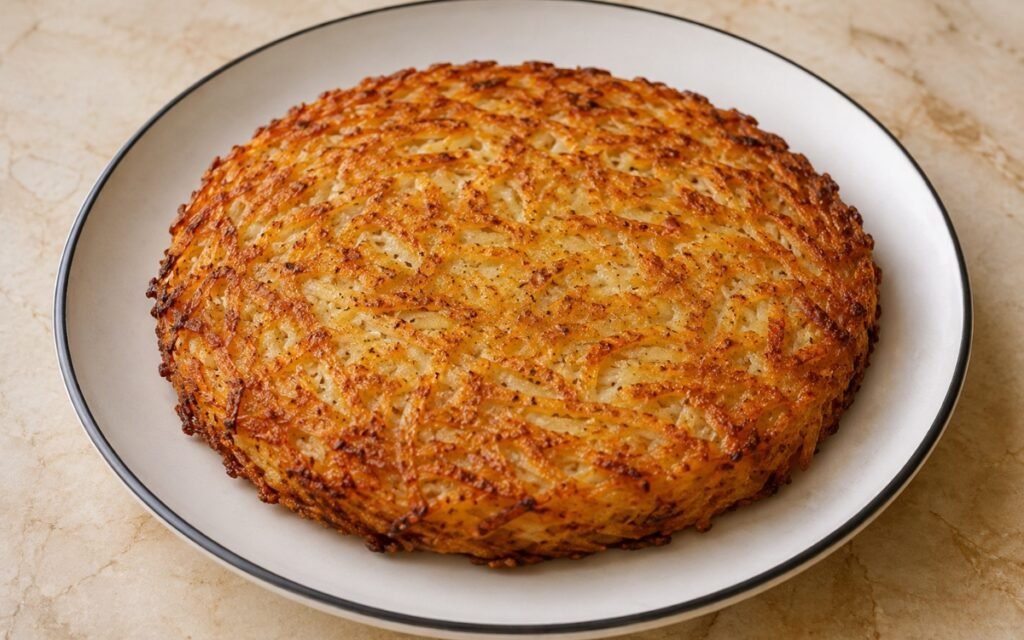
Crispy Hash Brown Potatoes
Shredded potatoes rinsed, wrung completely dry, seasoned, pressed into a cake, fried undisturbed until golden on both sides. Crisp and tender.
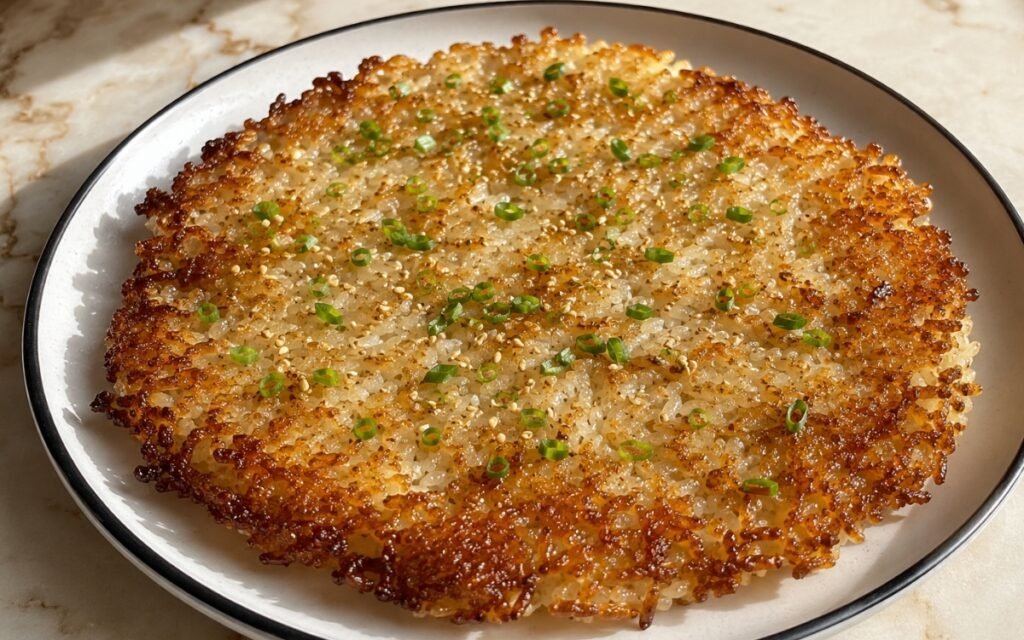
Asian Crispy Rice
Cooled rice seasoned with soy, vinegar, sesame oil, pressed into a cake, pan-fried undisturbed until golden. Crisp and savory.
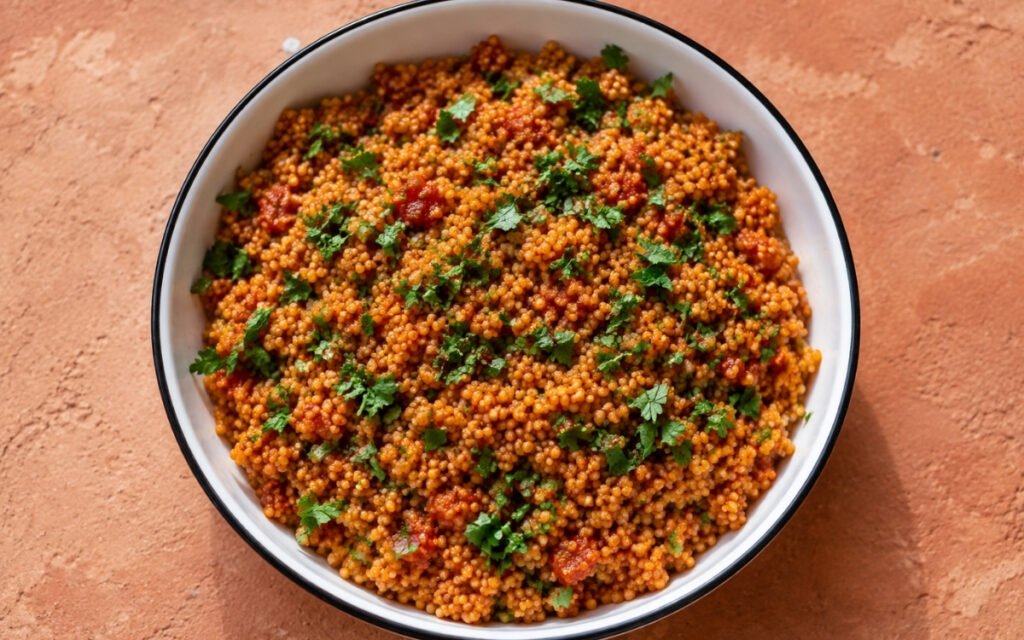
Moroccan-Style Tomato Couscous
Golden, fragrant couscous with bloomed Moroccan spices and tomato-garlic broth — a 15-minute side dish and versatile bowl base.
You might also like
You might also like
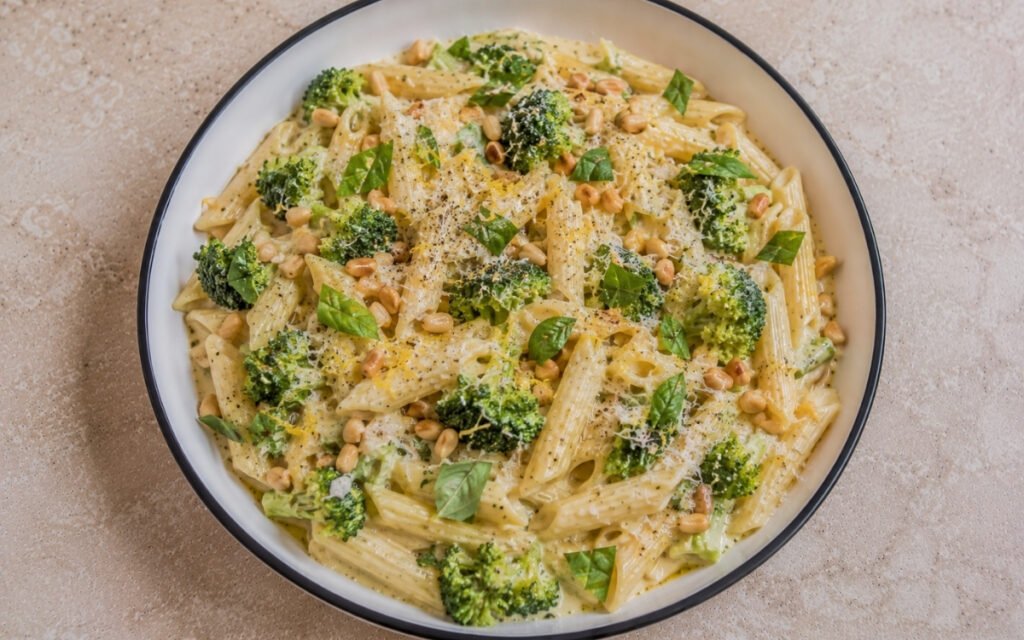
Creamy Broccoli Lemon Pasta
Pasta and broccoli cooked together, tossed in mascarpone double-lemon sauce in garlic butter — 30 minutes.
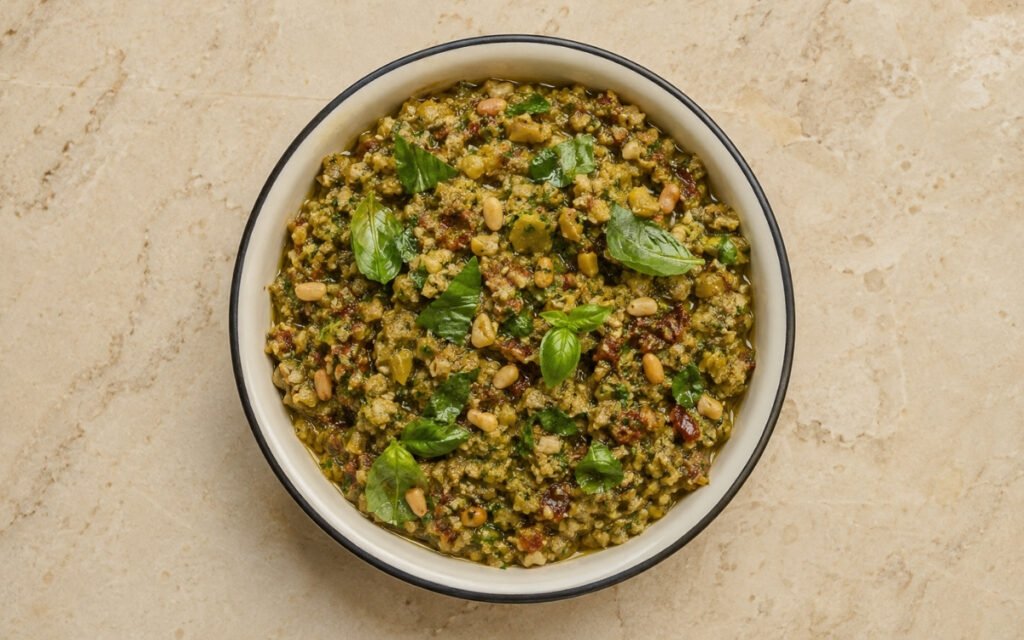
Green Olive Tapenade
Pine nuts toasted golden, olives and sun-dried tomatoes pulsed to coarse texture — basil added last with 5 brief pulses to stay green, Parmesan folded by hand. Rested 20 minutes. Bright, herbaceous, and distinctly Italian.
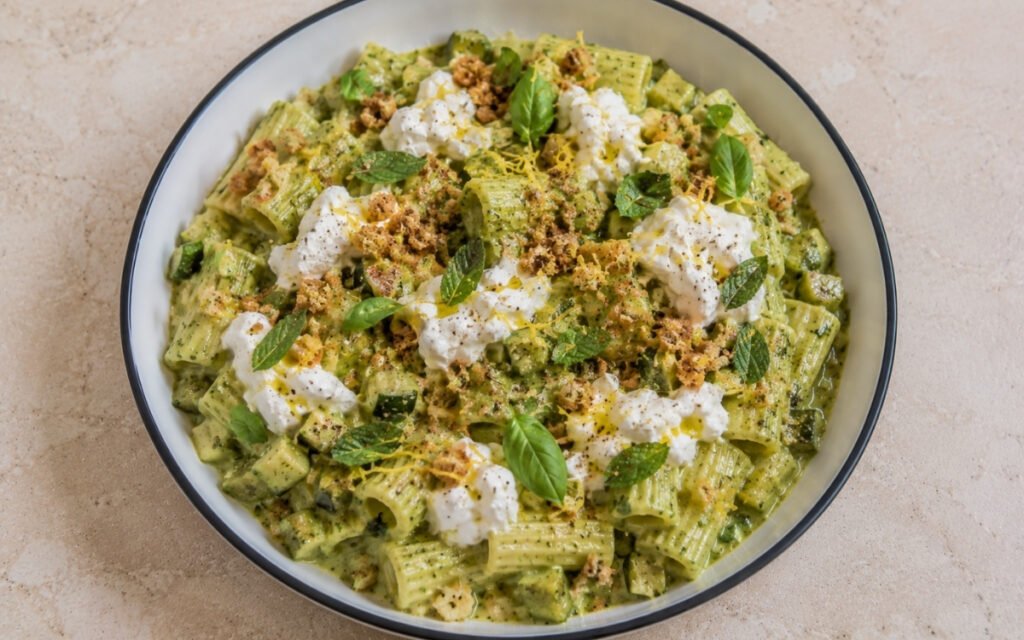
Creamy Zucchini Pasta with Burrata
Half the caramelised zucchini blended into green sauce, half kept whole — cold burrata, lemon breadcrumbs on top.
Creamy Buttery Polenta
Ingredients
Method
- In a large heavy-bottomed pot (4L), combine the 1000ml milk, 240ml water, and 6g salt. Bring to a gentle boil over medium-high heat, stirring occasionally and scraping the bottom so milk doesn’t scorch, since milk’s proteins and sugars are considerably more prone to catching and burning against hot metal than plain water is, and even a small amount of scorching introduces a bitter, off-putting flavor that would carry through the entire pot once the polenta is added. When you see steam and small bubbles rising steadily, you’re ready.
- Reduce heat to low. Pour in the 200g polenta in a slow, steady stream while whisking continuously — this prevents lumps, since dry cornmeal added too quickly or without constant agitation will clump together on contact with the hot liquid rather than dispersing evenly throughout. Keep whisking for 2–3 minutes until the mixture thickens and you feel genuine resistance against the whisk; that’s the starch hydrating and beginning to develop the structure that will eventually become the finished polenta’s characteristic body.
- Reduce heat to very low. Cook 25–30 minutes, stirring every 5 minutes with a wooden spoon, scraping the bottom and corners so it doesn’t stick, since polenta thickens considerably as it cooks and any part left undisturbed against the hot pot bottom is genuinely prone to scorching even at very low heat. Polenta is done when it’s thick and creamy, pulls away from the sides, and tastes smooth with no gritty bite; if it’s still gritty at 30 minutes, cook 5 more minutes and check again, since cornmeal coarseness can vary somewhat between brands and may need slightly more time to fully soften.
- Remove from heat and stir in the 60g butter and 80g Parmesan until fully melted and incorporated, working the mixture with the wooden spoon until it’s completely smooth and uniform rather than showing streaks of unmelted butter. Season with the 2g black pepper. The texture should be creamy and pourable — if it tightens, loosen with a splash of warm milk and stir until smooth, since polenta continues to thicken somewhat even off the heat as it cools slightly. Garnish with the 15g chives if desired and serve immediately.