
Crispy Honey Garlic Chicken
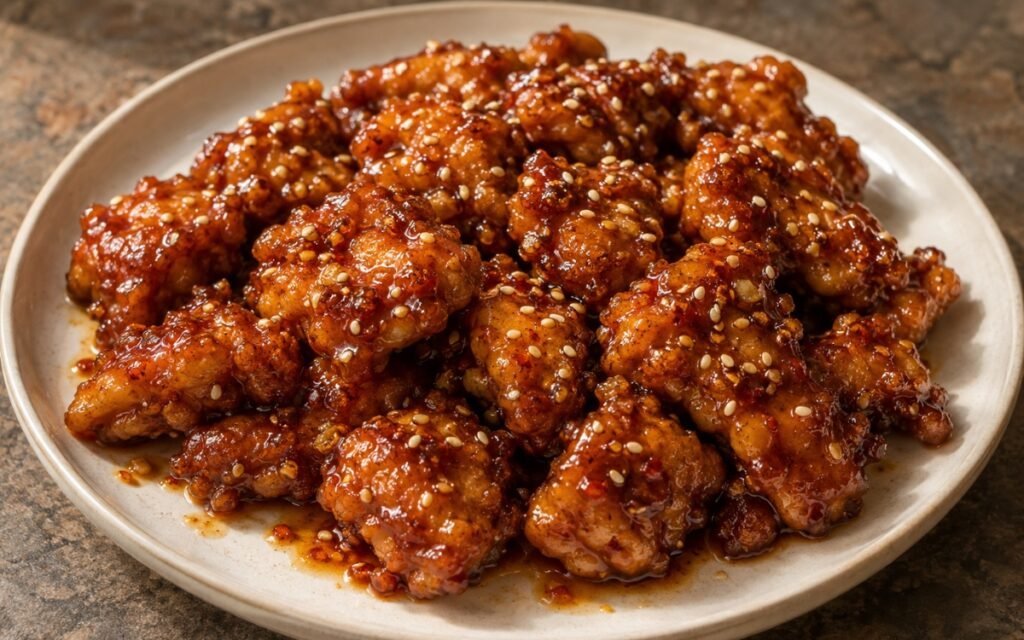
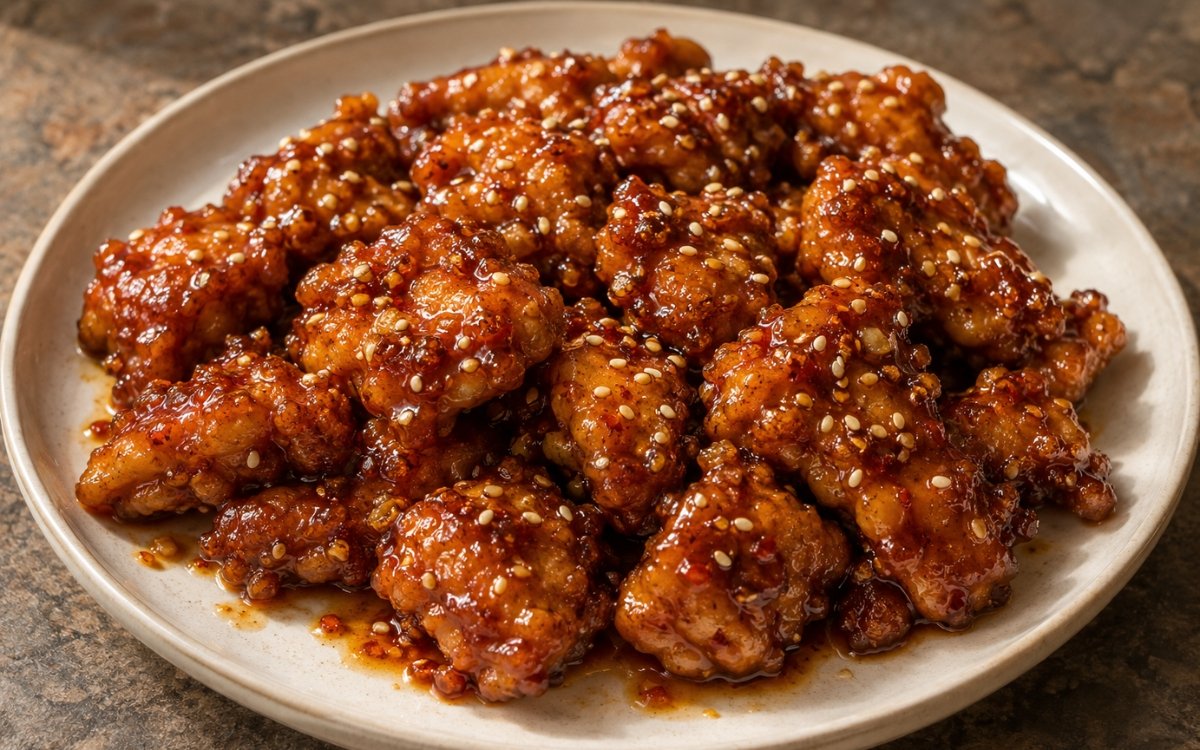
Crispy Honey Garlic Chicken delivers crispy pan-fried chicken coated in a sticky honey garlic glaze that clings to every edge and caramelizes into a glossy, intensely flavored coating. This dish is built on texture contrast — a crisp exterior that holds up under sauce, and a juicy interior that stays tender. Done properly, this is not soggy takeout-style chicken — it’s structured, balanced, and repeatable. The cornstarch coating is the technical foundation everything else depends on: applied to genuinely dry chicken, it forms a light, complete, starchy surface that crisps quickly during searing and gives the finished glaze something structured to grip onto rather than sliding straight off. The chicken is only partially cooked during the initial sear, since its purpose at that stage is building a stable crust rather than reaching full doneness — the pieces finish cooking once they’re returned to the glaze, avoiding the double-cooking that would otherwise dry them out. Garlic and ginger cook only briefly before the glaze ingredients go in, protecting them from the bitterness that even slightly burnt garlic introduces. The result is chicken with genuine textural structure, coated in a glaze that clings rather than pools — the defining difference between this and soggy, sauce-drenched imitations.
Prep Time : 15 min
Cook Time : 25 min
Servings : 4
15 min
25 min
4
Ingredients
For the Chicken
• 800g boneless, skinless chicken thighs
• 30g cornstarch
• 5g fine sea salt
• 3g black pepper
• 30ml vegetable oil
For the Glaze
• 80g honey — this one on Amazon
• 45ml soy sauce — this one on Amazon
• 30ml rice vinegar — this one on Amazon
• 6 garlic cloves, minced
• 10g fresh ginger, minced
• 2g red pepper flakes
• 10g sesame seeds for garnish
This post may contain affiliate links. As an Amazon Associate I earn from qualifying purchases, at no additional cost to you.
Directions
- Prepare the Chicken
Cut the chicken thighs into large, even pieces around 4cm in size. Consistency matters here — uneven pieces cook at different rates and ruin texture control. Pat the chicken completely dry using paper towels. This is critical because moisture prevents the cornstarch from forming a proper coating and interferes with browning. - Coat the Chicken
Combine cornstarch, salt, and black pepper in a bowl, then add the chicken and toss until every piece is evenly coated. The coating should be light but complete — no wet patches, no thick clumps. Cornstarch forms a dry, starchy surface that crisps quickly and creates texture for the glaze to adhere to later. - Sear the Chicken
Heat vegetable oil in a large skillet over medium-high heat until shimmering. Place the chicken in a single layer without overcrowding. If necessary, cook in batches. Overcrowding drops the temperature and causes steaming instead of searing, which destroys the texture before you even get to the glaze stage. - Build the Crust
Cook the chicken undisturbed for about 3 minutes until the underside develops a golden crust, then flip and repeat on the other side. The goal here is not to fully cook the chicken, but to create a stable, crisp exterior. Remove the chicken once both sides are browned — this prevents overcooking while you build the sauce. - Build the Aromatic Base
In the same pan, reduce the heat slightly and add garlic and ginger. Cook for about 30 seconds, stirring constantly. This step releases aromatic compounds into the oil, forming the base of the glaze. Do not let them brown — burnt garlic will ruin the entire dish with bitterness. - Create the Glaze
Add honey, soy sauce, rice vinegar, and red pepper flakes to the pan and bring to a simmer. Cook for about 2 minutes until the sauce thickens slightly and becomes glossy. This is where the balance forms — sweetness from honey, salt from soy sauce, and acidity from vinegar preventing the glaze from becoming heavy. - Coat and Reduce
Return the chicken to the pan and toss continuously to coat every piece evenly. Continue cooking for 2–3 minutes as the sauce reduces further and tightens around the chicken. The glaze should cling, not pool — forming a sticky, lacquered coating that holds onto the crisp surface. - Finish and Serve
Transfer immediately to a serving plate and garnish with sesame seeds. Serve hot while the glaze is still fluid and the coating retains its structure. Waiting too long allows steam to soften the crust and dull the texture.
*Notes :
- Consistent 4cm chicken pieces matter more than they might seem for this specific dish. Pieces of varying sizes reach the crust-forming stage at different rates during the initial sear, and that inconsistency carries through into the final glazing stage, where smaller pieces risk overcooking while larger ones are still catching up.
- The two-stage cooking approach — a partial sear for crust, then finishing in the glaze — is specifically what prevents the dryness that fully cooking the chicken during the initial sear and then continuing to cook it in the glaze would cause. Removing the chicken once both sides are browned, before it’s fully done, leaves room for the glazing stage to finish the interior gently.
- Garlic and ginger’s brief 30-second cook time protects them from the bitterness that develops quickly at sustained heat. This is a narrow window, and stirring constantly during it is what prevents any portion of the aromatics from sitting too long in one hot spot.
Why This Recipe Works
This recipe works because the cornstarch coating, applied to thoroughly dried chicken, forms a genuinely crisp structure for the glaze to grip.
The two-stage cooking approach — partial sear, then finishing in the glaze — prevents the chicken from drying out through double-cooking.
Garlic and ginger cook only briefly, protecting them from burning. And the glaze itself is built to cling rather than pool, preserving the crisp texture underneath rather than drowning it.
Ingredient Breakdown
Boneless, Skinless Chicken Thighs, Cut Evenly
The foundation — consistent sizing ensures even cooking through both stages.
Cornstarch Coating on Thoroughly Dried Chicken
The structural technique — a light, complete crisp surface the glaze can grip.
Salt
Enhances flavor and improves surface seasoning of the chicken.
Partial Sear, Finished in the Glaze
The two-stage cooking method — preventing overcooking through double-heat exposure.
Honey, Soy Sauce, Rice Vinegar Glaze
The balanced finishing sauce — sweetness, saltiness, and acidity working together to avoid heaviness.
Sesame Seeds
Add texture and a subtle nutty finish to contrast the glaze.
Flavor Structure Explained
This Crispy Honey Garlic Chicken follows a contrast-driven balance model:
- Crisp chicken exterior (cornstarch coating)
- Sweet savory glaze (honey and soy sauce)
- Bright tangy lift (rice vinegar)
- Aromatic depth (garlic and ginger)
- Textural finishing layer (red pepper flakes and sesame seeds)
The cornstarch-crisped chicken defines the foundation, creating a dry, lightly crunchy exterior that gives the glaze something to cling to without immediately softening. Careful drying and controlled searing are essential because they build texture before the sauce is introduced. The glaze brings the main flavor contrast, combining honey’s sweetness, soy sauce’s savory depth, and rice vinegar’s brightness into a balanced coating rather than a heavy sauce. Garlic and ginger add aromatic warmth, giving the sweetness more complexity and preventing it from feeling flat. Red pepper flakes contribute gentle heat, while sesame seeds add a final layer of texture and nuttiness. The result is a chicken dish built around crispness and controlled coating, where sweet, savory, tangy, and aromatic elements stay balanced against a genuinely textured exterior.
Common Mistakes to Avoid
- Cutting the Chicken Into Uneven Pieces – Produces inconsistent cooking through both stages. Always cut to a consistent size.
- Not Drying the Chicken Before Coating – Prevents the cornstarch from forming a proper crisp surface. Always pat completely dry first.
- Overcrowding the Pan During Searing – Causes steaming instead of crisping. Always cook in a single layer, working in batches if needed.
- Letting the Garlic and Ginger Brown – Introduces bitterness that ruins the entire glaze. Always cook briefly and stir constantly.
- Letting the Dish Sit Before Serving – Softens the crisp coating as steam builds. Always serve immediately.
Variations
With Sweet and Sour Sauce
For a related sweet-savory chicken preparation using a different sauce profile, see the Sweet and Sour Chicken.
With Five-Spice
For a warmer, more complex marinated chicken thigh preparation, see the Chinese Five-Spice Chicken Thighs.
With Extra Heat
Increase the red pepper flakes for a spicier glaze.
With Orange
Add a splash of fresh orange juice to the glaze for a citrus-forward direction.
Sticky Sesame Version
Increase sesame oil slightly and finish with toasted sesame seeds for a more nutty profile.
Storage & Make-Ahead
Cornstarch-coated raw chicken can be prepared up to 2 hours in advance and refrigerated before searing.
Cooked, glazed chicken can be refrigerated for up to 3 days. Reheat it in a hot pan or oven to help restore some crispness, as microwaving will soften the coating significantly.
Frequently Asked Questions
Why is the chicken only partially cooked during the initial sear?
The initial sear’s purpose is building a stable, crisp exterior rather than fully cooking the chicken through. Removing it while still slightly underdone leaves room for the glazing stage to gently finish the interior, avoiding the dryness that would result from fully cooking the chicken twice — once during searing and again while tossing in the glaze.
Why does the cornstarch coating need to be applied to completely dry chicken?
Any residual surface moisture interferes with the cornstarch’s ability to form an even, complete coating and also prevents proper browning during searing. Thoroughly dried chicken allows the cornstarch to create the light, structured, crisp surface that the finished glaze can actually cling to.
Why do the garlic and ginger cook for such a short time?
Both ingredients turn bitter quickly once they brown, and that bitterness would carry through the entire glaze once the other sauce ingredients are added. Thirty seconds of constant stirring releases their aromatic compounds into the oil without giving them enough time to scorch.
What should I serve alongside this chicken?
Cilantro Lime Jasmine Rice or Coconut Rice both complement the sweet, savory, tangy glaze particularly well. For other honey-glazed or Asian-inspired chicken preparations, try the Sweet and Sour Chicken or Chinese Five-Spice Chicken Thighs.
Nutrition Facts
( per serving )
Calories
~410 kcal
Protein
32 g
Fat
18 g
Carbs
26 g
Calories
~410 kcal
Protein
32 g
Fat
18 g
Carbs
26 g
Related Recipes
Related Recipes

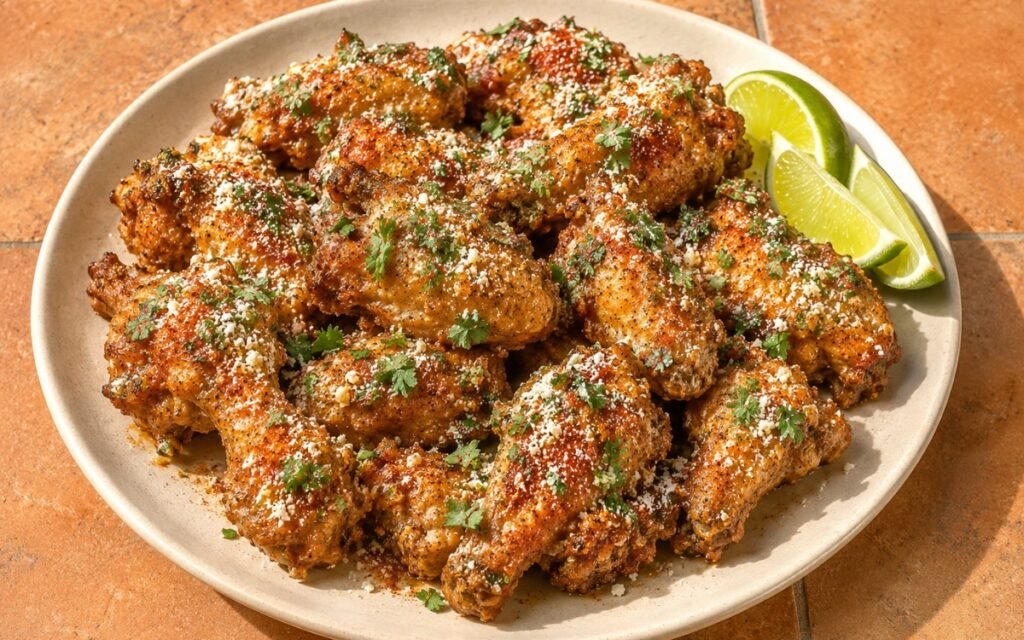
Elote-Style Chicken Wings
Oven-baked wings with crackling skin, tossed hot in a creamy mayo-crema elote sauce, then topped with crumbled cotija and chili powder.
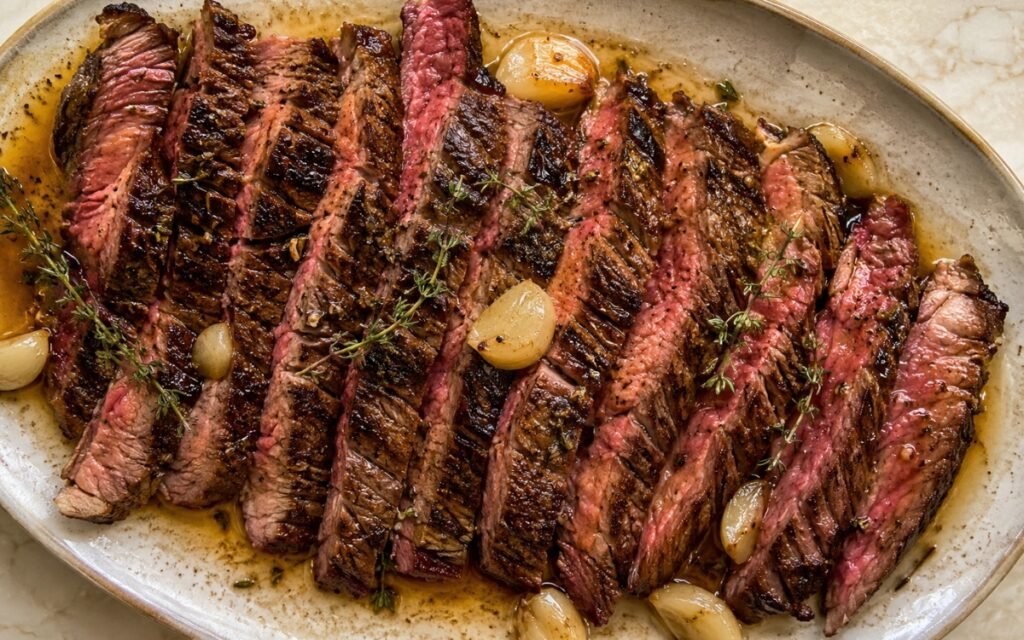
Pan-Seared Skirt Steak
Quick-seared skirt steak with garlic herb butter, sliced against the grain for maximum tenderness.
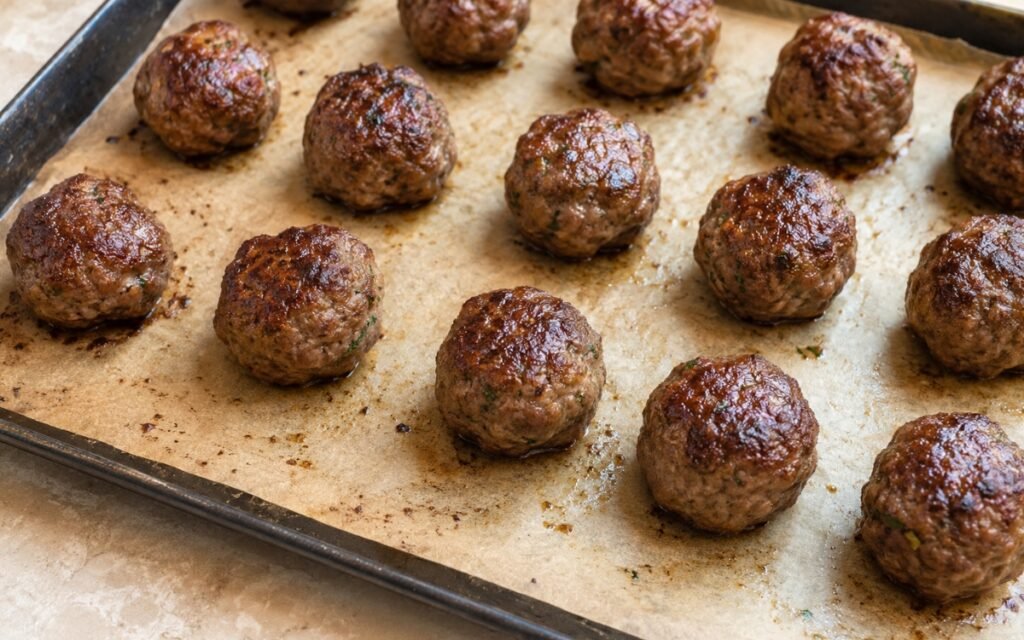
Juicy Beef Meatballs
Ground beef combined with a breadcrumb-milk panade, mixed gently, portioned consistently, baked and rested. Tender and juicy.
You might also like
You might also like
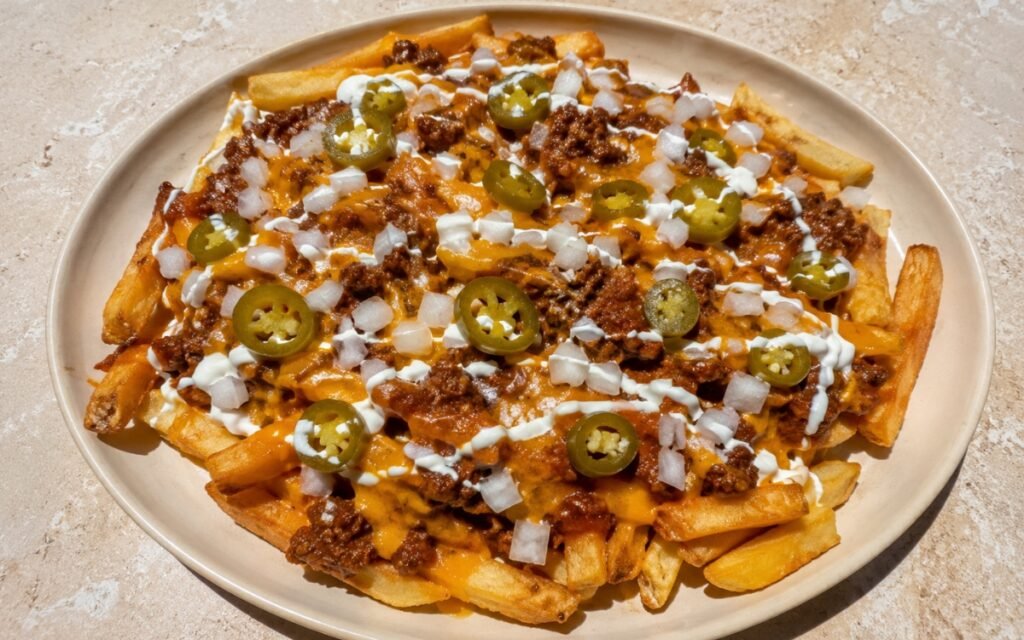
Loaded Chili Cheese Fries
Double-fried thick-cut potatoes topped with rich, reduced beef chili, melted Mexican cheese, diced onion, pickled jalapeños, and sour cream.
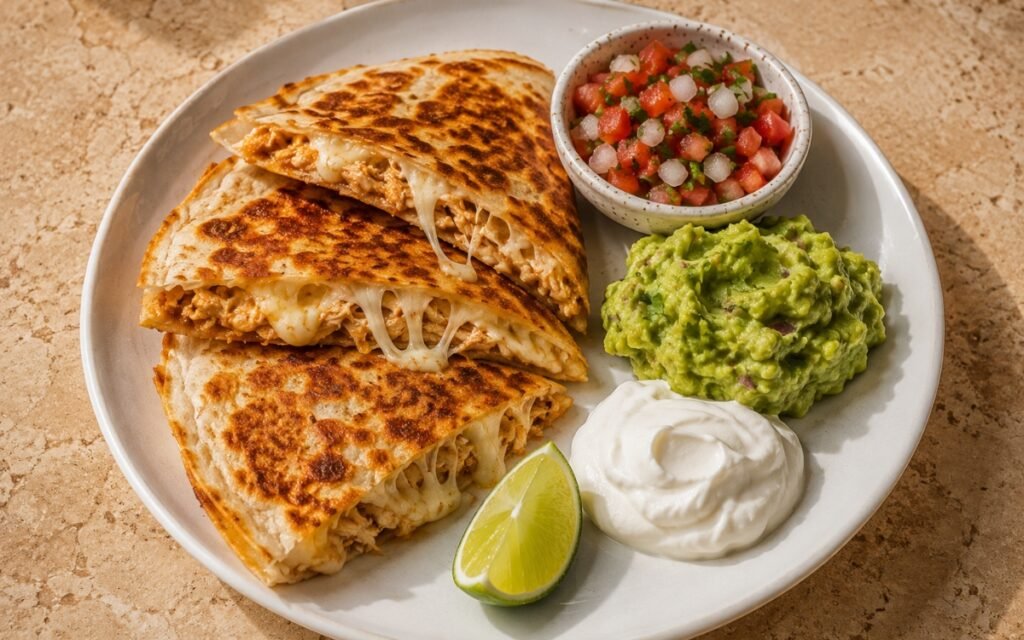
Chicken Quesadilla
Marinated chicken thighs seared, shredded, and reduced, folded into flour tortillas with a three-cheese blend, and crisped in butter until golden and blistered.
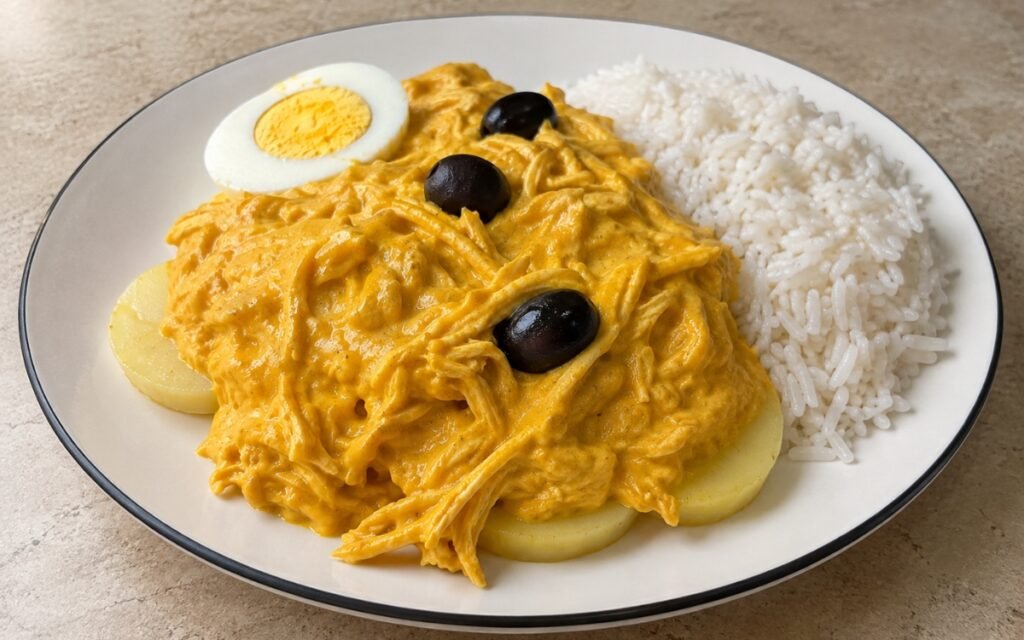
Ají de Gallina
Tender shredded chicken in a rich, velvety ají amarillo cream sauce with bread, evaporated milk, and walnuts, served over sliced potatoes.
Crispy Honey Garlic Chicken
Ingredients
Method
- Cut the chicken thighs into large, even pieces around 4cm in size. Consistency matters here — uneven pieces cook at different rates and ruin texture control. Pat the chicken completely dry using paper towels. This is critical because moisture prevents the cornstarch from forming a proper coating and interferes with browning.
- Combine cornstarch, salt, and black pepper in a bowl, then add the chicken and toss until every piece is evenly coated. The coating should be light but complete — no wet patches, no thick clumps. Cornstarch forms a dry, starchy surface that crisps quickly and creates texture for the glaze to adhere to later.
- Heat vegetable oil in a large skillet over medium-high heat until shimmering. Place the chicken in a single layer without overcrowding. If necessary, cook in batches. Overcrowding drops the temperature and causes steaming instead of searing, which destroys the texture before you even get to the glaze stage.
- Cook the chicken undisturbed for about 3 minutes until the underside develops a golden crust, then flip and repeat on the other side. The goal here is not to fully cook the chicken, but to create a stable, crisp exterior. Remove the chicken once both sides are browned — this prevents overcooking while you build the sauce.
- In the same pan, reduce the heat slightly and add garlic and ginger. Cook for about 30 seconds, stirring constantly. This step releases aromatic compounds into the oil, forming the base of the glaze. Do not let them brown — burnt garlic will ruin the entire dish with bitterness.
- Add honey, soy sauce, rice vinegar, and red pepper flakes to the pan and bring to a simmer. Cook for about 2 minutes until the sauce thickens slightly and becomes glossy. This is where the balance forms — sweetness from honey, salt from soy sauce, and acidity from vinegar preventing the glaze from becoming heavy.
- Return the chicken to the pan and toss continuously to coat every piece evenly. Continue cooking for 2–3 minutes as the sauce reduces further and tightens around the chicken. The glaze should cling, not pool — forming a sticky, lacquered coating that holds onto the crisp surface.
- Transfer immediately to a serving plate and garnish with sesame seeds. Serve hot while the glaze is still fluid and the coating retains its structure. Waiting too long allows steam to soften the crust and dull the texture.