
Buffalo Chicken Tenders
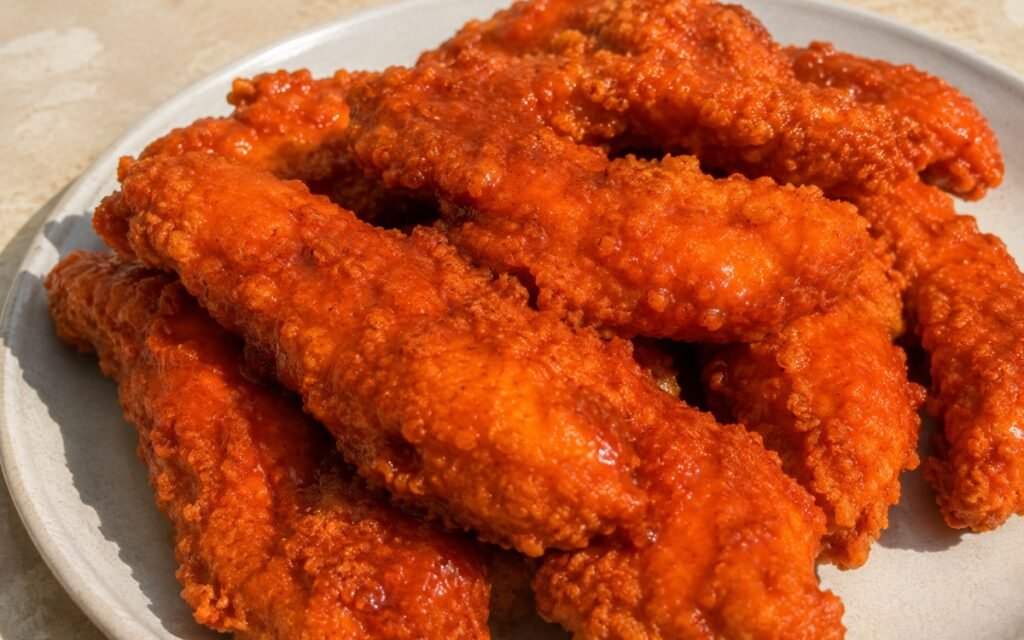
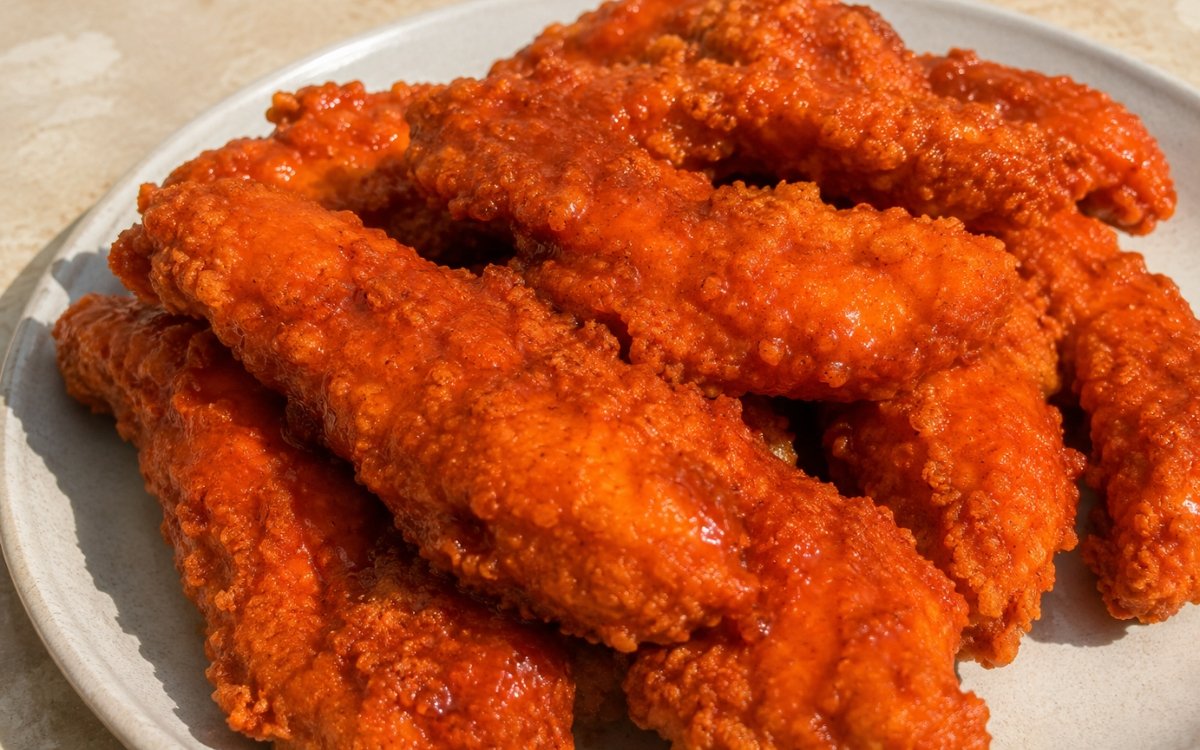
Buffalo Chicken Tenders delivers crispy panko-breaded chicken tenders fried to golden perfection, then tossed in a tangy, buttery buffalo sauce that brings just the right amount of heat. These restaurant-quality tenders deliver satisfying crunch on the outside and juicy, tender chicken on the inside. The three-stage breading process — seasoned flour, beaten egg, panko breadcrumbs — is what builds a coating that adheres properly and crisps evenly rather than sliding off or turning soggy in patches. Frying first and finishing in the oven is a deliberate two-stage approach: the hot oil develops the initial golden crust and locks in that crunch, while the oven finish ensures the chicken reaches full doneness without the coating over-browning or the exterior drying out from extended frying time. The buffalo sauce is made entirely separately — melted butter whisked with hot sauce, vinegar, and garlic powder — and tossed with the tenders only once they’re fully cooked, since coating the crispy breading in sauce immediately before serving is what keeps that crunch intact for as long as possible. Perfect for game day, weeknight dinners, or whenever you’re craving that classic buffalo wing flavor without the mess.
Prep Time : 20 min
Cook Time : 20 min
Servings : 4
20 min
20 min
4
Ingredients
For the Chicken
• 700g chicken breast tenderloins
• 120g all-purpose flour
• 3 large eggs
• 160g panko breadcrumbs — this one on Amazon
• 8g fine sea salt
• 4g garlic powder
• 3g smoked paprika — this one on Amazon
• 80ml vegetable oil
For the Buffalo Sauce
• 90g unsalted butter — this one on Amazon
• 120ml hot sauce (Frank’s RedHot style) — this one on Amazon
• 15ml white vinegar
• 3g garlic powder
This post may contain affiliate links. As an Amazon Associate I earn from qualifying purchases, at no additional cost to you.
Directions
- Preheat and Prepare
Preheat your oven to 200°C (400°F). Set a wire rack over a baking sheet and set aside — the wire rack is specifically what keeps the breading crisp during the oven finish, since resting the tenders directly on a baking sheet would trap steam underneath and soften the bottom of the coating. - Set Up Breading Station
Arrange three shallow dishes. In the first, combine the 120g flour with 4g salt, 2g garlic powder, and 3g smoked paprika. In the second, beat the 3 eggs until smooth. In the third, mix the 160g panko breadcrumbs with the remaining 4g salt. - Bread the Tenderloins
Pat the 700g chicken tenderloins dry with paper towels. Working one at a time, dredge each tenderloin in the seasoned flour, shaking off excess, then dip in beaten egg, and finally press into panko breadcrumbs to coat completely. The dry-flour-egg-panko sequence is what allows each layer to adhere to the one before it, building a coating that stays intact through frying rather than flaking or sliding off. - Fry Until Golden
Heat the 80ml vegetable oil in a large skillet over medium-high heat until shimmering. Working in batches to avoid crowding, fry the breaded tenders for 2 minutes per side until golden brown and crispy. Don’t overcrowd the pan — too many tenders at once drops the oil’s temperature significantly, producing a greasy, less crisp result instead of a genuine golden crust. - Finish in Oven
Transfer the fried tenders to the prepared wire rack. Bake for 8–10 minutes until the internal temperature reaches 74°C (165°F) and the chicken is cooked through. This step ensures the chicken reaches full, safe doneness without the coating over-browning or drying out from extended time in the hot oil. - Make Buffalo Sauce
While the chicken bakes, melt the 90g butter in a small saucepan over medium heat. Whisk in the 120ml hot sauce, 15ml white vinegar, and 3g garlic powder until smooth and well combined. - Toss and Serve
Place the hot cooked tenders in a large bowl. Pour the buffalo sauce over top and toss gently until each tender is evenly coated. Serve immediately for best texture — the sauce goes on only at the very last moment, since the crispy panko coating begins softening as soon as it meets the sauce.
*Notes :
- The three-stage breading sequence — flour, egg, panko — isn’t arbitrary. The flour provides a dry surface for the egg to adhere to; the egg acts as the binding layer that lets the panko stick; and the panko itself provides the coarse, crunchy texture buffalo tenders are known for. Skipping or shortening any one stage weakens the adhesion of the layers above it.
- Frying first and finishing in the oven specifically balances two competing needs: genuine crispness, which develops best in hot oil, and complete, even doneness, which is harder to achieve in a shallow fry without over-browning the coating. The oven finish resolves that tension by taking over the cooking once the crust is established.
- Tossing the tenders in sauce only immediately before serving is the single most important timing decision for texture. Buffalo sauce is liquid, and panko, however crispy, will soften on contact — the longer the tenders sit in sauce, the less crunch remains, which is why this step happens last and the dish is meant to be served right away.
Why This Recipe Works
This recipe works because the three-layer breading process builds a coating that genuinely adheres and crisps rather than flaking away. Frying develops the initial crust while the oven finish completes the cook without compromising that crust.
The buffalo sauce is made entirely separately, keeping its tang and richness distinct until the very end. And tossing happens only at the last possible moment, preserving as much crunch as possible through to the table.
Ingredient Breakdown
Chicken Breast Tenderloins
The lean, quick-cooking cut — well suited to the fry-then-bake method’s relatively short total cooking time.
Flour, Egg, Panko — Three-Stage Breading
The adhesion sequence — each layer specifically enabling the one that follows to stick properly.
Fry-Then-Oven-Finish Method
The two-stage cooking technique — crispness from oil, complete doneness from the oven, without over-browning.
Buffalo Sauce, Tossed Last
The finishing coat — tangy, buttery, and applied only at the final moment to protect the coating’s crunch.
Flavor Structure Explained
This Buffalo Chicken Tenders follows a sequence-driven balance model:
- Crisp coating structure (panko breading)
- Tender chicken core (chicken tenders)
- Tangy spicy finish (hot sauce and vinegar)
- Rich buttery layer (melted butter)
- Crunch-preserving contrast (proper final tossing)
The panko coating defines the main textural register, giving the tenders a genuine crunch that comes from careful three-stage breading and the fry-then-bake method. This sequencing builds a crisp exterior while keeping the chicken inside tender and juicy. The buffalo sauce provides the defining flavor layer, combining hot sauce, vinegar, and melted butter into a sharp, tangy, spicy, and rich coating. Butter rounds the heat and acidity, giving the sauce body so it clings to the crust rather than feeling thin or harsh. Timing is essential: tossing at the right moment allows the sauce to coat the surface without fully soaking into the breading. The result is a chicken tender preparation built around crispness and contrast, where crunchy coating, buttery heat, and tangy buffalo sharpness remain clearly balanced.
Common Mistakes to Avoid
- Skipping a Breading Stage – Weakens adhesion of the layers above it, leading to patchy or flaking coating. Always dredge through all three stages in order.
- Overcrowding the Pan During Frying – Drops the oil’s temperature and produces a greasy, less crisp result. Always fry in batches.
- Skipping the Oven Finish – Risks either undercooked chicken or an over-browned, dried-out coating from extended frying alone. Always finish in the oven on a wire rack.
- Tossing the Tenders in Sauce Too Early – Softens the crispy coating well before serving. Always toss immediately before serving.
- Resting the Tenders Directly on the Baking Sheet – Traps steam underneath and softens the bottom of the coating. Always use a wire rack.
Variations
Baked Version
Skip the frying step entirely and bake the breaded tenders at 200°C for 18–20 minutes, flipping once, for a lighter but less crisp result.
With Honey Lemon Pepper
For a sweeter, tangier wing-style direction, see the Honey Lemon Pepper Wings.
With Korean BBQ Flavor
For a sweet, savory, sesame-forward alternative to buffalo, see the Korean BBQ Wings.
Extra Spicy Version
Add a pinch of cayenne pepper to the buffalo sauce for additional heat.
Storage & Make-Ahead
Breaded, unfried tenders can be refrigerated for up to 4 hours before frying. They can also be frozen on a tray, then transferred to a bag and stored for up to 2 months.
Cooked, unsauced tenders can be refrigerated for up to 3 days. Reheat them in the oven to restore crispness before tossing them in sauce.
Frequently Asked Questions
Why fry the tenders first and then finish them in the oven instead of just frying all the way through?
Frying all the way through risks over-browning or even burning the panko coating before the chicken’s interior reaches full doneness, especially with thicker tenderloins. Frying just until golden, then finishing in the oven, lets the chicken cook through gently and evenly without compromising the crust that’s already developed.
Why does the sauce go on only at the very end?
Buffalo sauce is a liquid, and no breading, however crispy, holds up indefinitely against direct contact with sauce. Tossing the tenders immediately before serving preserves as much of that crunch as possible — the longer they sit in sauce, the softer the coating becomes.
Can these be made ahead for a party?
The tenders can be breaded and fried ahead, then finished in the oven and tossed in sauce just before serving. For best texture, avoid making the fully sauced version too far in advance, since the coating softens progressively the longer it sits in sauce.
What should I serve alongside these tenders?
Crispy Baked Potato Fries or Crispy Sweet Potato Fries both make classic pairings, offering their own crunch alongside the tenders’ buffalo coating. For other favorite wing-style chicken recipes, try the Honey Lemon Pepper Wings or the Korean BBQ Wings.
Nutrition Facts
( per serving )
Calories
~480 kcal
Protein
38 g
Fat
26 g
Carbs
22 g
Calories
~480 kcal
Protein
38 g
Fat
26 g
Carbs
22 g
Related Recipes
Related Recipes

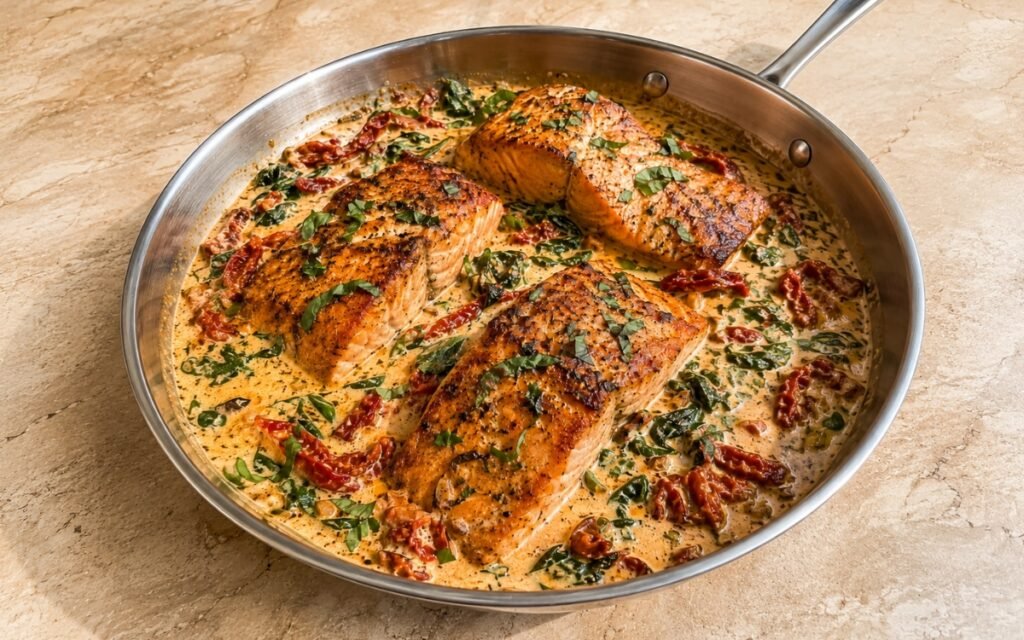
Creamy Tuscan Salmon
Deeply seared salmon finished gently in a rich garlic Parmesan cream sauce with sun-dried tomatoes, spinach, parsley, and basil.
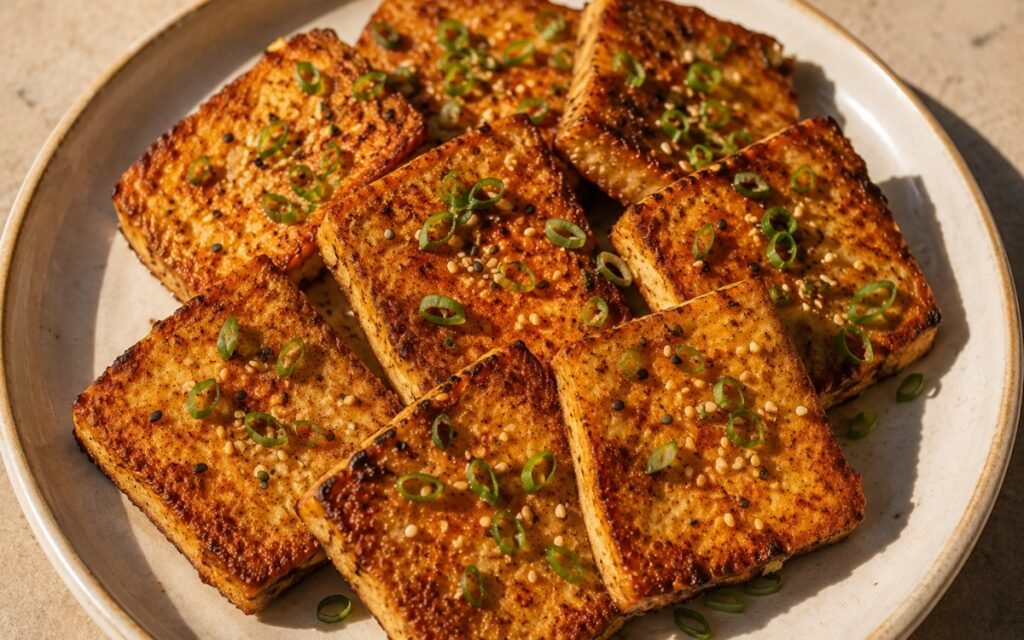
Crispy Tofu Steaks
Tofu pressed thoroughly, marinated in soy, sesame, garlic, ginger, coated in cornstarch, fried until golden. Crisp and umami-packed.
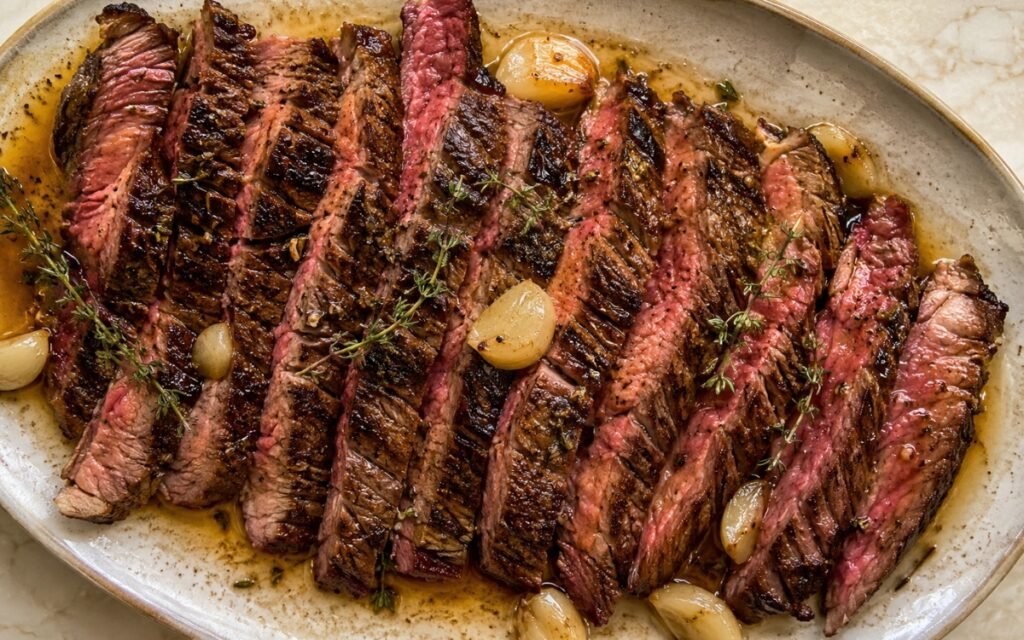
Pan-Seared Skirt Steak
Quick-seared skirt steak with garlic herb butter, sliced against the grain for maximum tenderness.
You might also like
You might also like
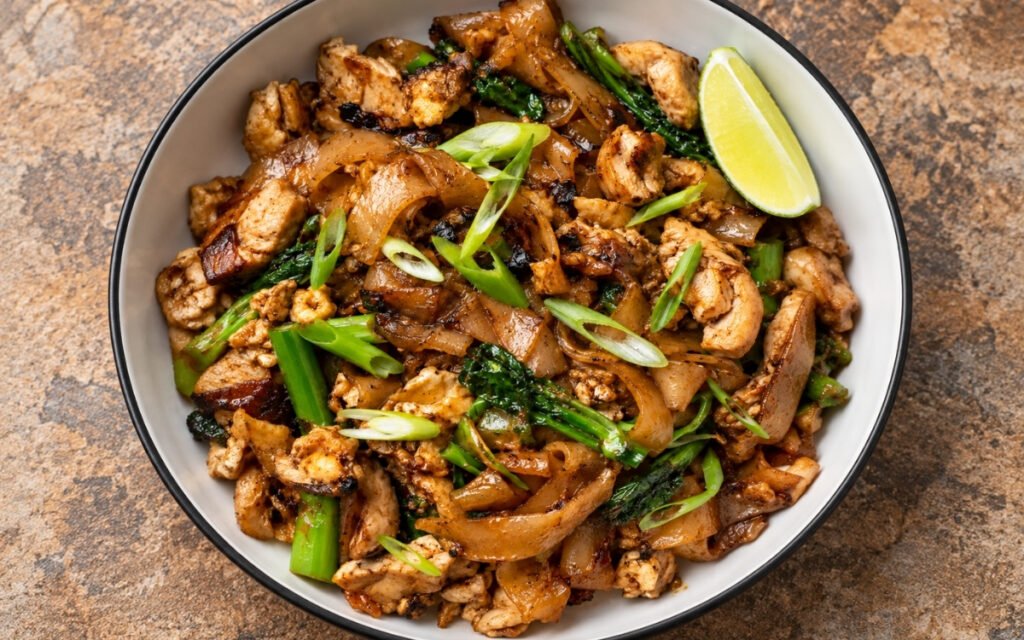
Pad See Ew — Thai Stir-Fried Wide Noodles
Wide rice noodles stir-fried with dark soy sauce, Chinese broccoli, sliced chicken, and egg over high heat for smoky wok-hei char.
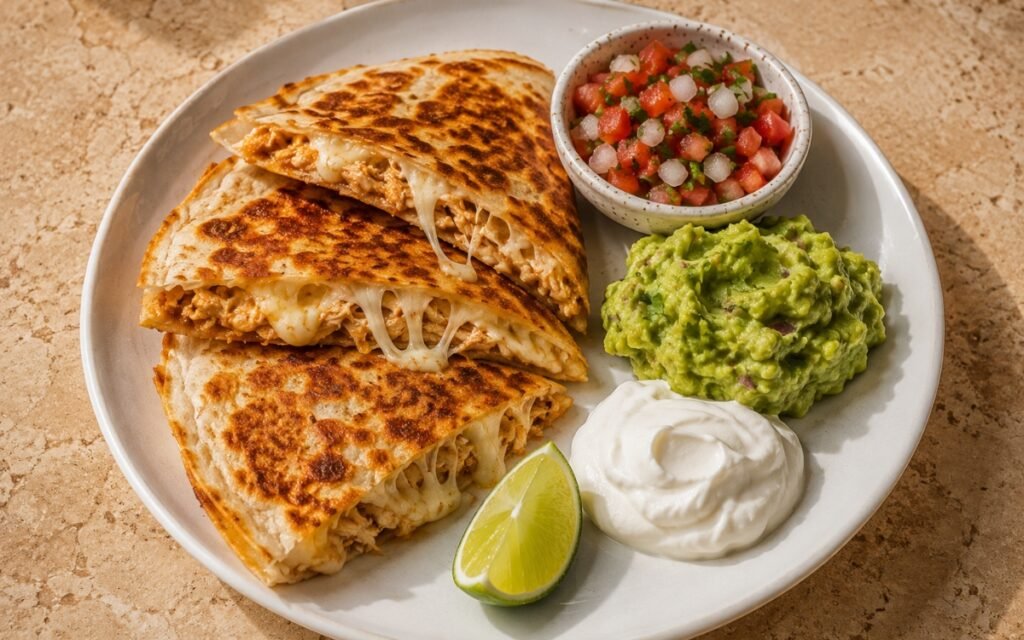
Chicken Quesadilla
Marinated chicken thighs seared, shredded, and reduced, folded into flour tortillas with a three-cheese blend, and crisped in butter until golden and blistered.
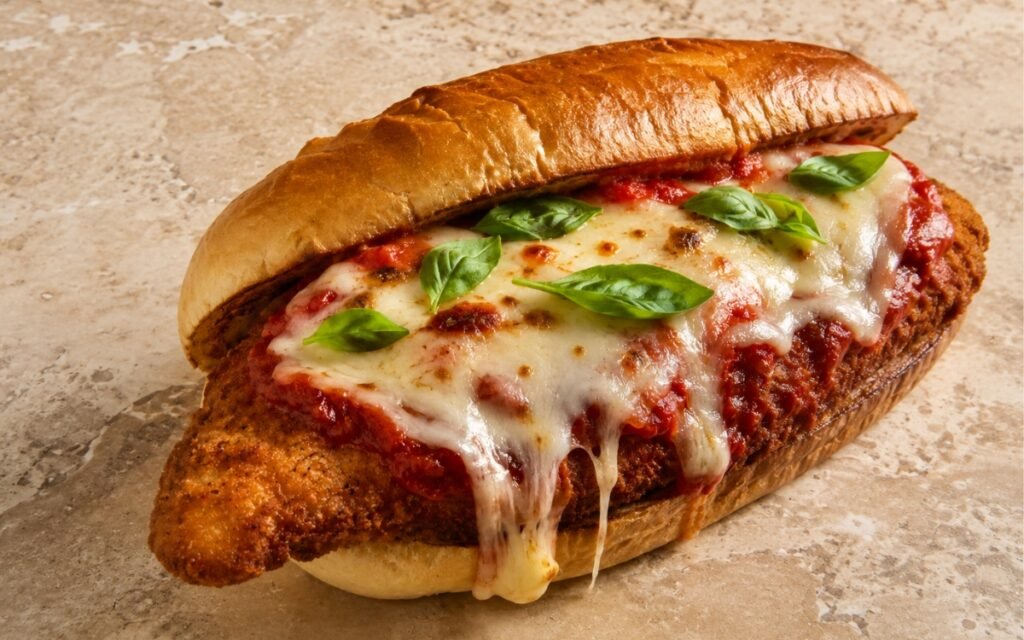
Chicken Parm Hero
A golden fried chicken cutlet in a toasted hoagie roll, topped with thick marinara, melted mozzarella, Parmesan, and fresh basil.
Crispy Buffalo Chicken Tenders
Ingredients
Method
- Preheat your oven to 200°C (400°F). Set a wire rack over a baking sheet and set aside — the wire rack is specifically what keeps the breading crisp during the oven finish, since resting the tenders directly on a baking sheet would trap steam underneath and soften the bottom of the coating.
- Arrange three shallow dishes. In the first, combine the 120g flour with 4g salt, 2g garlic powder, and 3g smoked paprika. In the second, beat the 3 eggs until smooth. In the third, mix the 160g panko breadcrumbs with the remaining 4g salt.
- Pat the 700g chicken tenderloins dry with paper towels. Working one at a time, dredge each tenderloin in the seasoned flour, shaking off excess, then dip in beaten egg, and finally press into panko breadcrumbs to coat completely. The dry-flour-egg-panko sequence is what allows each layer to adhere to the one before it, building a coating that stays intact through frying rather than flaking or sliding off.
- Heat the 80ml vegetable oil in a large skillet over medium-high heat until shimmering. Working in batches to avoid crowding, fry the breaded tenders for 2 minutes per side until golden brown and crispy. Don’t overcrowd the pan — too many tenders at once drops the oil’s temperature significantly, producing a greasy, less crisp result instead of a genuine golden crust.
- Transfer the fried tenders to the prepared wire rack. Bake for 8–10 minutes until the internal temperature reaches 74°C (165°F) and the chicken is cooked through. This step ensures the chicken reaches full, safe doneness without the coating over-browning or drying out from extended time in the hot oil.
- While the chicken bakes, melt the 90g butter in a small saucepan over medium heat. Whisk in the 120ml hot sauce, 15ml white vinegar, and 3g garlic powder until smooth and well combined.
- Place the hot cooked tenders in a large bowl. Pour the buffalo sauce over top and toss gently until each tender is evenly coated. Serve immediately for best texture — the sauce goes on only at the very last moment, since the crispy panko coating begins softening as soon as it meets the sauce.