
Crispy Sweet Potato Fries
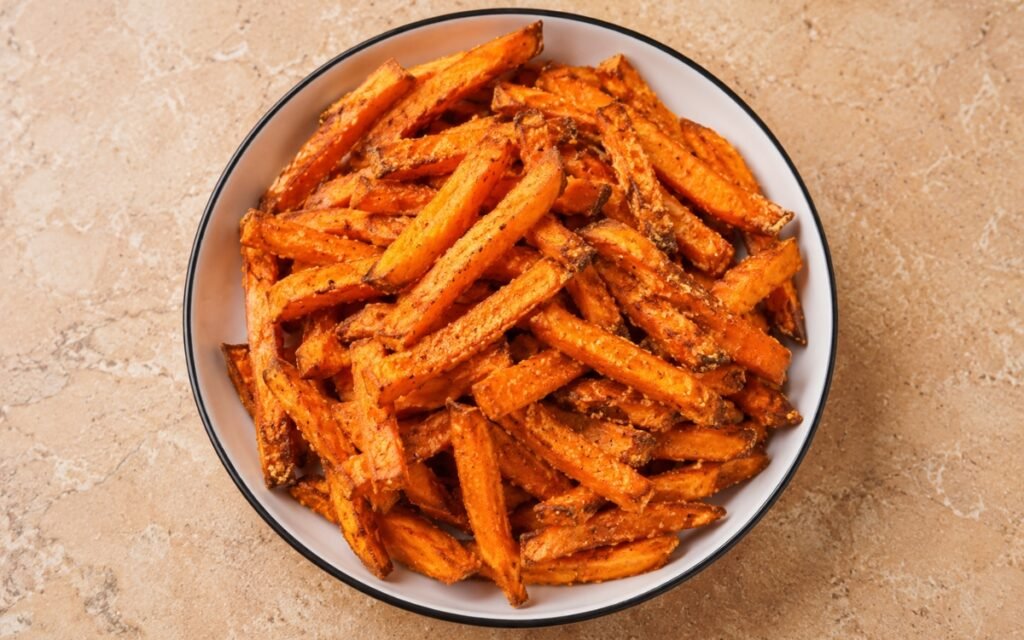
Crispy Sweet Potato Fries are perfectly crispy on the outside and tender inside, seasoned to perfection. A healthier alternative to regular fries that delivers maximum flavor and satisfying crunch without deep frying. Sweet potatoes carry considerably more natural sugar and moisture than russet potatoes, which is why this recipe layers two distinct techniques the standard baked fry doesn’t need: a soak to draw out some of that excess surface moisture, and a light cornstarch coating that creates a genuinely crisp shell where sweet potato’s higher sugar content would otherwise cause uneven, sticky browning. Thorough drying after soaking matters just as much here as with any other baked fry, but the stakes are slightly higher given sweet potato’s naturally wetter flesh — any dampness left on the surface steams in the oven and softens what should be a crisp coating. The cornstarch is applied in a deliberately thin, even layer, since too much turns pasty rather than crisping cleanly. Genuine spacing on two separate baking sheets, rather than one crowded tray, prevents trapped steam from undoing all of that careful preparation. The result is a fry that’s crisp at the edges, tender within, and genuinely satisfying without a deep fryer.
Prep Time : 15 min
Cook Time : 30 min
Servings : 4
15 min
30 min
4
Ingredients
For the Sweet Potato Fries
• 800g sweet potatoes, cut into fries
• 30ml olive oil — this one on Amazon
• 20g cornstarch
• 6g salt
• 3g paprika
• 2g garlic powder
• 2g black pepper
This post may contain affiliate links. As an Amazon Associate I earn from qualifying purchases, at no additional cost to you.
Directions
- Prepare the Sweet Potatoes
Peel the 800g sweet potatoes and cut into fries about 1cm thick, keeping sizes as even as possible for consistent bake time. Place in a large bowl, cover with cold water, and soak 15 minutes. Drain, then pat completely dry with kitchen towels — take this seriously; any dampness will steam in the oven and soften the fries. - Coat with Cornstarch
Return the dry fries to the bowl and sprinkle the 20g cornstarch over them. Toss thoroughly until each fry looks lightly dusted and no dry piles remain in the bowl; cornstarch creates a thin layer that bakes crisp instead of turning sticky. Shake off any heavy clumps — too much cornstarch can turn pasty. - Season and Oil
Preheat oven to 220°C (425°F). Add the 30ml olive oil, 6g salt, 3g paprika, 2g garlic powder, and 2g black pepper. Toss until evenly coated — oil should lightly coat, not pool at the bottom. - Bake Until Crispy
Spread the fries in a single layer on two parchment-lined baking sheets so fries don’t touch. Bake 15 minutes, flip each fry, then bake another 15 minutes until golden and crisp at the edges. If fries are tender but not crisp, add 3–5 minutes and check frequently — sweet potato browning accelerates at the end. Serve immediately.
*Notes :
- Sweet potato’s higher natural sugar content means it browns and softens differently than a russet potato under the same oven conditions, which is exactly why this recipe adds a cornstarch coating that regular baked fries elsewhere in this collection don’t require. That thin starch layer gives the surface something structured to crisp against, rather than relying entirely on the sugar-heavy flesh to brown cleanly on its own.
- The soak still matters here even though sweet potatoes don’t carry the same surface starch concern as russets — it’s specifically about drawing out some of the excess moisture that sweet potato flesh holds, which would otherwise interfere with both the cornstarch’s ability to form an even coating and the oven’s ability to crisp the surface.
- Watching closely during the final few minutes of baking is genuinely important with sweet potatoes in a way it’s slightly less critical with russets, since the natural sugars caramelize and can go from perfectly golden to overly dark within a short window once they start browning in earnest.
Why This Recipe Works
This recipe works because the soak reduces excess surface moisture that sweet potato flesh naturally holds. Thorough drying afterward prevents that moisture from steaming the fries in the oven.
The cornstarch coating gives the surface a structured layer that crisps more reliably than sweet potato’s sugar-heavy flesh would on its own. And genuine spacing across two baking sheets prevents trapped steam from softening the fries during baking.
Ingredient Breakdown
Sweet Potatoes, Cut Even and Soaked
The foundation — a naturally sweeter, wetter potato requiring specific technique adjustments.
Cornstarch Coating
The crisping technique — a structured surface layer that sweet potato’s sugar content benefits from.
Light Oil and Simple Seasoning
The flavor layer — paprika, garlic powder, salt, and pepper supporting rather than masking the sweet potato’s natural flavor.
Genuine Spacing Across Two Trays
The steam-prevention method — essential given sweet potato’s higher moisture content.
Flavor Structure Explained
This Crispy Sweet Potato Fries follows a crisp-sweet balance model:
- Sweet potato core (natural sweetness)
- Crisp exterior structure (cornstarch coating)
- Savory seasoning base (garlic powder, salt, pepper)
- Subtle smoky warmth (paprika)
- Clean baked finish (crisp edges and tender centers)
Sweet potato defines the foundation with its natural sweetness and soft, earthy character. The cornstarch coating provides the key structural contrast, helping the exterior crisp more effectively while the interior stays tender. Paprika, garlic powder, salt, and pepper create a simple savory counterpoint that keeps the fries from feeling dessert-like or overly sweet. Paprika adds gentle warmth and a faint smoky edge, while salt sharpens the sweet potato’s flavor. The result is a fry preparation built around balance, where natural sweetness, crisp texture, and restrained savory seasoning remain clear and satisfying.
Common Mistakes to Avoid
- Skipping the Soak – Leaves excess moisture that interferes with both the cornstarch coating and crisping. Always soak for the full 15 minutes.
- Not Drying the Fries Thoroughly – Causes steaming in the oven given sweet potato’s naturally wetter flesh. Always pat completely dry.
- Using Too Much Cornstarch – Turns pasty rather than crisp. Always shake off any heavy clumps.
- Crowding the Baking Sheets – Traps steam and softens the fries. Always spread across two trays with genuine space between pieces.
- Not Watching Closely in the Final Minutes – Sweet potato’s natural sugars caramelize quickly and can burn fast once browning begins. Always check frequently near the end.
Variations
With Cayenne
Add a pinch of cayenne pepper to the seasoning for a spicier, sweet-and-heat direction.
With Regular Fries
For a comparable technique applied to russet potatoes, see the Crispy Baked Potato Fries.
Thick-Cut Version
For a heartier, thicker-cut sweet potato preparation, adapt the technique used in the Thick-Cut Steak Fries.
With Honey Drizzle
Drizzle the finished fries lightly with honey for an extra touch of sweetness.
Storage & Make-Ahead
Cut, soaked, and dried sweet potatoes can be prepared up to 2 hours in advance and kept covered before coating and baking.
Baked fries are best eaten immediately. Reheat them in a hot oven rather than a microwave to help restore crispness.
Frequently Asked Questions
Why does this recipe use a cornstarch coating when other baked fries in this collection don’t?
Sweet potato’s higher natural sugar content browns and softens differently than a russet potato’s flesh under the same oven conditions. The cornstarch coating gives the surface a structured, starchy layer to crisp against, compensating for characteristics that make sweet potato naturally more prone to sticky or uneven browning without it.
Why soak sweet potatoes if they don’t have the same surface starch issue as russets?
The soak here is specifically about drawing out some of the excess moisture that sweet potato flesh naturally holds, rather than removing surface starch. That excess moisture would otherwise interfere with both the cornstarch’s ability to form an even coating and the fries’ ability to crisp properly in the oven.
Why do sweet potato fries need closer watching near the end of baking than regular fries?
Sweet potato’s natural sugars caramelize more readily than a russet’s starch, meaning the browning process can accelerate quickly once it really gets going. Checking frequently in the final few minutes prevents the fries from going from perfectly golden to noticeably overdone in a short window.
What should I serve alongside these fries?
These fries pair naturally with the Pan-Seared Skirt Steak or Garlic Butter Sirloin Steak, and for related potato fry techniques, see the Crispy Baked Potato Fries and Thick-Cut Steak Fries.
Nutrition Facts
( per serving )
Calories
~220 kcal
Protein
3 g
Fat
7 g
Carbs
37 g
Calories
~220 kcal
Protein
3 g
Fat
7 g
Carbs
37 g
Related Recipes
Related Recipes

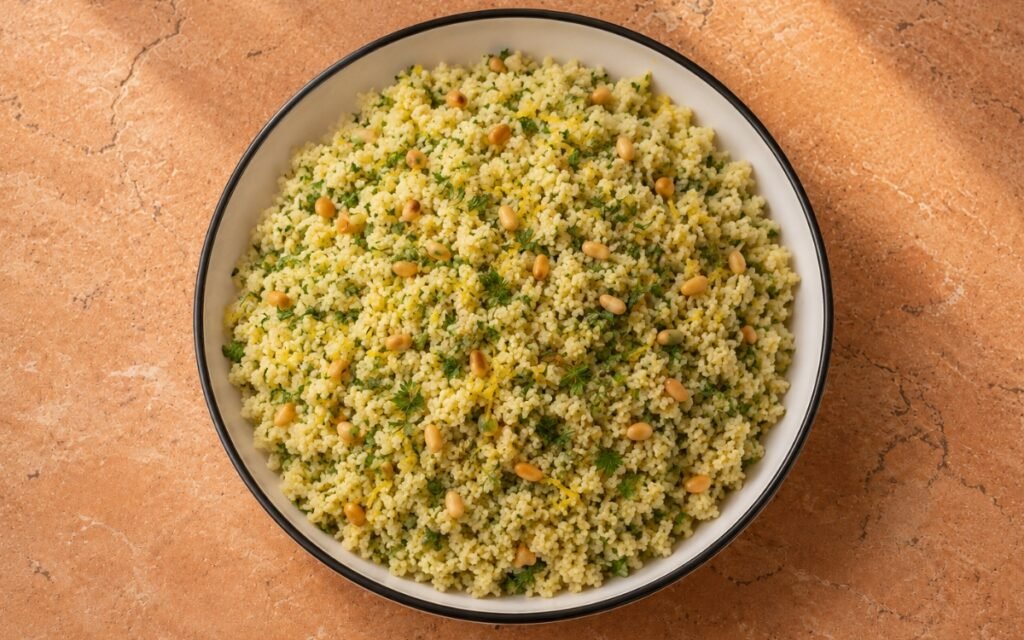
Lemon Herb Couscous
Couscous hydrated in genuinely boiling stock, stirred once, fluffed thoroughly, tossed with fresh lemon, parsley, mint, and dill. Light and bright.
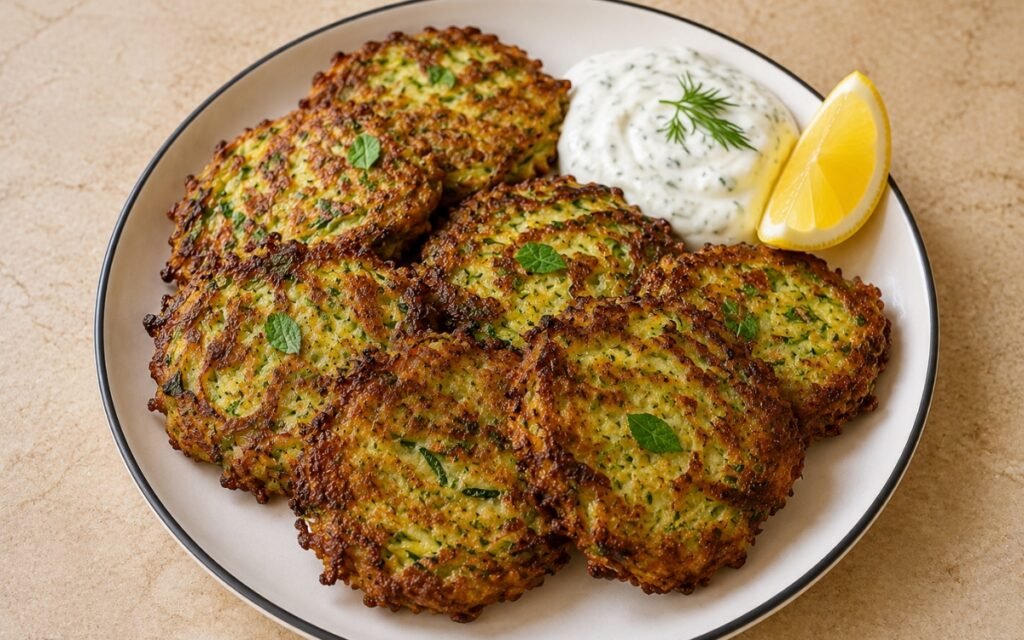
Crispy Zucchini Fritters
Zucchini salted and firmly squeezed dry, mixed into a thick herb-Parmesan batter, fried without crowding until golden. Crisp and herbaceous.
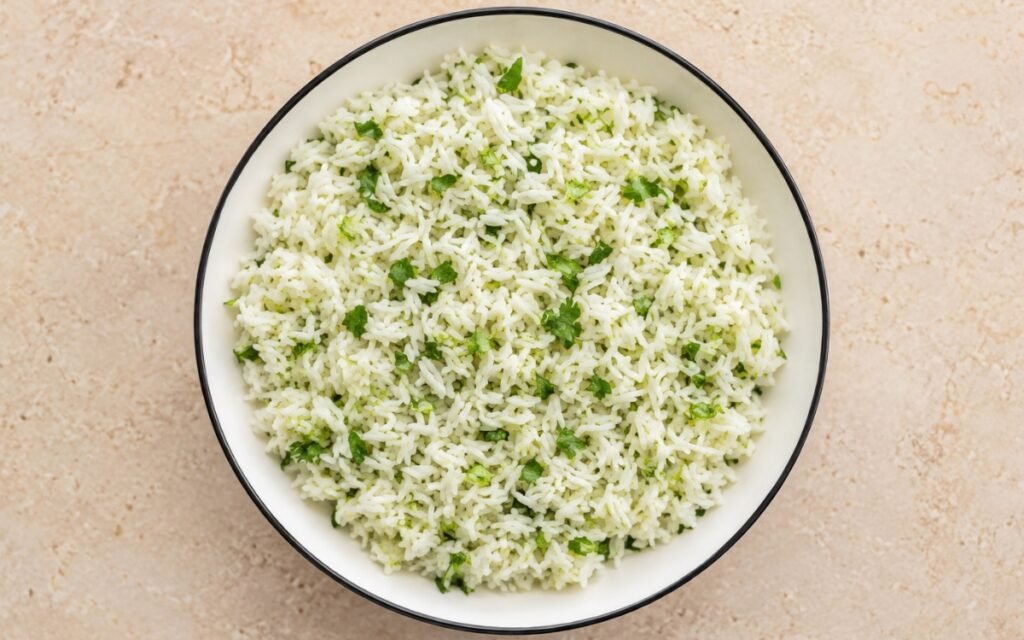
Cilantro Lime Jasmine Rice
Fragrant jasmine rice brightened with fresh lime juice and cilantro for a zesty, aromatic side.
You might also like
You might also like
Iced Americano with Lemon
Cold filtered water and ice topped with freshly brewed espresso, finished with a briefly warmed lemon peel twist for elegant citrus lift.
Southern Sweet Tea (Light Version)
Black tea at full boil for 5 minutes, white sugar dissolved into hot brew immediately — cooled, chilled 1–2 hours. Classic Southern character, lighter and more drinkable.
Lavender Lemonade
Lavender steeped in warm syrup exactly 6–8 minutes before camphor develops — lemon pulp, juice, salt, cold water, chilled. Citrus first, floral behind.



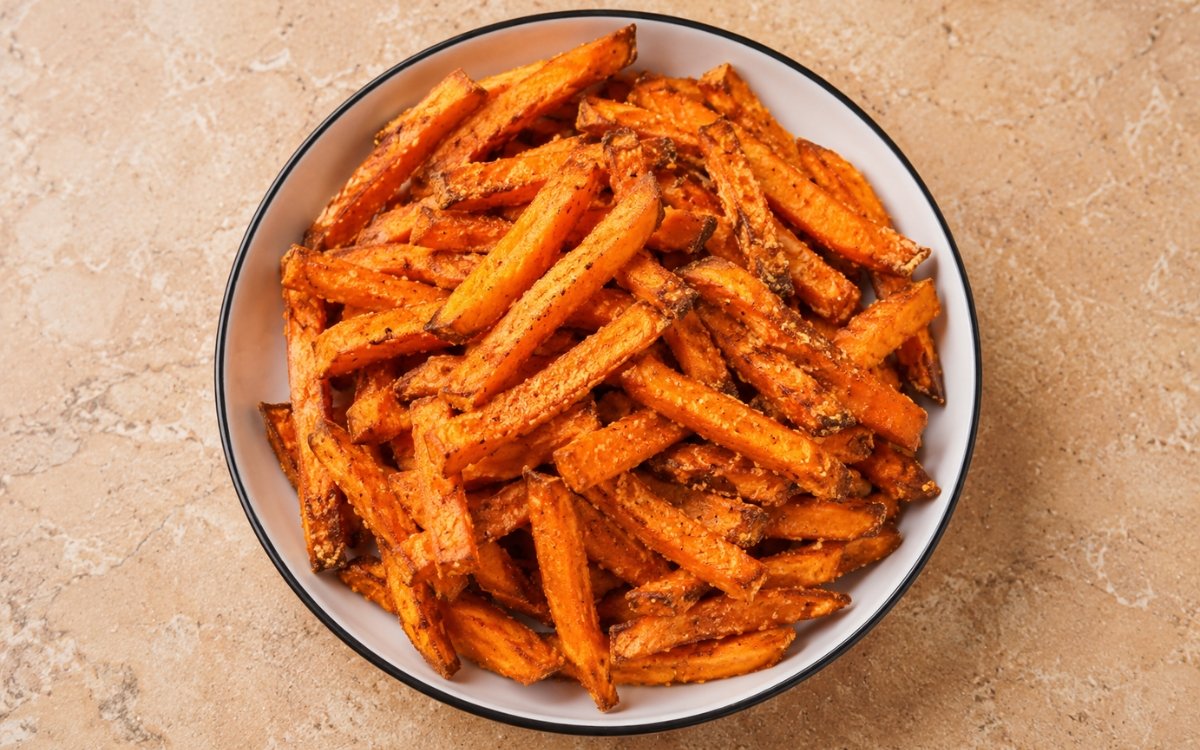
Crispy Sweet Potato Fries
Ingredients
Method
- Peel 800g sweet potatoes and cut into fries about 1cm thick, keeping sizes as even as possible for consistent bake time. Place in a large bowl, cover with cold water, and soak 15 minutes. Drain, then pat completely dry with kitchen towels—take this seriously; any dampness will steam in the oven and soften the fries.
- Return dry fries to the bowl and sprinkle 20g cornstarch over them. Toss thoroughly until each fry looks lightly dusted and no dry piles remain in the bowl; cornstarch creates a thin layer that bakes crisp instead of turning sticky. Shake off any heavy clumps—too much cornstarch can turn pasty.
- Preheat oven to 220°C (425°F). Add 30ml olive oil, 6g salt, 3g paprika, 2g garlic powder, and 2g black pepper. Toss until evenly coated—oil should lightly coat, not pool at the bottom.
- Spread fries in a single layer on two parchment-lined baking sheets so fries don’t touch. Bake 15 minutes, flip each fry, then bake another 15 minutes until golden and crisp at the edges. If fries are tender but not crisp, add 3–5 minutes and check frequently—sweet potato browning accelerates at the end. Serve immediately.