
Lemon Herb Couscous
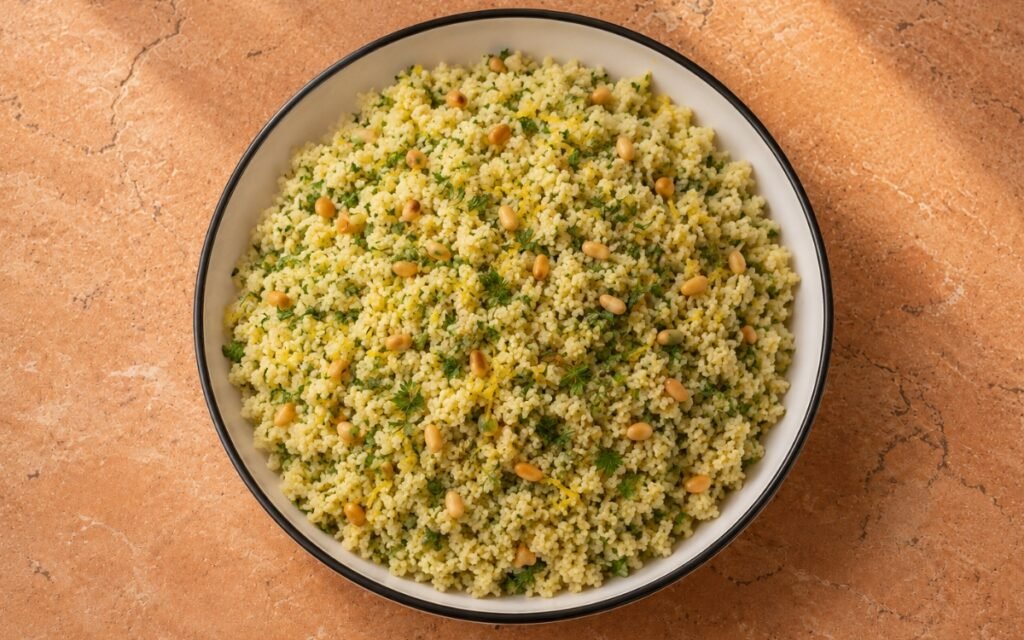
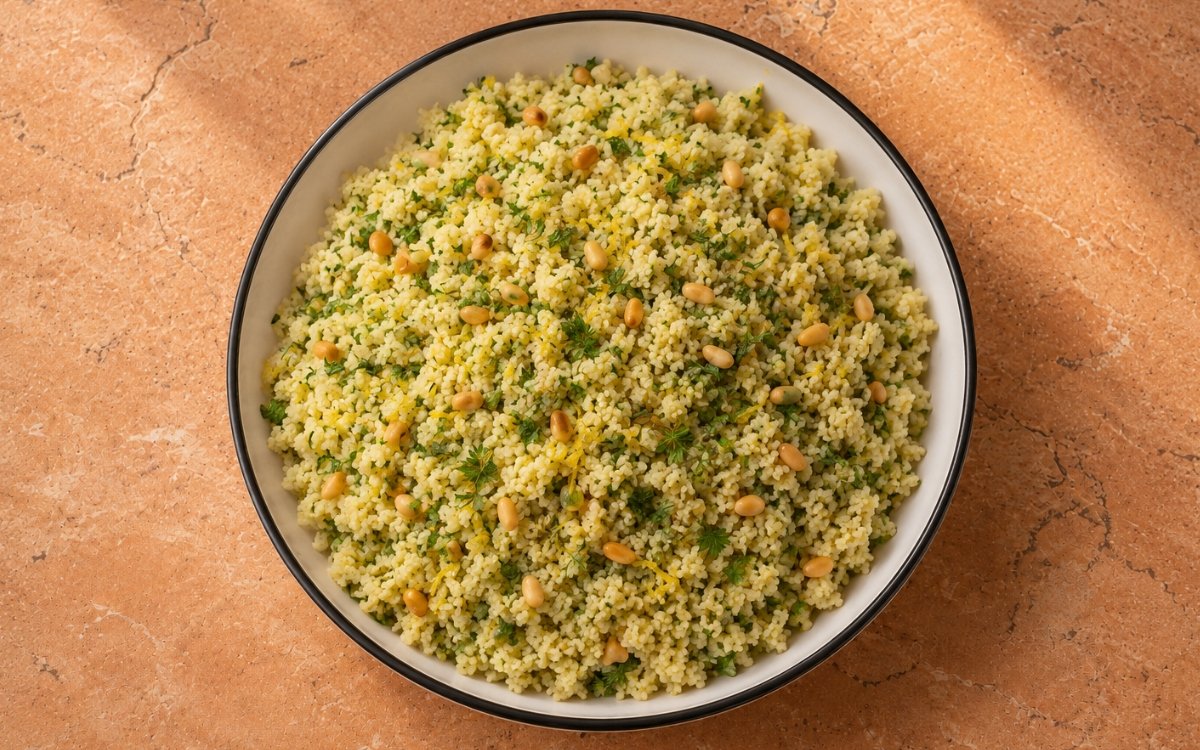
Lemon Herb Couscous is light and fluffy, brightened with fresh lemon juice and aromatic herbs, creating an elegant side dish in minutes. The tiny pearls absorb the citrusy, herbaceous flavors while maintaining a delicate texture. This Mediterranean-inspired dish is perfect for quick weeknight meals or special occasions. Instant couscous cooks by a fundamentally different mechanism than any of the simmered rice preparations elsewhere in this collection — rather than absorbing liquid gradually over a long covered simmer, it needs genuinely boiling-hot liquid poured over it and then simply sits, off the heat entirely, absorbing everything within just 5 minutes through residual heat and steam alone. Stirring only once when the couscous first goes into the hot liquid, rather than mixing vigorously or repeatedly, is what prevents the tiny pearls from clumping together into a paste before they’ve even had the chance to hydrate evenly. Fluffing thoroughly afterward, working specifically from the drier edges toward the center with a lifting rather than pressing motion, breaks apart any clumps that did form without compressing the grains back together. The lemon juice, zest, and fresh herbs are folded in only once the couscous is fully hydrated and fluffed, layering bright, fresh flavor on top of grains that are already light and separate rather than risking that brightness getting lost or muddied during the cooking process itself.
Prep Time : 5 min
Cook Time : 10 min
Servings : 4
5 min
10 min
4
Ingredients
For the Lemon Herb Couscous
• 300g instant couscous
• 450ml vegetable stock — this one on Amazon
• 45ml extra virgin olive oil — this one on Amazon
• 30ml fresh lemon juice
• 5g lemon zest
• 20g fresh parsley, finely chopped
• 10g fresh mint, finely chopped
• 8g fresh dill, chopped
• 6g salt
• 2g black pepper
• 30g toasted pine nuts (optional)
This post may contain affiliate links. As an Amazon Associate I earn from qualifying purchases, at no additional cost to you.
Directions
- Heat Stock and Oil
In a medium saucepan (2L), combine the 450ml vegetable stock and 30ml olive oil (reserving the remaining 15ml for later). Add the 6g salt and bring to a rolling boil over high heat, letting it reach a genuine, sustained boil rather than just a light simmer; couscous needs truly hot liquid for even hydration, and liquid that’s only warm or gently simmering won’t provide enough heat to properly cook the tiny pearls through their brief resting period. - Add Couscous
Remove the pot from heat and immediately stir in the 300g couscous. Stir just once, thoroughly enough to moisten every grain evenly across the pot, but resist the urge to keep stirring beyond that single pass — overstirring at this stage is one of the most common ways couscous ends up clumpy, since the starch on the surface of the grains becomes sticky and binds neighboring pearls together the more they’re agitated while wet. Cover the pot tightly with a well-fitting lid and let it stand, completely off the heat, for 5 minutes. The couscous will absorb all the liquid entirely on its own during this resting period — no additional simmering or heat is needed at any point. - Fluff Couscous
Remove the lid and fluff the couscous thoroughly with a fork, breaking up any clumps and separating the grains from one another. Work specifically from the edges of the pot toward the center as you fluff — the couscous around the edges tends to be slightly drier than the center, having had marginally more direct contact with the hot pan surface, and starting there helps you catch and address any unevenness before it becomes a larger clumped mass. Use a lifting motion with the fork, gently turning the grains up and over rather than pressing or mashing them down, since pressing would compact the couscous back into the same dense clumps you’re trying to break apart. - Add Citrus and Herbs
Drizzle the remaining 15ml olive oil and the 30ml lemon juice over the fluffed couscous. Add the 5g lemon zest, 20g parsley, 10g mint, 8g dill, and 2g black pepper, then toss everything gently with a fork until the herbs are evenly distributed throughout the grains rather than clustered in one area of the bowl. If the couscous looks a little tight or dense at this stage, continue fluffing a bit longer with the fork before considering any extra liquid — often what looks like dryness is simply grains that haven’t been fully separated yet, and additional fluffing resolves it without needing more liquid at all. - Finish and Serve
Taste and adjust the salt and pepper if needed, since the exact amount of seasoning that comes through can vary slightly depending on how much liquid the couscous absorbed and how thoroughly it was fluffed. Transfer to a serving bowl and top with the 30g toasted pine nuts if using. Serve warm or at room temperature, since couscous holds its texture well either way.
*Notes :
- Instant couscous’s cooking mechanism is genuinely different from any grain-based side dish elsewhere in this collection. Rather than the gradual, extended absorption process rice depends on, couscous is essentially pre-steamed during manufacturing and only needs enough boiling-hot liquid and residual steam, trapped under a tight lid, to fully rehydrate within just a few minutes — there’s no active simmering step involved at all once the liquid meets the grains.
- The single-stir rule when adding the couscous to the hot liquid is worth taking seriously. Couscous’s surface starch becomes noticeably sticky the moment it contacts hot liquid, and repeated stirring at that early stage actively works those starchy surfaces against each other, binding pearls together into clumps that are considerably harder to separate later during fluffing than they would have been to prevent from forming in the first place.
- Adding the lemon juice, zest, and fresh herbs only after the couscous has been fully fluffed and separated protects their bright, fresh character. Folding acidic lemon juice or delicate herbs into couscous that’s still hot and actively steaming, or into grains that haven’t yet been separated, risks both a duller flavor and a less even distribution throughout the finished dish.
Why This Recipe Works
This recipe works because bringing the stock to a genuine, sustained boil provides enough heat for couscous’s brief, passive hydration period to fully succeed. The single stir when adding the couscous prevents the sticky clumping that repeated agitation would cause.
Fluffing thoroughly, working from the edges inward with a lifting motion, separates the grains without compacting them back together. And adding the lemon and fresh herbs only once the couscous is fully fluffed preserves their bright character and ensures even distribution throughout.
Ingredient Breakdown
Instant Couscous
The foundation — cooked through passive hydration from hot liquid rather than active simmering.
Vegetable Stock, Brought to a Genuine Boil
The hydration medium — needs to be genuinely hot for the brief resting period to fully cook the grains.
Fresh Lemon Juice and Zest, Added After Fluffing
The bright citrus layer — preserved by staying out of the pot until the grains are fully separated.
Parsley, Mint, and Dill
The herbaceous finish — a Mediterranean-style trio folded in gently to avoid bruising.
Flavor Structure Explained
This Lemon Herb Couscous follows a light Mediterranean balance model:
- Delicate grain core (couscous)
- Bright citrus lift (lemon juice and zest)
- Fresh herbal layer (parsley, mint, dill)
- Soft absorbent structure (fluffed couscous)
- Optional rich texture (toasted pine nuts)
Couscous defines the foundation with a mild, delicate character that readily absorbs the flavors added to it. Lemon juice and zest provide the main bright register, bringing clean acidity and fragrant citrus oils that keep the dish light. Parsley, mint, and dill create a layered herbaceous profile, adding freshness, green aroma, and a distinctly Mediterranean feel. Because couscous is soft and subtle, these herbs and citrus notes remain clear without needing heavy seasoning. Toasted pine nuts, if included, add gentle richness and a small amount of crunch, giving the dish more texture without weighing it down. The result is a couscous preparation built around brightness, freshness, and restraint, where citrus, herbs, and delicate grains remain in clean balance.
Common Mistakes to Avoid
- Using Liquid That Isn’t Fully Boiling – Prevents the couscous from properly hydrating during its brief resting period. Always bring the stock to a genuine, sustained boil.
- Overstirring When Adding the Couscous – Causes sticky clumping. Always stir just once to moisten evenly, then stop.
- Fluffing With a Pressing Motion Instead of Lifting – Compacts the grains back together. Always use a gentle lifting motion with the fork.
- Adding the Lemon and Herbs Too Early – Risks dulling their bright, fresh flavor and uneven distribution. Always wait until the couscous is fully fluffed and separated.
- Adding Extra Liquid When the Couscous Just Needs More Fluffing – Often what looks like dryness resolves with more thorough fluffing alone. Always fluff longer before adding liquid.
Variations
With Pesto
For a related herb-forward couscous using a different flavor base, see the Green Pesto Couscous.
With Tomato
For a warmer, tomato-based couscous direction, see the Moroccan Tomato Couscous.
With Feta
Fold in crumbled feta cheese along with the herbs for added richness and tang.
With Dried Fruit
Add finely chopped dried apricots or currants for a subtle sweetness alongside the citrus and herbs.
Storage & Make-Ahead
Cooked couscous can be refrigerated for up to 3 days. It is best served at room temperature or reheated gently with a splash of stock to loosen the grains.
Fresh herbs and citrus are best added just before serving rather than mixed in ahead of time, so they keep their brightness.
Frequently Asked Questions
Why does couscous need genuinely boiling liquid rather than just hot liquid?
Couscous is largely pre-cooked during manufacturing and relies entirely on the heat and steam trapped under a tight lid during its brief resting period to fully rehydrate. Liquid that’s only warm or gently simmering, rather than at a full boil, doesn’t carry enough heat to properly finish cooking the grains within that short 5-minute window.
Why is it so important to only stir once when adding the couscous to the liquid?
Couscous’s surface starch becomes sticky almost immediately upon contact with hot liquid. Stirring repeatedly at this stage actively works those sticky surfaces against neighboring grains, binding them together into clumps that are considerably more difficult to separate later during fluffing than they would have been to avoid creating in the first place.
Why wait to add the lemon juice and herbs until after fluffing rather than mixing everything in together?
Adding acidic lemon juice or delicate fresh herbs to couscous that’s still hot, steaming, or not yet fully separated risks dulling their bright flavor and distributing them unevenly throughout clumped grains. Waiting until the couscous is fully fluffed and separated ensures both the freshest flavor and the most even coating throughout the dish.
What should I serve alongside this couscous?
This pairs naturally with the Grilled Salmon Fillets or Garlic Shrimp Skewers, and for other Mediterranean-inspired couscous directions, try the Green Pesto Couscous or Moroccan Tomato Couscous.
Nutrition Facts
( per serving )
Calories
~310 kcal
Protein
8 g
Fat
11 g
Carbs
45 g
Calories
~310 kcal
Protein
8 g
Fat
11 g
Carbs
45 g
Related Recipes
Related Recipes

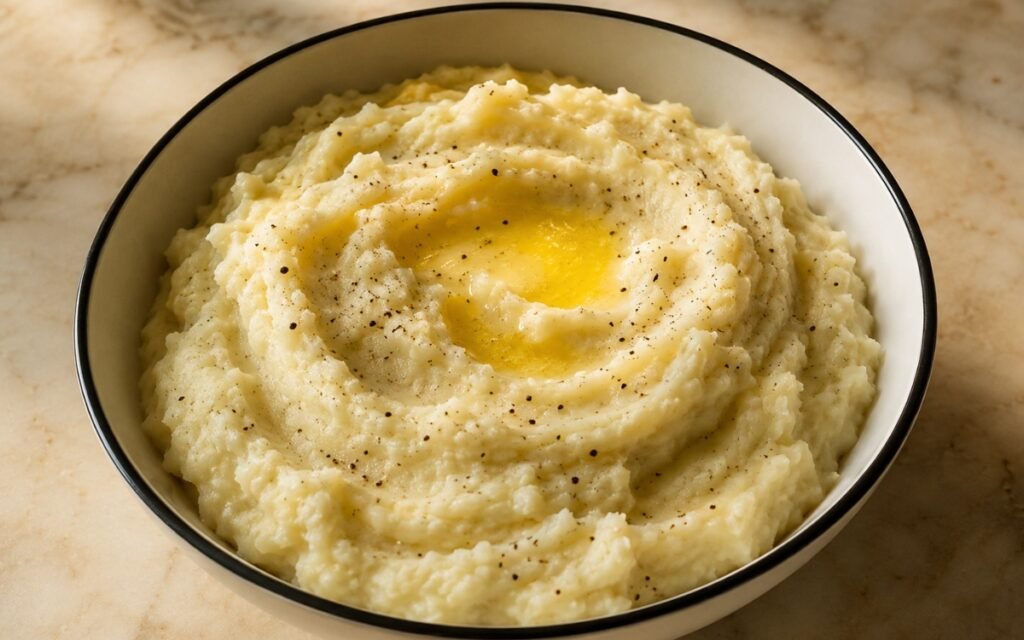
Classic Mashed Potatoes
Creamy, buttery mashed potatoes with perfectly smooth texture – the ultimate comfort food side dish.
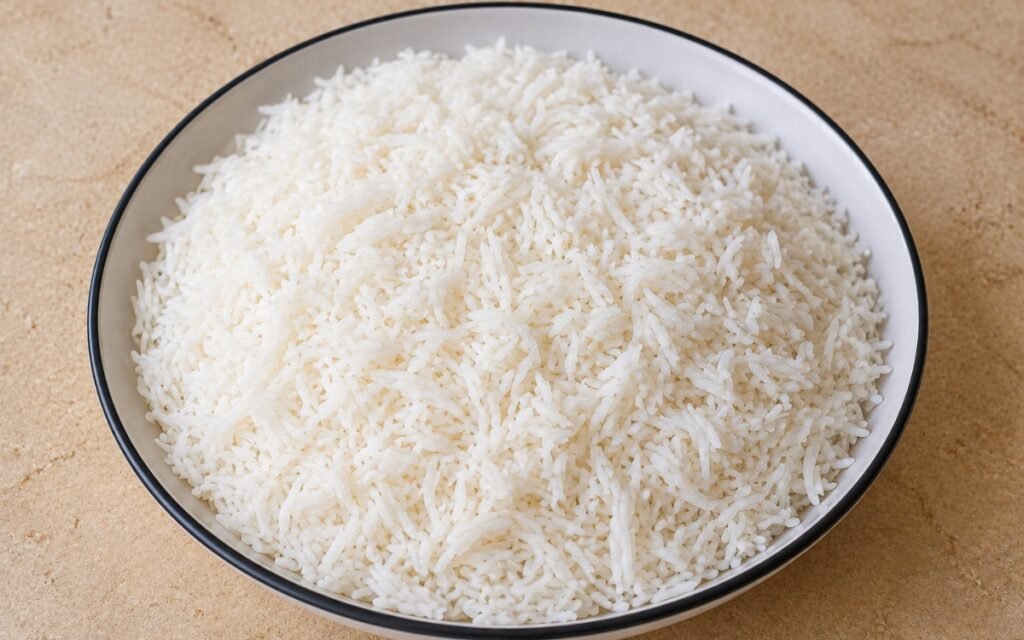
Plain Steamed Basmati Rice
Basmati rinsed thoroughly, boiled uncovered then simmered covered undisturbed for 15 minutes, rested and fluffed. Long, separate grains every time.
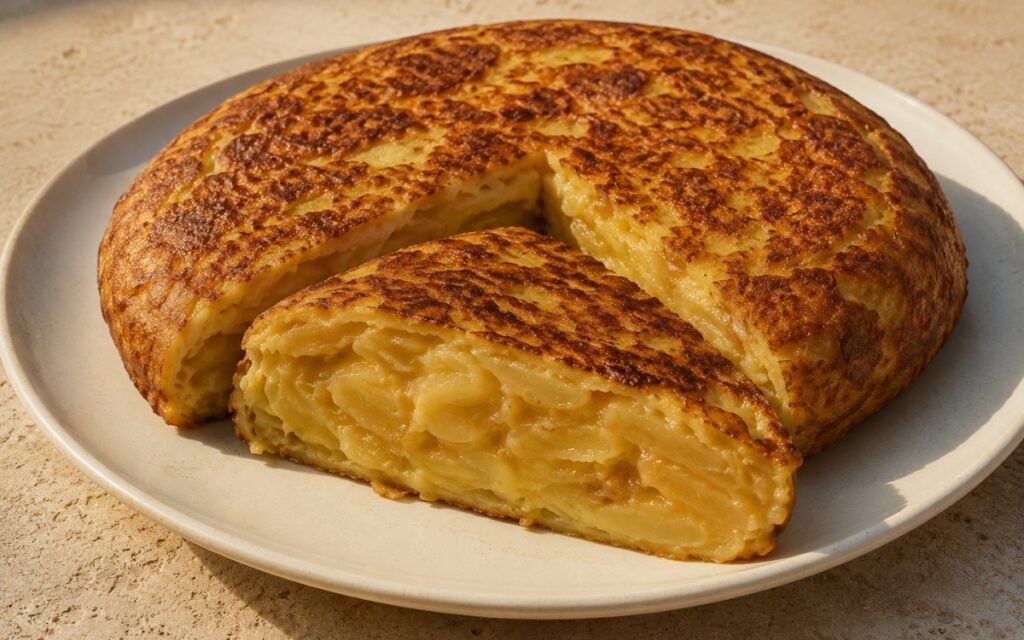
Spanish Tortilla / Tortilla Española
Thin potato slices gently cooked in olive oil, folded into beaten eggs, and cooked slowly for a golden exterior and soft, custardy centre.
You might also like
You might also like
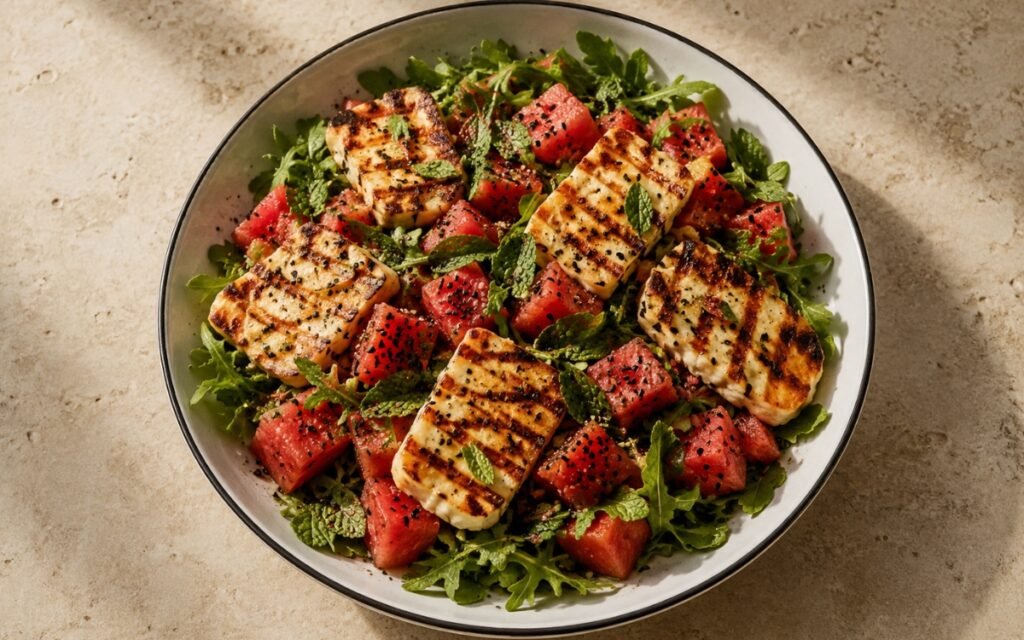
Grilled Halloumi & Watermelon Salad
Halloumi seared undisturbed one to two minutes per side, watermelon drained first, sesame-lime-honey dressing. Warm, cold, sweet, salty.
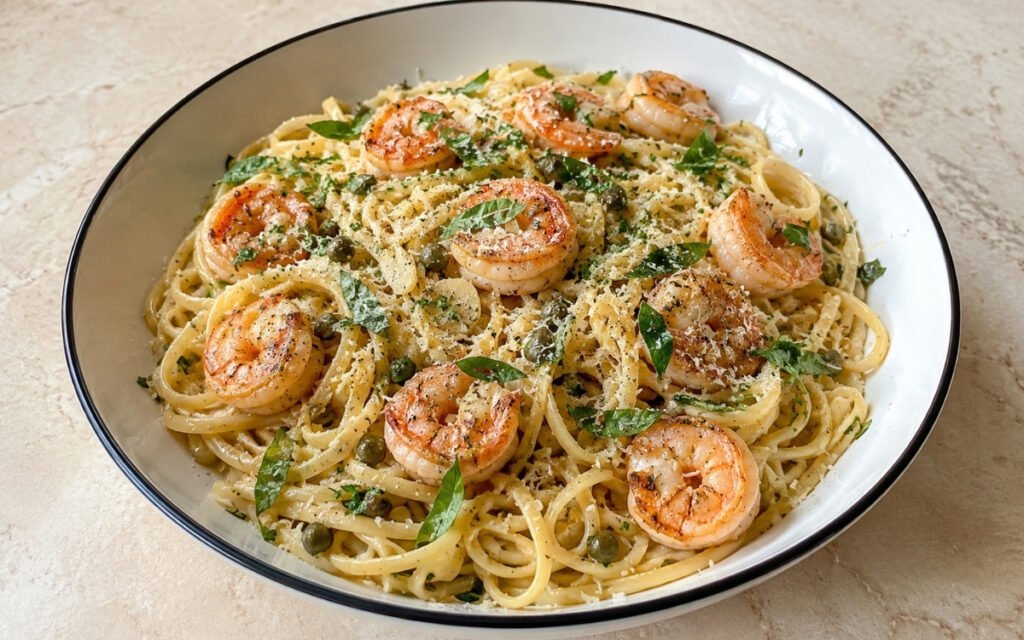
Lemon Garlic Shrimp Pasta
Golden-seared shrimp in a white wine, lemon, and butter sauce — one pan, 30 minutes.
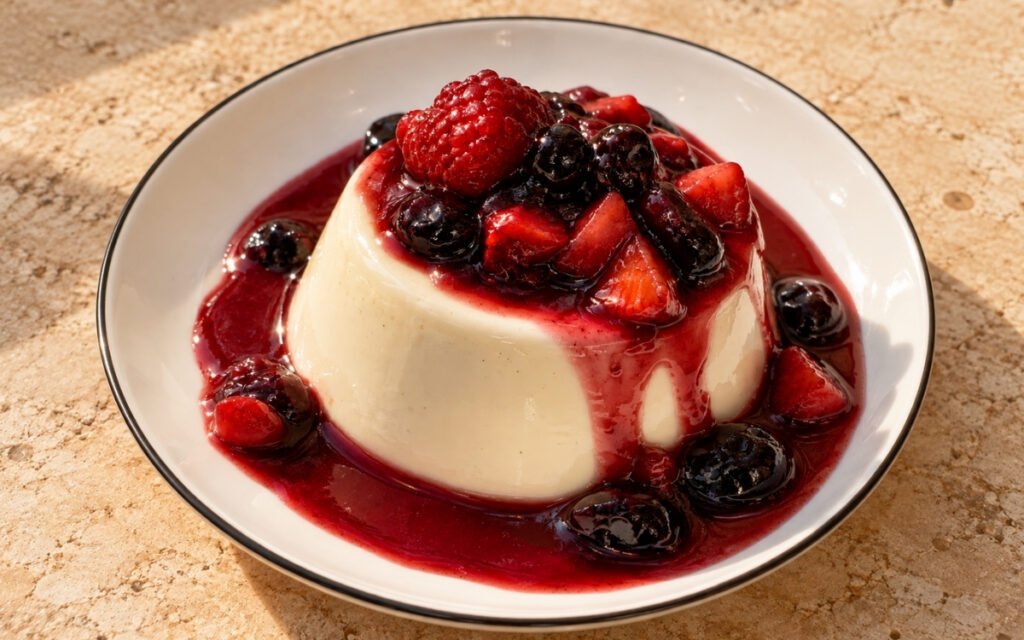
Panna Cotta
Delicately set cream, milk, sugar, vanilla and gelatin panna cotta, unmolded and topped with glossy berry sauce and macerated berries.
Lemon Herb Couscous
Ingredients
Method
- In a medium saucepan (2L), combine the 450ml vegetable stock and 30ml olive oil (reserving the remaining 15ml for later). Add the 6g salt and bring to a rolling boil over high heat, letting it reach a genuine, sustained boil rather than just a light simmer; couscous needs truly hot liquid for even hydration, and liquid that’s only warm or gently simmering won’t provide enough heat to properly cook the tiny pearls through their brief resting period.
- Remove the pot from heat and immediately stir in the 300g couscous. Stir just once, thoroughly enough to moisten every grain evenly across the pot, but resist the urge to keep stirring beyond that single pass — overstirring at this stage is one of the most common ways couscous ends up clumpy, since the starch on the surface of the grains becomes sticky and binds neighboring pearls together the more they’re agitated while wet. Cover the pot tightly with a well-fitting lid and let it stand, completely off the heat, for 5 minutes. The couscous will absorb all the liquid entirely on its own during this resting period — no additional simmering or heat is needed at any point.
- Remove the lid and fluff the couscous thoroughly with a fork, breaking up any clumps and separating the grains from one another. Work specifically from the edges of the pot toward the center as you fluff — the couscous around the edges tends to be slightly drier than the center, having had marginally more direct contact with the hot pan surface, and starting there helps you catch and address any unevenness before it becomes a larger clumped mass. Use a lifting motion with the fork, gently turning the grains up and over rather than pressing or mashing them down, since pressing would compact the couscous back into the same dense clumps you’re trying to break apart.
- Drizzle the remaining 15ml olive oil and the 30ml lemon juice over the fluffed couscous. Add the 5g lemon zest, 20g parsley, 10g mint, 8g dill, and 2g black pepper, then toss everything gently with a fork until the herbs are evenly distributed throughout the grains rather than clustered in one area of the bowl. If the couscous looks a little tight or dense at this stage, continue fluffing a bit longer with the fork before considering any extra liquid — often what looks like dryness is simply grains that haven’t been fully separated yet, and additional fluffing resolves it without needing more liquid at all.
- Taste and adjust the salt and pepper if needed, since the exact amount of seasoning that comes through can vary slightly depending on how much liquid the couscous absorbed and how thoroughly it was fluffed. Transfer to a serving bowl and top with the 30g toasted pine nuts if using. Serve warm or at room temperature, since couscous holds its texture well either way.