
Huevos Divorciados
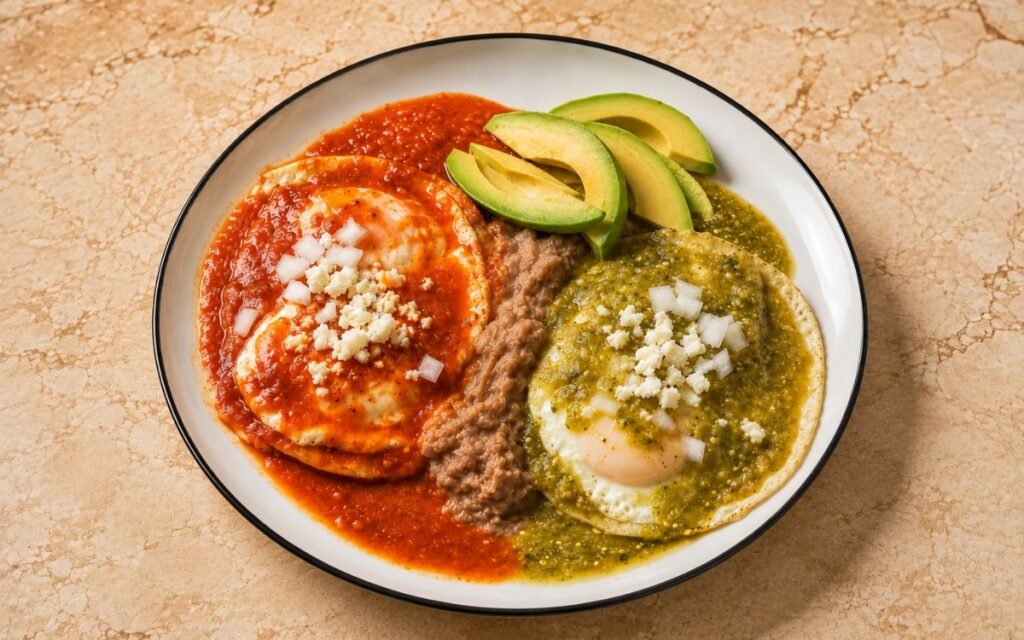
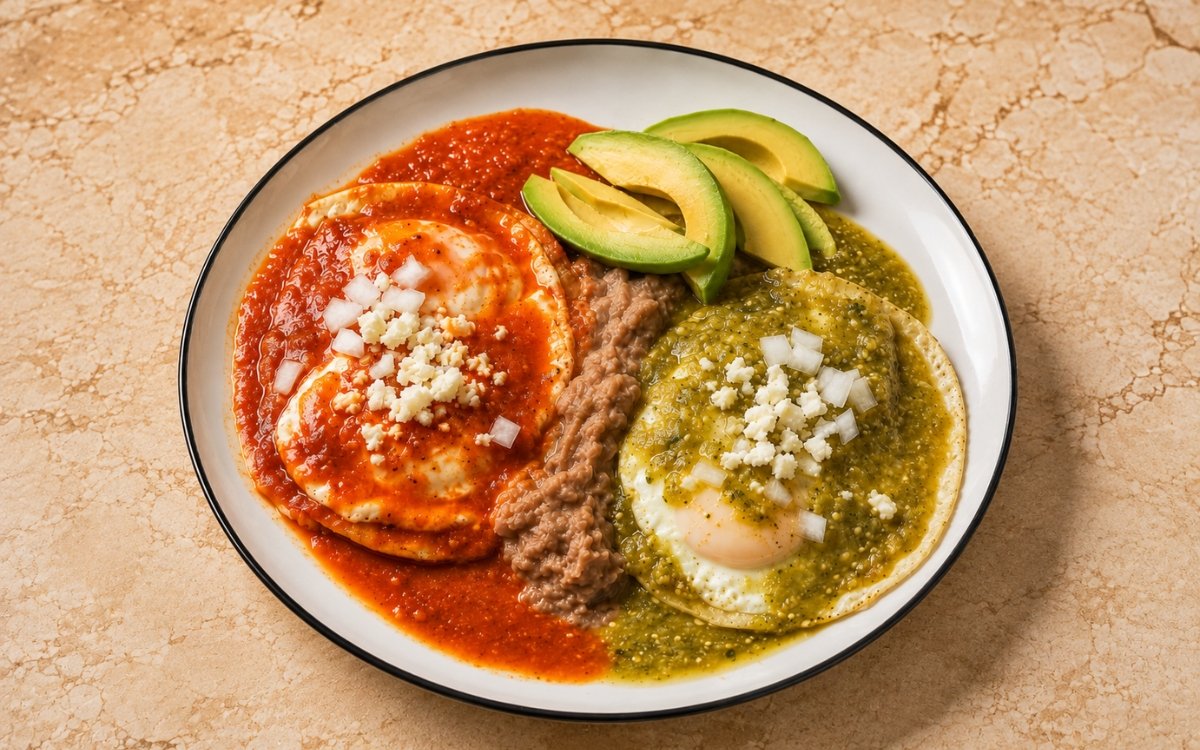
Huevos Divorciados is a classic Mexican breakfast of two fried eggs served on tortillas, “divorced” by two different salsas — one vivid red salsa roja and one vivid green salsa verde — with refried beans in the middle, plus queso fresco, diced onion, and sliced avocado. Keeping the red and green salsas clearly, physically separate throughout assembly is the technique this whole dish depends on for its defining visual — that separation is the entire point behind the name “divorced eggs,” the same deliberate-separation principle used elsewhere in this collection whenever a dish’s identity depends on two components staying visually distinct rather than blending together. Frying the tortillas only lightly, never to a crisp tostada texture, is what gives them enough structure to support the eggs and absorb some sauce without shattering underneath everything piled on top. Warming both salsas until hot and spoonable, but never watery, is what lets them sit properly over each egg rather than pooling and running together. The payoff is a plate with genuine, deliberate contrast — one egg blanketed in vivid red salsa, one in vivid green, refried beans holding the middle ground between them, finished with queso fresco, onion, and avocado.
Prep Time : 15 min
Cook Time : 20 min
Servings : 4
15 min
20 min
4
Ingredients
Liquid Components
• 500–600g prepared Refried Beans, warmed
• 8 small corn tortillas, store-bought or from Homemade Corn Tortillas
• 45–60ml neutral oil, for lightly frying the tortillas and eggs
For the Eggs and Garnish
• 8 large eggs
• Fine sea salt, to taste
• Freshly ground black pepper, to taste
• 100g queso fresco, crumbled — this one on Amazon
• 80–100g white onion, finely diced
• 2 ripe avocados, sliced
This post may contain affiliate links. As an Amazon Associate I earn from qualifying purchases, at no additional cost to you.
Directions
- Prepare the Components
Prepare the Salsa Roja and Salsa Verde Mexican from their linked recipes, or have them ready in advance. Warm both salsas separately in small saucepans over low heat. They should be hot and spoonable but not watery. Warm the refried beans gently in a small saucepan or skillet over low heat, stirring occasionally. If they are very thick, loosen with a small splash of water until creamy and spreadable. Set out the crumbled queso fresco, diced onion, and sliced avocado so everything is ready for fast assembly. Keeping every salsa and side warming in its own separate pan, rather than combined in one, protects both the physical separation this dish depends on and each component’s own individual character right up until plating. - Lightly Fry the Tortillas
Heat a thin layer of neutral oil in a skillet over medium heat. Lightly fry the tortillas one at a time for about 10–15 seconds per side, just until softened, lightly blistered, and flexible. They should not become crisp like tostadas. Transfer to a plate or rack and keep warm. This brief, controlled fry gives the tortillas real, if modest, structural resistance against the egg and sauce about to sit on top, without pushing them toward the rigid crispness that would make the whole plate harder to eat with a fork and knife. - Fry the Eggs
In the same skillet, add a little more oil if needed and fry the eggs 2–4 at a time over medium to medium-low heat. Season lightly with salt and black pepper. Cook until the whites are set and the yolks are still runny or just softly set, depending on preference. The bottoms should be lightly golden but not aggressively crisp. Frying in the same skillet used for the tortillas means the eggs pick up a light layer of that same residual oil and flavour, tying the two components together even before they meet on the plate. - Assemble the Plates
For each serving, place 2 tortillas on a plate, side by side with a slight overlap. Top each tortilla with 1 fried egg. Spoon warm Salsa Roja generously over one egg and warm Salsa Verde generously over the other, keeping the red and green sides clearly separate. Place a generous stripe or spoonful of warm refried beans between the two eggs. Finish each plate with crumbled queso fresco, a small scattering of diced white onion, and sliced avocado. Positioning the beans directly between the two eggs serves a real, functional purpose beyond presentation — that stripe acts as a genuine visual and physical buffer, reinforcing the clean separation between red and green that gives this dish its name. - Serve
Serve immediately while the eggs are hot, the yolks are still soft, and the tortillas are warm and tender. This dish’s whole appeal depends on a specific, fleeting moment — hot eggs, soft yolks, warm tortillas, and hot salsa all meeting at once — and serving without delay is what actually delivers that moment rather than letting any one component cool or soften out of sync with the others.
*Notes :
- Keeping the two salsas physically and visually separate throughout every stage of this recipe deserves to be understood as the entire organizing principle behind the dish, not simply a presentation choice among several options. “Divorciados” specifically references that deliberate separation — a plate where the red and green salsas were allowed to mix or blend together would lose the dish’s actual defining characteristic, regardless of how good either salsa tasted on its own.
- The specific, restrained frying treatment given to the tortillas — just enough to soften and lightly blister, stopping well short of tostada-level crispness — reflects real thought about what this particular dish needs from its base. A fully crisp tortilla would shatter under the combined weight of a fried egg, warm salsa, and beans, while an entirely unfried, soft tortilla would offer no real resistance at all. The brief fry specified here finds a genuine middle ground.
- Warming each salsa to hot and spoonable, but stopping short of watery, matters more than it might initially seem given how this dish is plated. A salsa that’s too thin would run and blur the clean boundary between red and green sides rather than sitting distinctly over its own egg — the specific consistency called for here is what lets each sauce hold its place on the plate.
- The recipe’s own emphasis on serving immediately, capturing hot eggs, soft yolks, warm tortillas, and hot salsa all together, is worth respecting as a genuine, time-sensitive requirement rather than generic advice. Every earlier stage of preparation — warming the salsas and beans separately, frying the tortillas just enough, frying the eggs to the right doneness — exists specifically to converge at this one serving moment, and any real delay lets that careful timing fall out of sync.
Why This Recipe Works
This recipe works because every component — both salsas, the beans, the tortillas, the eggs — is prepared and kept separate right up until the final assembly, protecting the dish’s defining red-green division from ever blurring together.
The tortillas are fried just enough to gain real structural resistance without becoming brittle, and the eggs are fried to a classic soft-yolk finish that pairs naturally with warm salsa spooned directly over them.
Positioning the beans as a physical, visual buffer between the two eggs reinforces that same separation. Serving everything the moment it’s assembled captures the specific, converging moment of hot eggs, soft yolks, and warm salsa this dish depends on.
Ingredient Breakdown
Salsa Roja and Salsa Verde (Kept Separate)
The dish’s defining components — warmed and held apart throughout, since their physical separation is the entire point of the recipe.
Lightly Fried Corn Tortillas
The structural base — fried just enough for real resistance without becoming brittle or shattering under the toppings.
Fried Eggs (Soft Yolk)
The centrepiece — cooked to a classic soft or runny yolk finish that pairs naturally with the warm salsa spooned over each one.
Refried Beans (As a Central Buffer)
The dividing element — placed deliberately between the two eggs, reinforcing the visual and physical separation between red and green.
Fresh Queso Fresco, Onion, and Avocado
The finishing garnish — added last, contributing texture and freshness without disrupting the red-green division.
Flavor Structure Explained
This huevos divorciados follows a layered balance model:
- Soft savoury foundation (fried egg, soft yolk)
- Two distinct salsa directions (vivid salsa roja, vivid salsa verde)
- Hearty central body (refried beans)
- Warm structural base (lightly fried tortilla)
- Fresh finishing garnish (queso fresco, onion, avocado)
Each fried egg, with its soft, runny yolk, provides a rich, savoury foundation for its own side of the plate. Salsa roja and salsa verde each bring their own distinct, vivid flavour direction — one typically deeper and more savoury-red, the other brighter and more herbal-green — kept deliberately apart rather than blended. Refried beans add hearty, creamy body right at the centre of the plate. Lightly fried tortillas provide a warm, structural base beneath everything. Fresh queso fresco, diced onion, and sliced avocado finish the dish with texture and brightness that complement both salsa sides equally.
Common Mistakes to Avoid
- Letting the Two Salsas Touch or Blend on the Plate – This loses the dish’s defining “divorced” presentation. Always keep the red and green sides clearly separate.
- Frying the Tortillas Until Fully Crisp – This causes them to shatter under the weight of the toppings. Always fry them only lightly, just until softened and flexible.
- Warming the Salsas Until Watery – This causes them to run and blur the clean boundary between sides. Always keep them hot and spoonable, not thin.
- Skipping the Central Beans – This removes the physical buffer that reinforces the separation between the two salsas. Always place a generous stripe of beans between the eggs.
- Letting the Plate Sit Before Serving – The eggs, tortillas, and salsa all cool and lose their intended texture quickly. Always serve immediately after assembly.
Variations
Over-Hard Egg Version
Cook the eggs to a fully set yolk instead of soft, for those who prefer a firmer texture.
Extra-Spicy Version
Use a spicier version of either salsa for those who want more heat on one or both sides of the plate.
Single-Salsa Version
Serve both eggs with the same salsa for a simpler, non-“divorced” variation if preferred.
Extra-Garnished Version
Add a scattering of fresh cilantro alongside the queso fresco and onion for additional freshness.
Storage & Make-Ahead
Both salsas and the refried beans can be made ahead according to their own recipes and reheated gently before assembly.
This dish is meant to be assembled and served immediately; fried eggs, warm tortillas, and hot salsa do not hold or store well once combined on a plate.
Fresh garnishes — queso fresco, onion, avocado — should always be prepared just before serving.
Frequently Asked Questions
Why is it so important to keep the two salsas completely separate throughout the recipe?
The name “divorciados” specifically refers to this deliberate separation, which is the dish’s entire defining characteristic. A plate where the red and green salsas were allowed to blend together would lose that identity, regardless of how good either salsa tasted individually.
Why are the tortillas only lightly fried instead of fried until crisp?
A fully crisp tortilla would shatter under the combined weight of a fried egg, warm salsa, and beans. The brief fry specified here gives just enough structural resistance without that brittleness.
Why do the salsas need to stay thick and spoonable rather than being thinned out?
A thinner, more watery salsa would run and blur the clean boundary between the red and green sides. Keeping both salsas properly thick is what lets each one hold its place distinctly on its own egg.
Why are the refried beans placed specifically between the two eggs?
That central stripe of beans acts as a genuine physical and visual buffer, reinforcing the clean separation between red and green that gives this dish its name and defining presentation.
Are there other classic Mexican egg dishes or salsas worth trying?
Huevos Rancheros and Huevos a la Mexicana both offer other classic Mexican egg preparations worth exploring. Salsa Roja, Salsa Verde Mexican, and Refried Beans are all worth making on their own too, since they form the foundation of this and many other classic Mexican breakfast dishes.
Nutrition Facts
( per serving )
Calories
~640 kcal
Protein
26 g
Fat
40 g
Carbs
48 g
Calories
~640 kcal
Protein
26 g
Fat
40 g
Carbs
48 g
Related Recipes
Related Recipes

Huevos Rancheros
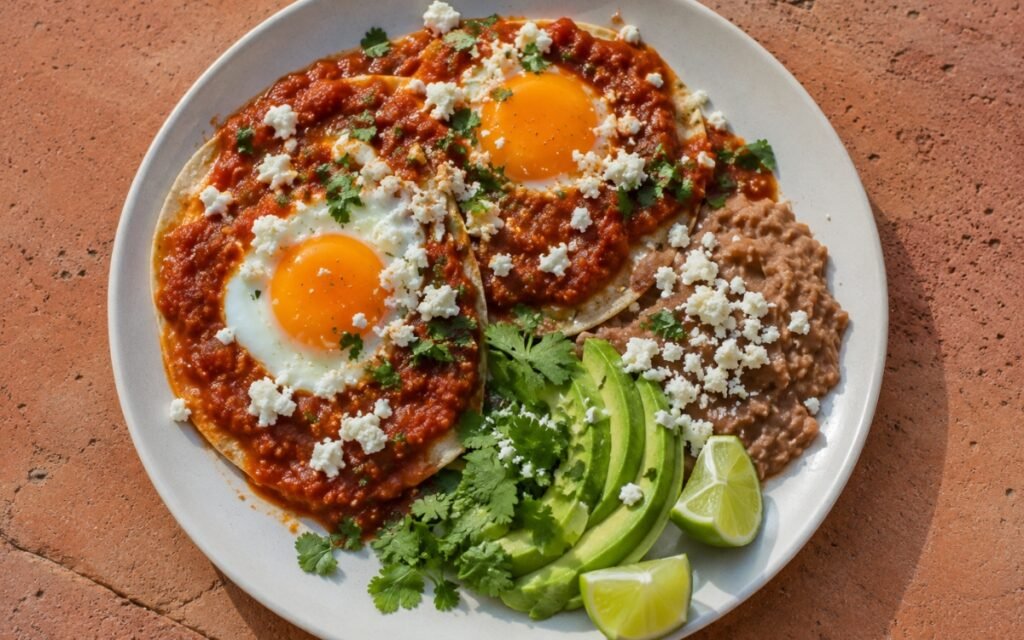
Fried eggs with bright runny yolks served on warm corn tortillas, covered in chunky red ranchero sauce, with refried beans and avocado.
Cuban Picadillo
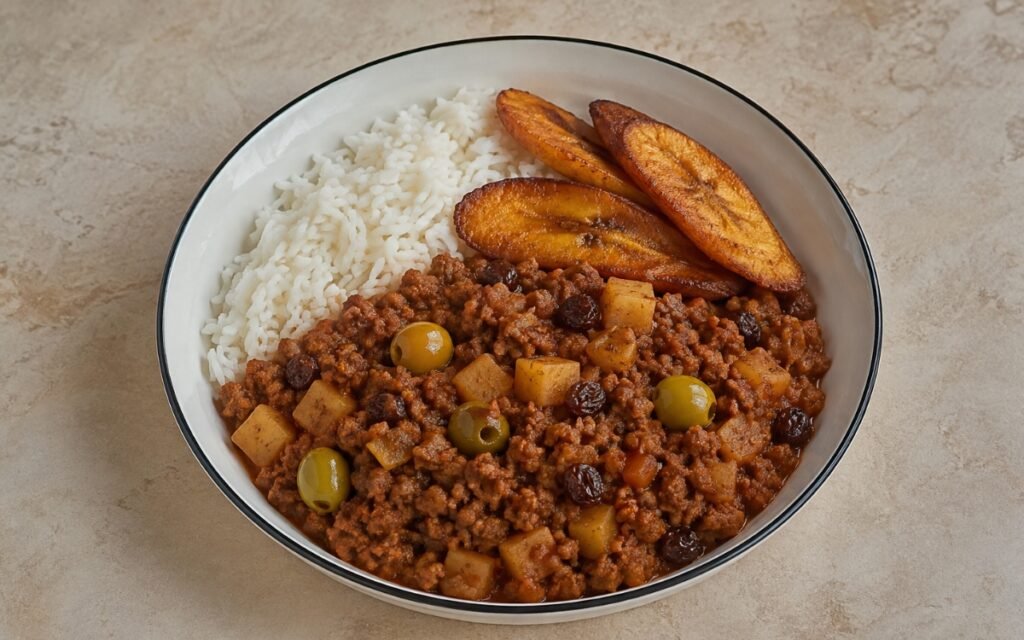
Seasoned ground beef simmered in a savory tomato sauce with green olives, raisins, and tender diced potatoes.
Osso Buco
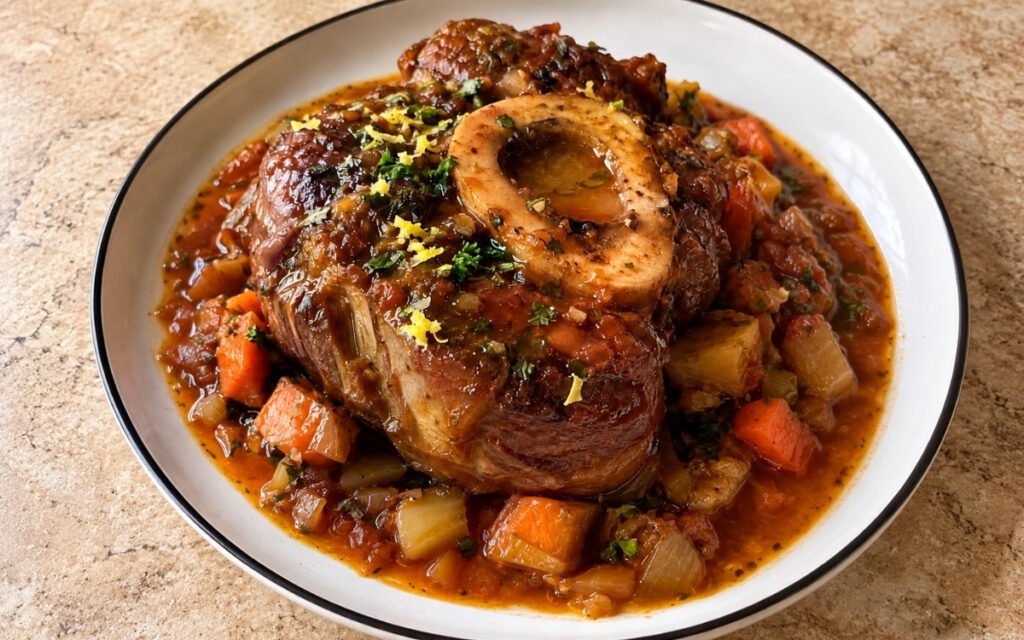
Slow-braised veal shanks in a glossy white wine and tomato sauce, fork-tender with buttery marrow, finished with a bright lemon-parsley gremolata.
You might also like
You might also like
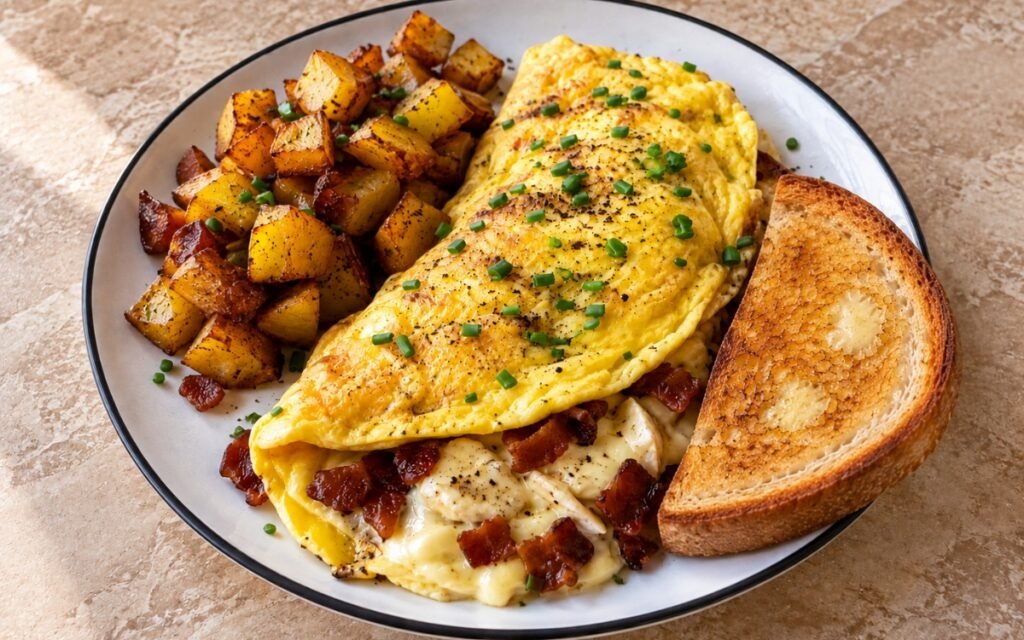
Brie and Bacon Omelette
A soft folded omelette filled with creamy melted Brie and crispy bacon, served with golden breakfast potatoes and buttered toast.
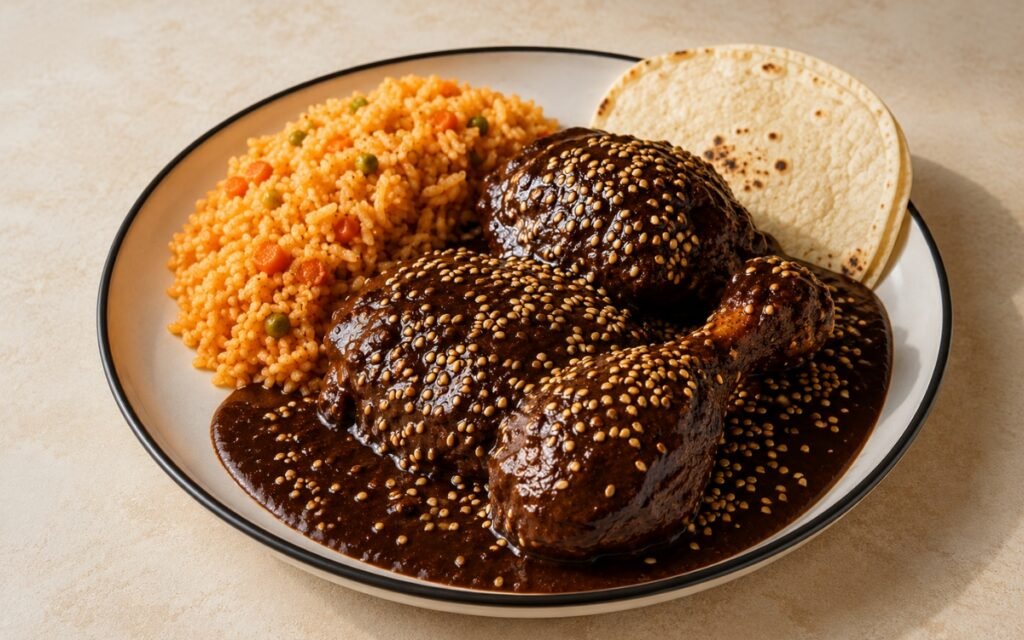
Chicken Mole Poblano
Gently poached chicken finished in deep, glossy mole poblano sauce, topped with toasted sesame seeds, served with Mexican rice and warm tortillas.
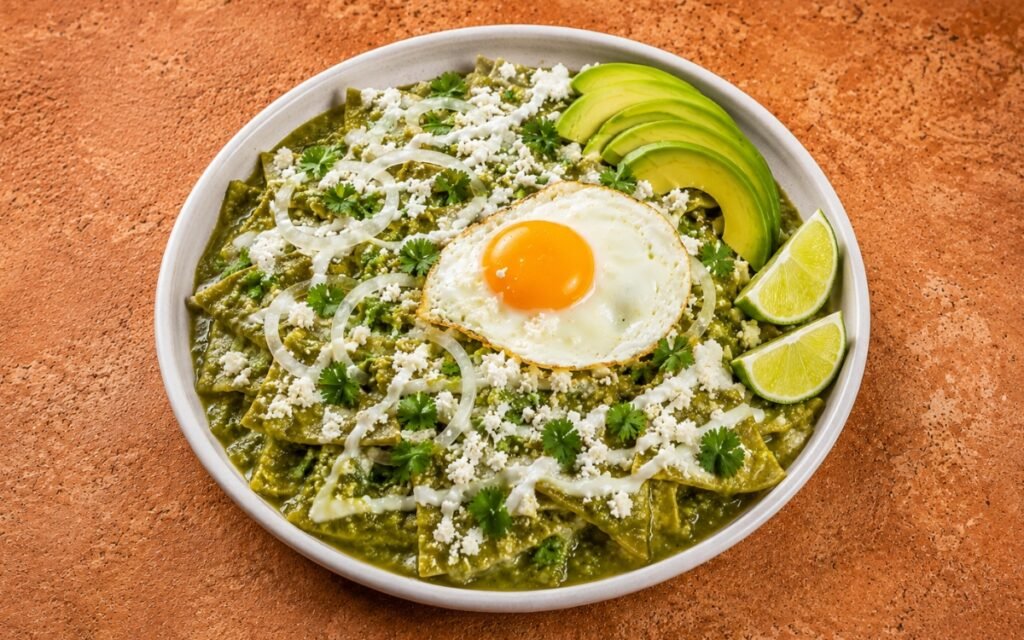
Chilaquiles Verdes
Crispy tortilla chips folded into hot, broiled salsa verde, topped with a runny-yolk fried egg, avocado, cotija, and crema drizzle.
Huevos Divorciados
Ingredients
Method
- Prepare the Salsa Roja and Salsa Verde Mexican from their linked recipes, or have them ready in advance. Warm both salsas separately in small saucepans over low heat. They should be hot and spoonable but not watery. Warm the refried beans gently in a small saucepan or skillet over low heat, stirring occasionally. If they are very thick, loosen with a small splash of water until creamy and spreadable. Set out the crumbled queso fresco, diced onion, and sliced avocado so everything is ready for fast assembly. Keeping every salsa and side warming in its own separate pan, rather than combined in one, protects both the physical separation this dish depends on and each component’s own individual character right up until plating.
- Heat a thin layer of neutral oil in a skillet over medium heat. Lightly fry the tortillas one at a time for about 10–15 seconds per side, just until softened, lightly blistered, and flexible. They should not become crisp like tostadas. Transfer to a plate or rack and keep warm. This brief, controlled fry gives the tortillas real, if modest, structural resistance against the egg and sauce about to sit on top, without pushing them toward the rigid crispness that would make the whole plate harder to eat with a fork and knife.
- In the same skillet, add a little more oil if needed and fry the eggs 2–4 at a time over medium to medium-low heat. Season lightly with salt and black pepper. Cook until the whites are set and the yolks are still runny or just softly set, depending on preference. The bottoms should be lightly golden but not aggressively crisp. Frying in the same skillet used for the tortillas means the eggs pick up a light layer of that same residual oil and flavour, tying the two components together even before they meet on the plate.
- For each serving, place 2 tortillas on a plate, side by side with a slight overlap. Top each tortilla with 1 fried egg. Spoon warm Salsa Roja generously over one egg and warm Salsa Verde generously over the other, keeping the red and green sides clearly separate. Place a generous stripe or spoonful of warm refried beans between the two eggs. Finish each plate with crumbled queso fresco, a small scattering of diced white onion, and sliced avocado. Positioning the beans directly between the two eggs serves a real, functional purpose beyond presentation — that stripe acts as a genuine visual and physical buffer, reinforcing the clean separation between red and green that gives this dish its name.
- Serve immediately while the eggs are hot, the yolks are still soft, and the tortillas are warm and tender. This dish’s whole appeal depends on a specific, fleeting moment — hot eggs, soft yolks, warm tortillas, and hot salsa all meeting at once — and serving without delay is what actually delivers that moment rather than letting any one component cool or soften out of sync with the others.