
Brie and Bacon Omelette
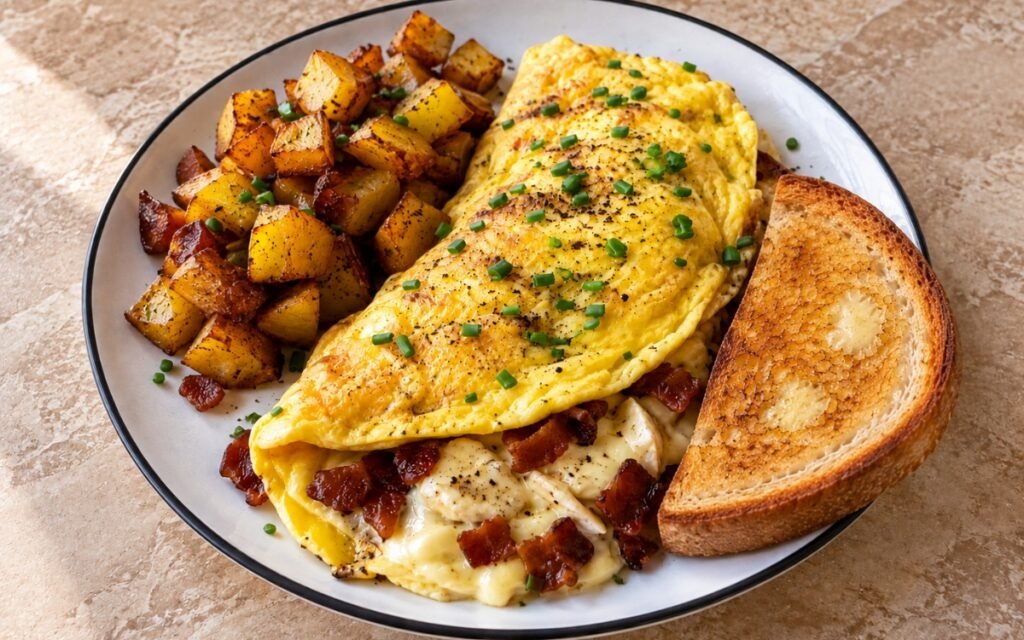
A soft folded omelette filled with creamy melted Brie and crispy bacon, served with golden breakfast potatoes and buttered toast. The key is keeping the eggs tender and slightly custardy, adding the Brie while the omelette is still soft so it melts gently, and folding before the eggs dry out. Parboiling the potatoes before they ever meet the hot pan is the technique this whole breakfast depends on for genuinely crisp, golden exteriors with creamy centers — that brief simmer starts the interior cooking through so the pan’s job becomes purely about developing colour rather than fighting to cook a raw potato through, the same parboil-then-crisp principle used elsewhere in this collection whenever a dense vegetable needs both a fully cooked interior and a properly browned exterior within a reasonable pan time. Folding the omelette while it still looks slightly soft and underset, rather than waiting until it’s fully dry, is what keeps the eggs genuinely custardy rather than rubbery. Adding the Brie in small, quickly melting pieces only once the eggs are mostly set is what lets the cheese soften into the fold without overcooking the eggs around it. The payoff is a plate with real, luxurious contrast — a pale golden, tender omelette with Brie flowing gently from the fold, crisp bacon, golden potatoes, and buttered toast.
Prep Time : 15 min
Cook Time : 30 min
Servings : 4
15 min
30 min
4
Ingredients
For the Breakfast Potatoes
• 800g waxy or all-purpose potatoes, cut into 1.5cm cubes
• 30ml olive oil or neutral oil — this one on Amazon
• 6g fine sea salt
• 2g black pepper
• 1g garlic powder, optional
For the Bacon
• 200g bacon, chopped or cut into small pieces
For the Omelettes
• 12 large eggs
• 30ml whole milk or cream — this one on Amazon
• 6g fine sea salt
• 2g black pepper
• 220 to 250g Brie, cut into small pieces — this one on Amazon
• 40g unsalted butter, divided, plus more if needed — this one on Amazon
• 10g fresh chives, finely chopped
For Serving
• 4 slices toast or 2 thick slices cut in half
• Softened butter, for the toast
• A little extra black pepper
• A little extra chives, if desired
This post may contain affiliate links. As an Amazon Associate I earn from qualifying purchases, at no additional cost to you.
Directions
- Prep and Start the Potatoes
Place the diced potatoes in a pot of cold salted water. Bring to a boil and simmer for 5 to 6 minutes, just until the potatoes are starting to become tender but are not fully cooked through. Drain well and let them steam dry for a minute or two. Toss the potatoes with the oil, salt, black pepper, and garlic powder if using. Parboiling first gives you potatoes that turn golden outside while finishing fluffy inside, instead of staying hard in the center. That brief simmer gets a genuine head start on cooking the interior through, meaning the subsequent pan time can focus purely on developing colour rather than also having to cook a still-raw centre in the same window. - Cook the Breakfast Potatoes
Heat a large skillet over medium to medium-high heat, or roast the potatoes on a tray at 220°C until golden. If using a skillet, cook the potatoes for 12 to 18 minutes, turning occasionally, until crisp and well browned on multiple sides. Keep warm. The potatoes should be golden and crisp outside, with creamy centers. Do not stir too often or they will not brown properly. Leaving the potatoes mostly undisturbed, rather than turning them constantly, gives each side genuine, sustained contact with the hot pan — that patience is exactly what allows real browning to develop rather than being interrupted before it has a chance to form. - Cook the Bacon
Place the bacon in a skillet over medium heat and cook until deeply golden and crisp, about 8 to 10 minutes, depending on thickness. Transfer to a paper towel-lined plate. Keep about 1 tbsp bacon fat only if you want to enrich the potatoes or toast, otherwise discard it. Reserving a small amount of that rendered bacon fat, rather than discarding all of it, offers a genuine option to fold real, smoky flavour directly into the potatoes or toast if a richer finished plate is wanted. - Prepare the Egg Mixture
In a bowl, whisk together the eggs, milk or cream, salt, and black pepper until fully combined and slightly frothy. Cut the Brie into small pieces so it melts quickly. If the rind is thin and mild, you can leave it on. If it is thick or very firm, trim most of it away. Cutting the Brie into genuinely small pieces matters directly for the omelette’s brief final stage — larger chunks simply wouldn’t have enough time to properly melt within the short window before the surrounding eggs would overcook. - Cook the Omelettes
Cook the omelettes one at a time for the best control. Heat a 20 to 24cm nonstick skillet over medium-low heat. Add about 10g butter and let it melt gently without browning. Pour in one-quarter of the egg mixture. Stir gently with a spatula for the first 20 to 30 seconds, then let the eggs settle into an even layer. When the omelette is mostly set but still soft on top, scatter one-quarter of the Brie and one-quarter of the bacon over one half of the omelette. Using a spatula, fold the omelette over itself and let it sit for 20 to 40 seconds more, just until the Brie begins to melt and the eggs are softly set. Transfer to a plate and repeat with the remaining butter, egg mixture, Brie, and bacon. Do not wait until the eggs look fully dry before folding. A soft omelette finishes from residual heat, while an overcooked one becomes rubbery and loses the creamy interior. Folding the omelette while it’s still genuinely soft on top, rather than waiting for it to fully set, is what leaves the eggs enough residual warmth to finish gently inside the fold — that brief carryover cooking is exactly what keeps the interior tender rather than firm. - Toast the Bread
Toast the bread until golden and butter it while still hot. Buttering the toast while it’s still genuinely hot lets that butter melt in and soak slightly into the surface rather than sitting as a separate, unmelted layer on top. - Serve
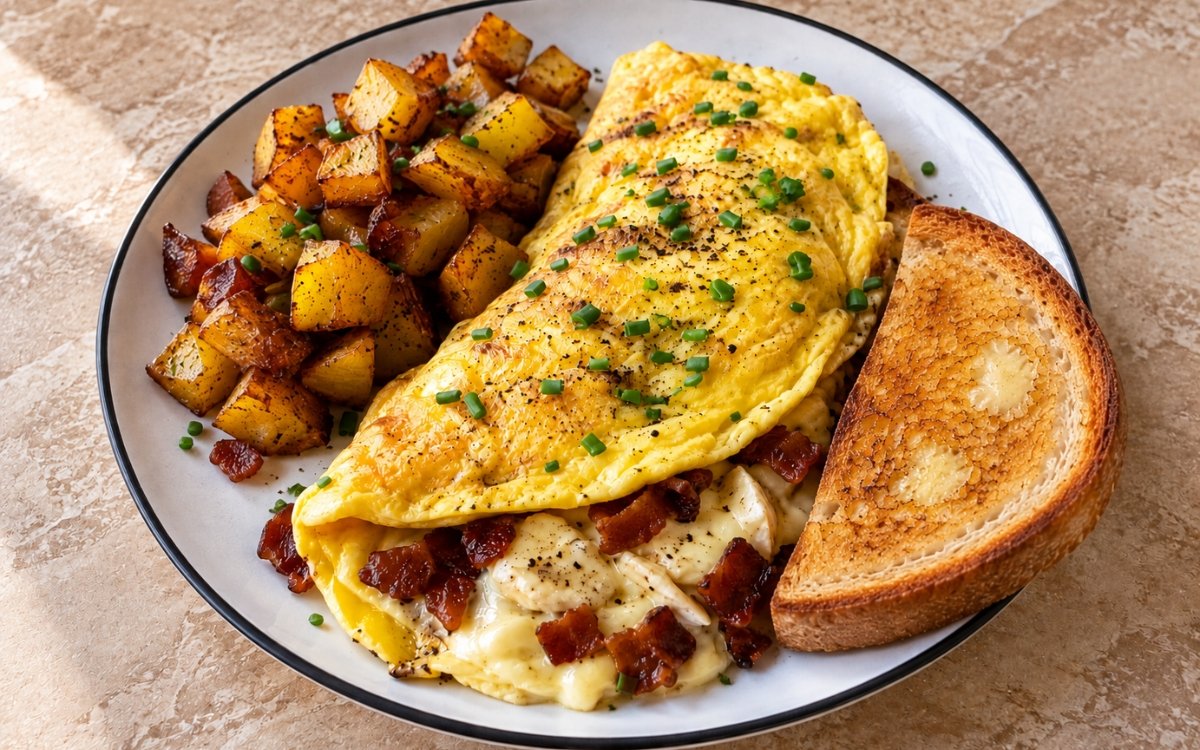
Serve each omelette with a portion of the breakfast potatoes and buttered toast. Finish with chopped chives and a little extra black pepper. The omelette should be pale golden outside, tender inside, with melted Brie gently flowing from the fold and crisp bacon giving contrast. Serving each omelette the moment it’s cooked, rather than holding it while making the rest, is what delivers that soft, tender interior and genuinely still-melting Brie right at the peak of both — any real delay lets the residual heat finish setting the eggs further than intended.
*Notes :
- Parboiling the potatoes before they ever reach the hot pan deserves genuine respect as the technique responsible for these breakfast potatoes’ real contrast between crisp exterior and creamy centre. That brief simmer gives the interior a real head start on cooking through, meaning the pan time that follows can focus entirely on developing colour and crispness rather than also needing to finish cooking a raw centre within that same window — skipping this step would force an uncomfortable compromise between properly browned and properly cooked through.
- Folding the omelette while it still looks slightly soft, rather than waiting for the eggs to fully set in the pan, deserves the same careful attention this collection gives to every soft-cooked egg dish. Residual heat continues cooking eggs even off direct heat, and that brief carryover is specifically what finishes the interior gently inside the fold — an omelette cooked until fully dry before folding has already lost the tender, custardy quality this dish depends on.
- Cutting the Brie into genuinely small pieces deserves attention as a real, functional preparation choice rather than a matter of presentation. The omelette’s whole final stage, from adding the cheese to folding and serving, happens within a genuinely brief window, and only small pieces have any real chance of melting properly within that time — larger chunks would still be firm by the time the eggs need to come off the heat.
- Cooking each omelette individually, one at a time, deserves recognition as the deliberate choice responsible for this dish’s real quality, exactly as the recipe’s own notes state directly. That individual attention lets each omelette’s own timing — from pouring the eggs to folding at precisely the right moment — be judged and controlled directly, something that would become considerably harder to manage across multiple omelettes cooked simultaneously.
Why This Recipe Works
This recipe works because the potatoes are parboiled first, giving the pan stage room to focus purely on browning rather than also finishing a raw interior. The bacon is cooked properly crisp, and the Brie is cut small enough to actually melt within the omelette’s brief final stage.
Each omelette is cooked individually, with the eggs folded while still soft rather than fully set, letting residual heat finish the interior gently inside the fold. Serving each omelette immediately after cooking delivers the dish at its most tender, with the Brie still genuinely melting.
Ingredient Breakdown
Parboiled Potatoes
The critical technique — a brief simmer gives the interior a head start, letting the pan stage focus on real browning.
Undisturbed Potato Browning
The critical technique — sustained pan contact, rather than constant stirring, is what actually develops crisp colour.
Small, Quickly Melting Brie Pieces
The critical prep step — sized specifically to melt within the omelette’s genuinely brief final cooking window.
Individually Cooked Omelettes
The critical technique — lets each omelette’s own timing be judged and controlled directly for the best result.
Fold-While-Soft Technique
The critical finishing technique — leaves enough residual heat for the interior to finish tender rather than turning rubbery.
Flavor Structure Explained
This Brie and bacon omelette follows a layered balance model:
- Soft, custardy foundation (gently cooked, folded eggs)
- Rich creamy centre (melted Brie)
- Crisp savoury contrast (crispy bacon)
- Hearty golden side (parboiled, pan-crisped potatoes)
- Buttery neutral base (toast)
Soft, gently cooked eggs provide this dish’s tender, custardy foundation, their texture protected by careful folding technique. Melted Brie contributes rich, creamy centre that flows gently from the fold. Crispy bacon adds real, savoury contrast against that softness. Parboiled, pan-crisped breakfast potatoes provide a hearty, golden side with real textural contrast of their own. Buttered toast rounds out the plate with a neutral, classic base that ties every richer component together.
Common Mistakes to Avoid
- Skipping the Potato Parboil – This forces a compromise between properly browned and properly cooked through. Always parboil first.
- Stirring the Potatoes Too Often – This prevents real browning from developing. Always let them cook mostly undisturbed.
- Cutting the Brie Into Large Pieces – This leaves it unmelted by the time the omelette needs to come off the heat. Always cut it small.
- Waiting Until the Eggs Look Fully Dry Before Folding – This produces a rubbery, less tender omelette. Always fold while the top still looks soft.
- Cooking Multiple Omelettes at Once – This makes it harder to control each one’s precise timing. Always cook them individually for the best result.
Variations
Herb-Swap Version
Substitute a little fresh parsley for chives, per the recipe’s own note, for a slightly different herbal finish.
Extra-Rich Version
Use a spoonful of the reserved bacon fat to enrich the potatoes or toast for deeper, smokier flavour.
Mushroom Version
Add a handful of sautéed mushrooms alongside the Brie and bacon for extra savoury depth.
Make-Ahead Sides Version
Keep the cooked potatoes and bacon warm while cooking the omelettes fresh, per the recipe’s own guidance, for easier serving when cooking for guests.
Storage & Make-Ahead
3 eggs per omelette gives a full but still manageable omelette for this style of plated breakfast.
If making for guests, you can keep the cooked potatoes and bacon warm while you cook the omelettes fresh.
Best served immediately while the omelette is still soft and the Brie is fully melted.
Frequently Asked Questions
Why does parboiling the potatoes matter so much before they go into the pan?
That brief simmer gives the potatoes’ interior a real head start on cooking through. This means the subsequent pan time can focus purely on developing crisp, golden colour rather than also needing to cook a raw centre within the same window.
Why does the Brie need to be cut into such small pieces?
The omelette’s final stage — from adding the cheese to folding and serving — happens within a genuinely brief window. Only small pieces have a real chance of melting properly in that time; larger chunks would still be firm when the eggs need to come off the heat.
Why is the omelette folded while it still looks slightly soft rather than fully set?
Residual heat continues cooking eggs even off direct heat, and that brief carryover is specifically what finishes the interior gently inside the fold. Waiting for the eggs to fully set in the pan first produces a noticeably more rubbery result.
Why are the omelettes cooked one at a time instead of together?
Cooking each one individually lets its own precise timing — from pouring to folding at exactly the right moment — be judged and controlled directly, which is considerably harder to manage across several omelettes cooked at once.
Are there other creamy egg, omelette, or luxurious breakfast dishes worth trying?
Smoked Salmon Scrambled Eggs Plate and Breakfast Hash with Eggs and Potatoes both offer other rich, egg-forward breakfast directions worth exploring. Bacon Egg and Cheese Bagel Sandwich and Croque Madame are also worth trying for other classic, indulgent breakfast dishes.
Nutrition Facts
( per serving )
Calories
~780 kcal
Protein
38 g
Fat
54 g
Carbs
38 g
Calories
~780 kcal
Protein
38 g
Fat
54 g
Carbs
38 g
Related Recipes
Related Recipes

Chilaquiles Verdes
Crispy tortilla chips folded into hot, broiled salsa verde, topped with a runny-yolk fried egg, avocado, cotija, and crema drizzle.
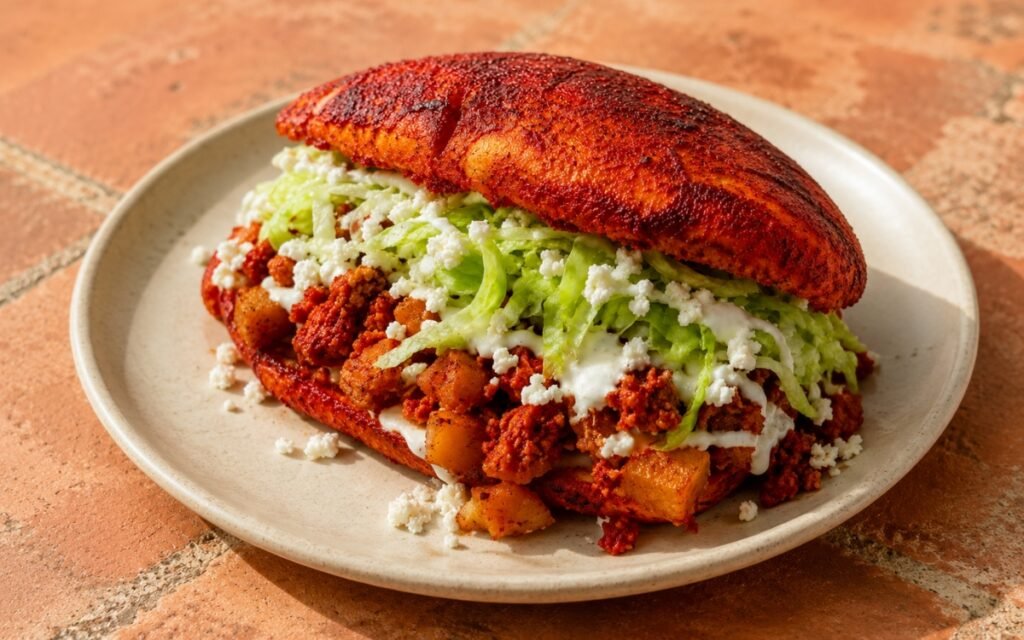
Pambazo Sandwich
Rolls dipped in vivid guajillo chili sauce and griddled deep red and lightly crisp, filled with savory potato-and-chorizo, and finished with crema and queso fresco.
Chicken Parm Hero
A golden fried chicken cutlet in a toasted hoagie roll, topped with thick marinara, melted mozzarella, Parmesan, and fresh basil.


You might also like
You might also like
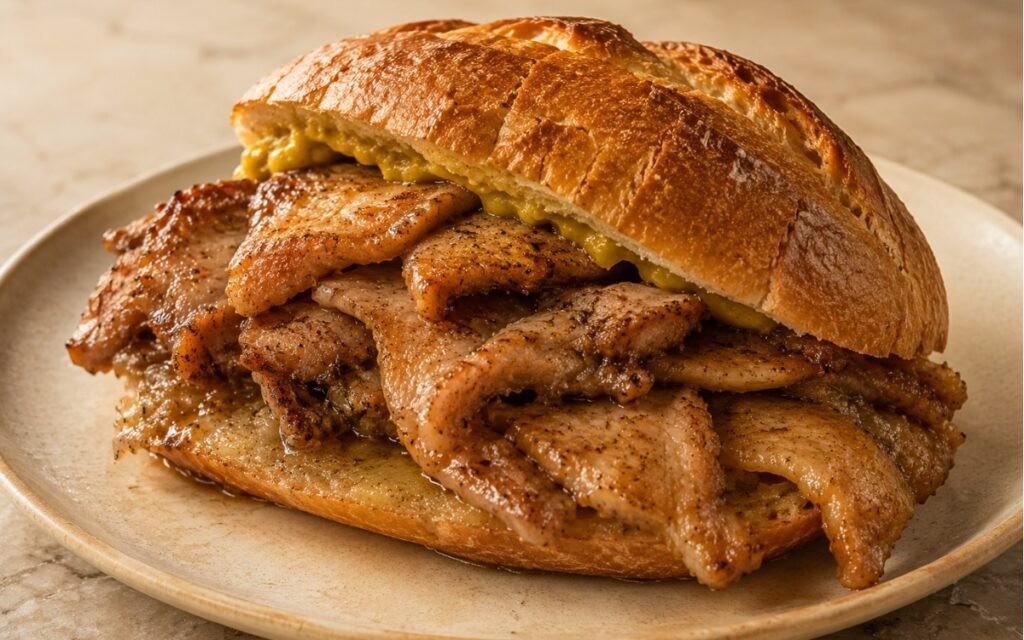
Portuguese Pork Bifana
Thin pork slices marinated in garlic and white wine, simmered until glossy and tender, piled into crusty homemade papo-seco rolls.
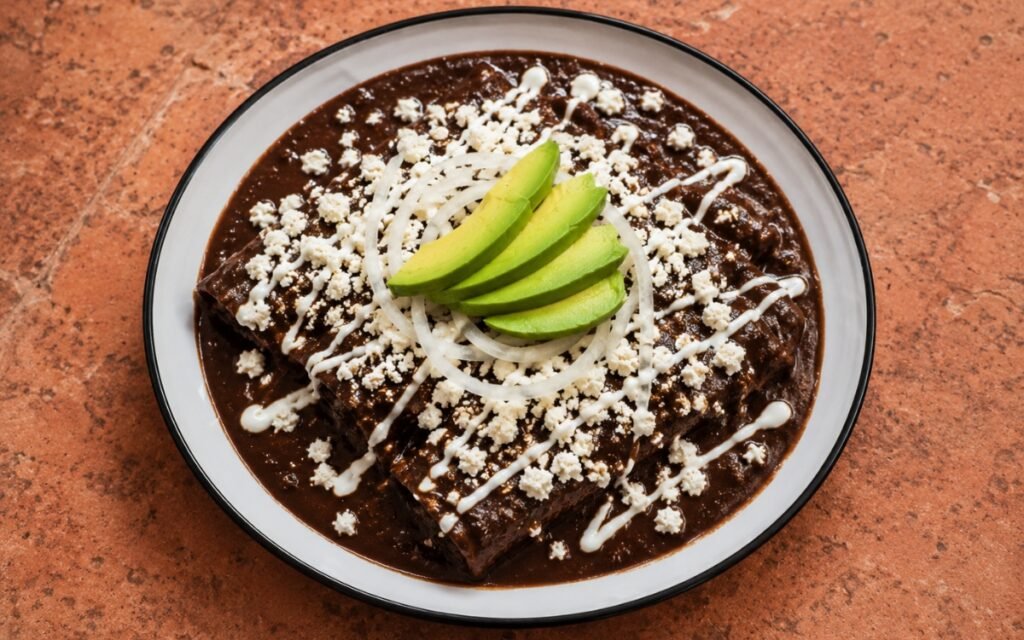
Enfrijoladas
Soft corn tortillas lightly fried, dipped in glossy black bean sauce, folded around queso fresco, and finished with more cheese, crema, onion, and avocado.
Homemade Garlic Butter Naan
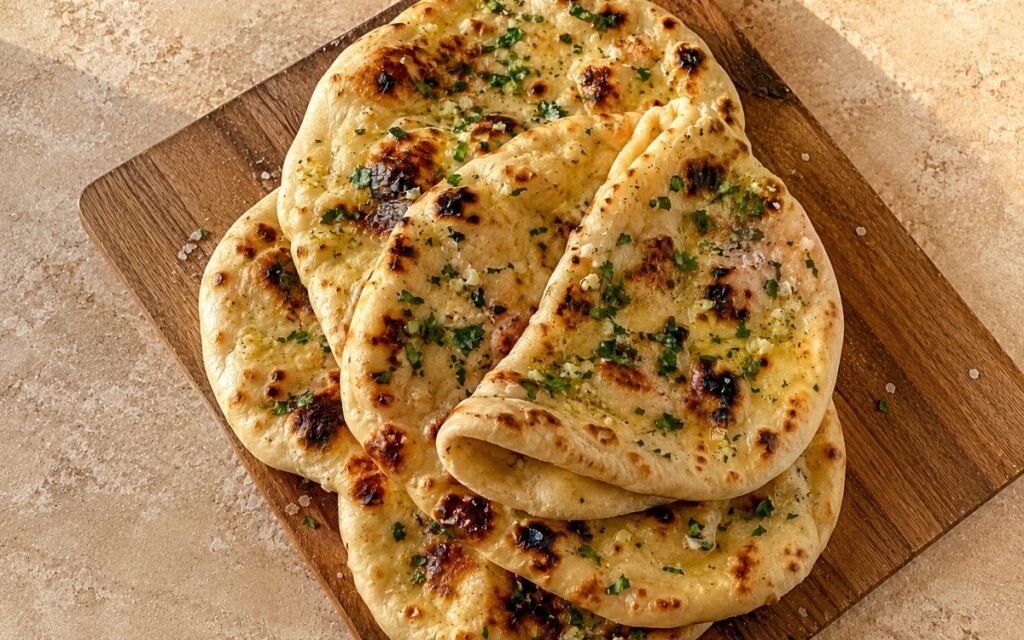
Soft homemade naan cooked in a hot skillet until puffed, blistered, and lightly charred, then brushed with glossy garlic butter.
Brie and Bacon Omelette
Ingredients
Method
- Place the diced potatoes in a pot of cold salted water. Bring to a boil and simmer for 5 to 6 minutes, just until the potatoes are starting to become tender but are not fully cooked through. Drain well and let them steam dry for a minute or two. Toss the potatoes with the oil, salt, black pepper, and garlic powder if using. Parboiling first gives you potatoes that turn golden outside while finishing fluffy inside, instead of staying hard in the center. That brief simmer gets a genuine head start on cooking the interior through, meaning the subsequent pan time can focus purely on developing colour rather than also having to cook a still-raw centre in the same window.
- Heat a large skillet over medium to medium-high heat, or roast the potatoes on a tray at 220°C until golden. If using a skillet, cook the potatoes for 12 to 18 minutes, turning occasionally, until crisp and well browned on multiple sides. Keep warm. The potatoes should be golden and crisp outside, with creamy centers. Do not stir too often or they will not brown properly. Leaving the potatoes mostly undisturbed, rather than turning them constantly, gives each side genuine, sustained contact with the hot pan — that patience is exactly what allows real browning to develop rather than being interrupted before it has a chance to form.
- Place the bacon in a skillet over medium heat and cook until deeply golden and crisp, about 8 to 10 minutes, depending on thickness. Transfer to a paper towel-lined plate. Keep about 1 tbsp bacon fat only if you want to enrich the potatoes or toast, otherwise discard it. Reserving a small amount of that rendered bacon fat, rather than discarding all of it, offers a genuine option to fold real, smoky flavour directly into the potatoes or toast if a richer finished plate is wanted.
- In a bowl, whisk together the eggs, milk or cream, salt, and black pepper until fully combined and slightly frothy. Cut the Brie into small pieces so it melts quickly. If the rind is thin and mild, you can leave it on. If it is thick or very firm, trim most of it away. Cutting the Brie into genuinely small pieces matters directly for the omelette’s brief final stage — larger chunks simply wouldn’t have enough time to properly melt within the short window before the surrounding eggs would overcook.
- Cook the omelettes one at a time for the best control. Heat a 20 to 24cm nonstick skillet over medium-low heat. Add about 10g butter and let it melt gently without browning. Pour in one-quarter of the egg mixture. Stir gently with a spatula for the first 20 to 30 seconds, then let the eggs settle into an even layer. When the omelette is mostly set but still soft on top, scatter one-quarter of the Brie and one-quarter of the bacon over one half of the omelette. Using a spatula, fold the omelette over itself and let it sit for 20 to 40 seconds more, just until the Brie begins to melt and the eggs are softly set. Transfer to a plate and repeat with the remaining butter, egg mixture, Brie, and bacon. Do not wait until the eggs look fully dry before folding. A soft omelette finishes from residual heat, while an overcooked one becomes rubbery and loses the creamy interior. Folding the omelette while it’s still genuinely soft on top, rather than waiting for it to fully set, is what leaves the eggs enough residual warmth to finish gently inside the fold — that brief carryover cooking is exactly what keeps the interior tender rather than firm.
- Toast the bread until golden and butter it while still hot. Buttering the toast while it’s still genuinely hot lets that butter melt in and soak slightly into the surface rather than sitting as a separate, unmelted layer on top.
- Serve each omelette with a portion of the breakfast potatoes and buttered toast. Finish with chopped chives and a little extra black pepper. The omelette should be pale golden outside, tender inside, with melted Brie gently flowing from the fold and crisp bacon giving contrast. Serving each omelette the moment it’s cooked, rather than holding it while making the rest, is what delivers that soft, tender interior and genuinely still-melting Brie right at the peak of both — any real delay lets the residual heat finish setting the eggs further than intended.