
Salsa Roja
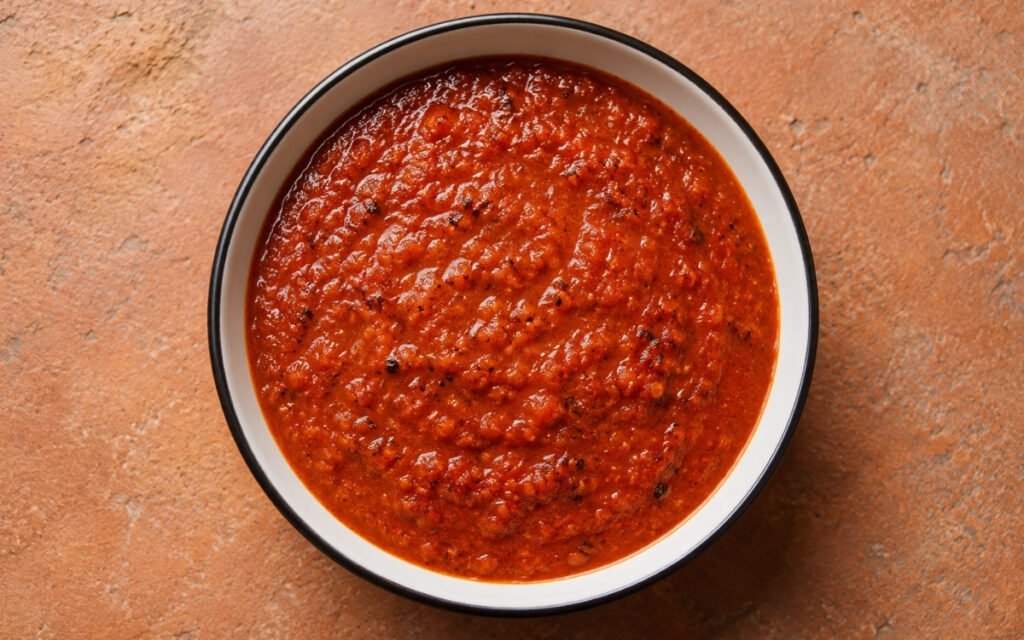
Broiled Roma tomatoes, caramelised onion, and roasted garlic blended with fresh jalapeño, cilantro, and lime — the classic Mexican red salsa built on the contrast between the roasted, slightly charred sweetness of the broiled vegetables and the raw, fresh heat of the jalapeño that goes in uncooked. Rich, smoky, and bright simultaneously, with enough depth to work as a dipping salsa, a taco topping, and a cooking sauce. If you have already made the Salsa Verde — the tomatillo-based green counterpart — this is the red version of the same concept: same broiling technique, same cilantro and lime finish, completely different character. Two salsas worth making together.
Prep Time : 10 min
Cook Time : 10 min
Servings : 8
10 min
10 min
8
Ingredients
For The Salsa Roja
• 8 medium Roma tomatoes, about 600g, halved
• 1 white onion, halved, then each half cut into 4 wedges
• 3 garlic cloves, peeled and lightly smashed
• 2 tbsp extra-virgin olive oil — this one on Amazon
• ½ tsp ground cumin — this one on Amazon
• 2 green jalapeños, deseeded, cut into smaller pieces — added raw
• Juice of 1 lime
• Large bunch fresh cilantro, leaves and stems included
• Salt to taste
This post may contain affiliate links. As an Amazon Associate I earn from qualifying purchases, at no additional cost to you.
Directions
- Set Up the Broiler and Prepare the Vegetables
Set your oven to the broiler setting on its highest heat and position the rack as close to the broiler element as possible — approximately 10cm below it. While the broiler heats, prepare the vegetables. Halve the Roma tomatoes through the equator. Roma tomatoes are specified because their meaty, low-moisture flesh concentrates beautifully under the broiler — their lower water content means they char and caramelise at the surface rather than releasing liquid that prevents browning. Standard round tomatoes work but produce a wetter, less concentrated salsa. Peel the garlic cloves and lightly smash each one with the flat side of a knife — a single firm press that cracks each clove open without fully flattening it. Peel the white onion, halve it through the root, then cut each half into 4 even wedges, keeping the root intact on each wedge so the layers hold together during broiling rather than falling apart into individual rings. Place all three vegetables on a large rimmed baking sheet. Drizzle the olive oil over everything, scatter the ground cumin across the vegetables, and toss everything directly on the tray until evenly coated in oil. The cumin blooms in the olive oil during the toss and distributes more evenly across the vegetables than if it were added after the oil. - Arrange and Broil
Arrange the tomatoes on the tray with the cut side facing down and the skin side facing up toward the broiler element. This orientation is the same technique used in the Salsa Verde for the tomatillos and is equally important here. With the skin side facing the direct radiant heat of the broiler, the tomato skin will blister, char, and caramelise while the cut interior makes direct contact with the hot tray surface, concentrating the tomato’s natural sugars and juices against the metal. The onion wedges and garlic cloves can be arranged in any orientation — they do not require specific positioning. Broil for 8–10 minutes. Watch carefully during the final 2–3 minutes — the difference between perfectly charred and burnt happens quickly under a hot broiler. The target for the tomatoes is a skin surface that shows deep brown to black blisters covering approximately 40–60% of the surface area — irregular, not uniform, with some areas still partially red-orange and others deeply caramelised. The onion wedges should show browning and charring at their thinnest edges and some caramelisation on their surfaces. The garlic should be golden to lightly brown with a few dark spots. Pull the tray when the tomatoes have reached this target — do not wait for uniform blackening across everything, which would indicate the vegetables are past the ideal point and would introduce bitterness into the salsa. - Prepare the Raw Elements While Broiling
While the vegetables are under the broiler, prepare the ingredients that go in raw. Deseed both jalapeños by slicing them in half lengthwise and scraping out the seeds and white membrane with a spoon, then cut into smaller pieces — roughly 2–3cm chunks that the blender can process easily. Juice the lime. Gather the cilantro — stems included, for the same reason they are included in the Salsa Verde: the thin stems of fresh cilantro contain the same aromatic compounds as the leaves and blend smoothly, producing a more intensely cilantro-flavoured salsa without any textural downside in a blended preparation. The jalapeños are kept raw rather than broiled alongside the tomatoes deliberately. This is the architectural decision that gives this salsa roja its distinctive character: the tomatoes, onion, and garlic absorb the caramelised, smoky, rounded flavour of broiling — their sharpness is tamed, their sugars concentrated, their overall character deepened. The raw jalapeño and fresh cilantro added after the broil provide the fresh, sharp, slightly grassy heat and herb character that the broiled elements lack. The salsa is built on the contrast between the cooked depth of the broiled vegetables and the raw freshness of the jalapeño and cilantro — each element doing what it does best. - Blend to the Right Consistency
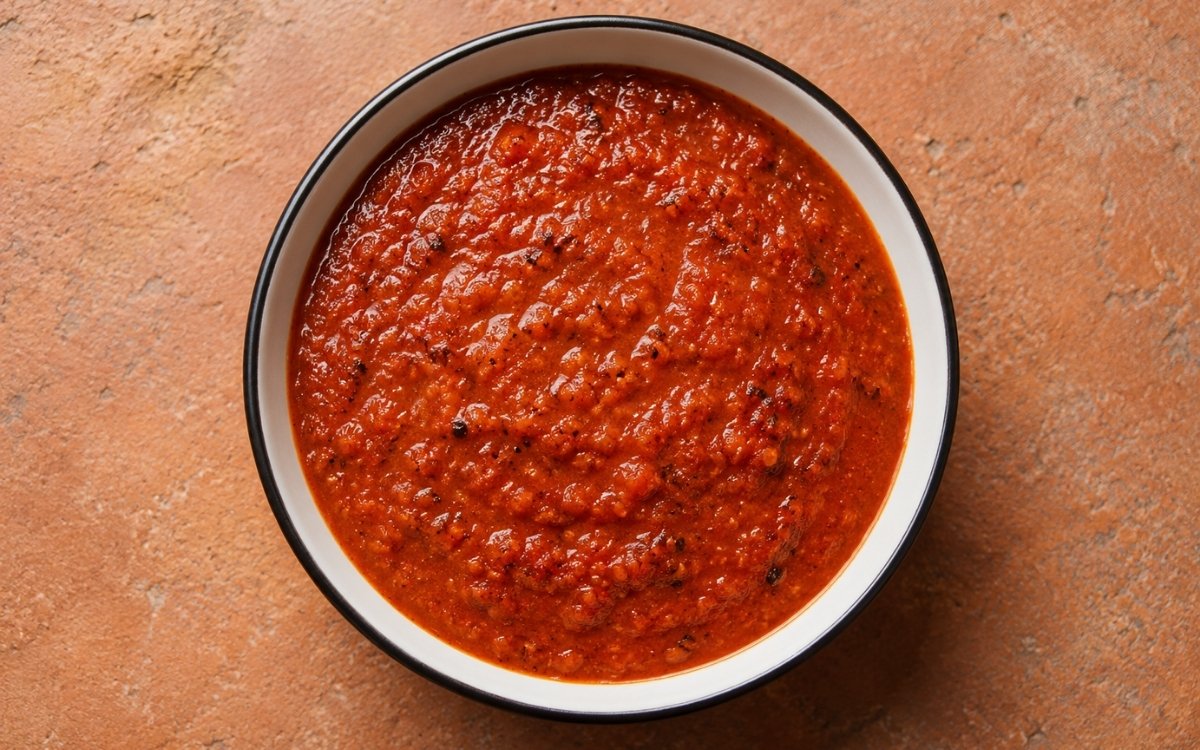
Transfer the contents of the tray to a blender or food processor — all the broiled vegetables and every drop of the accumulated juices on the tray. The liquid on the tray is concentrated tomato juice, rendered onion moisture, and olive oil infused with caramelised vegetable sugars — it is the most flavourful liquid in the preparation and must not be discarded. Add the raw jalapeño pieces, lime juice, and cilantro with stems. Process on high speed until fairly smooth — 20–30 seconds of continuous blending produces a salsa with a uniform, lightly textured consistency where small pieces of jalapeño and herb are still faintly detectable. For a smoother result, blend for an additional 15–20 seconds. For a chunkier result, pulse rather than blend continuously. The ideal consistency for a versatile salsa roja is smooth enough to pour from a spoon but textured enough to show the salsa’s character — not a thin liquid but not a paste. Taste immediately after blending: the salsa is at its most revealing at this stage, and any significant imbalances are most easily corrected now. Season with salt — add generously in small increments, tasting after each addition, until all the flavours sharpen and come forward. - Serve or Reduce
Evaluate the consistency of the blended salsa. If it is pleasantly thick and concentrated — flowing slowly from a spoon and holding a loose mound when dropped into a bowl — serve it directly. If it is thinner than desired, transfer to a small saucepan and simmer over medium heat, stirring occasionally, for 5–8 minutes until reduced to the preferred consistency. The broiling has already done the primary flavour development — the simmering step is purely a consistency adjustment rather than a further flavour development step. The salsa will not need long simmering to reduce because the broiling already drove off much of the vegetables’ excess moisture. Taste and adjust the salt once more after reducing, as concentration amplifies saltiness slightly. Serve warm or at room temperature — this salsa is excellent at both temperatures, though the aromatic freshness of the cilantro is most vivid when served warm or at room temperature rather than cold from the refrigerator.
*Notes :
- The architectural distinction between cooked and raw ingredients in this salsa is a deliberate flavour decision rather than a convenience shortcut. A salsa where every ingredient is broiled together produces a deeply flavoured, entirely cooked salsa with no fresh element — excellent for enchilada sauce and cooking applications but lacking the brightness that makes a fresh dipping salsa vivid and interesting. A salsa where every ingredient is left raw produces a bright, sharp, fresh salsa with no cooked depth. This recipe deliberately occupies the middle ground — the broiled tomatoes, onion, and garlic provide the caramelised, slightly smoky depth, while the raw jalapeño and fresh cilantro provide the fresh, bright, herby heat. The cumin bloomed in oil during the toss connects the two registers — earthy, warm, and present in every bite.
- Roma tomatoes are specified because their flesh-to-juice ratio is higher than standard round tomatoes — they contain more usable, concentrated tomato flesh relative to their total weight and less watery interior. Under the broiler, Roma tomatoes char at the surface and concentrate their natural sugars more effectively than round tomatoes, which tend to release liquid that pools on the tray and steams the tomatoes from below rather than allowing them to char cleanly.
- The approach of keeping the jalapeños raw while broiling everything else has a direct parallel in the Salsa Verde — that recipe also uses broiled tomatillos with a raw fresh element in the cilantro and lime. Both salsas share the same structural philosophy: roasted depth balanced by raw freshness. Serving both — the red salsa roja and the green salsa verde — alongside a Mexican meal provides a complete spectrum of flavour: one rich, caramelised, and tomato-sweet; the other tart, smoky, and herb-forward.
Why This Recipe Works
This recipe works because the broiling step converts the sharpness and rawness of the tomatoes, onion, and garlic into the caramelised, sweetened, rounded depth that distinguishes a genuinely good cooked salsa from a simple raw blend. The cumin distributed through the olive oil during the toss reaches every vegetable surface and blooms during broiling, deepening the salsa’s warm spice character.
The raw jalapeño provides the fresh, bright heat that the broiled elements have shed. The cilantro and lime provide the clean aromatic top note that makes the finished salsa feel vivid and complete rather than heavy. Every decision is in service of the sweet-smoky-bright balance that makes salsa roja the condiment that works on everything it accompanies.
Ingredient Breakdown
Roma Tomatoes (Broiled, Skin-Side Up)
The primary flavour foundation — their natural sugars caramelise under the broiler, their sharpness mellows, and their flesh concentrates into the rich, slightly smoky, sweet tomato base of the salsa.
White Onion (Broiled)
Caramelised, sweetened, and rounded by the broiler heat — provides the savory depth without any raw sharpness.
Garlic (Broiled, Smashed)
Mellow, nutty, roasted depth — the smashing exposes more surface area for browning and flavour development.
Ground Cumin
Bloomed in olive oil during the vegetable toss — provides the warm, earthy bridge that connects the tomato’s sweetness and the jalapeño’s heat.
Green Jalapeño (Raw)
The fresh heat element — added uncooked to provide the bright, slightly vegetal heat and freshness that the broiled vegetables have lost.
Fresh Cilantro with Stems
The aromatic herb finish — blended raw for maximum freshness, providing the clean, citrusy herbal brightness that lifts and defines the entire salsa.
Lime Juice
The brightening acid — added raw after broiling to preserve its fresh citrus character and prevent it from cooking off.
Olive Oil
The broiling fat — distributes the cumin evenly, promotes caramelisation across all vegetables, and contributes smooth richness to the finished salsa.
Flavor Structure Explained
This salsa follows a layered balance model:
- Roasted savory base (tomato, onion, garlic, cumin)
- Fresh bright layer (jalapeño, cilantro, lime)
- Warm spice depth (cumin)
- Building heat (jalapeño)
- Flavor activation (salt)
The roasted components establish the foundation with sweet, caramelised depth and slight smokiness, giving the salsa weight and richness. The fresh elements sit on top, delivering sharp acidity, herbal brightness, and lively heat that keep the profile from feeling heavy. Cumin adds a warm, earthy layer that bridges roasted and fresh notes. Jalapeño provides a gradual heat that builds without overwhelming. Salt sharpens and amplifies both registers simultaneously, ensuring the salsa tastes vivid and complete rather than split between cooked and fresh elements.
Common Mistakes to Avoid
- Not Placing Tomatoes Skin-Side Up – Skin-side up toward the broiler is what produces the charring and blistering. Reversed, the cut surface chars while the skin stays pale — a different result with less character.
- Broiling Too Long – Past the target char level, the vegetables become uniformly black and bitter rather than deeply caramelised and sweet. Watch from the 8-minute mark and pull when the target blistering is reached.
- Discarding the Tray Juices – The accumulated liquid on the tray is concentrated flavour. Always transfer everything — liquid and all — to the blender.
- Adding the Jalapeño to the Broil – Broiled jalapeño loses the fresh heat and slightly vegetal quality that makes it the bright counterpoint to the roasted elements. Keep it raw.
- Under-salting – Salsa roja needs bold seasoning to bring its flavours forward. Taste generously after blending and add salt incrementally until the tomato and cilantro flavours sharpen and come alive.
Variations
Chipotle Salsa Roja
Add 2 canned chipotle peppers in adobo to the blender alongside the jalapeño for a smokier, deeper, more assertive salsa that is excellent as a cooking sauce for braised chicken, pulled pork, and enchiladas.
Extra Smoky Version
Add 1 tsp of smoked paprika to the olive oil toss before broiling. The paprika blooms in the oil during broiling and contributes an additional smoky dimension on top of the char from the broiling itself.
Smooth Restaurant-Style Salsa Roja
Blend for a full 45–60 seconds until completely smooth and uniform with no visible pieces. Pass through a fine mesh strainer if desired. Simmer in a small saucepan for 5–8 minutes to concentrate and deepen the colour. This produces the thin, smooth, vivid red salsa served in Mexican restaurants rather than the chunkier home-style version.
Salsa for Cooking (Enchilada Sauce Base)
After blending, simmer in a saucepan for 15–20 minutes with an additional 100ml of chicken stock until reduced by approximately a third and deeply concentrated. Season generously with salt. Use directly as an enchilada sauce — spoon over filled rolled corn tortillas and bake at 190°C for 20 minutes.
Storage & Make-Ahead
Store in an airtight jar in the refrigerator for up to 1 week. The flavour deepens and the jalapeño heat intensifies slightly over the first 24–48 hours. Bring to room temperature before serving — the cilantro and lime aromas are most vivid when the salsa is not cold. Stir before serving as some separation may occur. Salsa roja freezes well for up to 3 months in airtight containers — freeze in portioned amounts for convenience and thaw overnight in the refrigerator.
Frequently Asked Questions
What is the difference between salsa roja and salsa verde?
Salsa roja is a red salsa built on tomatoes — whether fresh, broiled, or simmered — with a sweet, savory, warm flavor profile. Salsa Verde is a green salsa built on tomatillos — naturally tart, citrusy fruits — with a sharper, brighter, more acidic character. Both use broiling and cilantro as common techniques and ingredients, but their flavor profiles are distinctly different. Serving both together provides the full spectrum of Mexican salsa flavour.
Can I make this without a broiler?
Yes — roast the vegetables at 230°C in the oven on a sheet pan for 20–25 minutes until the tomatoes have collapsed and show browning. The char will be less defined than under a direct broiler, but the caramelisation and flavour concentration will be similar. Alternatively, char the tomatoes and onion directly over an open gas flame or on a dry cast iron pan at maximum heat for a more intensely smoky result.
How spicy is this salsa?
With two deseeded jalapeños in this quantity, the salsa is moderately spicy — a noticeable but not aggressive warmth that builds gradually. For milder, use one deseeded jalapeño. For hotter, leave some seeds in or add a third jalapeño.
What dishes does salsa roja go best with?
Tacos of all kinds; burritos; fajitas; Mexican bowls; nachos; enchiladas (as a sauce); scrambled eggs and breakfast burritos; grilled chicken; carne asada; and as a dipping salsa for tortilla chips. It is the foundational condiment of Mexican and Tex-Mex cooking and works with virtually everything in that cuisine.
Can I use regular round tomatoes instead of Roma?
Yes — standard round tomatoes work but produce a wetter salsa because of their higher water content. If using them, drain excess liquid after broiling before adding to the blender, or simmer the blended salsa longer to reduce to the desired consistency.
Nutrition Facts
( per serving )
Calories
~50 kcal
Protein
1 g
Fat
4 g
Carbs
5 g
Calories
~50 kcal
Protein
1 g
Fat
4 g
Carbs
5 g
Related Recipes
Related Recipes

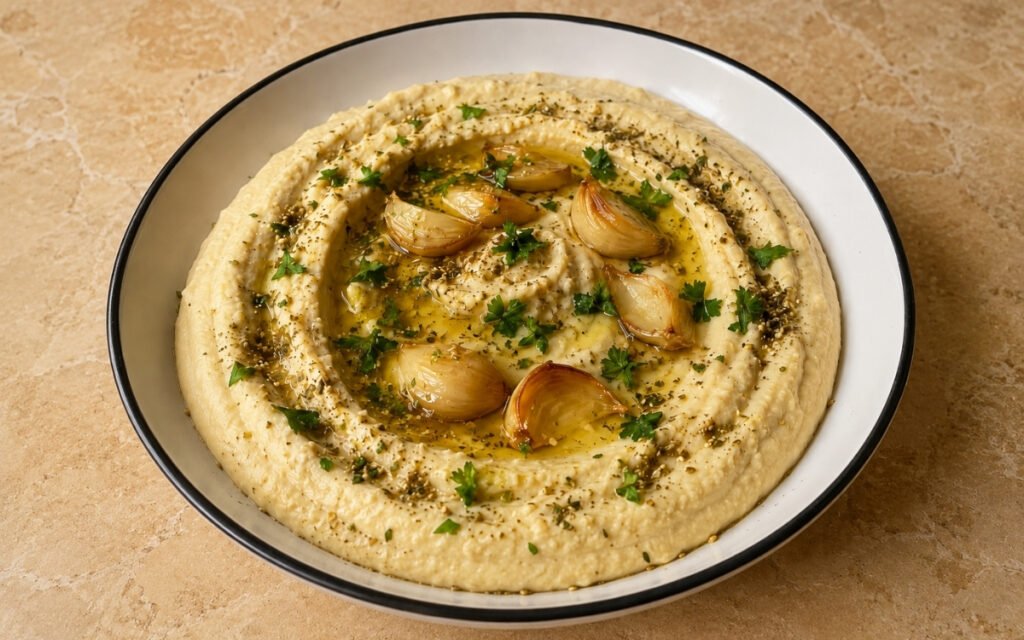
Roasted Garlic Hummus
Five garlic cloves roasted in foil until soft and golden, blended into the classic chickpea-tahini base — sweet, mellow, and deeply complex without a trace of raw garlic sharpness.
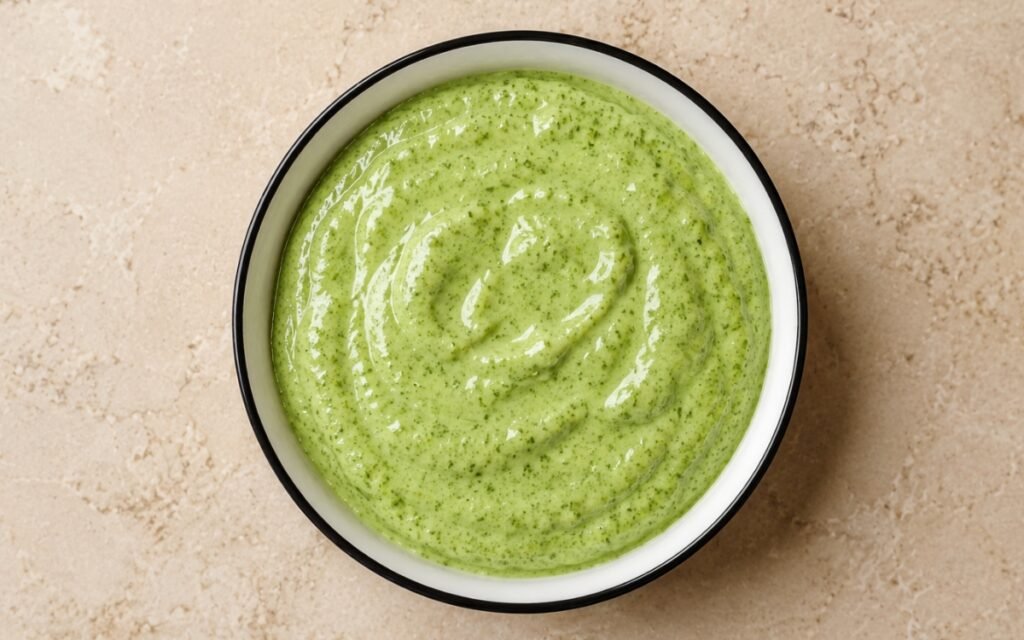
Creamy Green Goddess Dressing
Vibrant herb dressing with Greek yogurt, basil, tarragon, and parsley—fresher than store-bought!
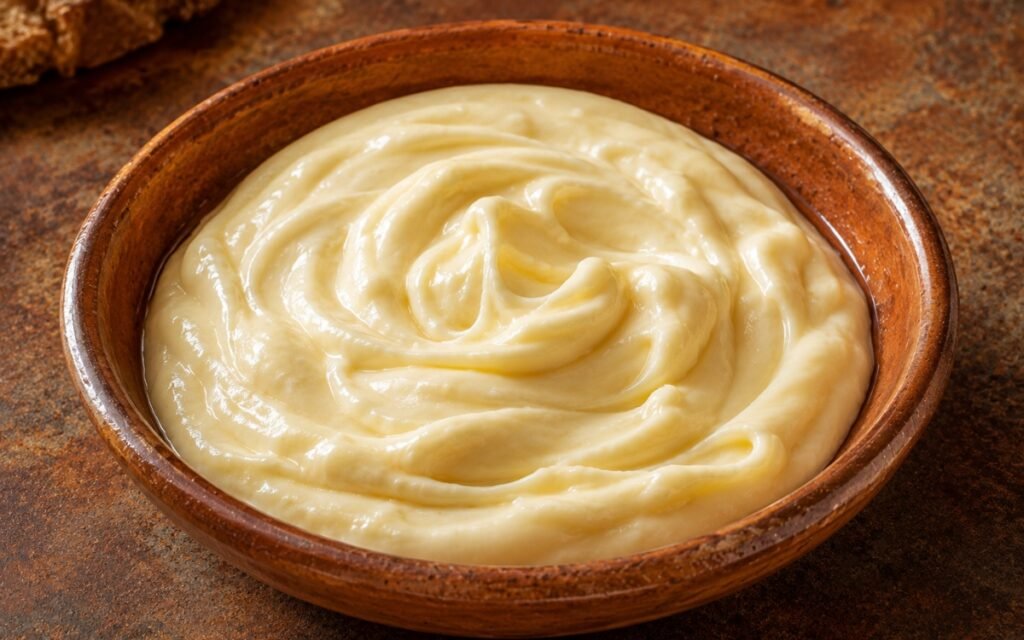
Spanish Alioli
Garlic ground completely smooth with salt — olive oil added drop by drop while grinding until thick, white, and soft-peaked. No egg yolk, no shortcuts. The traditional Catalan three-ingredient alioli.
You might also like
You might also like
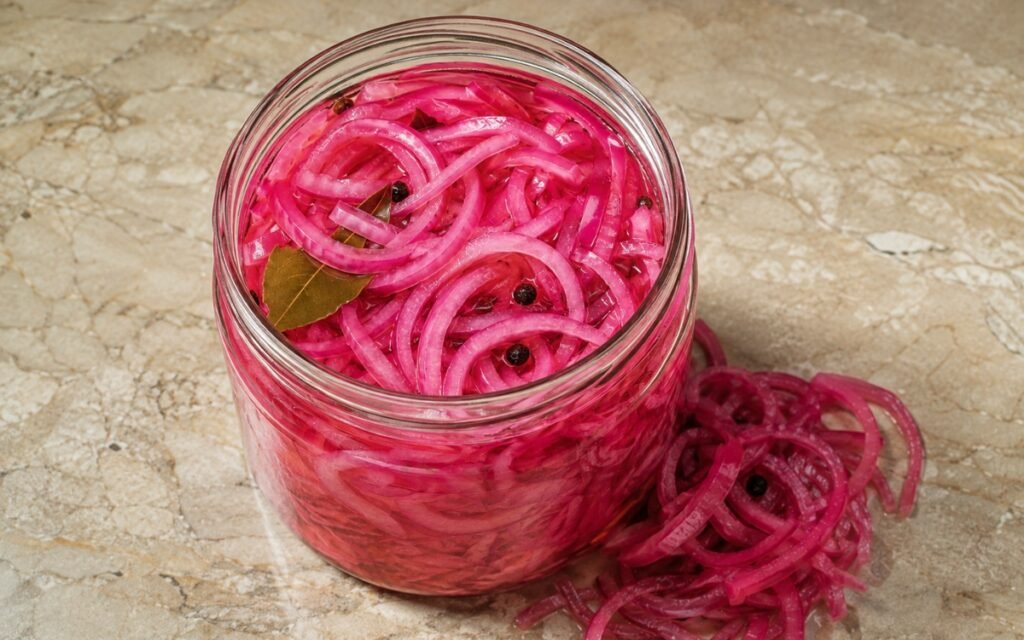
Pickled Red Onion
Thin, evenly sliced red onion pickled in a bright vinegar-lime brine with bay leaf, peppercorns, and coriander seeds.
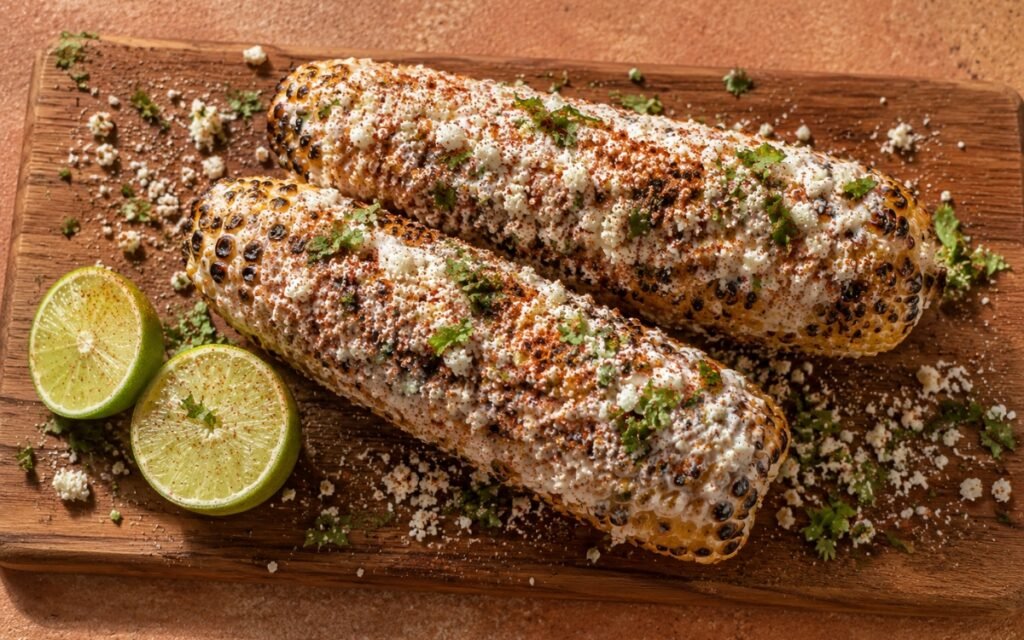
Mexican Street Corn Elotes
Corn cobs grilled dry until deeply charred, coated hot in creamy lime-mayonnaise, then covered in finely crumbled cotija and a dusting of chilli powder.
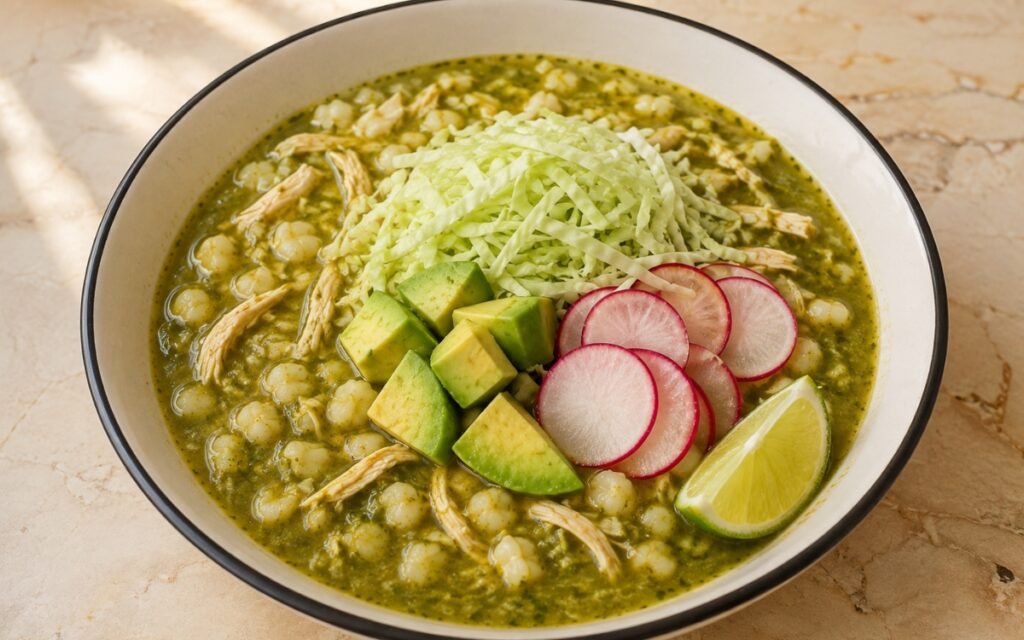
Pozole Verde
A vivid green Mexican pozole with savory chicken broth, roasted tomatillo-pumpkin seed base, hominy, and shredded chicken.
Salsa Roja
Ingredients
Method
- Set your oven to the broiler setting on its highest heat and position the rack as close to the broiler element as possible — approximately 10cm below it. While the broiler heats, prepare the vegetables. Halve the Roma tomatoes through the equator. Roma tomatoes are specified because their meaty, low-moisture flesh concentrates beautifully under the broiler — their lower water content means they char and caramelise at the surface rather than releasing liquid that prevents browning. Standard round tomatoes work but produce a wetter, less concentrated salsa. Peel the garlic cloves and lightly smash each one with the flat side of a knife — a single firm press that cracks each clove open without fully flattening it. Peel the white onion, halve it through the root, then cut each half into 4 even wedges, keeping the root intact on each wedge so the layers hold together during broiling rather than falling apart into individual rings. Place all three vegetables on a large rimmed baking sheet. Drizzle the olive oil over everything, scatter the ground cumin across the vegetables, and toss everything directly on the tray until evenly coated in oil. The cumin blooms in the olive oil during the toss and distributes more evenly across the vegetables than if it were added after the oil.
- Arrange the tomatoes on the tray with the cut side facing down and the skin side facing up toward the broiler element. This orientation is the same technique used in the Salsa Verde for the tomatillos and is equally important here. With the skin side facing the direct radiant heat of the broiler, the tomato skin will blister, char, and caramelise while the cut interior makes direct contact with the hot tray surface, concentrating the tomato’s natural sugars and juices against the metal. The onion wedges and garlic cloves can be arranged in any orientation — they do not require specific positioning. Broil for 8–10 minutes. Watch carefully during the final 2–3 minutes — the difference between perfectly charred and burnt happens quickly under a hot broiler. The target for the tomatoes is a skin surface that shows deep brown to black blisters covering approximately 40–60% of the surface area — irregular, not uniform, with some areas still partially red-orange and others deeply caramelised. The onion wedges should show browning and charring at their thinnest edges and some caramelisation on their surfaces. The garlic should be golden to lightly brown with a few dark spots. Pull the tray when the tomatoes have reached this target — do not wait for uniform blackening across everything, which would indicate the vegetables are past the ideal point and would introduce bitterness into the salsa.
- While the vegetables are under the broiler, prepare the ingredients that go in raw. Deseed both jalapeños by slicing them in half lengthwise and scraping out the seeds and white membrane with a spoon, then cut into smaller pieces — roughly 2–3cm chunks that the blender can process easily. Juice the lime. Gather the cilantro — stems included, for the same reason they are included in the Salsa Verde: the thin stems of fresh cilantro contain the same aromatic compounds as the leaves and blend smoothly, producing a more intensely cilantro-flavoured salsa without any textural downside in a blended preparation. The jalapeños are kept raw rather than broiled alongside the tomatoes deliberately. This is the architectural decision that gives this salsa roja its distinctive character: the tomatoes, onion, and garlic absorb the caramelised, smoky, rounded flavour of broiling — their sharpness is tamed, their sugars concentrated, their overall character deepened. The raw jalapeño and fresh cilantro added after the broil provide the fresh, sharp, slightly grassy heat and herb character that the broiled elements lack. The salsa is built on the contrast between the cooked depth of the broiled vegetables and the raw freshness of the jalapeño and cilantro — each element doing what it does best.
- Transfer the contents of the tray to a blender or food processor — all the broiled vegetables and every drop of the accumulated juices on the tray. The liquid on the tray is concentrated tomato juice, rendered onion moisture, and olive oil infused with caramelised vegetable sugars — it is the most flavourful liquid in the preparation and must not be discarded. Add the raw jalapeño pieces, lime juice, and cilantro with stems. Process on high speed until fairly smooth — 20–30 seconds of continuous blending produces a salsa with a uniform, lightly textured consistency where small pieces of jalapeño and herb are still faintly detectable. For a smoother result, blend for an additional 15–20 seconds. For a chunkier result, pulse rather than blend continuously. The ideal consistency for a versatile salsa roja is smooth enough to pour from a spoon but textured enough to show the salsa’s character — not a thin liquid but not a paste. Taste immediately after blending: the salsa is at its most revealing at this stage, and any significant imbalances are most easily corrected now. Season with salt — add generously in small increments, tasting after each addition, until all the flavours sharpen and come forward.
- Evaluate the consistency of the blended salsa. If it is pleasantly thick and concentrated — flowing slowly from a spoon and holding a loose mound when dropped into a bowl — serve it directly. If it is thinner than desired, transfer to a small saucepan and simmer over medium heat, stirring occasionally, for 5–8 minutes until reduced to the preferred consistency. The broiling has already done the primary flavour development — the simmering step is purely a consistency adjustment rather than a further flavour development step. The salsa will not need long simmering to reduce because the broiling already drove off much of the vegetables’ excess moisture. Taste and adjust the salt once more after reducing, as concentration amplifies saltiness slightly. Serve warm or at room temperature — this salsa is excellent at both temperatures, though the aromatic freshness of the cilantro is most vivid when served warm or at room temperature rather than cold from the refrigerator.