
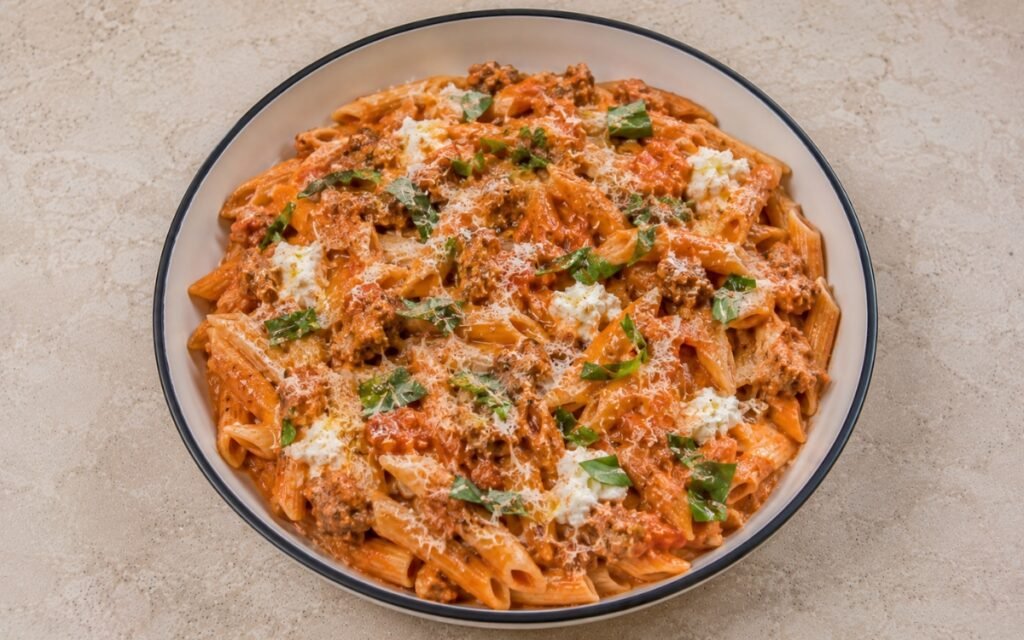
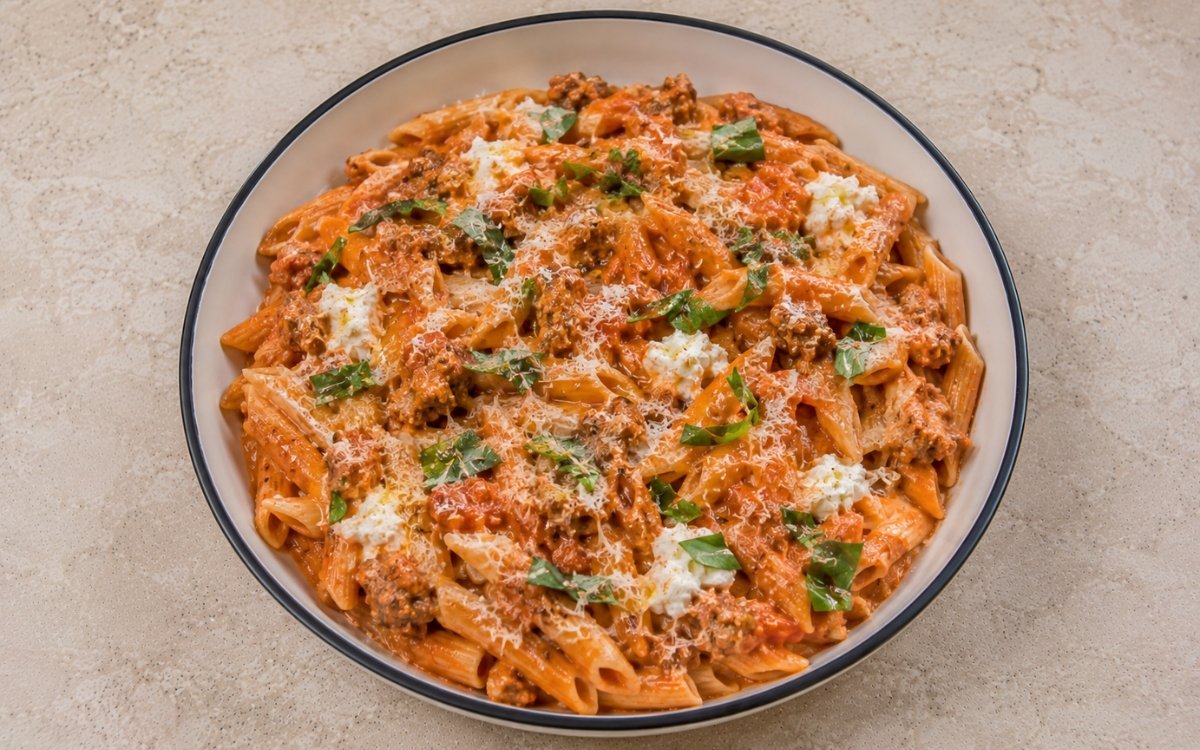
Tomato Pasta with Ricotta & Italian Sausage
Italian sausage browned deeply until the fat has rendered and the fond is dark and concentrated, a caramelised tomato paste base built in the same pan, white wine deglazed, crushed tomatoes simmered until glossy — and then ricotta folded in off the heat at the very end to make everything creamy without a drop of cream. The ricotta is not a garnish but a structural finish that combines with the pasta’s starch and the concentrated tomato sauce to produce a silky, coating result that tastes like the sauce spent all afternoon on the stove. Forty minutes, the kind of depth that surprises people given the timing.
Prep Time : 15 min
Cook Time : 25 min
Servings : 4
15 min
25 min
4
Ingredients
For the Pasta
• 340 g fusilli or penne rigate — this one on Amazon
• Salt, for the pasta water
• 240 ml pasta water, reserved
For the Sausage Tomato Sauce
• 320g Italian sausage, hot or sweet, casings removed
• 30 ml extra virgin olive oil — this one on Amazon
• 1 medium yellow onion, approximately 150g, finely diced
• 4 garlic cloves, approximately 16g, minced
• 30 g tomato paste
• 180 ml dry white wine
• 800 g canned crushed tomatoes
• 6g kosher salt, plus more to taste
• 1g freshly ground black pepper
• 1g red pepper flakes, optional
For the Ricotta Finish
• 250 g whole milk ricotta
• 60 g freshly grated Parmesan cheese — this one on Amazon
• 20 g fresh basil leaves, torn
• 15 ml extra virgin olive oil, for serving
This post may contain affiliate links. As an Amazon Associate I earn from qualifying purchases, at no additional cost to you.
Directions
- Cook the Pasta
Bring a large pot of water to a full rolling boil and salt aggressively — the water should taste like the sea. Add the fusilli or penne rigate and cook, stirring occasionally to prevent sticking, until exactly 2 minutes shy of the package’s al dente time. The pasta finishes cooking in the sauce during the tossing step, so it must be pulled noticeably underdone. Before draining, reserve 240ml of the starchy pasta water in a heatproof jug — this water is the emulsifying tool that binds the ricotta finish into the sauce during the final toss. Drain without rinsing and set aside. - Brown the Sausage Deeply
Heat a large, deep skillet over medium-high heat. Add the 30ml of olive oil and allow to heat until shimmering. Crumble the 320g of sausage with casings removed into the pan in rough pieces — not fine crumbles, but irregular, bite-sized chunks that will remain present and textural in the finished dish. Spread the pieces out and leave undisturbed for 1–2 minutes before breaking them apart. This initial undisturbed period allows the bottom surface of each piece to develop the deep caramelisation that produces the fond — without it, the sausage browns more superficially and the pan retains less concentrated flavour for the sauce base. Continue cooking, breaking into smaller pieces, for a total of 5–6 minutes until deeply golden across most surfaces and the fat has rendered completely into the pan. The sausage must be genuinely deeply browned — the entire flavour depth of this recipe begins here, and pale sausage produces a flat sauce regardless of subsequent technique. Transfer the browned sausage to a plate using a slotted spoon, leaving all rendered fat and fond in the skillet. - Build the Tomato Sauce Base
Reduce the heat to medium. Add the 150g of finely diced yellow onion to the sausage fat remaining in the skillet. Cook for 3–4 minutes, stirring occasionally, until completely softened and lightly translucent. The onion softens in the richly flavoured rendered sausage fat, absorbing its savoury character while contributing its own background sweetness. Add the 16g of minced garlic and the optional red pepper flakes. Cook for 45–60 seconds, stirring constantly — at medium heat in hot sausage fat, minced garlic moves quickly toward browning, and constant stirring keeps every piece moving. Stir in the 30g of tomato paste and press it against the hot pan surface. Cook for 2 full minutes, stirring and pressing constantly — this is the most flavour-generative 2 minutes in the recipe. The tomato paste undergoes Maillard caramelisation at its direct contact points with the hot pan, converting its sharp, raw acidity into a darker, slightly sweet, concentrated tomato depth. The paste should visibly deepen from bright red to brick-red and smell noticeably sweeter and less acidic by the end of the 2 minutes. Skipping or rushing this step produces a one-dimensional, slightly raw-tasting tomato sauce regardless of how long it subsequently simmers. - Deglaze and Simmer
Pour in the 180ml of dry white wine and immediately scrape the bottom of the pan firmly to lift all the fond — the wine dissolves every bit of caramelised sausage protein and tomato paste from the surface into the sauce. Allow to bubble vigorously for 2–3 minutes until reduced by approximately half and the raw alcohol edge has cooked off — the sauce should smell round and fruity rather than sharp and spiritous. Add the 800g of crushed tomatoes, 6g of salt, and 1g of black pepper. Stir to combine and bring to a lively simmer. Cook uncovered for 8–10 minutes, stirring occasionally, until the sauce has thickened slightly and developed a glossy, concentrated appearance — the surface should look shiny rather than the duller, more watery appearance of freshly added crushed tomatoes. Return the browned sausage pieces and all their accumulated resting juices to the skillet. Stir to incorporate and simmer together for 2–3 minutes — the sausage heats through and exchanges flavour with the tomato sauce, the juices from the resting plate dissolving into the sauce and enriching it. - Finish the Pasta in the Sauce
Add the drained, underdone pasta directly to the skillet. Pour in 120ml of the reserved pasta water. Toss vigorously over medium heat for 2–3 minutes using tongs — lifting the pasta from the bottom and folding it over the top continuously. The pasta finishes cooking in the sauce during this tossing period, absorbing the sausage-tomato character directly into its structure. The pasta’s surface starch releases into the surrounding sauce simultaneously, progressively thickening and enriching it with each passing minute. The finished sauce should be silky and clinging — coating each piece of pasta as a unified film rather than pooling at the bottom of the pan. If the sauce tightens beyond this correct consistency, add the remaining pasta water in 30ml increments while tossing. The correct test: when you lift a forkful of pasta, the sauce should cling to each piece rather than dripping off freely. - Fold in Ricotta and Serve
Remove the skillet from the heat completely. Add the 250g of whole milk ricotta and 60g of freshly grated Parmesan. Toss quickly to combine — the residual heat of the pasta and sauce melts the ricotta and Parmesan gently into the surrounding sauce. The ricotta must be added off the heat — at direct high heat, ricotta’s proteins tighten and the cheese separates into small, grainy curds rather than dispersing smoothly into the sauce as a creamy, coating element. The correctly added ricotta should produce a visible transformation in the sauce: what was a concentrated, somewhat sharp tomato-sausage coating becomes smooth, slightly pale, and creamy — the ricotta’s fat and protein emulsifying with the starchy pasta sauce into a unified, silky consistency that resembles a cream sauce without containing any cream. Fold in the torn basil leaves. Taste and adjust with additional salt if needed. Divide among four warm bowls immediately. Drizzle a small amount of the finishing olive oil over each portion. Add additional grated Parmesan at the table.
*Notes :
- The ricotta finish is the specific technique that makes this dish distinct from both a plain sausage tomato pasta and a cream pasta. Whole milk ricotta has a fat content of approximately 14–17% — lower than cream cheese or mascarpone but sufficient to produce the smooth, coating emulsification effect when folded into a hot, starchy tomato sauce. The ricotta’s proteins, when gently heated in contact with the pasta’s released starch, form a smooth suspension — distributing through the sauce as fine particles that produce a creamy mouthfeel without being detectable as individual cheese pieces. The result is a sauce that is simultaneously recognisably tomato-based and specifically creamy in a way that plain tomato sauce is not.
- The importance of deep sausage browning cannot be overstated in this recipe. The fond produced by 5–6 minutes of proper browning is the concentrated flavour substrate that everything else builds on — the white wine dissolves it, the tomatoes simmer in it, the pasta absorbs it. A pale sausage sear produces insufficient fond, and the resulting sauce will taste flat and undeveloped regardless of the quality of the tomatoes or the precision of the subsequent technique. If the sausage is not producing dark, caramelised drippings on the pan surface after 4 minutes, the heat is too low — increase it and continue browning.
Why This Recipe Works
This recipe works because it sequences the flavour-building steps to compound rather than simply add — each stage develops flavour that the next stage builds on. The sausage fond is the foundation the tomato paste caramelises in. The caramelised tomato paste is what the wine dissolves. The wine reduction is what the crushed tomatoes simmer in.
The concentrated tomato-sausage sauce is what the pasta absorbs and enriches with starch. And the ricotta-off-heat finish is what converts the concentrated sauce into something creamy and coating. The sequence cannot be reversed or shortcut without losing the depth that each stage produces.
Ingredient Breakdown
Italian Sausage (Deeply Browned, Fat and Fond Retained)
The flavour foundation — the rendered fat is the cooking medium; the fond is the depth everything else builds on; the browned chunks provide textural presence.
Tomato Paste (2 Minutes Direct Pan Contact)
The concentrated depth bridge — Maillard caramelisation converts raw acidity into sweet, concentrated complexity.
White Wine (Deglaze, Reduced by Half)
The fond integrator and secondary acid — dissolves every bit of the sausage and tomato paste caramelisation into the sauce.
Crushed Tomatoes (Simmered to Glossy)
The sauce body — reduced to concentrated, glossy consistency before pasta is added.
Whole Milk Ricotta (Off-Heat)
The creamy finish — fat and protein dispersed through the hot starchy sauce produce a smooth, coating emulsification without cream.
Reserved Pasta Water
The starch emulsifier — the bridge between the ricotta, Parmesan, and tomato sauce that produces the unified, silky coating.
Flavor Structure Explained
This creamy tomato sausage pasta follows a layered balance model:
- Savory meaty core (sausage)
- Sweet-acidic body (tomato, tomato paste)
- Creamy dairy balance (ricotta)
- Savory umami finish (Parmesan)
- Fresh herbal lift (basil)
Sausage defines the foundation with spiced, fatty richness carried through both rendered fat and browned pieces. Tomato builds the main body, delivering concentrated sweetness and acidity from slow simmering and caramelised paste. Ricotta softens and rounds the sauce with creamy, milky richness that balances the tomato’s sharpness. Parmesan reinforces the savory depth with salty, crystalline umami. Basil lifts the entire structure with clean herbal freshness, while white wine acidity runs underneath as a subtle brightening layer that keeps the richness controlled.
Common Mistakes to Avoid
- Not Browning the Sausage Deeply Enough – Pale sausage produces inadequate fond — the sauce’s entire depth foundation. Brown for the full 5–6 minutes until genuinely dark and caramelised.
- Rushing the Tomato Paste Caramelisation – The 2-minute direct pan contact is non-negotiable. Under-cooked tomato paste produces a sharp, raw taste that no amount of subsequent simmering corrects.
- Adding Ricotta Over Direct Heat – High heat makes ricotta’s proteins tighten and clump rather than dispersing smoothly. Always remove from heat completely before adding.
- Using Low-Fat Ricotta – Low-fat ricotta has insufficient fat content to produce the smooth emulsification effect. Whole milk ricotta only.
- Adding Pasta Water All at Once – Add in 30ml increments and toss aggressively between additions — the correct consistency is achieved gradually, and adding too much at once produces a watery sauce.
- Not Tasting Before Serving – The sausage and Parmesan together contribute significant salt. Always taste after the ricotta addition and before serving — adjustment at this stage is the final calibration opportunity.
Variations
Extra Ricotta Version
Increase the ricotta to 350g for a more prominently creamy, more pale, more dairy-forward sauce — the tomato’s character becomes the background note rather than the primary.
With Roasted Garlic
Replace the 4 minced garlic cloves with a full head of roasted garlic squeezed from its skins — the caramelised, mellow sweetness of roasted garlic produces a noticeably different, sweeter, more deeply flavoured sauce than raw garlic.
Vegetarian Tomato Pasta with Ricotta
Replace the sausage with 400g of mixed mushrooms — cremini and shiitake — browned deeply in the olive oil using the same undisturbed sear technique. The mushroom fond produced at 5–6 minutes of high-heat browning provides a comparable savoury depth base to the sausage version.
With Fresh Tomatoes
In peak summer, replace the canned crushed tomatoes with 800g of fresh plum tomatoes — roughly crushed by hand — and extend the simmering time to 15–18 minutes. The fresh tomato version is brighter and more acidic; the canned version is deeper and more concentrated.
Storage & Make-Ahead
The assembled pasta can be refrigerated for up to 3 days. During storage, the pasta will absorb some of the sauce, so when reheating, warm it gently in a pan over low heat with a small splash of water, stirring carefully. The ricotta sauce may separate slightly in the refrigerator, but it will come back together with gentle heat and stirring.
The sausage tomato sauce on its own, without the pasta or ricotta, can be refrigerated for up to 5 days and actually improves over the first 24 to 48 hours. It also freezes well for up to 3 months. For the best make-ahead approach, cook the pasta fresh and fold in the ricotta only at serving time.
Frequently Asked Questions
Why whole milk ricotta rather than low-fat?
Whole milk ricotta’s fat content is what allows it to disperse smoothly through the hot starchy sauce rather than clumping. Low-fat ricotta has insufficient fat and produces a grainier result. The fat is also what provides the smooth, creamy mouthfeel in the finished sauce.
Why does the recipe specify to add ricotta off the heat?
Direct heat causes ricotta’s whey proteins to tighten and curdle into small grainy pieces rather than dispersing smoothly. The residual heat of the hot pasta and sauce is sufficient to melt and incorporate the ricotta into a creamy emulsion — direct heat is too aggressive.
What pasta shape works best?
Short, ridged formats — fusilli and penne rigate — are specified because their ridges and spiral or tubular structure capture the chunky sausage-tomato sauce and hold the ricotta finish in every crevice. Long smooth pasta like spaghetti or linguine allows the sauce to slide off more easily.
Can I use the sauce for other dishes?
The sausage tomato sauce base — made through Step 4 without the pasta — works excellently as a pizza sauce, a braising sauce for Beef Meatballs, and a filling for baked pasta. It is a versatile, deeply flavoured base.
Hot or sweet sausage?
Hot Italian sausage adds fennel and chili heat, producing a more assertively spiced result. Sweet Italian sausage allows the optional red pepper flakes to be the sole heat source. Both produce excellent results — choose based on preferred heat level.
Nutrition Facts
( per serving )
Calories
~935 kcal
Protein
41 g
Fat
44 g
Carbs
86 g
Calories
~935 kcal
Protein
41 g
Fat
44 g
Carbs
86 g
Related Recipes
Related Recipes

Creamy Sun-Dried Tomato Pasta
Parmesan cream built in sun-dried tomato oil with burst cherry tomatoes and toasted pine nuts — 30 minutes.
Lemon Garlic Shrimp Pasta
Golden-seared shrimp in a white wine, lemon, and butter sauce — one pan, 30 minutes.
Shrimp Scampi Pasta
Linguine finished in a glossy garlic butter lemon sauce with tender shrimp, parsley, chili flakes, and Parmesan.
You might also like
You might also like
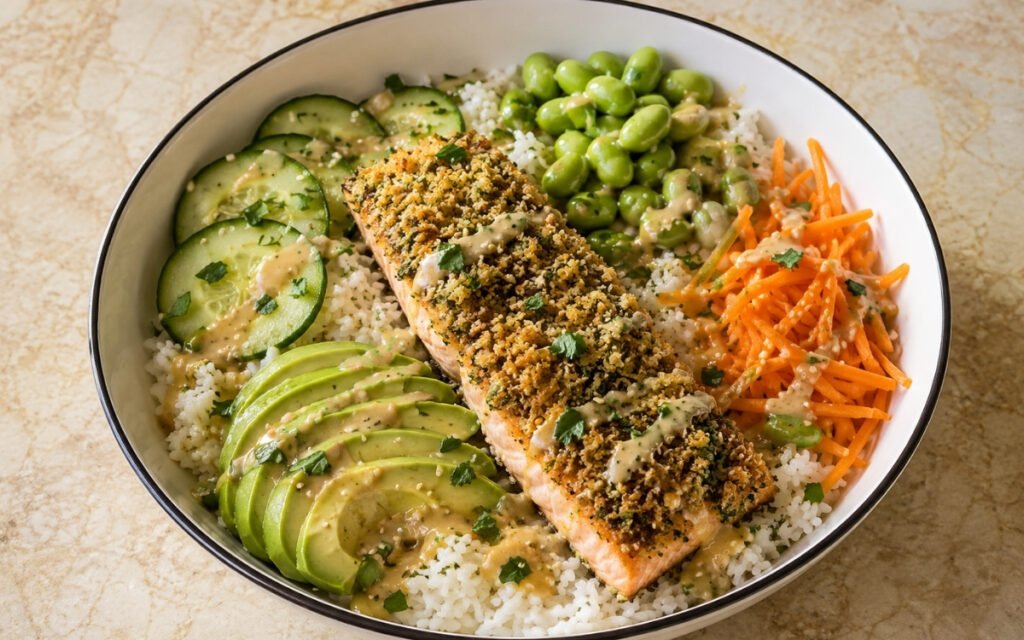
Herb-Crusted Salmon Rice Bowl
Salmon seared flesh-first, herb-panko crust pressed on post-flip — crispy skin and golden crust simultaneously, over jasmine rice with lemon-miso dressing. 40 minutes.
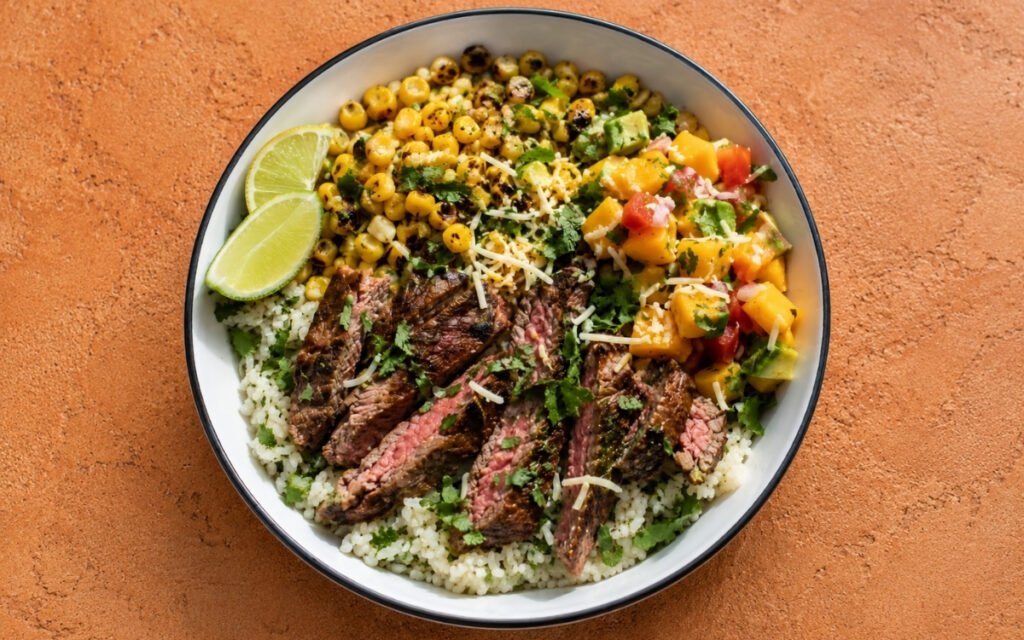
Flank Steak & Mango Salsa Rice Bowl
Charred flank steak over cilantro lime rice with mango avocado salsa, smoky corn, and Mexican cheese — a vibrant, complete bowl in under an hour.
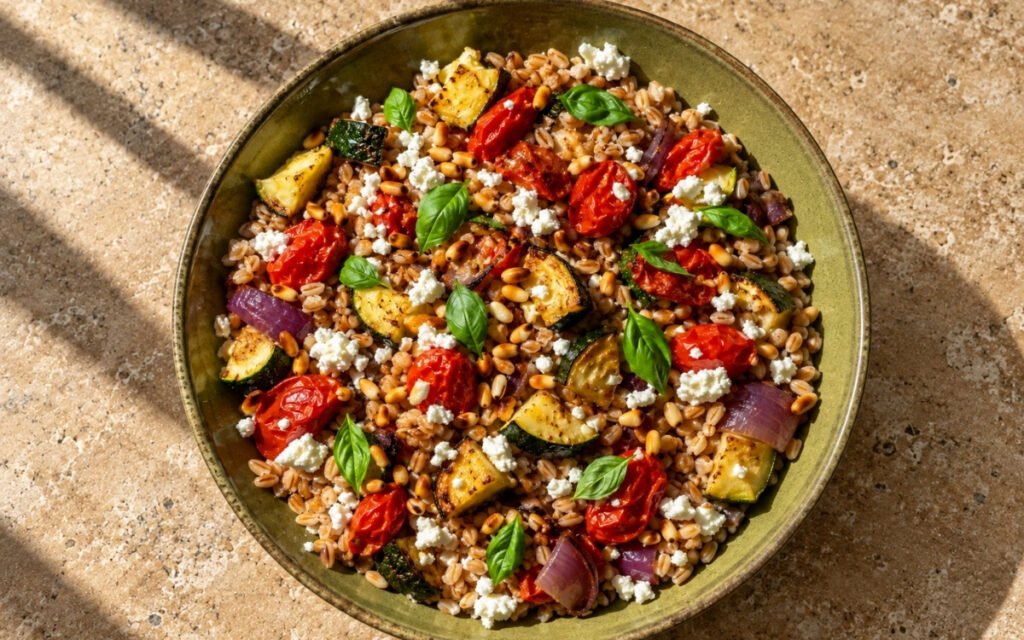
Italian Farro Salad with Roasted Vegetables
Chewy nutty farro with roasted zucchini, burst cherry tomatoes, roasted red onion, fresh basil, toasted pine nuts, and crumbled ricotta salata.
Tomato Pasta with Ricotta & Italian Sausage
Ingredients
Method
- Bring a large pot of water to a full rolling boil and salt aggressively — the water should taste like the sea. Add the fusilli or penne rigate and cook, stirring occasionally to prevent sticking, until exactly 2 minutes shy of the package’s al dente time. The pasta finishes cooking in the sauce during the tossing step, so it must be pulled noticeably underdone. Before draining, reserve 240ml of the starchy pasta water in a heatproof jug — this water is the emulsifying tool that binds the ricotta finish into the sauce during the final toss. Drain without rinsing and set aside.
- Heat a large, deep skillet over medium-high heat. Add the 30ml of olive oil and allow to heat until shimmering. Crumble the 320g of sausage with casings removed into the pan in rough pieces — not fine crumbles, but irregular, bite-sized chunks that will remain present and textural in the finished dish. Spread the pieces out and leave undisturbed for 1–2 minutes before breaking them apart. This initial undisturbed period allows the bottom surface of each piece to develop the deep caramelisation that produces the fond — without it, the sausage browns more superficially and the pan retains less concentrated flavour for the sauce base. Continue cooking, breaking into smaller pieces, for a total of 5–6 minutes until deeply golden across most surfaces and the fat has rendered completely into the pan. The sausage must be genuinely deeply browned — the entire flavour depth of this recipe begins here, and pale sausage produces a flat sauce regardless of subsequent technique. Transfer the browned sausage to a plate using a slotted spoon, leaving all rendered fat and fond in the skillet.
- Reduce the heat to medium. Add the 150g of finely diced yellow onion to the sausage fat remaining in the skillet. Cook for 3–4 minutes, stirring occasionally, until completely softened and lightly translucent. The onion softens in the richly flavoured rendered sausage fat, absorbing its savoury character while contributing its own background sweetness. Add the 16g of minced garlic and the optional red pepper flakes. Cook for 45–60 seconds, stirring constantly — at medium heat in hot sausage fat, minced garlic moves quickly toward browning, and constant stirring keeps every piece moving. Stir in the 30g of tomato paste and press it against the hot pan surface. Cook for 2 full minutes, stirring and pressing constantly — this is the most flavour-generative 2 minutes in the recipe. The tomato paste undergoes Maillard caramelisation at its direct contact points with the hot pan, converting its sharp, raw acidity into a darker, slightly sweet, concentrated tomato depth. The paste should visibly deepen from bright red to brick-red and smell noticeably sweeter and less acidic by the end of the 2 minutes. Skipping or rushing this step produces a one-dimensional, slightly raw-tasting tomato sauce regardless of how long it subsequently simmers.
- Pour in the 180ml of dry white wine and immediately scrape the bottom of the pan firmly to lift all the fond — the wine dissolves every bit of caramelised sausage protein and tomato paste from the surface into the sauce. Allow to bubble vigorously for 2–3 minutes until reduced by approximately half and the raw alcohol edge has cooked off — the sauce should smell round and fruity rather than sharp and spiritous. Add the 800g of crushed tomatoes, 6g of salt, and 1g of black pepper. Stir to combine and bring to a lively simmer. Cook uncovered for 8–10 minutes, stirring occasionally, until the sauce has thickened slightly and developed a glossy, concentrated appearance — the surface should look shiny rather than the duller, more watery appearance of freshly added crushed tomatoes. Return the browned sausage pieces and all their accumulated resting juices to the skillet. Stir to incorporate and simmer together for 2–3 minutes — the sausage heats through and exchanges flavour with the tomato sauce, the juices from the resting plate dissolving into the sauce and enriching it.
- Add the drained, underdone pasta directly to the skillet. Pour in 120ml of the reserved pasta water. Toss vigorously over medium heat for 2–3 minutes using tongs — lifting the pasta from the bottom and folding it over the top continuously. The pasta finishes cooking in the sauce during this tossing period, absorbing the sausage-tomato character directly into its structure. The pasta’s surface starch releases into the surrounding sauce simultaneously, progressively thickening and enriching it with each passing minute. The finished sauce should be silky and clinging — coating each piece of pasta as a unified film rather than pooling at the bottom of the pan. If the sauce tightens beyond this correct consistency, add the remaining pasta water in 30ml increments while tossing. The correct test: when you lift a forkful of pasta, the sauce should cling to each piece rather than dripping off freely.
- Remove the skillet from the heat completely. Add the 250g of whole milk ricotta and 60g of freshly grated Parmesan. Toss quickly to combine — the residual heat of the pasta and sauce melts the ricotta and Parmesan gently into the surrounding sauce. The ricotta must be added off the heat — at direct high heat, ricotta’s proteins tighten and the cheese separates into small, grainy curds rather than dispersing smoothly into the sauce as a creamy, coating element. The correctly added ricotta should produce a visible transformation in the sauce: what was a concentrated, somewhat sharp tomato-sausage coating becomes smooth, slightly pale, and creamy — the ricotta’s fat and protein emulsifying with the starchy pasta sauce into a unified, silky consistency that resembles a cream sauce without containing any cream. Fold in the torn basil leaves. Taste and adjust with additional salt if needed. Divide among four warm bowls immediately. Drizzle a small amount of the finishing olive oil over each portion. Add additional grated Parmesan at the table.