
Osso Buco
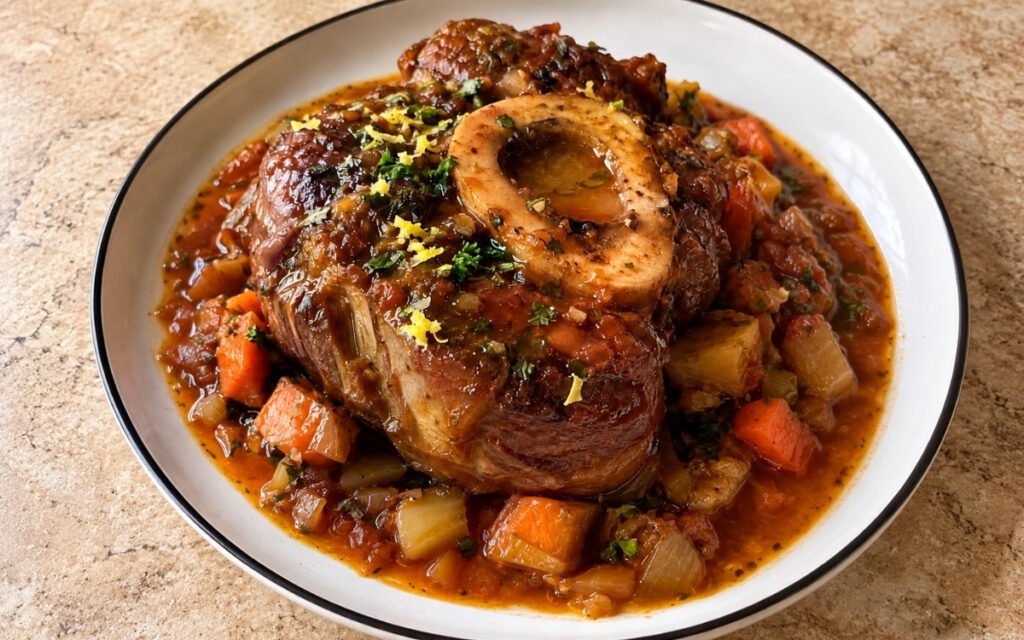
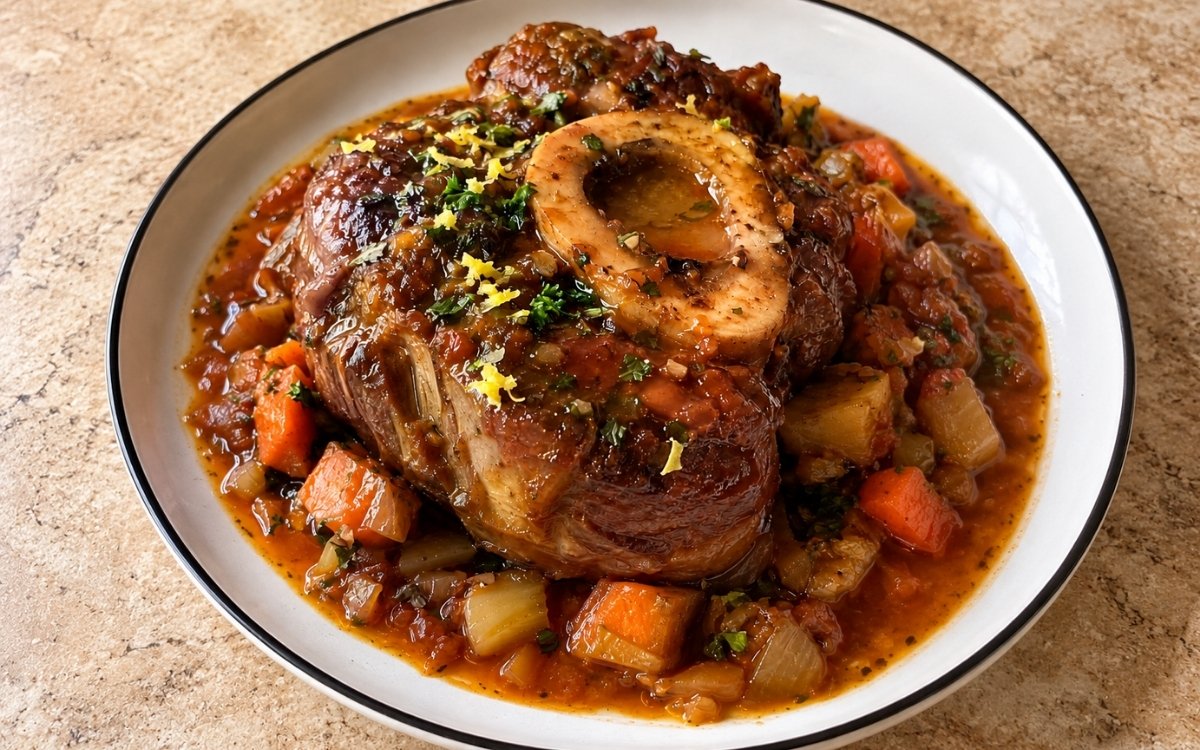
Classical braised veal shanks cooked slowly with onion, carrot, and celery until fork-tender in a glossy white wine and light tomato braising sauce, then finished with a simple gremolata of lemon zest and parsley, built entirely around a gentle, moist braise that softens the meat without drying it out while the marrow stays rich and luscious. Browning the veal shanks to a deep golden crust before they go into the braise builds the foundation of the sauce’s flavour. The braise then stays at a gentle simmer in the oven, never a hard boil, so the meat and connective tissue soften without toughening. Adding the fresh gremolata right before serving keeps it bright and aromatic. The result is a dish with classical Italian richness — fork-tender veal shanks with buttery marrow, bathed in a glossy, balanced sauce, brightened by lemon and parsley.
Prep Time : 25 min
Cook Time : 2 hr, 20 min
Servings : 4
25 min
2 hr, 20 min
4
Ingredients
For the Veal
• 4 veal shanks, 250–300g each, about 3–4cm / 1.25–1.5 in thick
• 1½ tsp fine salt, or to taste
• ¾ tsp black pepper
• 60g all-purpose flour, for light dredging — this one on Amazon
• 2 tbsp olive oil — this one on Amazon
• 20g unsalted butter — this one on Amazon
For the Braise
• 1 large onion, cut into 1cm cubes or rustic irregular pieces
• 2 medium carrots, cut into 1cm cubes or rustic irregular pieces
• 2 celery stalks, cut into 1cm cubes or rustic irregular pieces
• 3 garlic cloves, sliced
• 2 tbsp tomato paste
• 250ml dry white wine
• 450–600ml light veal stock or good chicken stock, hot
• 200g passata or crushed peeled tomatoes
• 2 sprigs thyme
• 1 bay leaf
For the Gremolata Finish
• 2 tbsp finely chopped flat-leaf parsley
• Finely grated zest of 1 lemon
This post may contain affiliate links. As an Amazon Associate I earn from qualifying purchases, at no additional cost to you.
Directions
- Prepare the Veal Shanks
Pat the veal shanks very dry. If there is a tough membrane around the outside edge, snip it in 3–4 places with kitchen scissors to help prevent curling during searing. If the shanks are loose or uneven, tie them once around the circumference with kitchen twine. Season both sides with the salt and pepper. Dredge very lightly in the flour, shaking off all excess. The flour should be a thin dusty coating only, not a heavy crust. Excess flour can burn in the pot and make the sauce muddy. Snipping that outer membrane in a few places gives the shank’s own natural tension somewhere controlled to release as it browns — without those cuts, the meat would curl unpredictably and cook unevenly against the pan. - Brown the Meat
Heat a heavy Dutch oven or braiser over medium to medium-high heat. Add the olive oil and butter. When the butter foam subsides, add the veal shanks and brown well, about 3–4 minutes per side, plus a little color on the outer edge if possible. Work in batches if needed so the pot is not crowded. Transfer the browned shanks to a plate. The shanks should have a deep golden-brown crust. Good browning builds the flavor base for the sauce. Don’t rush this browning — the fond it builds on the pot’s own surface gets worked directly into the vegetables and liquid still to come, carrying real, concentrated flavour all the way through to the finished sauce. - Build the Soffritto and Deglaze
Lower the heat to medium. Add the onion, carrot, and celery to the same pot. Cook for 8–10 minutes, stirring regularly, until softened and lightly golden at the edges. Add the sliced garlic and cook for 30 seconds. Stir in the tomato paste and cook for 1–2 minutes until slightly darkened and no longer raw. Pour in the white wine and scrape up all browned bits from the bottom of the pot. Simmer for 3–5 minutes until the wine is reduced by about half and the alcohol smell has cooked off. The vegetables should be softened and sweet, and the wine should no longer smell sharp or raw. That deglazing step lifts every bit of fond left behind by the seared veal directly into the liquid, working real, concentrated flavour back into the base rather than leaving it stuck to the pot. - Braise Gently
Add the passata or crushed tomatoes and stir. Return the veal shanks to the pot in a single layer, nestling them into the vegetables. Add enough hot stock to come about two-thirds of the way up the sides of the shanks, usually 450–600ml depending on your pot size. Add the thyme and bay leaf. Bring just to a gentle simmer on the stove. Cover with a tight-fitting lid and transfer to a preheated oven at 160°C / 325°F. Braise for 1 hour 45 minutes to 2 hours 15 minutes, turning the shanks once about halfway through. Check occasionally: the liquid should stay at a very gentle simmer, never a hard boil. Add a splash of hot stock if the pot looks dry. The osso buco is ready when the meat is fork-tender, the connective tissue has softened, and the meat is just beginning to relax away from the bone without falling completely apart. Held at a gentle simmer over several hours, the shank’s connective tissue breaks down into tenderness; a harder simmer toughens the meat instead. - Finish the Sauce
Transfer the shanks carefully to a warm plate and remove the twine if used. Discard the thyme and bay leaf. If the sauce is a little thin, place the pot over medium heat and simmer for a few minutes until lightly thickened and glossy. If it seems too thick, loosen with a splash of hot stock. Taste and adjust salt and pepper. The vegetables should be completely soft and integrated into the sauce, but still visible as small rustic pieces. Do not reduce the sauce too aggressively once the shanks are cooked. You want a glossy, spoonable braising sauce, not a heavy paste. That deliberate restraint at this final reduction stage protects the sauce’s own intended consistency — pushing it too far would turn a properly glossy, spoonable braise into something considerably heavier and less balanced. - Make the Gremolata and Serve
Mix the chopped parsley and lemon zest. Return the shanks to the sauce briefly to rewarm if needed. Spoon the sauce and vegetables onto plates, set a shank on each plate, and spoon more sauce over the top. Finish with the parsley-lemon gremolata. Serve immediately while hot. Adding that gremolata only at this very last stage, rather than earlier, keeps its lemon zest and parsley bright and aromatic — mixed in any earlier, both would dull considerably by the time the dish actually reaches the table.
*Notes :
- Browning the veal shanks to a deep golden crust before braising is where most of this dish’s flavour comes from. That browning isn’t simply cosmetic — the fond it builds gets worked directly into the vegetables and deglazing liquid that follow, and that concentrated flavour carries all the way through into the finished sauce the shanks eventually simmer in for hours.
- Keep the braise at a gentle simmer for its full time in the oven, never a hard boil. A harder simmer toughens the connective tissue instead of giving meat that is nearly falling off the bone.
- Snipping the tough outer membrane around each shank before searing is a small detail that matters. Veal shanks tend to curl as they brown, and those few strategic cuts give the meat’s own natural tension somewhere controlled to release, protecting against the uneven cooking an uncontrolled curl would otherwise cause.
- Add the fresh gremolata only right before serving. Both lemon zest and fresh parsley lose real brightness and aroma the longer they sit, so adding it at the last moment delivers the sharp, fresh lift this rich, slow-braised dish depends on for balance.
Why This Recipe Works
This recipe works because the veal shanks are browned to a deep crust before braising, building fond that carries real flavour into the finished sauce. Deglazing with wine lifts that fond directly back into the liquid.
A gentle oven braise lets the connective tissue break down properly without toughening the meat.
The finished sauce is only lightly reduced, protecting its glossy, spoonable consistency, and a fresh gremolata added only right before serving delivers the bright, aromatic lift this rich dish depends on for real balance.
Ingredient Breakdown
Well-Seared Veal Shanks
The centrepiece — deep browning builds fond that carries directly into the finished sauce’s flavour.
Light Flour Dredge
A thin, dusty coating that aids browning without burning or clouding the sauce.
Wine Deglaze
Lifts fond built during searing directly back into the braising liquid for concentrated flavour.
Low, Slow Braise
An hours-long, never-boiling simmer produces properly tender meat.
Lightly Reduced Finishing Sauce
Protects the sauce’s own glossy, spoonable consistency rather than turning it into a heavy paste.
Fresh, Last-Moment Gremolata
The finishing technique — added only right before serving, delivering real brightness that would dull if mixed in earlier.
Flavor Structure Explained
The flavour comes in five layers:
- Deep savoury centre (seared, slow-braised veal shanks)
- Sweet vegetable body (softened onion, carrot, celery)
- Rich, glossy sauce (wine, tomato, reduced braising liquid)
- Buttery, luscious marrow (from the bone center)
- Bright finishing lift (lemon zest and parsley gremolata)
Seared, slow-braised veal shanks provide this dish’s deep, savoury centre, their flavour built through hours of patient cooking. Softened onion, carrot, and celery contribute sweet, aromatic body throughout the sauce. Wine, tomato, and the reduced braising liquid together build a rich, glossy sauce that clings to the meat. The buttery, luscious marrow at the center of each shank adds real, classical richness. A bright gremolata of lemon zest and parsley finishes the dish with fresh lift, cutting directly through all that deep, savoury weight.
Common Mistakes to Avoid
- Skipping the Membrane Snipping – This causes the shanks to curl unpredictably while browning. Always snip the outer membrane in a few places first.
- Searing the Shanks Only Lightly – This loses the fond responsible for the sauce’s real depth. Always brown to a deep golden crust.
- Boiling the Braise Hard Instead of Keeping It Gentle – This toughens the meat’s connective tissue. Always keep it at a gentle simmer.
- Reducing the Finished Sauce Too Aggressively – This turns a glossy, spoonable braise into a heavy paste. Always keep the final reduction restrained.
- Adding the Gremolata Too Early – This dulls its bright, fresh flavour before serving. Always mix it fresh and add it right at the end.
Variations
Polenta or Risotto Pairing Version
Serve the finished osso buco over Creamy Buttery Polenta or Risotto alla Milanese, for the traditional, complete Milanese presentation this dish is most commonly served alongside.
Beef Chuck Version
Substitute braised beef chuck for veal shanks if veal isn’t available, adjusting the braising method to the cut’s own particular needs, accepting a different but still rich, slow-braised result.
Extra-Marrow-Forward Version
Spoon the softened marrow directly into the sauce before serving, for a richer, more integrated finished sauce that highlights this dish’s classical centrepiece ingredient.
Mashed Potato Pairing Version
Serve the osso buco over simple mashed potatoes instead of the more classical risotto or polenta, for an equally comforting but less traditionally Milanese presentation.
Storage & Make-Ahead
Use veal shanks cut thick enough to stay juicy through the long braise, with 3 to 4cm slices being ideal, since thinner cuts risk drying out well before the connective tissue has had proper time to soften.
Hot stock is better than cold when adjusting the liquid level during braising, since adding cold liquid would interrupt the pot’s own cooking temperature and slow the whole braise’s progress unnecessarily.
The marrow in the center of each bone should turn soft and buttery by the time the dish is done, and this is a real, intended part of the dish rather than something to discard, so feel free to spoon it into the sauce or eat it directly with the meat.
The finished sauce should taste balanced: savory from the meat and browning, lightly sweet from the softened vegetables, lightly acidic from the wine and tomato, and brightened right at the end by the fresh gremolata’s lemon zest.
Leftovers reheat best very gently, covered, with a small splash of stock or water added so the sauce doesn’t tighten too much during reheating, and osso buco is classically excellent served with risotto alla Milanese, polenta, or mashed potatoes.
Frequently Asked Questions
Why does the veal need to be browned so thoroughly before braising?
That browning isn’t just cosmetic — the fond it builds on the pot’s surface gets worked directly into the vegetables and deglazing liquid, and that concentrated flavour carries all the way through into the finished sauce the shanks eventually simmer in.
Why does the braise need to stay at such a gentle simmer for hours rather than a harder boil?
A harder simmer agitates the liquid enough to toughen the shank’s own connective tissue rather than letting it break down gently. A patient, gentle simmer produces tender meat that relaxes away from the bone.
Why is the membrane snipped before searing?
Veal shanks tend to curl as they brown, and those few strategic cuts give the meat’s natural tension somewhere controlled to release, protecting against the uneven cooking an uncontrolled curl would otherwise cause.
Why is the gremolata added only right before serving rather than earlier?
Both lemon zest and fresh parsley lose real brightness and aroma the longer they sit. Adding the gremolata at the very last moment delivers the sharp, fresh lift this rich, slow-braised dish depends on for balance.
Are there other classic Italian braised, risotto, or polenta dishes worth trying?
Risotto alla Milanese and Mushroom Risotto both offer classic pairings or related risotto directions worth exploring. Creamy Buttery Polenta and Braised Beef Chuck Steak are also worth trying for other classic Italian pairings and braises, and Italian Stuffed Peppers offers another hearty, classic Italian comfort dish worth exploring.
Nutrition Facts
( per serving )
Calories
~620 kcal
Protein
52 g
Fat
28 g
Carbs
18 g
Calories
~620 kcal
Protein
52 g
Fat
28 g
Carbs
18 g
Related Recipes
Related Recipes

Crispy Buffalo Chicken Tenders
Chicken tenderloins breaded in three stages, fried until golden, oven-finished — tossed in buttery buffalo sauce just before serving. Crispy and tangy.
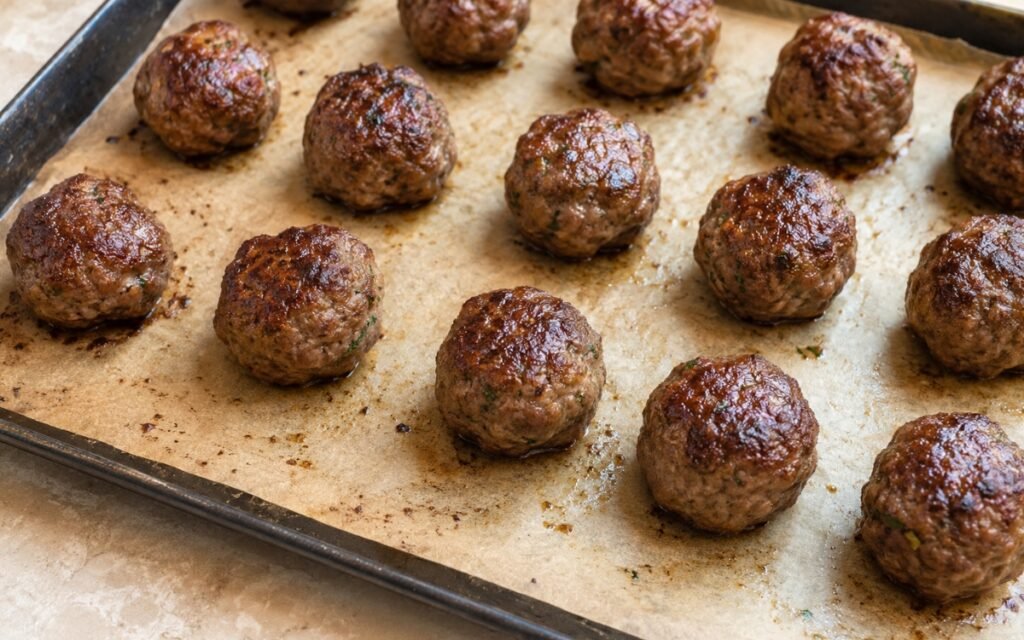
Juicy Beef Meatballs
Ground beef combined with a breadcrumb-milk panade, mixed gently, portioned consistently, baked and rested. Tender and juicy.
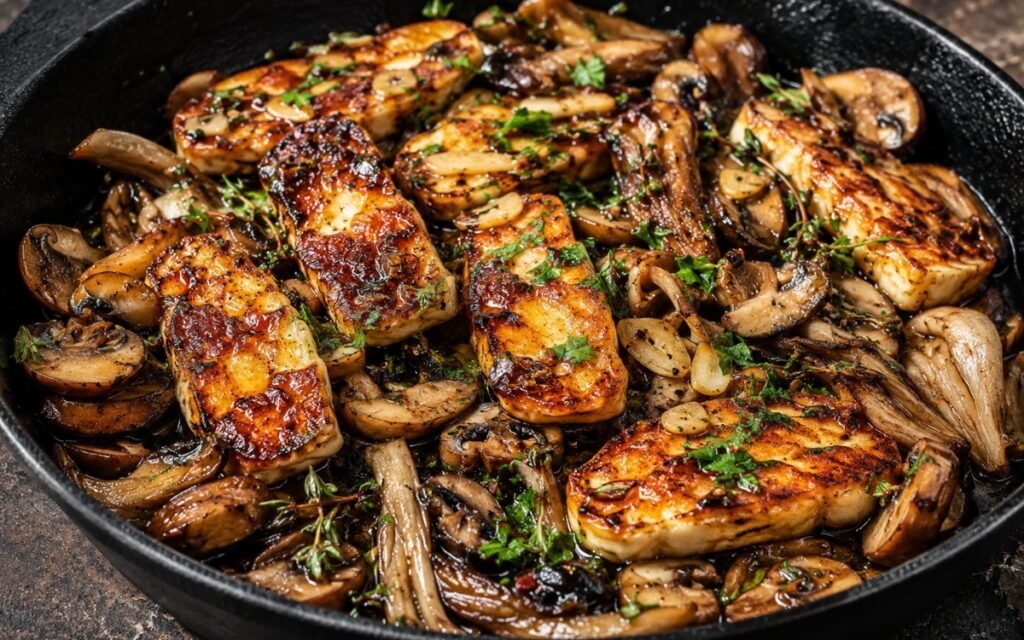
Garlic Mushroom & Halloumi Skillet
Mushrooms seared uncrowded until caramelized, halloumi cooked separately until crisp, combined in garlic balsamic pan sauce. Savory and satisfying.

You might also like
You might also like
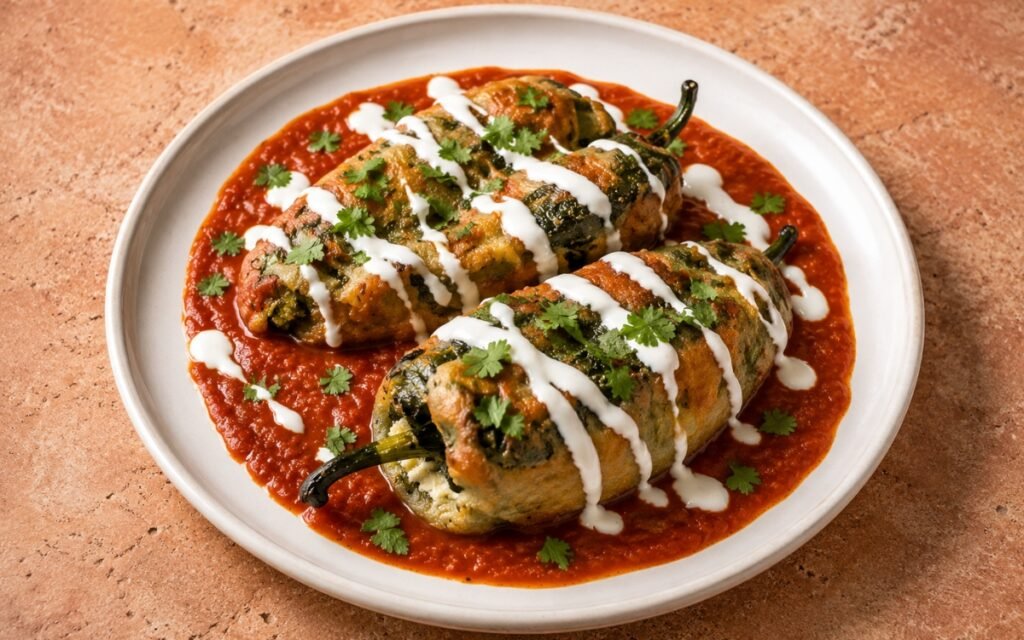
Chiles Rellenos with Tomato Sauce
Roasted poblano peppers stuffed with melting cheese, coated in whipped egg batter, and pan-fried golden. Served over a glossy tomato-chipotle sauce.
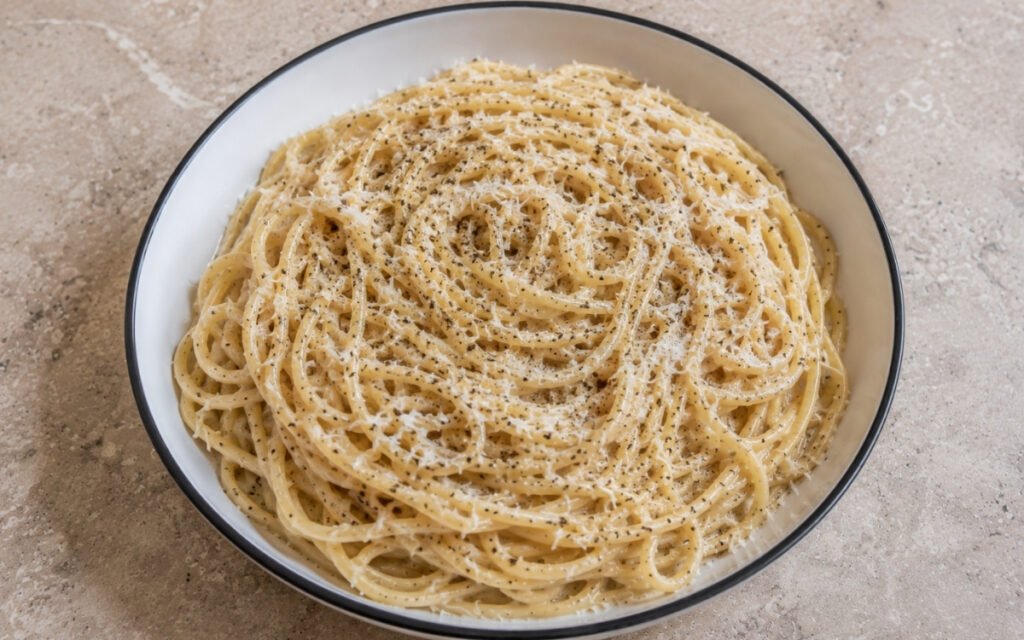
Classic Cacio e Pepe Pasta
Toasted cracked pepper, two cheeses, and chilled butter — the no-clump paste technique that makes this finally work.
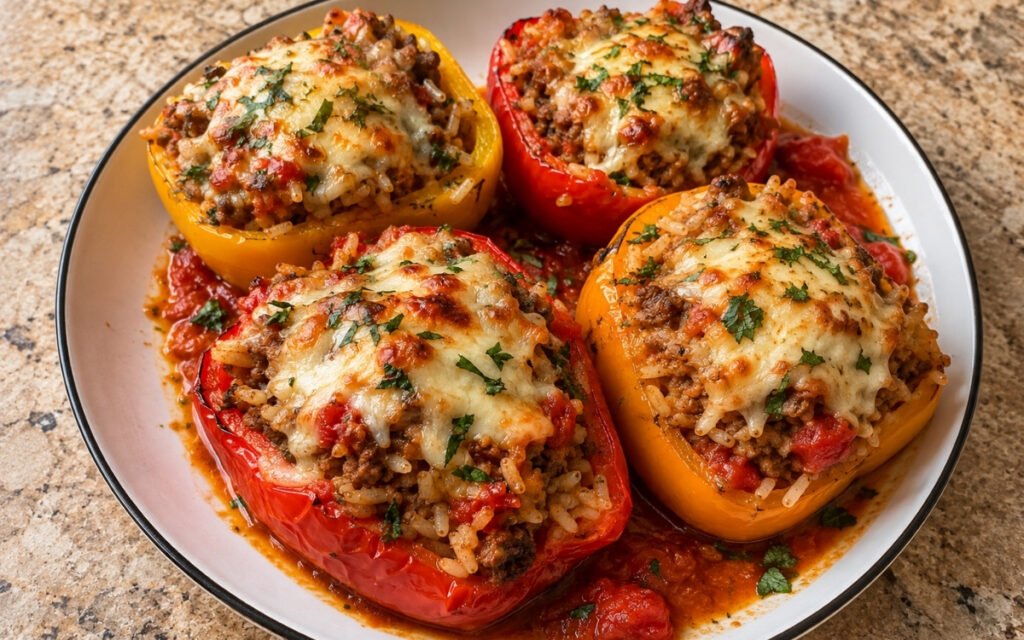
Italian Stuffed Peppers
Halved bell peppers filled with beef, pork, rice, onion, garlic, tomato sauce, herbs and cheese, baked over tomato sauce until tender.
Osso Buco
Ingredients
Method
- Pat the veal shanks very dry. If there is a tough membrane around the outside edge, snip it in 3–4 places with kitchen scissors to help prevent curling during searing. If the shanks are loose or uneven, tie them once around the circumference with kitchen twine. Season both sides with the salt and pepper. Dredge very lightly in the flour, shaking off all excess. The flour should be a thin dusty coating only, not a heavy crust. Excess flour can burn in the pot and make the sauce muddy. Snipping that outer membrane in a few places gives the shank’s own natural tension somewhere controlled to release as it browns — without those cuts, the meat would curl unpredictably and cook unevenly against the pan.
- Heat a heavy Dutch oven or braiser over medium to medium-high heat. Add the olive oil and butter. When the butter foam subsides, add the veal shanks and brown well, about 3–4 minutes per side, plus a little color on the outer edge if possible. Work in batches if needed so the pot is not crowded. Transfer the browned shanks to a plate. The shanks should have a deep golden-brown crust. Good browning builds the flavor base for the sauce. Don’t rush this browning — the fond it builds on the pot’s own surface gets worked directly into the vegetables and liquid still to come, carrying real, concentrated flavour all the way through to the finished sauce.
- Lower the heat to medium. Add the onion, carrot, and celery to the same pot. Cook for 8–10 minutes, stirring regularly, until softened and lightly golden at the edges. Add the sliced garlic and cook for 30 seconds. Stir in the tomato paste and cook for 1–2 minutes until slightly darkened and no longer raw. Pour in the white wine and scrape up all browned bits from the bottom of the pot. Simmer for 3–5 minutes until the wine is reduced by about half and the alcohol smell has cooked off. The vegetables should be softened and sweet, and the wine should no longer smell sharp or raw. That deglazing step lifts every bit of fond left behind by the seared veal directly into the liquid, working real, concentrated flavour back into the base rather than leaving it stuck to the pot.
- Add the passata or crushed tomatoes and stir. Return the veal shanks to the pot in a single layer, nestling them into the vegetables. Add enough hot stock to come about two-thirds of the way up the sides of the shanks, usually 450–600ml depending on your pot size. Add the thyme and bay leaf. Bring just to a gentle simmer on the stove. Cover with a tight-fitting lid and transfer to a preheated oven at 160°C / 325°F. Braise for 1 hour 45 minutes to 2 hours 15 minutes, turning the shanks once about halfway through. Check occasionally: the liquid should stay at a very gentle simmer, never a hard boil. Add a splash of hot stock if the pot looks dry. The osso buco is ready when the meat is fork-tender, the connective tissue has softened, and the meat is just beginning to relax away from the bone without falling completely apart. Held at a gentle simmer over several hours, the shank’s connective tissue breaks down into tenderness; a harder simmer toughens the meat instead.
- Transfer the shanks carefully to a warm plate and remove the twine if used. Discard the thyme and bay leaf. If the sauce is a little thin, place the pot over medium heat and simmer for a few minutes until lightly thickened and glossy. If it seems too thick, loosen with a splash of hot stock. Taste and adjust salt and pepper. The vegetables should be completely soft and integrated into the sauce, but still visible as small rustic pieces. Do not reduce the sauce too aggressively once the shanks are cooked. You want a glossy, spoonable braising sauce, not a heavy paste. That deliberate restraint at this final reduction stage protects the sauce’s own intended consistency — pushing it too far would turn a properly glossy, spoonable braise into something considerably heavier and less balanced.
- Mix the chopped parsley and lemon zest. Return the shanks to the sauce briefly to rewarm if needed. Spoon the sauce and vegetables onto plates, set a shank on each plate, and spoon more sauce over the top. Finish with the parsley-lemon gremolata. Serve immediately while hot. Adding that gremolata only at this very last stage, rather than earlier, keeps its lemon zest and parsley bright and aromatic — mixed in any earlier, both would dull considerably by the time the dish actually reaches the table.