
Chicken Tikka Masala
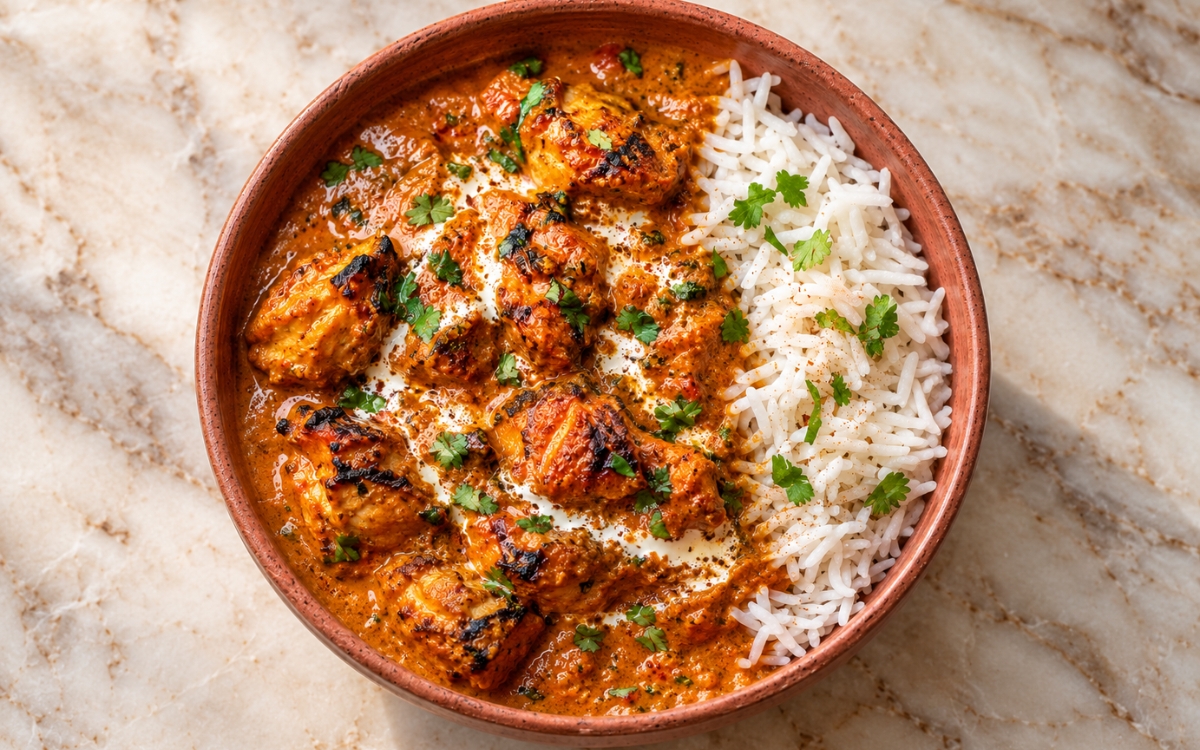
Classic-style chicken tikka masala with marinated chicken thighs, charred until lightly smoky, then finished in a rich orange-red masala sauce built on tomato, cream, warm spices, and a little butter. Served with simply cooked jasmine rice for a complete 4-serving meal.

Prep Time : 30 min
Total Time : 3 hr 15 min
Servings : 4
30 min
3 hr 15 min
4
Ingredients
Chicken Marinade
• 800 g boneless skinless chicken thighs, trimmed and cut into 4–5 cm pieces
• 200 g full-fat plain yogurt
• 20 g ginger, finely grated
• 20 g garlic, finely grated or crushed
• 1½ tbsp lemon juice
• 1 tbsp neutral oil
• 1½ tsp fine salt
• 1½ tsp Kashmiri chili powder or mild paprika
• 1 tsp ground cumin
• 1 tsp ground coriander
• ½ tsp turmeric
• 1 tsp garam masala
Masala Sauce
• 2 tbsp ghee or neutral oil
• 1 tbsp unsalted butter
• 1 large onion, very finely diced or grated (about 180–200 g)
• 15 g ginger, finely grated
• 15 g garlic, finely grated or crushed
• 1 tbsp tomato paste
• 400 g crushed tomatoes or tomato passata
• 1½ tsp Kashmiri chili powder or mild paprika
• 1 tsp ground cumin
• 1 tsp ground coriander
• ½ tsp turmeric
• 1 tsp garam masala
• ½ tsp fine salt to start, plus more to taste
• 1 tsp sugar, optional, only if the tomatoes taste sharp
• 120–180 ml hot water, as needed to loosen
• 180 ml heavy cream
• 1 tsp kasuri methi (dried fenugreek leaves), crushed between your fingers
• 15 g unsalted butter, for finishing
Rice
• 300 g jasmine rice
• 330–360 ml water
• ½ tsp fine salt
• 1 tsp butter or neutral oil, optional
To Finish and Serve
• 2–3 tbsp chopped cilantro
• A small drizzle of cream
• A light dusting of chili powder or garam masala
Directions
- Marinate the Chicken
Combine the yogurt, ginger, garlic, lemon juice, oil, salt, Kashmiri chili, cumin, coriander, turmeric, and garam masala in a large bowl. Add the chicken and coat every piece thoroughly, then cover and refrigerate for at least 2 hours, preferably overnight. The yogurt and salt season the meat all the way through and help it stay juicy; a short marination leaves the chicken flatter in flavor and less tender once cooked. - Prepare the Rice
Rinse the jasmine rice in several changes of cold water until the water runs mostly clear, then drain well. Combine the rice with 330 ml water for firmer grains or 360 ml for slightly softer grains, the salt, and the optional butter in a saucepan with a tight-fitting lid. Bring to a gentle boil, stir once, cover immediately, reduce the heat to very low, and cook for 12 minutes. Turn off the heat and leave the rice covered for 10 minutes without lifting the lid, then fluff gently with a fork. The trapped steam is what finishes cooking the rice, so keeping the lid shut through the rest matters as much as the simmer itself. - Char the Chicken
Take the chicken out of the fridge 20–30 minutes before cooking. For the broiler or grill method, arrange the pieces on a rack over a tray or thread them onto skewers and cook on high heat for 10–15 minutes, turning once, until lightly charred in spots and nearly cooked through. For the pan method, heat a heavy skillet or grill pan over high heat with a little oil and cook the chicken in batches, about 2–3 minutes per side, until well colored and lightly charred on the outside; it doesn’t need to be fully cooked yet. Set the chicken aside with any collected juices. Avoid crowding the pan or tray — crowded chicken steams instead of charring, and that char is where much of the dish’s flavor comes from. - Build the Masala Base
Heat the ghee or oil and the tablespoon of butter in a large sauté pan or pot over medium heat. Add the onion and cook for 8–12 minutes, stirring often, until softened and golden, then add the ginger and garlic and cook for 30–60 seconds, just until fragrant. Stir in the tomato paste and cook for 1 minute. Add the Kashmiri chili, cumin, coriander, turmeric, garam masala, and the initial ½ teaspoon salt, stirring constantly for 20–30 seconds to bloom the spices. Add the crushed tomatoes or passata and simmer over medium-low heat for 10–15 minutes, stirring regularly, until the sauce thickens, deepens in color, and loses its raw tomato edge. Add the sugar only if the sauce tastes sharp. An onion-and-tomato base that’s rushed through this stage tastes thin and harsh instead of rounded, so give it the full simmer time. - Finish the Sauce
Stir in 120 ml hot water first, adding more a little at a time if the sauce needs loosening, until it reaches a consistency that coats a spoon. Lower the heat, stir in the cream and the crushed kasuri methi, and simmer gently for 1–2 minutes. Add the charred chicken along with any collected juices and simmer for 4–6 minutes, until the chicken is fully cooked and tender — internal temperature should reach at least 74°C. Finish with the remaining 15 g butter and adjust the salt to taste. Keep the sauce at a gentle simmer once the cream goes in rather than a hard boil, so it stays smooth and glossy instead of breaking. - Serve
Divide the rice between 4 bowls, about 75 g of uncooked rice per serving. Spoon the tikka masala alongside or partly over the rice, then top with a small swirl of cream, the chopped cilantro, and a light dusting of chili powder or garam masala. Serve right away.
*Notes :
- Boneless skinless thighs hold up far better here than chicken breast, staying juicy through both the char and the final simmer rather than drying out. If breast is what’s on hand, cut the marinating time down to 30 minutes–2 hours and watch the cooking more closely to avoid overcooking it.
- Kashmiri chili powder is the ingredient responsible for the dish’s deep red-orange color without adding much heat, so it’s worth seeking out rather than substituting a hotter chili powder in equal amounts.
- Blending the cooked tomato-onion base before the cream goes in gives a smoother, more restaurant-style finish to the sauce, though a slightly chunkier texture from skipping that step is still well within the style of a home-cooked version.
- Kasuri methi is a small-quantity ingredient that contributes a disproportionate amount of the dish’s familiar curry-house aroma, and leaving it out changes the final flavor more than its small measured amount would suggest.
Why This Recipe Works
The yogurt marinade works on two fronts: its acidity helps tenderize the chicken while the spices mixed into it season the meat all the way through rather than just on the surface. Charring the marinated chicken separately, before it ever meets the sauce, builds a layer of smoky flavor that simmering alone couldn’t produce. The onion-and-tomato base needs its full cooking time to break down into something rounded and deep rather than sharp, and lowering the heat before the cream goes in keeps that dairy from splitting against the simmering sauce. Finishing with butter and kasuri methi at the very end layers in richness and aroma that would cook away if added earlier in the process.
Ingredient Breakdown
Chicken thighs
Hold moisture through both charring and the final simmer far better than breast, which is why they’re the standard choice for this dish.
Yogurt marinade
Tenderizes the chicken while carrying the base layer of spice all the way through the meat, not just across its surface.
Kashmiri chili powder
Builds the dish’s signature red-orange color without the heat level of a standard chili powder, which keeps the sauce mild enough for most palates.
Heavy cream
Rounds out the sharper tomato and spice notes into a smoother, richer sauce and gives the dish its characteristic silky texture.
Kasuri methi
A small amount of dried fenugreek leaf that contributes most of the aroma associated with curry-house-style tikka masala.
Finishing butter
Added off the heat at the very end, it adds a last layer of richness and shine without being cooked long enough to lose its flavor.
Flavor Structure Explained
This dish follows a layered balance model:
- Smoky protein centerpiece (charred marinated chicken)
- Deep, tangy backbone (slow-cooked tomato-onion base)
- Rounded dairy richness (cream and butter)
- Aromatic top note (garam masala and kasuri methi)
- Neutral base (jasmine rice)
Charred marinated chicken serves as this dish’s smoky centerpiece, its color built before it ever meets the sauce. The slow-cooked tomato-onion base contributes a deep, tangy backbone that anchors the whole curry. Cream and butter, stirred in near the end, add a rounded richness that softens the sauce’s sharper edges. Garam masala and kasuri methi finish the dish with an aromatic top note that reads last on the palate. Plain jasmine rice underneath stays a neutral base, there to carry the sauce rather than compete with it.
Common Mistakes to Avoid
- Skipping or rushing the marination – This leaves the chicken under-seasoned and less tender; always give it at least 2 hours, and ideally overnight.
- Crowding the pan while charring the chicken – This causes the chicken to steam instead of developing char; always cook it in batches with space between the pieces.
- Rushing the tomato-onion base – This leaves the sauce tasting raw and sharp instead of deep and rounded; always let it simmer the full 10–15 minutes.
- Boiling the sauce hard after adding the cream – This can cause the sauce to split instead of staying smooth; always drop to a gentle simmer once the cream goes in.
Variations
Tandoori-Style Smokier Version
Add a few drops of liquid smoke or finish the charred chicken briefly over an open flame for a more intense smoky flavor closer to a tandoor-cooked original.
Lighter Version
Swap the heavy cream for coconut milk or a lower-fat yogurt stirred in off the heat for a lighter sauce with a slightly different but still rounded finish.
Extra-Spicy Version
Add a chopped fresh green chili to the onion base and increase the Kashmiri chili powder slightly for a sauce with noticeably more heat.
Vegetable-Added Version
Stir in blanched cauliflower, peas, or spinach during the final simmer for a heartier one-pot version of the same sauce.
Storage & Make-Ahead
Marinate the chicken up to a day ahead and keep it covered in the refrigerator, which only deepens the flavor compared to the minimum 2-hour marinade.
Store leftover tikka masala in an airtight container in the refrigerator for up to 3 days, keeping the rice in a separate container so it doesn’t absorb extra sauce and turn mushy.
Reheat gently on the stovetop over low heat, adding a splash of water or cream if the sauce has thickened too much in the fridge, rather than microwaving on high straight through.
Freeze the sauce alone, without the rice, for up to 2 months, and thaw it in the refrigerator overnight before reheating gently on the stove.
Frequently Asked Questions
Can I use chicken breast instead of thighs?
Yes, though breast needs a shorter marinade of 30 minutes to 2 hours and closer attention while cooking, since it dries out more easily than thigh meat during both the char and the final simmer.
Why does my sauce taste flat or raw?
This usually means the onion-and-tomato base was rushed. It needs the full 10–15 minute simmer to cook out the raw tomato edge and develop real depth.
Can I make this less rich?
Reducing the cream slightly or swapping in coconut milk lightens the sauce, though the texture and flavor will shift a bit from the classic version.
What’s the best substitute for kasuri methi if I can’t find it?
There isn’t a true substitute for the aroma it adds, but the dish still works without it — the flavor will just read a little less like a curry-house version.
What else pairs well with this chicken tikka masala?
Butter Chicken and Tandoori Masala Chicken share the same marinating and charring approach if you want to build out an Indian-style dinner spread, and Paneer Butter Masala makes a good vegetarian counterpart with a similar sauce base. For sides, Homemade Garlic Butter Naan is perfect for scooping up the sauce, and Plain Steamed Basmati Rice is a simple alternative to the jasmine rice in this recipe.
Nutrition Facts
( Per Serving — chicken, sauce, and rice )
Calories
~670 kcal
Protein
42 g
Fat
32 g
Carbs
58 g
Calories
~670 kcal
Protein
42 g
Fat
32 g
Carbs
58 g
Related Recipes
Related Recipes
-

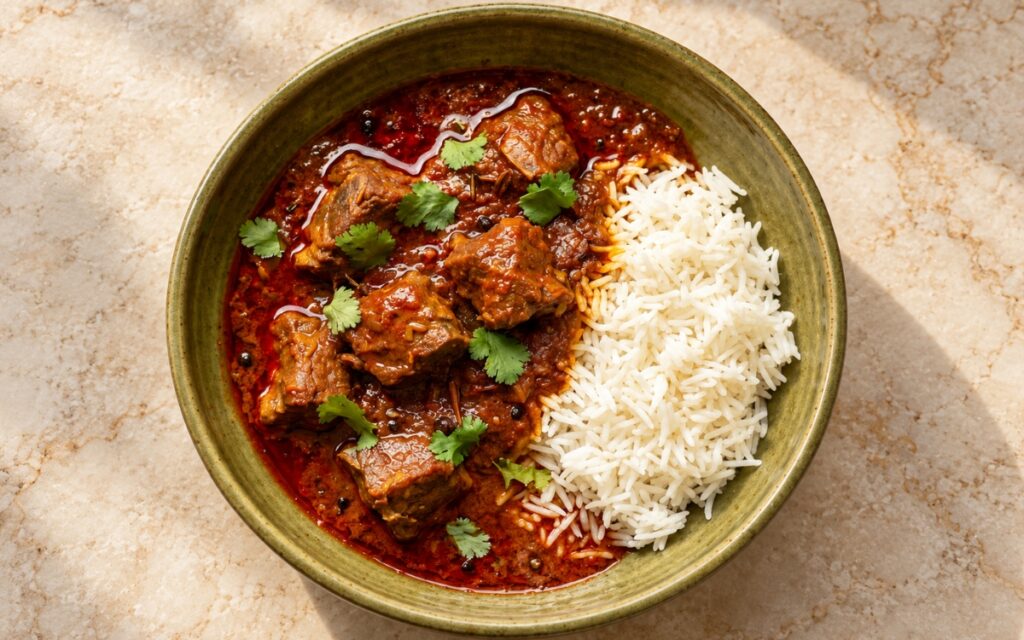
Rogan Josh Lamb Curry
Classical-style lamb rogan josh with tender slow-braised lamb in a deep red, richly spiced yogurt curry sauce, served with jasmine rice.
-
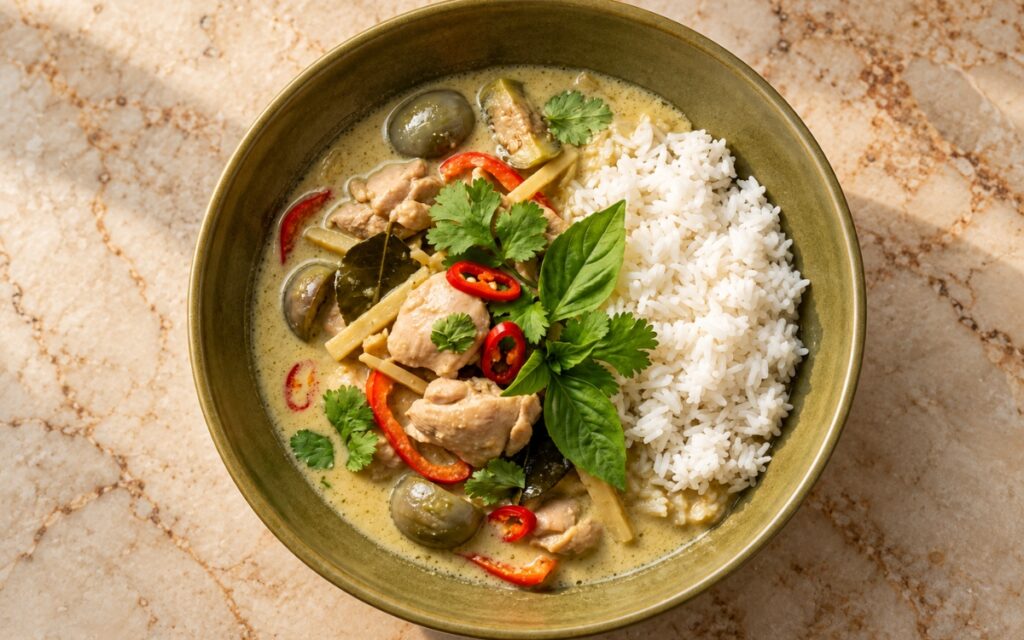
Thai Green Curry Chicken
Chicken thighs simmered in a creamy green coconut curry with Thai eggplant, red pepper, lime leaves and Thai basil, served with jasmine rice.
-
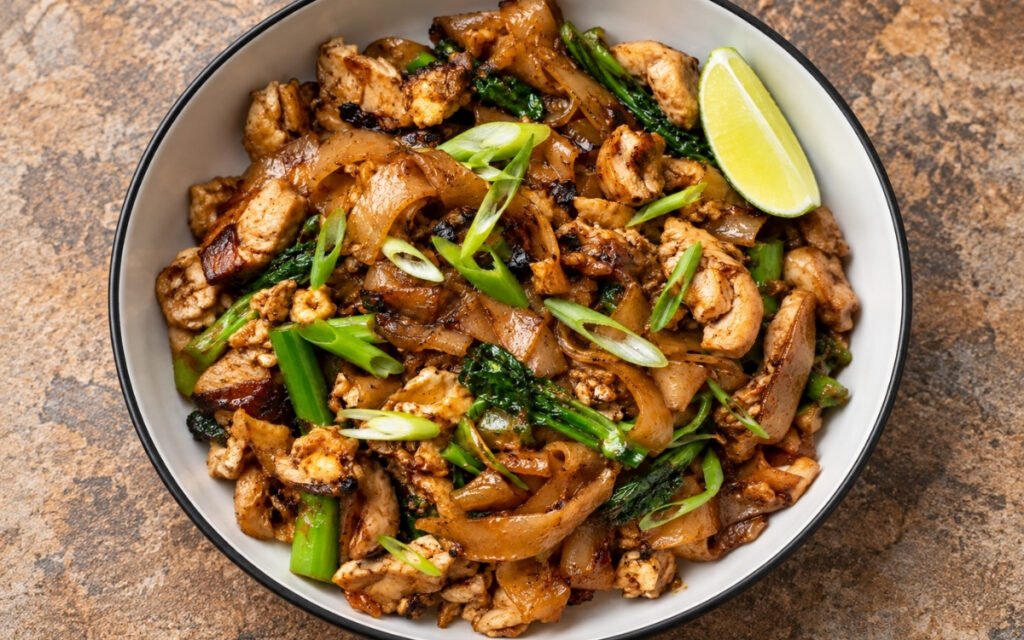
Pad See Ew — Thai Stir-Fried Wide Noodles
Wide rice noodles stir-fried with dark soy sauce, Chinese broccoli, sliced chicken, and egg over high heat for smoky wok-hei char.
You might also like
You might also like
-
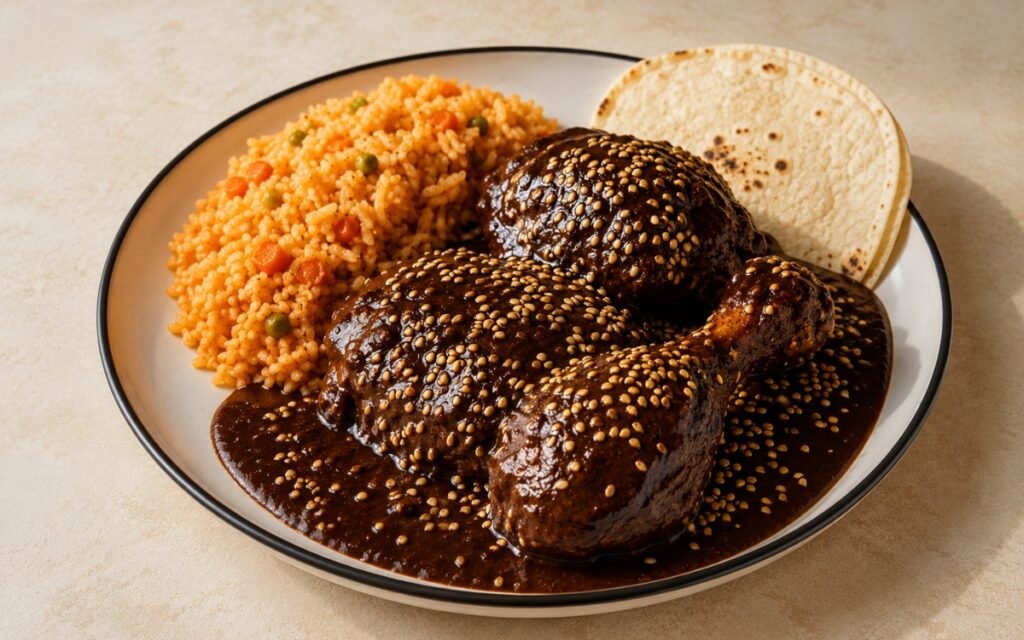
Chicken Mole Poblano
Gently poached chicken finished in deep, glossy mole poblano sauce, topped with toasted sesame seeds, served with Mexican rice and warm tortillas.
-
Poblano Chicken Chili Soup
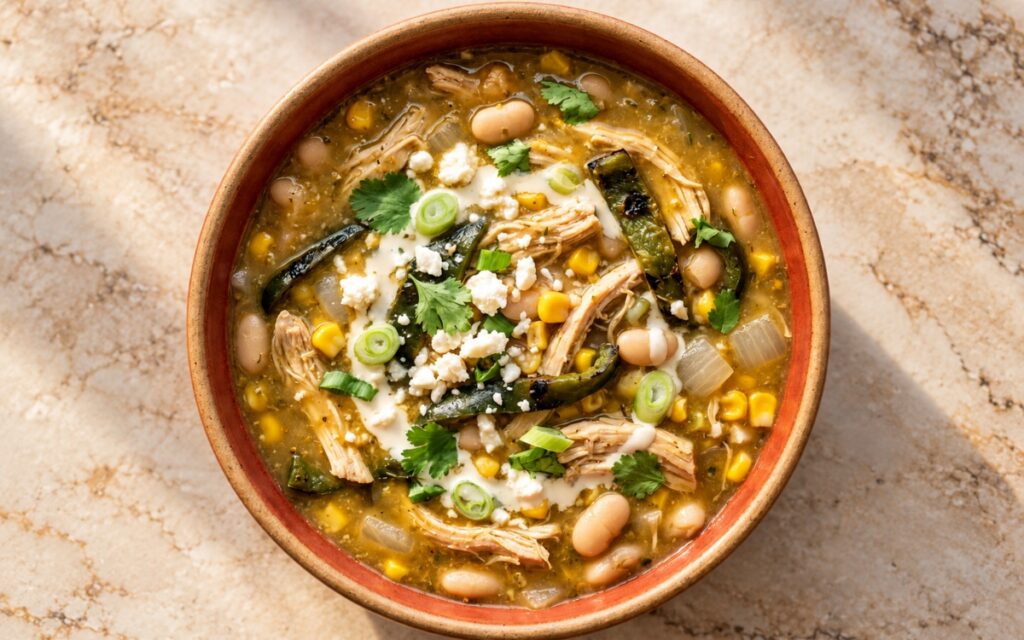
A thick, creamy Mexican-inspired soup of roasted poblanos, shredded chicken, white beans, and corn, finished with crema, queso fresco, and cilantro.
-
Mango Chutney Chicken Rice Bowl
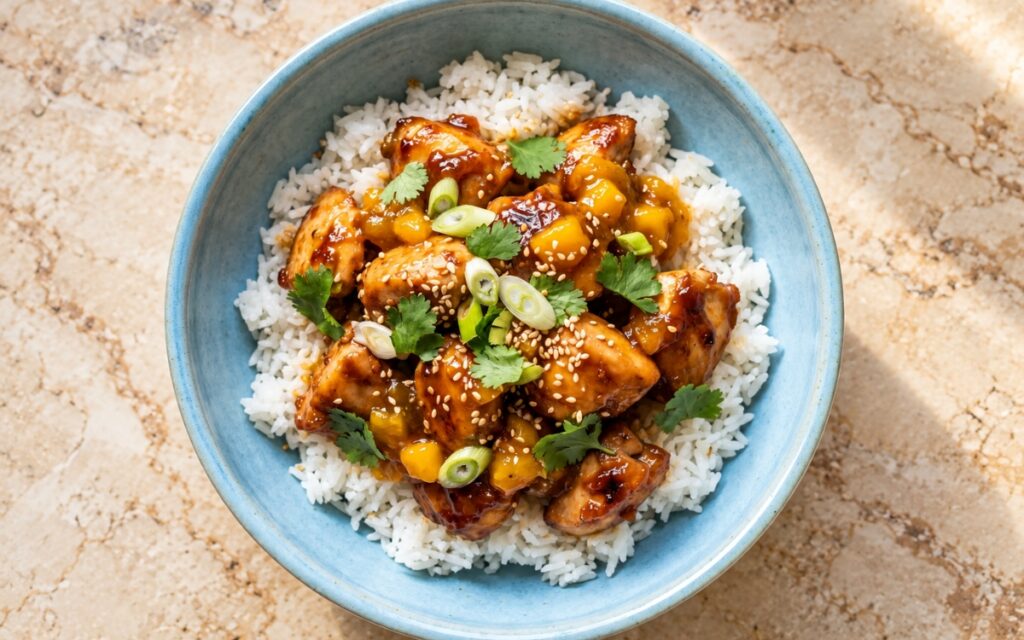
Seared chicken thighs tossed in a glossy mango chutney glaze with fresh mango cubes, served over fluffy jasmine rice with scallions.
Chicken Tikka Masala
Ingredients
Method
- Combine the yogurt, ginger, garlic, lemon juice, oil, salt, Kashmiri chili, cumin, coriander, turmeric, and garam masala in a large bowl. Add the chicken and coat every piece thoroughly, then cover and refrigerate for at least 2 hours, preferably overnight. The yogurt and salt season the meat all the way through and help it stay juicy; a short marination leaves the chicken flatter in flavor and less tender once cooked.
- Rinse the jasmine rice in several changes of cold water until the water runs mostly clear, then drain well. Combine the rice with 330 ml water for firmer grains or 360 ml for slightly softer grains, the salt, and the optional butter in a saucepan with a tight-fitting lid. Bring to a gentle boil, stir once, cover immediately, reduce the heat to very low, and cook for 12 minutes. Turn off the heat and leave the rice covered for 10 minutes without lifting the lid, then fluff gently with a fork. The trapped steam is what finishes cooking the rice, so keeping the lid shut through the rest matters as much as the simmer itself.
- Take the chicken out of the fridge 20–30 minutes before cooking. For the broiler or grill method, arrange the pieces on a rack over a tray or thread them onto skewers and cook on high heat for 10–15 minutes, turning once, until lightly charred in spots and nearly cooked through. For the pan method, heat a heavy skillet or grill pan over high heat with a little oil and cook the chicken in batches, about 2–3 minutes per side, until well colored and lightly charred on the outside; it doesn’t need to be fully cooked yet. Set the chicken aside with any collected juices. Avoid crowding the pan or tray — crowded chicken steams instead of charring, and that char is where much of the dish’s flavor comes from.
- Heat the ghee or oil and the tablespoon of butter in a large sauté pan or pot over medium heat. Add the onion and cook for 8–12 minutes, stirring often, until softened and golden, then add the ginger and garlic and cook for 30–60 seconds, just until fragrant. Stir in the tomato paste and cook for 1 minute. Add the Kashmiri chili, cumin, coriander, turmeric, garam masala, and the initial ½ teaspoon salt, stirring constantly for 20–30 seconds to bloom the spices. Add the crushed tomatoes or passata and simmer over medium-low heat for 10–15 minutes, stirring regularly, until the sauce thickens, deepens in color, and loses its raw tomato edge. Add the sugar only if the sauce tastes sharp. An onion-and-tomato base that’s rushed through this stage tastes thin and harsh instead of rounded, so give it the full simmer time.
- Stir in 120 ml hot water first, adding more a little at a time if the sauce needs loosening, until it reaches a consistency that coats a spoon. Lower the heat, stir in the cream and the crushed kasuri methi, and simmer gently for 1–2 minutes. Add the charred chicken along with any collected juices and simmer for 4–6 minutes, until the chicken is fully cooked and tender — internal temperature should reach at least 74°C. Finish with the remaining 15 g butter and adjust the salt to taste. Keep the sauce at a gentle simmer once the cream goes in rather than a hard boil, so it stays smooth and glossy instead of breaking.
- Divide the rice between 4 bowls, about 75 g of uncooked rice per serving. Spoon the tikka masala alongside or partly over the rice, then top with a small swirl of cream, the chopped cilantro, and a light dusting of chili powder or garam masala. Serve right away.