
Risotto alla Milanese
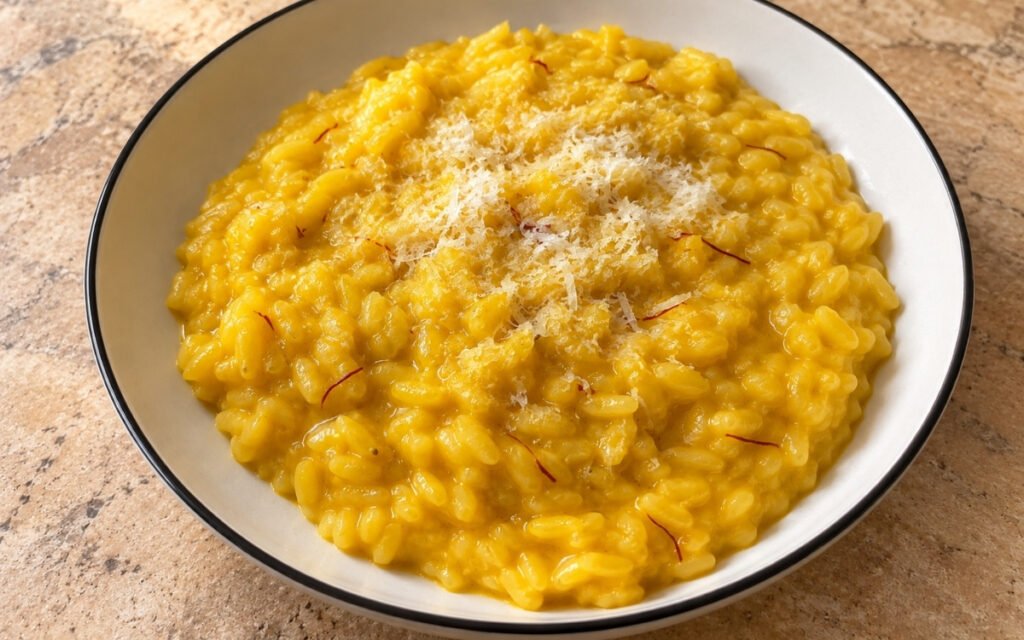
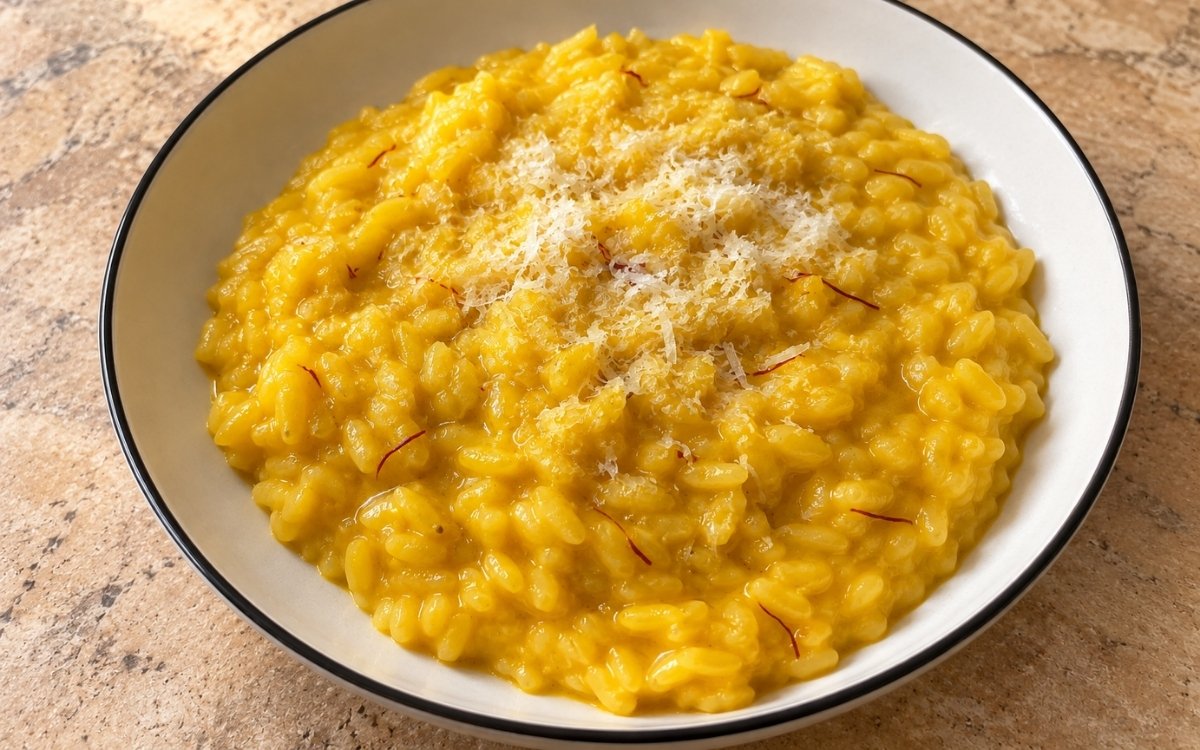
A classical Risotto alla Milanese made the traditional way with Carnaroli or Arborio rice, hot stock, onion, white wine, saffron, butter, and Parmigiano-Reggiano, finished to a loose, glossy all’onda texture — no cream, with all the silkiness coming from proper starch release and a final mantecatura. Blooming the saffron threads in hot stock or water before they ever touch the rice is the technique this whole risotto depends on for real, deep colour and even distribution — dry saffron added directly gives noticeably less colour, aroma, and consistency, the same bloom-before-adding principle used elsewhere in this collection whenever a delicate, concentrated spice needs to be hydrated first to release its full potential. Cooking the onion until soft and translucent without any browning is what lets it dissolve into sweetness rather than contributing colour that would compete with the saffron’s own golden hue. Finishing entirely off the heat with cold butter and Parmigiano-Reggiano, stirred vigorously, is what produces the dish’s signature loose, wave-like mantecatura. The payoff is a risotto with real, elegant restraint — glossy, deep golden-yellow rice, silky from starch alone, with saffron’s floral aroma as the whole dish’s genuine focus.
Prep Time : 15 min
Cook Time : 30 min
Servings : 4
15 min
30 min
4
Ingredients
For the Saffron
• 0.2–0.3g saffron threads (a generous pinch) — this one on Amazon
• 30g hot stock or hot water
For the Risotto
• 320g Carnaroli rice (preferred) or Arborio rice — this one on Amazon
• 1.2–1.4L hot beef stock or light chicken stock, kept at a bare simmer
• 1 small onion, very finely minced
• 40g beef marrow, finely chopped or 20g unsalted butter (marrow is more classical)
• 40g unsalted butter, divided — this one on Amazon
• 100ml dry white wine
• 60–80g Parmigiano-Reggiano, finely grated — this one on Amazon
• Salt, only as needed
• Freshly ground black pepper, very light, optional
This post may contain affiliate links. As an Amazon Associate I earn from qualifying purchases, at no additional cost to you.
Directions
- Bloom the Saffron
Place the saffron threads in a small cup and pour over the 30g hot stock or hot water. Leave to steep for at least 10 minutes. Do not add dry saffron directly into the risotto. Blooming it first gives better color, aroma, and more even distribution. That hot liquid steeping period is what actually draws saffron’s own concentrated colour compounds and aromatics out of the dry threads — added directly and dry, the spice simply wouldn’t have the same chance to release that full character evenly throughout the finished rice. - Heat the Stock
Place the stock in a saucepan and keep it hot at a very gentle simmer while you cook the risotto. Hot stock is essential. Cold stock shocks the rice, slows cooking, and interferes with even starch release. That consistently hot stock protects the rice from a real, sudden temperature drop every time new liquid is added — a drop that would interrupt the gradual, controlled starch release this whole dish depends on. - Make the Soffritto
In a wide heavy pan or sauté pan, melt the marrow gently over medium-low heat. If not using marrow, melt 20g butter instead. Add the onion and cook slowly for 5–7 minutes until very soft and translucent. The onion should not brown. This is not a caramelized onion base. The onion should disappear into the risotto and give sweetness without color. That deliberate restraint from browning protects the finished risotto’s own colour palette — any real caramelisation here would introduce a competing hue that works directly against the saffron’s own intended golden focus. - Toast the Rice
Add the rice and stir for 1–2 minutes so every grain is coated in fat and lightly toasted. The grains should look slightly translucent around the edges while remaining opaque in the center. Do not skip this step. Proper toasting helps the rice hold its shape while still releasing enough starch for a creamy result. That specific, checkable visual cue — translucent edges, opaque centers — confirms the toasting has coated every grain in fat without pushing it far enough to compromise the rice’s own eventual bite. - Deglaze with Wine
Add the white wine and stir until it is almost fully absorbed and the raw alcohol smell is gone. That specific aromatic shift, from sharp alcohol to fully absorbed and mellow, is a real, reliable cue that the wine’s harsher notes have cooked off, leaving only its intended depth behind. - Cook the Risotto
Begin adding the hot stock one ladle at a time, stirring frequently. Wait until most of each addition is absorbed before adding the next. After about 8–10 minutes of cooking, add the bloomed saffron and all its liquid. Continue adding stock gradually and stirring until the rice is cooked. Total cooking time is usually 16–20 minutes, depending on the rice. The rice is done when the grains are tender on the outside, still have a slight bite in the center, and the risotto looks fluid, creamy, and glossy. The rice should never go dry in the pan. Do not flood it with too much stock at once. Stir frequently enough to encourage starch release, but not so aggressively that you break the grains. Add the saffron after the rice has begun cooking, not right at the start, so its perfume stays clearer. That deliberate timing, adding the saffron partway through rather than at the very beginning, protects its own delicate aroma from being diminished by the full length of the remaining simmer still ahead. - Finish the Risotto (Mantecatura)
When the rice is just done, remove the pan from the heat. Add the remaining 20g butter and the grated Parmigiano-Reggiano. Stir vigorously for 30–60 seconds until the risotto turns creamy and emulsified. Adjust the texture with a small splash of hot stock if needed. The final consistency should be all’onda — loose and flowing, not thick or mound-like. Risotto tightens quickly as it sits. Finish it slightly looser in the pan than you think you need. Finishing entirely off the heat, with genuinely cold butter, protects the emulsion from breaking under direct heat — that vigorous stirring is what actually binds the fat, starch, and liquid into the risotto’s own signature silky consistency. - Serve
Spoon immediately into warm shallow bowls. Serve at once. Traditionally it is served plain and elegant, with the saffron color and glossy texture as the focus. This dish’s whole appeal depends on that loose, wave-like consistency and vivid golden colour staying intact — risotto continues thickening the longer it sits, losing exactly the texture this final finishing stage worked to build.
*Notes :
- Blooming the saffron in hot liquid before it ever touches the rice deserves genuine recognition as the technique most directly responsible for this risotto’s real depth of colour and aroma. The recipe’s own explicit instruction never to add dry saffron directly reflects a real, meaningful difference — that steeping period draws out concentrated colour and floral aromatics far more evenly than the dry threads could ever release on their own once simply stirred into the pot.
- Cooking the onion until soft and translucent, deliberately without ever letting it brown, deserves the same attention this collection gives to any soffritto whose job is to disappear rather than announce itself. The recipe’s own explicit statement that “this is not a caramelized onion base” reflects real, careful restraint — any actual browning here would introduce a competing colour that works directly against the saffron’s own intended golden focus.
- Adding the saffron only after the rice has already begun cooking, rather than right at the start, deserves genuine attention as a deliberate timing choice specific to preserving the spice’s own delicate character. That timing protects the saffron’s perfume from being diminished across the remaining 8 to 10 minutes of simmering still ahead, keeping its floral aroma noticeably clearer in the finished dish.
- Finishing entirely off the heat with cold butter and Parmigiano-Reggiano, stirred vigorously into a real mantecatura, deserves respect as the technique responsible for risotto’s whole defining silky texture. That off-heat emulsification is specifically what binds the fat, starch, and remaining liquid into one cohesive, glossy mass — attempting the same step over direct heat would risk breaking that emulsion rather than building it.
Why This Recipe Works
This recipe works because the saffron is bloomed in hot liquid first, releasing real, even colour and aroma the dry threads couldn’t achieve alone. The onion is cooked slowly and deliberately without browning, disappearing into sweetness rather than competing colour.
The rice is briefly toasted, coating every grain while protecting its own eventual bite, and stock is added gradually to build genuine creaminess through controlled starch release.
The saffron is added only partway through cooking, protecting its delicate perfume, and a final off-heat mantecatura with cold butter and Parmigiano-Reggiano produces the dish’s signature loose, glossy all’onda finish.
Ingredient Breakdown
Bloomed Saffron
The critical technique — steeping in hot liquid releases real, even colour and aroma that dry threads simply couldn’t achieve alone.
Unbrowned Onion Soffritto
The critical technique — cooked slowly without colour so it disappears into sweetness rather than competing with the saffron’s own hue.
Briefly Toasted Rice
The critical technique — coats every grain in fat, helping it hold shape while still releasing enough starch for creaminess.
Gradual, Ladle-by-Ladle Stock Addition
The critical technique — controlled, incremental liquid builds genuine creaminess through steady starch release.
Mid-Cook Saffron Addition
The critical technique — added after the rice has begun cooking, protecting its perfume from diminishing over the full simmer.
Off-Heat Mantecatura (Cold Butter, Parmigiano-Reggiano)
The critical finishing technique — emulsifies the dish into its characteristic silky, all’onda texture.
Flavor Structure Explained
This Risotto alla Milanese follows a layered balance model:
- Creamy, starch-built foundation (toasted rice, gradually added hot stock)
- Sweet aromatic base (slowly cooked, unbrowned onion, white wine)
- Deep golden floral centre (bloomed saffron)
- Rich, glossy finish (butter and Parmigiano-Reggiano mantecatura)
Toasted rice, cooked with gradually added hot stock, provides this risotto’s creamy, genuinely starch-built foundation. A slowly cooked, unbrowned onion and white wine build a sweet, understated aromatic base. Bloomed saffron, added partway through cooking, defines the dish’s whole deep golden colour and floral centre. A final butter and Parmigiano-Reggiano mantecatura finishes the risotto with rich, glossy body, tying this elegant, restrained classic together.
Common Mistakes to Avoid
- Adding Dry Saffron Directly to the Risotto – This gives noticeably weaker colour and aroma. Always bloom it in hot liquid first.
- Browning the Onion – This introduces colour that competes with the saffron. Always cook it slowly until translucent, never browned.
- Adding the Saffron Right at the Start – This diminishes its perfume over the long remaining cook time. Always add it after the rice has begun cooking.
- Finishing the Mantecatura Over Direct Heat – This risks breaking the emulsion rather than building it. Always finish entirely off the heat.
- Letting the Risotto Sit Before Serving – This lets it thicken past the intended loose, all’onda texture. Always serve it immediately after finishing.
Variations
Marrow Version
Use the marrow specifically rather than substituting butter for the soffritto, per the recipe’s own note on classical authenticity, for a richer, more traditionally Milanese depth of flavour throughout.
Light Chicken Stock Version
Substitute a light chicken stock for beef, per the recipe’s own guidance, avoiding any heavily reduced dark stock that would risk overpowering the saffron’s own delicate perfume.
Extra-Golden Version
Use a slightly more generous pinch of saffron, staying within reason, per the recipe’s own note on avoiding a harsh or medicinal taste, for a deeper golden-yellow colour throughout.
Osso Buco Pairing Version
Serve this risotto alongside Osso Buco, its classic traditional pairing, for the full, authentic Milanese meal this dish is most commonly served as part of.
Storage & Make-Ahead
Carnaroli is genuinely the most classical and forgiving rice choice for this dish, though Arborio also works well, and either way you should never rinse the rice beforehand, since retaining its own natural starch is essential to the finished creaminess.
There should be no cream anywhere in this recipe, since the creaminess must come entirely from the rice’s own released starch, the butter, and the cheese, which is exactly what distinguishes a properly made risotto from a shortcut version.
Light beef stock is very traditional for this Milanese-style risotto, with light chicken stock also working well, but avoid any heavily reduced dark stock, since its own strong flavour can genuinely overpower the saffron’s delicate perfume.
Use finely grated Parmigiano-Reggiano specifically, adding it only at the very end during the mantecatura, and if using marrow rather than butter for the soffritto, render it gently over moderate heat so it melts without ever scorching.
This risotto is genuinely best served immediately and does not wait well, so if it does thicken before you’re ready to serve, loosen it with a splash of hot stock rather than water, since water would dilute the dish’s own concentrated flavour.
Frequently Asked Questions
Why does the saffron need to bloom in hot liquid before it’s added to the risotto?
That steeping period draws out real, concentrated colour and aromatic compounds from the dry threads far more evenly than simply stirring them into the pot directly ever could. Blooming is specifically what gives this dish its deep golden colour and clear floral aroma.
Why can’t the onion be allowed to brown during the soffritto stage?
This is not meant to be a caramelized onion base. Any real browning would introduce a competing colour that works directly against the saffron’s own intended golden focus, which the recipe is specifically built to showcase.
Why is the saffron added partway through cooking rather than right at the start?
That timing protects the saffron’s own delicate perfume from diminishing across the full remaining simmer. Adding it too early lets that aroma fade considerably before the risotto is even finished.
Why does the mantecatura need to happen entirely off the heat?
Finishing with cold butter off direct heat is what emulsifies the fat, starch, and remaining liquid into risotto’s characteristic silky texture. Doing this step over direct heat risks breaking that emulsion rather than building it.
Are there other classic Italian risotto or rice-based dishes worth trying?
Mushroom Risotto offers another classic risotto direction worth exploring. Osso Buco is also worth trying as this dish’s classic traditional pairing, and Arancini, Supplì al Telefono, and Creamy Buttery Polenta offer other classic Italian rice and cornmeal dishes worth exploring.
Nutrition Facts
( per serving )
Calories
~480 kcal
Protein
12 g
Fat
18 g
Carbs
62 g
Calories
~480 kcal
Protein
12 g
Fat
18 g
Carbs
62 g
Related Recipes
Related Recipes

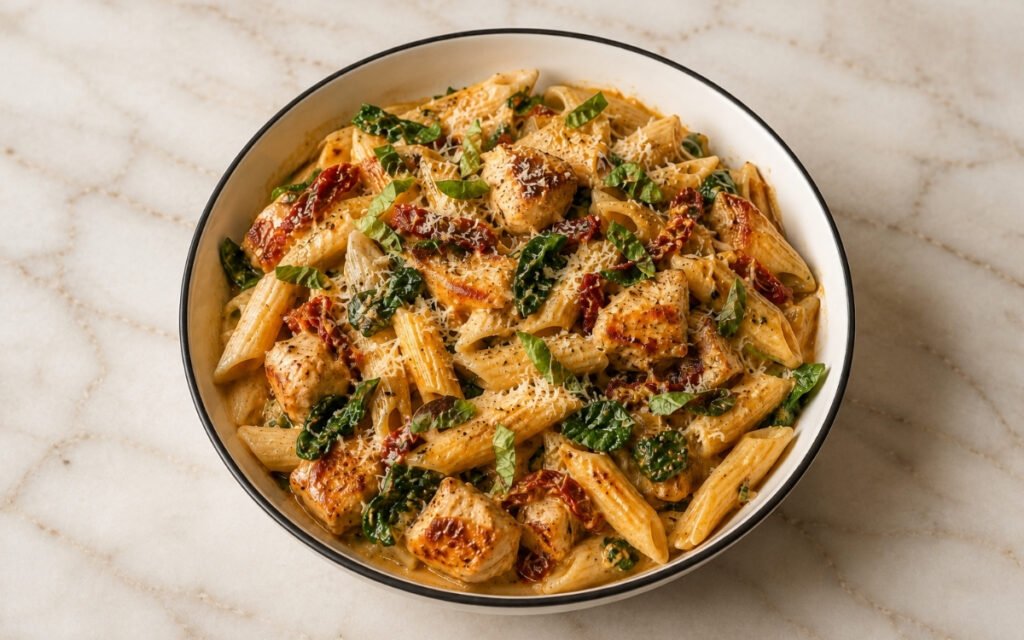
Tuscan Chicken Cream Pasta
Seared chicken, sun-dried tomatoes, spinach, and Parmigiano cream in one pan — finished with the tomato jar oil. 40 minutes.
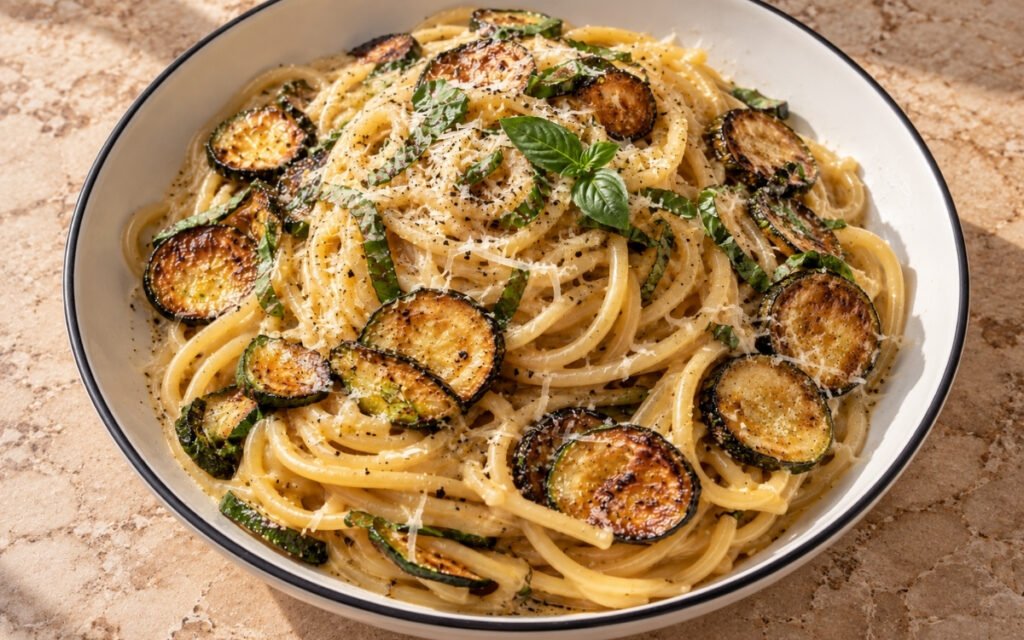
Spaghetti alla Nerano
Fried zucchini rounds tossed with spaghetti in a glossy, emulsified Pecorino Romano sauce, finished with black pepper and fresh basil.
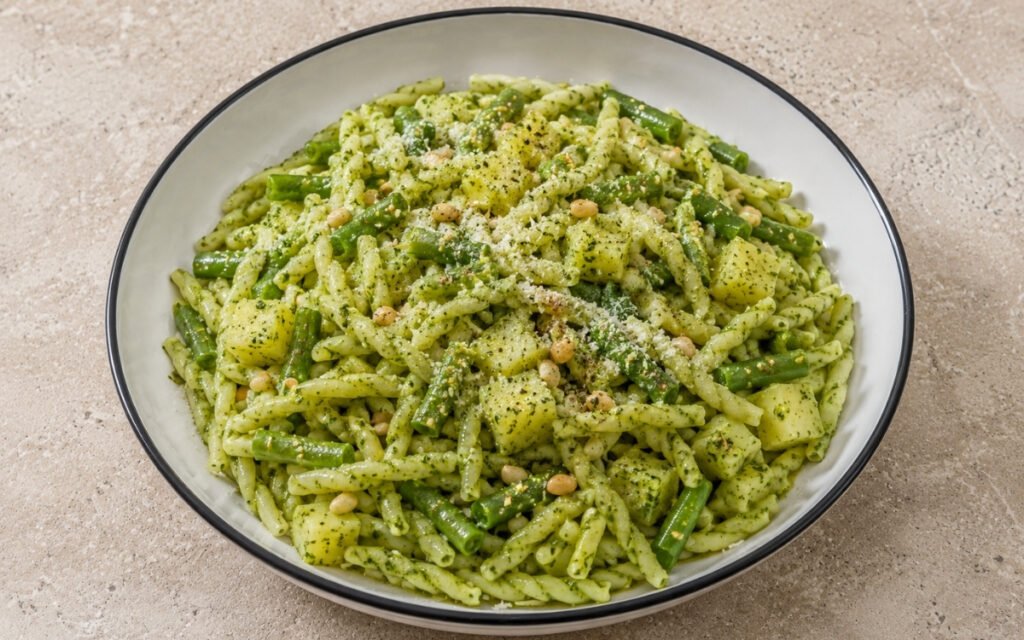
Fresh Homemade Basil Pesto Pasta
Fresh basil pesto with the traditional Ligurian potato and green bean combination — better than any jar.
You might also like
You might also like
Patty Melt
A thin seared beef patty with slow-caramelized onions and melted Swiss cheese, griddled between brioche toast bread with a tangy pickle sauce.
Carne Asada Fries
Double-fried thick-cut fries layered with charred citrus-marinated carne asada, melted mozzarella and cotija, guacamole, and pico de gallo.
Mexican Barbacoa Rice Bowl
Beef chuck braised in a toasted chile sauce until tender, shredded and reduced until glossy, served over toasted tomato rice with whole black beans and cotija.



Risotto alla Milanese
Ingredients
Method
- Place the saffron threads in a small cup and pour over the 30g hot stock or hot water. Leave to steep for at least 10 minutes. Do not add dry saffron directly into the risotto. Blooming it first gives better color, aroma, and more even distribution. That hot liquid steeping period is what actually draws saffron’s own concentrated colour compounds and aromatics out of the dry threads — added directly and dry, the spice simply wouldn’t have the same chance to release that full character evenly throughout the finished rice.
- Place the stock in a saucepan and keep it hot at a very gentle simmer while you cook the risotto. Hot stock is essential. Cold stock shocks the rice, slows cooking, and interferes with even starch release. That consistently hot stock protects the rice from a real, sudden temperature drop every time new liquid is added — a drop that would interrupt the gradual, controlled starch release this whole dish depends on.
- In a wide heavy pan or sauté pan, melt the marrow gently over medium-low heat. If not using marrow, melt 20g butter instead. Add the onion and cook slowly for 5–7 minutes until very soft and translucent. The onion should not brown. This is not a caramelized onion base. The onion should disappear into the risotto and give sweetness without color. That deliberate restraint from browning protects the finished risotto’s own colour palette — any real caramelisation here would introduce a competing hue that works directly against the saffron’s own intended golden focus.
- Add the rice and stir for 1–2 minutes so every grain is coated in fat and lightly toasted. The grains should look slightly translucent around the edges while remaining opaque in the center. Do not skip this step. Proper toasting helps the rice hold its shape while still releasing enough starch for a creamy result. That specific, checkable visual cue — translucent edges, opaque centers — confirms the toasting has coated every grain in fat without pushing it far enough to compromise the rice’s own eventual bite.
- Add the white wine and stir until it is almost fully absorbed and the raw alcohol smell is gone. That specific aromatic shift, from sharp alcohol to fully absorbed and mellow, is a real, reliable cue that the wine’s harsher notes have cooked off, leaving only its intended depth behind.
- Begin adding the hot stock one ladle at a time, stirring frequently. Wait until most of each addition is absorbed before adding the next. After about 8–10 minutes of cooking, add the bloomed saffron and all its liquid. Continue adding stock gradually and stirring until the rice is cooked. Total cooking time is usually 16–20 minutes, depending on the rice. The rice is done when the grains are tender on the outside, still have a slight bite in the center, and the risotto looks fluid, creamy, and glossy. The rice should never go dry in the pan. Do not flood it with too much stock at once. Stir frequently enough to encourage starch release, but not so aggressively that you break the grains. Add the saffron after the rice has begun cooking, not right at the start, so its perfume stays clearer. That deliberate timing, adding the saffron partway through rather than at the very beginning, protects its own delicate aroma from being diminished by the full length of the remaining simmer still ahead.
- When the rice is just done, remove the pan from the heat. Add the remaining 20g butter and the grated Parmigiano-Reggiano. Stir vigorously for 30–60 seconds until the risotto turns creamy and emulsified. Adjust the texture with a small splash of hot stock if needed. The final consistency should be all’onda — loose and flowing, not thick or mound-like. Risotto tightens quickly as it sits. Finish it slightly looser in the pan than you think you need. Finishing entirely off the heat, with genuinely cold butter, protects the emulsion from breaking under direct heat — that vigorous stirring is what actually binds the fat, starch, and liquid into the risotto’s own signature silky consistency.
- Spoon immediately into warm shallow bowls. Serve at once. Traditionally it is served plain and elegant, with the saffron color and glossy texture as the focus. This dish’s whole appeal depends on that loose, wave-like consistency and vivid golden colour staying intact — risotto continues thickening the longer it sits, losing exactly the texture this final finishing stage worked to build.