
Chicken Biryani
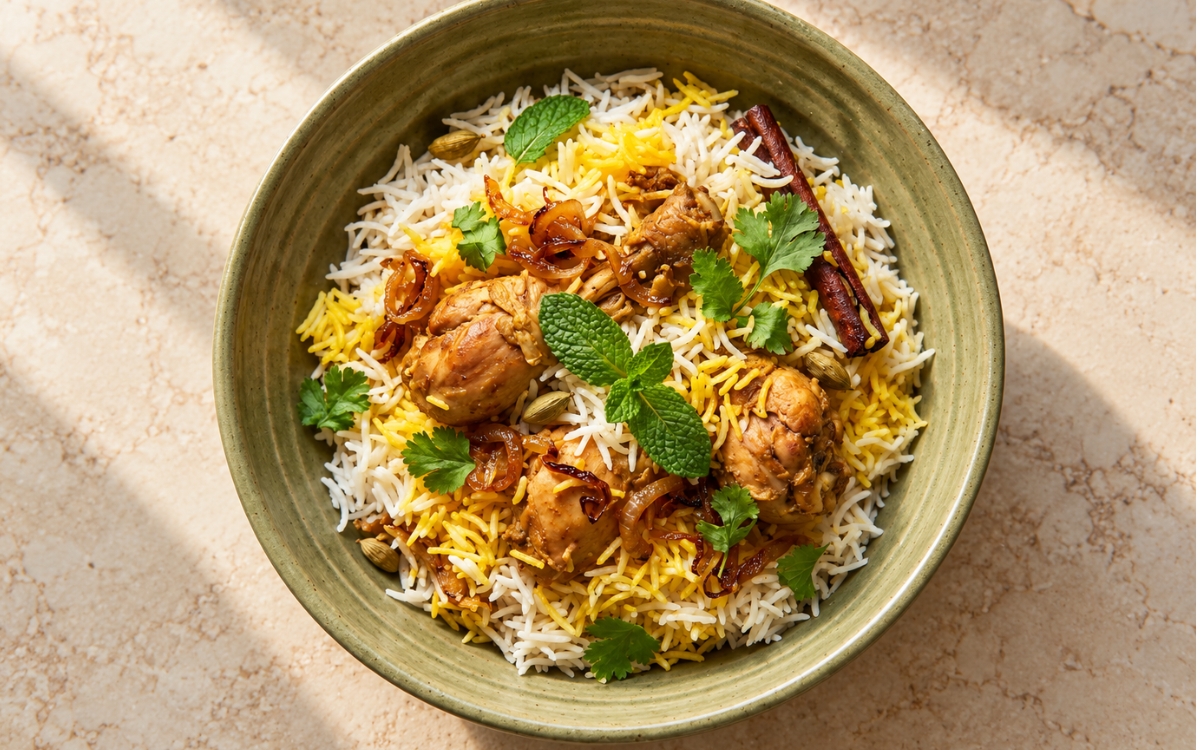
A classical-style chicken biryani with bone-in chicken and basmati rice, layered with fried onions, mint, cilantro, saffron milk, and whole spices, then finished on dum. The rice stays long, fluffy, and well separated, with white and yellow saffron-tinted patches, while the chicken stays juicy and well coated in spiced masala.

Prep Time : 35 min
Total Time : 3 hr 50 min
Servings : 6
35 min
3 hr 50 min
6
Ingredients
For the Chicken Marinade
• 1.5 kg chicken, bone-in, skinless, cut into medium biryani pieces (about 250 g per serving; thighs, drumsticks, or mixed leg pieces preferred)
• 300 g full-fat plain yogurt
• 2 tbsp ginger-garlic paste
• 2 tbsp lemon juice
• 2 tsp salt
• 2 tsp Kashmiri chili powder
• 1 tsp hot chili powder, optional, for more heat
• ½ tsp turmeric
• 2 tsp ground coriander
• 1 tsp ground cumin
• 1 tsp garam masala
For the Fried Onions
• 4 large onions, thinly sliced
• Neutral oil, for frying (about 300–500 ml in the pan; not all absorbed)
For the Rice
• 450 g aged basmati rice (75 g per serving)
• Water for soaking
• 3 to 3.5 liters water, for boiling
• 2 tbsp salt
• 2 bay leaves
• 6 green cardamom pods
• 6 cloves
• 1 black cardamom, optional
• 1 tsp cumin seeds or shahi jeera
• 1 small cinnamon stick
For the Biryani Masala Base
• 3 tbsp ghee
• 2 tbsp oil (use some of the onion-frying oil if you like)
• 2 bay leaves
• 1 tsp cumin seeds or shahi jeera
• 4 green cardamom pods
• 4 cloves
• 1 black cardamom, optional
• 1 small cinnamon stick
• 2 medium tomatoes, chopped
• 3 green chilies, slit
• ½ cup chopped cilantro
• ½ cup mint leaves, lightly packed
For Layering and Finishing
• ½ to ⅔ of the fried onions
• Remaining cilantro
• Remaining mint
• ½ tsp saffron, soaked in 3 tbsp warm milk
• 1 tbsp kewra water or rose water, optional but classical
• 2 tbsp melted ghee
Directions
- Wash and Soak the Rice
Rinse the basmati rice several times until the water runs mostly clear, then soak in cold water for 30 minutes and drain. Aged basmati is worth seeking out here, since it gives better grain separation and is less likely to break during parboiling and dum. - Fry the Onions
Heat oil in a wide pan over medium heat and fry the sliced onions in batches until deep golden brown and crisp, not just soft and pale. Remove to paper towel or a tray; they’ll darken slightly more as they cool. Under-frying them loses a major part of biryani’s flavor, while burning them risks turning the whole pot bitter, so this step deserves close attention either way. - Marinate the Chicken
Combine the chicken, yogurt, ginger-garlic paste, lemon juice, salt, Kashmiri chili powder, hot chili powder if using, turmeric, coriander, cumin, and garam masala in a large bowl, mixing thoroughly so every piece is well coated. Cover and marinate for at least 1 hour, preferably 2–4 hours in the fridge, taking it out about 20–30 minutes before cooking so it isn’t ice-cold going into the pot. - Build the Chicken Masala Base
Heat the ghee and oil in a heavy-bottomed pot or Dutch oven. Add the bay leaves, cumin or shahi jeera, green cardamom, cloves, black cardamom if using, and cinnamon, cooking for 30–40 seconds until fragrant. Add the chopped tomatoes and slit green chilies, cooking for 5–7 minutes, stirring, until the tomatoes soften and begin to break down. Add the marinated chicken along with all the marinade, cooking over medium-high heat for 8–10 minutes, stirring occasionally, until the chicken loses its raw look and the masala thickens. Add the cilantro and mint, cover, and cook on medium-low heat for 15–20 minutes, stirring once or twice, until the chicken is about 70–80% cooked. Before layering, the chicken masala needs to be thick and clingy rather than watery — uncover and reduce for a few minutes if there’s too much liquid, since excess liquid at this stage can make the finished rice soggy. - Parboil the Rice
Bring 3 to 3.5 liters water to a strong boil in a large pot. Add the salt, bay leaves, green cardamom, cloves, black cardamom if using, cumin or shahi jeera, and cinnamon stick, then add the drained soaked rice. Boil until the rice is about 70% cooked, usually 5–7 minutes depending on the rice, until the grains are elongated and softened outside but still have a firm white core when broken. Drain immediately. The rice should stay underdone here — fully cooking it at this stage leaves the finished biryani heavy and compressed instead of fluffy. - Layer the Biryani
Spread the chicken evenly in the bottom of the heavy pot if needed, then scatter over about half the fried onions along with a little more cilantro and mint. Spread the parboiled rice gently over the top in an even layer, then finish with the remaining fried onions, cilantro, mint, saffron milk, kewra or rose water if using, and the melted ghee. The top should show visible white rice, yellow saffron patches, herbs, and fried onion distributed across it. - Dum Cooking
Cover the pot tightly, sealing the rim with foil or dough if the lid isn’t very tight. Set the pot over medium heat for 5 minutes to build steam, then lower to very low heat and cook for 25–30 minutes. Turn off the heat and let the biryani rest, still covered, for 10–15 minutes. Low heat is essential through this stage — the goal is gentle trapped steam rather than aggressive scorching at the bottom. - Open and Fluff
Open the pot and gently fluff from the sides downward with a flat spoon or rice paddle, lifting rather than stirring hard, trying to keep some layering intact so each serving gets fluffy rice, chicken, masala, herbs, and fried onions together.
*Notes :
- Bone-in leg meat gives the best flavor and stays juicier through the long dum cooking than breast, which tends to dry out more easily over the same timeline.
- Aged basmati rice is strongly preferred over fresh rice here, since fresh rice breaks more easily during parboiling and can turn sticky rather than staying long and separate.
- The boiling water for parboiling the rice should taste clearly seasoned, since this is one of the main places the rice itself picks up flavor before it ever meets the chicken masala.
- Resting the biryani after dum, rather than opening the pot immediately, lets the rice finish cooking gently from residual steam and makes the final fluffing noticeably cleaner.
Why This Recipe Works
Frying the onions until deep golden brown builds a sweetness and color that raw or lightly cooked onions couldn’t contribute to the finished dish. Marinating the chicken in yogurt and spices seasons the meat deeply and keeps it tender through the masala-building stage that follows. Parboiling the rice only to about 70% doneness accounts for the additional cooking it does during dum, so the grains finish exactly at the right texture rather than turning mushy. Layering the thickened chicken masala underneath the parboiled rice, rather than mixing everything together, lets the dum stage cook each component gently through trapped steam while keeping their textures distinct in the final dish.
Ingredient Breakdown
Bone-in chicken thighs or legs
Stay juicy through the long marination, cooking, and dum stages in a way breast meat doesn’t match as reliably.
Deep-fried onions (birista)
Contribute much of the dish’s characteristic sweetness and color, requiring proper frying rather than a quick sauté to develop fully.
Aged basmati rice
Holds its shape better than fresh rice through parboiling and dum, staying long and separate rather than breaking or turning sticky.
Saffron milk
Creates the yellow-tinted patches that contrast against the plain white rice, a visual signature of a properly layered biryani.
Thickened chicken masala
Built to be clingy rather than watery before layering, since excess liquid underneath the rice risks making the whole dish soggy.
Flavor Structure Explained
This dish follows a layered balance model:
- Juicy, spiced centerpiece (marinated chicken cooked into a thick masala)
- Sweet, deep undertone (deep-fried onions)
- Long, fluffy structure (parboiled aged basmati rice)
- Fragrant top notes (saffron milk, kewra or rose water, and fresh herbs)
- Rich finishing touch (melted ghee)
Marinated chicken, cooked down into a thick masala, serves as this dish’s juicy, spiced centerpiece, its flavor built through both the marination and the extended simmer before layering. Deep-fried onions contribute a sweet, deep undertone that runs through every layer of the dish. Parboiled aged basmati rice provides the long, fluffy structure that defines biryani’s texture, finished gently during the dum stage rather than fully cooked beforehand. Saffron milk, kewra or rose water, and fresh cilantro and mint add fragrant top notes that distinguish individual bites rather than blending into one uniform flavor. A final rich touch from the melted ghee ties the layers together right before the pot goes on for dum.
Common Mistakes to Avoid
- Under-frying or burning the onions – This either loses flavor or turns the dish bitter; always fry until deep golden brown and stop there.
- Fully cooking the rice during parboiling – This makes the finished biryani heavy and compressed; always stop at about 70% doneness.
- Layering a watery chicken masala – This makes the rice soggy; always reduce the masala until thick and clingy before layering.
- Skipping the rest after dum – This makes fluffing rougher and can leave the rice slightly underdone; always rest the covered pot for the full 10–15 minutes.
Variations
Mutton Biryani Version
Replace the chicken with bone-in mutton or goat, extending the initial masala-cooking stage to about 30–35 minutes to account for the tougher meat.
Extra-Fragrant Version
Use both kewra water and a light touch of rose water together for a more layered aromatic finish.
Milder Version
Omit the hot chili powder and reduce the Kashmiri chili powder slightly for a gentler, less spicy biryani.
Vegetable-Added Version
Layer in par-cooked potatoes alongside the chicken for a heartier, more filling version of the same dish.
Storage & Make-Ahead
Marinate the chicken up to a day ahead and keep it covered in the refrigerator, which only deepens the seasoning compared to the minimum 1-hour marinade.
Fry the onions up to 2 days ahead and store them in an airtight container at room temperature, re-crisping briefly in a dry pan if they’ve softened.
Store leftover biryani in an airtight container in the refrigerator for up to 3 days.
Reheat gently in a covered pan over low heat with a splash of water, or in a microwave with a damp paper towel over the dish, to help the rice regain some moisture without drying out.
Frequently Asked Questions
Can I use boneless chicken instead of bone-in?
Bone-in is strongly preferred here, since it stays juicier through the long dum cooking; boneless pieces cook faster and can dry out before the rice finishes.
Why is my biryani rice mushy instead of fluffy?
This usually means the rice was parboiled too far before layering. Stopping at about 70% doneness, with a firm white core still visible, leaves the right amount of cooking for the dum stage to finish.
Can I make this without a dum-sealed lid?
A tight seal matters for trapping the steam that finishes the rice gently. If your lid isn’t tight, sealing the rim with foil or a simple flour-and-water dough works as a substitute.
Why do I need to fry the onions so dark?
Properly deep-fried onions, not just softened ones, are responsible for a major part of biryani’s characteristic sweetness and color; stopping too early leaves the dish tasting flatter.
What else pairs well with this chicken biryani?
Vegetable Biryani makes a natural vegetarian counterpart for a mixed spread, and Kofta Ka Salan or Butter Chicken both work well as an additional main if you’re serving a larger table. Cucumber Raita is the classic cooling side for biryani specifically, and if you’d rather skip the rice component built into this recipe, Plain Steamed Basmati Rice is a simpler base to pair with the chicken masala alone.
Nutrition Facts
( Per Serving )
Calories
~1020 kcal
Protein
57 g
Fat
52 g
Carbs
72 g
Calories
~1020 kcal
Protein
57 g
Fat
52 g
Carbs
72 g
Related Recipes
Related Recipes
-

Thai Cashew Chicken Rice Bowl
Seared chicken thighs, roasted whole cashews, red and green peppers and onion in a glossy oyster-soy sauce, served over fluffy jasmine rice.
-
Vietnamese Chicken Pho / Phở Gà
Clear golden chicken broth infused with charred onion, ginger and warm spices, served over rice noodles with sliced chicken thighs, fresh herbs and lime.
-
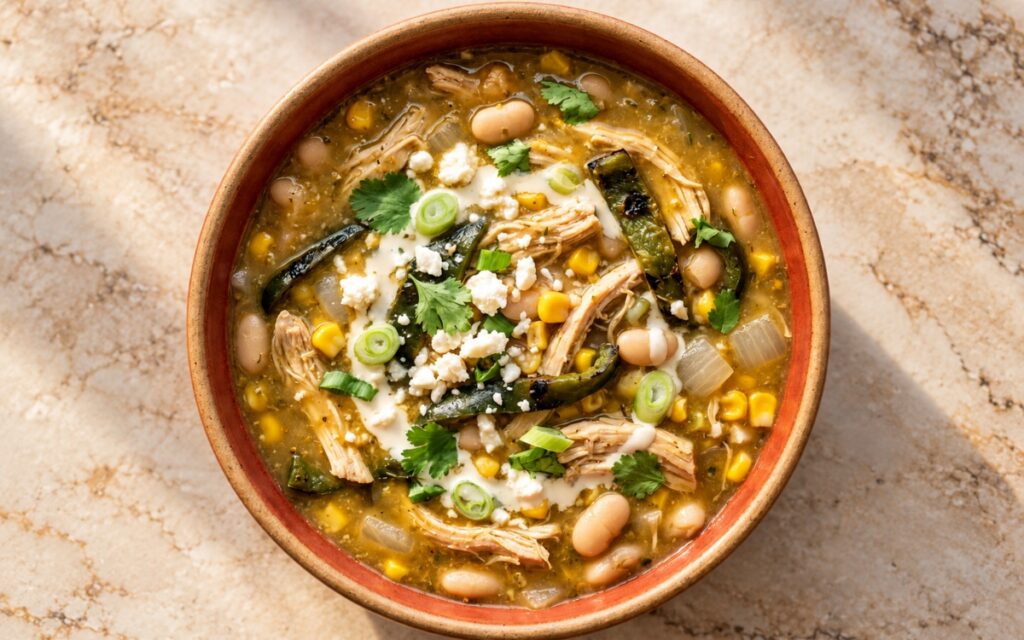
Poblano Chicken Chili Soup
A thick, creamy Mexican-inspired soup of roasted poblanos, shredded chicken, white beans, and corn, finished with crema, queso fresco, and cilantro.


You might also like
You might also like
-
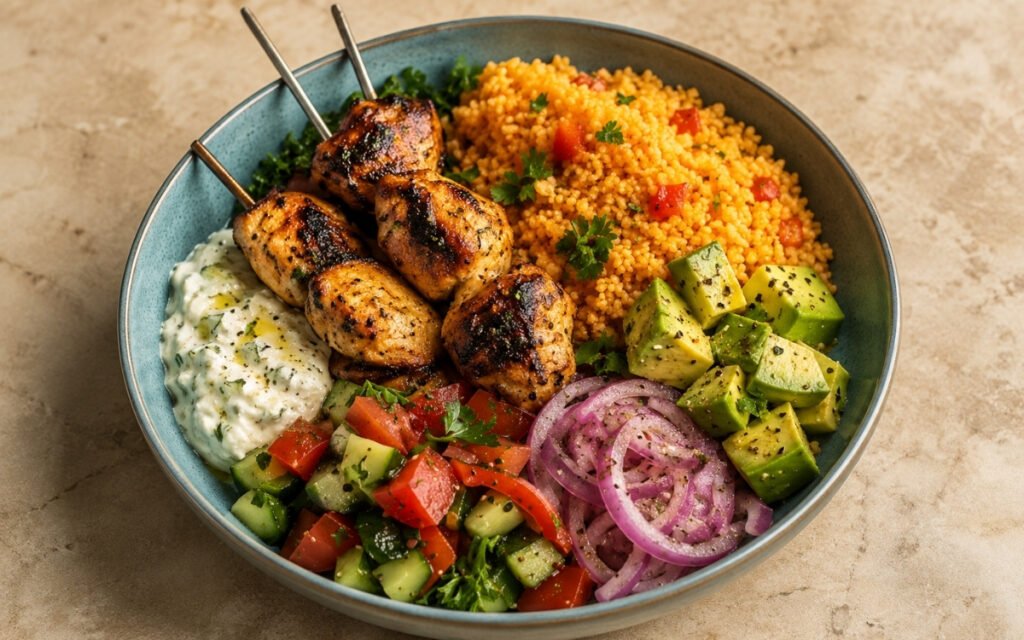
Greek Chicken Souvlaki Mediterranean Bowl
Charred chicken souvlaki over golden couscous with tzatziki, pink pickled onion, tomato-cucumber salad and avocado.
-
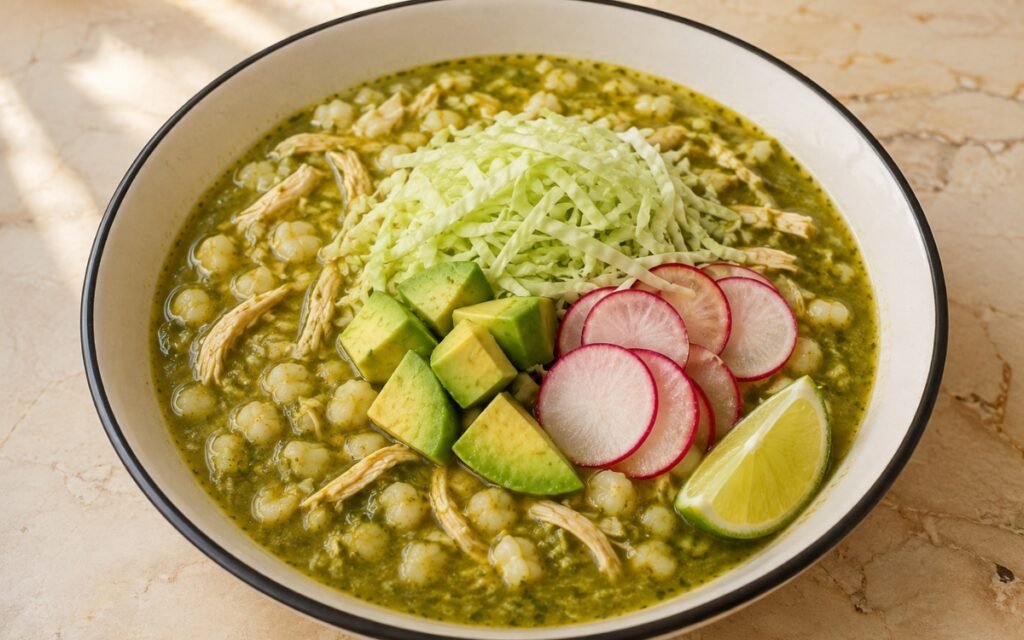
Pozole Verde
A vivid green Mexican pozole with savory chicken broth, roasted tomatillo-pumpkin seed base, hominy, and shredded chicken.
-
Chicken Tikka Masala
Classic chicken tikka masala with charred marinated chicken in a rich tomato-cream sauce, served with jasmine rice for a complete meal.

Chicken Biryani
Ingredients
Method
- Rinse the basmati rice several times until the water runs mostly clear, then soak in cold water for 30 minutes and drain. Aged basmati is worth seeking out here, since it gives better grain separation and is less likely to break during parboiling and dum.
- Heat oil in a wide pan over medium heat and fry the sliced onions in batches until deep golden brown and crisp, not just soft and pale. Remove to paper towel or a tray; they’ll darken slightly more as they cool. Under-frying them loses a major part of biryani’s flavor, while burning them risks turning the whole pot bitter, so this step deserves close attention either way.
- Combine the chicken, yogurt, ginger-garlic paste, lemon juice, salt, Kashmiri chili powder, hot chili powder if using, turmeric, coriander, cumin, and garam masala in a large bowl, mixing thoroughly so every piece is well coated. Cover and marinate for at least 1 hour, preferably 2–4 hours in the fridge, taking it out about 20–30 minutes before cooking so it isn’t ice-cold going into the pot.
- Heat the ghee and oil in a heavy-bottomed pot or Dutch oven. Add the bay leaves, cumin or shahi jeera, green cardamom, cloves, black cardamom if using, and cinnamon, cooking for 30–40 seconds until fragrant. Add the chopped tomatoes and slit green chilies, cooking for 5–7 minutes, stirring, until the tomatoes soften and begin to break down. Add the marinated chicken along with all the marinade, cooking over medium-high heat for 8–10 minutes, stirring occasionally, until the chicken loses its raw look and the masala thickens. Add the cilantro and mint, cover, and cook on medium-low heat for 15–20 minutes, stirring once or twice, until the chicken is about 70–80% cooked. Before layering, the chicken masala needs to be thick and clingy rather than watery — uncover and reduce for a few minutes if there’s too much liquid, since excess liquid at this stage can make the finished rice soggy.
- Bring 3 to 3.5 liters water to a strong boil in a large pot. Add the salt, bay leaves, green cardamom, cloves, black cardamom if using, cumin or shahi jeera, and cinnamon stick, then add the drained soaked rice. Boil until the rice is about 70% cooked, usually 5–7 minutes depending on the rice, until the grains are elongated and softened outside but still have a firm white core when broken. Drain immediately. The rice should stay underdone here — fully cooking it at this stage leaves the finished biryani heavy and compressed instead of fluffy.
- Spread the chicken evenly in the bottom of the heavy pot if needed, then scatter over about half the fried onions along with a little more cilantro and mint. Spread the parboiled rice gently over the top in an even layer, then finish with the remaining fried onions, cilantro, mint, saffron milk, kewra or rose water if using, and the melted ghee. The top should show visible white rice, yellow saffron patches, herbs, and fried onion distributed across it.
- Cover the pot tightly, sealing the rim with foil or dough if the lid isn’t very tight. Set the pot over medium heat for 5 minutes to build steam, then lower to very low heat and cook for 25–30 minutes. Turn off the heat and let the biryani rest, still covered, for 10–15 minutes. Low heat is essential through this stage — the goal is gentle trapped steam rather than aggressive scorching at the bottom.
- Open the pot and gently fluff from the sides downward with a flat spoon or rice paddle, lifting rather than stirring hard, trying to keep some layering intact so each serving gets fluffy rice, chicken, masala, herbs, and fried onions together.