
Supplì al Telefono
Classic Roman supplì — oblong fried rice croquettes made with a tomato-enriched rice base, filled with mozzarella, breaded and fried until deeply golden, giving the signature long “telephone wire” cheese pull when opened. Success depends on a rice mixture that is flavorful, fully cooked, sticky and fairly dry, plus well-drained mozzarella and tight shaping so the croquettes fry without bursting. The rice mixture has to chill for a full 2½ hours, until cold and firm, before shaping — warm rice is messy to work with and splits in the fryer. Patting the mozzarella very dry before it ever goes into the center stops steam from building up and rupturing the crust during frying. Tight shaping with no cracks keeps the croquettes from blowing out in the hot oil. The result is a croquette with classic Roman drama — a crisp, deeply golden shell around sticky, tomato-rich rice, with mozzarella that stretches into long, signature strands when pulled apart hot.

Prep Time : 35 min
Cook Time : 50 min
Servings : 4
35 min
50 min
4
Ingredients
For the Rice Base
• 2 tbsp extra-virgin olive oil — this one on Amazon
• 1 small yellow onion, very finely diced
• 150g ground beef
• 2 garlic cloves, minced
• 2 tbsp tomato paste
• 700g passata or smooth crushed tomatoes
• 900–1000ml light chicken stock or water, kept hot
• 400g Arborio or Carnaroli rice — this one on Amazon
• 30g unsalted butter — this one on Amazon
• 50g Pecorino Romano, finely grated — this one on Amazon
• 20g Parmigiano-Reggiano, finely grated — this one on Amazon
• ½ tsp fine salt, plus more as needed
• ½ tsp black pepper
• Small pinch chili flakes, optional
For the Filling
• 180–200g low-moisture mozzarella or well-drained fior di latte, cut into 12 batons or cubes, about 15–16g each — this one on Amazon
For Breading
• 100g all-purpose flour — this one on Amazon
• 3 large eggs
• 2 tbsp water
• 220–250g fine dry breadcrumbs
• Pinch of salt
For Frying
• Neutral frying oil, as needed for deep frying
This post may contain affiliate links. As an Amazon Associate I earn from qualifying purchases, at no additional cost to you.
Directions
- Make the Tomato-Meat Base
Heat the olive oil in a wide sauté pan or shallow pot over medium heat. Add the onion and cook for 6–8 minutes until soft and lightly translucent, not browned. Add the ground beef and cook, breaking it up well, until no longer pink and the moisture has mostly cooked off, about 5–6 minutes. Add the garlic and cook for 30 seconds. Stir in the tomato paste and cook for 1–2 minutes until slightly darkened. Add the passata, salt, black pepper and chili flakes if using. Simmer for 8–10 minutes until lightly thickened. The sauce should taste concentrated and savory, not watery, because it has to season the entire rice mixture. That concentrated base carries seasoned flavour all the way through the rice cooked in it — a watery base would leave the whole mixture correspondingly flat. - Cook the Rice
Add the rice directly to the tomato-meat sauce and stir well to coat. Add enough hot stock to cover well. Simmer over medium to medium-low heat, stirring frequently and adding more hot stock as needed, until the rice is fully cooked, thick, sticky and much drier than a normal risotto, about 18–22 minutes. You want the grains tender with a little bite left, but the mixture should hold together in a mound and not spread loosely. Stir in the butter, Pecorino Romano and Parmigiano-Reggiano. Taste and adjust salt. This is not a loose risotto. If the mixture is still saucy or flowing, cook it a few minutes longer to drive off excess moisture. That deliberately drier target, well beyond a standard risotto’s own consistency, is exactly what gives this rice the real structural firmness needed to shape and hold a filling later. - Cool the Rice
Spread the rice mixture onto a tray or large shallow dish in an even layer. Let it cool to room temperature, then refrigerate for at least 2 hours, until completely cold and firm. Shaping warm rice will be messy and the supplì will split during frying. The mixture must be fully cold. A thin, flat layer chills faster and more evenly than a mound, which can stay warm in the middle long after the top feels cold. - Prepare the Mozzarella and Breading Station
While the rice chills, cut the mozzarella into 12 pieces. Pat the mozzarella very dry with paper towels. Set up 3 shallow bowls: flour; eggs beaten with 2 tbsp water and a pinch of salt; and breadcrumbs. Damp mozzarella creates steam and can rupture the crust during frying. Dry it well. That thorough drying removes surface moisture that would otherwise convert to steam inside the sealed rice shell, building pressure that risks cracking the supplì open in the hot oil. - Shape the Supplì
Divide the chilled rice mixture into 12 equal portions, about 85–95g each. With damp hands, flatten one portion in your palm. Place one piece of mozzarella in the center. Enclose the cheese completely and shape into a compact oblong or slightly torpedo-like croquette, pressing firmly so there are no cracks. Repeat with the remaining rice and mozzarella. Place the shaped supplì on a tray. Each croquette should feel tight, smooth and compact. Loose shaping causes blowouts in the fryer. - Bread the Croquettes
Coat each croquette in flour, shaking off the excess. Dip in the egg mixture, letting the excess drip off. Coat thoroughly in breadcrumbs, pressing lightly so the crumbs adhere evenly. For a sturdier crust, especially if the rice mixture feels soft, dip once more in egg and breadcrumbs. Place the breaded croquettes on a tray and chill for 20–30 minutes. The short post-breading chill helps the coating set and reduces crust separation during frying. That brief chill lets the egg wash begin properly binding the breadcrumb layer to the rice shell beneath it, before the whole croquette faces the sudden shock of hot oil. - Fry
Heat the oil to 170–175°C / 340–350°F. Fry the supplì in small batches for 4–5 minutes, turning as needed, until evenly deep golden brown and crisp. Transfer to a rack or paper towels. Let rest for 2–3 minutes before serving. The crust should be evenly golden and crisp, and the center fully hot so the mozzarella melts and stretches. Keep the oil in that range: cooler oil soaks into the supplì before the crust crisps, and hotter oil colours the crust before the centre heats through. - Serve
Serve hot. For the classic “al telefono” effect, split one open while hot and pull the halves apart so the mozzarella stretches in long strands. That signature stretch depends on the cheese still being hot and molten — the longer the supplì sits, the more that stretch shortens and eventually disappears altogether.
*Notes :
- Chill the rice mixture for the full 2½ hours, until completely cold and firm, before shaping. Warm rice is messy to shape and much more likely to split in hot oil.
- Pat the mozzarella very dry before it goes into the center. Damp cheese converts to steam inside the sealed rice shell, and that steam builds real pressure with nowhere to escape, which is directly what causes a supplì to rupture unexpectedly during frying.
- Cook the rice noticeably drier than a standard risotto — a deliberate departure from typical risotto technique. A loose risotto won’t work here: the rice needs to hold together in a mound, not flow, so it can be shaped into a compact, stable croquette.
- Shape each supplì with firm pressure and check that there are no cracks.
Why This Recipe Works
This recipe works because the tomato-meat base is reduced until concentrated, seasoning the entire rice mixture from within. The rice itself is cooked noticeably drier than a standard risotto, giving it the structural firmness needed to shape later. A full 2½-hour chill lets that rice firm up completely before shaping begins.
The mozzarella is dried thoroughly, protecting against steam rupture, and each supplì is shaped with real, deliberate firmness to prevent blowouts. Maintaining a steady, correct oil temperature throughout frying delivers the crisp, evenly golden crust and fully melted, stretchy centre this dish is known for.
Ingredient Breakdown
Concentrated Tomato-Meat Base
The flavour foundation — reduced until thick, seasoning the entire rice mixture from within.
Deliberately Dry-Cooked Rice
Noticeably drier than standard risotto, giving the mixture the structural firmness needed for shaping.
Full 2½-Hour Chill
The rice must be completely cold and firm before shaping, or it splits during frying.
Thoroughly Dried Mozzarella
Removes surface moisture that would otherwise build steam pressure and rupture the crust.
Firmly, Tightly Shaped Croquettes
Firm, compact shaping keeps each supplì intact in the hot oil.
Steady 170–175°C Frying Temperature
Protects against both excess oil absorption and an underheated, unmelted centre.
Flavor Structure Explained
The flavour builds in layers:
- Crisp, golden foundation (breaded, correctly fried shell)
- Sticky, tomato-rich rice body (concentrated, dry-cooked rice base)
- Savoury meat depth (ground beef in the base)
- Molten, stretchy core (well-dried mozzarella)
- Sharp cheesy background (Pecorino Romano, Parmigiano-Reggiano)
A breaded, correctly fried shell provides this croquette’s crisp, deep golden foundation. Sticky, tomato-rich rice, cooked drier than a standard risotto, forms the substantial body surrounding the filling. Ground beef in the tomato base contributes real savoury depth throughout. Well-dried mozzarella at the centre delivers the dish’s signature molten, stretchy core. Pecorino Romano and Parmigiano-Reggiano add sharp, classic background flavour worked directly into the rice, tying this iconic Roman croquette together.
Common Mistakes to Avoid
- Shaping the Rice While Still Warm – This makes shaping messy and causes splitting during frying. Always chill it for the full 2½ hours until completely cold and firm.
- Leaving the Rice Too Loose or Saucy – This produces a mixture that won’t hold together in a mound. Always cook it until noticeably drier than standard risotto.
- Skipping the Mozzarella-Drying Step – This risks steam pressure rupturing the crust. Always pat the cheese very dry before using it.
- Shaping the Croquettes Loosely – This causes weak points that blow out in the fryer. Always press firmly so there are no cracks.
- Frying at the Wrong Oil Temperature – Below 170°C they absorb oil; above 175°C the crust browns before the center heats through. Always maintain the specific target range.
Variations
Double-Breaded Version
For a sturdier crust, especially if the rice mixture feels soft, dip once more in egg and breadcrumbs, for extra structural protection during frying.
Make-Ahead Chilled Version
Refrigerate the shaped, breaded croquettes for up to 24 hours before frying, making this an easier dish to prepare well in advance of serving.
Frozen Version
Freeze breaded, uncooked supplì on a tray before transferring to a bag, then fry directly from frozen at 170°C, adding a few extra minutes to the total frying time.
Fior di Latte Version
Substitute well-drained fior di latte for low-moisture mozzarella, accepting that this fresher cheese requires especially thorough drying to avoid steam-related rupturing.
Storage & Make-Ahead
Rice texture matters most in this recipe: it must be sticky and fairly dry, never creamy and loose like table risotto, since that consistency lets the mixture hold its shape once portioned and formed into croquettes.
Arborio or Carnaroli both work well as rice choices, with Carnaroli giving slightly better structure overall, and low-moisture mozzarella remains the easiest, most reliable cheese, though fresh mozzarella or fior di latte can be used if drained and dried very thoroughly first.
Classical Roman supplì are usually shaped more oblong than round, and if the mixture ever feels too soft to shape properly, either chill it longer or cook the rice base a little drier the next time you make this recipe.
If the crust opens while frying, the most likely causes are croquettes that weren’t sealed tightly enough, cheese that was too wet, or oil that was running too cool, so troubleshoot in that order if you run into cracking.
The shaped, breaded croquettes can be refrigerated for up to 24 hours before frying, and they can also be frozen for longer storage, fried directly from frozen at 170°C with a few extra minutes added to the cooking time.
Frequently Asked Questions
Why does the rice mixture need to chill for a full 2½ hours before shaping?
The mixture must be completely cold and firm before it can be shaped cleanly. Warm rice is messy to work with, and croquettes shaped from it are considerably more likely to split apart once they hit the hot frying oil.
Why is the rice cooked drier than a standard risotto?
A loose, saucy consistency won’t hold together in a compact mound. Cooking the rice noticeably drier gives it the real structural firmness needed to be shaped and sealed around a filling later.
Why does the mozzarella need to be patted so dry before it’s used?
Damp cheese converts to steam once it’s sealed inside the hot rice shell. That steam builds pressure with nowhere to escape and can rupture the crust during frying.
Why does each supplì need to be shaped with such firm, deliberate pressure?
Loosely shaped croquettes carry real weak points that a tightly compacted one doesn’t have. Firm, careful shaping with no visible cracks keeps each one from blowing out in the fryer.
Are there other classic Italian rice, risotto, or tomato-based pasta dishes worth trying?
Arancini offers another classic Italian fried rice ball worth exploring. Risotto alla Milanese is also worth trying for a related risotto direction, and Quick Warm Tomato Garlic Sauce, Classic Cacio e Pepe Pasta, and Classic Spaghetti all’Amatriciana offer other classic Roman-style pasta dishes worth exploring.
Nutrition Facts
( Per Serving — 3 supplì )
Calories
~720 kcal
Protein
28 g
Fat
30 g
Carbs
88 g
Calories
~720 kcal
Protein
28 g
Fat
30 g
Carbs
88 g
Related Recipes
Related Recipes

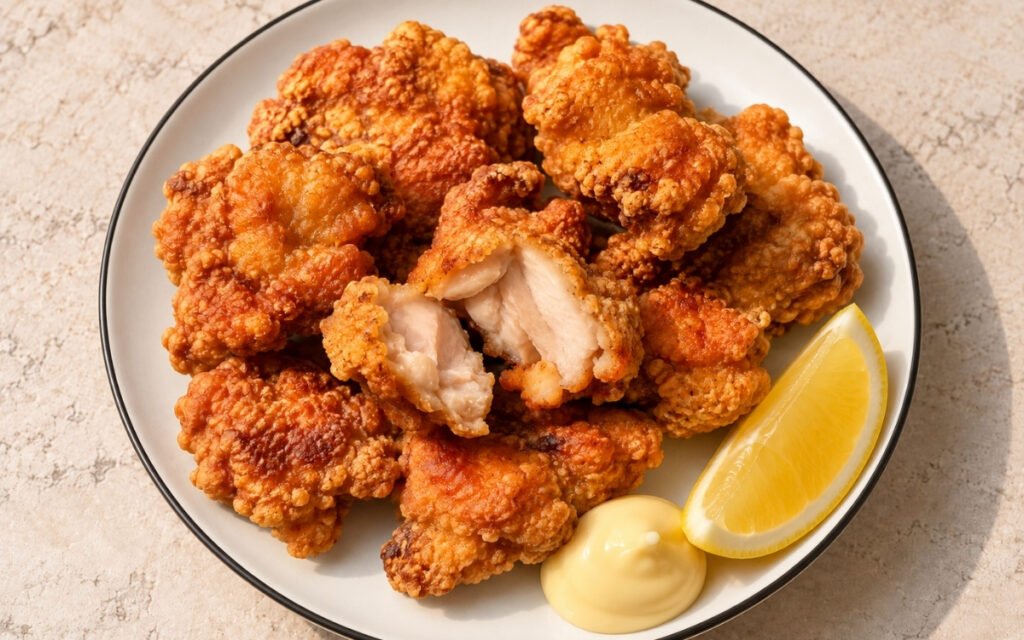
Karaage — Japanese Fried Chicken
Bite-sized double-fried chicken thigh pieces marinated in soy sauce, sake, ginger and garlic, coated in potato starch for a deeply golden, craggy crust.
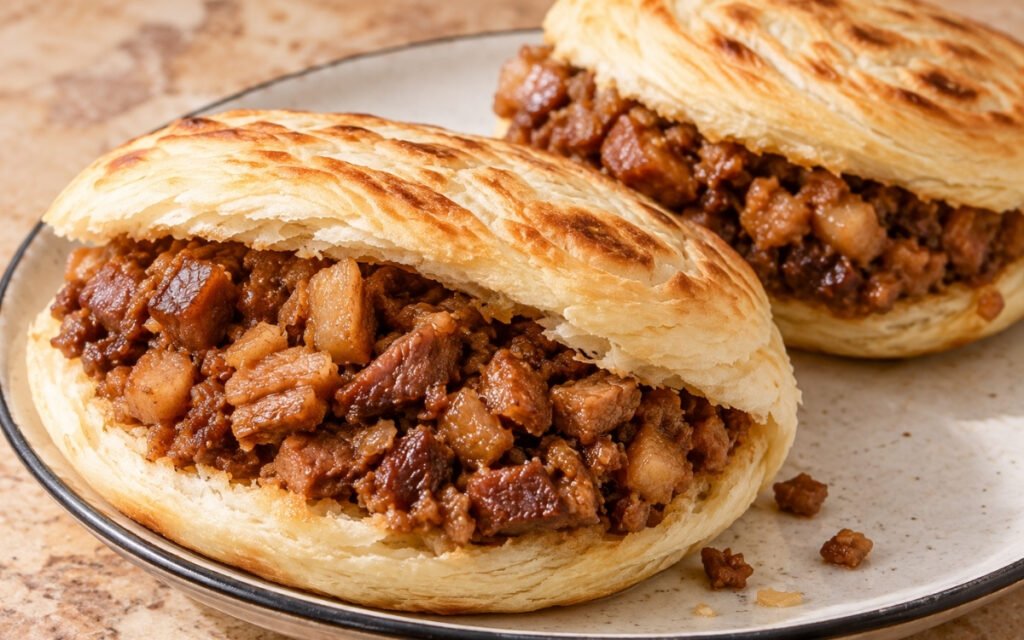
Roujiamo Sandwich
Crisp-outside, soft-inside flatbread packed with finely chopped, richly spiced braised pork belly and reduced braising juices.
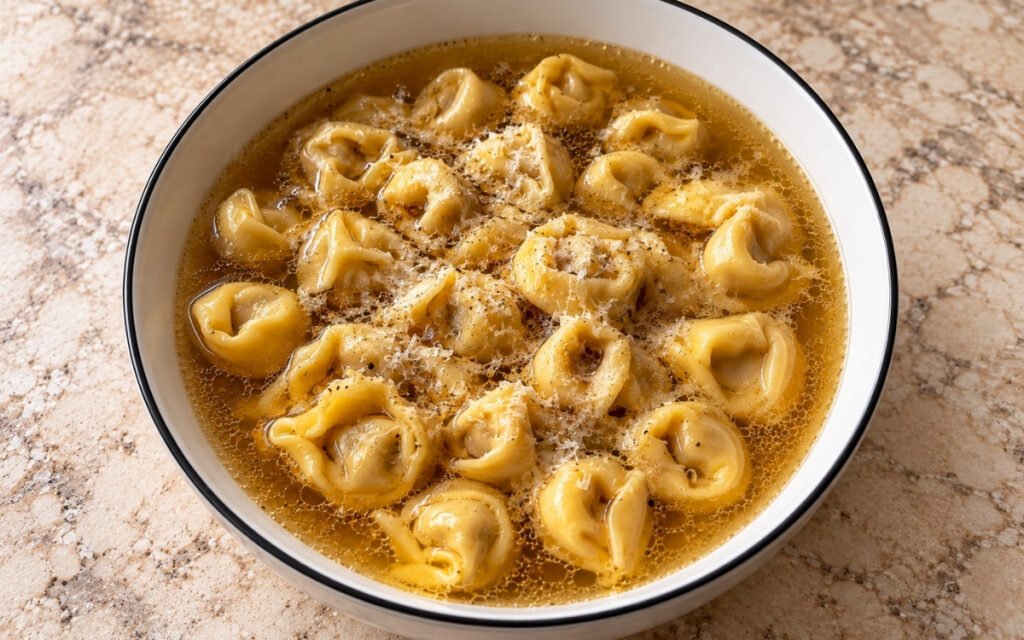
Tortellini in Brodo
Small meat tortellini in a clear, golden, deeply savory beef and chicken broth, finished simply with Parmigiano-Reggiano.
You might also like
You might also like
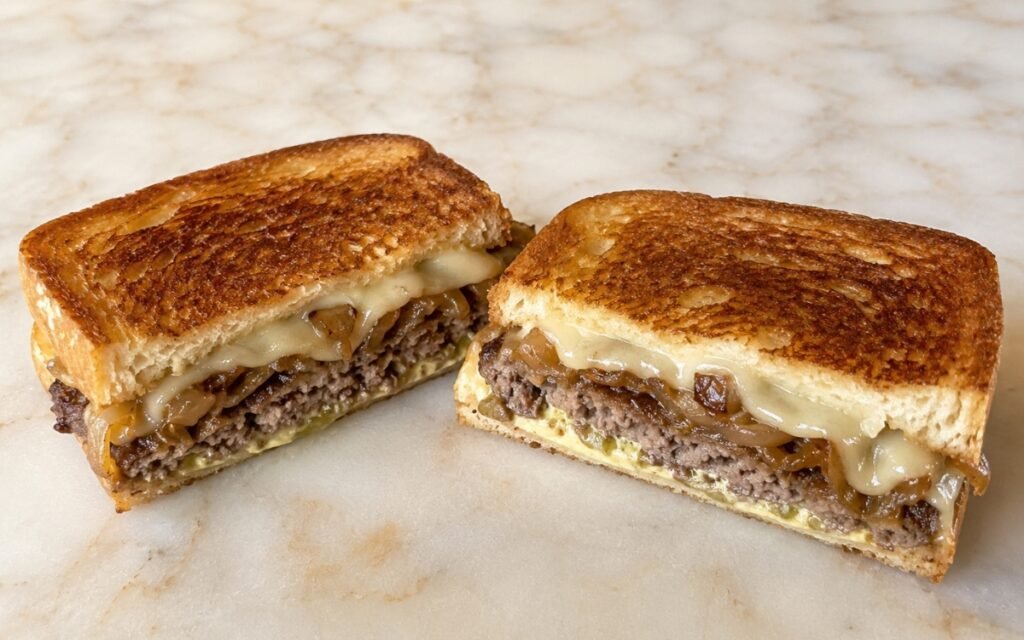
Patty Melt
A thin seared beef patty with slow-caramelized onions and melted Swiss cheese, griddled between brioche toast bread with a tangy pickle sauce.
Paris Steak Frites
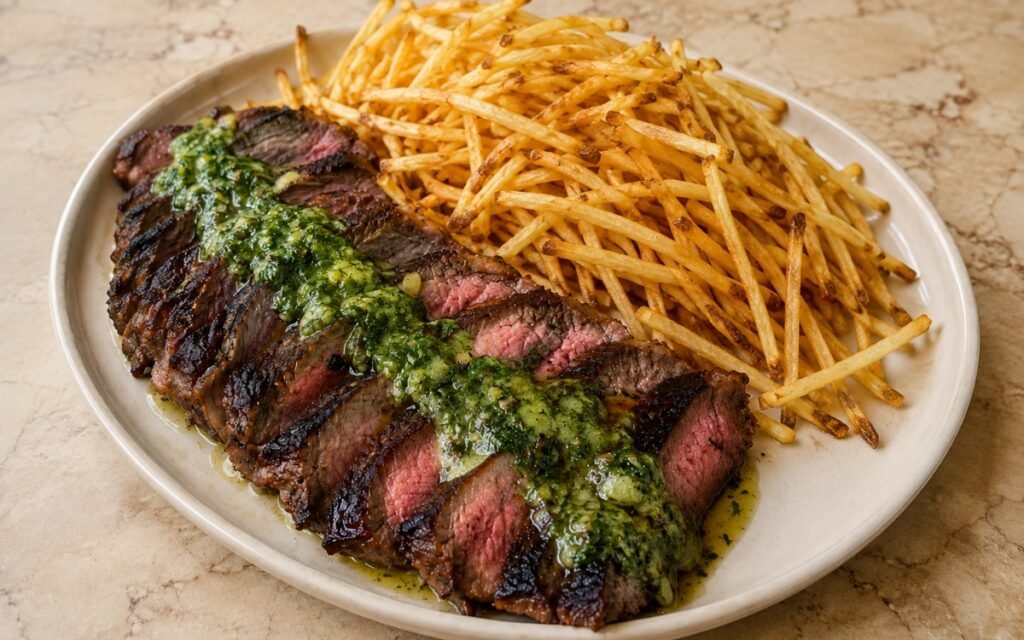
Seared medium-rare steak with a deep crust, double-fried shoestring frites, and a rich café de Paris-style herb butter sauce.
Crispy Cheesy Beef Taquitos
Slow-braised shredded beef and melted Mexican cheese rolled tightly in corn tortillas, fried crisp, and finished with creamy avocado sauce.


Supplì al Telefono
Ingredients
Method
- Heat the olive oil in a wide sauté pan or shallow pot over medium heat. Add the onion and cook for 6–8 minutes until soft and lightly translucent, not browned. Add the ground beef and cook, breaking it up well, until no longer pink and the moisture has mostly cooked off, about 5–6 minutes. Add the garlic and cook for 30 seconds. Stir in the tomato paste and cook for 1–2 minutes until slightly darkened. Add the passata, salt, black pepper and chili flakes if using. Simmer for 8–10 minutes until lightly thickened. The sauce should taste concentrated and savory, not watery, because it has to season the entire rice mixture. That concentrated base carries seasoned flavour all the way through the rice cooked in it — a watery base would leave the whole mixture correspondingly flat.
- Add the rice directly to the tomato-meat sauce and stir well to coat. Add enough hot stock to cover well. Simmer over medium to medium-low heat, stirring frequently and adding more hot stock as needed, until the rice is fully cooked, thick, sticky and much drier than a normal risotto, about 18–22 minutes. You want the grains tender with a little bite left, but the mixture should hold together in a mound and not spread loosely. Stir in the butter, Pecorino Romano and Parmigiano-Reggiano. Taste and adjust salt. This is not a loose risotto. If the mixture is still saucy or flowing, cook it a few minutes longer to drive off excess moisture. That deliberately drier target, well beyond a standard risotto’s own consistency, is exactly what gives this rice the real structural firmness needed to shape and hold a filling later.
- Spread the rice mixture onto a tray or large shallow dish in an even layer. Let it cool to room temperature, then refrigerate for at least 2 hours, until completely cold and firm. Shaping warm rice will be messy and the supplì will split during frying. The mixture must be fully cold. A thin, flat layer chills faster and more evenly than a mound, which can stay warm in the middle long after the top feels cold.
- While the rice chills, cut the mozzarella into 12 pieces. Pat the mozzarella very dry with paper towels. Set up 3 shallow bowls: flour; eggs beaten with 2 tbsp water and a pinch of salt; and breadcrumbs. Damp mozzarella creates steam and can rupture the crust during frying. Dry it well. That thorough drying removes surface moisture that would otherwise convert to steam inside the sealed rice shell, building pressure that risks cracking the supplì open in the hot oil.
- Divide the chilled rice mixture into 12 equal portions, about 85–95g each. With damp hands, flatten one portion in your palm. Place one piece of mozzarella in the center. Enclose the cheese completely and shape into a compact oblong or slightly torpedo-like croquette, pressing firmly so there are no cracks. Repeat with the remaining rice and mozzarella. Place the shaped supplì on a tray. Each croquette should feel tight, smooth and compact. Loose shaping causes blowouts in the fryer.
- Coat each croquette in flour, shaking off the excess. Dip in the egg mixture, letting the excess drip off. Coat thoroughly in breadcrumbs, pressing lightly so the crumbs adhere evenly. For a sturdier crust, especially if the rice mixture feels soft, dip once more in egg and breadcrumbs. Place the breaded croquettes on a tray and chill for 20–30 minutes. The short post-breading chill helps the coating set and reduces crust separation during frying. That brief chill lets the egg wash begin properly binding the breadcrumb layer to the rice shell beneath it, before the whole croquette faces the sudden shock of hot oil.
- Heat the oil to 170–175°C / 340–350°F. Fry the supplì in small batches for 4–5 minutes, turning as needed, until evenly deep golden brown and crisp. Transfer to a rack or paper towels. Let rest for 2–3 minutes before serving. The crust should be evenly golden and crisp, and the center fully hot so the mozzarella melts and stretches. Keep the oil in that range: cooler oil soaks into the supplì before the crust crisps, and hotter oil colours the crust before the centre heats through.
- Serve hot. For the classic “al telefono” effect, split one open while hot and pull the halves apart so the mozzarella stretches in long strands. That signature stretch depends on the cheese still being hot and molten — the longer the supplì sits, the more that stretch shortens and eventually disappears altogether.