
Arancini
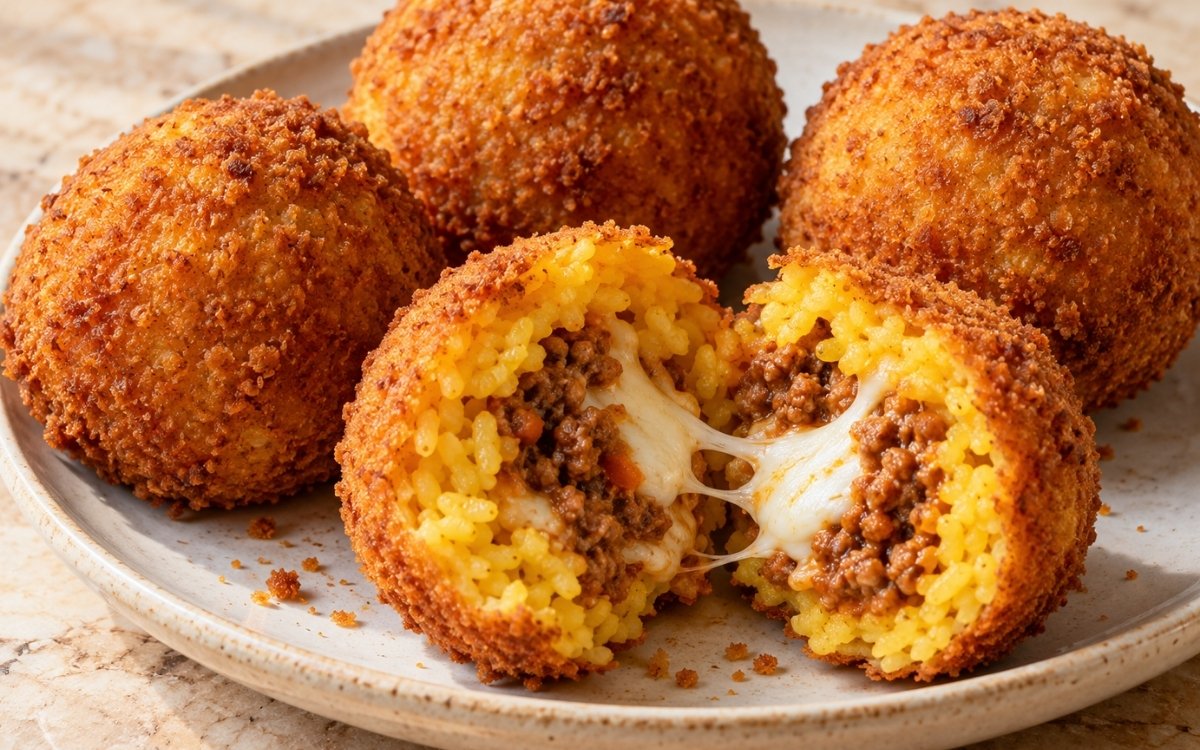
Classical Sicilian-style arancini made with saffron-scented rice, a thick meat filling of ground beef and pork, a melty mozzarella center, and a crisp breadcrumb shell fried until deeply golden, built around fully cooling the rice, reducing the meat filling until it is thick and not wet, shaping the balls tightly, and frying at a steady temperature so the crust crisps before the cheese leaks. Both the rice and the meat filling must be completely cool before shaping; warm rice is too soft to wrap around a filling and hold a clean, cohesive shell. A thick, concentrated meat filling, never a wet one, keeps the rice shell from breaking and leaking during frying. Steady oil temperature lets the crust crisp fully before the cheese can leak out. The result is an arancino with classic Sicilian contrast — a crisp, deeply golden shell around sticky saffron rice, a savoury meat center, and cheese that stretches when opened.

Prep Time : 1 hr, 15 min
Cook Time : 30 min
Servings : 4
1 hr, 15 min
30 min
4
Ingredients
For the Rice
• 400g Arborio or Carnaroli rice — this one on Amazon
• 1.1L chicken stock or light broth
• 30g unsalted butter — this one on Amazon
• 1 small onion, very finely diced
• 1 small pinch saffron threads
• 2 tbsp hot water
• 60g finely grated Parmesan or Pecorino Romano — this one on Amazon
• 2 large egg yolks
• 8g salt, or to taste
• Black pepper, to taste
For the Meat Filling
• 150g ground beef 85/15
• 150g ground pork shoulder
• 15ml olive oil — this one on Amazon
• 1 small onion, finely diced
• 1 small carrot, very finely diced
• 1 celery stalk, very finely diced
• 2 garlic cloves, minced
• 60ml dry white wine
• 180g passata or crushed tomatoes
• 1 tbsp tomato paste
• 60–80ml water or stock, as needed
• 50g frozen peas, optional but classical
• 1 bay leaf
• Salt, to taste
• Black pepper, to taste
For the Cheese Center
• 180–200g low-moisture mozzarella or caciocavallo, cut into 12 small cubes — this one on Amazon
For Coating
• 100g all-purpose flour — this one on Amazon
• 3 large eggs
• 2–3 tbsp water
• 180–220g fine dry breadcrumbs
For Frying
• Neutral oil, as needed for deep frying
To Finish (Optional)
• Finely grated Parmesan
• Finely chopped parsley
This post may contain affiliate links. As an Amazon Associate I earn from qualifying purchases, at no additional cost to you.
Directions
- Make the Rice
Steep the saffron in 2 tbsp hot water for 5–10 minutes. In a wide pot, melt the butter over medium heat. Add the onion and cook for 4–5 minutes until soft but not browned. Add the rice and stir for 1–2 minutes so the grains are coated and slightly translucent on the edges. Add the saffron water, then gradually add the stock. Cook the rice until tender but still with a little structure, about 15–18 minutes, stirring often. The finished rice should be thick and relatively dry, not loose like a flowing risotto. Off the heat, stir in the grated cheese, salt and pepper. Let cool for 5 minutes, then mix in the egg yolks. Spread the rice onto a tray or large dish in an even layer and cool completely. The rice must cool fully before shaping. Warm rice is too soft and will not hold the filling cleanly. The rice should feel sticky and compactable, but the grains should still remain visible. Spread out, the rice loses heat quickly and evenly; left in the pot, the center stays warm long after the top has cooled. - Make the Meat Filling
Heat the olive oil in a skillet over medium heat. Add the onion, carrot and celery and cook for 6–8 minutes until softened. Add the garlic and cook for 30 seconds. Add the beef and pork. Cook, breaking it up well, until browned and no longer pink. Add the tomato paste and cook for 1 minute. Deglaze with the white wine and let it reduce almost completely. Add the passata, bay leaf, a small splash of water or stock, salt and pepper. Simmer gently for 12–15 minutes until thick. If using peas, stir them in during the last 3–4 minutes. Remove the bay leaf and cool completely. The filling must be thick, concentrated and not watery. If it is loose, it will break the rice shell and cause leaking during frying. Don’t stop the reduction early: any liquid left in the filling has nowhere to go in the hot oil except out through the rice shell. - Prepare the Cheese
Cut the mozzarella or caciocavallo into 12 small cubes. If using mozzarella, blot it dry well with paper towels. Wet cheese creates steam and can split the arancini while frying. That thorough blotting removes surface moisture that would otherwise convert to steam inside the sealed rice shell, building pressure that risks cracking the arancino open during its time in the hot oil. - Shape the Arancini
Set out the cooled rice, cooled meat filling and cheese cubes. Lightly wet your hands. Take about 85–95g rice and flatten it into your palm. Make a shallow cup. Add about 1 tbsp meat filling and 1 cube cheese in the center. Cover with a little more rice if needed and seal completely, shaping into a compact round ball. Repeat to make 12 arancini. Transfer to a tray and chill for 30–60 minutes. The filling must stay centered and fully enclosed by rice. Any weak thin spots will open in the oil. Press firmly enough that the balls are compact, but not so aggressively that the rice turns mashed. That deliberate balance — firm enough for real compactness, gentle enough to preserve the rice’s own texture — is exactly what produces a shell strong enough to survive frying without ever turning the rice into paste. - Bread the Arancini
Prepare 3 bowls: flour, eggs beaten with 2–3 tbsp water, and breadcrumbs. Coat each arancino first in flour, then egg, then breadcrumbs. Press the crumbs on evenly. Return to the tray and let them rest for 10–15 minutes. Even coating is important for an intact crisp crust. If needed, you can re-dip thin spots in egg and crumbs. That brief resting period after breading lets the egg wash begin properly binding the crumb coating to the rice shell beneath it, before the whole arancino faces the sudden shock of hot oil. - Fry
Heat neutral oil to 170–175°C. Fry the arancini in batches for about 4–5 minutes, turning as needed, until evenly deep golden brown and heated through. Transfer to a rack or paper towel-lined tray. Do not overcrowd the fryer or pot. If the oil temperature drops too much, the arancini absorb oil and the crust softens. If the oil is too hot, the outside browns before the center is heated and the cheese melts unevenly. The crust should be a deep golden brown and audibly crisp; the center should be hot enough for the cheese to melt fully. Hold the oil in this range for every batch: below it the arancini soak up oil before they crisp, and above it the outside darkens before the filling is hot. - Serve
Let rest for 5 minutes before serving. Finish with a little grated Parmesan and parsley if desired. Serve hot so the center stays creamy and molten. That brief rest lets the exterior’s own residual heat settle slightly, making the arancini easier to handle, while still serving them hot enough for the cheese center to remain molten and stretchy.
*Notes :
- Cool both the rice and the meat filling completely before you start shaping. Warm rice is simply too soft to compact and hold a filling cleanly, so rushing this step weakens every stage that follows.
- Reduce the meat filling until it’s thick and concentrated, with no loose liquid. Any residual looseness in that filling has nowhere else to go once sealed inside the rice shell except directly out through it during frying, which is exactly why the recipe treats this reduction as a real, non-negotiable step rather than a rough guideline.
- Blot the mozzarella thoroughly dry before it goes into the center; it’s a small step that protects the shell. Wet cheese converts to steam inside a sealed shell, and that steam builds real pressure with nowhere to escape, which is directly what causes an arancino to crack open unexpectedly in the hot oil.
- Keep the oil temperature steady throughout frying; the crust’s texture depends on it.
Why This Recipe Works
This recipe works because both the rice and meat filling are cooled completely before shaping, giving the arancini real structural integrity from the start. The meat filling is reduced until thick, protecting the rice shell from leaking. The cheese is blotted dry, preventing steam pressure from cracking the shell during frying.
Careful, balanced shaping produces a compact but not mashed rice exterior, and maintaining a steady, correct oil temperature throughout frying lets the crust develop real, even crispness while the center heats through fully and the cheese melts properly.
Ingredient Breakdown
Fully Cooled Saffron Rice
Cooling completely gives the rice the firmness needed to shape and hold a filling cleanly.
Reduced, Concentrated Meat Filling
Thick and dry, protecting the surrounding rice shell from leaking during frying.
Thoroughly Dried Cheese Cubes
Removes surface moisture that would otherwise build steam pressure and crack the shell.
Balanced, Compact Shaping
Firm enough for real structural integrity, gentle enough to protect the rice’s own texture.
Even, Rested Breading
A brief rest lets the egg wash properly bind the crumb coating before frying.
Steady 170–175°C Frying Temperature
Protects against both excess oil absorption and an underheated, unevenly melted centre.
Flavor Structure Explained
Each part adds its own layer of flavour:
- Crisp, golden foundation (evenly breaded, correctly fried shell)
- Sticky, aromatic rice body (saffron-scented, cheese-enriched rice)
- Savoury, concentrated centre (reduced beef and pork ragù)
- Rich melted core (mozzarella or caciocavallo)
- Fresh finishing note (optional Parmesan, parsley)
An evenly breaded, correctly fried shell provides this arancino’s crisp, golden foundation. Sticky, saffron-scented rice, enriched with cheese and egg yolk, forms the aromatic body surrounding the filling. A reduced, concentrated beef and pork ragù defines the savoury centre, and a cube of melted mozzarella or caciocavallo adds a rich, stretchy core right at the heart of every arancino. An optional finish of grated Parmesan and fresh parsley ties the whole classic Sicilian dish together.
Common Mistakes to Avoid
- Shaping the Arancini With Warm Rice or Filling – This produces a soft, structurally weak shell that won’t hold together. Always cool both completely first.
- Leaving the Meat Filling Loose or Watery – This causes the rice shell to break and leak during frying. Reduce until thick enough to hold a spoon line.
- Skipping the Cheese-Drying Step – This risks steam pressure cracking the arancino open in the oil. Always blot the cheese thoroughly dry.
- Overcrowding the Fryer – This drops the oil temperature, causing the arancini to absorb excess oil. Always fry in properly spaced batches.
- Frying at Too High a Temperature – This browns the outside before the center heats through and the cheese melts evenly. Always maintain 170–175°C.
Variations
Caciocavallo Version
Use caciocavallo instead of low-moisture mozzarella for the cheese center for a firmer, more traditionally Sicilian melted core.
Pea-Added Version
Include the frozen peas in the meat filling during its final few minutes of simmering, for a classic, commonly included addition that fits naturally with the ragù.
Make-Ahead Frozen Version
Freeze the shaped and breaded arancini, then fry directly from frozen at a slightly lower starting temperature before increasing it, cooking until fully hot through.
Mini Arancini Version
Shape the rice and filling into smaller portions for bite-sized arancini suited to a party spread, adjusting the frying time slightly shorter to account for their reduced size.
Storage & Make-Ahead
Arborio or Carnaroli rice works best for this recipe because their starch helps bind the balls together, and the rice itself should be made noticeably drier than a standard flowing risotto, since loose, saucy rice makes shaping considerably more difficult.
Both the rice and the meat filling absolutely need to be fully cold before assembly begins, since warm components at this stage compromise the structural integrity every later step of shaping, breading, and frying depends on.
The classical filling direction here is a meat ragù paired with cheese, and peas are a common, well-fitting addition if you’d like to include them, while low-moisture mozzarella melts cleanly for the cheese center, with caciocavallo standing as the even more traditional choice if it’s available to you.
Deep frying gives the best result for this recipe, since shallow frying makes it considerably harder to brown the arancini evenly without risking cracks, and the shaped, breaded arancini can be chilled for several hours ahead of frying if you want to prepare them in advance.
These can also be frozen after breading for longer storage, and if frying from frozen, start at a slightly lower oil temperature before increasing it, continuing to cook until the arancini are hot all the way through.
Frequently Asked Questions
Why do both the rice and meat filling need to be fully cooled before shaping?
Warm rice is too soft to compact and hold the filling cleanly, and this cooling stage gives the arancini structural integrity from the very start of assembly, before any shaping, breading, or frying happens.
Why does the meat filling need to be reduced until thick rather than left looser?
Any residual liquid in the filling has nowhere else to go once it’s sealed inside the rice shell except directly through it during frying, which is exactly why this reduction stage is treated as a real, non-negotiable step.
Why does the mozzarella need to be blotted dry before it goes into the center?
Wet cheese converts to steam once it’s sealed inside the hot rice shell, and that steam builds real pressure with nowhere to escape, which can crack an arancino open during frying.
Why does the oil temperature need to stay so precisely within 170–175°C?
Oil that’s too cool lets the arancini absorb excess fat before the crust crisps, while oil too hot browns the outside before the center has heated through and the cheese has melted evenly.
Are there other classic Italian rice, risotto, or fried cheese dishes worth trying?
Risotto alla Milanese and Mushroom Risotto both offer other classic Italian risotto directions worth exploring. Supplì al Telefono is also worth trying for a related, Roman-style fried rice ball, and Quick Warm Tomato Garlic Sauce and Homemade Mozzarella Sticks pair naturally alongside this dish or offer another classic fried cheese direction.
Nutrition Facts
( Per Serving — 3 arancini )
Calories
~780 kcal
Protein
32 g
Fat
34 g
Carbs
88 g
Calories
~780 kcal
Protein
32 g
Fat
34 g
Carbs
88 g
Related Recipes
Related Recipes

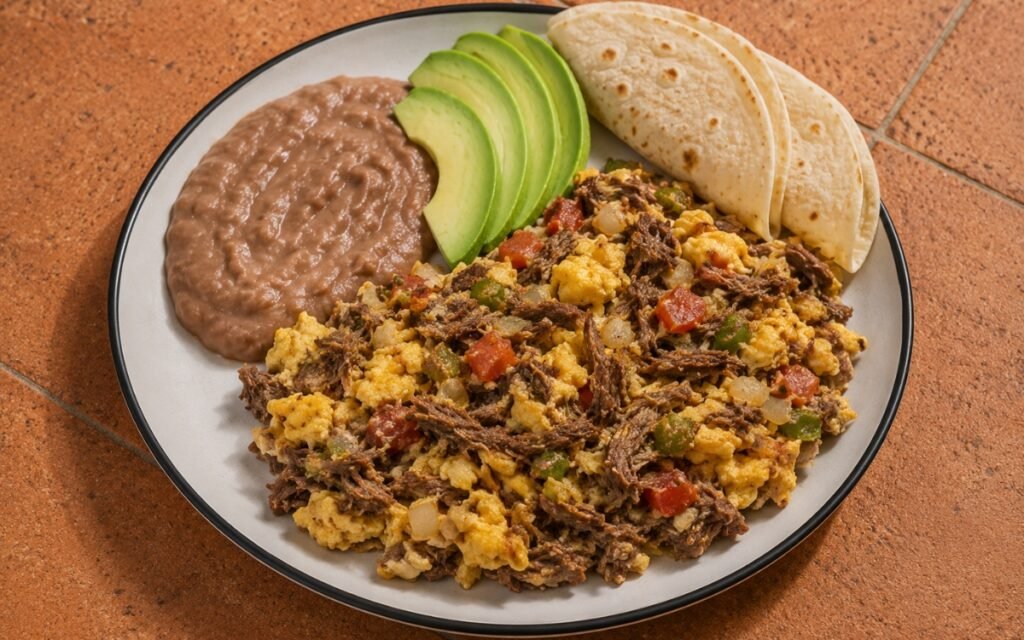
Machaca con Huevo
Scrambled eggs cooked with shredded dried beef, tomato, onion, and green chile, served with refried beans, avocado, and warm flour tortillas.
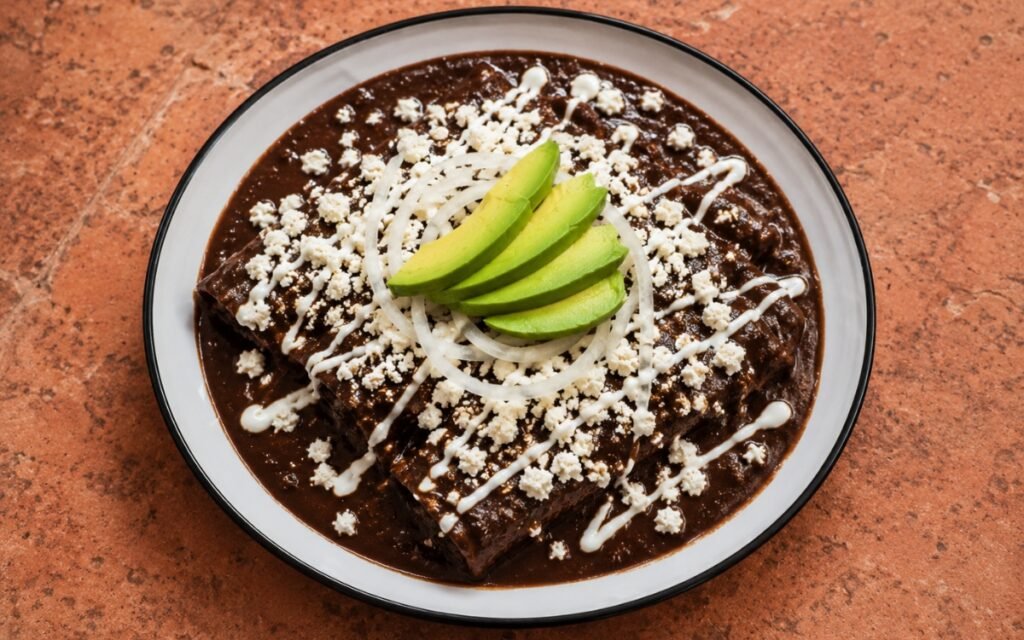
Enfrijoladas
Soft corn tortillas lightly fried, dipped in glossy black bean sauce, folded around queso fresco, and finished with more cheese, crema, onion, and avocado.
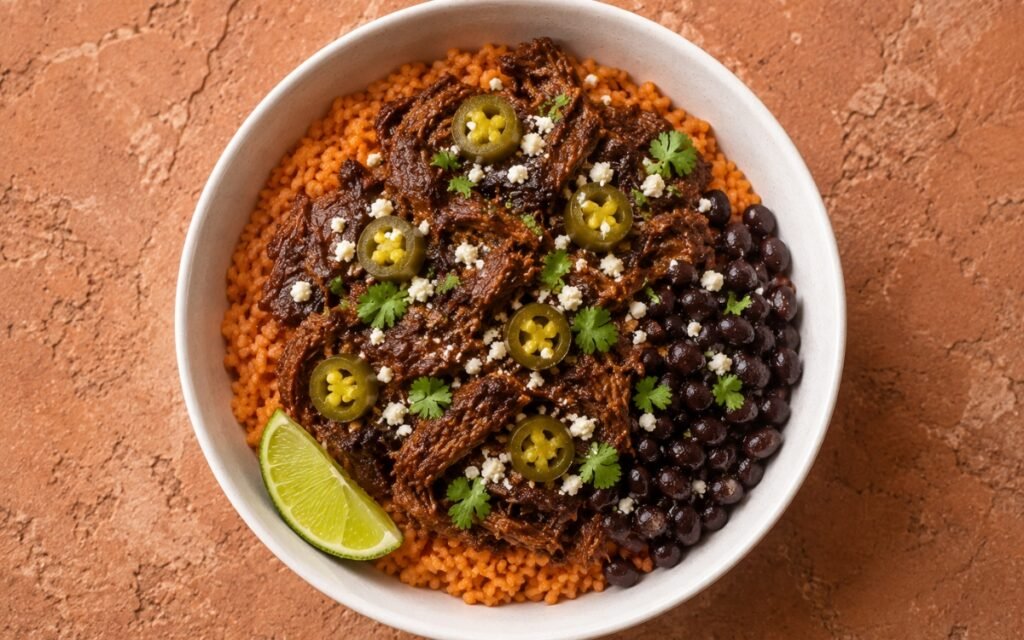
Mexican Barbacoa Rice Bowl
Beef chuck braised in a toasted chile sauce until tender, shredded and reduced until glossy, served over toasted tomato rice with whole black beans and cotija.
You might also like
You might also like
Sausages in Blankets
Cocktail sausages and a small log of cheddar wrapped in flaky puff pastry, brushed with egg wash until deep golden and glossy.
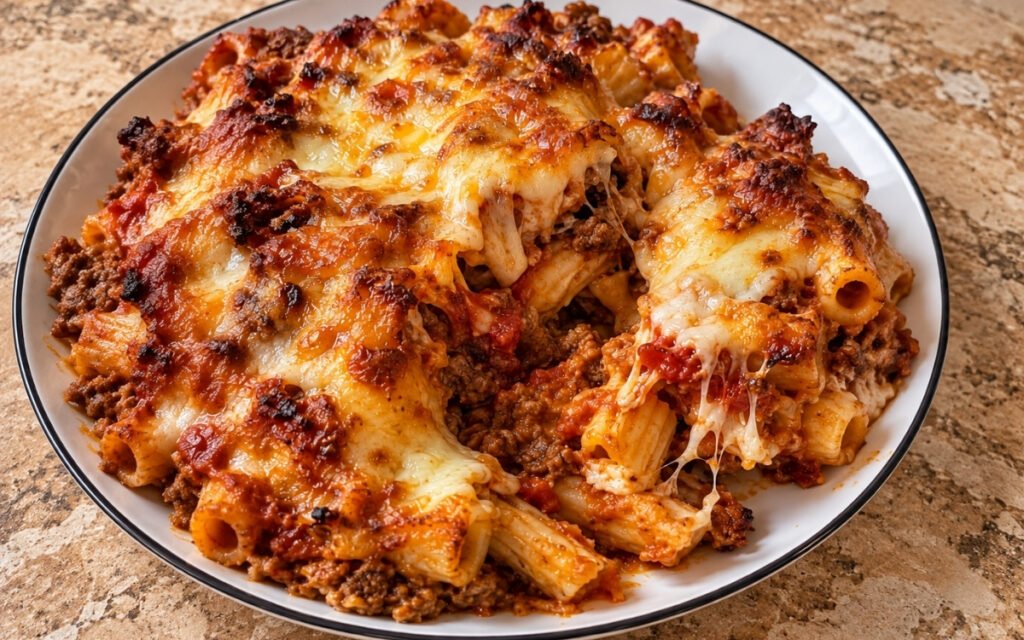
Pasta al Forno
Rigatoni or penne in a rich beef and pork tomato sauce with melted mozzarella and a browned cheesy top, baked until bubbling.
Brazilian Coxinha
Creamy shredded chicken filling wrapped in cooked-starch dough, shaped into classic teardrops, and fried until deeply golden and crisp.

Arancini
Ingredients
Method
- Steep the saffron in 2 tbsp hot water for 5–10 minutes. In a wide pot, melt the butter over medium heat. Add the onion and cook for 4–5 minutes until soft but not browned. Add the rice and stir for 1–2 minutes so the grains are coated and slightly translucent on the edges. Add the saffron water, then gradually add the stock. Cook the rice until tender but still with a little structure, about 15–18 minutes, stirring often. The finished rice should be thick and relatively dry, not loose like a flowing risotto. Off the heat, stir in the grated cheese, salt and pepper. Let cool for 5 minutes, then mix in the egg yolks. Spread the rice onto a tray or large dish in an even layer and cool completely. The rice must cool fully before shaping. Warm rice is too soft and will not hold the filling cleanly. The rice should feel sticky and compactable, but the grains should still remain visible. Spread out, the rice loses heat quickly and evenly; left in the pot, the center stays warm long after the top has cooled.
- Heat the olive oil in a skillet over medium heat. Add the onion, carrot and celery and cook for 6–8 minutes until softened. Add the garlic and cook for 30 seconds. Add the beef and pork. Cook, breaking it up well, until browned and no longer pink. Add the tomato paste and cook for 1 minute. Deglaze with the white wine and let it reduce almost completely. Add the passata, bay leaf, a small splash of water or stock, salt and pepper. Simmer gently for 12–15 minutes until thick. If using peas, stir them in during the last 3–4 minutes. Remove the bay leaf and cool completely. The filling must be thick, concentrated and not watery. If it is loose, it will break the rice shell and cause leaking during frying. Don’t stop the reduction early: any liquid left in the filling has nowhere to go in the hot oil except out through the rice shell.
- Cut the mozzarella or caciocavallo into 12 small cubes. If using mozzarella, blot it dry well with paper towels. Wet cheese creates steam and can split the arancini while frying. That thorough blotting removes surface moisture that would otherwise convert to steam inside the sealed rice shell, building pressure that risks cracking the arancino open during its time in the hot oil.
- Set out the cooled rice, cooled meat filling and cheese cubes. Lightly wet your hands. Take about 85–95g rice and flatten it into your palm. Make a shallow cup. Add about 1 tbsp meat filling and 1 cube cheese in the center. Cover with a little more rice if needed and seal completely, shaping into a compact round ball. Repeat to make 12 arancini. Transfer to a tray and chill for 30–60 minutes. The filling must stay centered and fully enclosed by rice. Any weak thin spots will open in the oil. Press firmly enough that the balls are compact, but not so aggressively that the rice turns mashed. That deliberate balance — firm enough for real compactness, gentle enough to preserve the rice’s own texture — is exactly what produces a shell strong enough to survive frying without ever turning the rice into paste.
- Prepare 3 bowls: flour, eggs beaten with 2–3 tbsp water, and breadcrumbs. Coat each arancino first in flour, then egg, then breadcrumbs. Press the crumbs on evenly. Return to the tray and let them rest for 10–15 minutes. Even coating is important for an intact crisp crust. If needed, you can re-dip thin spots in egg and crumbs. That brief resting period after breading lets the egg wash begin properly binding the crumb coating to the rice shell beneath it, before the whole arancino faces the sudden shock of hot oil.
- Heat neutral oil to 170–175°C. Fry the arancini in batches for about 4–5 minutes, turning as needed, until evenly deep golden brown and heated through. Transfer to a rack or paper towel-lined tray. Do not overcrowd the fryer or pot. If the oil temperature drops too much, the arancini absorb oil and the crust softens. If the oil is too hot, the outside browns before the center is heated and the cheese melts unevenly. The crust should be a deep golden brown and audibly crisp; the center should be hot enough for the cheese to melt fully. Hold the oil in this range for every batch: below it the arancini soak up oil before they crisp, and above it the outside darkens before the filling is hot.
- Let rest for 5 minutes before serving. Finish with a little grated Parmesan and parsley if desired. Serve hot so the center stays creamy and molten. That brief rest lets the exterior’s own residual heat settle slightly, making the arancini easier to handle, while still serving them hot enough for the cheese center to remain molten and stretchy.